Terri’s latest Sunday Stills challenge is Storm. She titled her post “Riders on the #Storm” and took us along on a some of her stormy road trips.
Terri’s challenge reminded me of a cross country RV trip we took towing our 5th wheel trailer. We left home in early April, 2007. Our plan was to drive north to Wisconsin and then travel west on I-90, visit Olympic National Park and then drive south along the coast on Highway 101 to see the Pacific coast in Washington, Oregon and California. What we didn’t plan on was driving through snow during the first part of our journey.
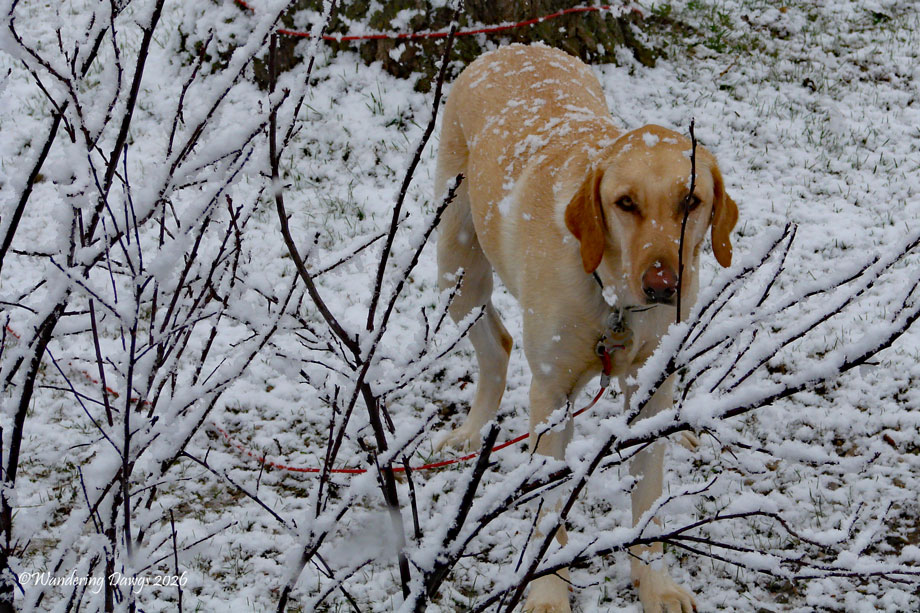
We started seeing snow flurries in Illinois. When we got to a campground in Wisconsin the snow was really coming down. The featured image is of our dog Blondie in the snow for the first time.
We left Wisconsin and started west on the interstate. We ran into a huge snow storm in Minnesota. The road was icy and driving on it was terrifying. We decided not to try to go any further when we saw a sign for a motel at the next exit. We parked in the motel parking lot hoping they would let us stay for the night with our dog Blondie. The desk clerk was very kind and let us have a room near the parking lot exit so we could take Blondie in and out without disturbing the other guests. Luckily they had a restaurant and we were able to have a hot dinner. We kept our eye on the weather and the road conditions all night. The next morning the roads were predicted to reopen later in the morning. The hotel staff was very helpful and let us have a late check out while we waited for the roads to open.
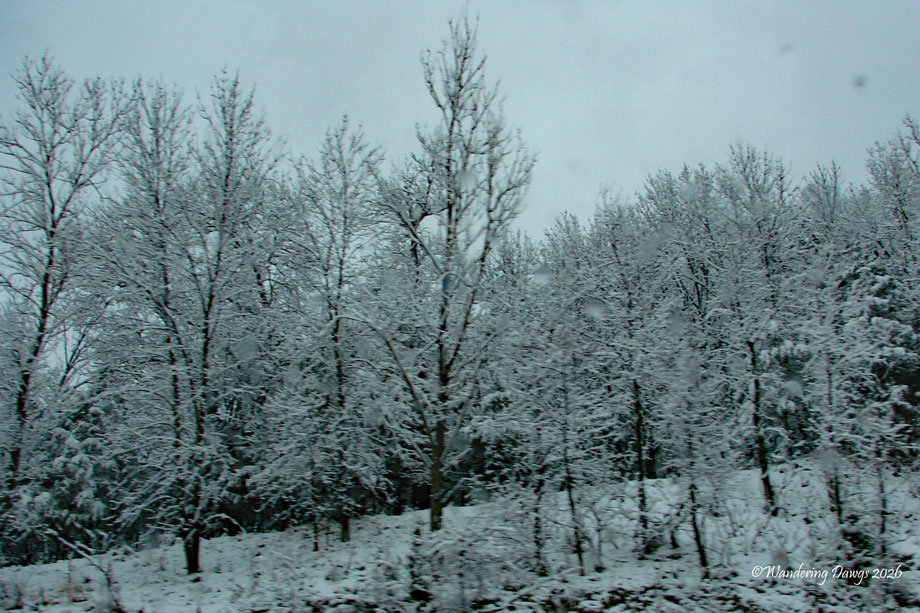
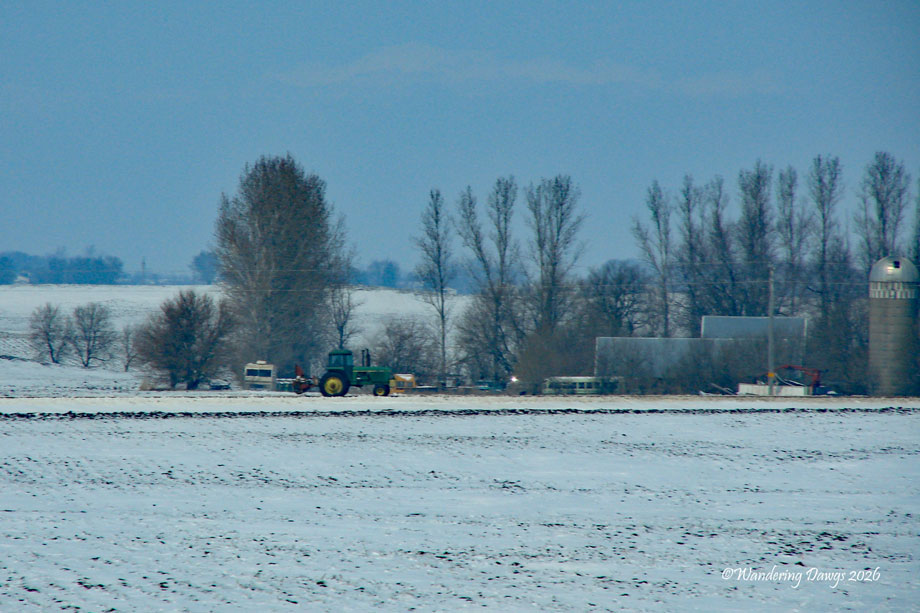
When the roads were opened back up we hit the road and continued west. We arrived safely at a state park.The rangers checked us in and since we were the only campers there and we could have any site we wanted. The water was frozen but there was electricity so we were good. We had quite an adventure camping in the snow in this beautiful park.
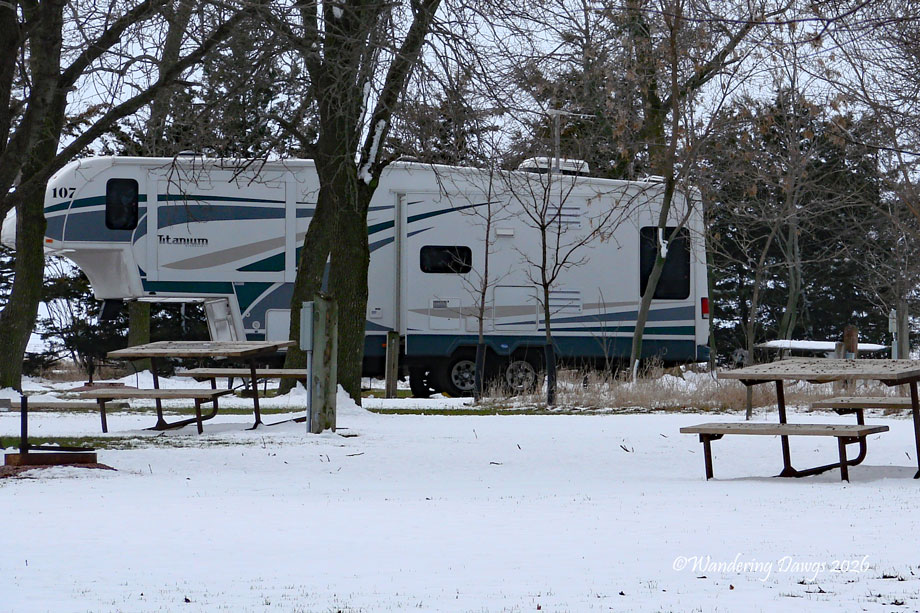
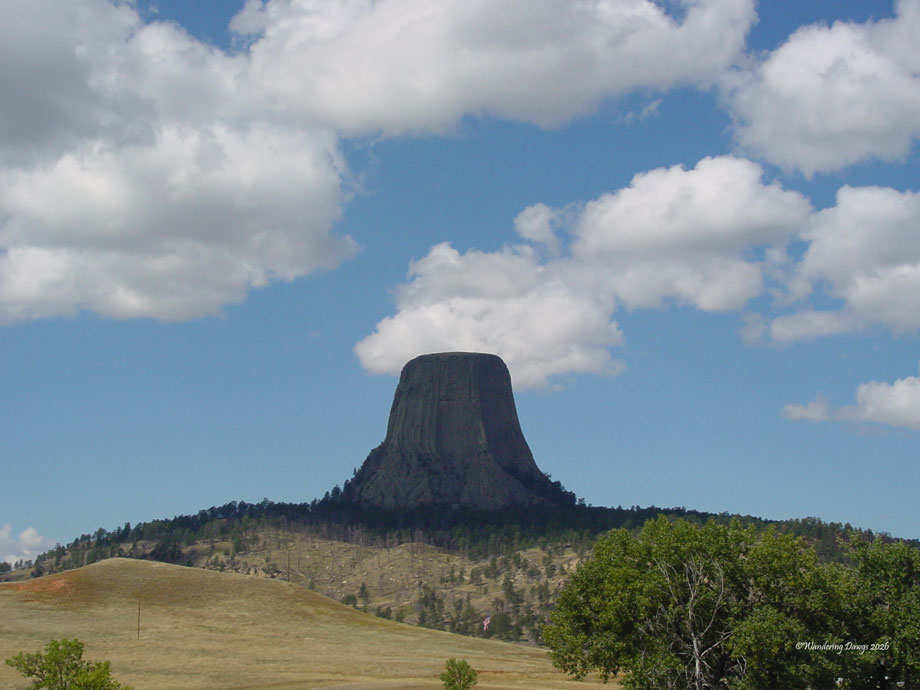
The next day we continued our westward trek. The weather was clear the next few days as we wandered around South Dakota, Wyoming and Montana without any problems. Our final stop in Montana was another snowy adventure. Everything was fine when we went to sleep that night. The next day we woke up to several inches of snow. We were headed west with more snow moving towards us from the east so we got out of there as fast as we could and arrived safely at our next destination in Washington.
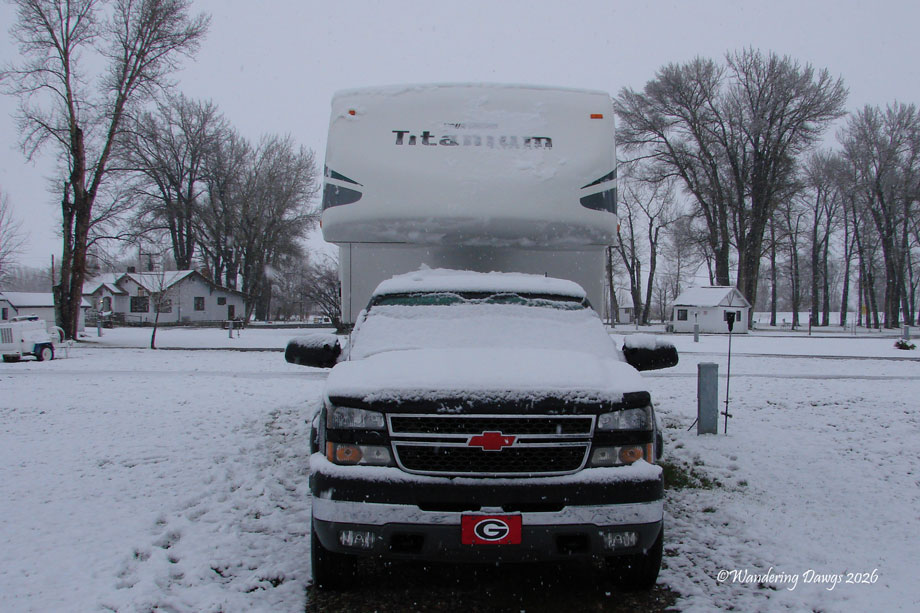
We were grateful to have survived the storms and were able to enjoy nice traveling weather for the next two months as we continued our west coast adventures.
Many thanks to Terri for her Sunday Stills challenge Riders on the #Storm
Every Day is a Gift






 Wandering Dawgs