In this challenge host Anne asks us “What is your Photographic Groove? What type of photography do you truly enjoy? “
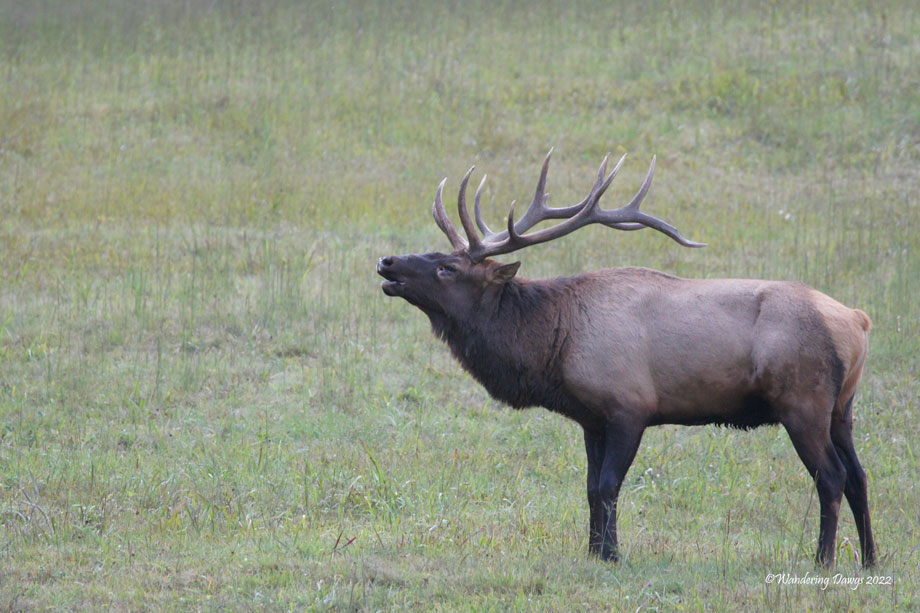
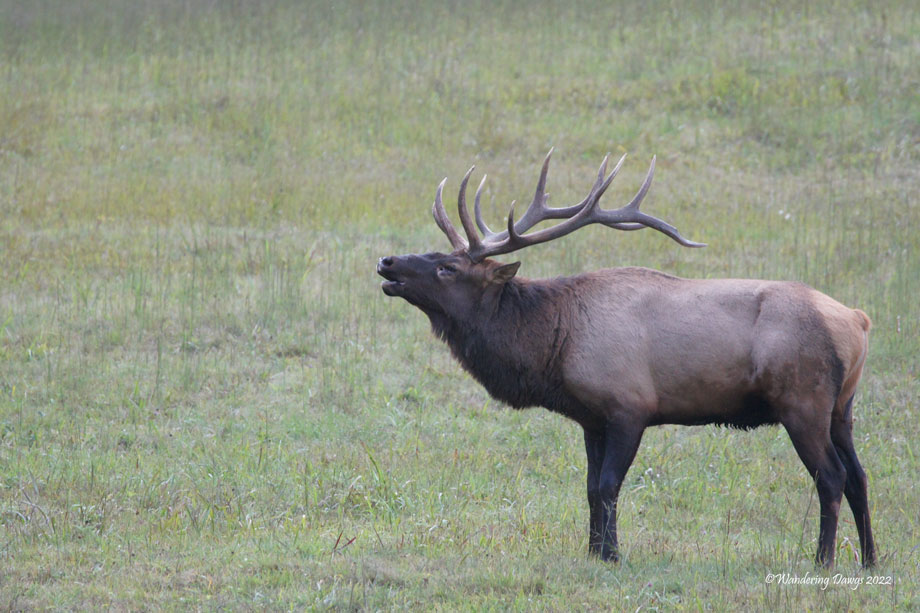
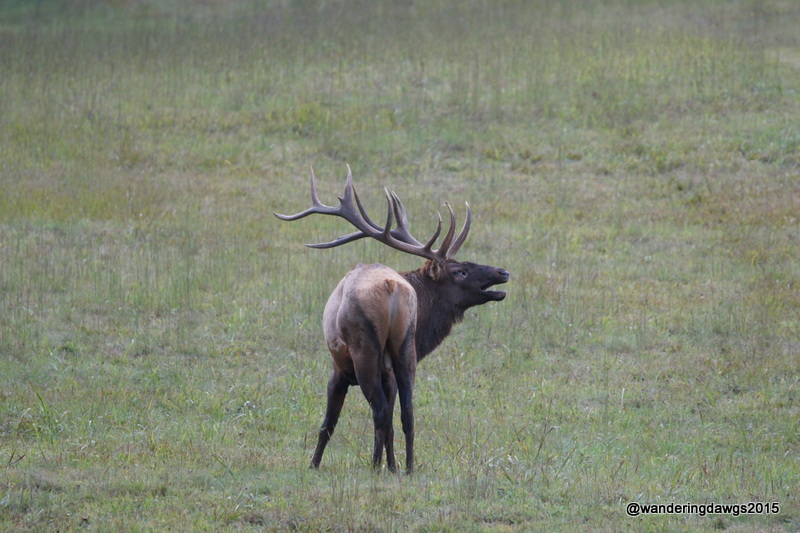
I enjoy the challenge of photographing birds and wildlife in their natural habitat. The header image is of a bugling Elk in Cataloochee Valley in the Great Smokey Mountains National Park in North Carolina. One fall we traveled there in hope of seeing the magnificent elk herd that lives there. We weren’t disappointed. I posted about our experience at Cataloochee Valley Elk in the Great Smokey Mountains National Park.
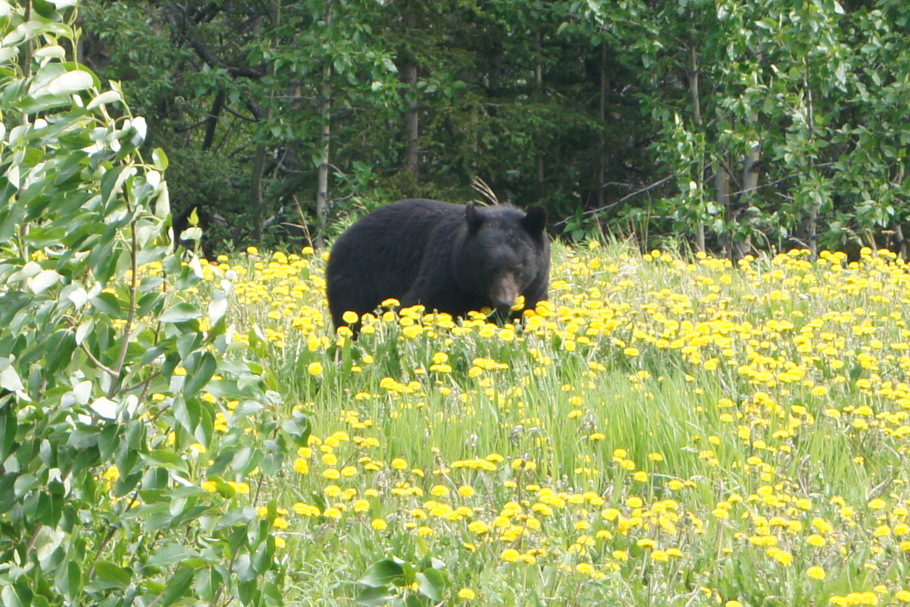
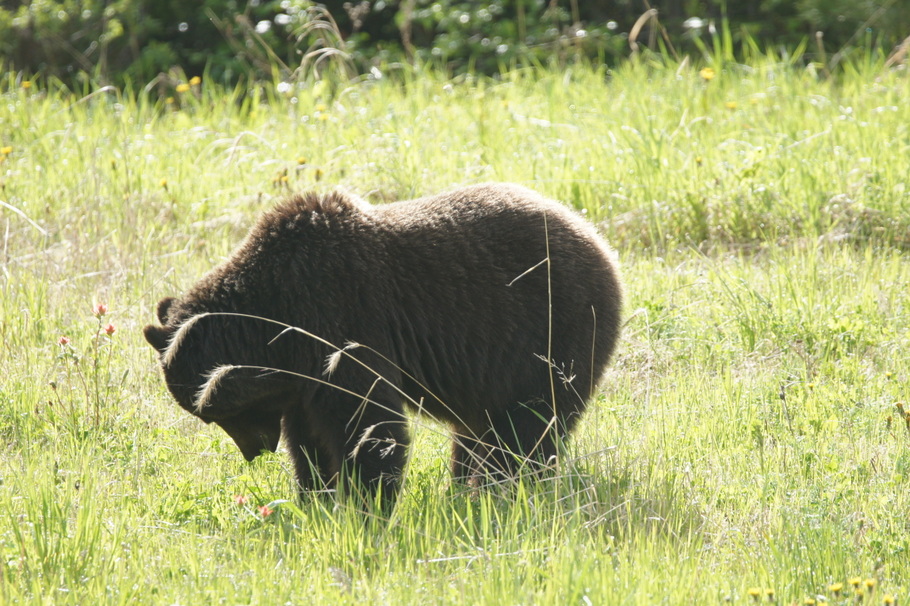
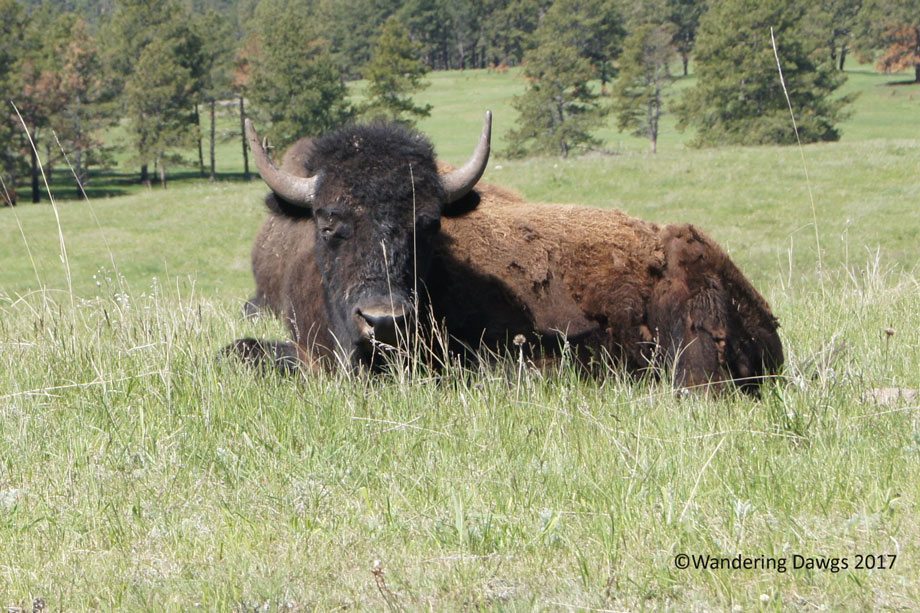
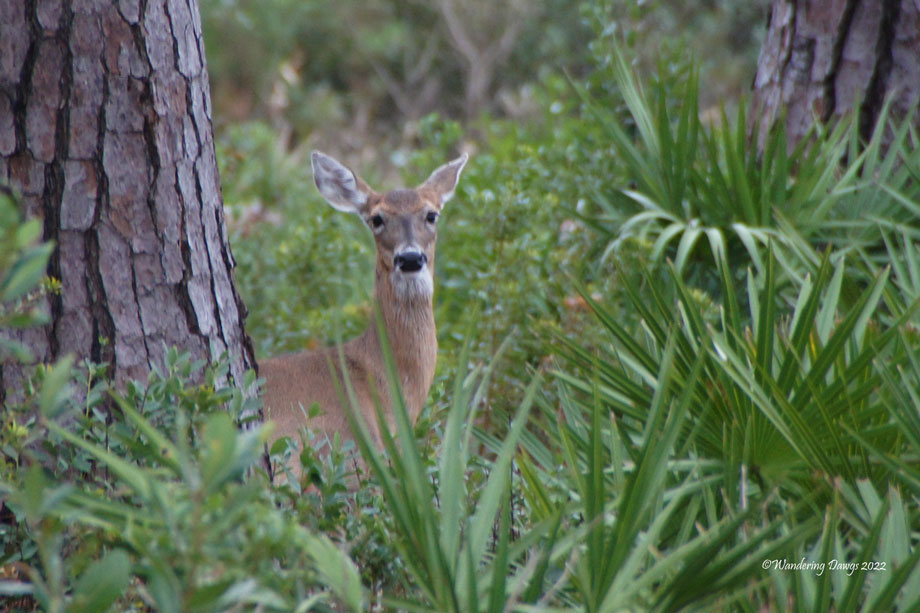
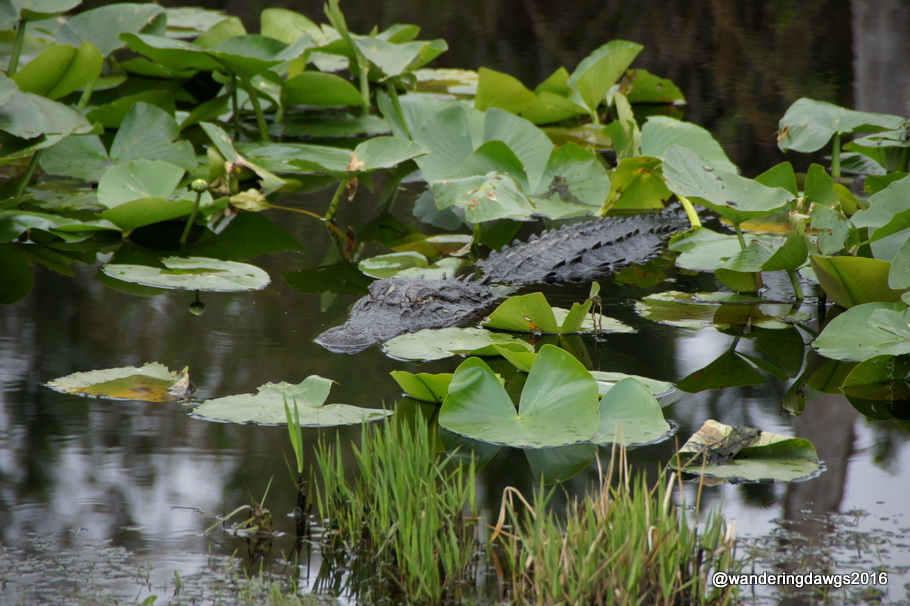
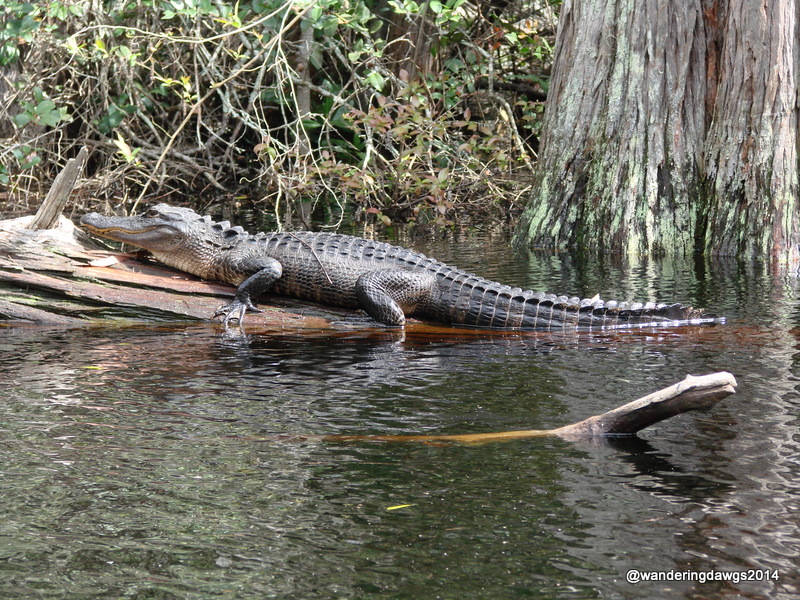
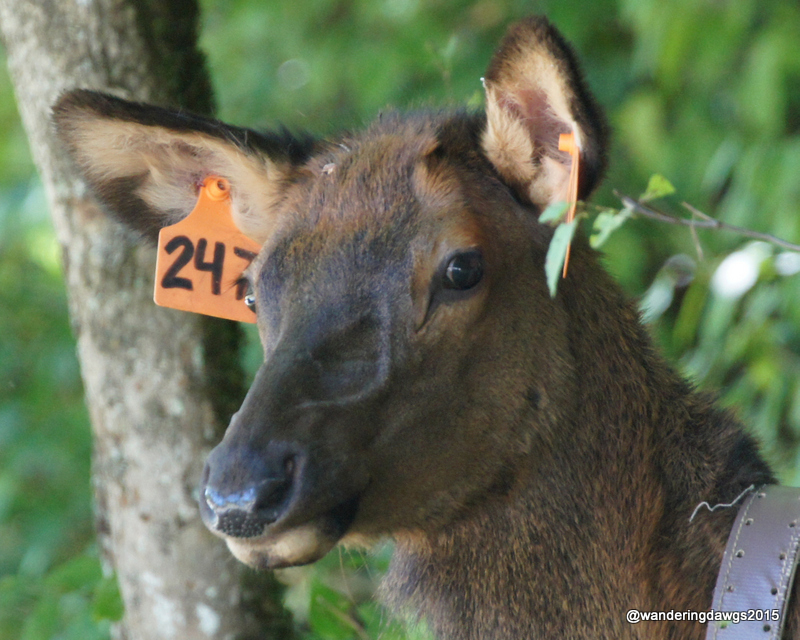
The following gallery contains some of my favorite wildlife images from our travels around the United States and Canada.
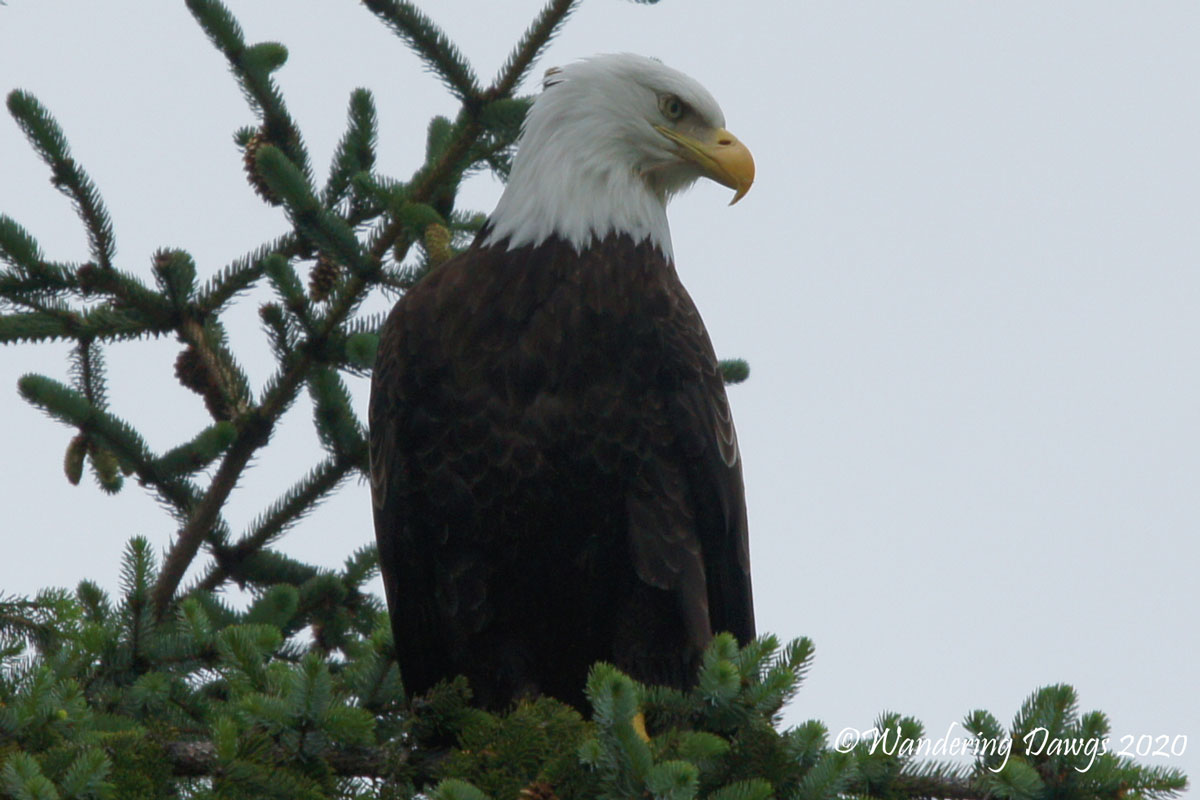
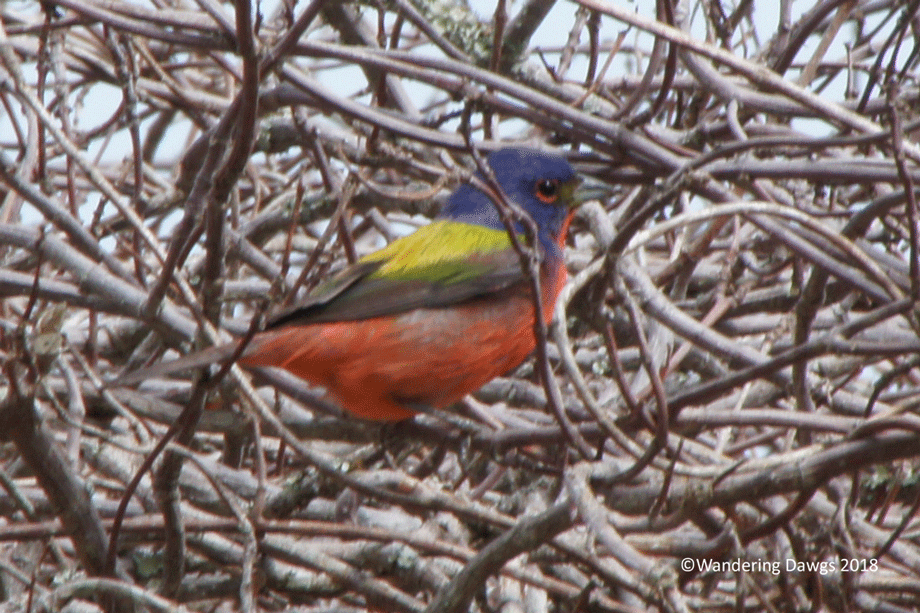
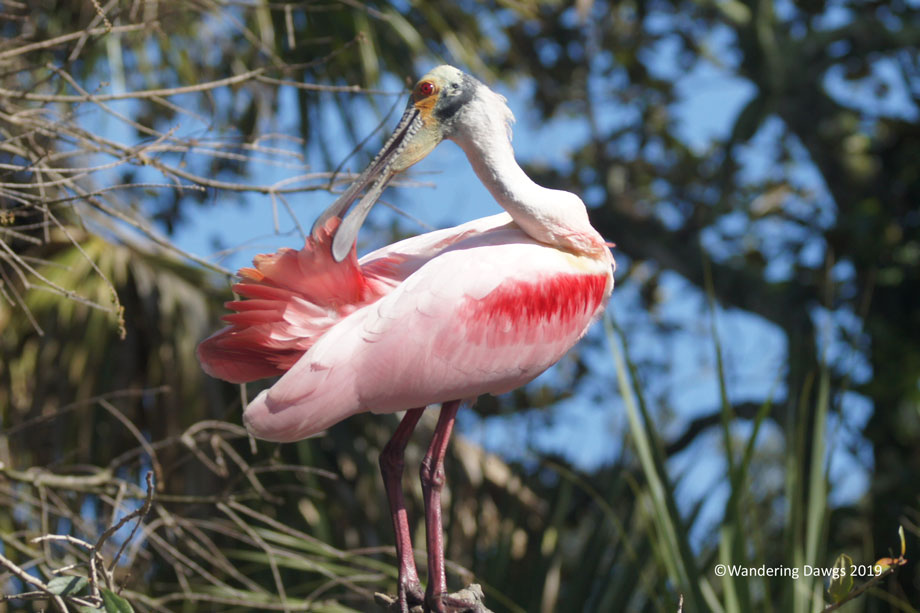
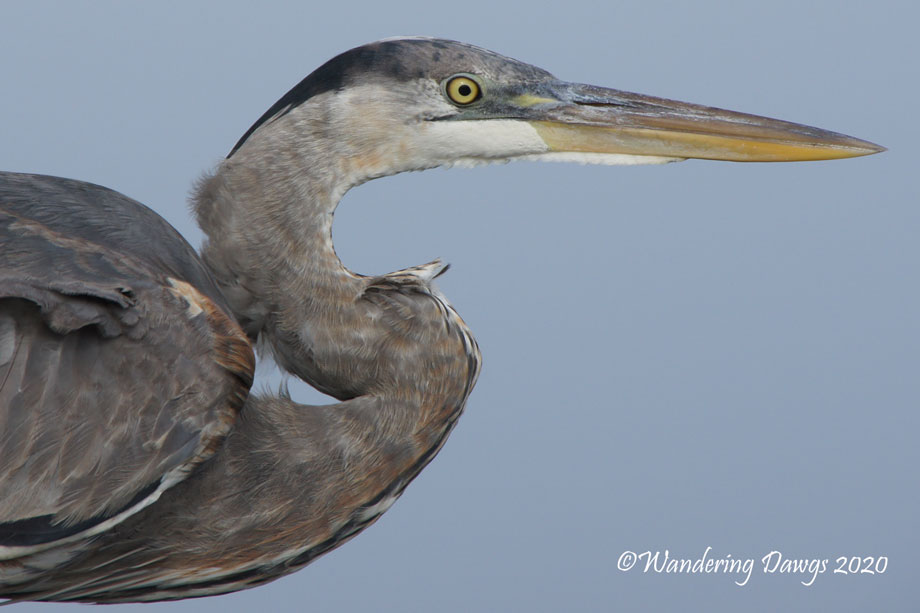
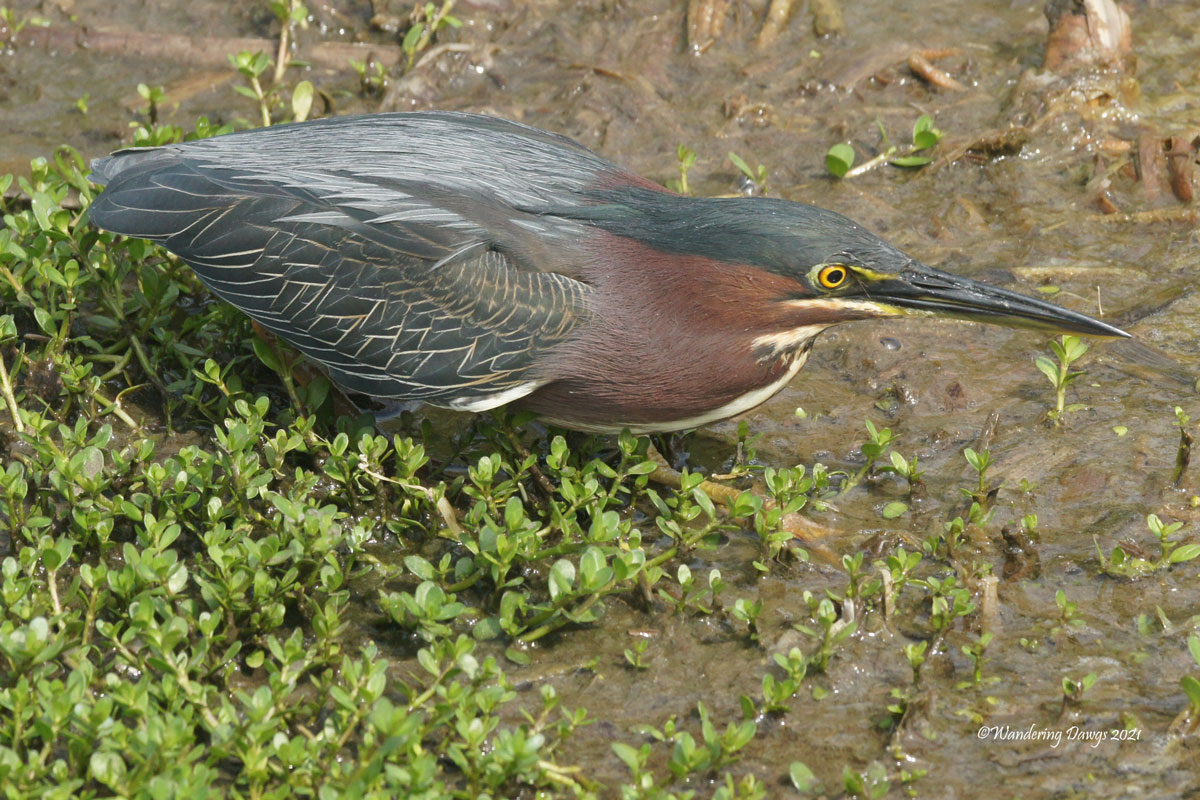
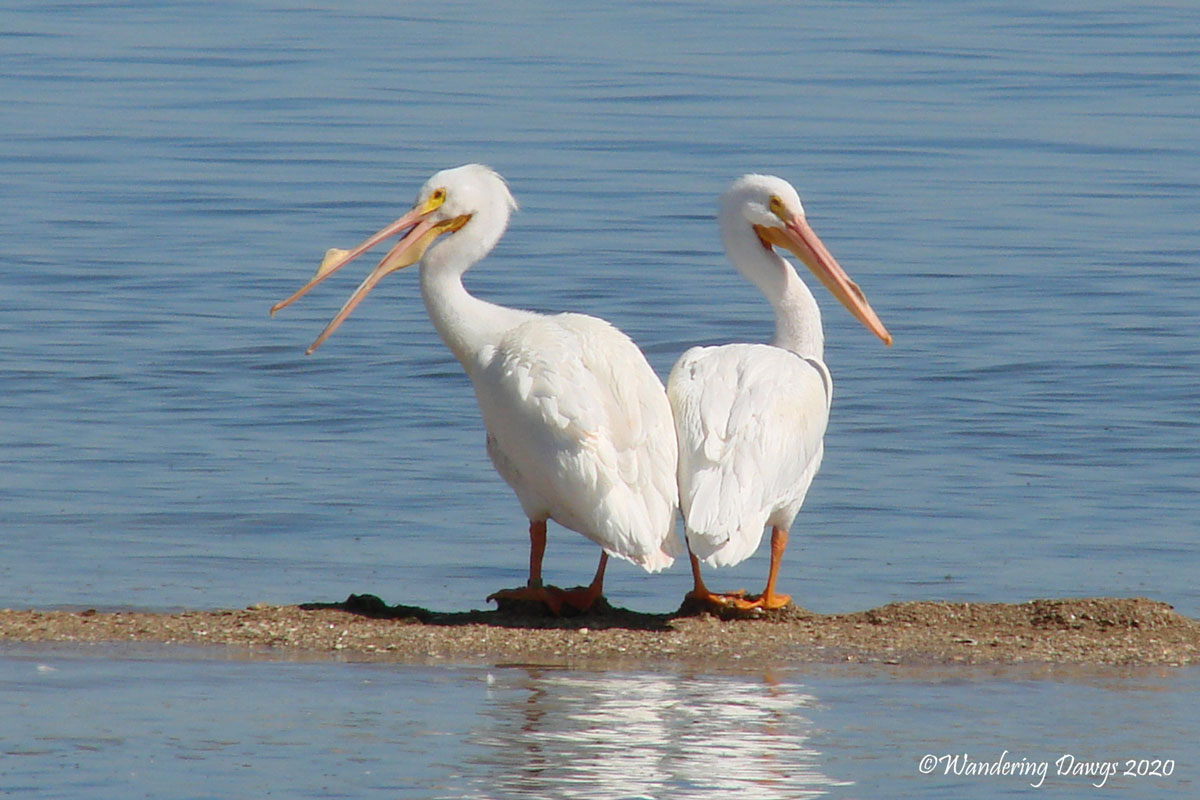
This next gallery contains some of my favorite bird images.
After a great stay in Virginia we headed south to the Smokies in North Carolina in search of bugling elk. I’ve seen elk in many different places but never thought I would be able to experience the sound of a bull elk bugling without traveling all the way to Yellowstone or the Rocky Mountains. I was wrong. There are elk in the Great Smoky Mountains.
Great Smoky Mountains National Park is the most visited national park in America. We’ve traveled there several times over the years but I had never heard about the elk in Cataloochee Valley until my friend Holly posted last year about the Bugling Elk in Cataloochee Great Smoky Mountains NP.
Elk were once abundant in the southern Appalachian Mountains. Over hunting and habitat loss caused the elk to be eliminated from North Carolina many years ago.
In February, 2001, the National Park Service began an experimental reintroduction of elk into Cataloochee Valley by releasing 25 elk from the Land Between the Lakes National Recreation Area on the Tennessee-Kentucky border. Another 27 elk from Canada were released in 2002.
Getting to Cataloochee Valley
Cataloochee Valley is located on the eastern side of the Great Smoky Mountain National Park. The nearest towns are Maggie Valley and Waynesville.
Getting to the valley involves an 11 mile drive on Cove Creek Road. This is a road that is not for the faint of heart. The turnoff to Cove Creek Road is only about a mile from Interstate 40 and the first part of the drive is on a narrow, curved paved road that passes by homes tucked away on the side of the mountain. After a few miles, the pavement is replaced by gravel. All along the way are few guardrails, many switchbacks, blind curves, and hairpin turns. As we continued on the road I felt like we were millions of miles away from civilization.
We stopped at an national park overlook for a spectacular view before continuing into the valley.
Hairpin Turn Cove Creek Road
Blind Curve Cove Creek Road
Cataloochee Valley Overlook Great Smoky Mountains
Cataloochee Valley Overlook Great Smoky Mountains
Cows on first day
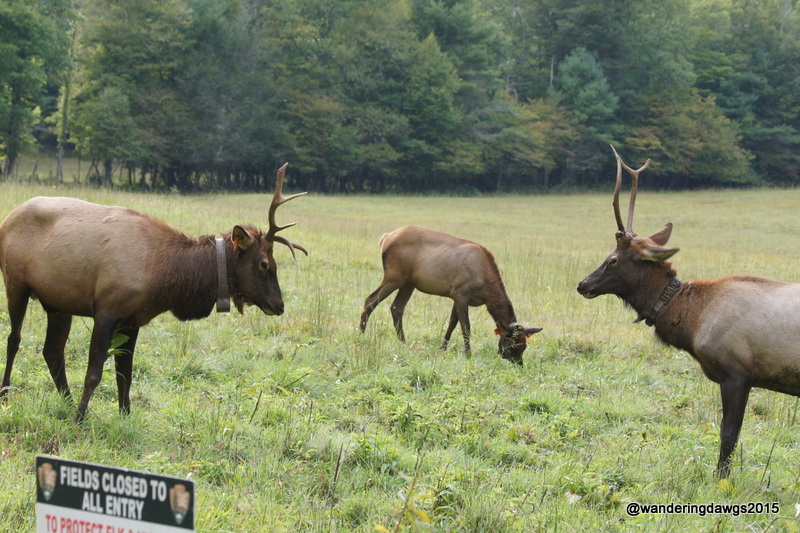
We made two trips into Cataloochee Valley. On our first visit we were thrilled to see elk by the first field. A young elk was grazing in the field with a large cow in the woods across the road. We stopped to watch a large bull elk at the far end of another field and had another bull cross the road in front of the truck. Alas, I wasn’t able to get pictures of them.
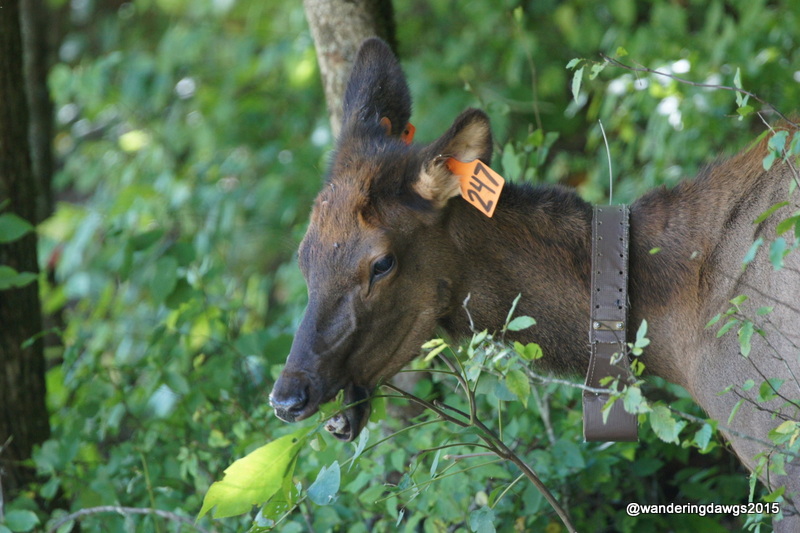
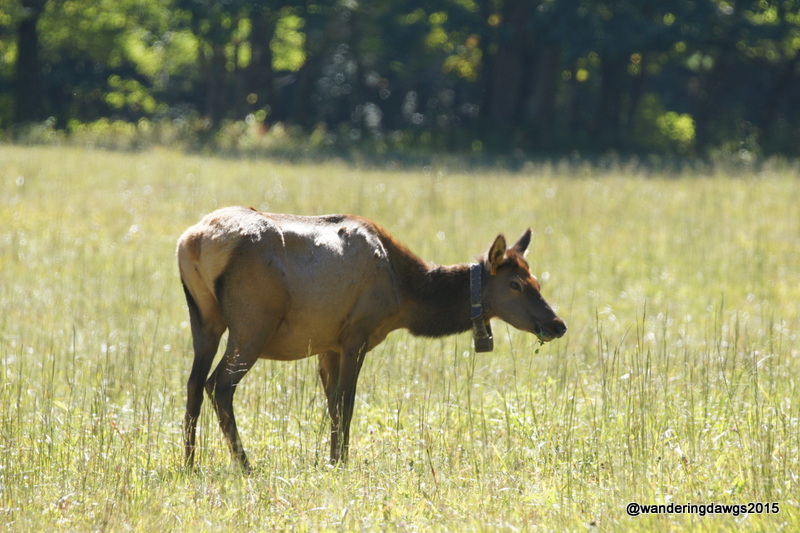
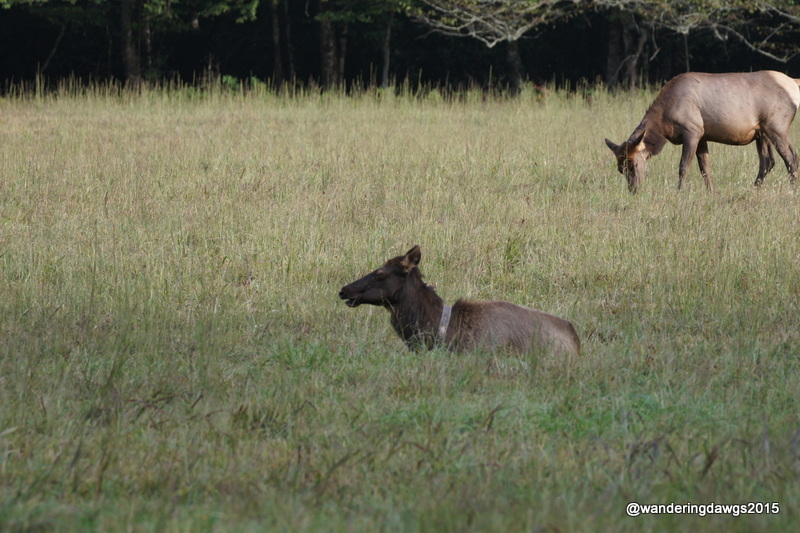
Cow Elk in Cataloochee Valley
Cow Elk in Cataloochee Valley
Young elk in Cataloochee Valley
Bugling Bulls
The breeding season, also known as the rutting season, is in the fall. During this time the bull elk make their bugling calls to attract females and challenge other bulls. We ventured down Cove Creek Road again a second day in hopes of seeing and hearing some bugling bulls.
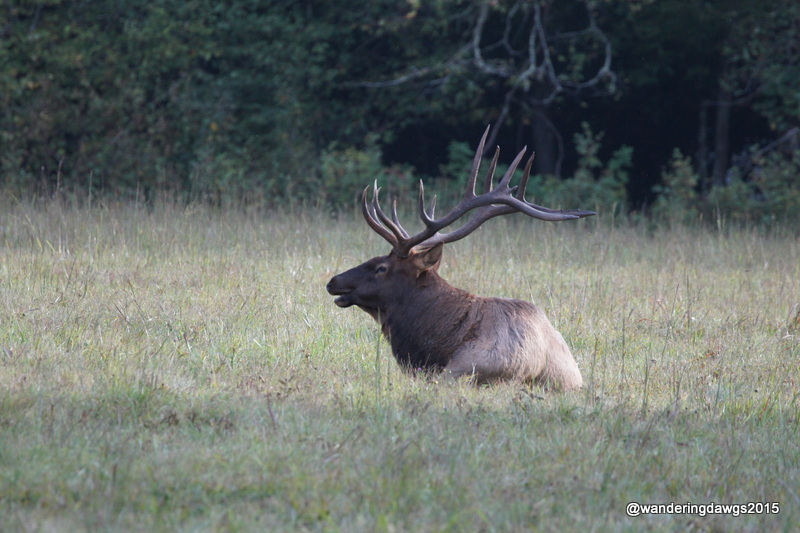
The best time to view elk is late in the afternoon before sunset so we arrived later in the afternoon than we had the first day. We weren’t disappointed. There were several elk in the first field we came to and as we continued down the road a lone bull stood in a small field. As we pulled off the road and rolled down the windows we watched him raise is head and we heard him make his bugle sound. We could hear more bugliing far off in the distance.
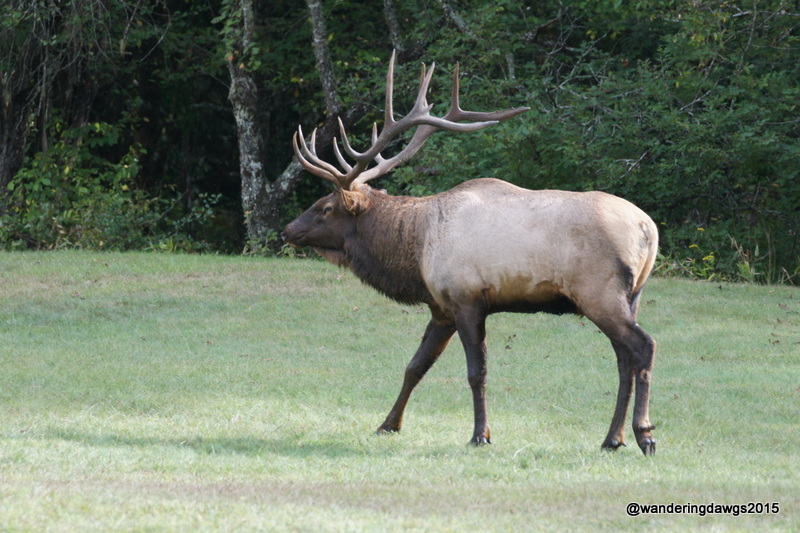
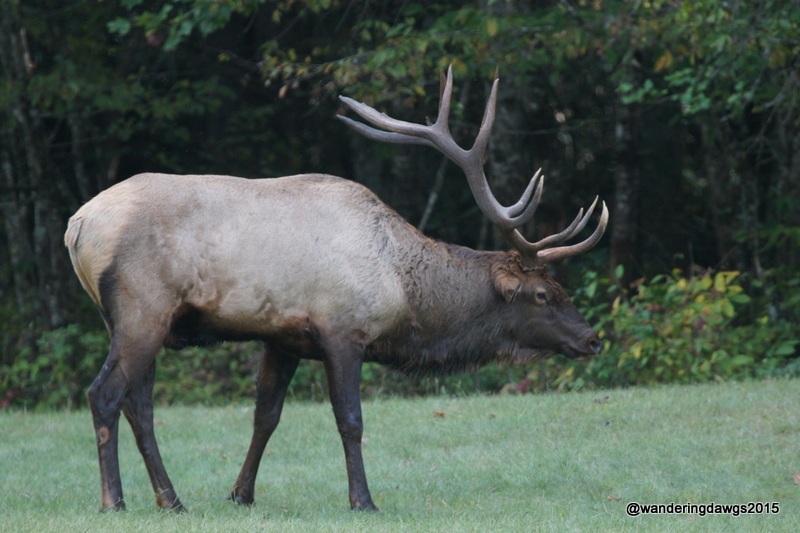
Bull Elk in Cataloochee Valley
Bull Elk in Cataloochee Valley
Later on we came across another bugling bull. We think he was trying to attract a female we saw in the woods. She wasn’t paying any attention to him.
Bull Elk Bugling in Cataloochee Valley
Bull Elk in Cataloochee Valley
Young elk
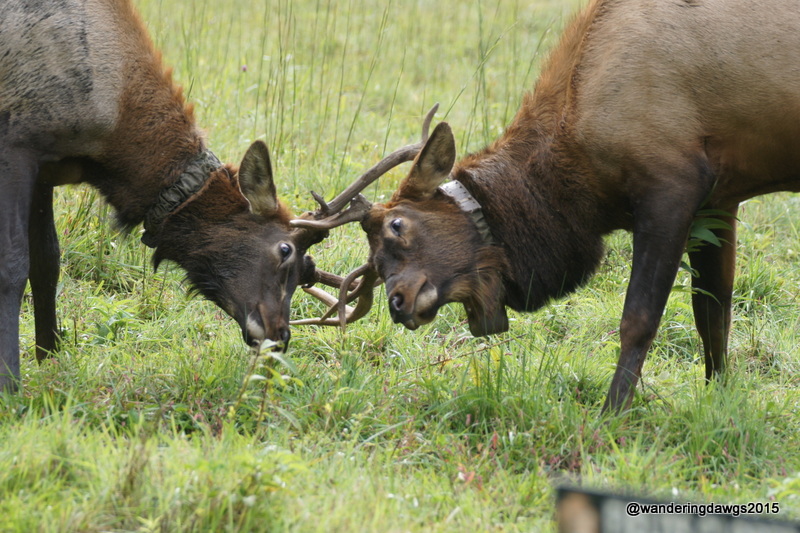
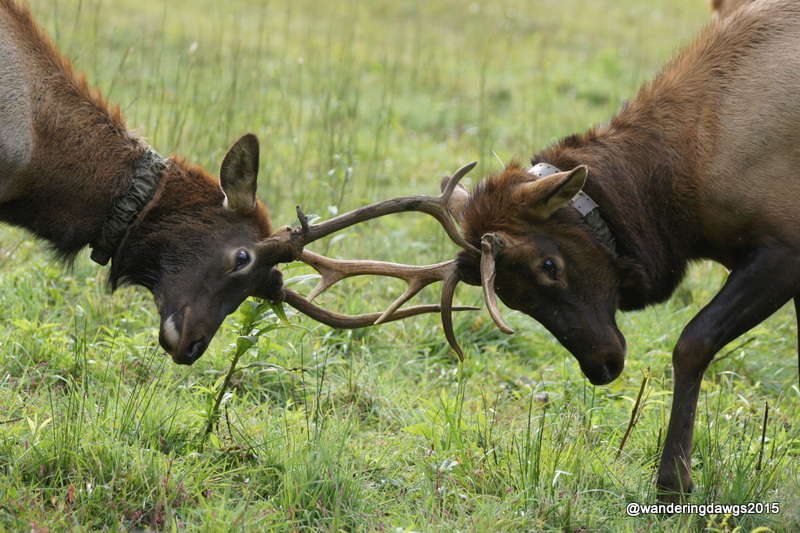
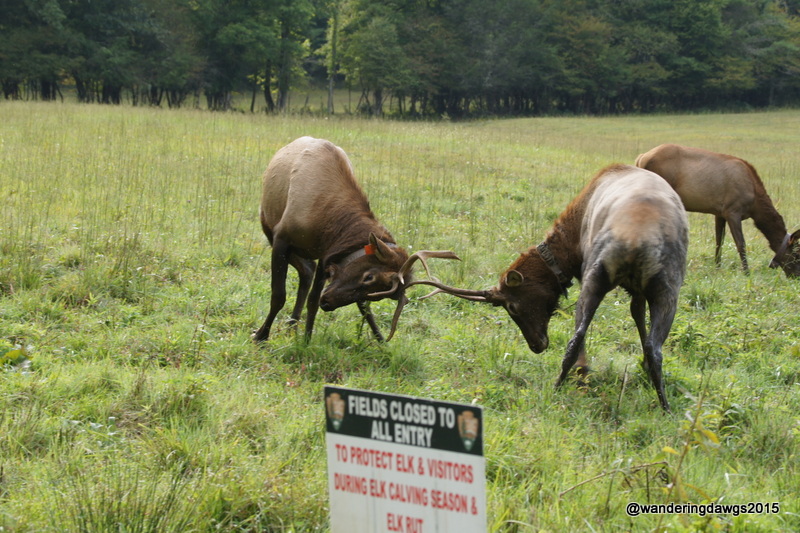
We didn’t witness any large bulls sparring but we did enjoy watching two young elk locking antlers right beside the truck. After a few minutes, they went back to grazing.
Two young male elk lock antlers in Cataloochee Valley
Two young male elk lock antlers in Cataloochee Valley
Two young male elk lock antlers in Cataloochee Valley
Face Off
Elk in Cataloochee Valley
History of Cataloochee
The first people to visit Cataloochee Valley were Native Americans who fished and hunted but did not settle there permanently. In the early 1800’s white settlers moved into the valley.
By the early 1900’s Cataloochee was the largest settlement in the Smokies with almost 200 buildings. Today a few of the remaining buildings can be seen as you drive through the valley and others are accessible by one of the many trails.
By 1938, most of the families had moved out of the valley after selling their land to the government for the creation of the Great Smoky Mountains National Park.
Caldwell Place in Cataloochee Valley
Old Barn in Cataloochee Valley
Start of one of the trails in Cataloochee Valley
Bridge at the beginning of one of the trails in Cataloochee Valley
We camped at Creekwood Farm RV Park in Waynesville, NC. The campground is less than a mile from the turnoff to Cove Creek Road.
Day 102: Sunday, August 25, 2013. Currently in Blue Springs Missouri.
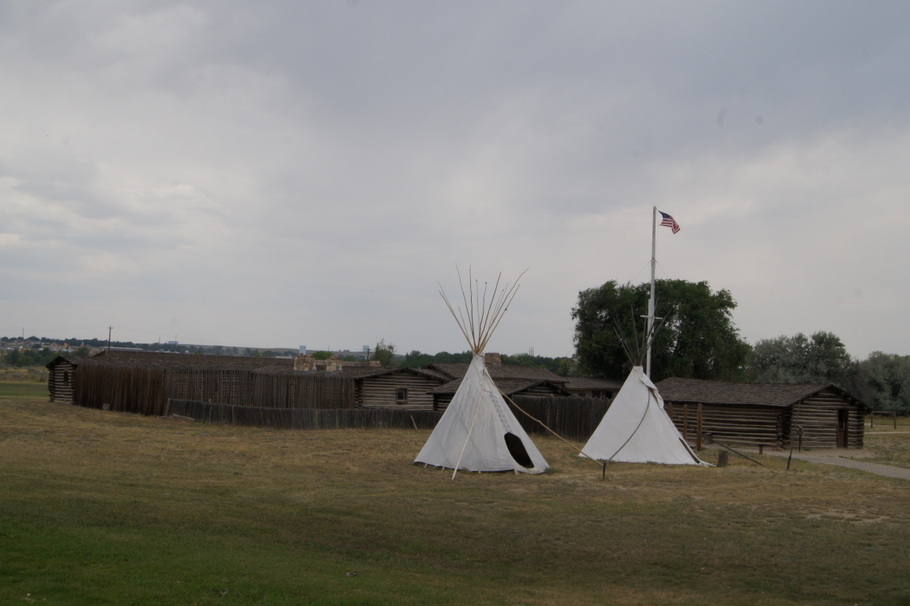
Fort Caspar, Wyoming
After leaving Sheridan we drove through the high plains where we saw ranches, several herds of pronghorn antelope, and prairie dogs beside the road. We spent a night in Casper, Wyoming at Ft. Caspar RV Park where we visited Fort Caspar on the North Platte River.
Relaxing at our campsite by the Big Thompson River in Loveland, CO
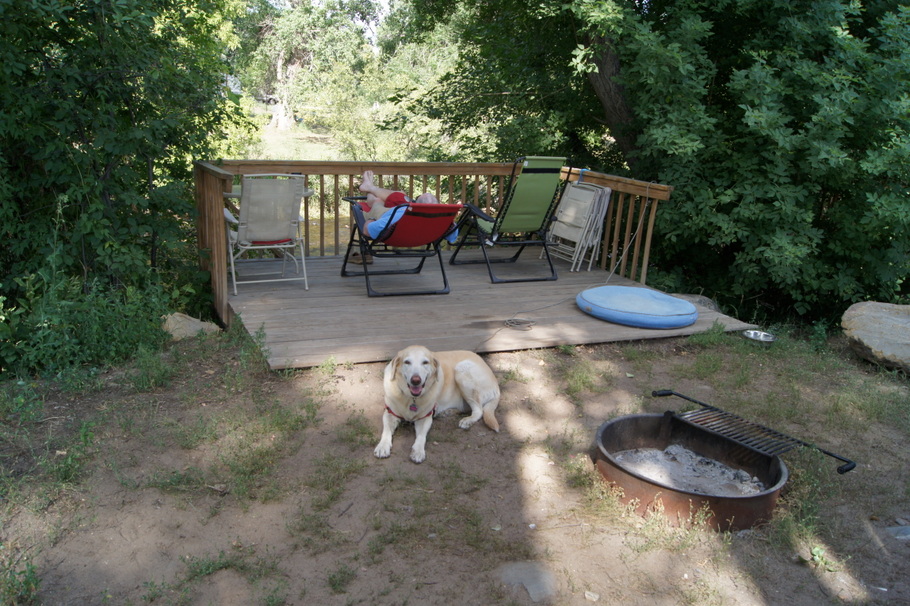
Before heading into the plains of Kansas we stopped for two nights at Riverview RV Park in Loveland, Colorado where we had a campsite right on the Big Thompson River. Kicking back and listening to the river was pure heaven.
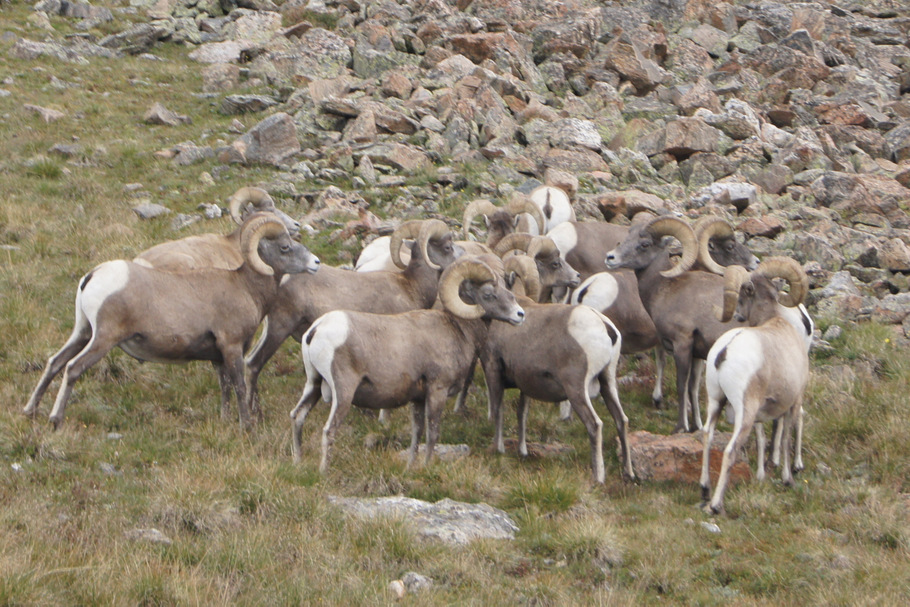
The next day we drove about 30 miles to the entrance of Rocky Mountain National Park to make the drive along Trail Ridge Road. On our visit to the park Memorial Day weekend in 2011 we attempted the drive but had to stop near the beginning of the road because of snow on the road. The drive was beautiful and we saw plenty of wildlife. We went over the highest point of the Trail Ridge Road. At 12,183 feet, it was the highest elevation we have been to on this entire trip.
Rocky Mountain National Park
Big Horn Sheep on Trail Ridge Road
Big Horn Sheep on Trail Ridge Road
Elk in Rocky Mountain National Park
A marmot basking in the sun on top of the rock
Wild Turkey in Rocky Mountain National Park
The drive from Loveland to our next stop at the Wakeeney KOA in Kansas took us through cattle country. We drove by stockyards with more cattle than I have ever seen. The winds were strong all day and Henry was fighting a strong headwind for much of the day. We passed by huge wind farms in Colorado and Kansas. After driving almost 400 miles we stopped in Wakeeney, Kansas for the night to rest up before another long day of driving through Kansas.
The next morning we continued our trek east through Kansas where we continued to see cattle and fields of corn, wheat, and other grains. Wild sunflowers grew beside the highway. We started hitting city traffic in Topeka and drove through Kansas City, the biggest city in Missouri. Going through the city was a lot like going through downtown Atlanta – not fun. We spent the night in Blue Springs Campground, a nice, quiet county park in Blue Springs, Missouri. Our wildlife sighting of the day was two deer in the park.
Day 28: Wednesday, June 12, 2013. Ft. Nelson, BC to Liard River Hotsprings Provincial Park, BC. Site 42. 190 miles traveled.
What better way to relax after 28 days on the road than to soak in hot springs? That hot water was just calling to me all day. To get there, we had to travel 190 miles of winding roads to cross the Rocky Mountains.
Spectacular mountain view
A small waterfall
The long and winding road
Muncho Lake
While driving along we were on the lookout for wildlife. And there was plenty to see.
Our first wildlife sighting of the day was a caribou
Stone Sheep on the Alaska Highway
A mountain goat by the road
Caribou on the Alaska Highway
Moose on the Alaska Highway
Another caribou
A herd of mountain goats
Mountain goats beside the Alaska Highway
Wood bison roam near the highway for the next 70 miles
We saw these bison with their calves just after we saw the sign
Bison near Liard Hotsprings
We had made reservations to stay in the Provincial Park – like a state park in the U.S. – and didn’t know what to expect. There were no hookups so we would be using our generator for the first time on this trip. When we saw our site, we were so glad we had decided to stay for 2 nights. With a long, very wide gravel pad and picnic table all surrounded by trees and wildflowers, it was the perfect place to take a break from traveling. A soak in the hot springs was a perfect ending to the day.
Our beautiful campsite at Liard River Hotsprings Provincial Park
This elk was there to greet me as Blondie and I took our morning walk
Blondie and I were surprised to find an elk next to the dumpster in the campground as we made our morning walk! I didn’t even see her until we were very close to her. What a great way to start the day!
The rain started coming down as we were ready to go out and explore the area. The town of Jasper has a few blocks of restaurants and shops. We enjoyed a nice breakfast at LuLu’s Cafe and did a little shopping at an outdoor outfitters shop. We had the same idea as many other people and went to the Visitor’s Center to check email. The place was packed with many people checking their phones, computers, and tablets for news from home. The connection was slow so we gave up and decided to go on a drive recommended by the clerk at the outdoor store.
Bear are frequently sighted on the Marmot Basin drive so off we went in search of bear. The narrow road climbs to a ski area which is closed for the season. It winds beside rivers and lakes with views of the mountains. There were no bears but it was fun looking.
We didn’t find any bears but we had some beautiful scenery on the Marmot Basin Drive
Indian Paintbrush grew beside the road
Loon, Jasper National Park, Alberta
At the end of the road we came to Athabasca Falls. There are easy walking trails for exploring both sides of the falls.
Henry and Blondie enjoyed the falls
We stopped to look at Athabasca Falls
Athabasca Falls
Athabasca Falls
Athabasca Falls
Athabasca Falls
Four elk awaited us at the entrance to our camping loop when we returned. They were resting in the grass around two empty campsites. Such a great way to end the day!
We were greeted by elk in our camping loop as we returned from the drive.
The elk were enjoying the grass in two empty campsites












 Wandering Dawgs