Happily married 55 years, retired baby boomer, mother of 2, grandmother of 4, traveler, Georgia Bulldog fan, Air Force Brat, avid reader, amateur photographer, gardener, ovarian cancer survivor, blogger. Every day is a gift!
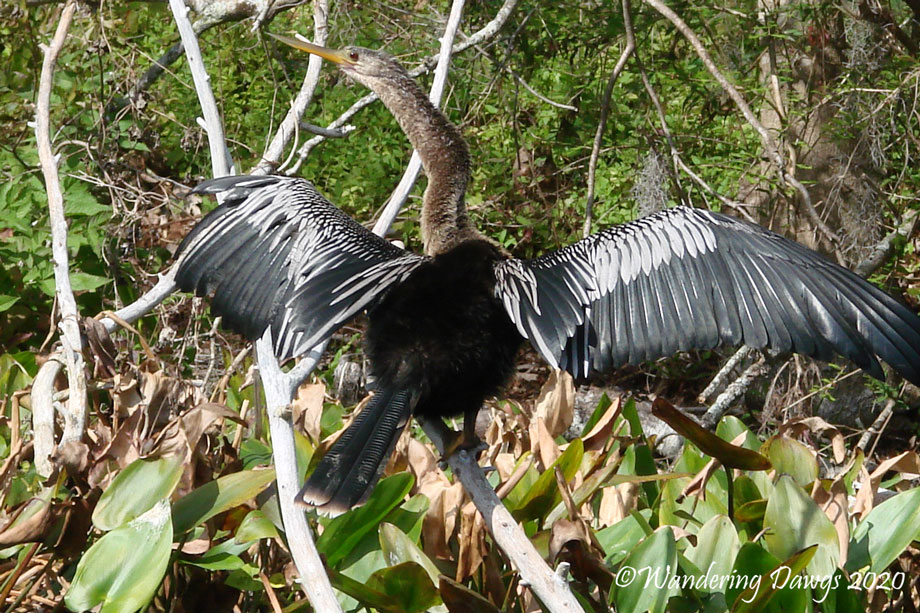
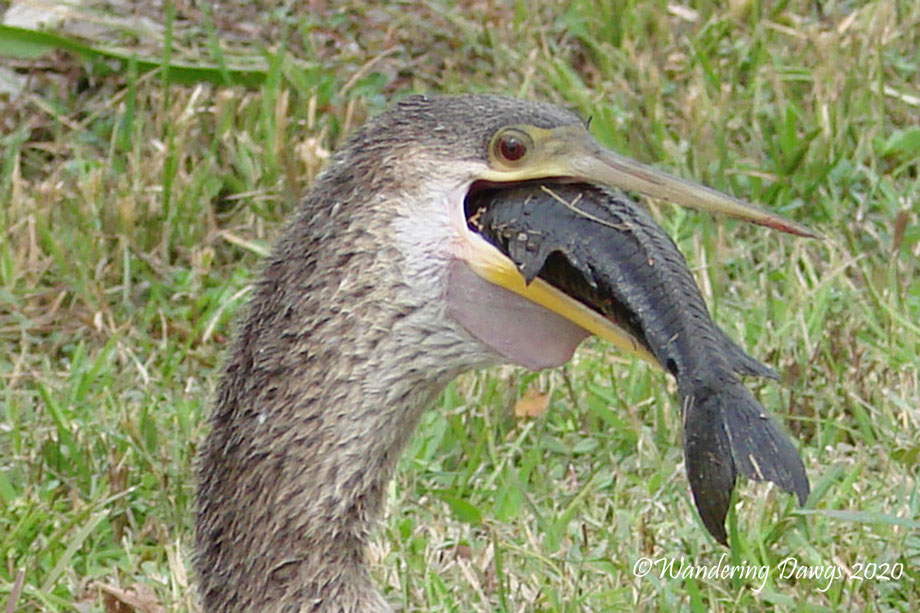
From the Audubon Field Guide: “A long-necked, long-tailed swimmer of southeastern swamps. Often seen perched on a snag above the water, with its wings half-spread to dry. Can vary its buoyancy in water, sometimes swimming with only head and neck above water (earning it the nickname of “Snakebird”). Often solitary when feeding, it roosts in groups and nests in colonies. Looks rather like a cormorant when perched, but not in flight, when the long tail may be spread wide as the Anhinga soars high on outstretched wings. Anhingas are silent at most times, but around nesting colonies they make various croaking and clicking sounds.”
For this photo challenge Amy has asked us to share a photo walk. I chose a selection of images from three walks made in the same place.
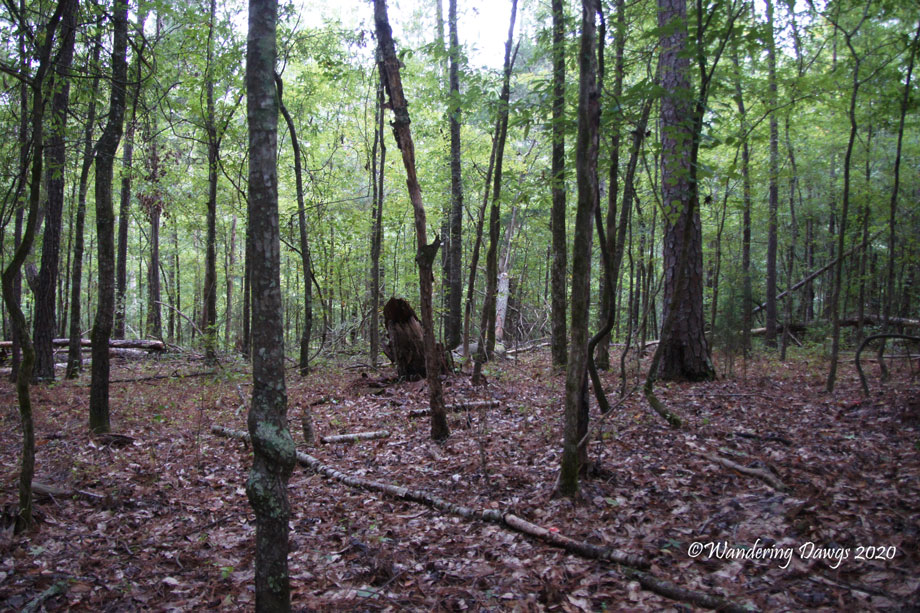
We made a few trips to middle Georgia this spring and summer. We like to spend time on the land where my grandfather had a dairy farm almost 100 years ago.
I always enjoy walking around the property and love to see how the landscape changes with the seasons.
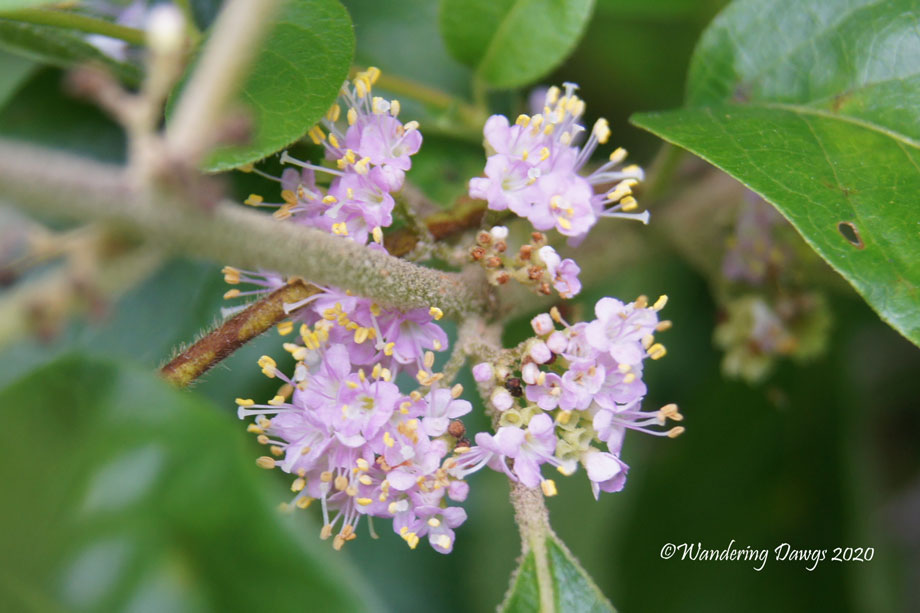
The above images were on a walk in early spring when the bunnies were out and the honeysuckle was blooming.
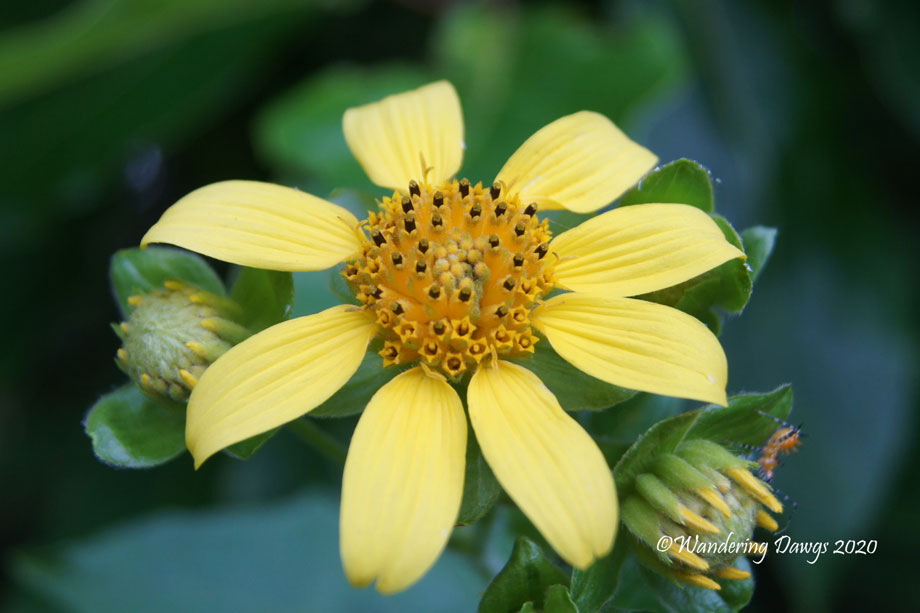
Many wildflowers bloom in the summer and the wild blackberries are ripe enough to pick.
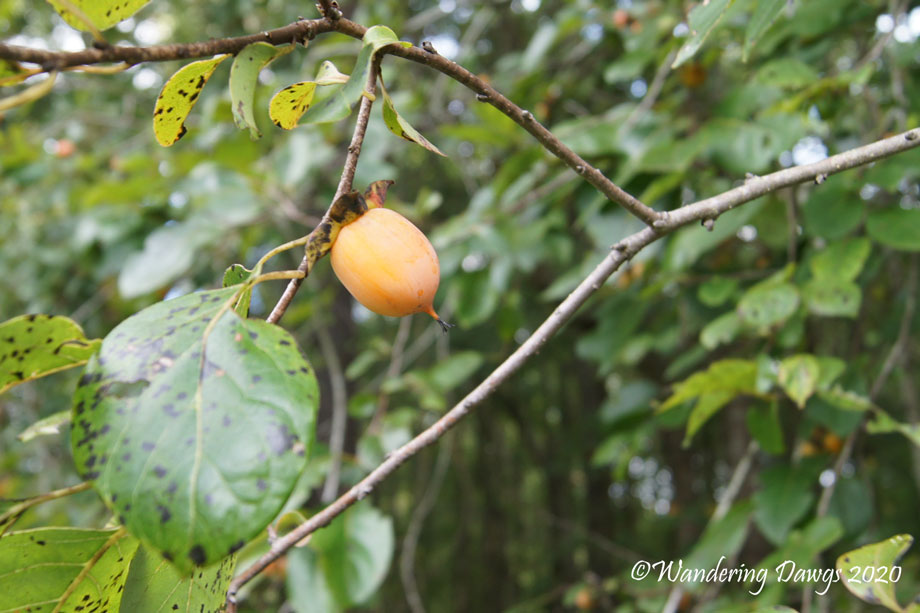
In early September the fruit of the sour oranges (not good to eat), persimmons, and winged sumac were ripe and wildflowers were blooming around the edges of the woods.
For me, getting a closeup of a bird is usually a real challenge. Most of the time, the bird is too far away or it flies away if I get too close. Occasionally, I’ll luck out and come across a bird who is not interested in me and I can get the shot I want.
The Bald Eagle in the above photo was sitting in a low branch of a tree in Chilcoot Lake State Park in Haines, Alaska. As I set up my tripod and aimed the camera at him I kept my fingers crossed that he wouldn’t fly off. He ignored me and I was a happy photographer.
Great Blue Heron, Florida
Most Great Blue Herons I have seen are spooked by humans and will not let me get too near them. This one was hanging around the fishing pier at Ft. Pickens National Seashore in Florida. He was much more interested in getting an easy meal than he was in me.
Nice catch!
This Anhinga was right beside the path in Shark Valley in Everglades National Park. We watched for a while as he struggled to swallow his fish. We didn’t stay around long enough to see if he succeeded in eating it.
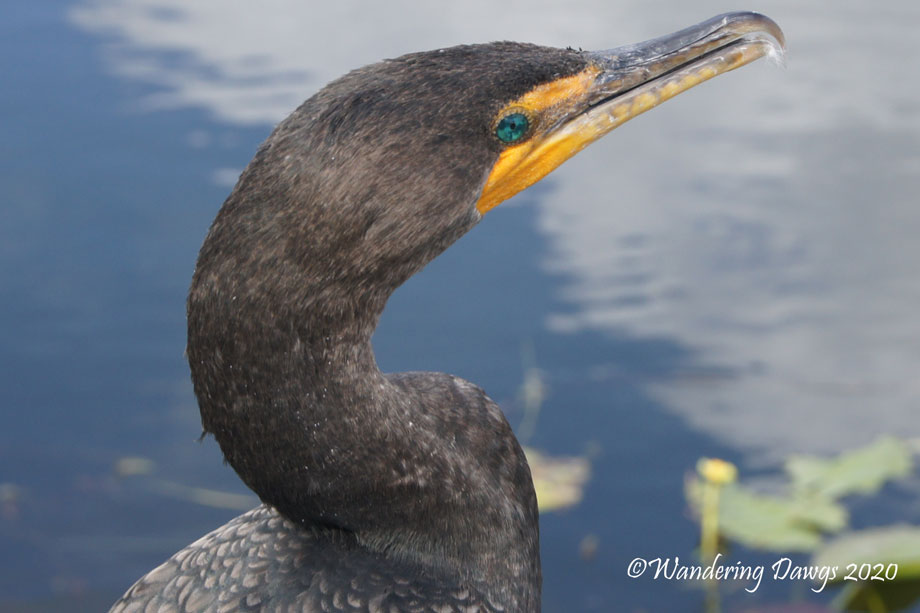
Cormorant, Everglades National Park, Florida
This Cormorant was next the trail and didn’t move when I stopped to take his picture.
For this photo challenge Patti has asked us to explore symmetry in our images.
The image above is an example of vertical symmetry. The road divides the image vertically so the branches appear to meet above the middle of the road and the trees appear to be exactly the same on both sides.
St. Giles Cathedral, Edinburgh, Scotland
St. Giles Cathedral, Edinburgh, Scotland
These images show how vertical symmetry can be used in architecture. The designers of St. Giles Cathedral in Edinburgh, Scotland used symmetry both inside (left photo) and outside (right photo.
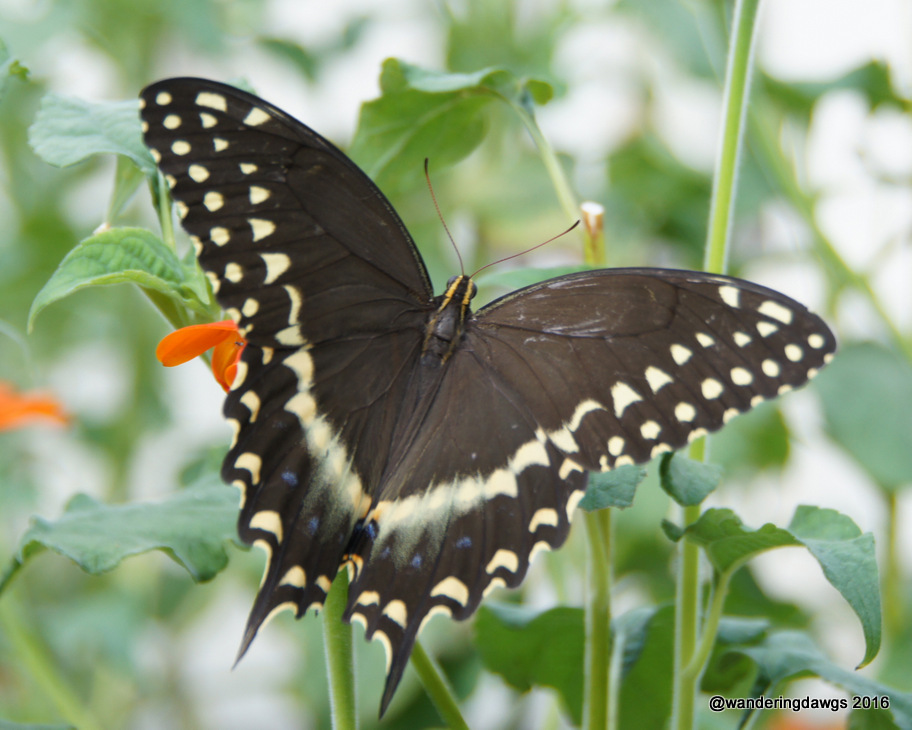
Black Swallowtail Butterfly
The butterfly is an example of vertical symmetry found in nature. The left and right wings seem to be mirror images of each other.
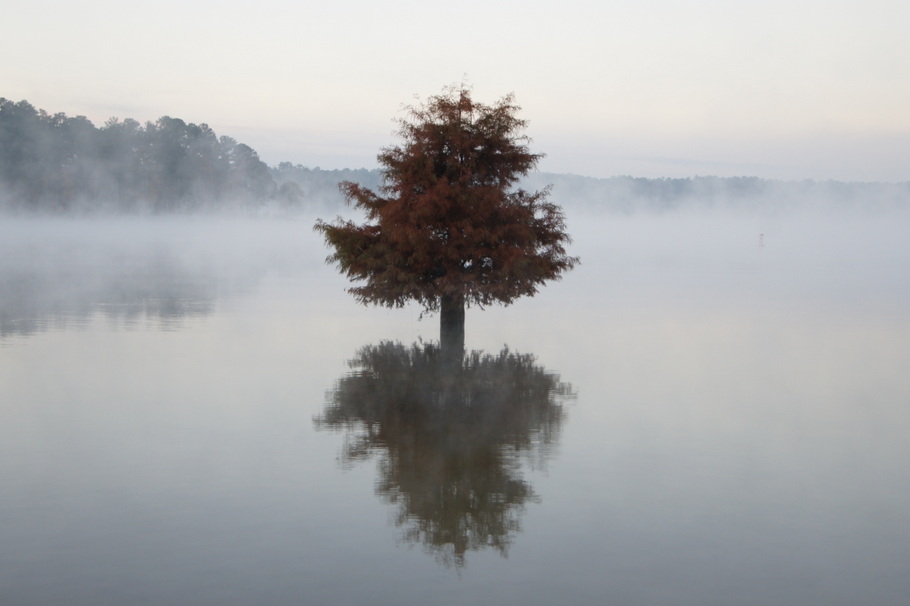
Horizontal symmetry is illustrated in this image of a tree and it’s reflection in a foggy lake.
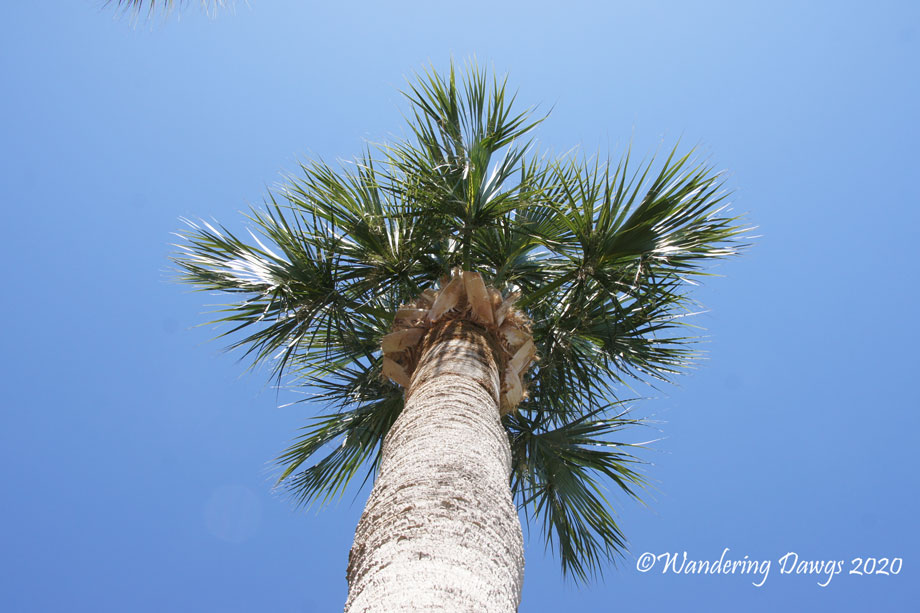
Cabbage PalmSeashell symmetry
I often see radial symmetry in nature. Palm fronds on a palm tree and seashells are both good examples
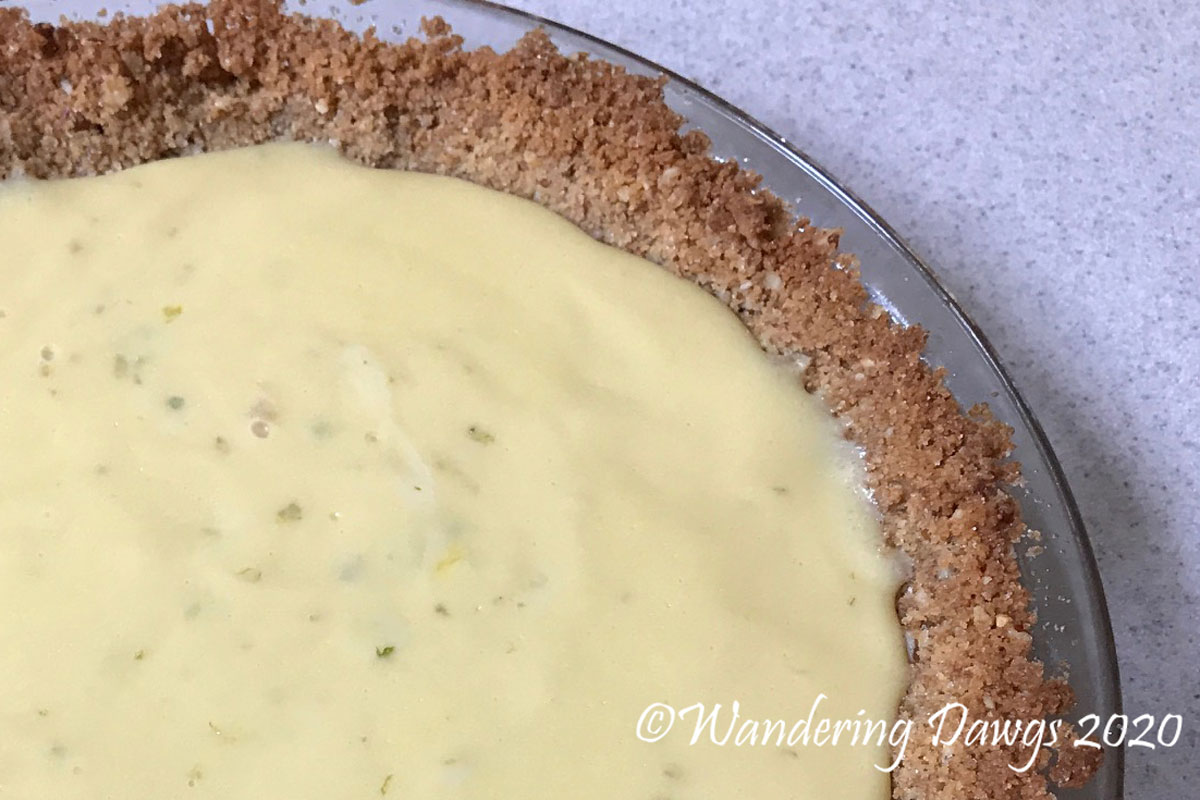
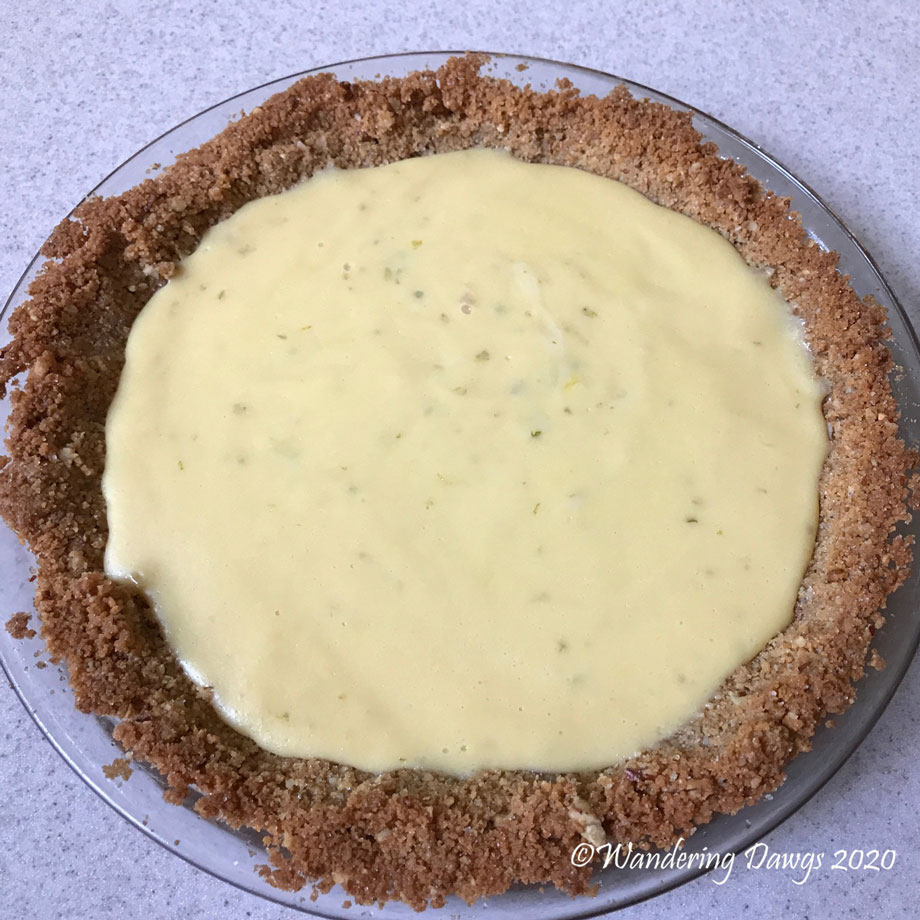
Today is National Key Lime Pie Day so of course I made one. It’s chilling in the fridge right now.
My first memories of Key Lime Pie are from the 1970’s when Henry and I first took our two young children on camping trips to the Florida Keys.
After spending a day in the sun at the beach, snorkeling, or fishing, we would sometimes eat out at a restaurant and order Key Lime Pie for desert. The sweet, tart, cold deliciousness of that pie was perfect at the end of a day in the Keys. These pies were yellow, not green, and locally made. And we couldn’t get them any where else back the except in the Florida Keys.
The Key Lime Pie soon became our favorite dessert. It was hard to find and that made it even better. Eventually restaurants north of the Keys started adding Key Lime Pie to their menus. We ordered a piece in a restaurant somewhere and it was green! It wasn’t the cool, creamy yellow pie we were dreaming about. I don’t think any one ate it.
After that dessert disaster, whenever we would go to a restaurant with Key Lime Pie on the menu, our daughter would ask “What color is your Key Lime Pie?” If the answer was “green” she would order ice cream.
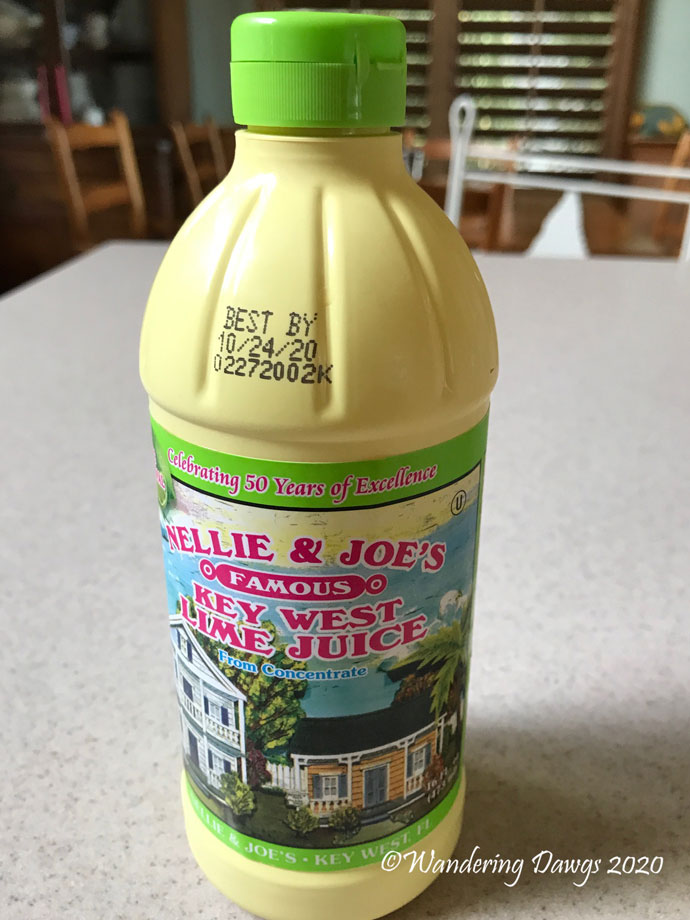
Somewhere along the line I discovered I could buy bottles of the Nellie and Joe’s Key West Lime Juice in the Keys so each trip I would bring back several bottles to make my own pies.
These days, I can buy the bottles in any grocery store near me. The recipe is on the bottle, and here it is:
1 9″ graham cracker pie crust
14 ounce can sweetened condensed milk
3 egg yolks, whites not used
1/2 cup Nellie and Joe’s Key West Lime Juice
Combine milk, egg yolks and lime juice. Blend until smooth. Pour filling into pie crust and bake at 350º for 15 minutes. Allow to stand 10 minutes before refrigerating. Just before serving, top with freshly whipped cream, or meringue, and garnish with lime slices.
There are many variations on this basic recipe. I like to add some lime zest to the lime juice mixture.












 Wandering Dawgs