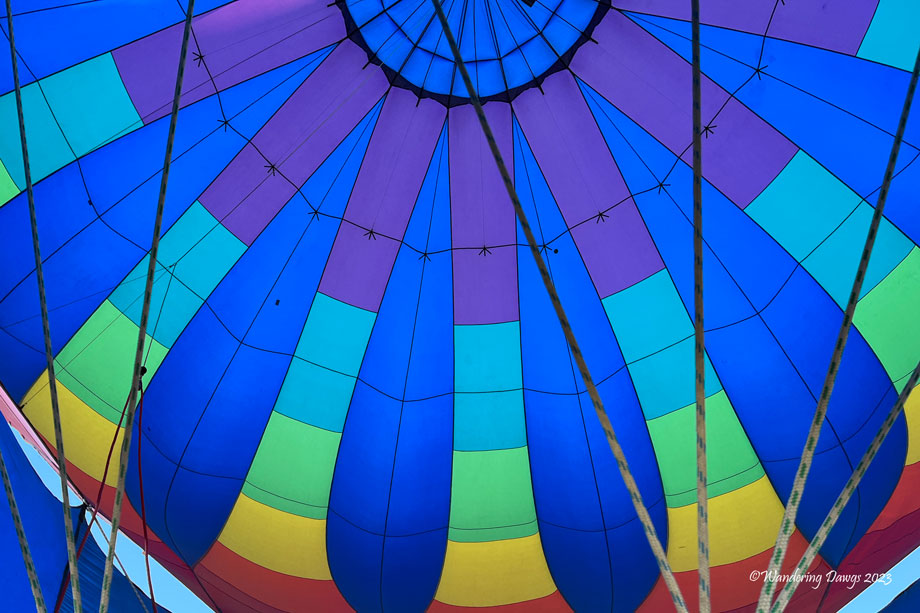
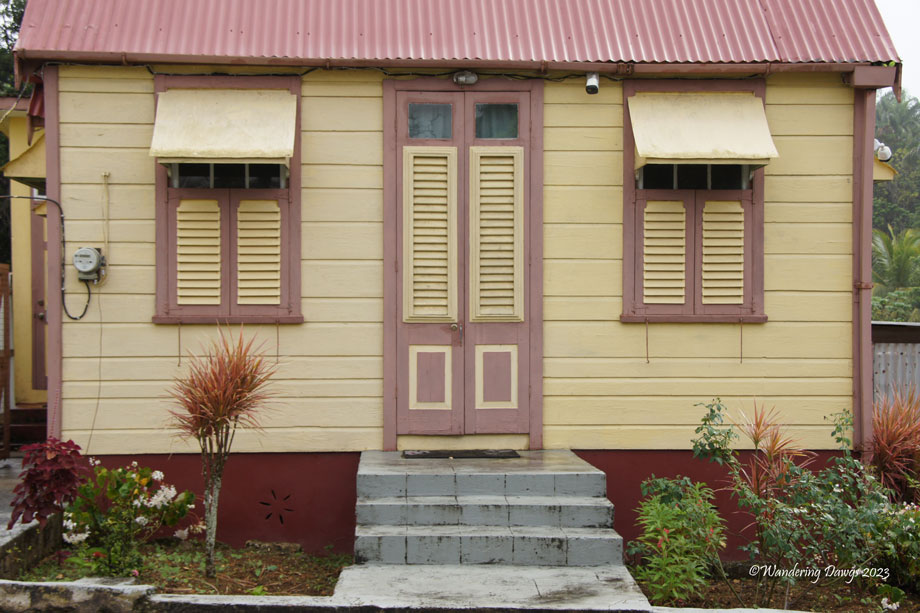
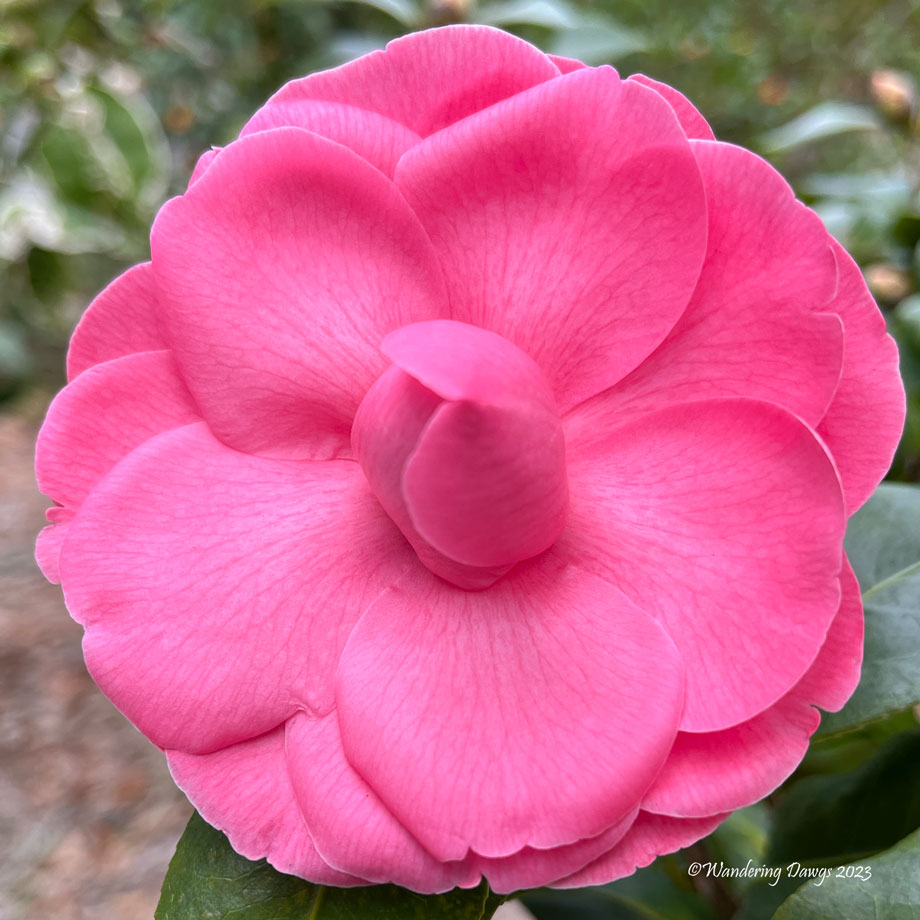
Sofia has challenged us to feature images that show symmetry. She tells us that symmetry in photography “creates strong and balanced images” and that “our eyes find symmetry harmonious and pleasing.”
My first two images are examples of radial symmetry I found in hot air balloons as they were being inflated at the Albuquerque International Balloon Fiesta.
The next images are examples of symmetry in architecture.
My last image is symmetry found in nature in my first Camellia bloom of the season.
Our guest host Egidio of Through Brazilian Eyes asks us what activities we enjoy that allow us to recharge our batteries.
A change of scenery and being in nature always helps me to recharge my batteries.
We recently returned from a short getaway to middle Georgia where I enjoyed morning walks in the woods and watching white tail deer in an open field. The cool nighttime temperature was a welcome change from our sweltering summer.
Morning clouds
A morning walk in the woods
We call it the land of fallen trees because of all the downed trees in the woods.
The National Park Service was established on August 25, 1916 by President Woodrow Wilson to manage our nation’s national parks. Today there are 63 national parks and many more national monuments, national historic sites, and other national areas managed by the National Park Service.
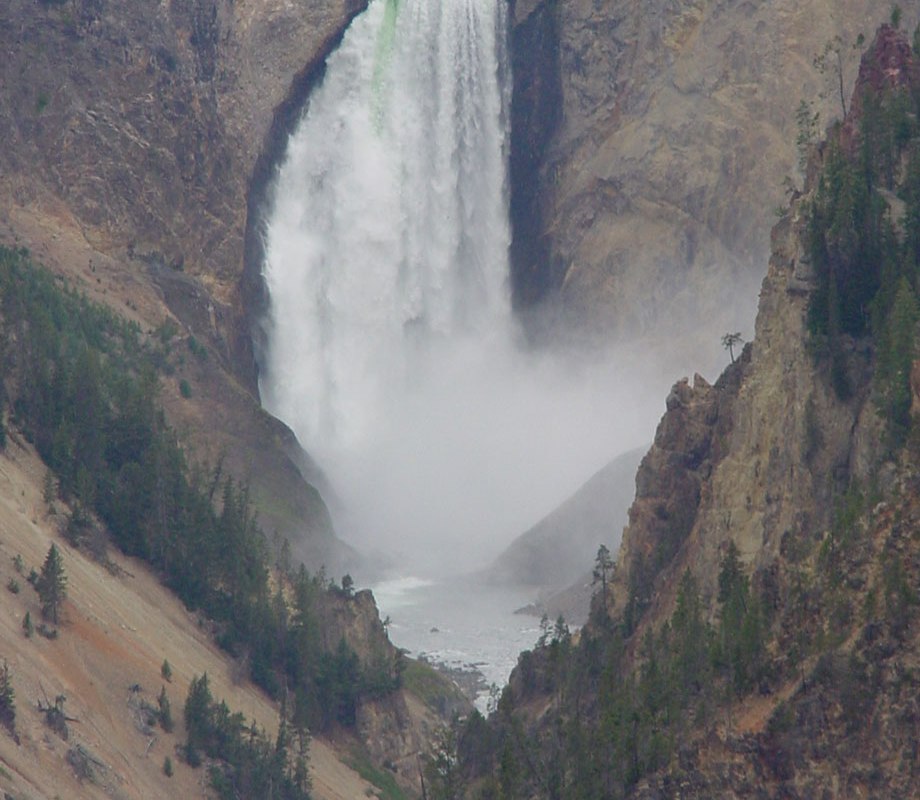
In 1872 Yellowstone National Park in Wyoming became our first National Park. The header image above is of Lower Yellowstone Falls.
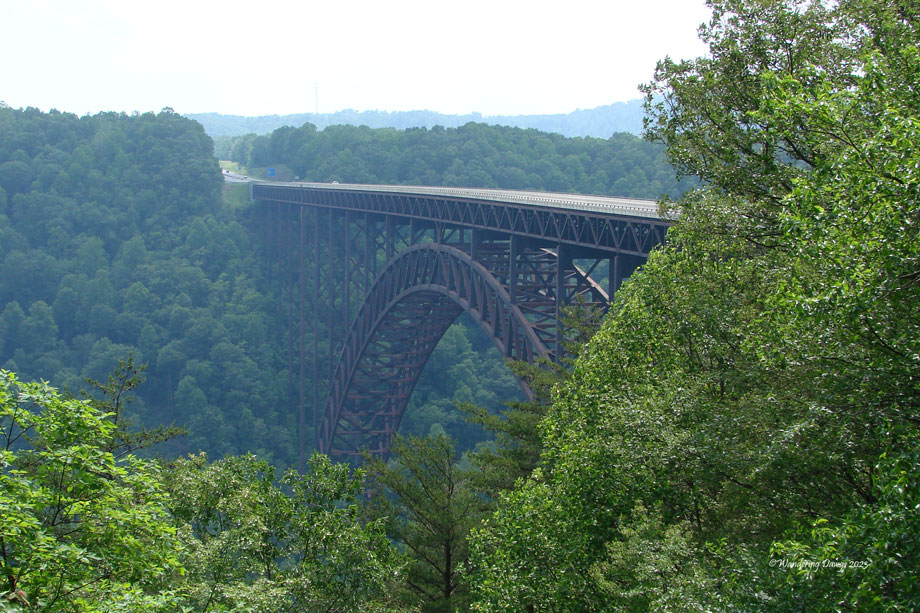
New River National Park in West Virginia is our newest national park. We visited there when it was known as New River National River.
New River Gorge Bridge, New River National Park, West Virginia
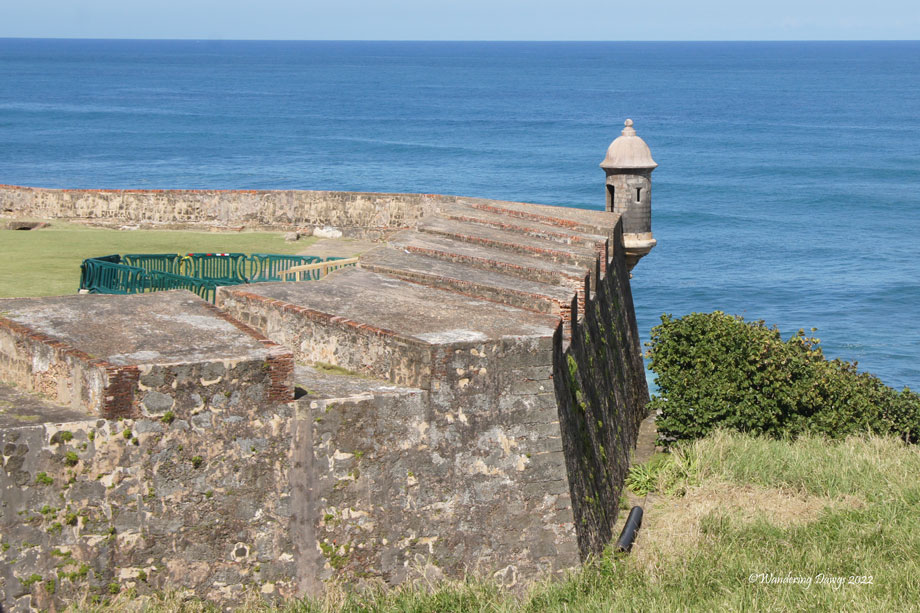
During our years of wandering we have visited many of these wonderful national areas. In 2016 I posted about the National Park Service’s 100th anniversary. Since then we have visited national areas in two of the United States Territories in the Caribbean.
USVI National Park, St. John, United States Virgin IslandsSan Juan National Historic Site, Castillo San Crostobal
The U.S. National Parks offer many opportunities to get out and explore natural areas, see wildlife, visit historic sites and monuments, go paddling, go hiking, go camping, and much more. Find a park near you at National Park Service and get out and explore!
Patti has challenged us to focus on telling a story with our images.
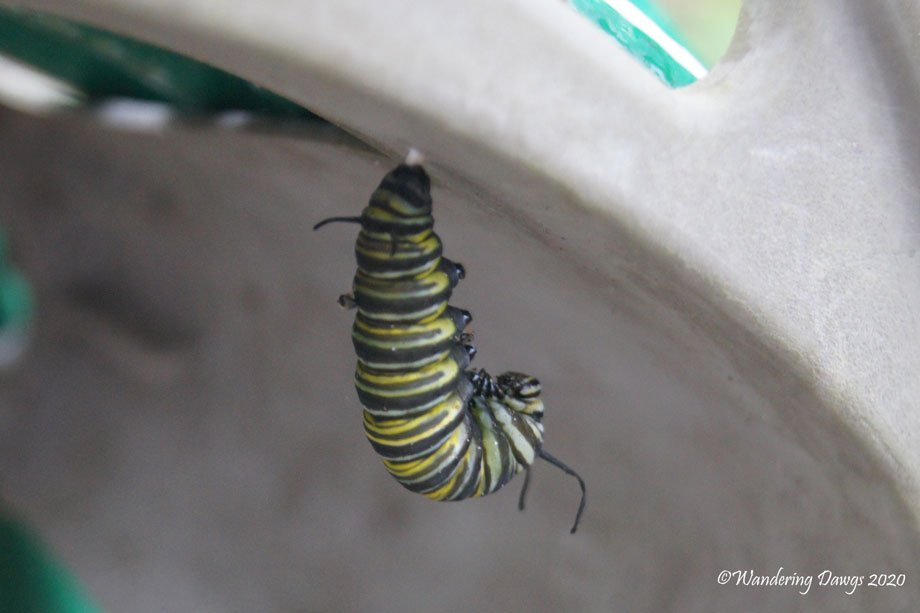
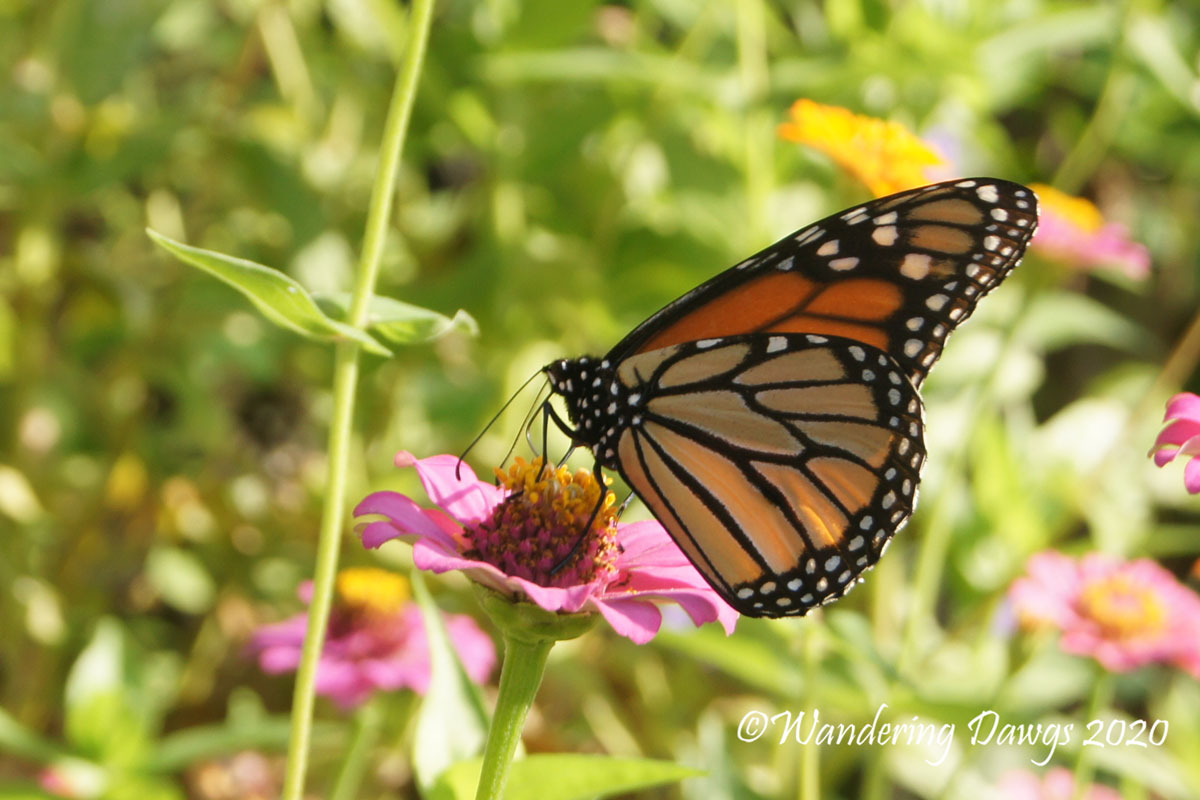
My story is the life cycle of a Monarch butterfly. I haven’t been able to capture Monarch’s in my garden this year so these images are all from my archives.
Female Monarchs lay their eggs on MilkweedCaterpillars emerge from the hatched eggs and eat the leaves of a milkweed plant. Milkweed is all they eat.The Monarch Caterpillar crawls to a place to form a chrysalis.The caterpillar changes into a butterfly while inside the chrysalis.A new adult Monarch emerges from the chrysalis
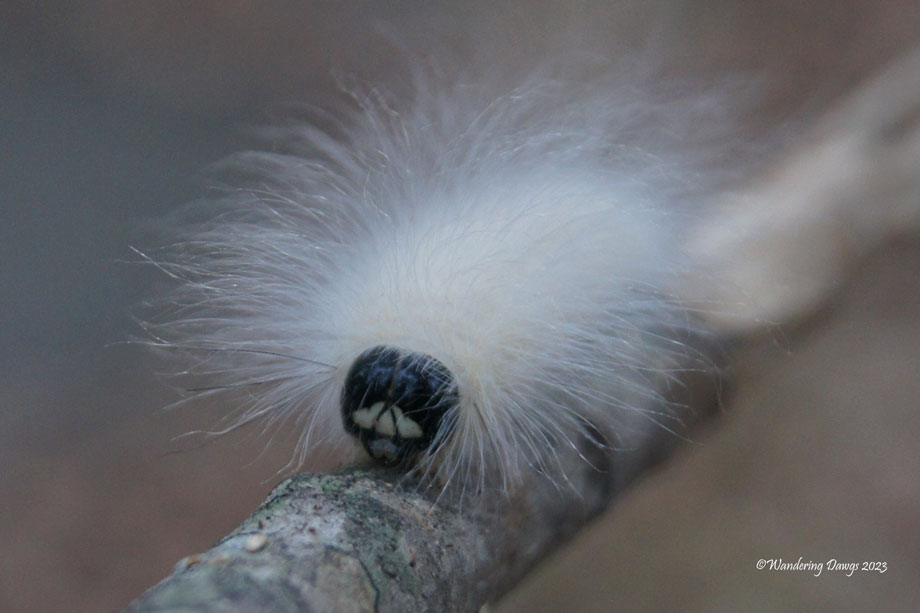
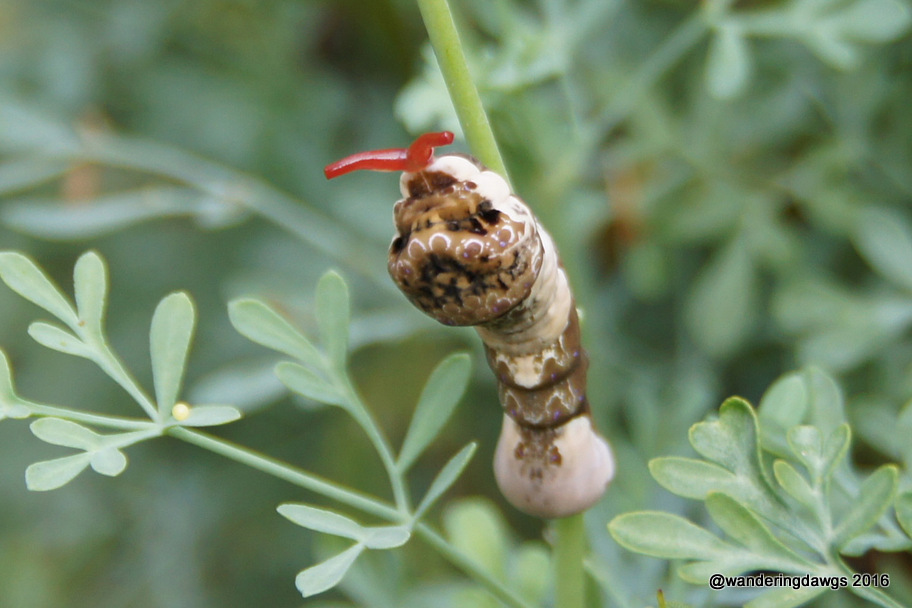
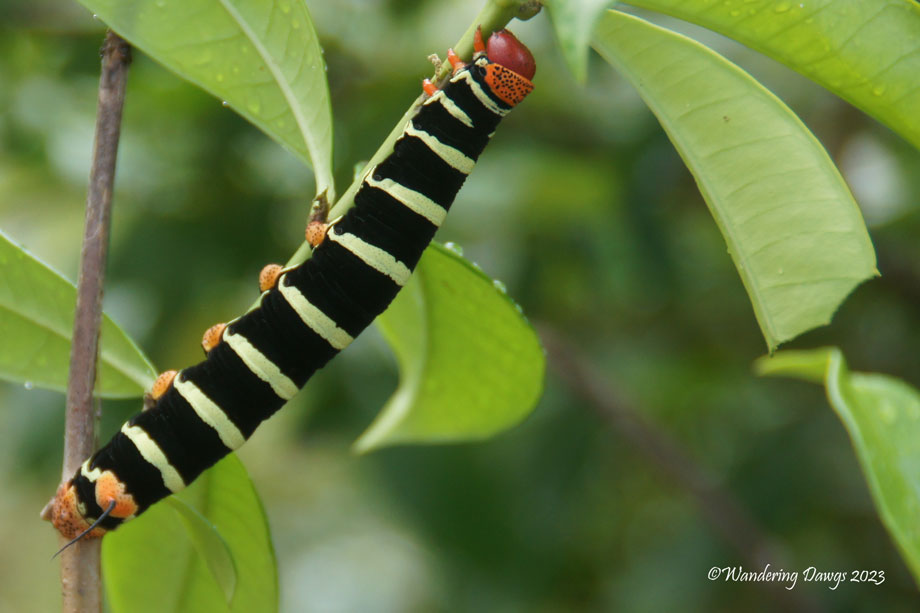
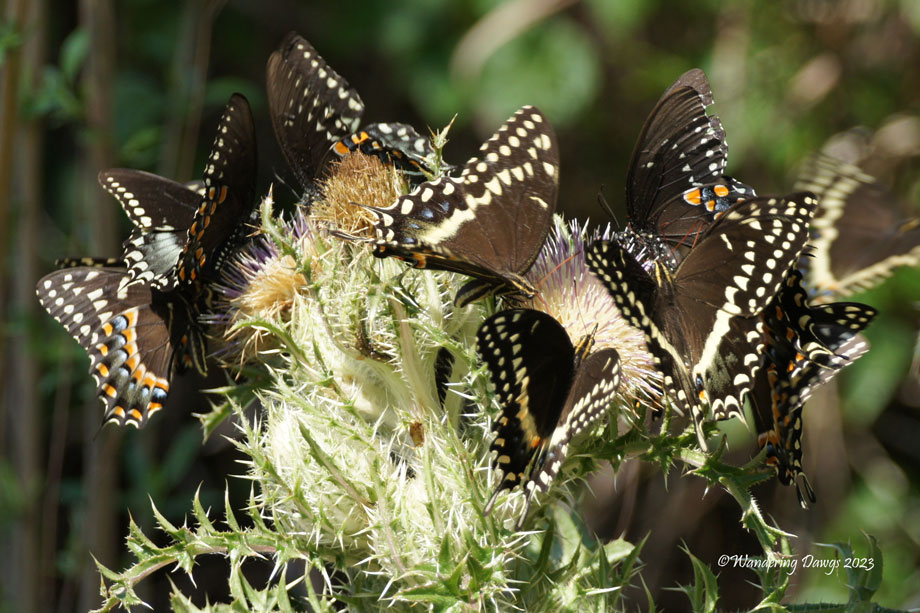
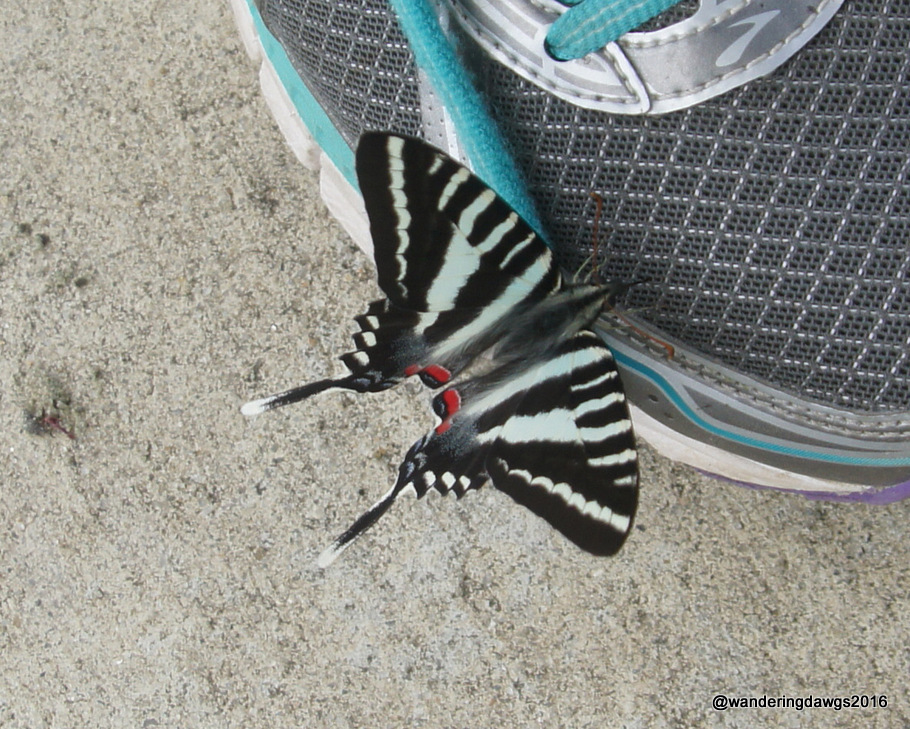
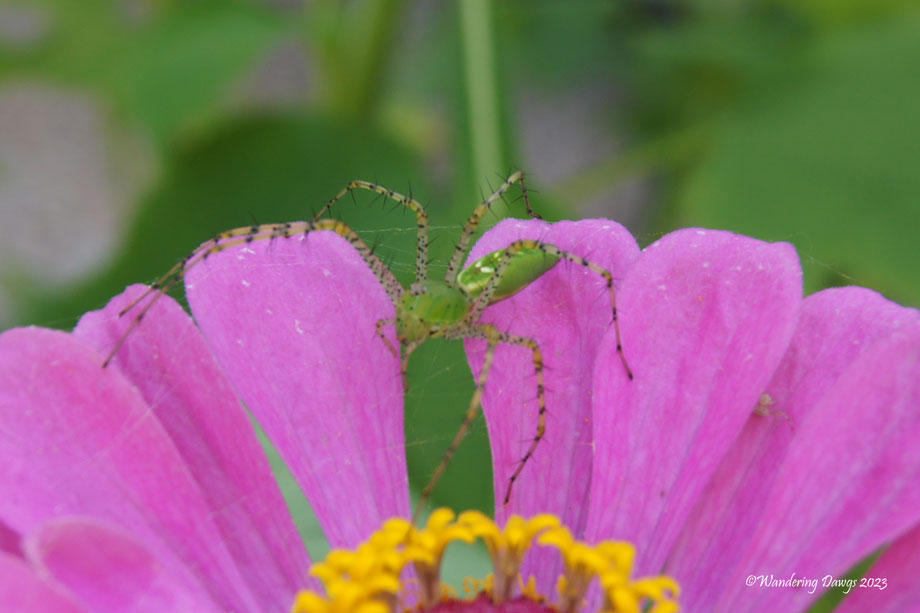
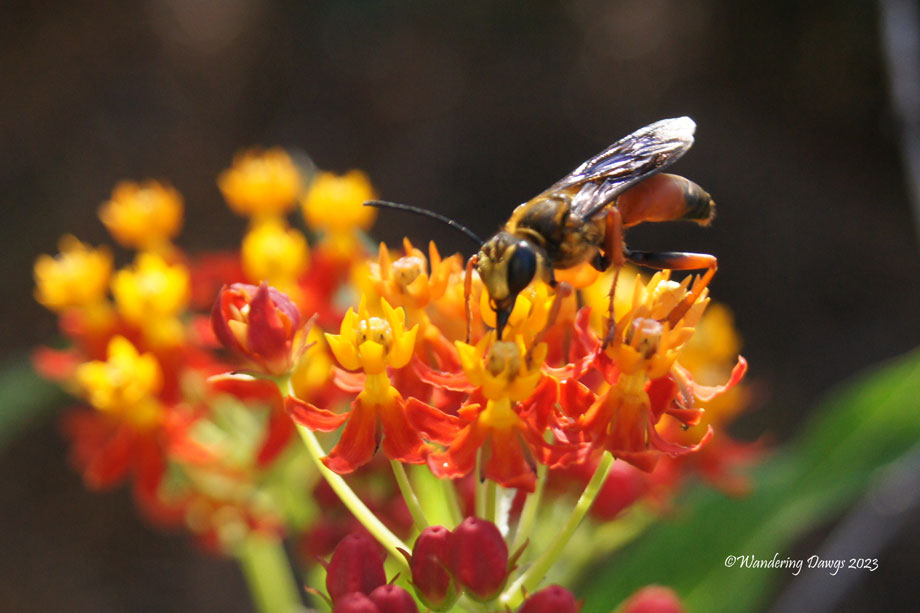
For this challenge Donna asks the question “What’s Bugging You?” Insects rarely want to cooperate when I am trying to take their photo. I spent some time in my garden following bees around this week but none of of them wanted their picture taken. Here are a few favorite bug images from my archives.
Giant Swallowtail Caterpillar
Unknown moth caterpillar in Dominica
Swallowtails on Thistle in the Okefenokee Swamp, Georgia










 Wandering Dawgs