Starting the Lonesome Dove Cattle Trail

“Yesterday’s gone on down the river and you can’t get it back.” – Captain Augustus McCrae to July Johnson, from “Lonesome Dove” by Larry McMurtry.

“If you want one thing too much it’s likely to be a disappointment. The healthy way is to learn to like the everyday things, like soft beds and buttermilk—and feisty gentlemen.”  – Captain Augustus McCrae to Lorena, from “Lonesome Dove” by Larry McMurtry.

Our dog eared copy of Lonesome Dove
Our dog-eared copy of Lonesome Dove

One of my favorite books of all time is Lonesome Dove, the 1985 Pulitzer Prize-winning novel by Larry McMurtry. I am currently reading  it for the third time, and Henry has read it two or three times. We both also love the 1989 TV miniseries starring Robert Duvall as Captain Augustus McCrae and Tommy Lee Jones as Captain Woodrow Call.

In fact, the whole idea for our Lonesome Dove Cattle Trail, Gulf Coast, Cajun Country, Whooping Crane, Bluebonnet and Brisket Tour began over a year ago when we watched the  miniseries for about the third time. As we were watching, the idea of a trip to follow the cattle trail through Texas as far as Ogalalla, Nebraska began to form. Once we started talking about Texas we decided to time it so we could try to see the whooping cranes and bluebonnets. We couldn’t pass by Cajun Country or the Gulf Coast without spending some time there, either.

The story begins at the Hat Creek Cattle Company in the fictional south Texas border town of Lonesome Dove and revolves around the two former Texas Rangers Gus and Call as they lead a cattle drive to Montana.

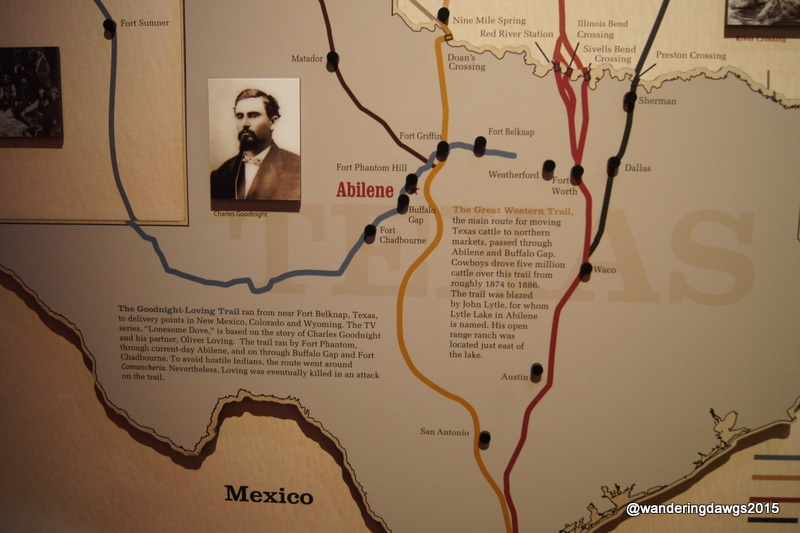
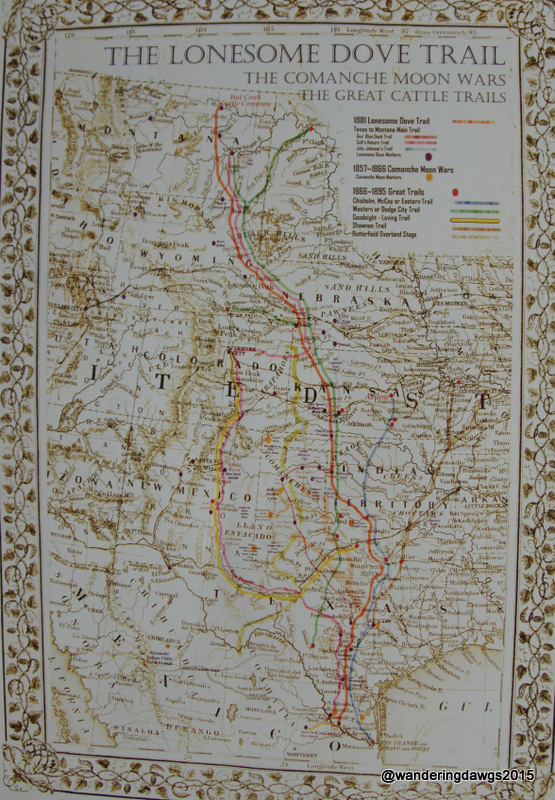
Lonesome Dove Trail Map
Lonesome Dove Trail Map courtesy https://www.etsy.com/shop/AntiqueMapsofTexas

Since Lonesome Dove is a fictional place, we had to do some research to figure out where to start.We studied maps of the cattle trail and the closest place we could find with a nice place to stay was Laredo.

Lake Casa Blanca didn’t exist back then and Laredo doesn’t resemble the dusty, dry town of Lonesome Dove at all. When we left Laredo and started driving north on I-35 towards San Antonio the landscape looked more like it must have looked like to the cowboys. On both sides of the interstate were fields of cactus, mesquite, yucca and dust with few trees in sight. The railroad, which was built following the cattle trail that was used by the real cattlemen, runs beside I-35 most of the way to San Antonio. There are few towns and for miles and miles there was no sign of civilization except the vehicles on the interstate.

We drove through the city of San Antonio (no fun pulling a fifth wheel) and set up camp beside Canyon Lake to explore the Texas Hill Country. When we crossed the Nueces River I could picture the cowboys on their horses herding the cattle across.

In the story of Lonesome Dove several events take place in San Antonio and in and around Austin. Of course, all the places in the story are different now. San Antonio and Austin are big cities and both are surrounded by suburbs, big box stores, strip malls, and outlet malls.

So our plans have changed. As Henry said, it would be disappointing to try to find where a fictional event might have taken place, because we might get there only to find a Home Depot sitting on the location.  Instead of driving through the plains of Kansas and Nebraska  (in the beginning of tornado season), we will spend more time in Texas. We will leave Lonesome Dove in our imagination.

Hey, it’s our trip! The beauty of not making reservations ahead of time is that we can change our plans if we want.


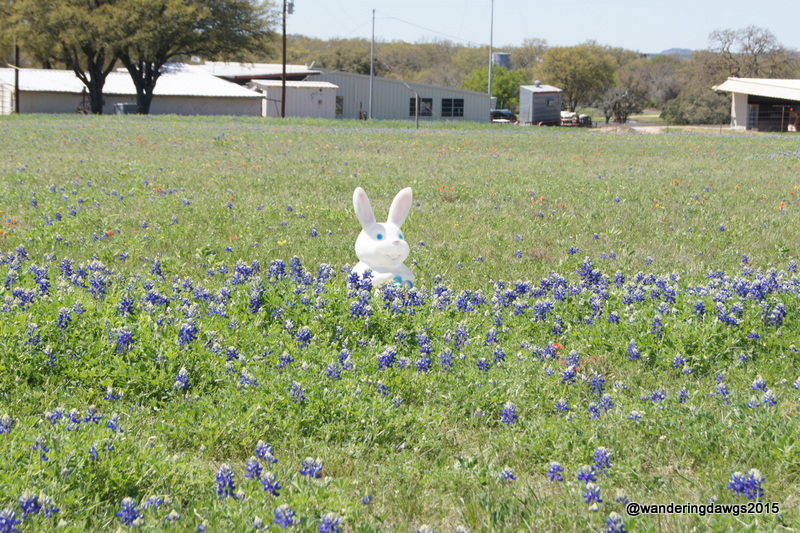
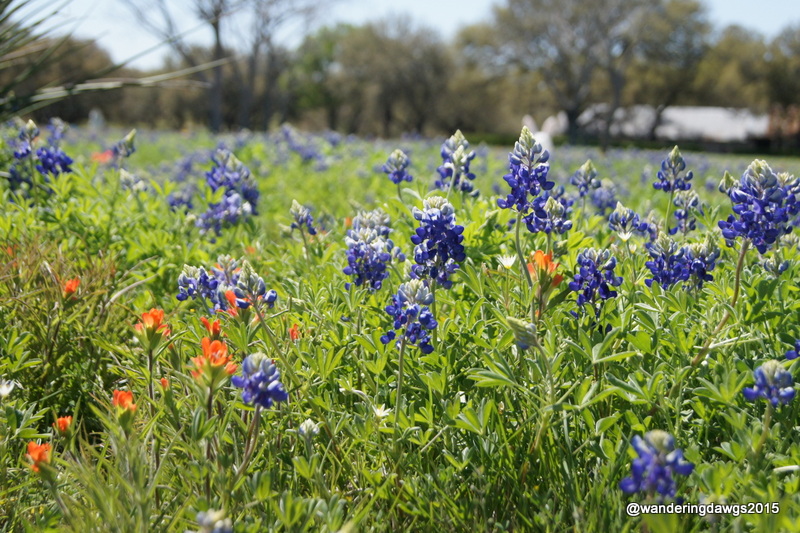
Bluebonnets in Laredo, Texas

We hated to say goodbye to the Texas Gulf coast. Even with the overcast gray skies, fog and rain the whole time we were there we loved it. We knew we would miss the salt air and the sound of the waves from our campsite at Mustang Island but we had lots more of Texas to see.

Miles and Miles of Texas

Our journey from the Gulf took us across miles and miles of Texas to Laredo. On either side of the road were fields of cactus, mesquite and blooming Yucca plants. I spotted the tail of a wolf or coyote going into the brush on my side of the road. Henry and I both saw wild turkeys.

We arrived at Lake Casa Blanca International State Park on a beautiful, SUNNY Sunday afternoon. Finally, blue sky! The park was filled with families enjoying Sunday afternoon picnics.


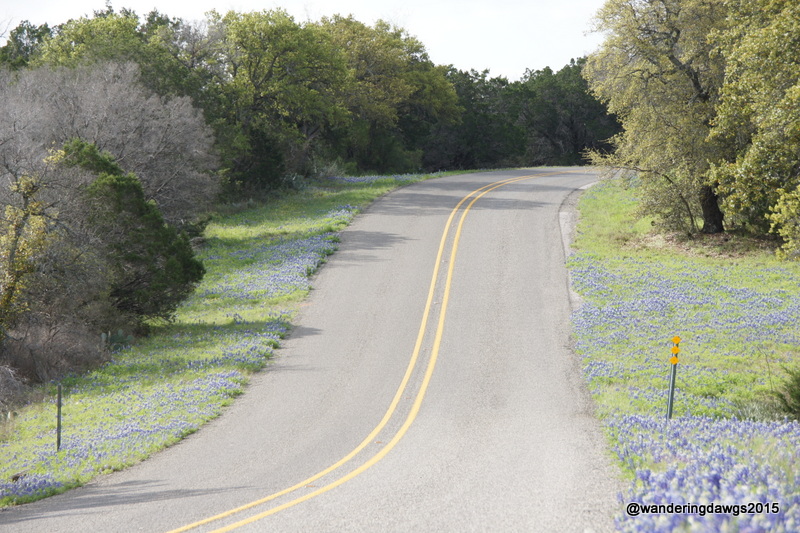
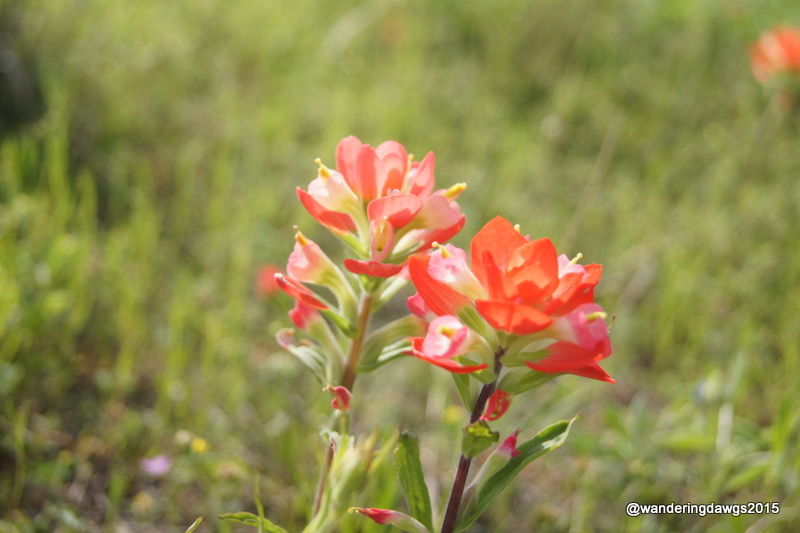
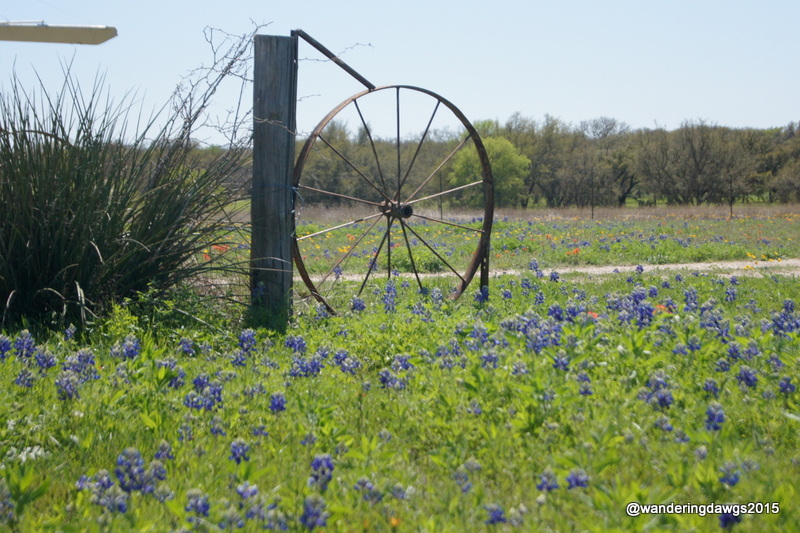
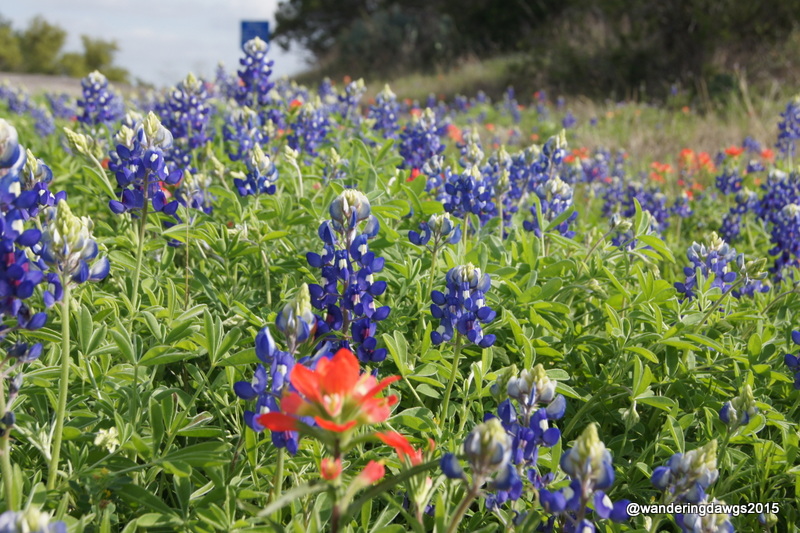
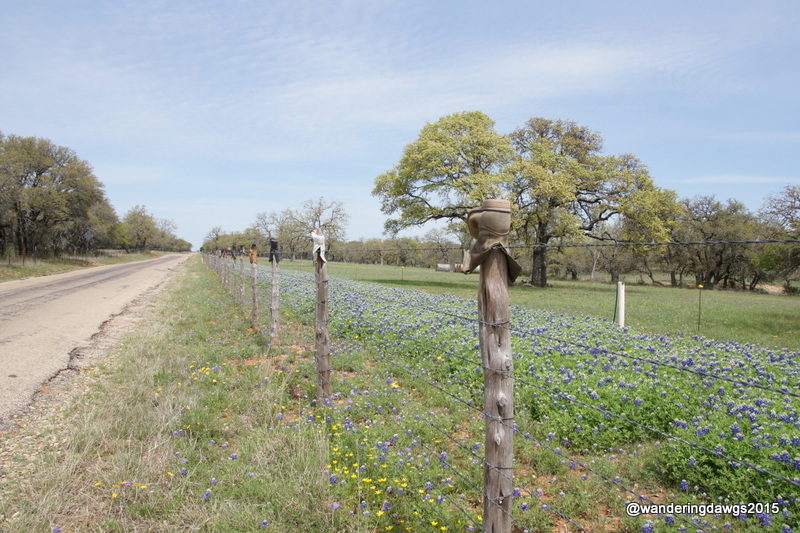
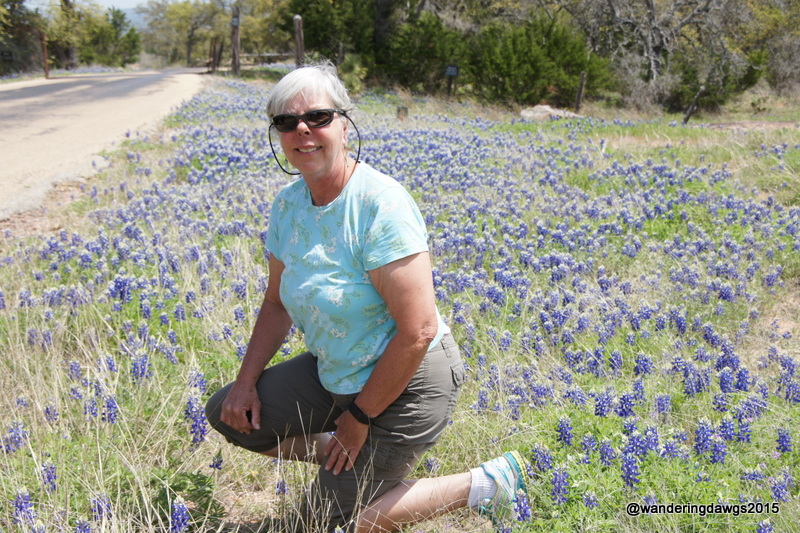
One of the goals of this trip was to see the Texas bluebonnets in bloom. The state flower of Texas, the bluebonnets usually reach their peak in late March and early April. Texas is the only place in the world where two of the bluebonnet species are found growing naturally.

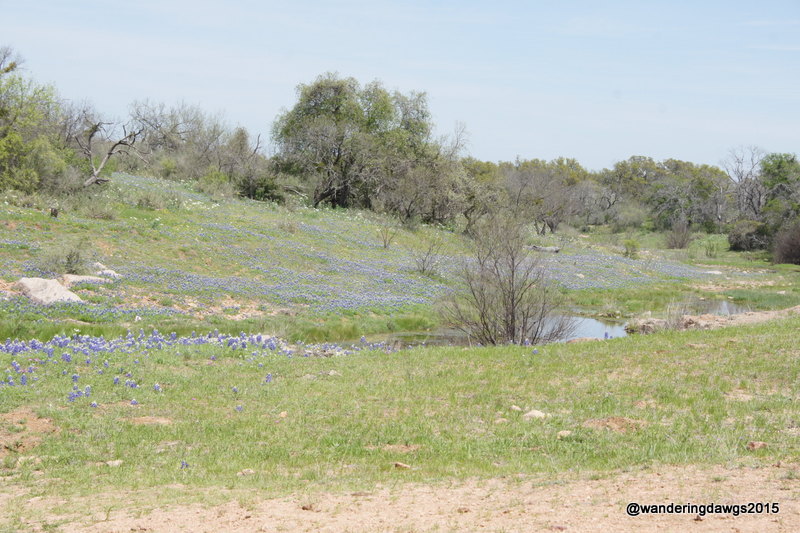
We didn’t expect to see any blooms until we were farther north in Texas but Mona Liza over at Lowe’s RV Adventures had spotted bluebonnets around Lake Casa Blanca before we arrived. Thanks to her I was on the lookout and found a small patch in the campground and one of the park rangers told us about a patch near one of the picnic areas in the park. The small field was covered with bluebonnets! What an unexpected treat to see bluebonnets so early in our trip!
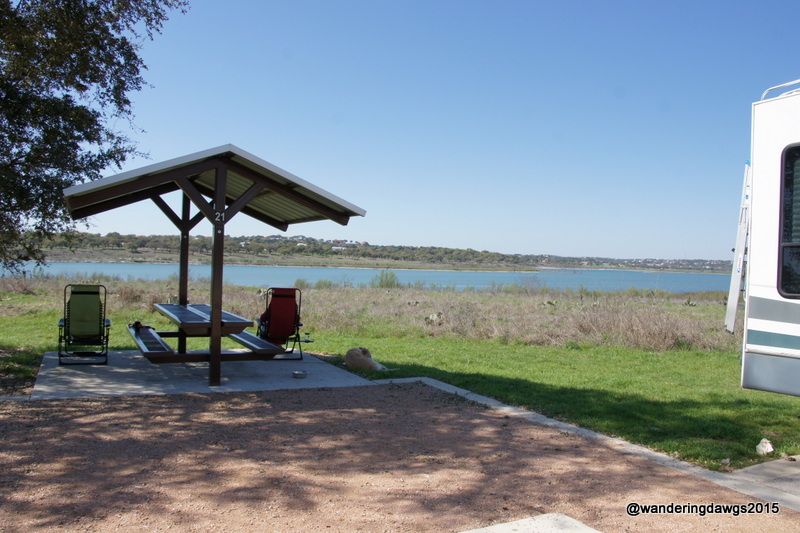
We spent 2 nights in Lake Casa Blanca International State Park. Our site was a paved pull through with water and electric hookups, a picnic table under a covered shelter, and a fire ring. There were willows and other trees around our site and we could see the lake through the trees. There is a boat launch, fishing pier, and many picnic areas in the park. The park is located near the loop road and close to restaurants and shopping.
Mustang Island State Park, Texas

It rained all night our last night in Goose Island. Our 40 miles trek south to our next Gulf Coast destination included a ride on the Port Aransas ferry. After departing the ferry in Port Aransas we drove south about 12 miles to Mustang Island State Park. Despite rain, fog and overcast skies we enjoyed our stay there.
The first morning the fog was thick as pea soup when I took Blondie for a walk on the beach. After doing laundry there was still no sign of a clear sky so we decided to drive to Port Aransas. We had heard there were some good birding opportunities there and Henry needed to pick up some supplies from a hardware store so he could repair our steps (there’s always something to fix on an RV).

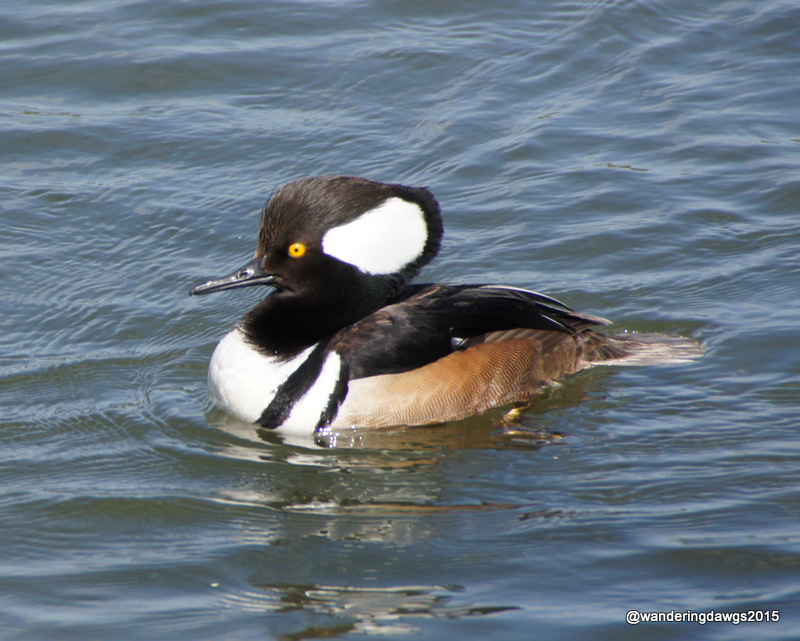
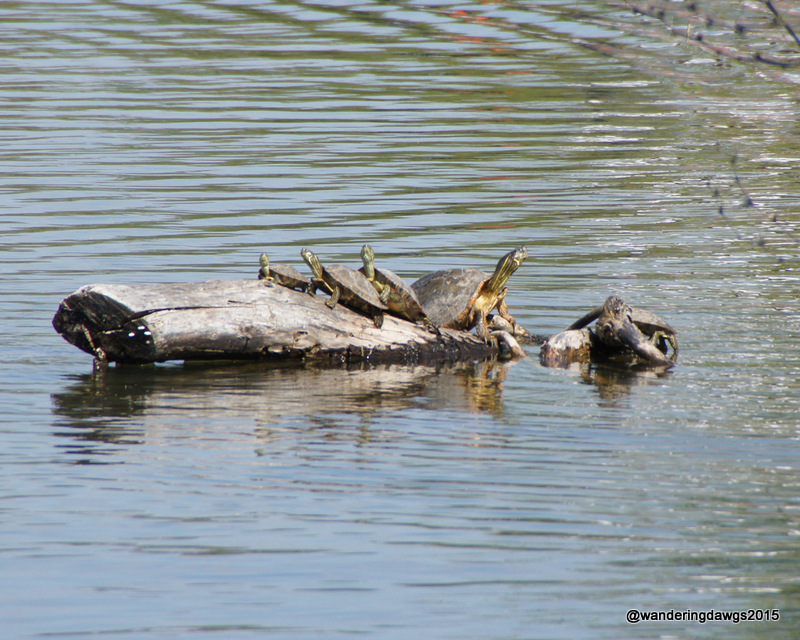
First stop was Charlie’s pasture, a nature preserve. I spied a lone white pelican and a couple of roseate spoonbills across the marsh. The next stop was Leonabelle Turnbull Birding Center where we hit the jackpot. Spoonbills perched in trees, many varieties of ducks, cormorants, American Coot, tri-colored heron, a green heron and many I couldn’t identify. We even saw some turtles.

The next day was still overcast and foggy but we made the drive to Padre Island National Seashore anyway. The park is 60 miles long and extends all the way to the southern tip of Padre Island. The paved road ends shortly past the Visitor’s Center. From there on vehicles must drive on hard packed sand on the beach. Camping is allowed on the beach and we saw some interesting campers as we drove along for a few miles. A picnic table at the windsurfing beach (waterfront campsites with no hookups are available here) was a perfect place for lunch.

We camped in site 17 at Mustang Island. The campground, located just behind the dunes, is a large, rectangular paved parking lot with back in sites on two sides. There is a grassy area between most sites. Each site has water and electric, a shelter with picnic table, and a grill.  There was standing water in some of the sites after a big storm the night before. The water drained overnight and everything was fine the next day. The beach access is a short walk or drive from the campground. There is a large area on the beach with picnic shelters where no driving is allowed. Driving and parking is allowed on the beach on both sides of the beach picnic area.


Magnificent Endangered Whooping Cranes

Our main reason to visit Goose Island State Park was to see the endangered Whooping Cranes. They are the tallest birds in North America and stand nearly 5 feet tall with a wingspan of about 7.5 feet. Beginning in September or October each year, the cranes migrate south about 2,500 miles from Wood Buffalo National Park in Canada to Aransas National Wildlife Refuge about 35 miles north of the state park. After wintering in Texas, they begin their migration back north to Canada about mid March each year.
In the 1940’s, the Whooping Crane population had dwindled to about 20 individuals. Today, according to the International Crane Foundation, there are about 599 (captive and wild). A survey conducted in 2013-2014 estimated about 300 of the wild population winter on and around the Aransas National Wildlife Refuge.

A few of these spectacular birds sometimes make their way to a farmer’s field near the state park. There they feed and hang out with the cattle. There were sometimes as many as 11 Whooping Cranes at one time scattered around the field. Many thanks to Ingrid over at Live Laugh RV for the heads up on where to see them.
We went by the field every day to see what the Whoopers were up to.  With their large size and brilliant white feathers with a rust colored spot on their head they are easy to spot.

Whooping Crane
Whooping Crane
Whooping Cranes running and splashing
Whoopers going for a run

Sometimes there would be Sandhill Cranes hanging around in the field, too. They are smaller than the Whoopers and have darker feathers.

Whooping Cranes and Sandhill cranes share the field

One afternoon the Whoopers kept us entertained flapping their wings and jumping around.

I though he was just eating
Ready…
Then he started to jump
Set…
High jump
Jump!
Landing
Landing
Splashing around
Splashing around
Sandhill crane flapping with a whooper watching
Whooper watches a Sandhill Crane showing off

When they took off it was sad to see them go but spectacular to watch.

Whooping Cranes in Lamar, Texas
Whooping Cranes in Texas

The Whoopers were the star of the show but all around them there were a lot of other things going on in the field.

I’m happy to know that due to the work of many people, the population of these birds continues to grow. I feel privileged to be able to see them in the wild.

Whooping Crane
Whooping Crane in Texas

Goose Island State Park, Rockport, Texas

What a fabulous 3 days we had at Goose Island State Park!

We had plenty of things to see to keep us busy. The first morning I spotted these Roseate Spoonbills in the nature viewing area at the end of road in our campground.

Everything is bigger in Texas! A must see in Goose Island State Park is the Big Tree. This 1,000 year old Texas Live Oak  is the largest of its kind on public land in the state of Texas. The live oaks here are not as tall as the ones in coastal Georgia because the gulf breeze affects their height. The tree measures 11 feet across the trunk, 5 feet around, is 44 feet tall, and 89 feet across the crown.

The tree is surrounded by a fence and is well taken care of. While we were looking at the tree we met a delightful native Texan who has been coming here all her life. She remembers when her 15 year old son could climb on the tree. She also told us a story of her grandfather or great grandfather (I don’t remember which) caught a record sting ray and has  a picture of his record catch hanging in the big tree! These days no climbing on the tree is allowed.

Fishing is very popular here and we enjoyed going to the dock when the boats came in. We saw White Pelicans hanging around the docks waiting for a handout every day.

One pelican got a free lunch.

There was a lot to see in the state park.

We enjoyed seeing the sights around Rockport and Fulton. Our favorite drive was along Fulton Beach Road with homes on one side of the road with their docks jutting out into the bay on the other. Many of the homes were beach cottages with windswept oaks in the front yard. It felt like we had stepped back in time before condos and highrises became the norm along the coast.

Of course we had to try some of the local restaurants. Lunch at Moon Dogs on the docks in Rockport was fun. My fried soft shell crab salad was delicious. Our last night we had a feast of boiled crab, heads on shrimp, crawfish, sausage, potato and corn cooked with a Cajun seasoning. The servers poured it all on the butcher paper covered table like we serve our low country boil back home. Delicious and fun!

Our main reason for coming here was to see some endangered Whooping Cranes. We saw them every day and they are so spectacular they deserve their own post. Here’s a preview of those magnificent birds. Look for another post coming soon.

Pair of Whooping Cranes

We camped in site 34 of the Bay campground near the nature viewing area. There are more sites near the fishing pier The sites are on hard packed sand right on the water. Each site has water and electric hookups and a shelter with a picnic table. Many people fish right from their campsite.