Fall was in the air when we arrived in Virginia. In just a few days we went from hot and muggy to crisp and cool. Our shorts and tee shirts were traded for jeans and sweatshirts. The air conditioner was turned off and the windows were open to let the fresh air in. And the best part was campfires at night.
We love to stay at Claytor Lake State Park in Dublin, Virginia when we visit our daughter’s family. We had a great time hanging out with our grandkids in their new home and meeting their two new kittens. Watching our granddaughter’s swim team practice and our grandson’s soccer game were the highlights of this trip and the reason we came up here.
Morning walk at Claytor Lake State Park
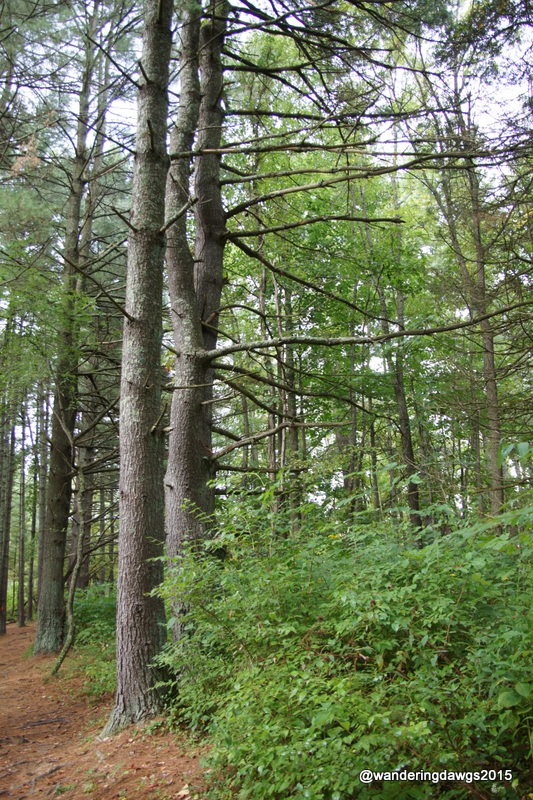
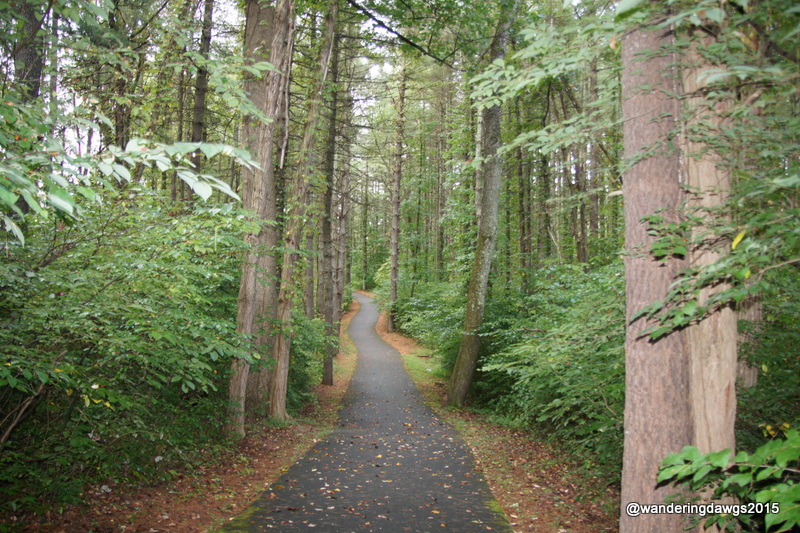
Sadly, we couldn’t spend every minute with the family so we spent some time exploring the area. This was our fifth stay at Claytor Lake and wandering on the many trails in the park is always one of my favorite activities.
Trail at Claytor Lake State Park
Wildflowers in the woods at Claytor Lake State ParkAn early morning walk in the woods
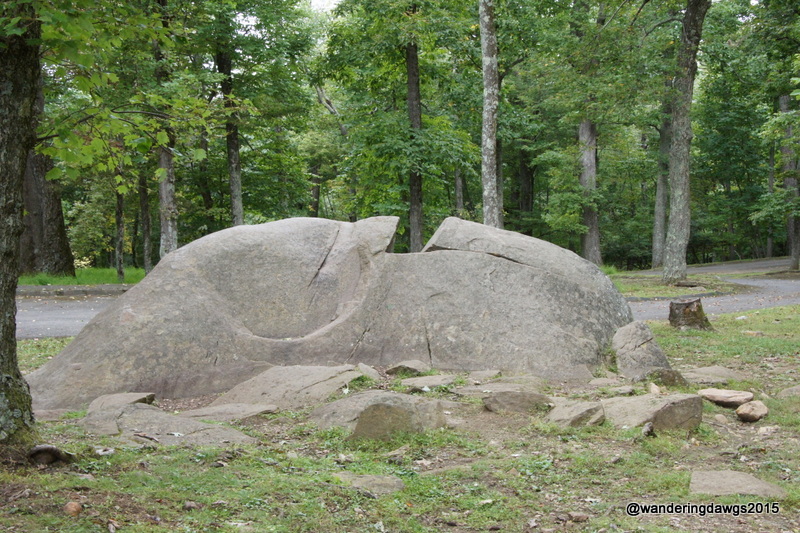
One day we decided to take a drive on the Blue Ridge Parkway. In order to get to our destination, the Rocky Knob Visitor’s Center at milepost 170, we had to drive about 30 miles on a narrow country road through beautiful farmland. After a stop at the visitor’s center to get my National Park Passport stamped we had lunch in the picnic area. A narrow one way road winds through the picnic area which has picnic tables scattered around the hills.
Rocky Knob picnic area on the Blue Ridge Parkway in VirginiaRocky Knob picnic area on the Blue Ridge Parkway in Virginia
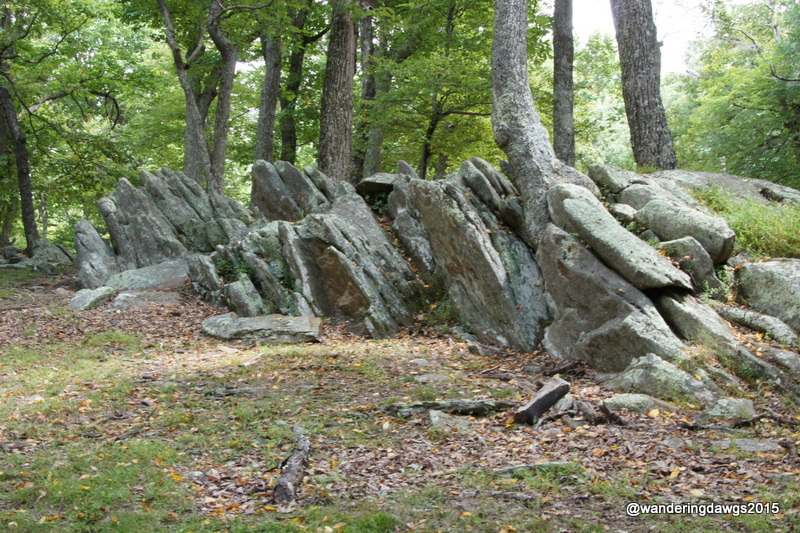
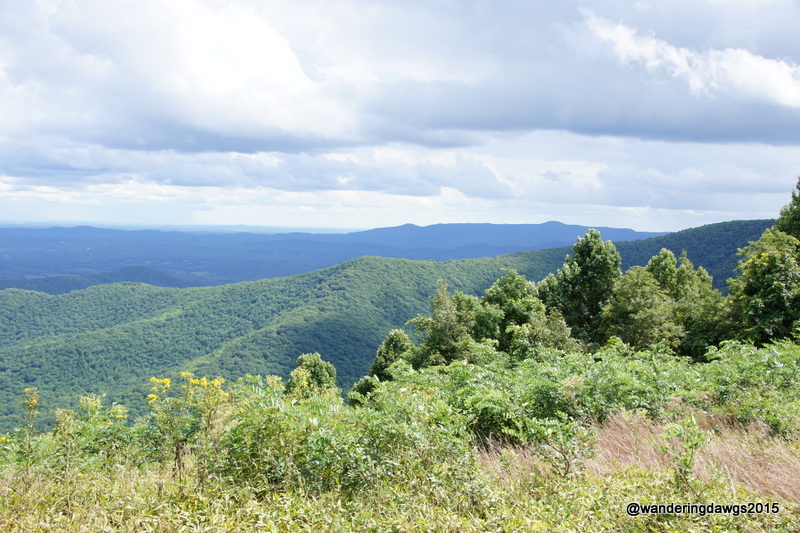
After lunch we enjoyed our short drive on the Blue Ridge Parkway. The views from the overlooks were spectacular
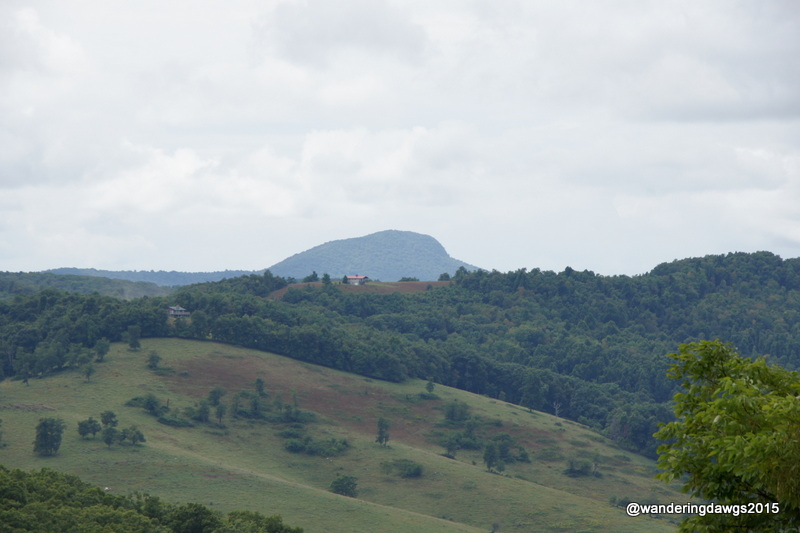
Blue Ridge Parkway from overlook at Rocky Knob Visiter’s CenterBuffalo Mountain from the Saddle Overlook on Blue Ridge Parkway
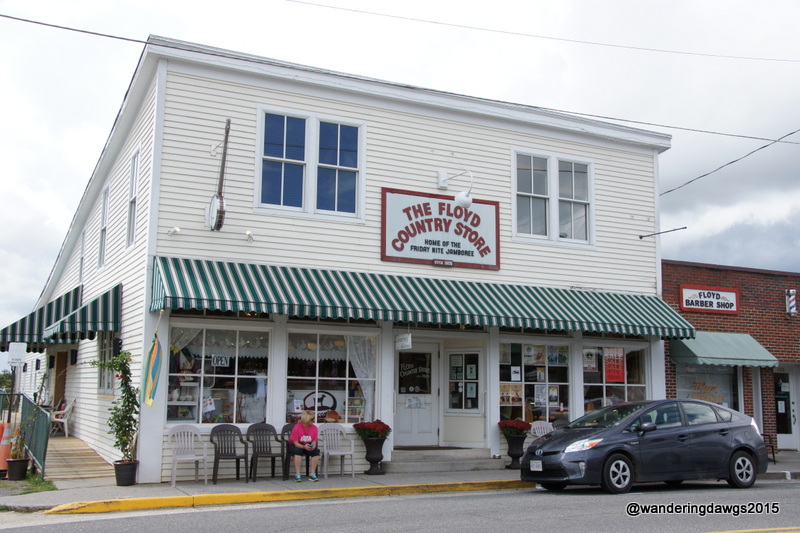
We only drove about ten miles on the parkway before exiting to the town of Floyd for a return visit to the Floyd Country Store. I posted about our visit to their Sunday Jam Session in this post from 2013.
Floyd Country Store
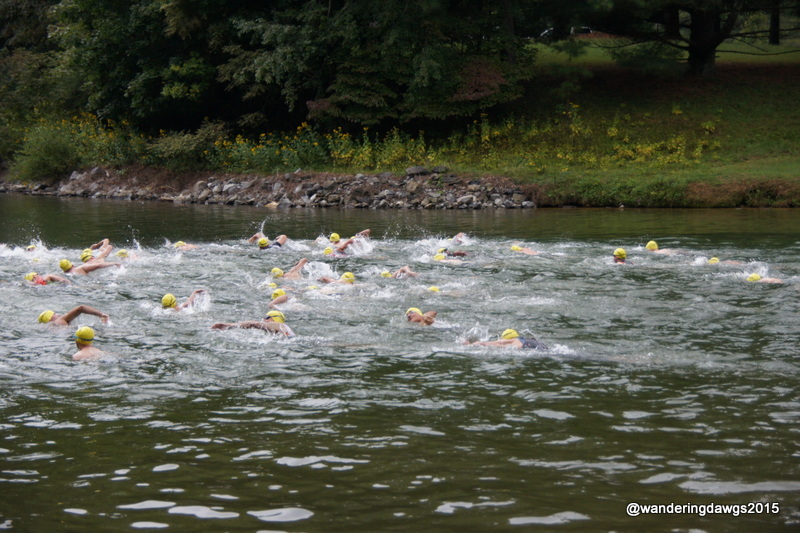
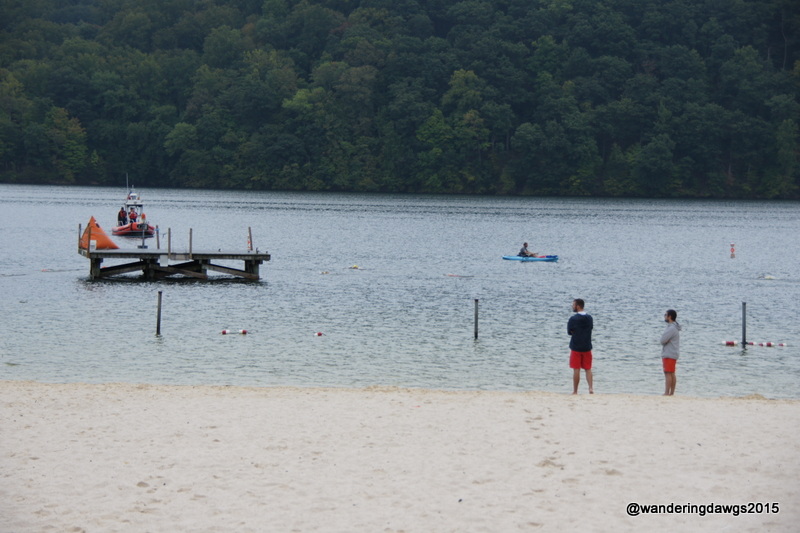
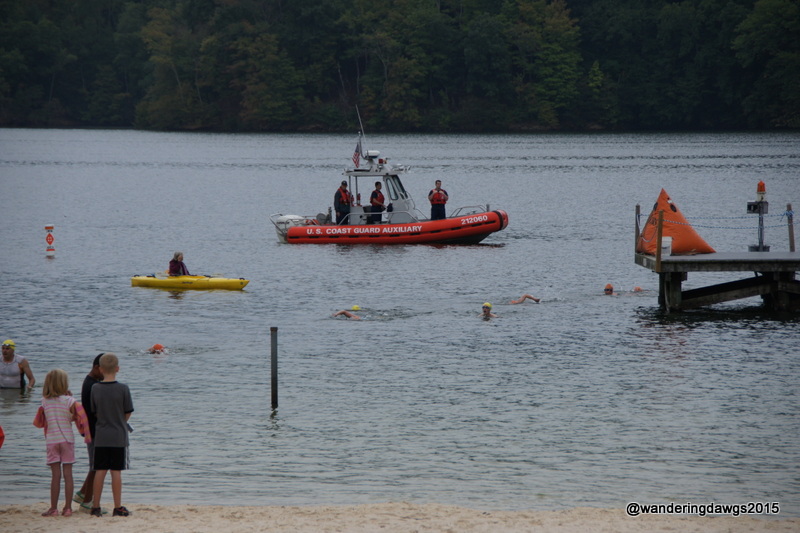
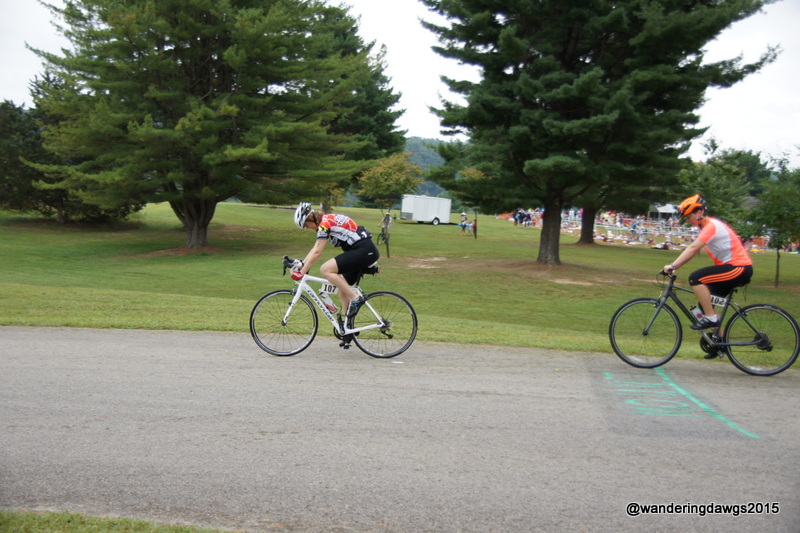
Saturday morning before driving to Roanoke to our grandson’s soccer game I walked down to the lake to watch the start of the Claytor Lake Triathlon. An 80 year old man, his 50 year old son and his grandson all participated in the event. After watching the swimmers take off, I walked to the beach to see them exit the water and run to their bikes to begin the bike race.
Start of the Claytor Lake TriathloWaiting for the swimmersSwimmers heading for the beachStarting the bike ride
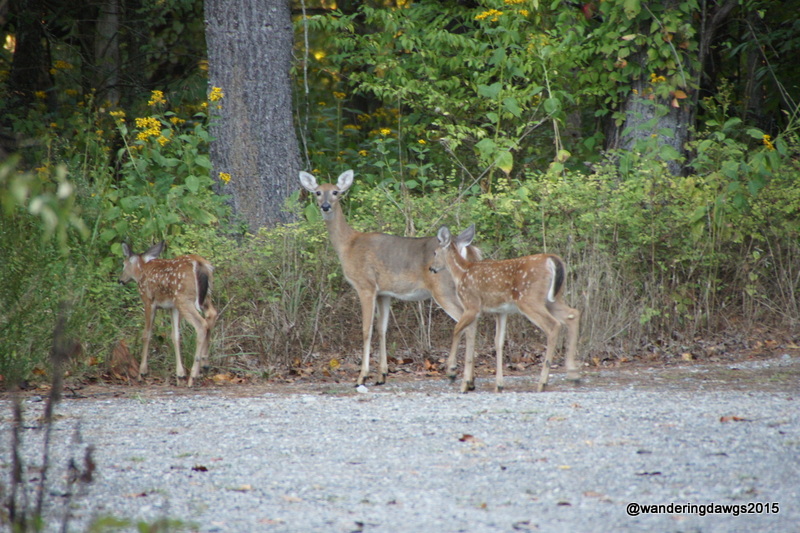
On our last morning at the state park I woke up to see four deer in the campground.
Deer visited the campground on our last morning at Claytor LakeTwo fawns in the campground
On Sunday afternoon our daughter’s family came out for a visit. So much fun sitting by the fire, going for a walk, playing ladderball, and sharing a meal of burgers, hot dogs and of course s’mores. A perfect end to our stay at Claytor Lake.
“Skin me, Br’er Fox,’ sez Br’er Rabbit, sezee, ‘snatch out my eyeballs, t’ar out my yeras by de roots, en cut off my legs,’ sezee, ‘but do please, Br’er Fox, don’t fling me in dat brier-patch,’ sezee.”
– – from the story “How Mr. Rabbit Was Too Sharp for Mr. Fox” in the book “Uncle Remus: Being Legends of the Old Plantation” by Joel Chandler Harris.
When I was a child, my family spent a week every summer with my grandmother in Eatonton, Georgia. Back then, U.S. Highway 441 was a major north-south route through Georgia. The highway went through the downtown of many small towns and Eatonton was one of them. From the highway travelers saw the statue of Br’er Rabbit which sits on the courthouse lawn (the picture in the header above shows Br’er Rabbit is still on the courthouse lawn today).
Times have changed and these days a bypass goes around the town. Travelers who take the time to get off the bypass and explore the downtown area will find two interesting museums, a butterfly garden that is a certified Monarch Way Station, charming shops and an award winning restaurant.
Although I’ve lived most of my life in coastal Georgia, my roots are buried deep in the red clay of Putnam County in middle Georgia. My mother grew up on a dairy farm in Putnam County and after she and my dad retired there in the early 1970’s my children got to spend their childhood visiting Eatonton, the county seat, each year. I still go there several times a year.
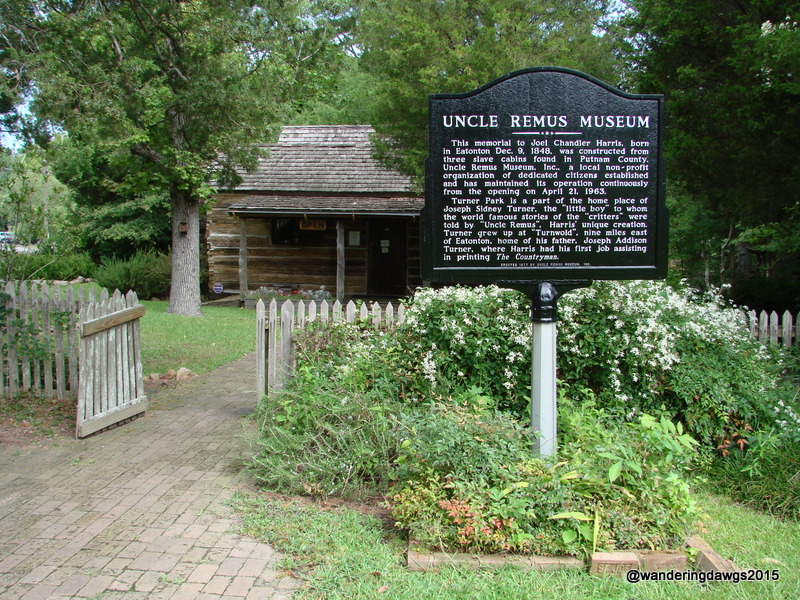
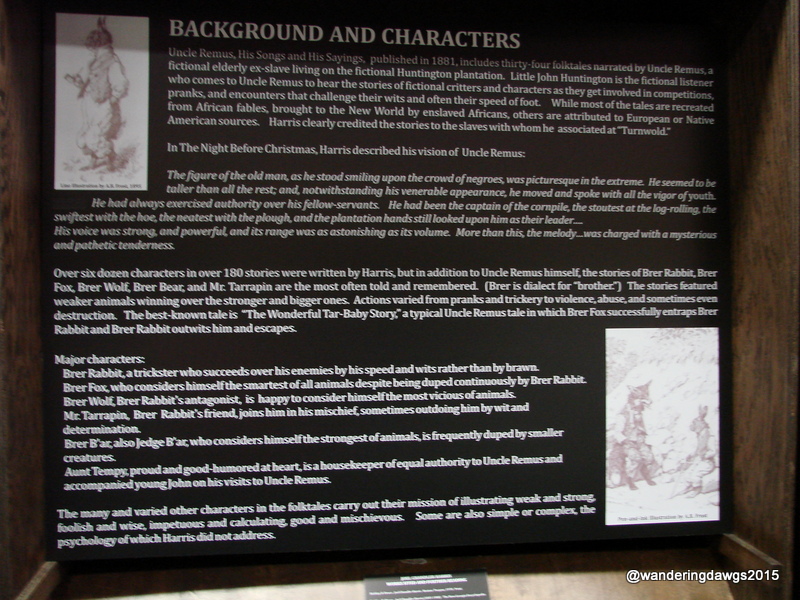
Joel Chandler Harris and the Uncle Remus Museum
Brer Rabbit stands in front of the Uncle Remus Museum in Eatonton, GA
Joel Chandler Harris, the author of the Uncle Remus stories was born in Eatonton in 1848. Harris first introduced the characters of Br’er Rabbit, Br’er Fox, and Br’er Bear in a newspaper column. The column was so successful he later published several popular books of the stories. The 1946 Disney movie “Song of the South” brought these characters to life on the big screen.
Uncle Remus Museum honoring author Joel Chandler Harris in Eatonton, Georgia
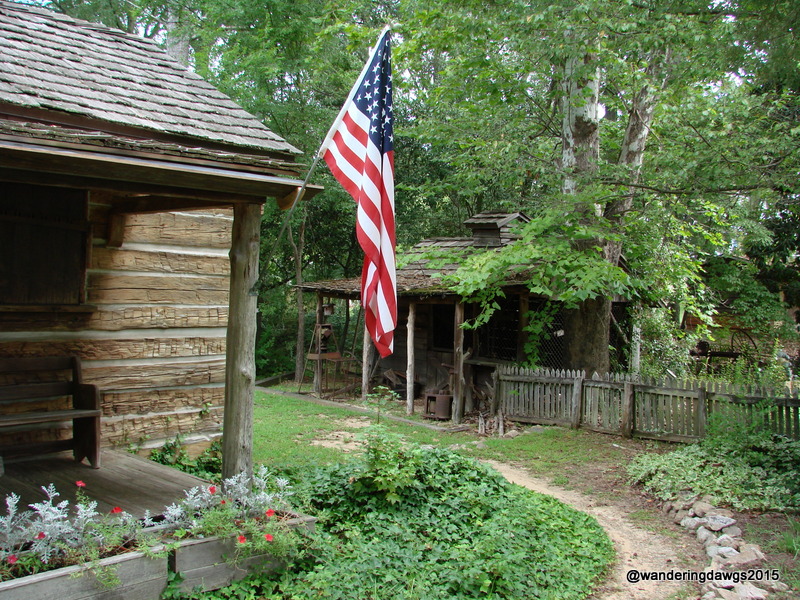
A visit to Eatonton wouldn’t be complete without a visit to the Uncle Remus Museum located in Turner Park, three blocks from the courthouse on Highway 441. The building housing the museum was created from original slave cabins from Putnam County. Two cabins were moved to the museum location and combined to make the two main rooms of the museum. Later, a third room was added from a Putnam County plantation home. In these rooms are many first editions of his books, interesting displays of artifacts from the 1800’s, and shadow boxes with wooden carvings of the characters.
Uncle Remus Museum in Eatonton, Georgia
The day I visited the museum I was greeted by Georgia, a delightful and enthusiastic volunteer who entertained me with many great stories. The Uncle Remus books were printed in at least 27 different languages and the museum has visitors from all over the world. In one of the display cases are several books published in other languages that were sent to the museum from visitors when they returned home after visiting the museum.
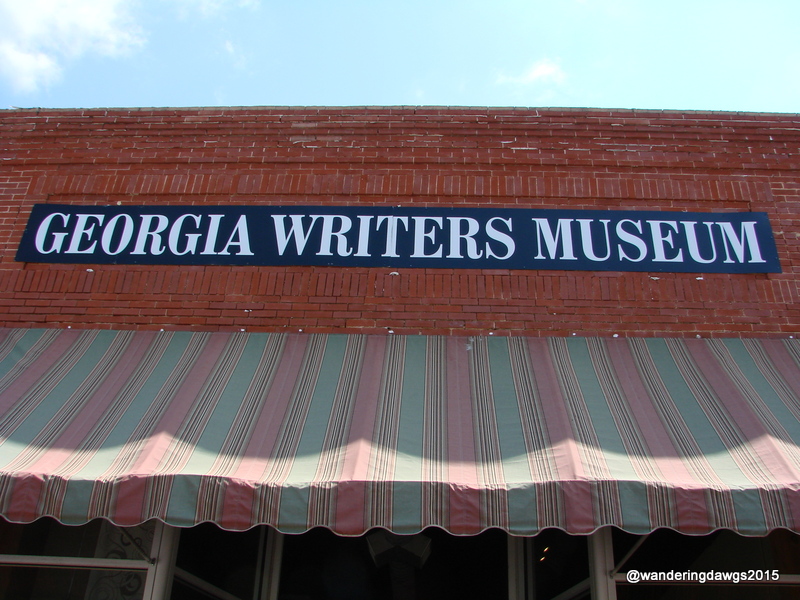
Georgia Writer’s Museum
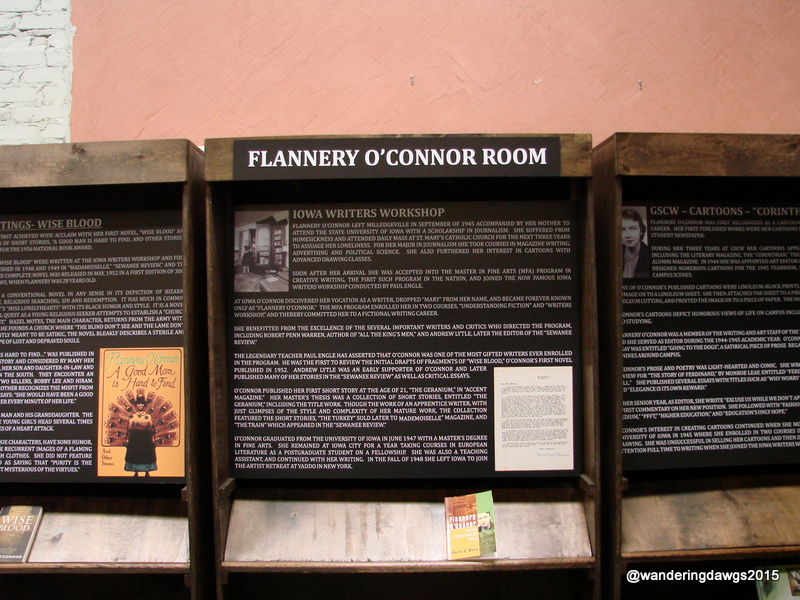
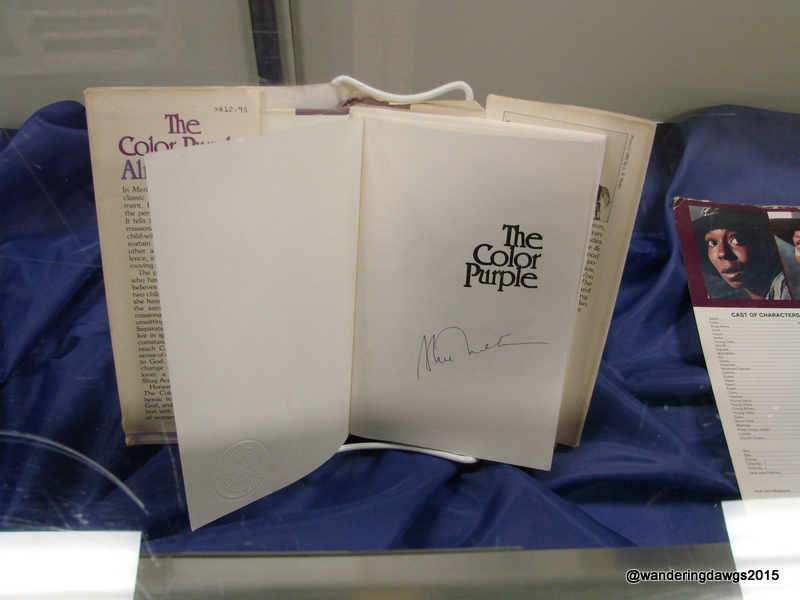
In addition to Joel Chandler Harris, Eatonton is also the birthplace of Alice Walker, award winning author of “The Color Purple”. Flannery O’Conner’s home was in nearby Milledgeville.
The Georgia Writer’s Museum features permanent displays celebrating these three authors. In addition, there are books on display from many of other Georgia authors.
Again I was greeted by an enthusiastic volunteer who walked with me through the museum and told me some interesting stories about the authors.
Georgia Writers Museum in Eatonton, GeorgiaGeorgia Writers Museum in Eatonton, GeorgiaGeorgia Writers Museum in Eatonton, GeorgiaUncle Remus display at Georgia Writers Museum in Eatonton, Georgia
Butterflies and Blooms in the Briar Patch
A fairly new addition to the town is a beautiful butterfly habitat created by local volunteers. The garden is Certified Monarch Way Station No. 9045 and is also an official site for geo-caching. When I visited there in August, 2015 several varieties of Swallowtails kept me entertained.
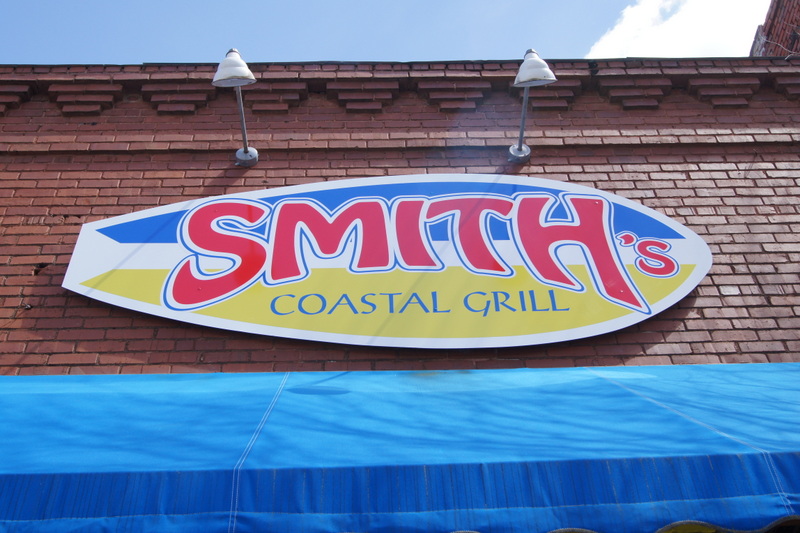
Smith’s Coastal Grill
Smith’s Coastal Grill, Eatonton, Georgia
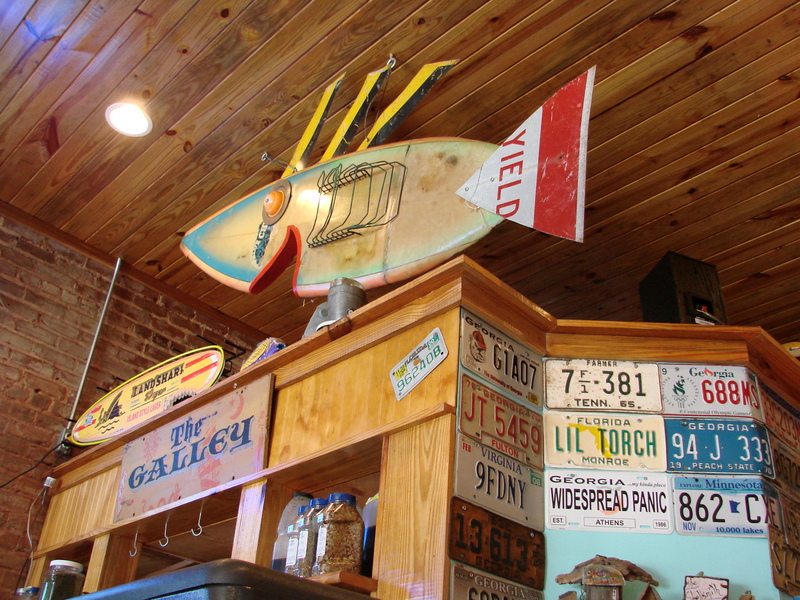
Of course we have a favorite restaurant when we are in Eatonton. Smith’s Coastal Grill, located on Jefferson Street just a block from the courthouse, was recently named one of the 100 Great Plates in the state of Georgia and is featured in Georgia Eats, the Official State Culinary Guide for the state. They won this honor for their amazing fish tacos. Other favorites are shrimp and grits, fried green tomatoes, and Key Lime Pie that rivals any you could get in Key West.
Right next door to the restaurant is Smith’s Sweets with coffee, homemade pralines, pastries, ice cream and if you get there on the right morning, delicious chicken biscuits.
Smith’s Coastal Grill in downtown Eatonton, GeorgiaSmith’s Coastal Grill in downtown Eatonton, GeorgiaSmith’s Sweets in downtown Eatonton, Georgia
Mona Liza over at The Lowe’s RV Adventures recently asked me if I could name my favorite place. I didn’t have to think very hard to come up with an answer. My favorite place in the world is right here at home in coastal Georgia near Savannah. So this summer we’ve been enjoying a wonderful summer in our home state of Georgia.
The highlight of our summer was having the grandkids come to visit. Going to the beach, going for boat rides, visiting museums, making homemade ice cream, and catching blue crabs were just a few of the things we got to enjoy with them this summer.
We also enjoyed getting together with our friends and neighbors. We celebrated numerous birthdays, watched Fourth of July fireworks, and shared many meals and laughs.
One of the things I love most about where we live is the natural beauty all around us. I never get tired of all the birds and other wildlife we see each day. Throw in a few summer thunderstorms, some beautiful sunsets and a few rainbows and you have a summer full of great days.
I created a Mesh Gallery with a few highlights of the summer using Mesh. I hope you like it.
After almost six weeks exploring the great state of Texas it was time to head east toward home. We were sad to leave Texas but happy knowing we would soon be home. Our first stop in Louisiana was a place where we had camped on another trip four years ago. I had such fond memories of our first visit there I’ve been looking for an excuse to go back. I even made reservations for site 12, the same one we had camped in before. With a deck and a fishing dock right in front of the site, it was a perfect place to chill for a couple of days.
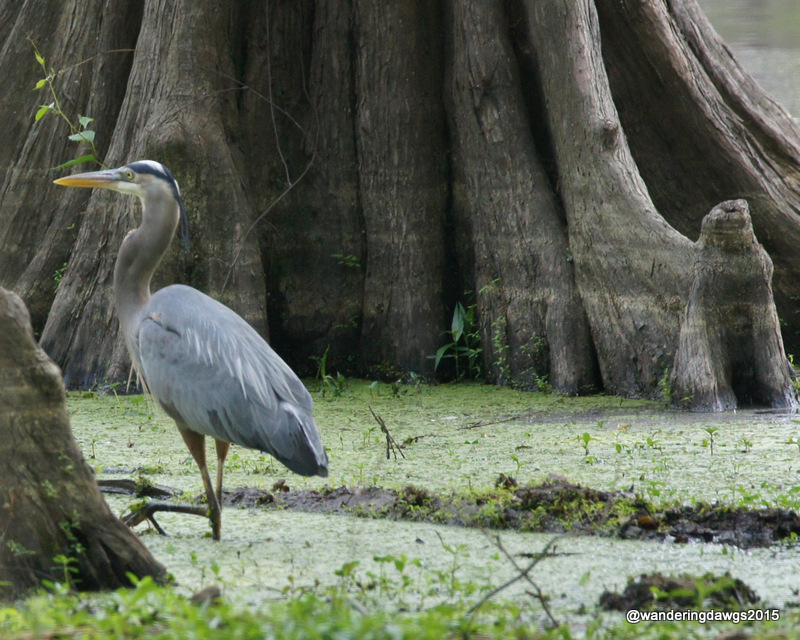
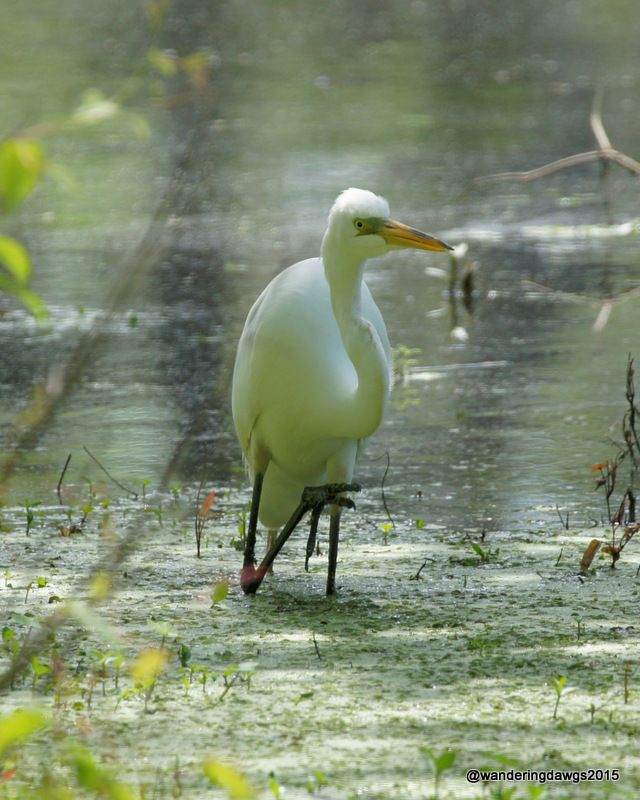
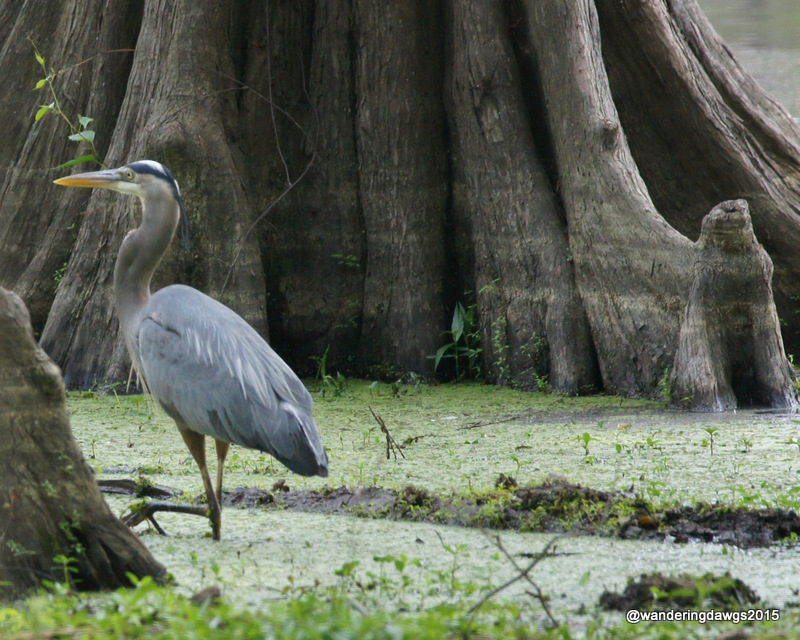
Lake Bistineau State Park is located about 20 miles from Bossier City. I remembered how friendly one of the rangers at the park was when we first visited and I was happy to see the same ranger greeted us at the office and checked us in. I have to say he is one of the nicest, friendliest, and most helpful park staff member we have ever met. We had a beautiful view of the lake from our deck and spent a lot of time just chillin’ and watching the herons and egrets fishing in the shallow water along the banks of the lake.
Great Egret in Lake Bistineau
Great Blue Heron at Lake Bistineau
I was way behind on doing laundry and was happy to find a small laundry right there in the park. And it was free! There was also WiFi at the park office and I could do a little catching up on the blog while we were there. We did a little shopping in Bossier City and got our fix of more Cajun Food at Shane’s Restaurant. Crawfish Etouffee and some Boudin to go and we were happy!
But it wasn’t all work, shopping and eating. We’re pretty good at sitting and chillin’.
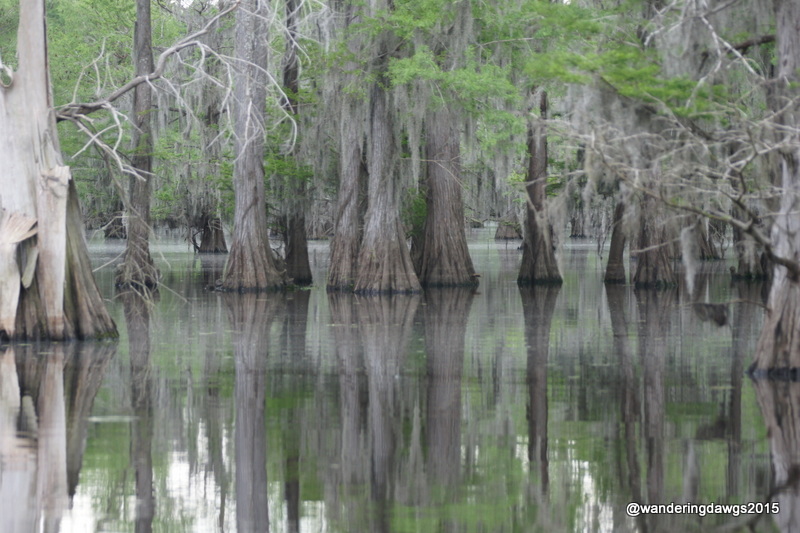
Lake Bistineau
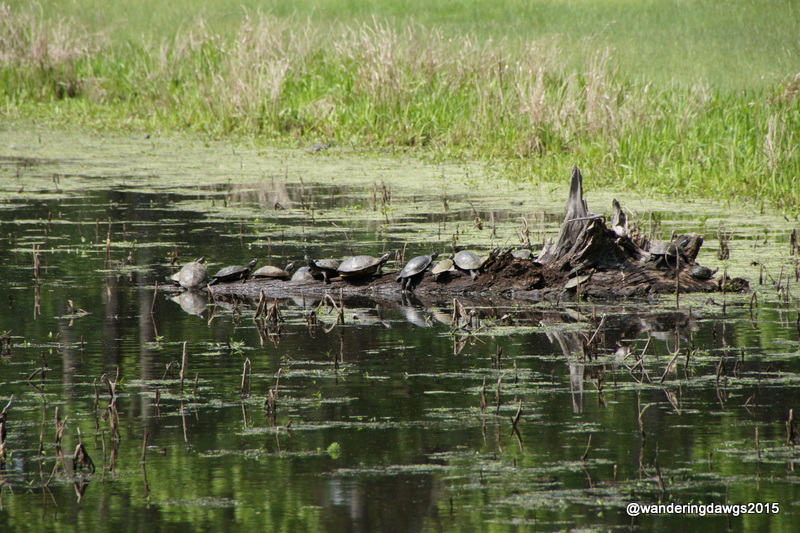
Turtles at Lake Bistineau
Did I mention we had the campground almost all to ourselves? There were only two other campers there the first night, and the next two nights there was only one other camper in the park. Perfect!
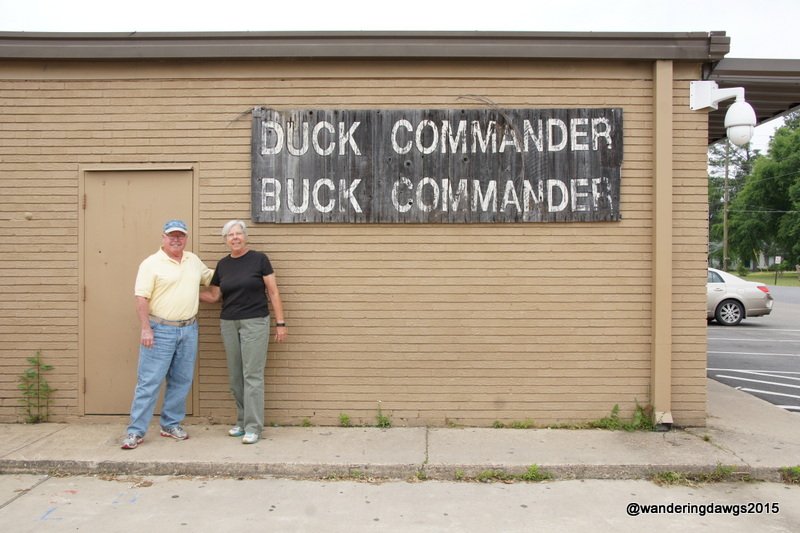
But eventually we had to move on. When we made the decision to go home via I-20 we could not miss a stop in West Monroe, Louisiana to see the headquarters of Duck Commander.
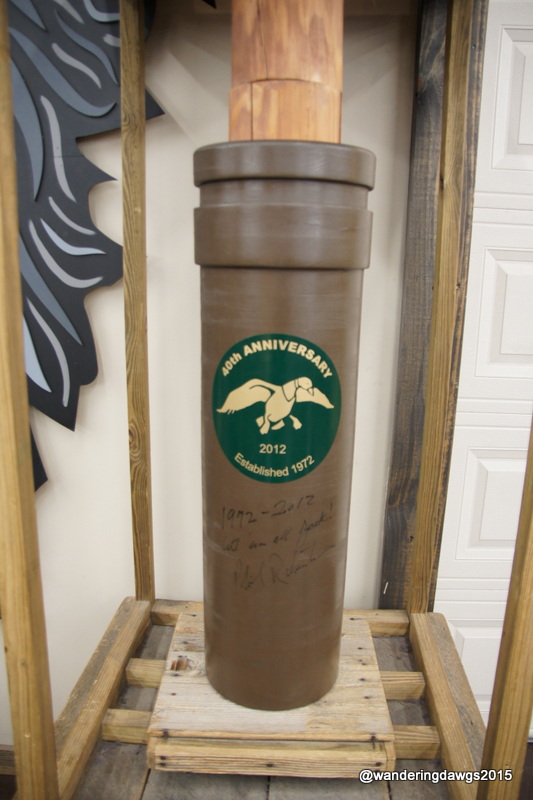
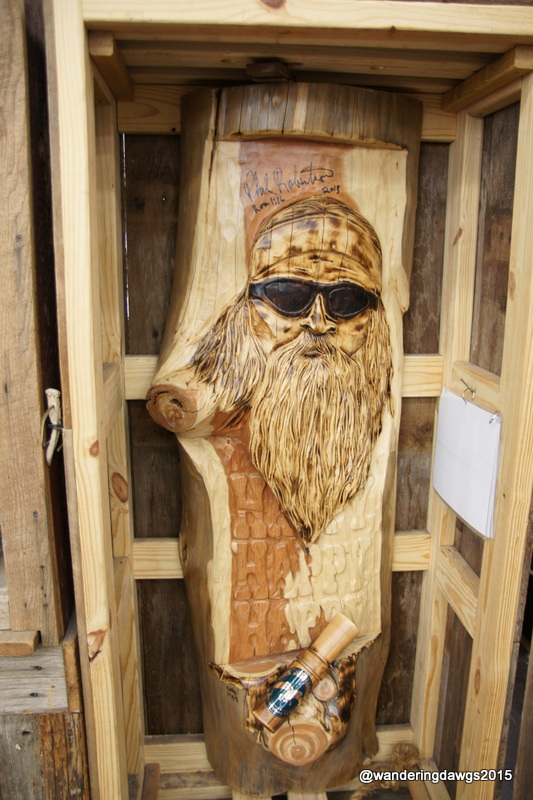
Duck Commander was established in 1972 by Phil Robertson. After an outstanding football career in college Phil had an opportunity to play professional football in the NFL. He turned down the offer because he didn’t love football. He loved hunting and fishing and wanted to make a living doing what he loved. He was unhappy with the duck calls that were available at the time and in 1972 started selling his own design.
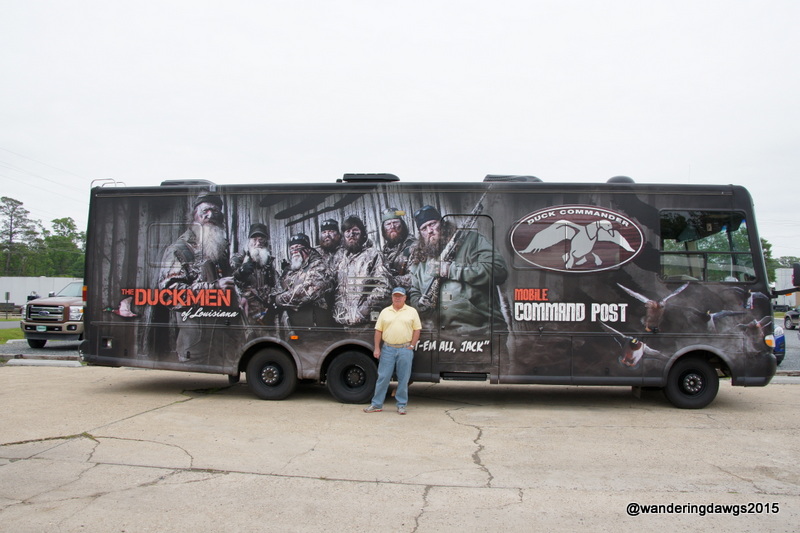
Phil is now retired and his son Willie Robertson is now the CEO of the family run company and Duck Commander products are sold worldwide. Members of the Robertson family star in the popular A&E reality show “Duck Dynasty.”
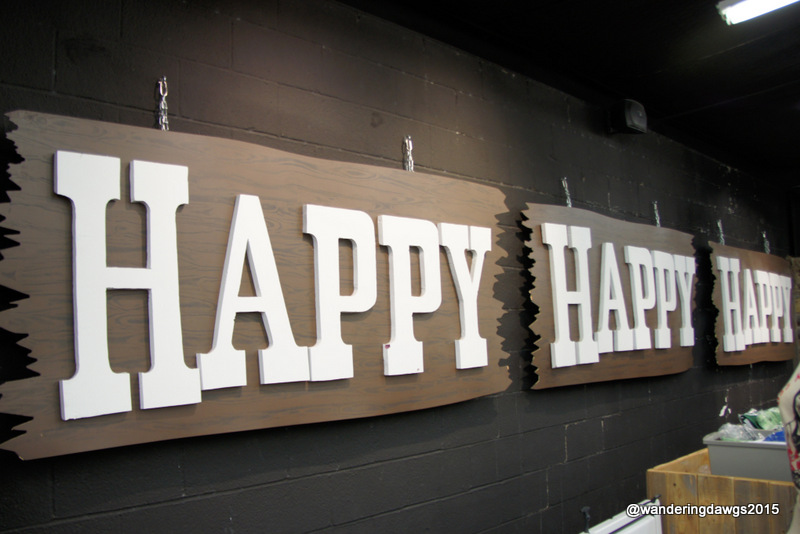
Happy Happy Happy – a favorite Phil Robertson quoteWorld’s Largest Duck Call celebrating the 40th Anniversary of Duck CommanderCarving of Phil Robertson, founder of Duck CommanderThe Duck Commander BusDuck Commander Headquarters, about 3 blocks south of I-20 in West Monroe, LA
Lake Bistineau State Park is located near Doyline, Louisiana. The sites have paved water and electric hook ups, pads, picnic table, and fire pit. We had a premium site with a wooden deck overlooking the lake. There are several fishing docks located in the campground. The park also has a boat launch.
To visit Duck Commander we stayed at Ouachita RV Park in Monroe, Louisiana. The full hookup park had gravel pull through sites with free WiFi that actually worked, a nice laundry room, a meeting room, and a small pond.
Every once in a while we discover an unexpected gem of a park. We just needed a quiet, restful place to stay for a couple of days after our adventure in Palo Duro Canyon. A place where we could buy some groceries and just chill. Lake Arrowhead State Park south of Wichita Falls sounded like it would fit the bill. As it turned out we enjoyed it so much we stayed an extra day.
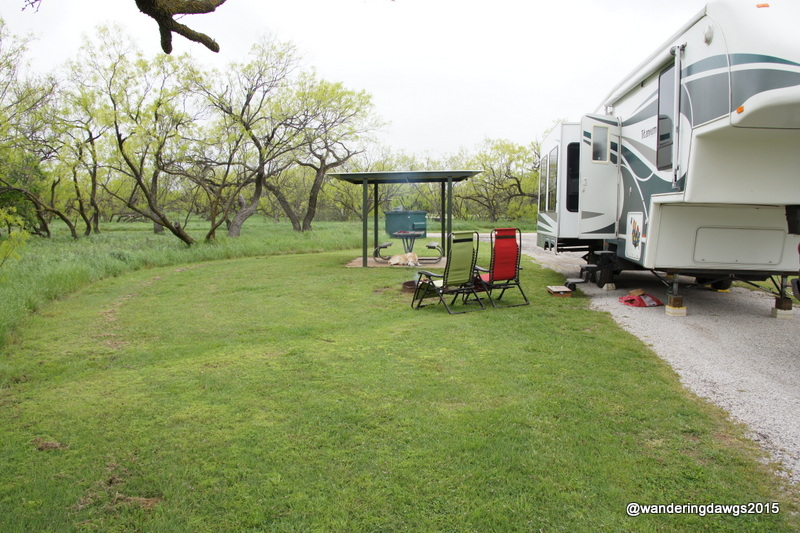
It was wonderful seeing so much green after the brown plains of Texas. We had a nice big site with plenty of green grass and trees. There were hardly any other campers in the park and we sometimes felt like the only ones there.
A great place to chill
Texas has been going through a drought for several years and many lakes have suffered because of it. Lake Arrowhead is really low and has been for a while. The fishing pier is high and dry and all of the boat ramps are closed.
Lake Arrowhead is really low
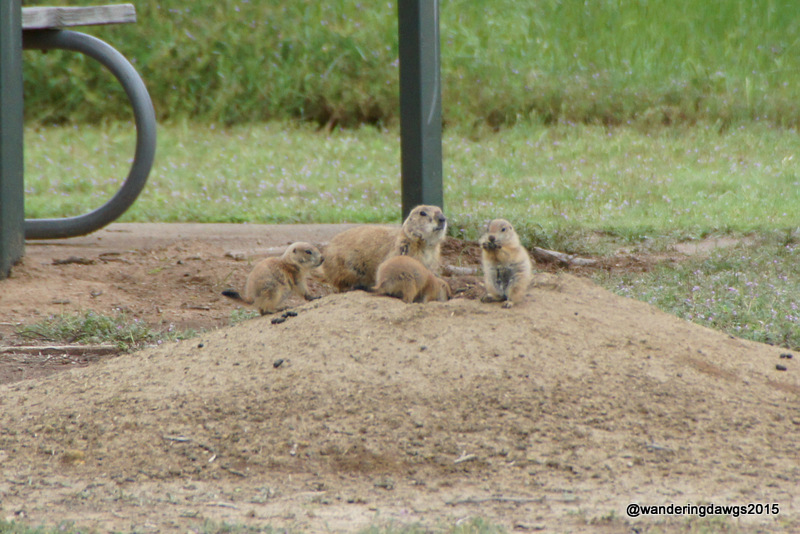
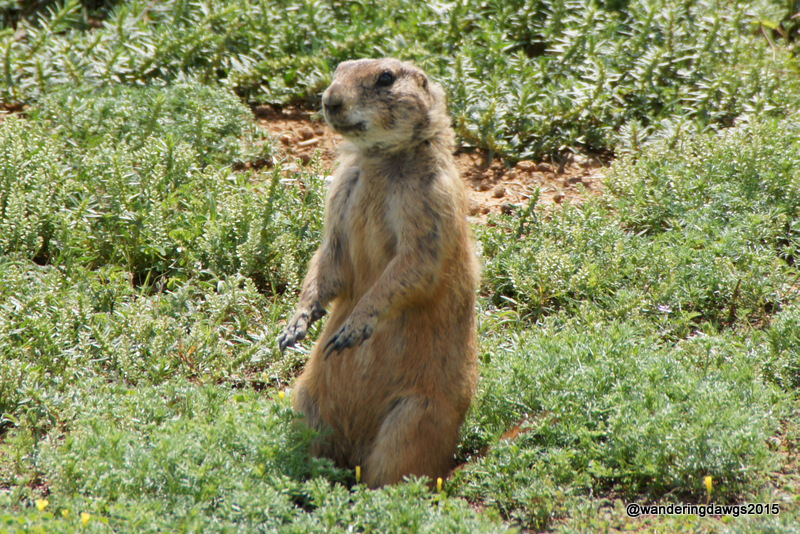
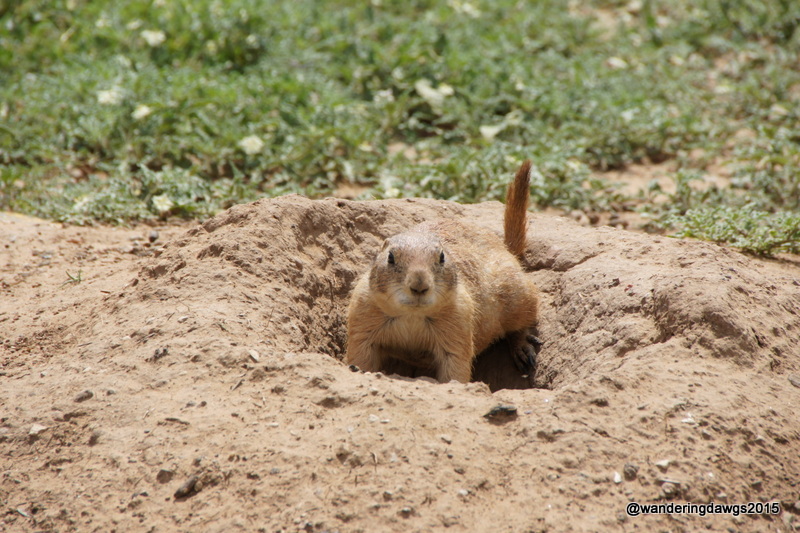
There is a Prairie Dog Town in the park that has spread to some of the campsites. Some of the holes were right beside the road and Blondie tried to stick her nose in them as we walked by. The Prairie Dogs would scamper away to their hole and disappear as Blondie and I approached on foot. They would stay around longer when we drove by in the truck.
Prairie Dog Mama and her pups next to the picnic table in one of the campsites
Prairie Dog protecting his turf
Prairie Dog at Lake Arrowhead
There is a working oil pump in the campground. After seeing so many of them in the fields as we drove through Texas it was interesting to see one up close. The engineering term for this type pump is a walking beam. More common names for it are horsehead pump, nodding donkey, beam pump, rod pump, grasshopper, thirsty bird, pump jack or jack pump.
Inspecting an oil pump in the park
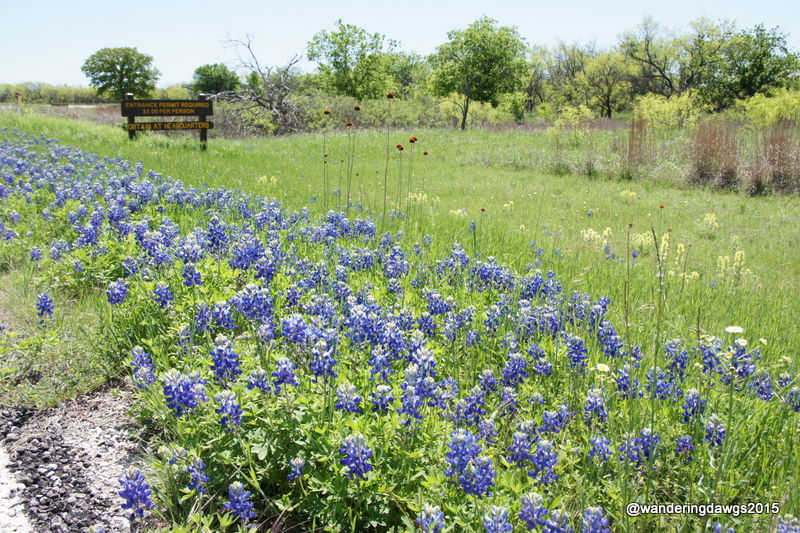
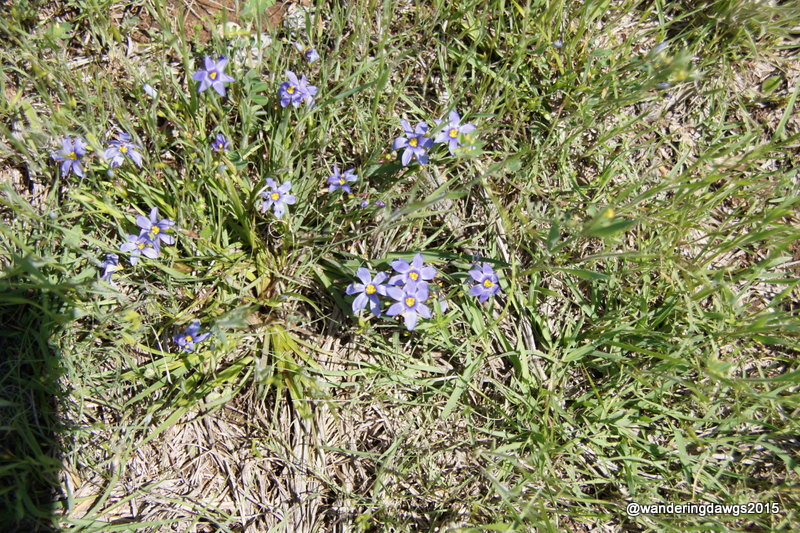
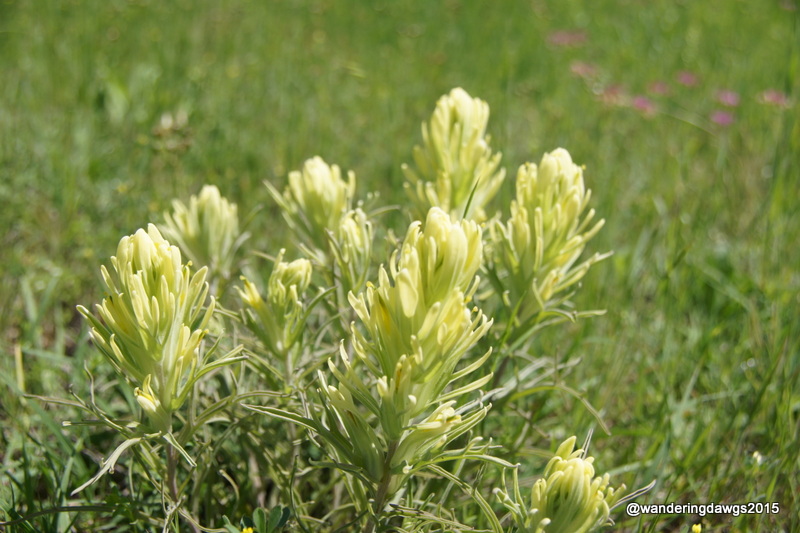
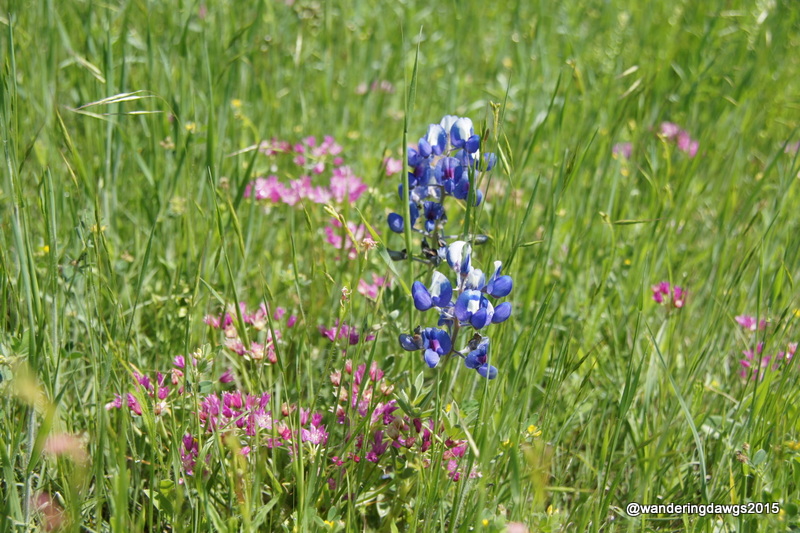
I was happy to see bluebonnets and other wildflowers growing beside the road.
Bluebonnets at Lake ArrowheadUnknown Wildflower at Lake ArrowheadUnidentified wildflower Lake ArrowheadBluebonnets and Indian Paintbrush at Lake Arrowhead
It was a great place to chill before continuing our trek east.
The ranger who checked us in was very friendly and helpful and gave us great directions to shopping in Wichita Falls. She also recommended the Branding Iron for barbeque and it was delicious.
Our site was a pull through with paved pad, large grass sitting area, a covered picnic table and fire ring. The site had water and electric hookups. There was a bath house close by, several picnic areas and hiking trails in the park.
If you would like to read my detailed campground review of this park, click here.









 Wandering Dawgs