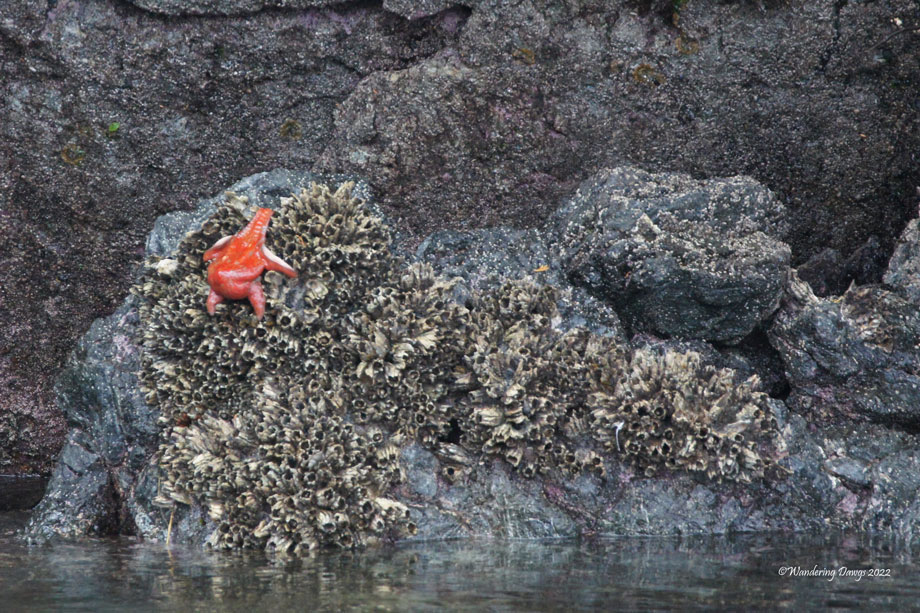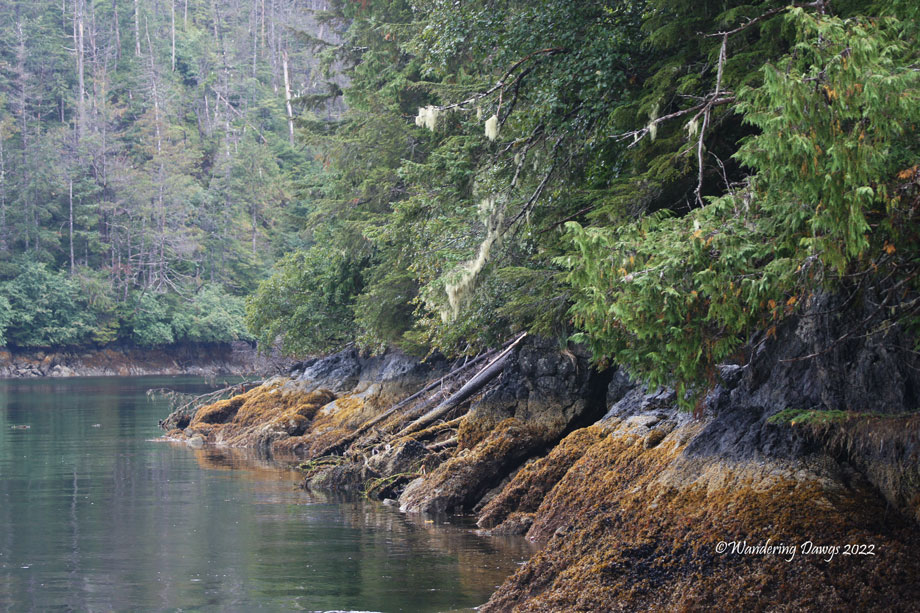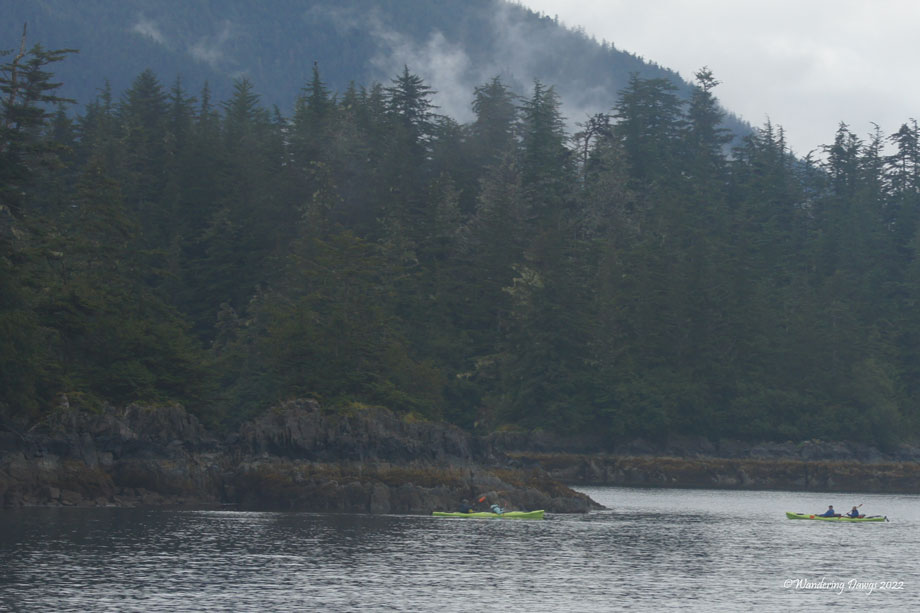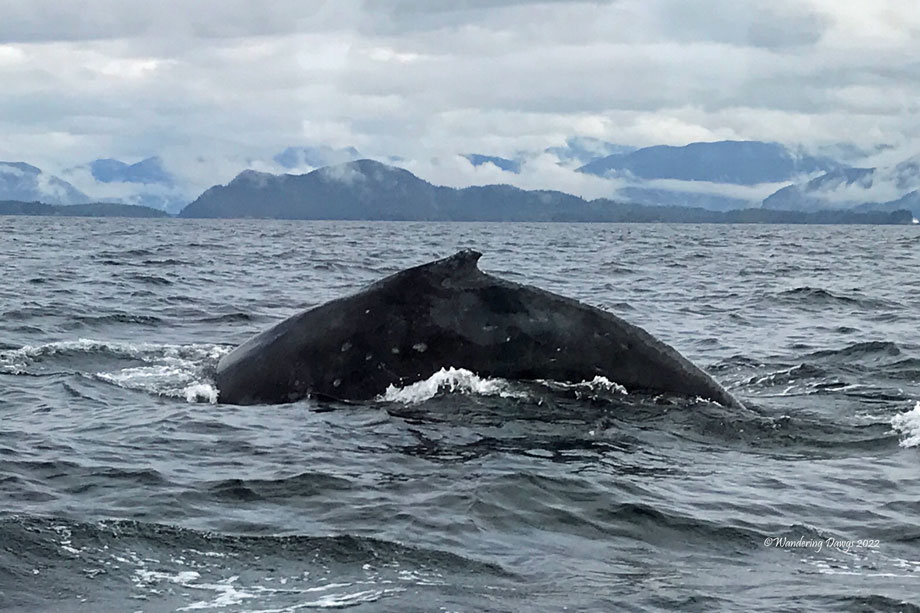
We fell in love with Alaska nine years ago when we traveled from Georgia to Alaska and back towing our fifth wheel trailer. We’ve been wanting to return to the Last Frontier ever since.
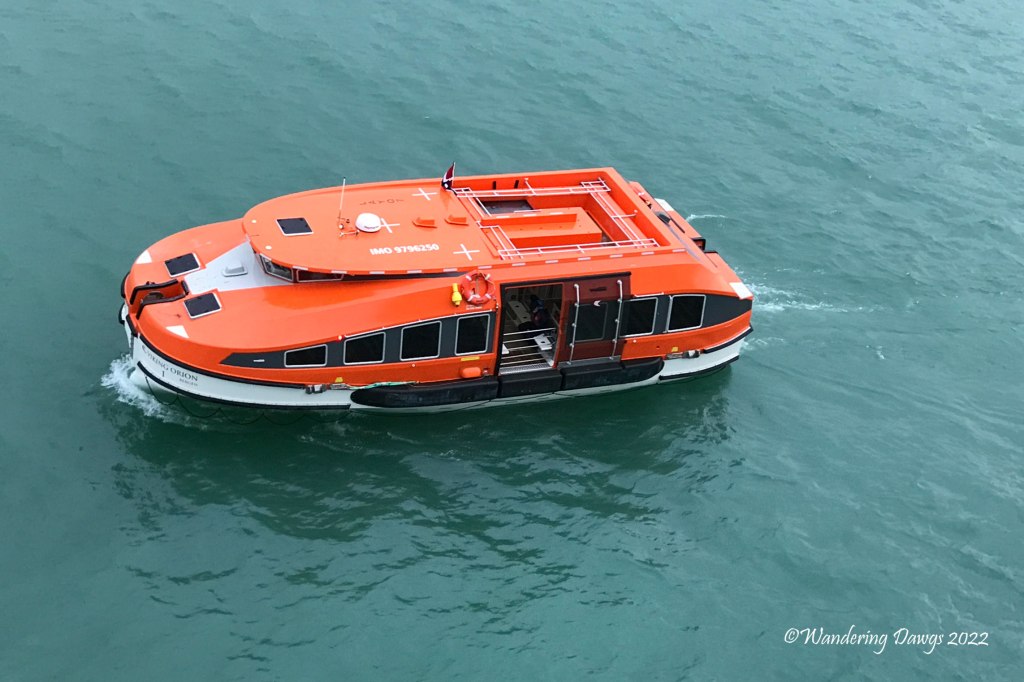
Our wish finally came true at the end of August this year. This time we flew to Anchorage, took a tour bus to Seward and boarded the Viking Orion for a 10 day cruise ending in Vancouver. We returned to a few places we had visited by RV and saw some amazing new places. The scenery was stunning and there were many wildlife sightings.
These are just a few highlights of our journey.
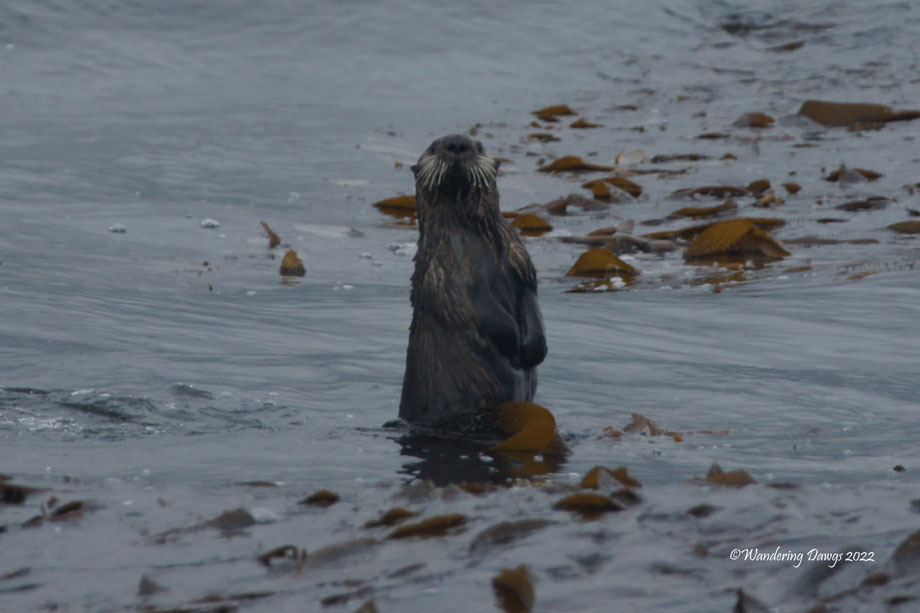
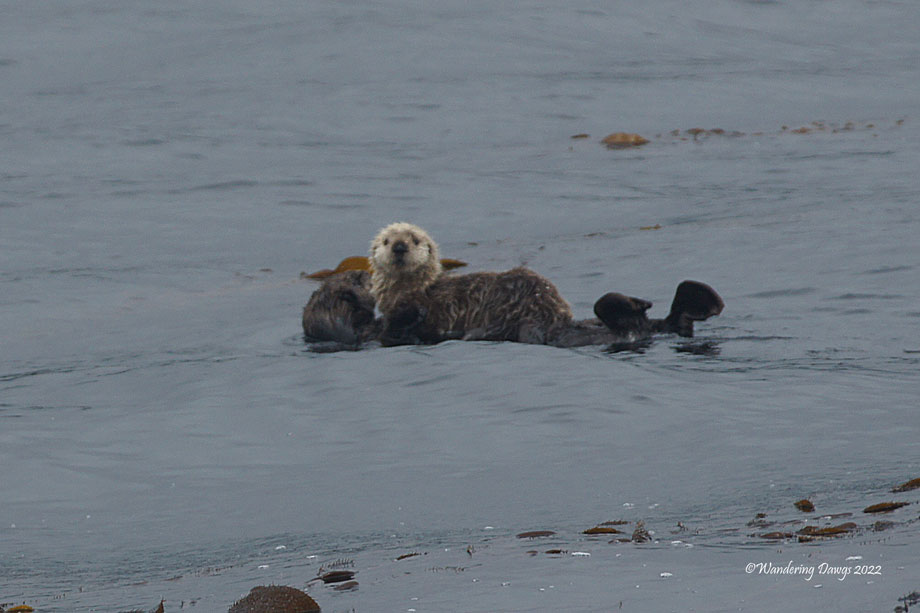
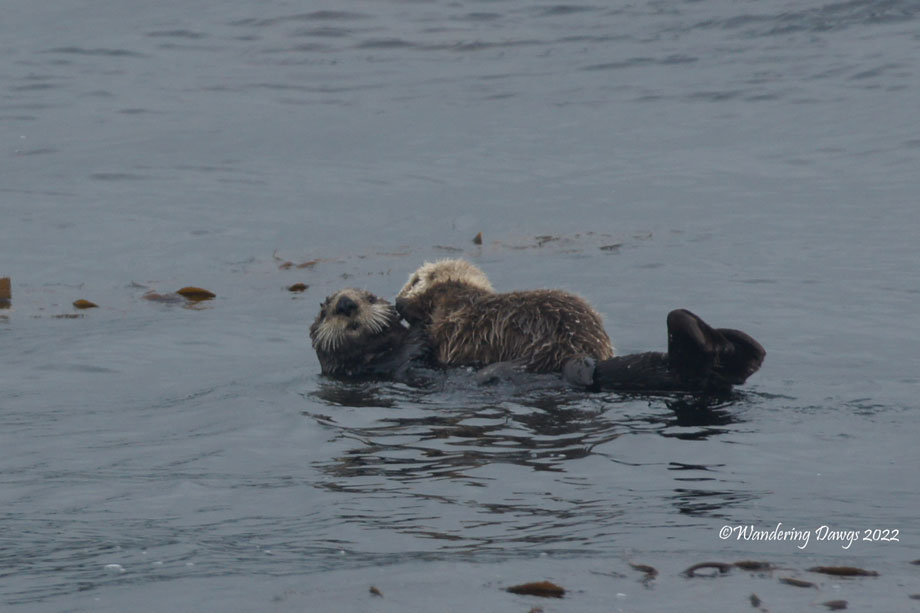
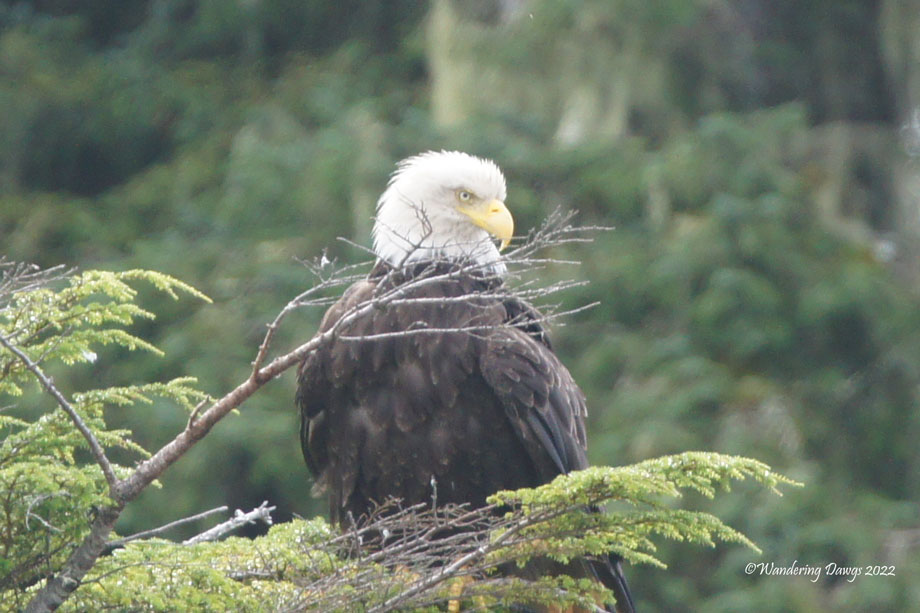
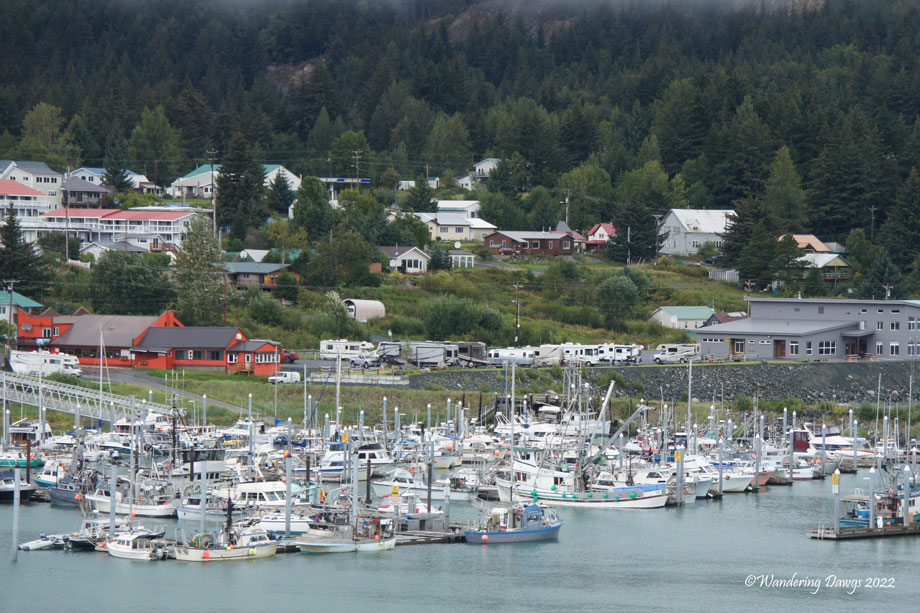
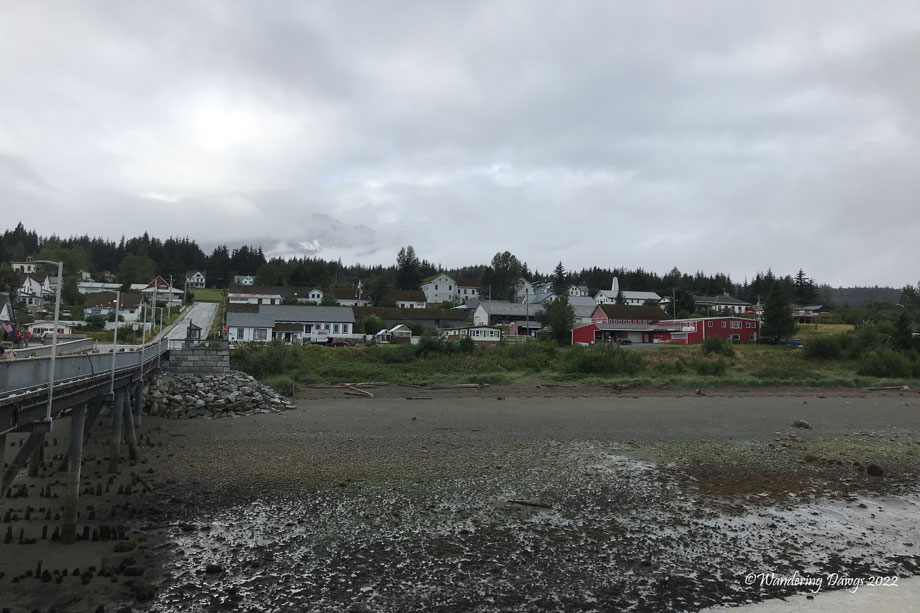
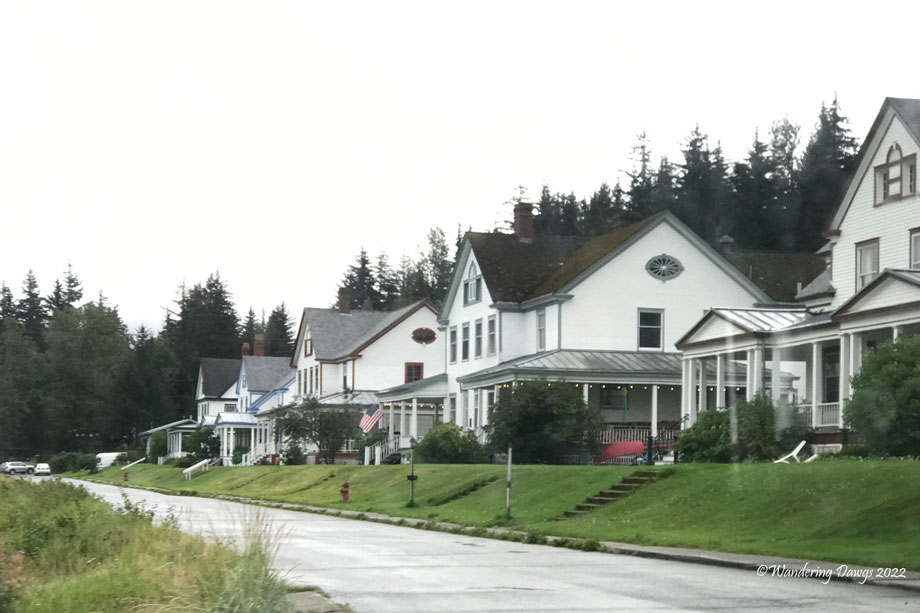
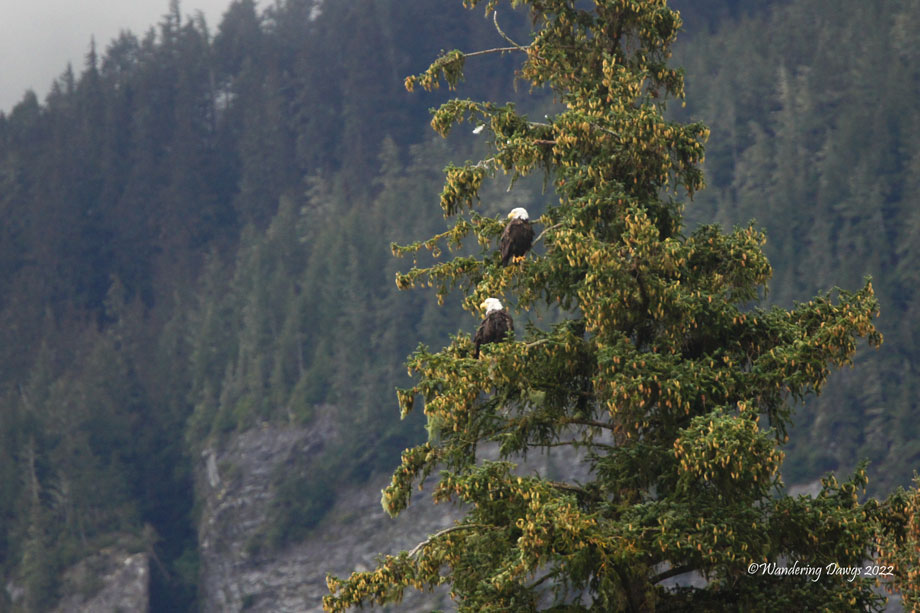
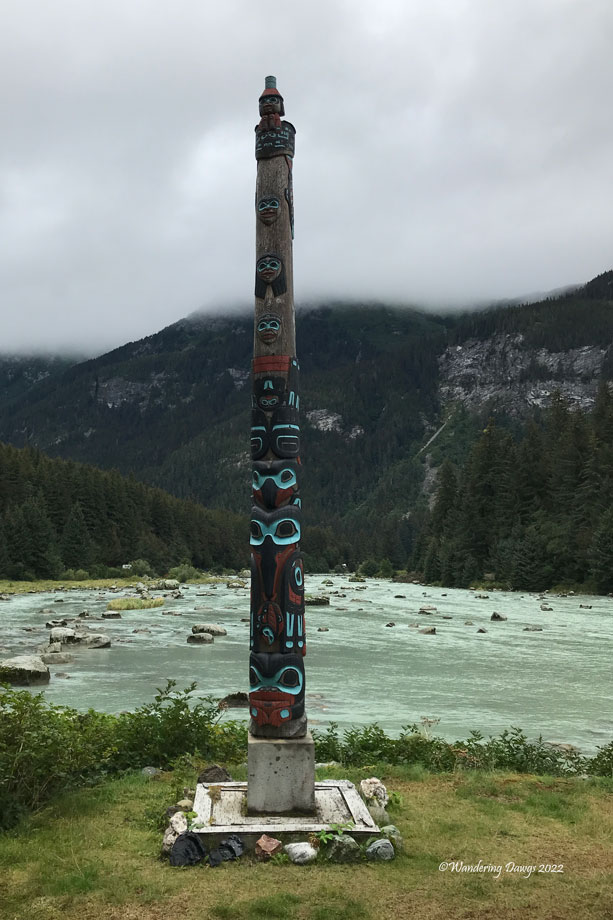
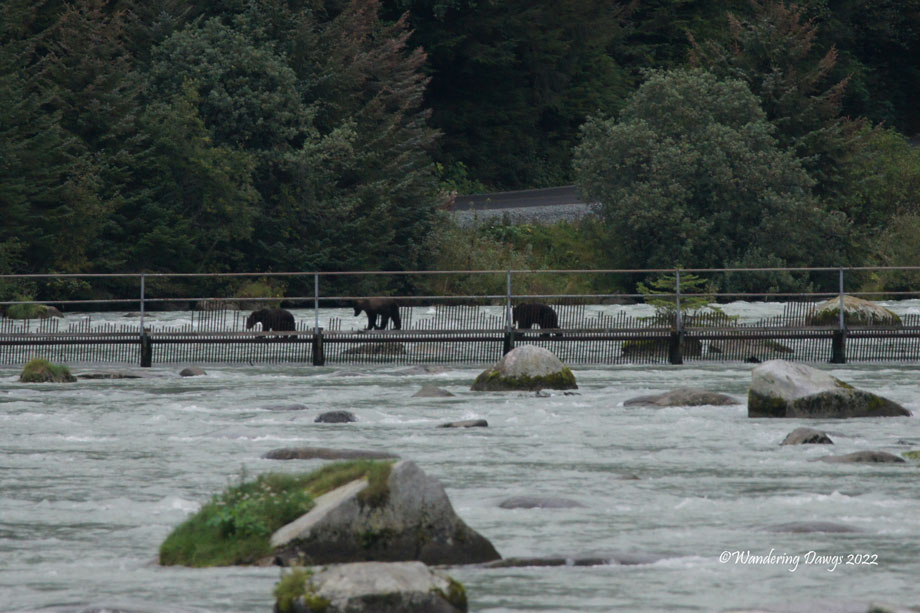
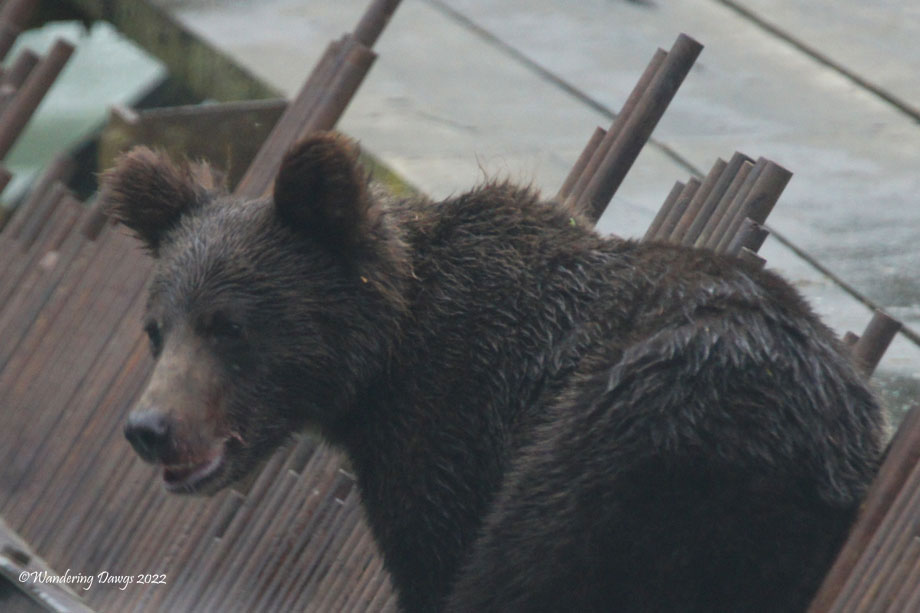
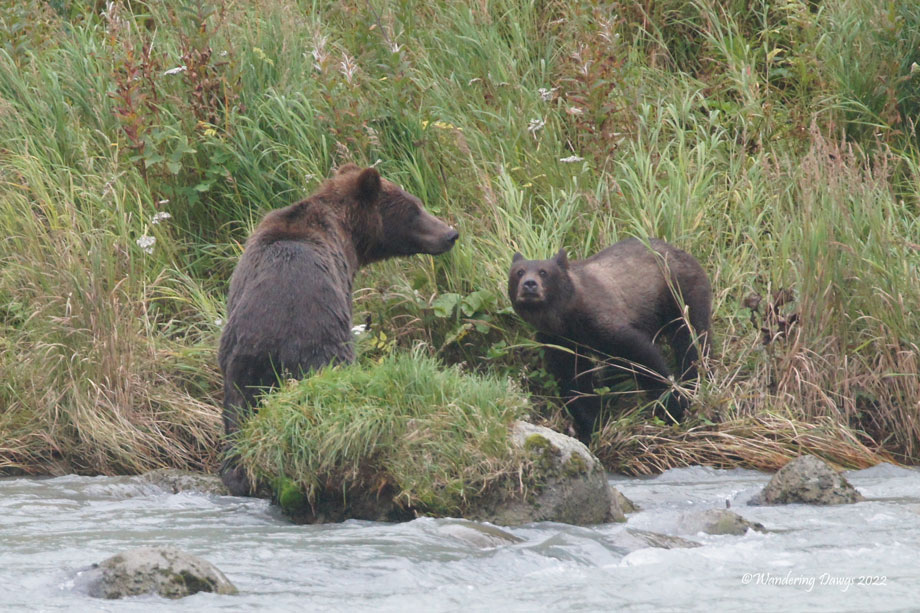
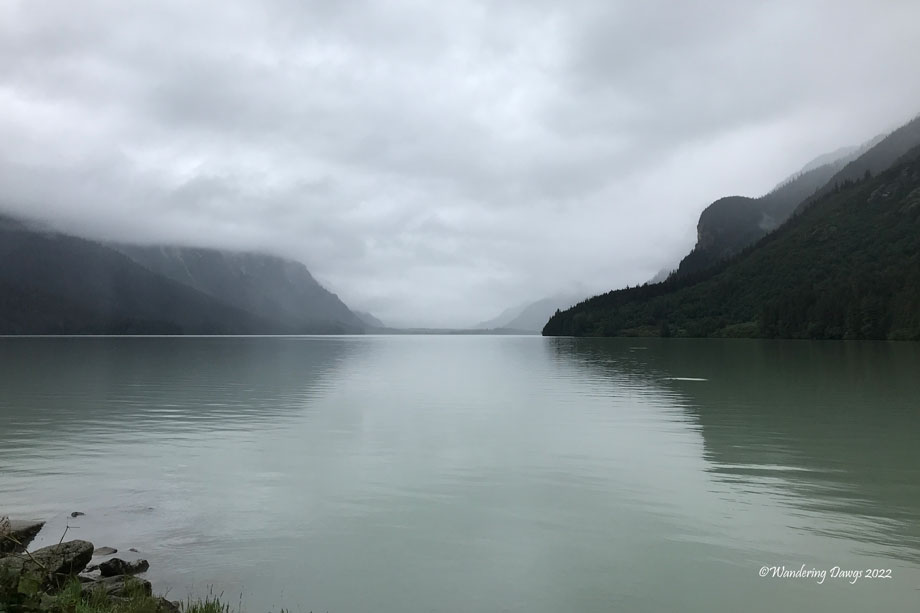
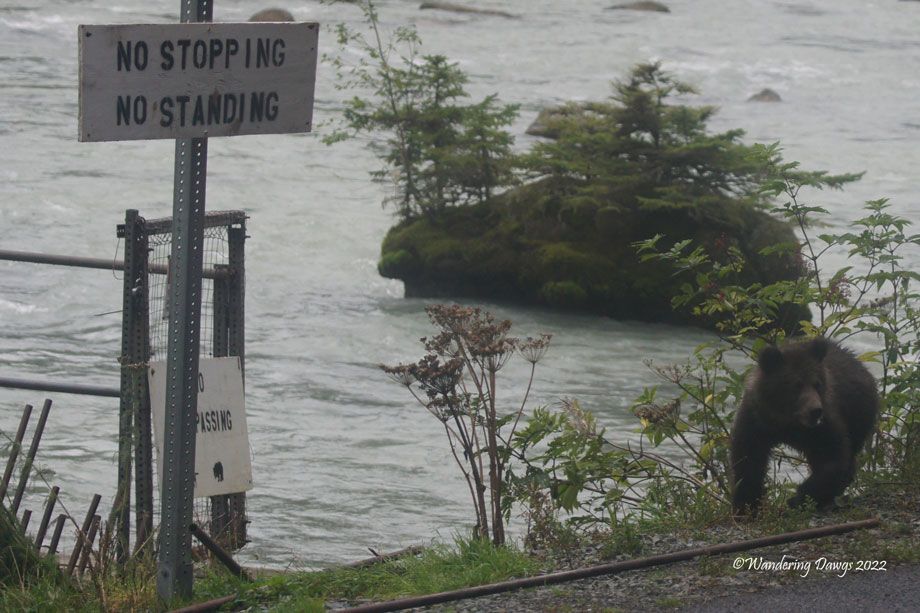
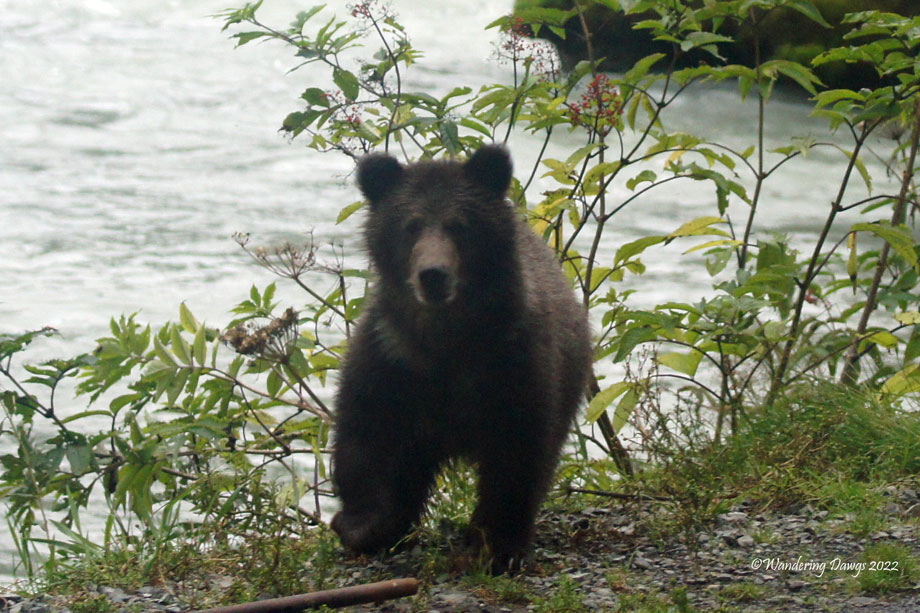
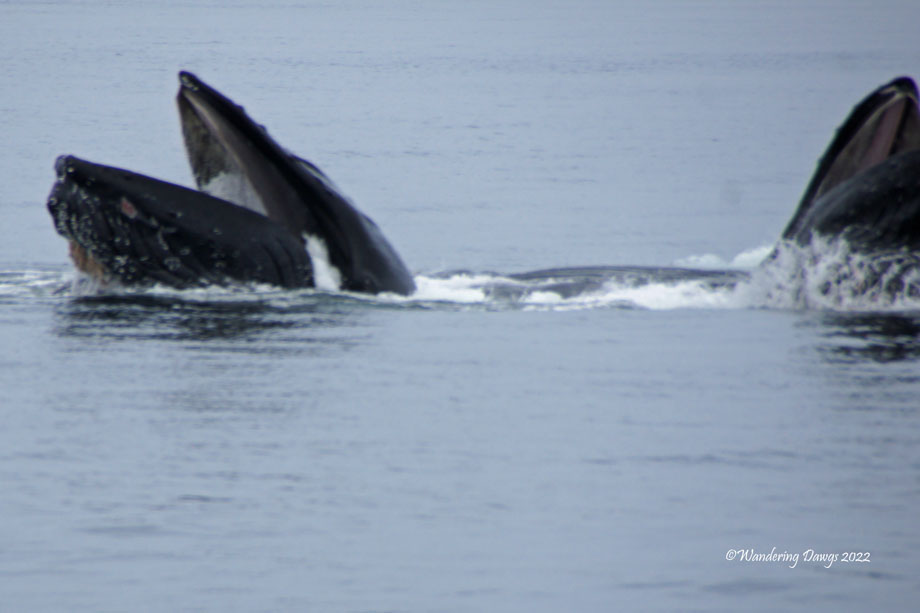
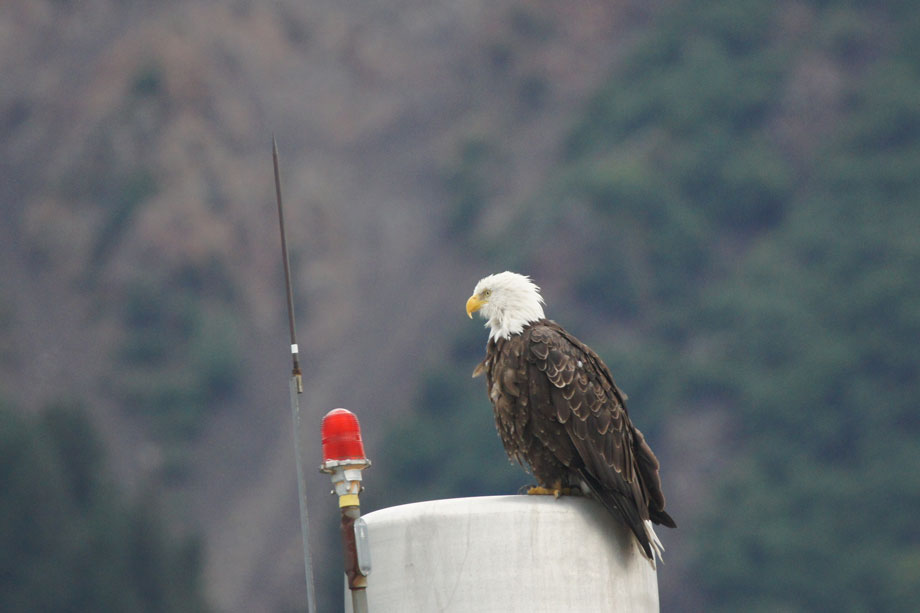
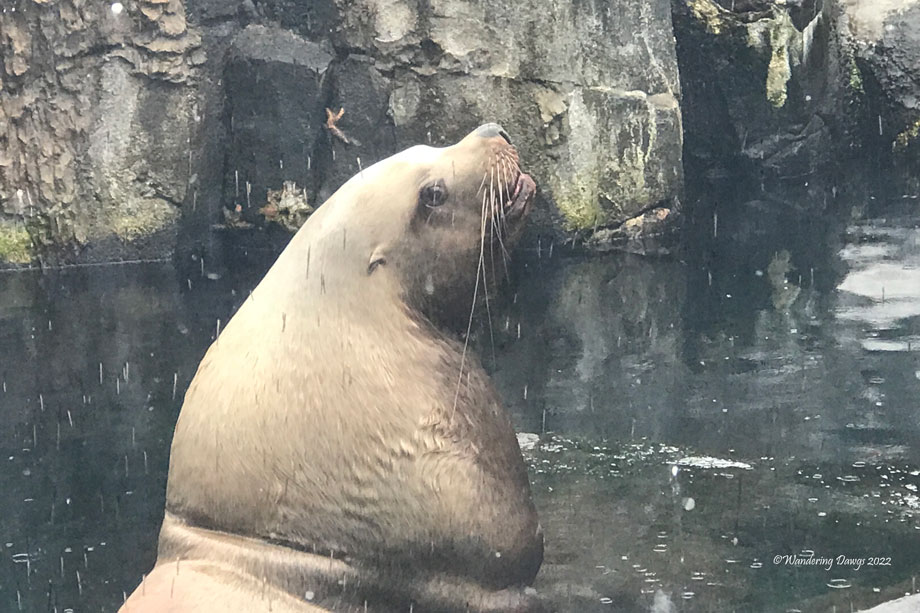
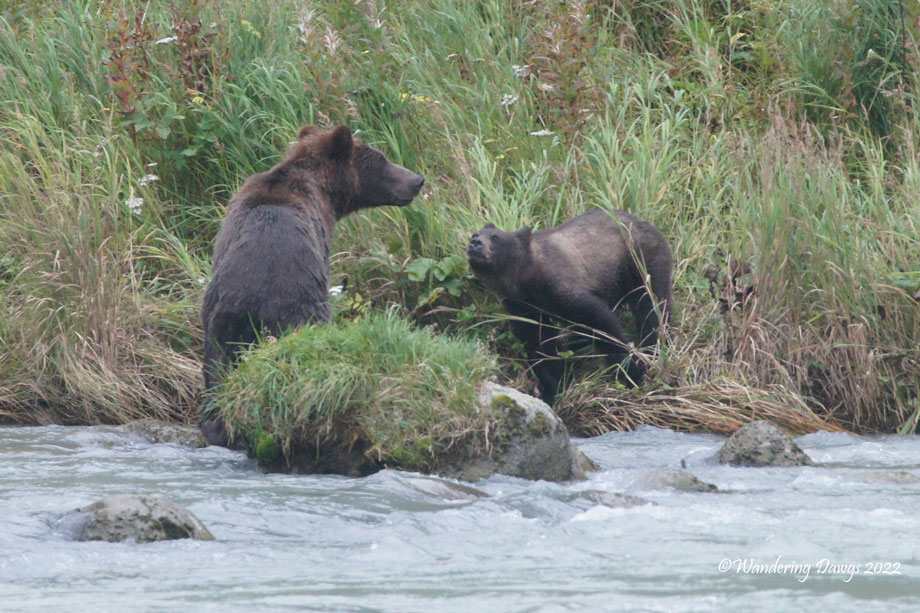
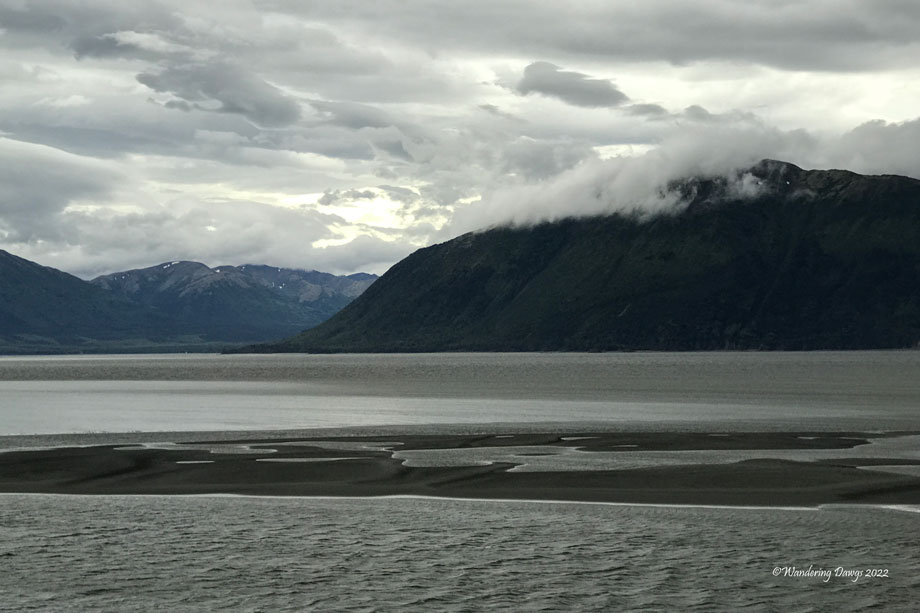
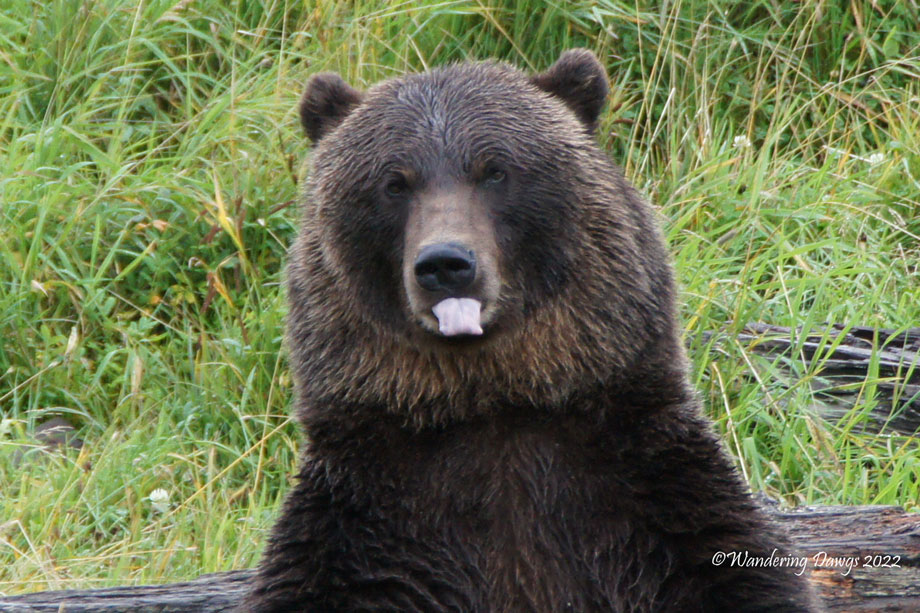
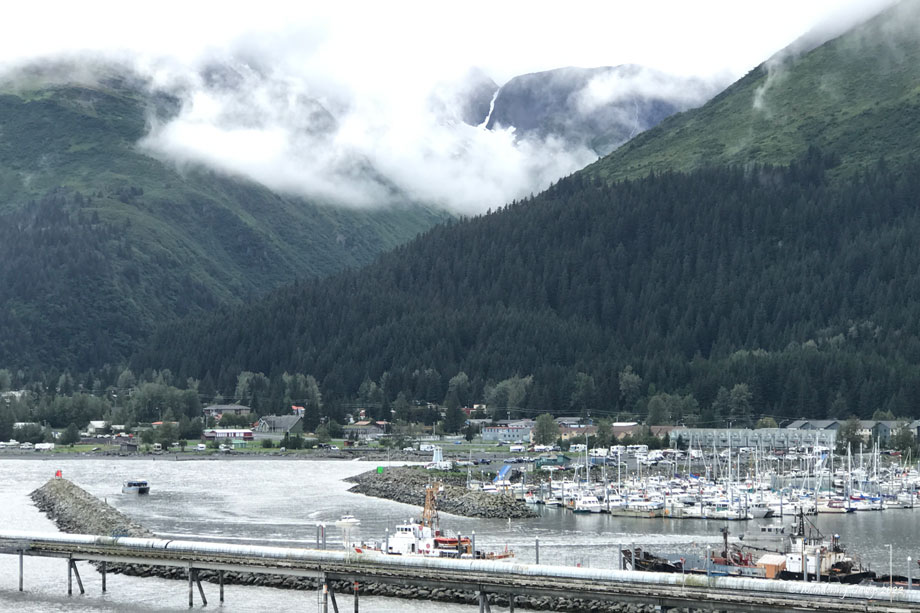
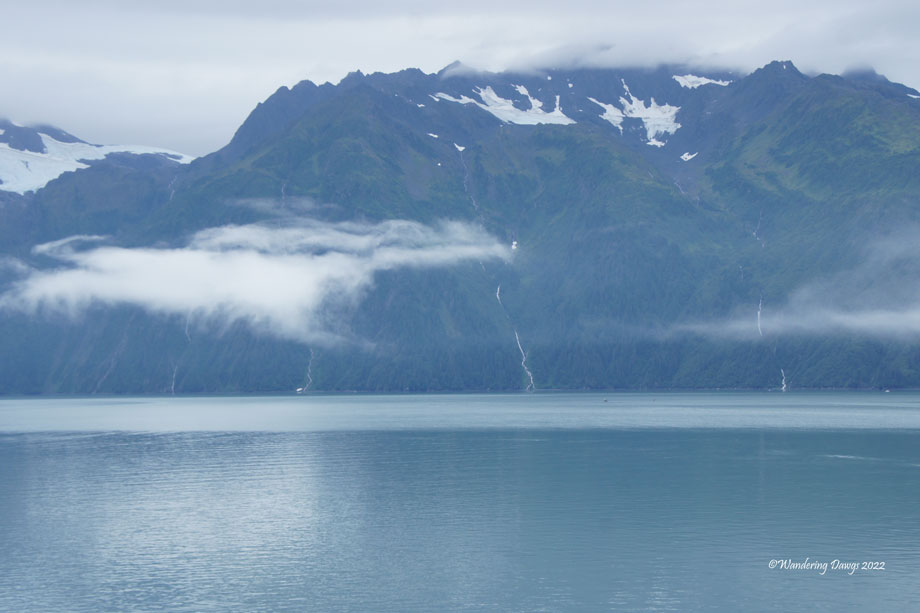
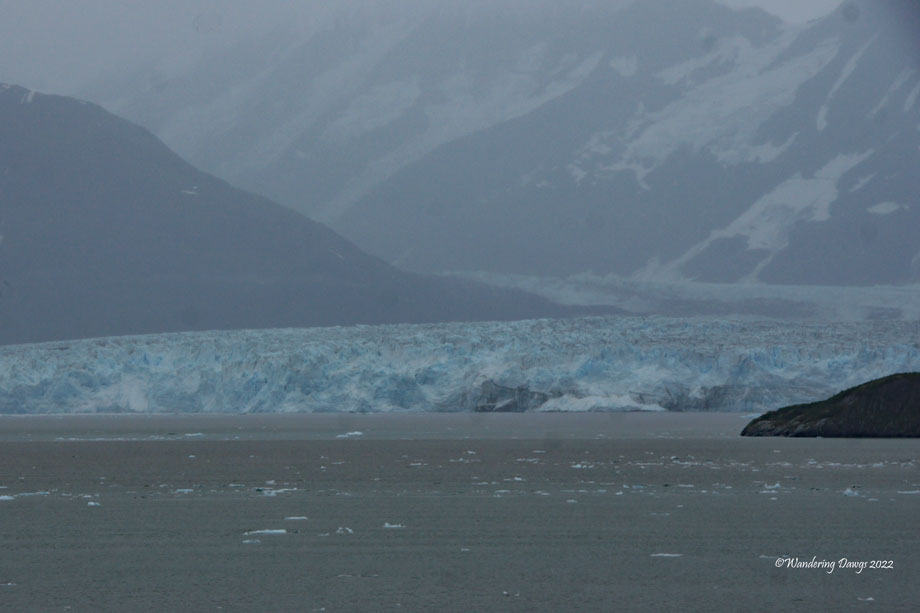
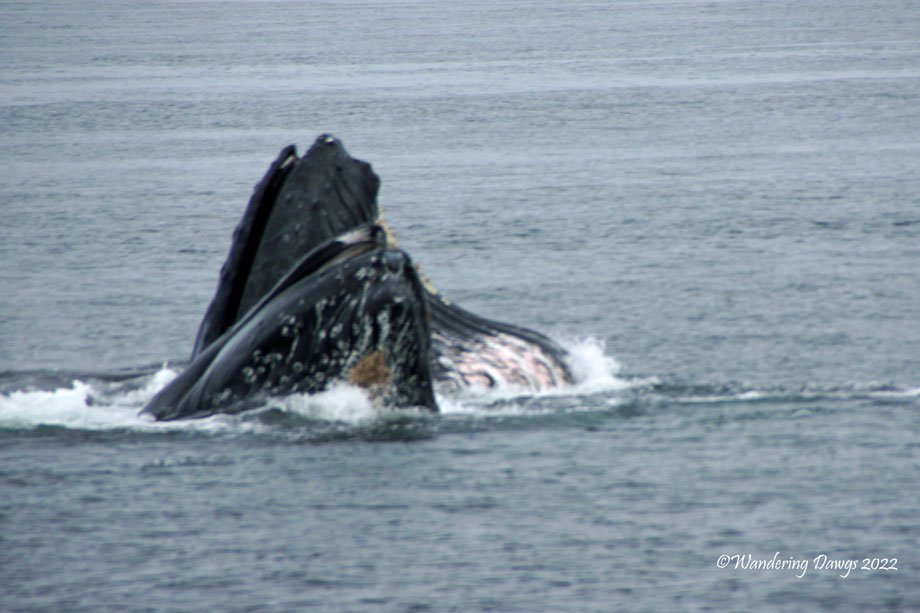
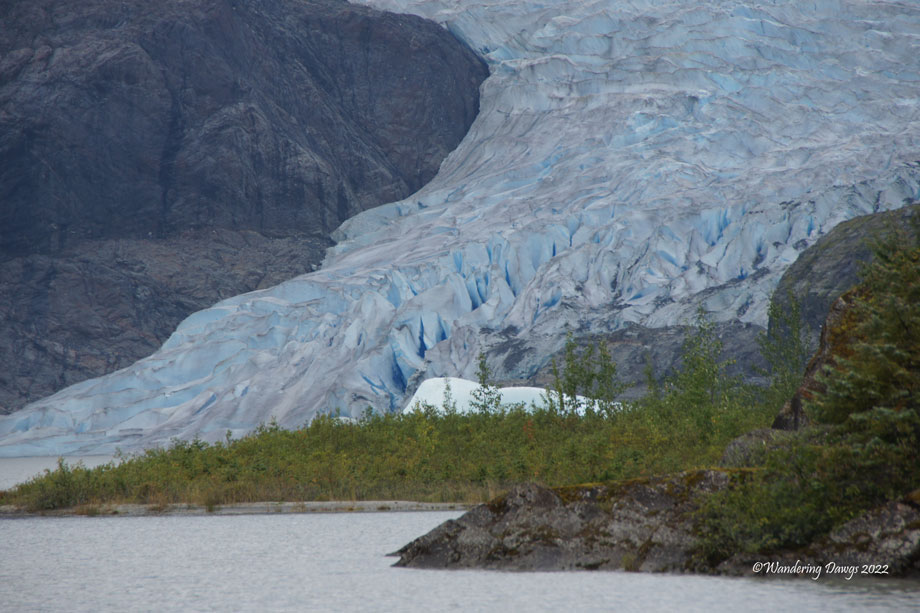
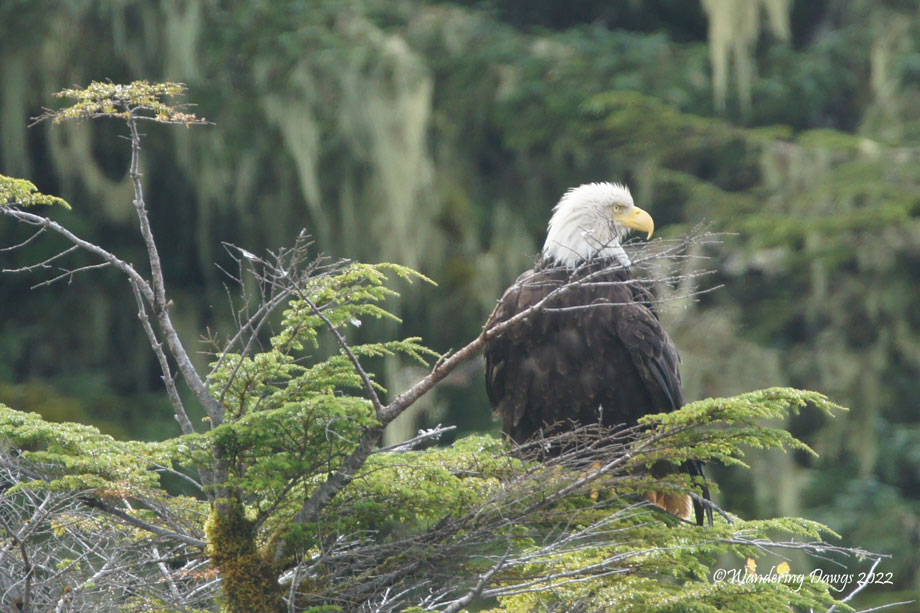
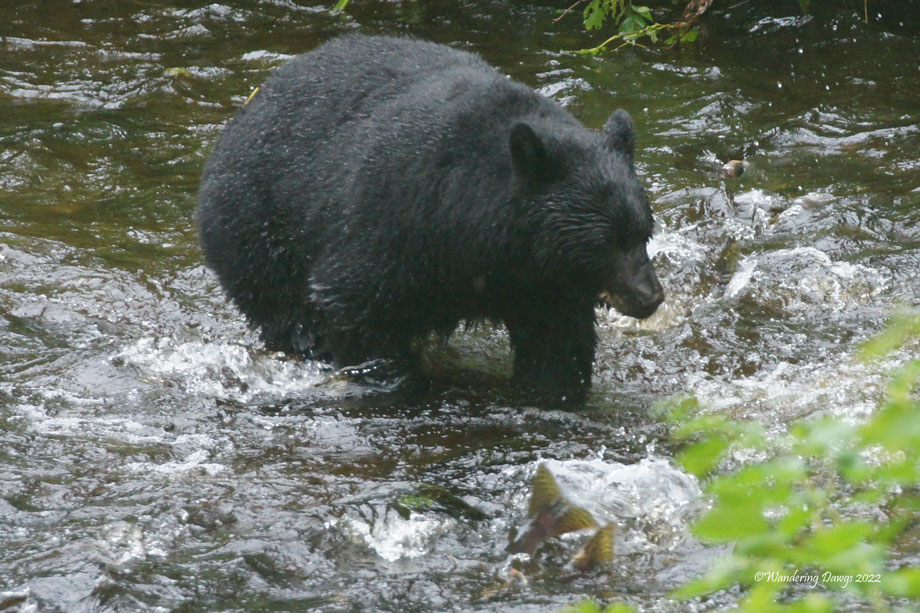
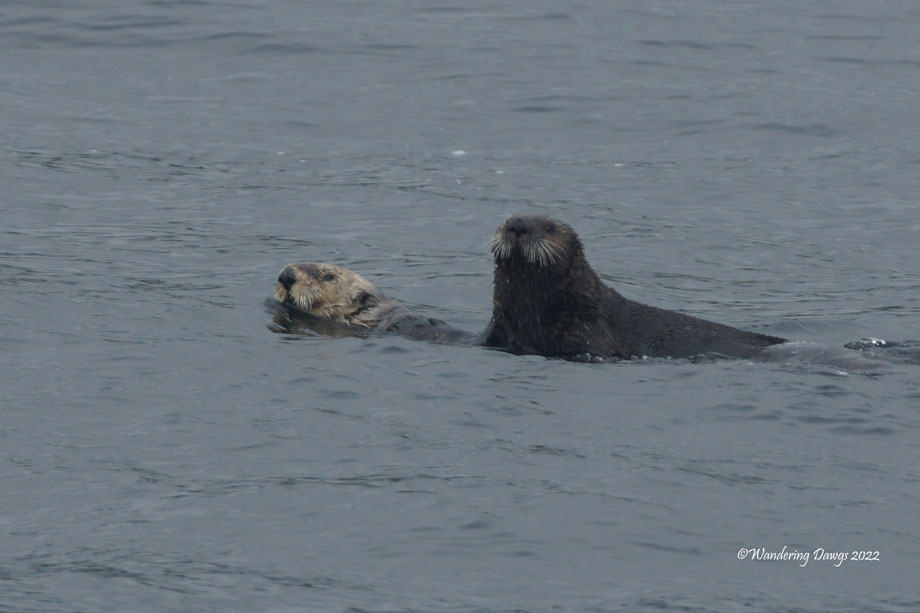
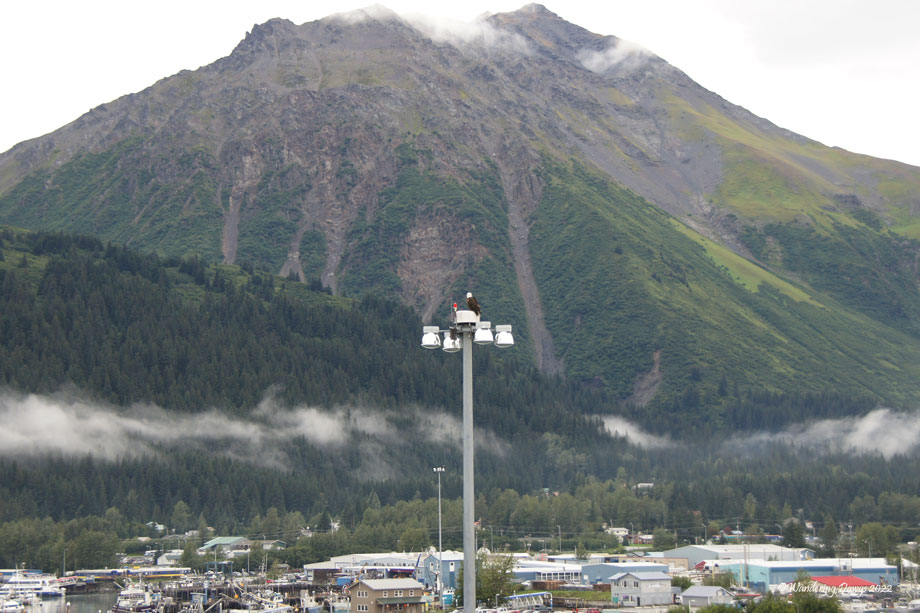
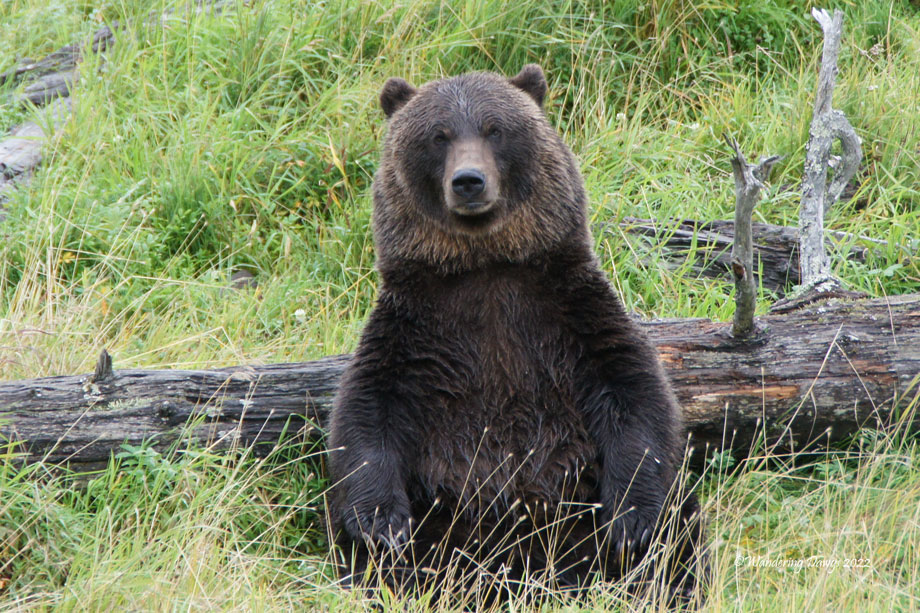
Turnagain Arm between Seward and AnchorageBrown Bear at Alaska Wildlife Conservation Center on the SewardHighwayin Portage, AlaskaSeward, AlaskaLeaving ValdezHubbard Glacier, Yakatat BayHumpback Whales bubble net feeding – Icy Strait Point, AlaskaMendenhall Glacier, JuneauCoastal Brown Bear, HainesSea Otter Cub on Mama’s stomach – Sitka, AlaskaBald Eagle – Sitka, AlaskaBlack Bear in Eagle Creek – KetchikanInside Passage somewhere between Ketchikan, Alaska and Vancouver, British Columbia
In this challenge host Anne asks us “What is your Photographic Groove? What type of photography do you truly enjoy? “
I enjoy the challenge of photographing birds and wildlife in their natural habitat. The header image is of a bugling Elk in Cataloochee Valley in the Great Smokey Mountains National Park in North Carolina. One fall we traveled there in hope of seeing the magnificent elk herd that lives there. We weren’t disappointed. I posted about our experience at Cataloochee Valley Elk in the Great Smokey Mountains National Park.
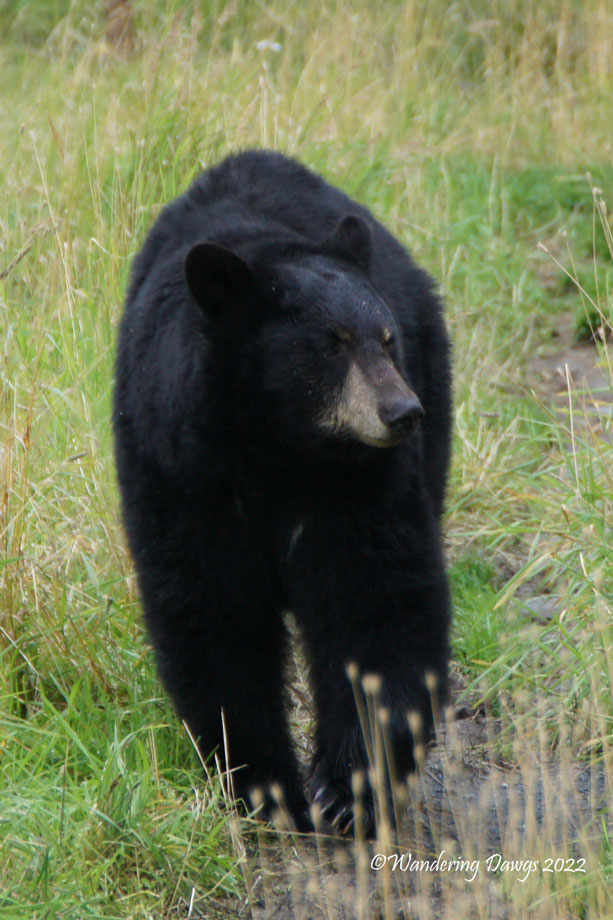
The following gallery contains some of my favorite wildlife images from our travels around the United States and Canada.
This next gallery contains some of my favorite bird images.
It was an dreary, overcast morning when our ship docked in Bridgetown, Barbados for a two night stay.
Our excursion the first day was a photo adventure guided by producer/director and award winning photographer Ronnie Carrington. His photography tips and interesting commentary about Barbados history and culture made for a wonderful experience.
As we passed through several villages we learned about the history of the island. He told us the history of Chattel Houses in Barbados and stopped the bus so we could take photos up close. These houses were small wooden buildings set on blocks so that they could be easily moved from one location to another. The homeowners did not own the land so if they changed jobs and moved, they took their house with them.
Chattel house, Barbados
Our tour continued through villages with colorful homes to the Scotland district on the Atlantic coast. We stopped for a look at the Atlantic Ocean where the only thing between us and Africa was the ocean and clean, fresh air.
Scotland District, BarbadosNothing between us and Africa except the Atlantic Ocean and good, clean airWandering Dawgs in Barbados
Our journey continued when we stopped at a park on one of the Atlantic Beaches. I don’t remember the name.
Beach on the Atlantic Ocean in Barbados
Bathsheba Beach is lined with huge coral rocks. The header image at the top of the page and the next one were taken there.
Bathsheba Beach, Barbados
As we traveled to our next destination there were Barbados Green Monkeys beside the road and this one looked like he was posing for me.
Barbados Green Monkey
The best rum punch of the entire trip was at the Atlantis Hotel in the fishing village of Tent Bay.
We had heard that Barbados is THE place try a flying fish sandwich so when Henry asked Ronnie if it would be possible to get a flying fish sandwich he answered “you can’t leave Barbados without eating one.” He pulled out his cell phone to call ahead to order one from this little beach restaurant. He went inside and brought back this delicious Barbados treat. We enjoyed every bite! Ronnie wanted everyone to taste a fresh Barbados banana so he bought a bag of bananas at a fruit stand and passed them around the bus. So delicious!
Ronnie has published a book of his photography and poems. I bought an autographed copy.
Back on board the ship we watched another glorious sunset before enjoying another fabulous dinner.
Sunset in Barbados
The next day Henry went for a ride in the Atlantis submarine. I’m claustrophobic and opted out of the tour but I enjoyed hanging around the marina until the tour returned to the dock. While I was watching the boats going in and out at the marina Henry was watching schools of small fish through the submarine windows.
This boat took the passengers to the Atlantis SubmarineThis is the kind of submarine used in the tour, Barbados
Our two days in Barbados were filled with adventure. Where will we be next?
Our host Karina asks us to show us the places that are or were special to you and tell us why. I’ve chosen to feature two National Wildlife Refuges located in Southeast Georgia.
Working with others to conserve, protect and enhance fish, wildlife, plants and their habitats for the continuing benefit of the American people.
U. S. Fish and Wildlife Service Mission
The National Wildlife Refuge System is managed by the U.S. Fish and Wildlife Service. These public lands and waters across the United states are set aside to protect many species. They are special places to experience nature and to view wildlife. There are over 560 National Wildlife Refuges in the United States.
The Okefenokee Swamp is one of North America’s most unspoiled natural wilderness areas. According to the U. S. Fish and Wildlife Service Okefenokee National Wildlife Refuge web page, “the Okefenokee National Wildlife Refuge has 353,981 acres of National Wilderness Area within the refuge boundaries. In addition, the refuge is a Wetland of International Importance (RAMSAR Convention – 1971) because it is one of the world’s largest intact freshwater ecosystems.”
The refuge headquarters are located in Folkston, Georgia. There is also access to the refuge in Georgia’s Stephen C. Foster State Park in Fargo and the Okefenokee Swamp Park in Waycross.
Alligators in the Okefenokee National Wildlife RefugeTurtle in Okefenokee National Wildlife RefugeSwallowtail Butterflies in the Okefenokee National Wildlife RefugeWild Turkey in the Okefenokee National Wildlife RefugeSnowy Egret in the Okefenokee National Wildlife Refuge
Located just a few miles east of I-95 in Townsend, Georgia, Harris Neck National Wildlife Refuge provides habitat for a diversity of wildlife, including nearly 350 species of birds. In the spring, hundreds of wood storks, egrets, and other birds can be seen building their nests in the trees on Woody Pond.
Great Blue Heron in Flight at Harris NeckPair of Wood Storks building a nest at Harris Neck National Wildlife RefugeNesting Wood Storks and Great Egrets at Woody PondBaby Alligators at Woody Pond
For this challenge Patti has invited us to share images that feature shapes and designs.
The shapes and designs found in nature are amazing to behold.
Zebras at Disney’s Animal KingdomGiraffe at Disney’s Animal KingdomBlack Swallowtail ButterflyMonarch CaterpillarDogwood BlossomHoodoos in Bryce Canyon National Park, UtahFungi on log in Georgia woods