Let’s take a walk on the wild side with Egidio’s challenge “Going Wild”. I love being in wilderness areas and photographing the landscapes, wildlife, wildflowers, and birds I see there. For this challenge I chose images from my three favorite wilderness areas.
Okefenokee National Wildlife Refuge, Georgia
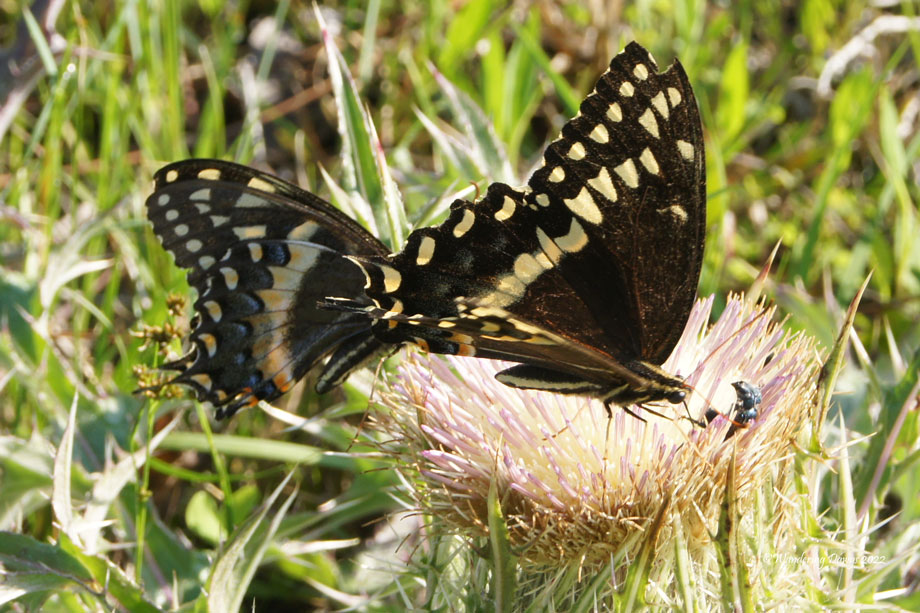
The Okefenokee National Wildlife Refuge is closer to my home than any of my other favorite wilderness areas. We have been there many times and always enjoy the wildlife and birds we see there. The butterflies on wild thistle in the header image was taken in the Okefenokee.
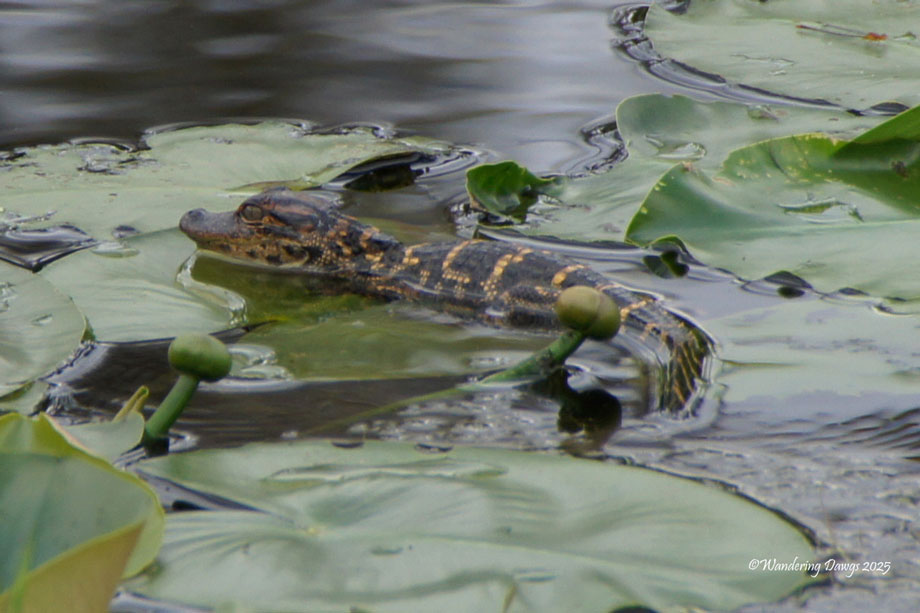
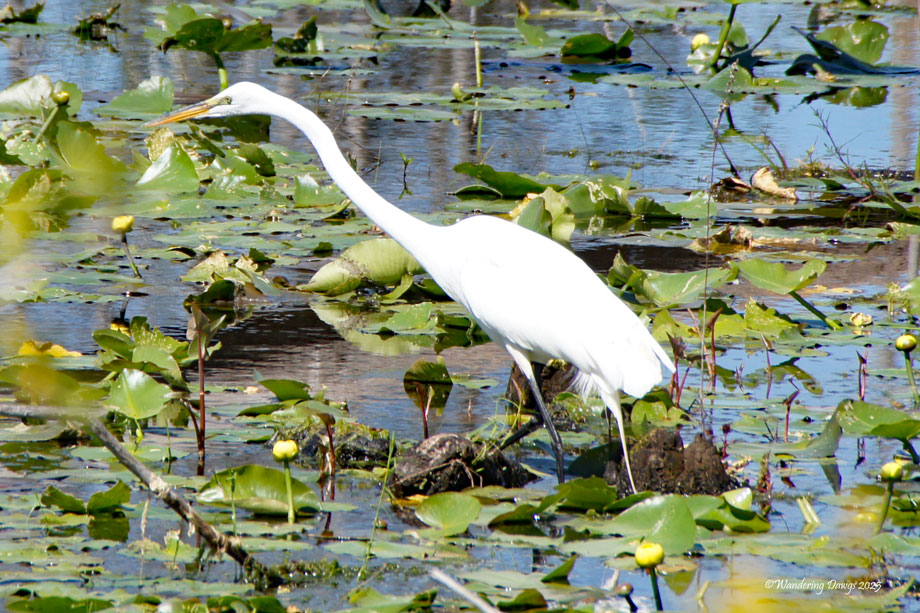
Young alligator in the Okefenokee National Wildlife RefugeGreat Egret in the Okefenokee Swamp
Everglades National Park, Florida
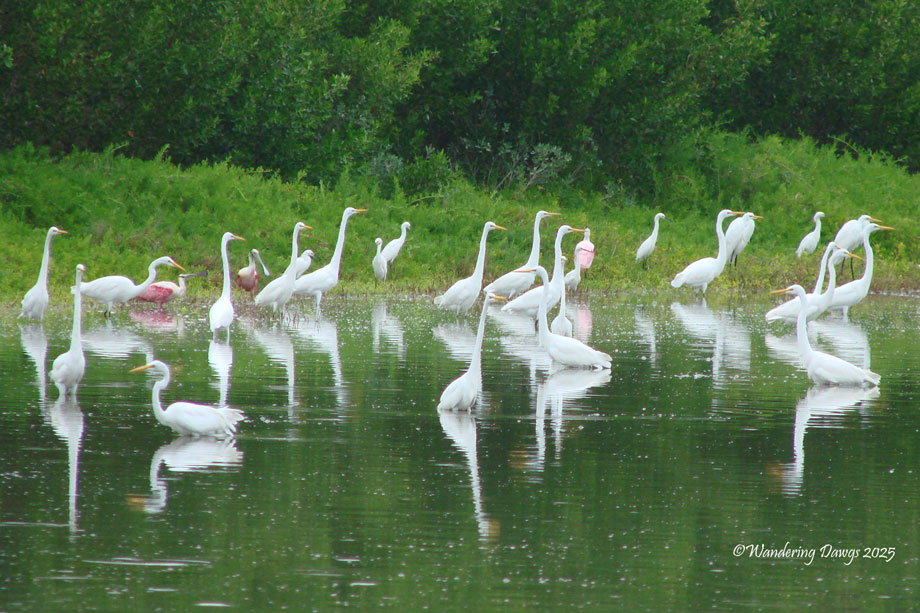
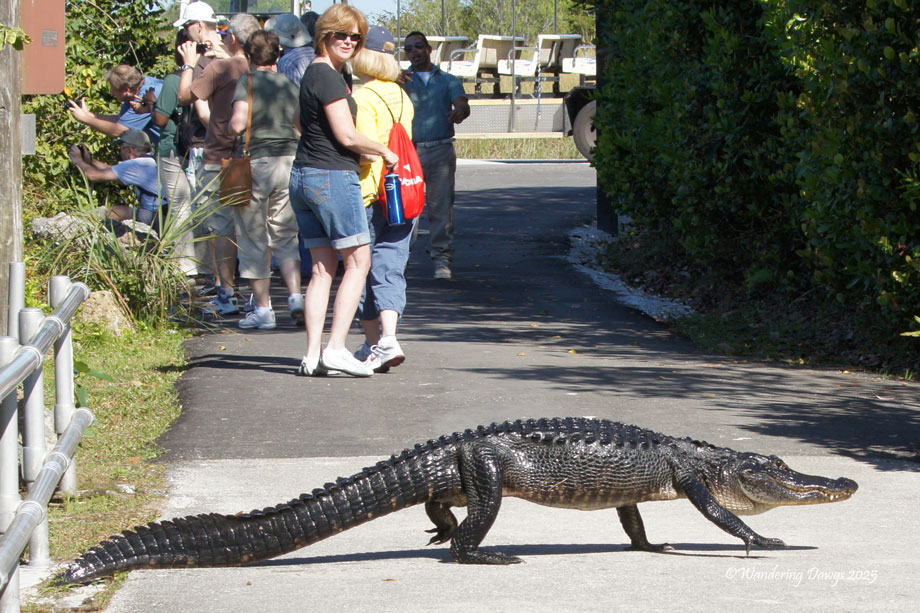
We have visited Everglades National Park in Florida many times through the years. There are several entrances to the park with Flamingo being the most remote area. The Everglades is a bird lovers dream with many varieties all throughout the park. No matter where you go in the Everglades you are likely to see alligators.
Egrets and Spoonbills gathering in a pond near the Flamingo Campground in Everglades National ParkThis alligator ignores the human invaders of his territory at Shark Valley in Everglades National Park
Denali National Park, Alaska
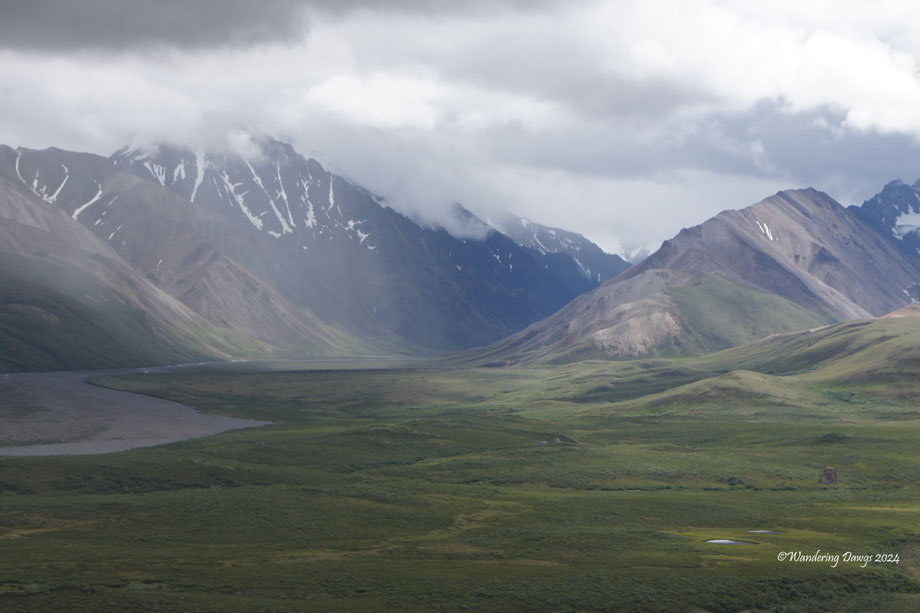
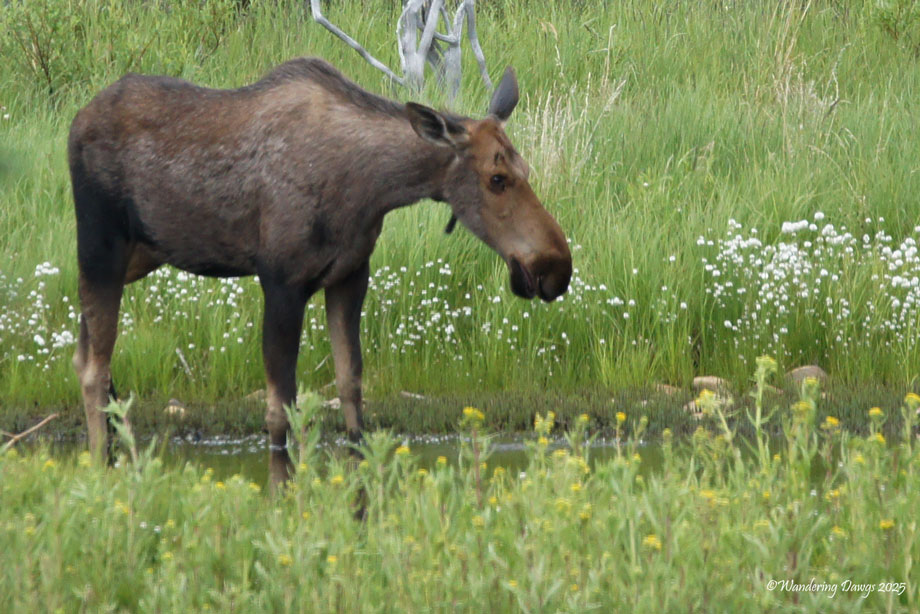
Denali National Park is the most remote wilderness area I have ever visited. I loved the feeling of being miles away from civilization while we were there. The scenery is breathtaking and the wildlife abundant. Most of the wildlife we saw was too far away for a good photo even with my telephoto lens.
Polychrome Overlook, Denali National Park, AlaskaMoose in the Denali Wilderness
Celebrating 12 Years of Wandering Dawgs
I started the Wandering Dawgs blog in March, 2013 as a way to document our 4 month RV journey from Georgia to Alaska and back. In the beginning, the only people who read my posts were friends and family. Today, I have blogging friends from all around the world! I recently celebrated the 12th anniversary of Wandering Dawgs! Many thanks to everyone who reads my posts and leaves me comments.
Ritva’s challenge is Portraits. She says “Whether you choose to ask a stranger, do a self-portrait, take the portrait of a friend, family member, or acquaintance, or photograph animals and birds, the goal is to connect with another person or subject and tell their story through your image.”
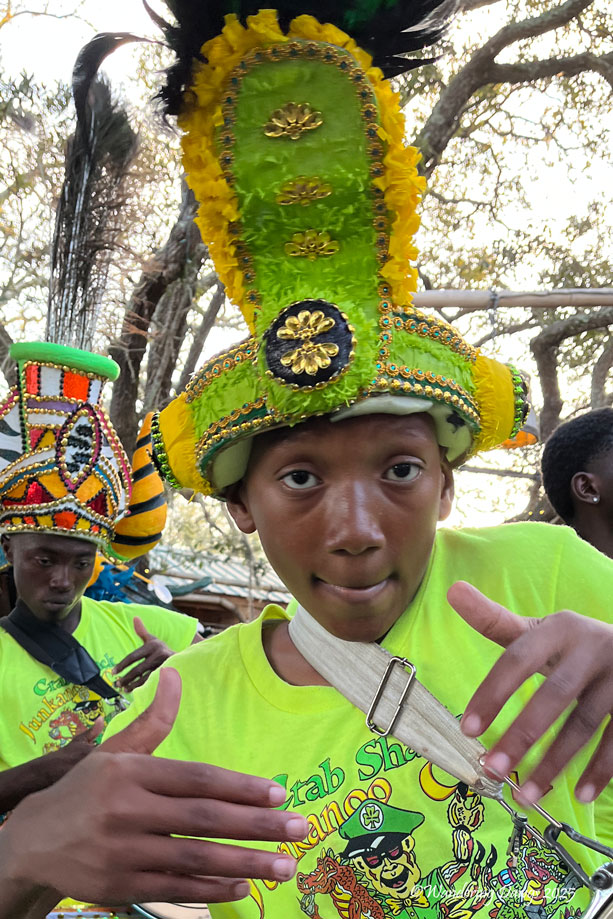
I enjoy nature and wildlife photography and am not comfortable asking strangers if I can take their picture. I didn’t have to ask this young man to pose for a portrait. I was holding up my phone taking pictures of a Junkanoo Band from the Bahamas performing as part of a St. Patrick’s weekend celebration when he walked over to me and posed. He liked having his picture made!
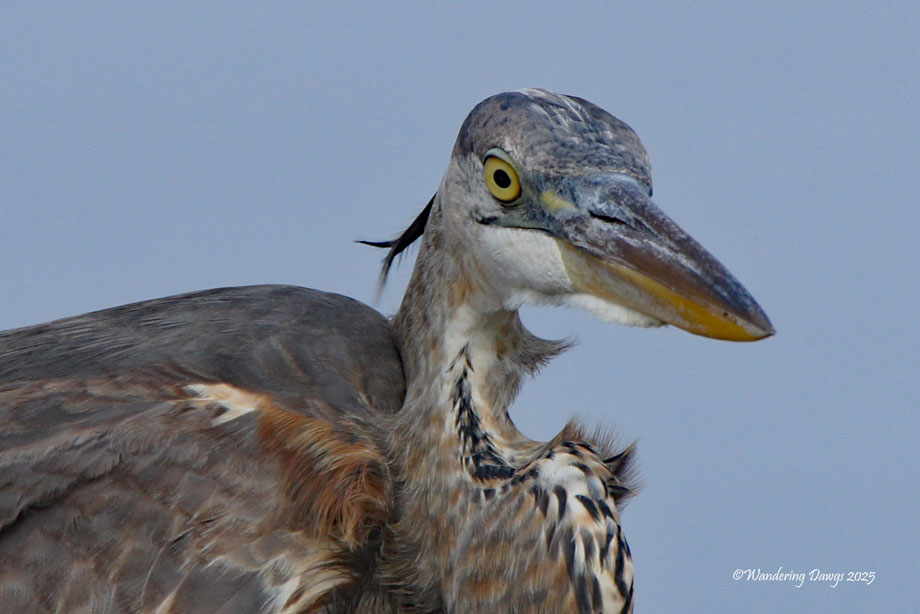
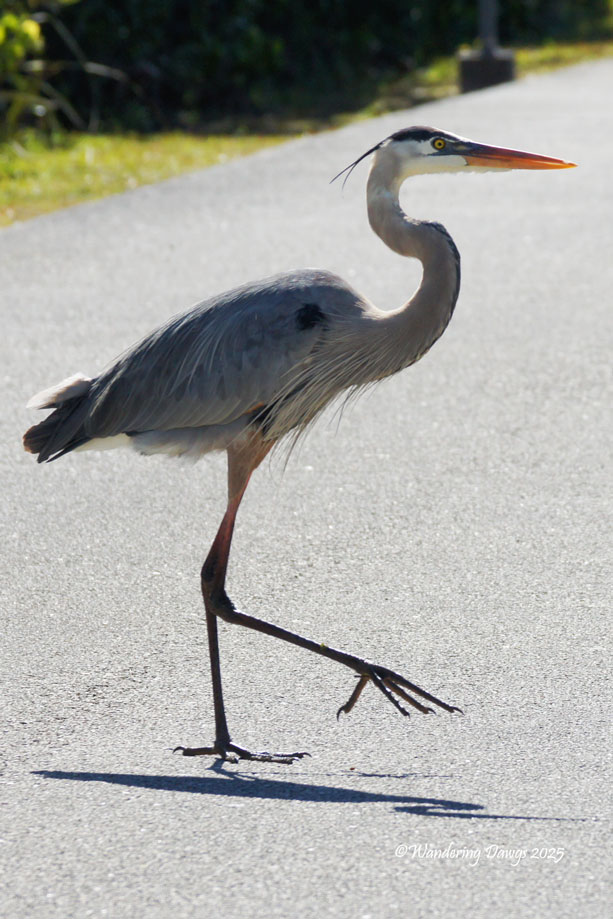
I’m much more comfortable capturing bird and other animal portraits.
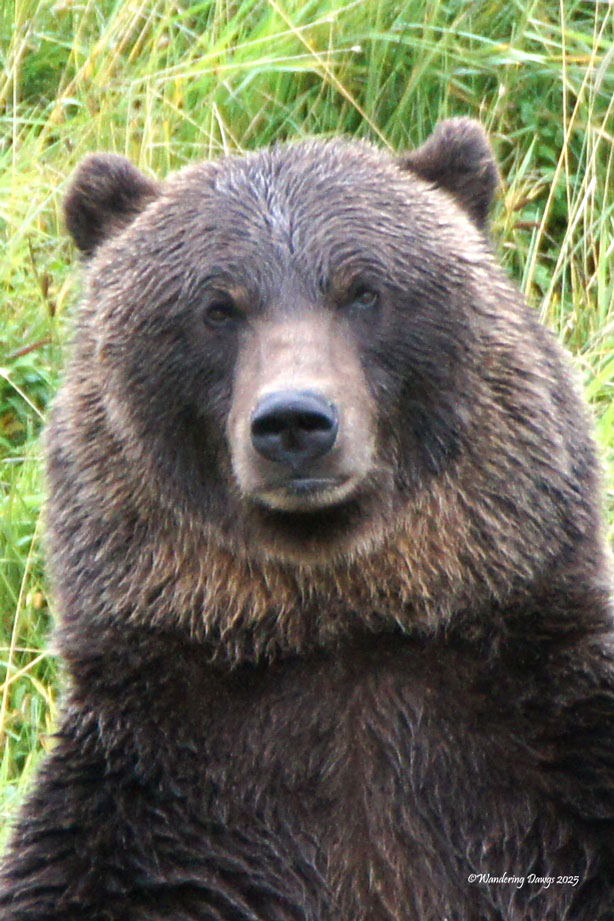
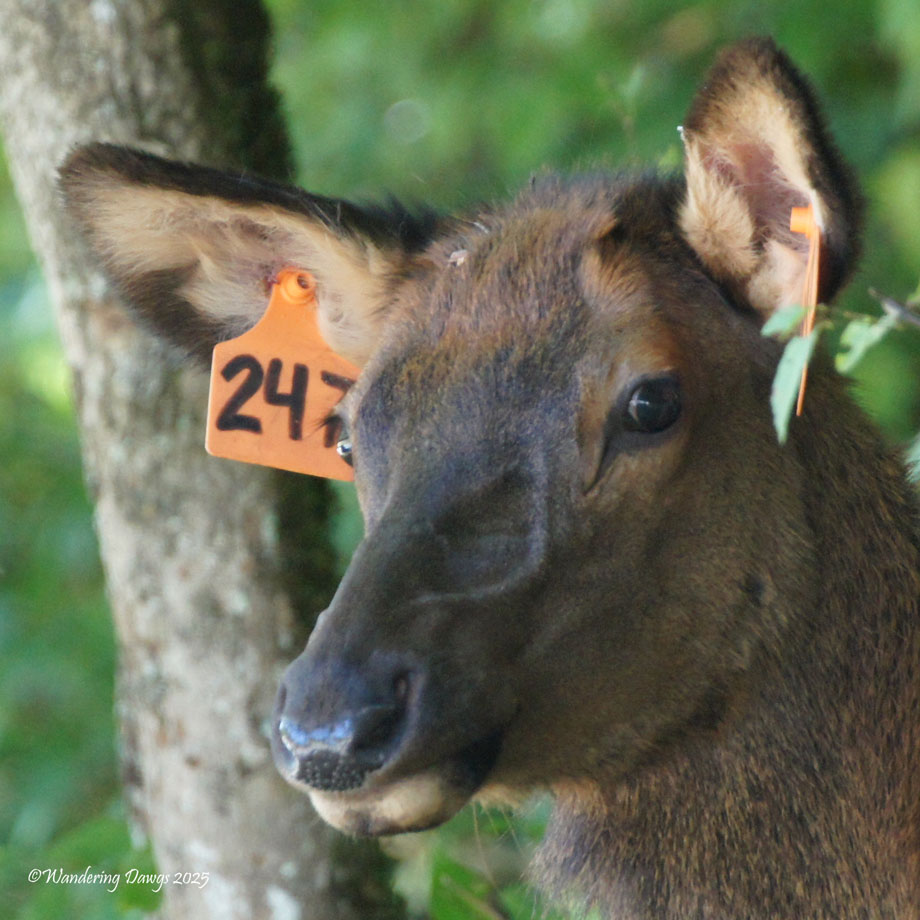
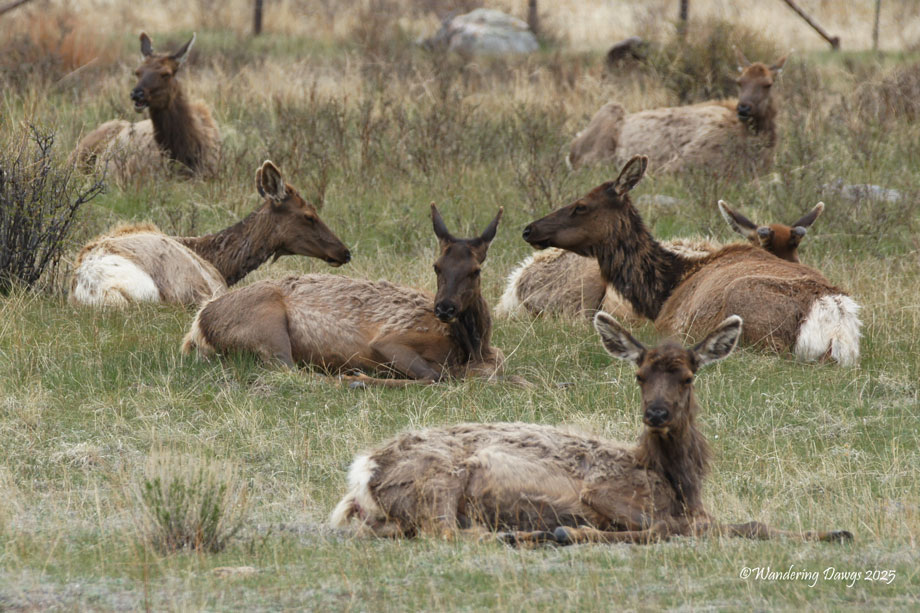
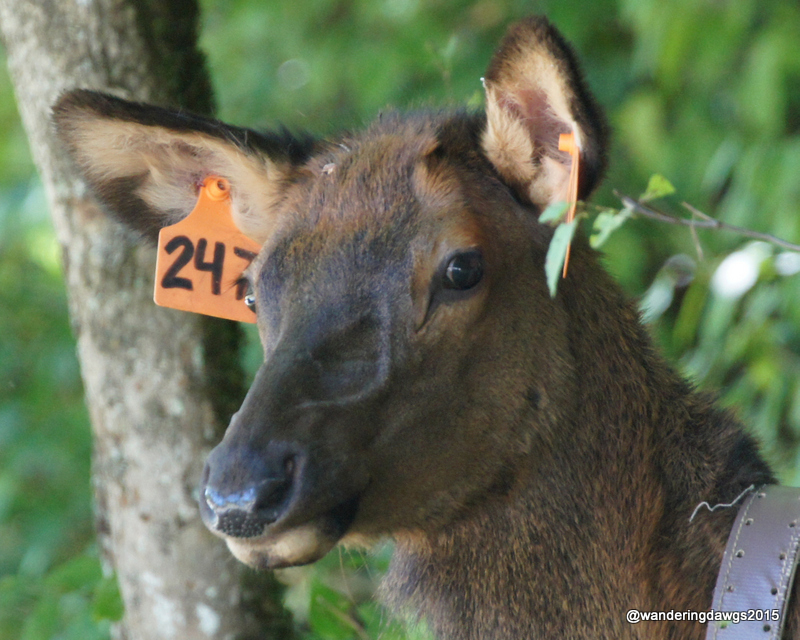
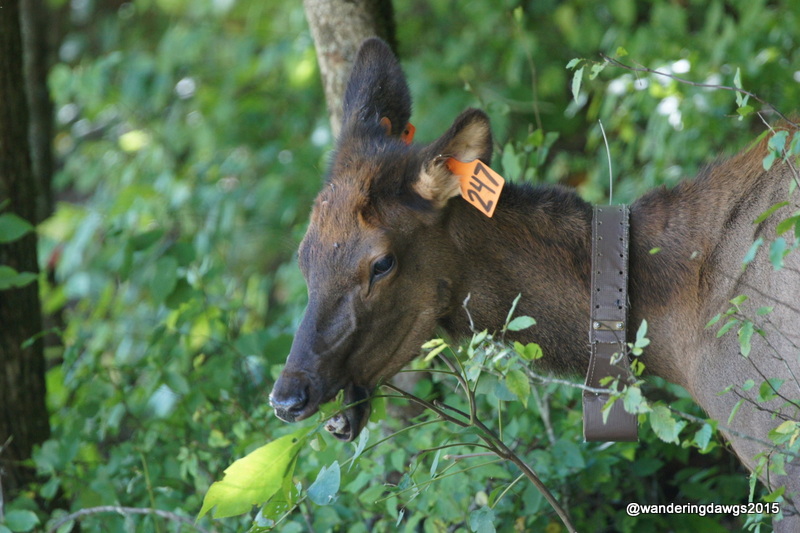
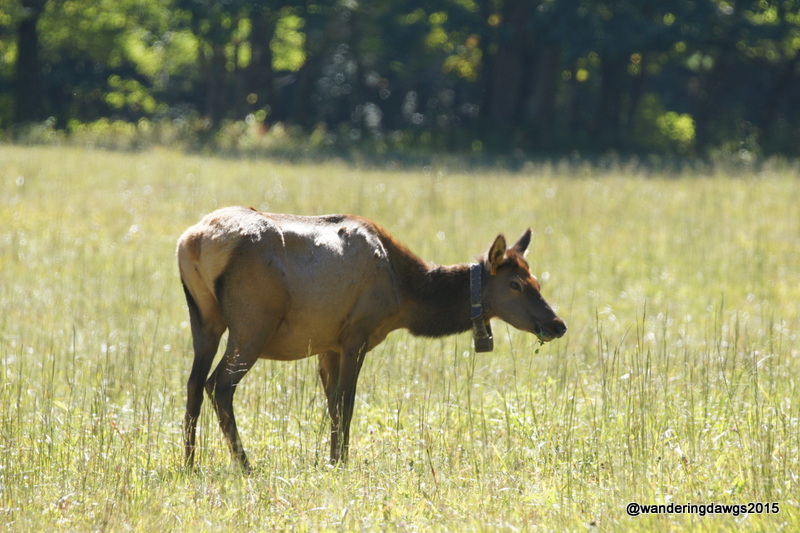
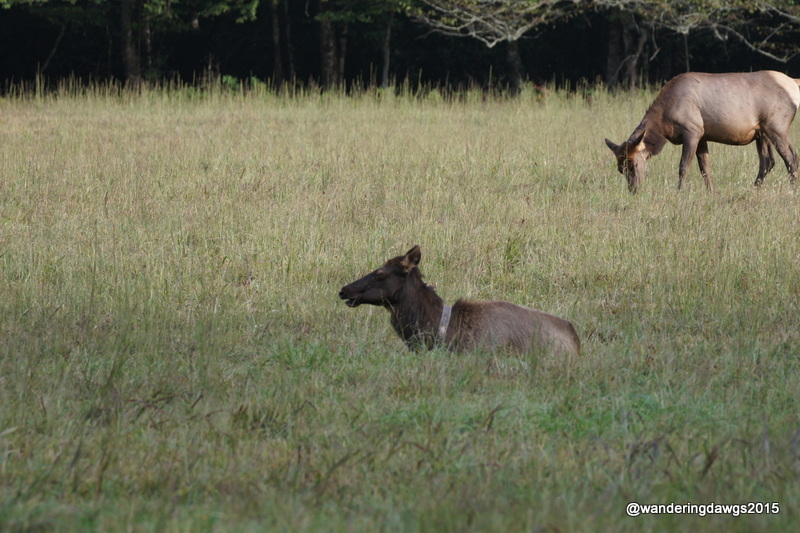
This bear and the female elk seemed to pose for me.
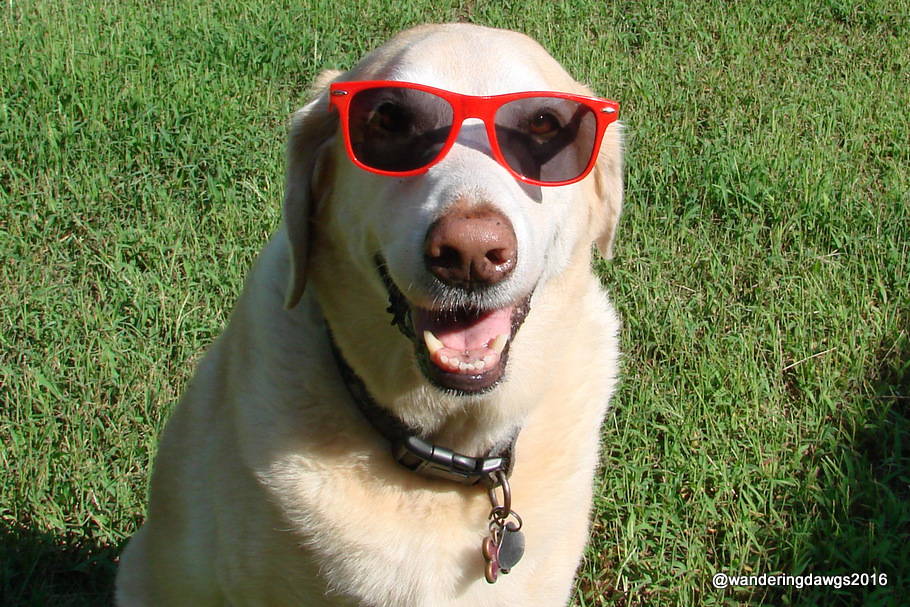
I will end with my favorite portrait of Blondie, our beloved Yellow Lab who was part of our lives for many years. She’s been gone since 2017. I still miss her every day.
For this challenge Anne asks us to share what has enriched and/or changed our life.
I’ve had many changes in my life but what changed my life the most was surviving ovarian cancer. In July, 2010 I began a ten month battle with ovarian cancer. I am grateful that my cancer has not returned since I finished treatment.
Most cancer survivors I know say that the cancer changed them. I know it changed me. I look at the world differently now. I have learned that life can change in the blink of an eye and no one knows what tomorrow will bring. I have learned that life is too short to put things off. I have learned it is important to enjoy life every day. I know that every day is a gift.
Two of my passions are travel and photography. One of the things that kept me going during treatments was planning an RV trip to visit family and visit a few bucket list places. We began the trip two weeks after I received the good news that I was in remission.
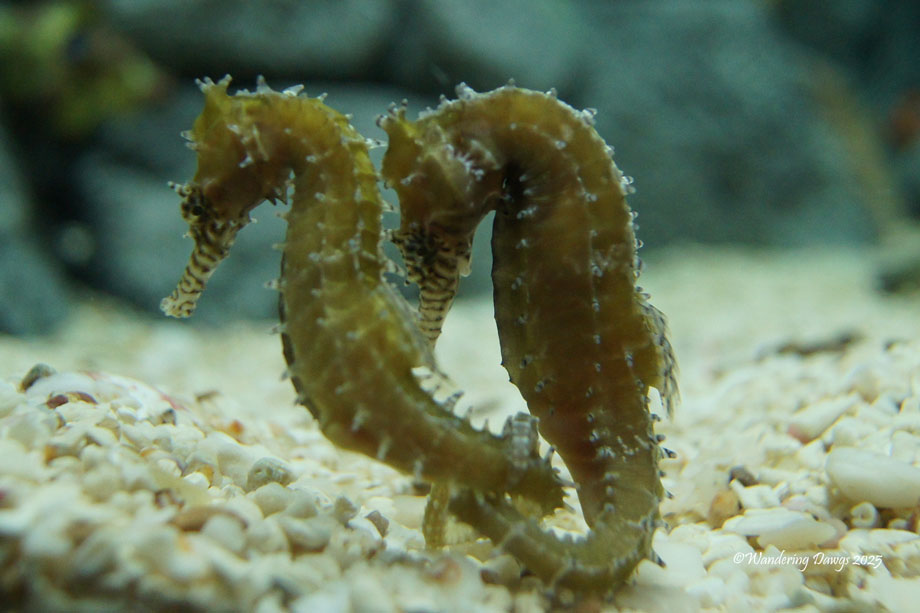
The RV trip was just what we both needed. We called it the “Celebration Journey”. Every day was an adventure and I was never at a loss for something interesting to photograph. The header image of the two seahorses was taken at the Tennessee Aquarium in Chattanooga near the end of our journey. The rest of the images are of some of the highlights from the trip.
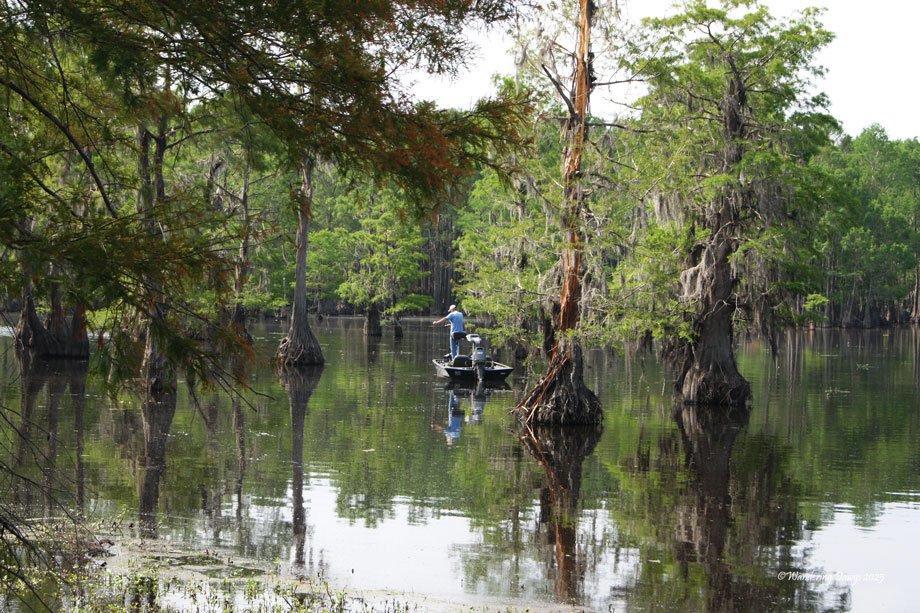
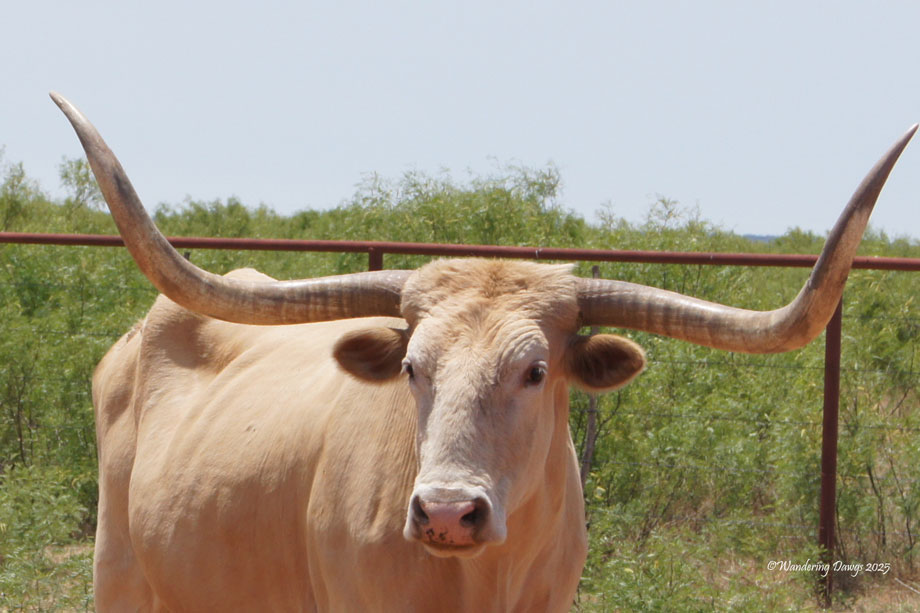
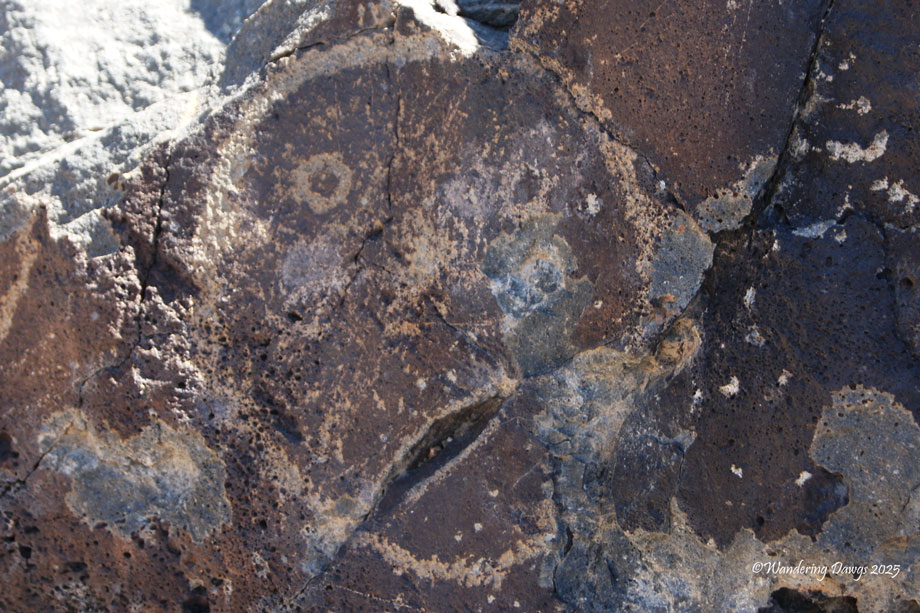
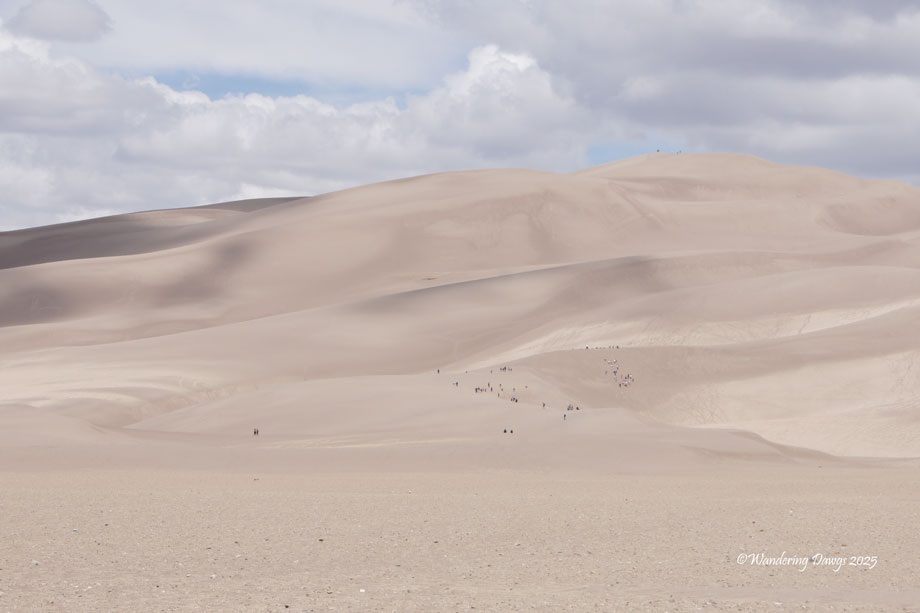
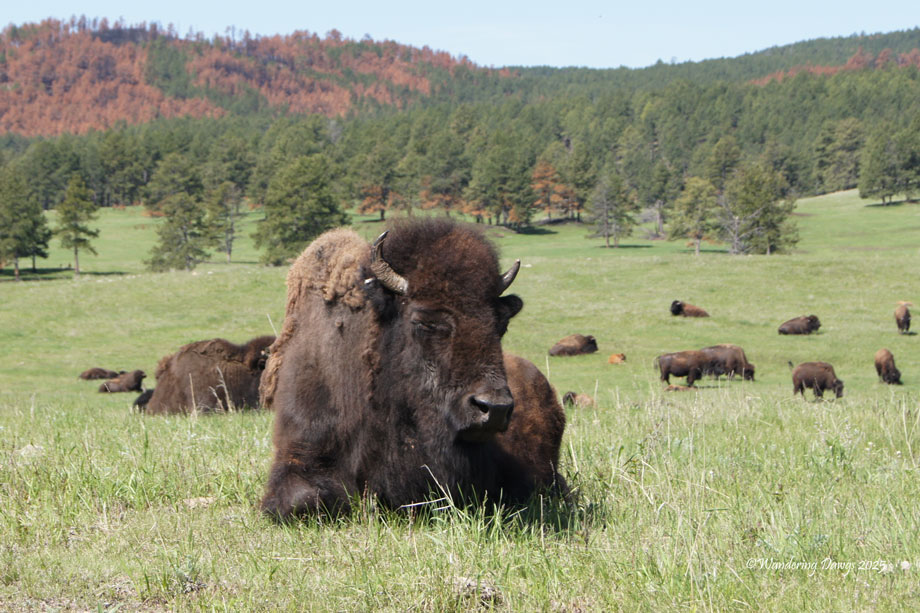
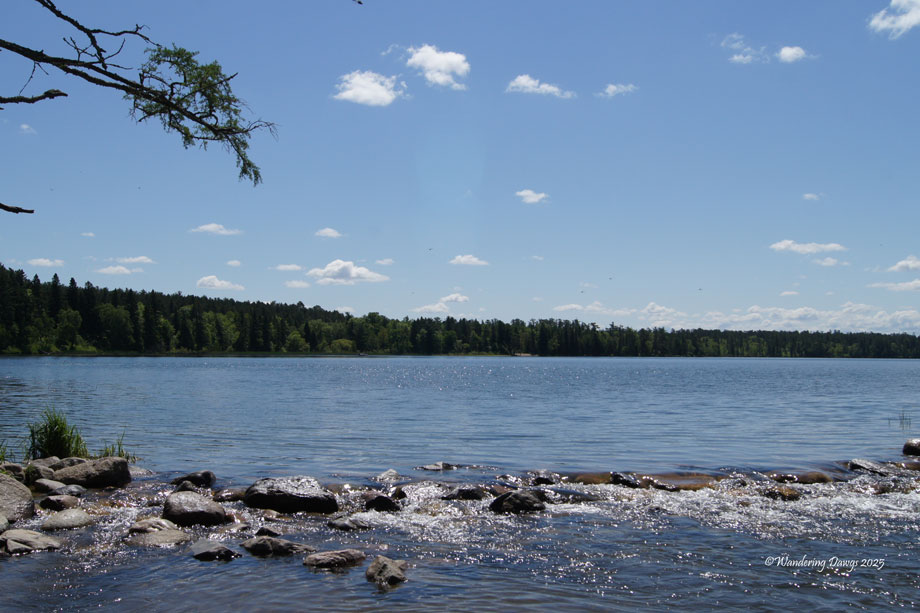
We camped with a view of Cypress trees at Lake Bistineau State Park, LouisianaWe met some Texas Lounghorns at Copper Breaks State Park, TexasWe explored the Petroglyphs at Petroglyphs National Monument in New Mexico with my brother and his wifeWe visited the Great Sand Dunes National Park in ColoradoWe saw lots of Elk in Rocky Mountain National Park, ColoradoWe saw herds of Bison in Custer State Park, South DakotaWe went to the headwaters of the Mississippi River at Itasca State Park in Minnesota with our daughter’s family
After we returned home I continued to enjoy my photography and we have been on many more fun adventures since then.
Terri’s color challenge: “November’s color theme includes shades of brown and shades of auburn (a rich, brownish red). You are welcome to include images of both colors or pick one to highlight.”
When I first read Terri’s challenge I had no idea what kind of brown things to include. When I realizied that I’ve seen plenty of brown wildlife during our travels I knew what to do.
Wildlife photography is my favorite type of photography. Seeing wild creatures in their natural habitat is always a thrill. For this challenge I’m including some of my favorite brown animals and birds.
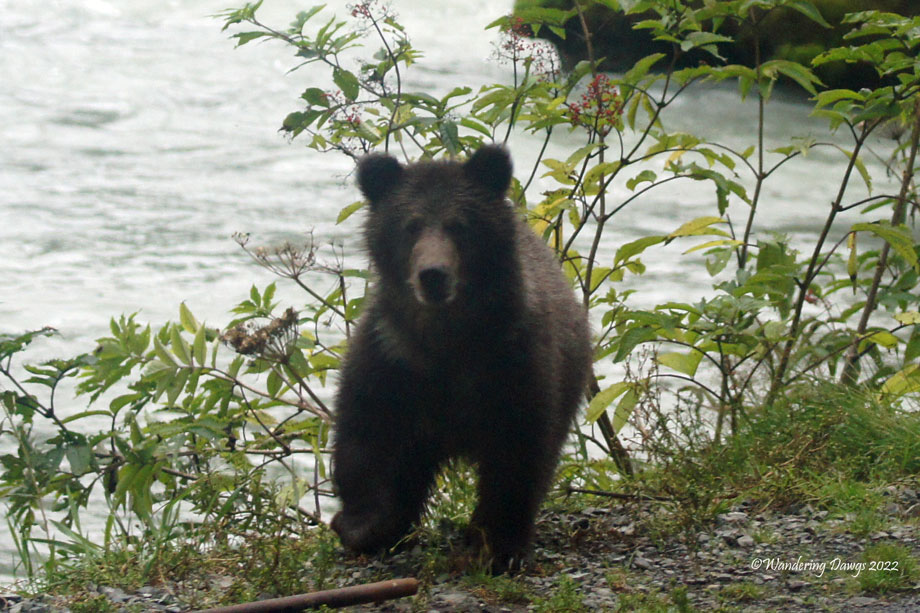
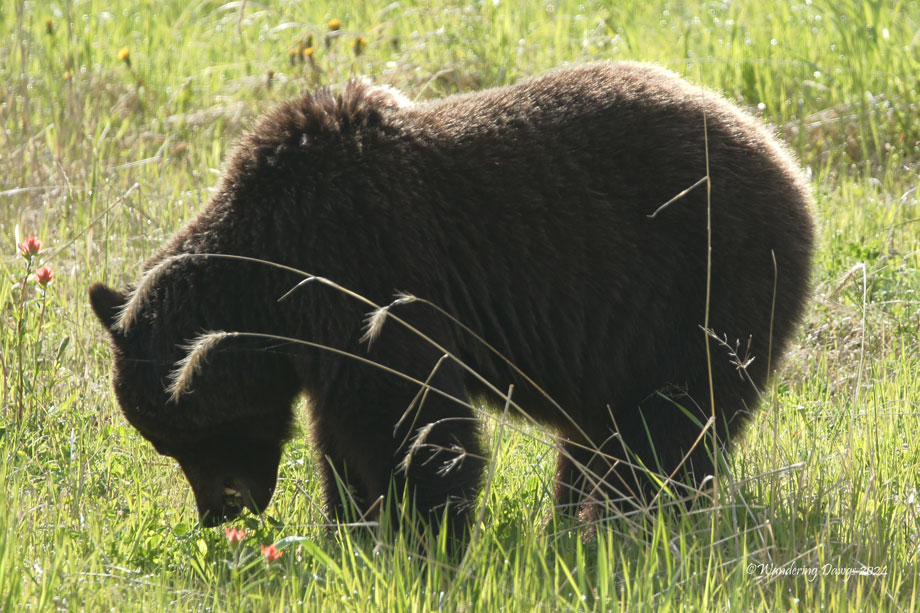
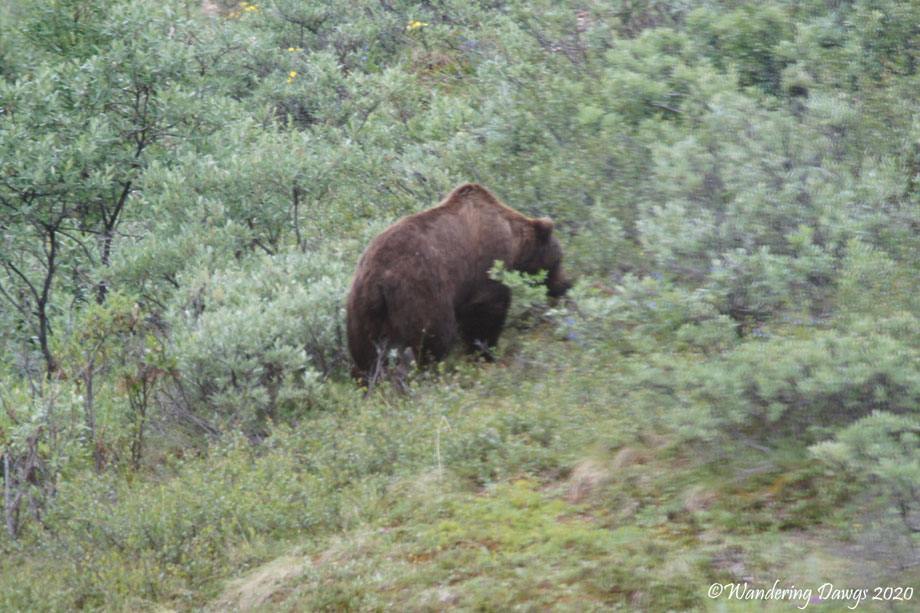
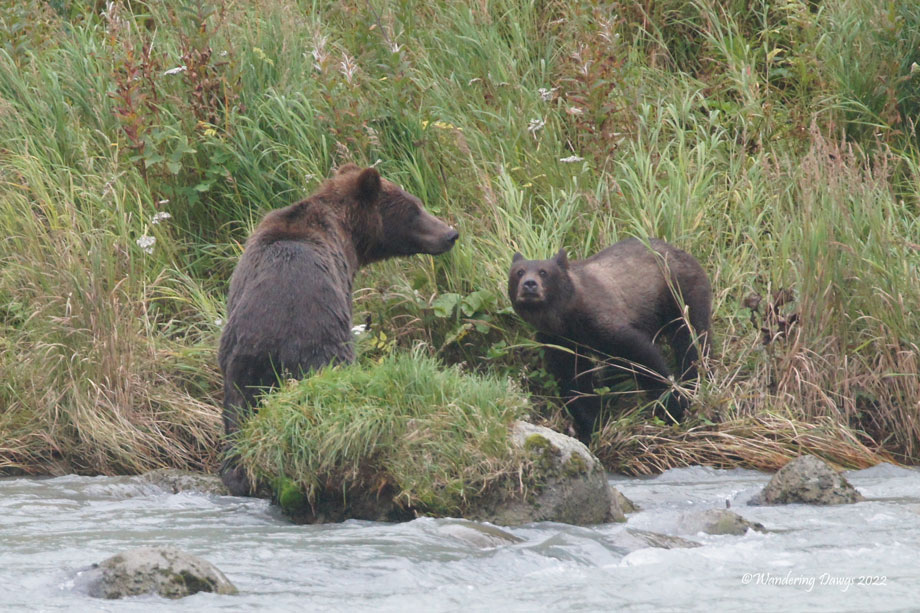
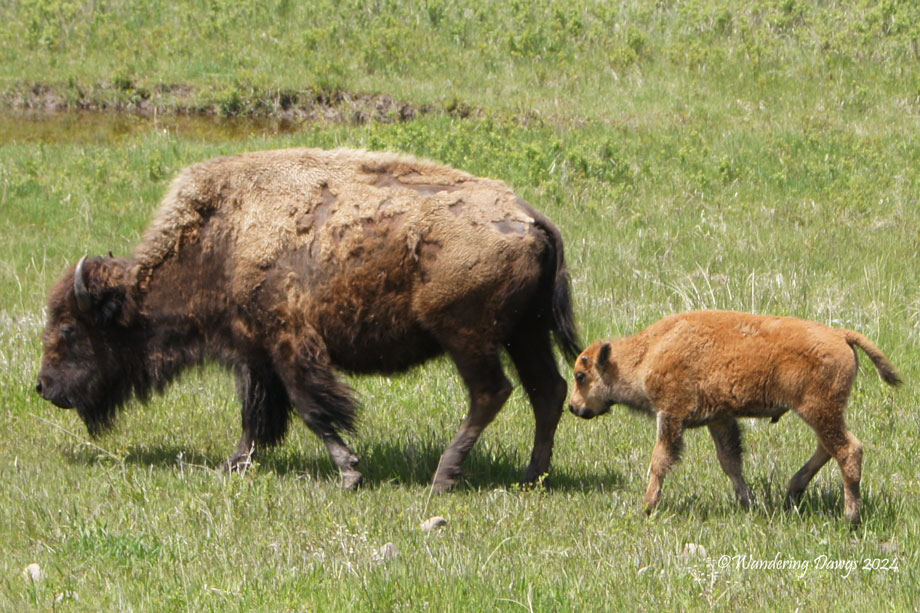
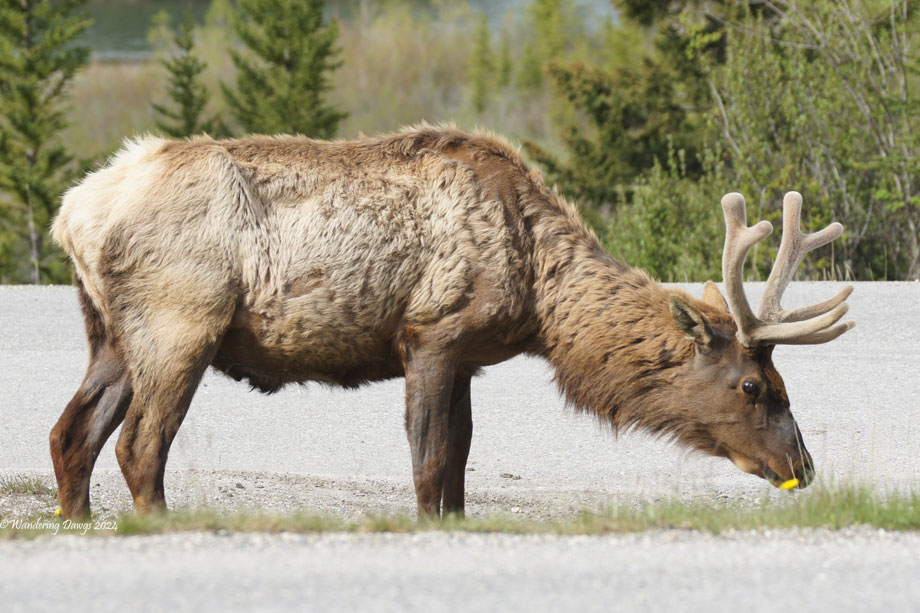
The first gallery features Brown Bears in Alaska and British Columbia, White Tailed deer in Virginia, Bison in South Dakota, and Elk in Canada.
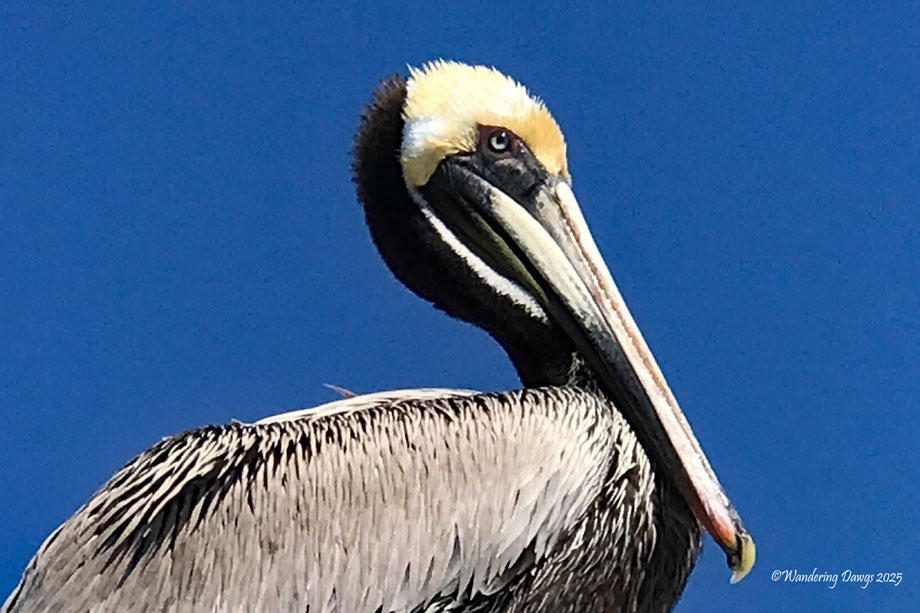
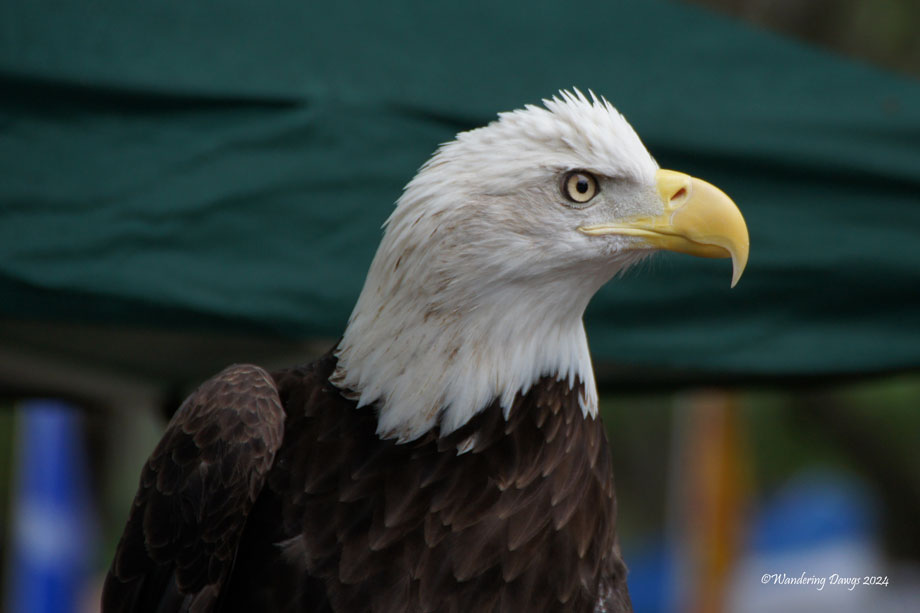
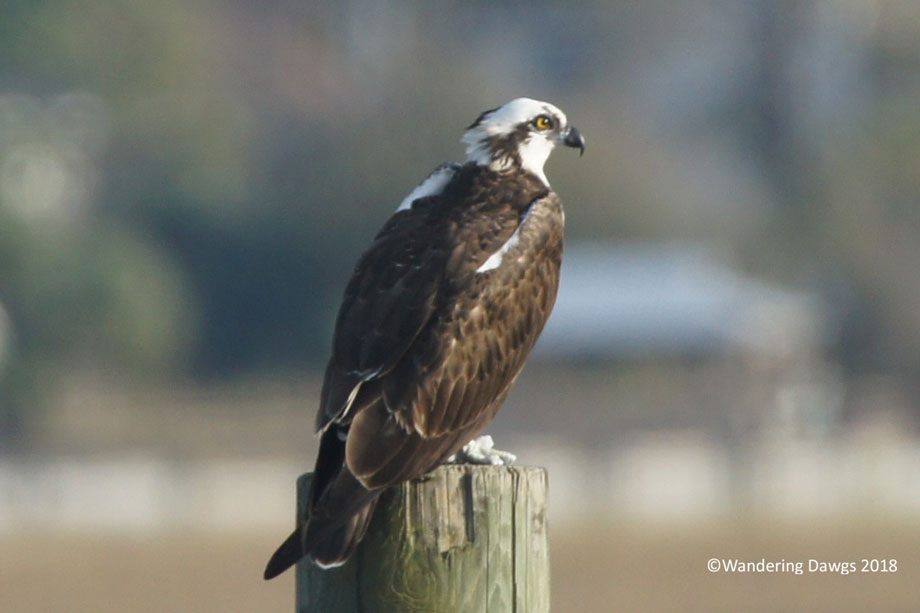
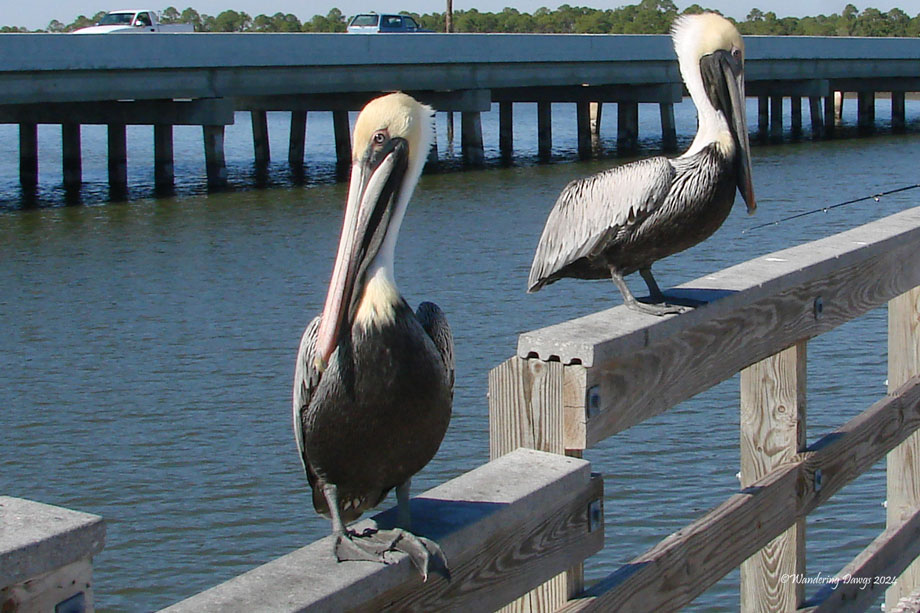
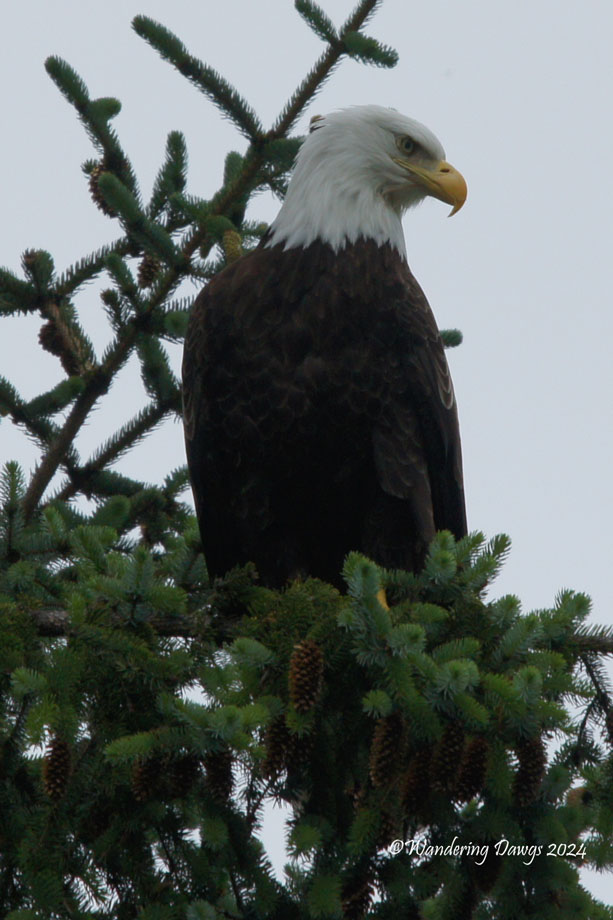
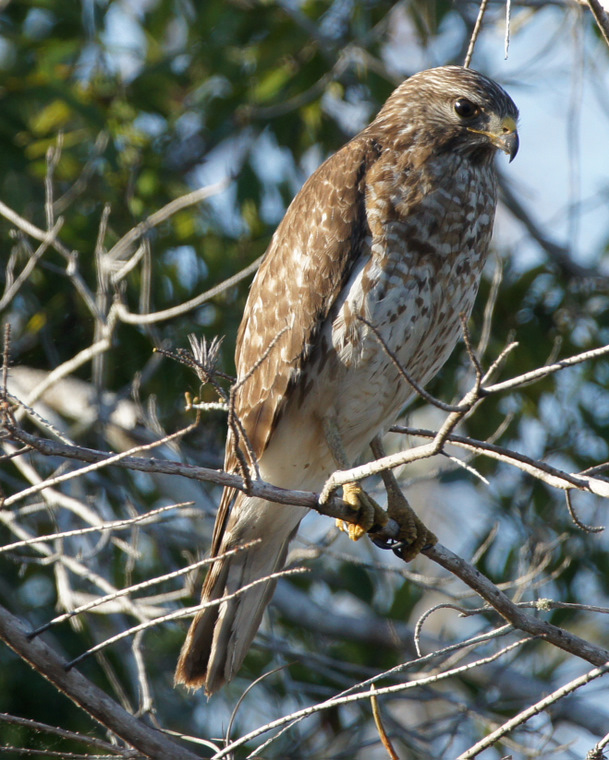
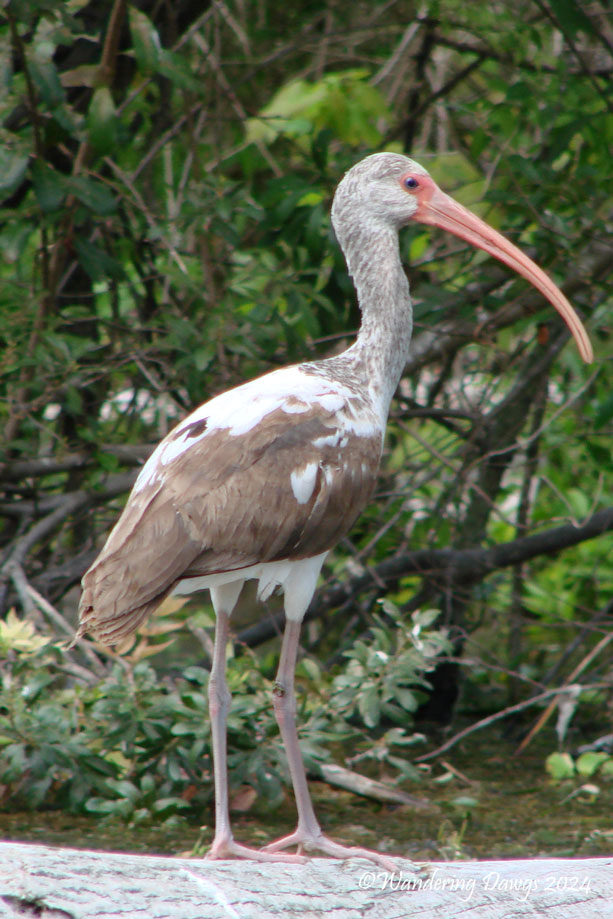
I chose some of my favorite birds the bird gallery: an Osprey, an American Bald Eagle, Brown Pelicans, a hawk and a juvenile White Ibis. The Osprey is in Georgia, the Eagle in Alaska, and the rest of the birds are in Florida.
It’s not always easy to capture photos of wild animals when I spot them but it sure is fun to try. Sometimes it’s just pure luck to be in the right place at the right time with the right camera lens.
After a great stay in Virginia we headed south to the Smokies in North Carolina in search of bugling elk. I’ve seen elk in many different places but never thought I would be able to experience the sound of a bull elk bugling without traveling all the way to Yellowstone or the Rocky Mountains. I was wrong. There are elk in the Great Smoky Mountains.
Great Smoky Mountains National Park is the most visited national park in America. We’ve traveled there several times over the years but I had never heard about the elk in Cataloochee Valley until my friend Holly posted last year about the Bugling Elk in Cataloochee Great Smoky Mountains NP.
Elk were once abundant in the southern Appalachian Mountains. Over hunting and habitat loss caused the elk to be eliminated from North Carolina many years ago.
In February, 2001, the National Park Service began an experimental reintroduction of elk into Cataloochee Valley by releasing 25 elk from the Land Between the Lakes National Recreation Area on the Tennessee-Kentucky border. Another 27 elk from Canada were released in 2002.
Getting to Cataloochee Valley
Cataloochee Valley is located on the eastern side of the Great Smoky Mountain National Park. The nearest towns are Maggie Valley and Waynesville.
Getting to the valley involves an 11 mile drive on Cove Creek Road. This is a road that is not for the faint of heart. The turnoff to Cove Creek Road is only about a mile from Interstate 40 and the first part of the drive is on a narrow, curved paved road that passes by homes tucked away on the side of the mountain. After a few miles, the pavement is replaced by gravel. All along the way are few guardrails, many switchbacks, blind curves, and hairpin turns. As we continued on the road I felt like we were millions of miles away from civilization.
We stopped at an national park overlook for a spectacular view before continuing into the valley.
Hairpin Turn Cove Creek Road
Blind Curve Cove Creek Road
Cataloochee Valley Overlook Great Smoky Mountains
Cataloochee Valley Overlook Great Smoky Mountains
Cows on first day
We made two trips into Cataloochee Valley. On our first visit we were thrilled to see elk by the first field. A young elk was grazing in the field with a large cow in the woods across the road. We stopped to watch a large bull elk at the far end of another field and had another bull cross the road in front of the truck. Alas, I wasn’t able to get pictures of them.
Cow Elk in Cataloochee Valley
Cow Elk in Cataloochee Valley
Young elk in Cataloochee Valley
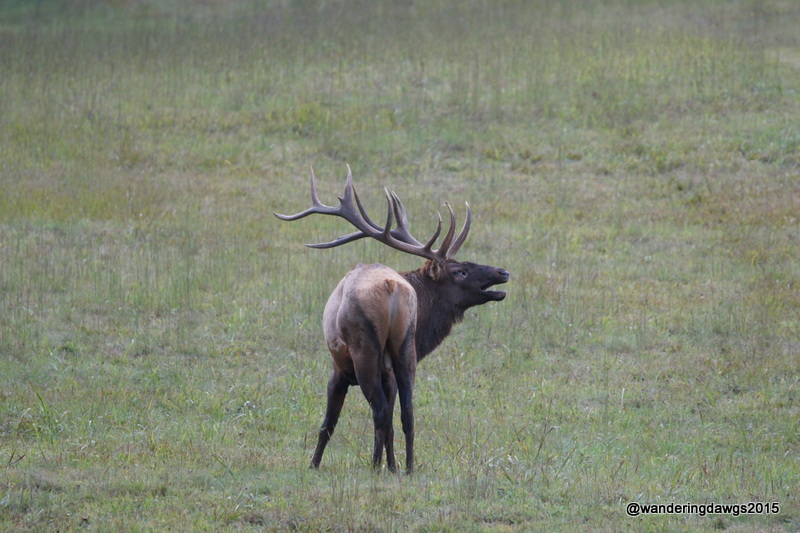
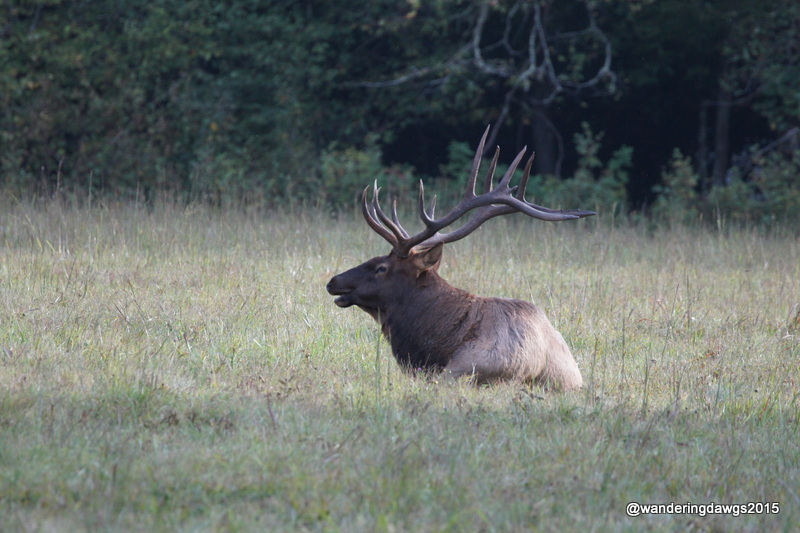
Bugling Bulls
The breeding season, also known as the rutting season, is in the fall. During this time the bull elk make their bugling calls to attract females and challenge other bulls. We ventured down Cove Creek Road again a second day in hopes of seeing and hearing some bugling bulls.
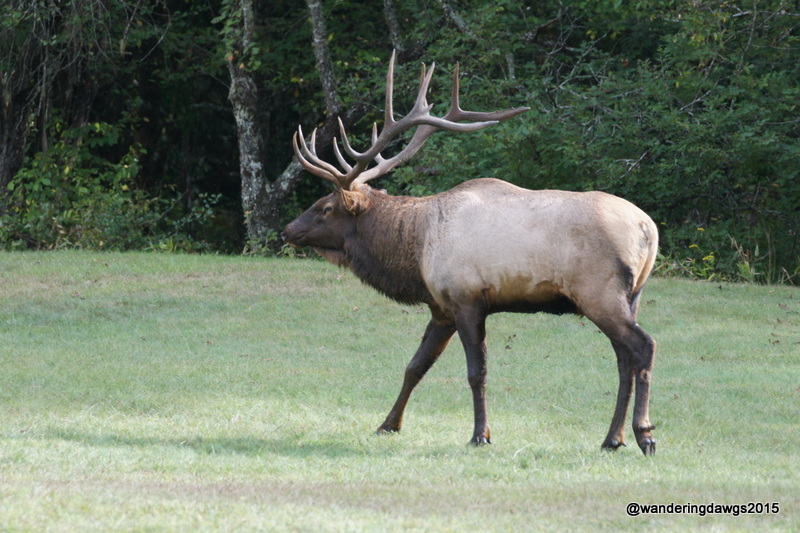
The best time to view elk is late in the afternoon before sunset so we arrived later in the afternoon than we had the first day. We weren’t disappointed. There were several elk in the first field we came to and as we continued down the road a lone bull stood in a small field. As we pulled off the road and rolled down the windows we watched him raise is head and we heard him make his bugle sound. We could hear more bugliing far off in the distance.
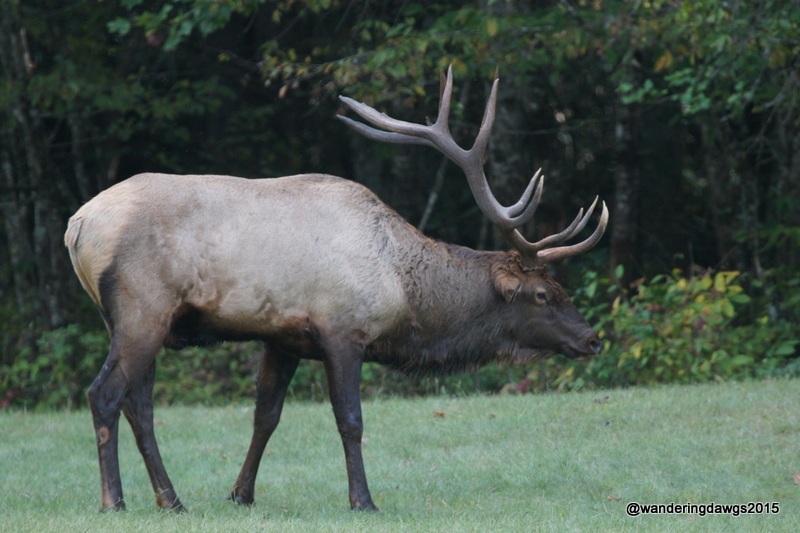
Bull Elk in Cataloochee Valley
Bull Elk in Cataloochee Valley
Later on we came across another bugling bull. We think he was trying to attract a female we saw in the woods. She wasn’t paying any attention to him.
Bull Elk Bugling in Cataloochee Valley
Bull Elk in Cataloochee Valley
Young elk
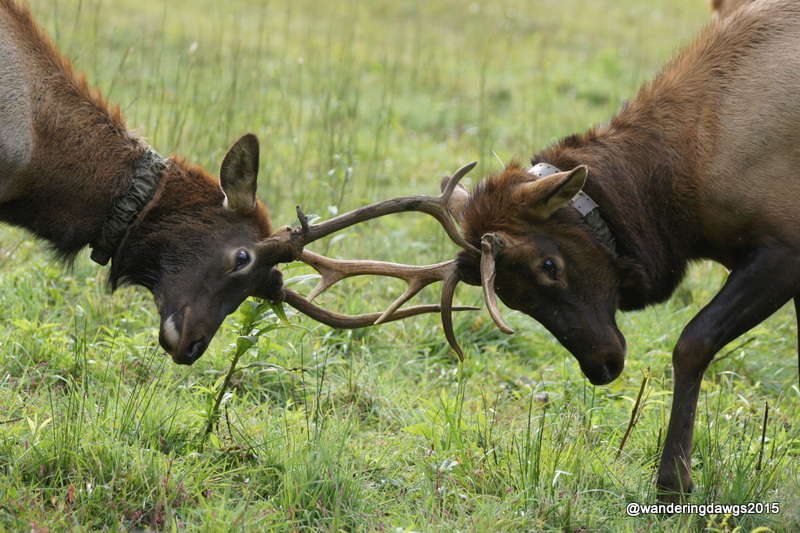
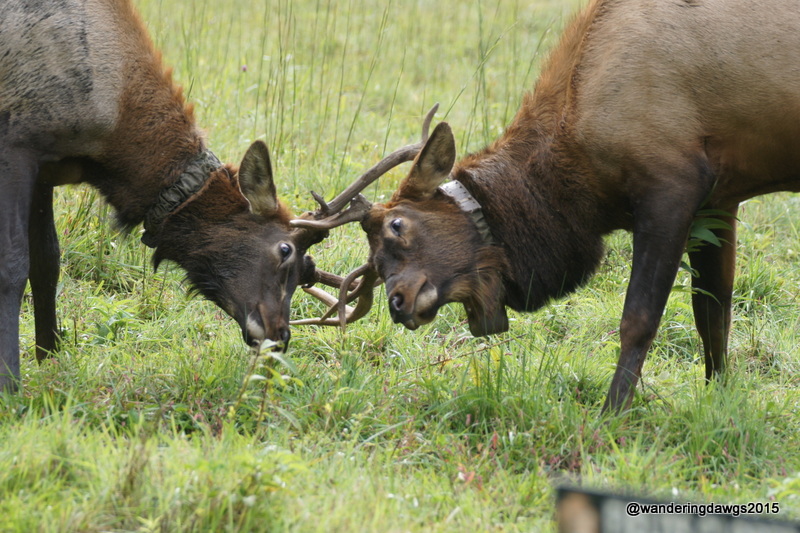
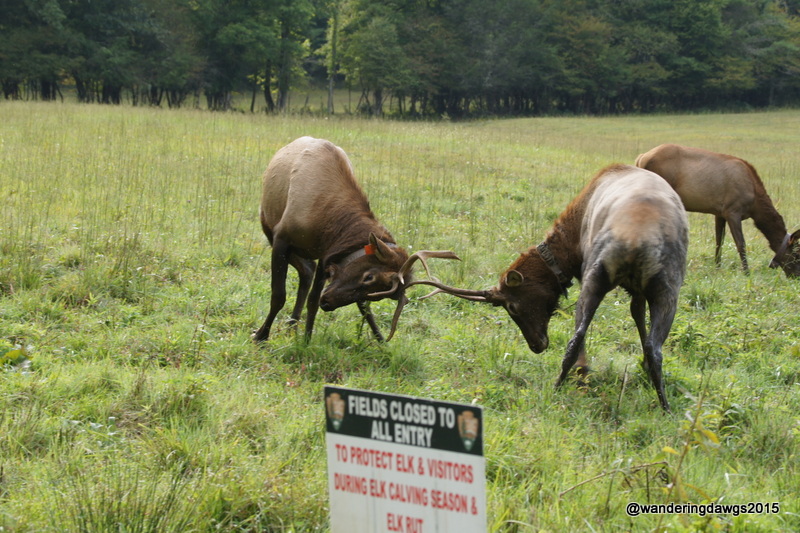
We didn’t witness any large bulls sparring but we did enjoy watching two young elk locking antlers right beside the truck. After a few minutes, they went back to grazing.
Two young male elk lock antlers in Cataloochee Valley
Two young male elk lock antlers in Cataloochee Valley
Two young male elk lock antlers in Cataloochee Valley
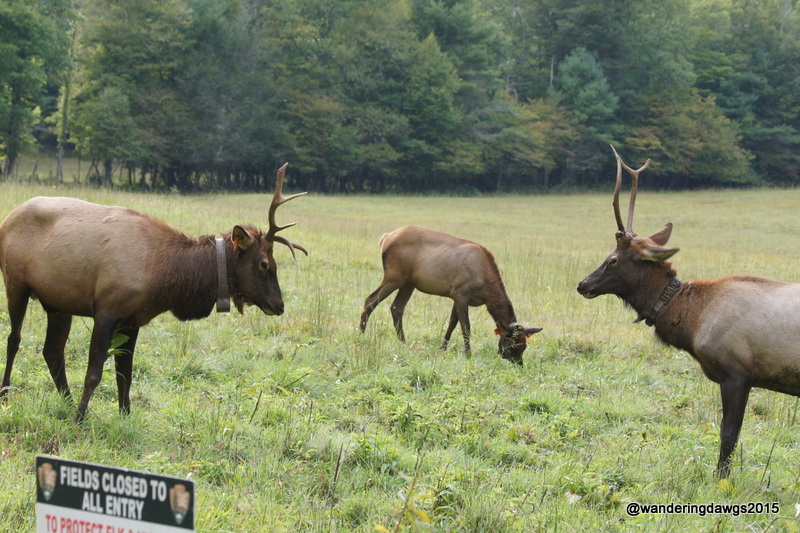
Face Off
Elk in Cataloochee Valley
History of Cataloochee
The first people to visit Cataloochee Valley were Native Americans who fished and hunted but did not settle there permanently. In the early 1800’s white settlers moved into the valley.
By the early 1900’s Cataloochee was the largest settlement in the Smokies with almost 200 buildings. Today a few of the remaining buildings can be seen as you drive through the valley and others are accessible by one of the many trails.
By 1938, most of the families had moved out of the valley after selling their land to the government for the creation of the Great Smoky Mountains National Park.
Caldwell Place in Cataloochee Valley
Old Barn in Cataloochee Valley
Start of one of the trails in Cataloochee Valley
Bridge at the beginning of one of the trails in Cataloochee Valley
We camped at Creekwood Farm RV Park in Waynesville, NC. The campground is less than a mile from the turnoff to Cove Creek Road.






 Wandering Dawgs