When was the last time you were driving down the interstate in the state of Georgia and saw a camel or a buffalo?
The first time we saw a buffalo from the interstate as we were traveling east on I-16 towards home we knew we were going to have to stop. Ever since then Moseley’s Wiregrass Junction has become a favorite stopping place when we are traveling along that route.
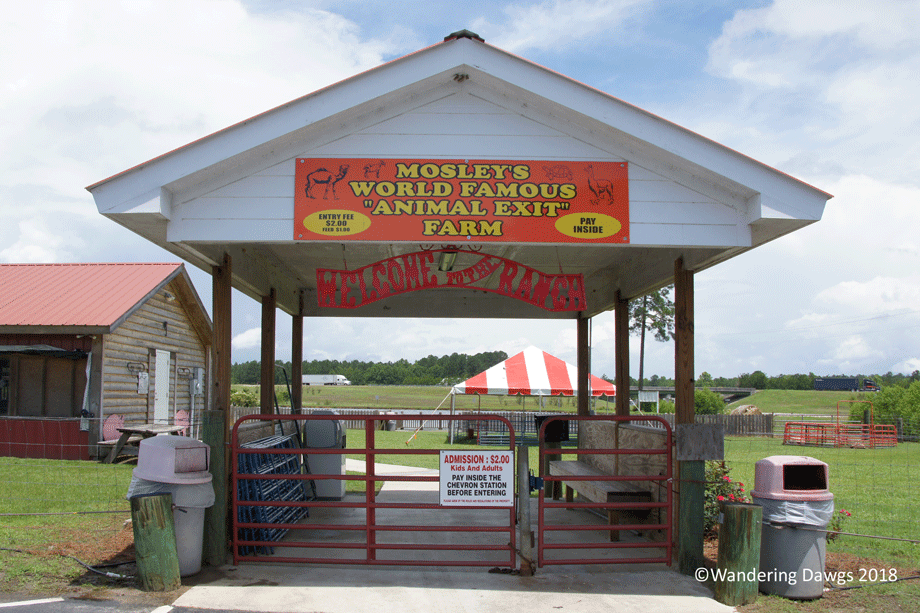
Usually we just watch the animals from the parking lot but the last time we were there we opted to pay the $2 per person fee to see them up close. We also bought a bag of animal food before going through the gate to see animals.
Mosley’s Wiregrass Junction just off I-16 at exit 98
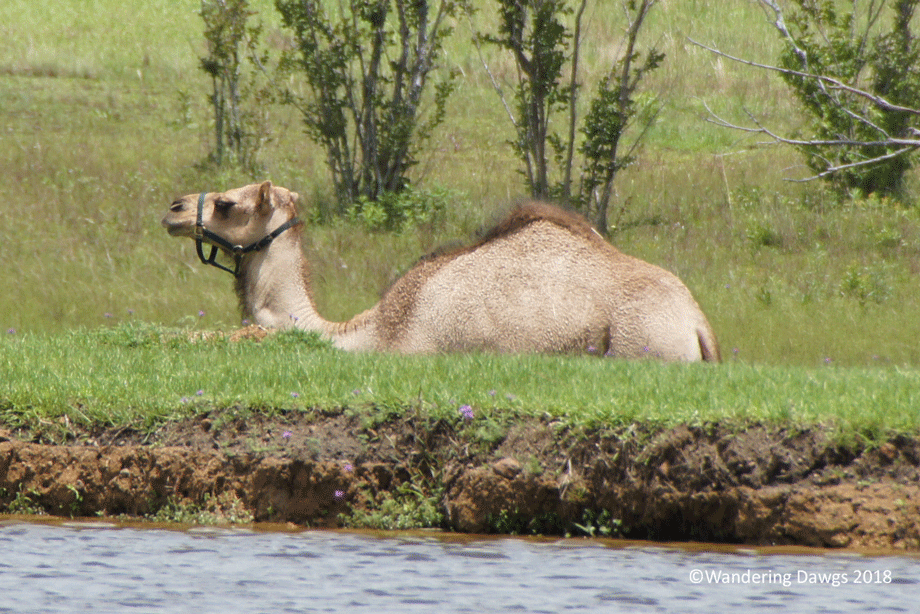
Camel at the Animal Exit
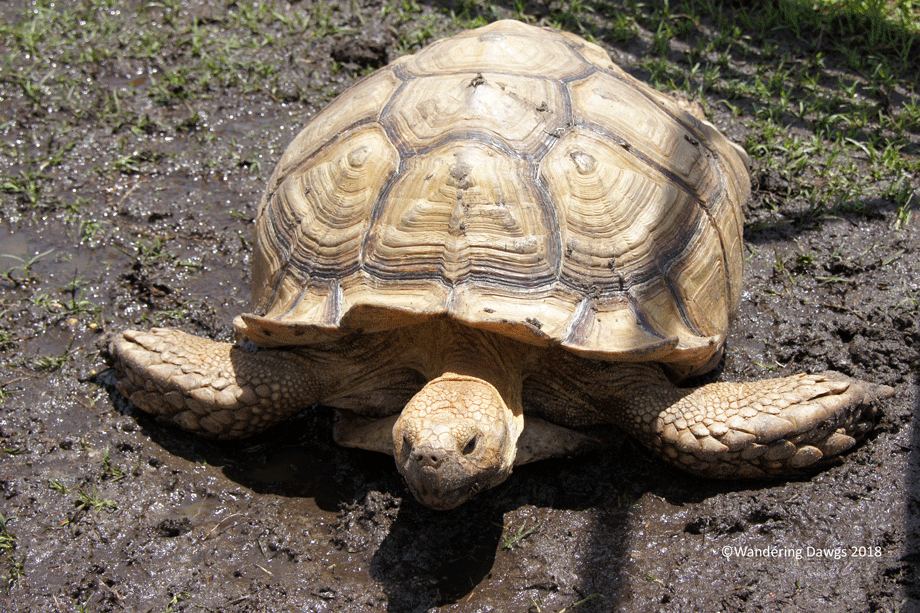
Tortoise
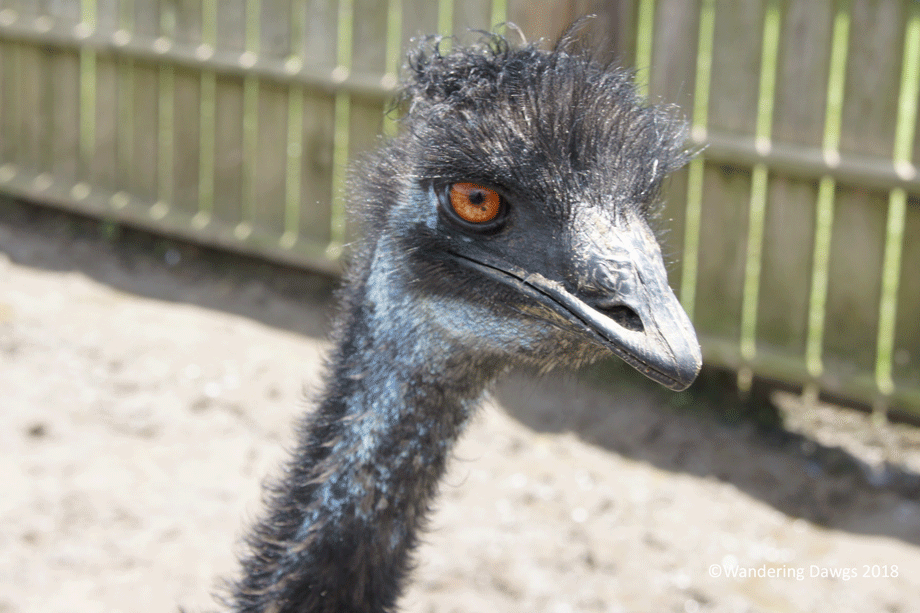
Emu at the Animal Exit
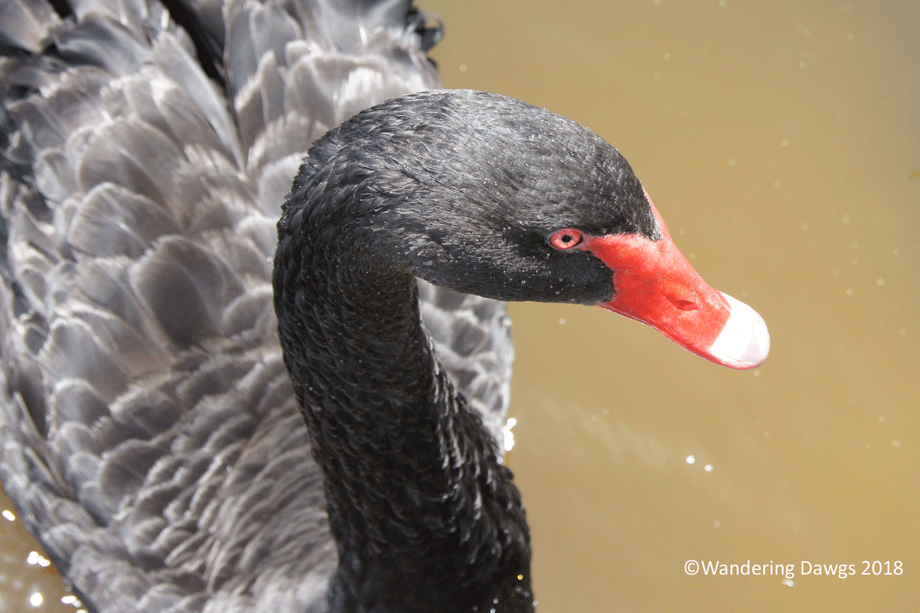
Black Swan
Peacock
Peacock Feathers
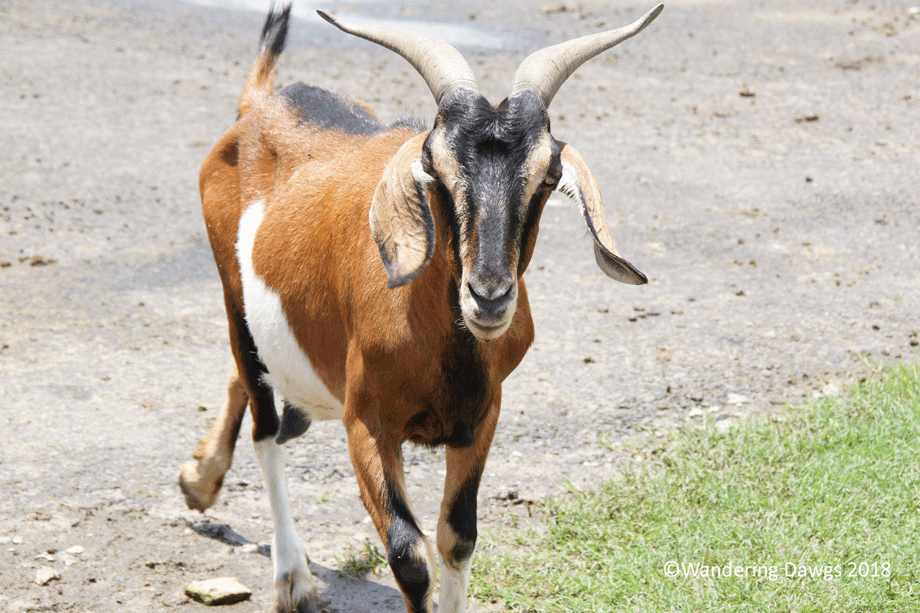
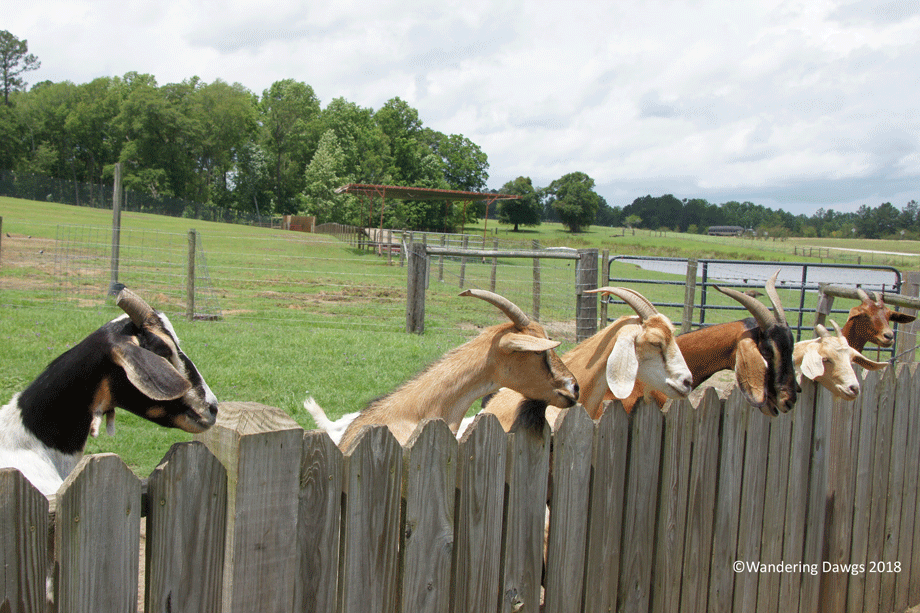
The goats weren’t shy
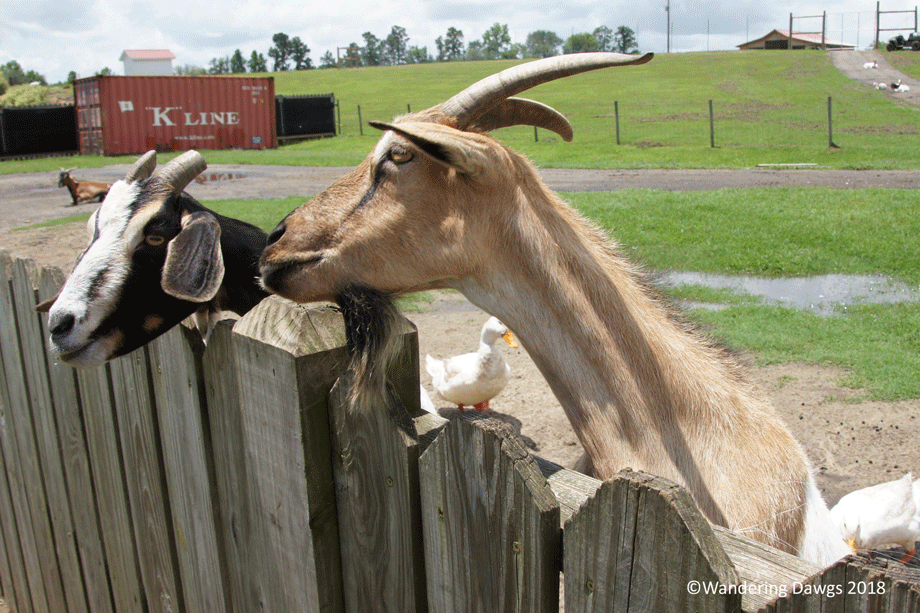
Feed Me!
Goats waiting for a handout
Next time we may opt for an additional $8 to take a tour of the farm where their zebra, buffalo, cows, pigs and other animals live.
Mosley’s Wiregrass Junction Animal Exit Farm is located on Georgia Interstate 16 at exit 98 in Aline.
I’ve had many people ask about my favorite place and the answer is always the same.
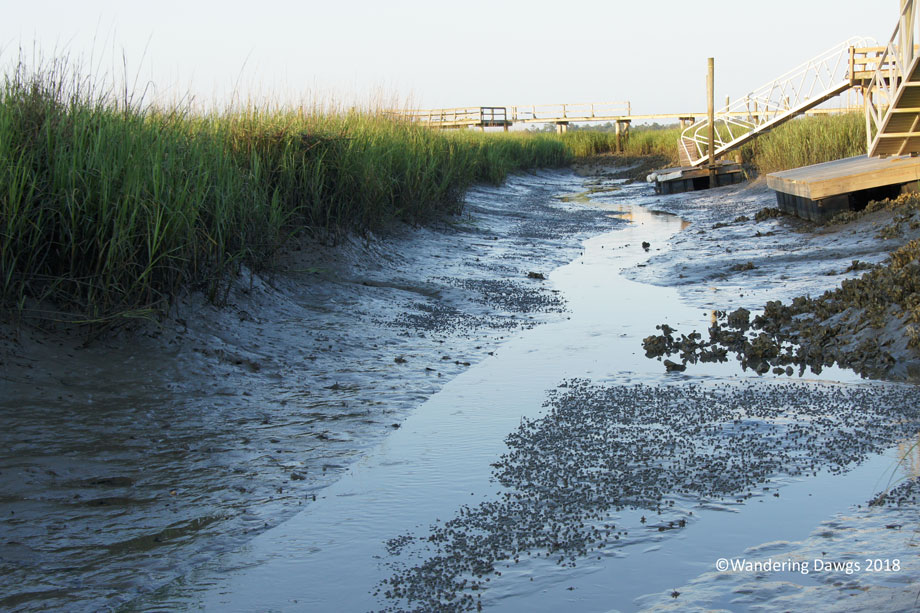
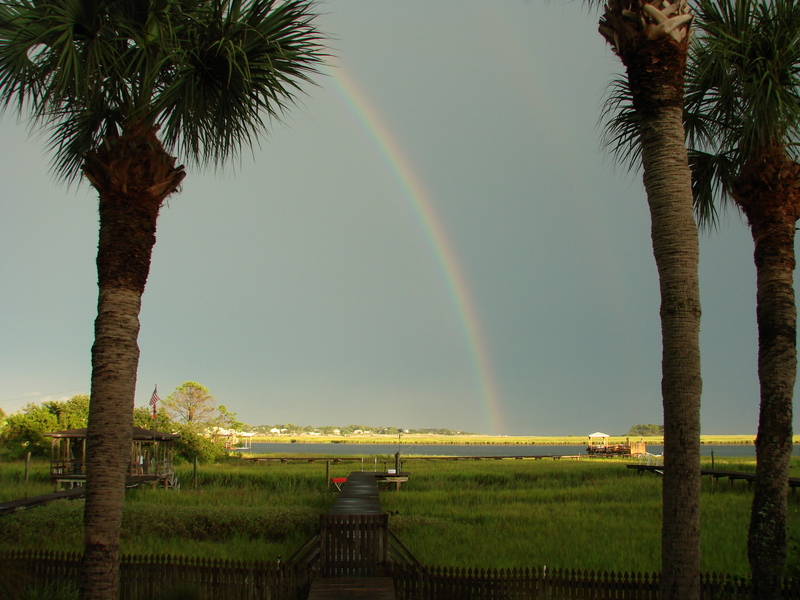
There is no place else on earth I love more than my little peace of paradise here in coastal Georgia. This is where our children grew up and where Henry and I are growing old together. I have the best friends and neighbors anyone could ask for and there is beauty every where I look.
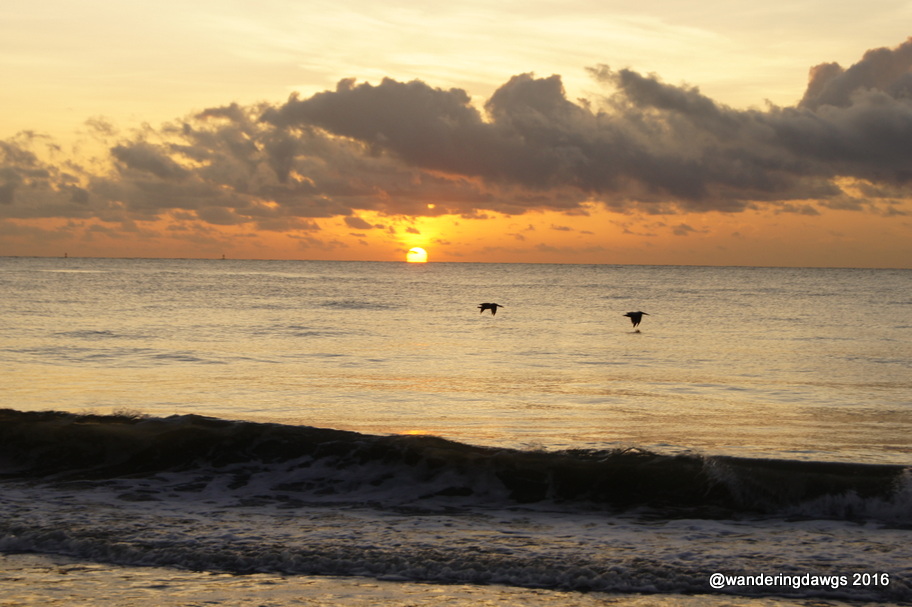
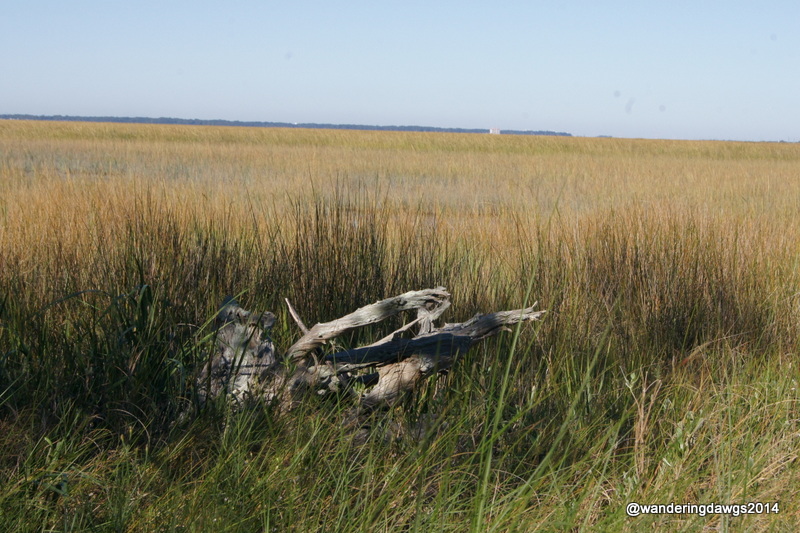
Sunrise over the Atlantic OceanFull moon rising over the Atlantic OceanSunset over the Salt MarshSalt Marsh of Coastal Georgia
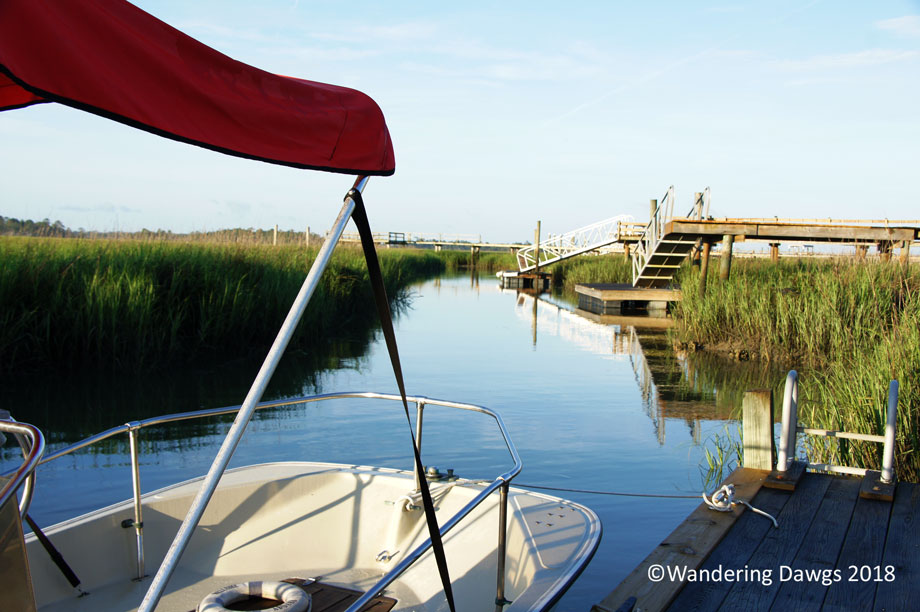
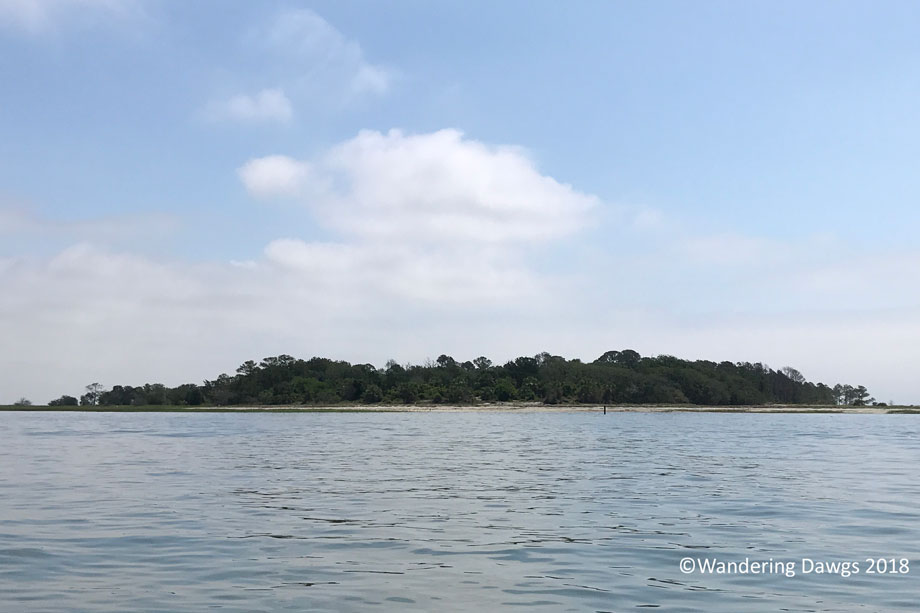
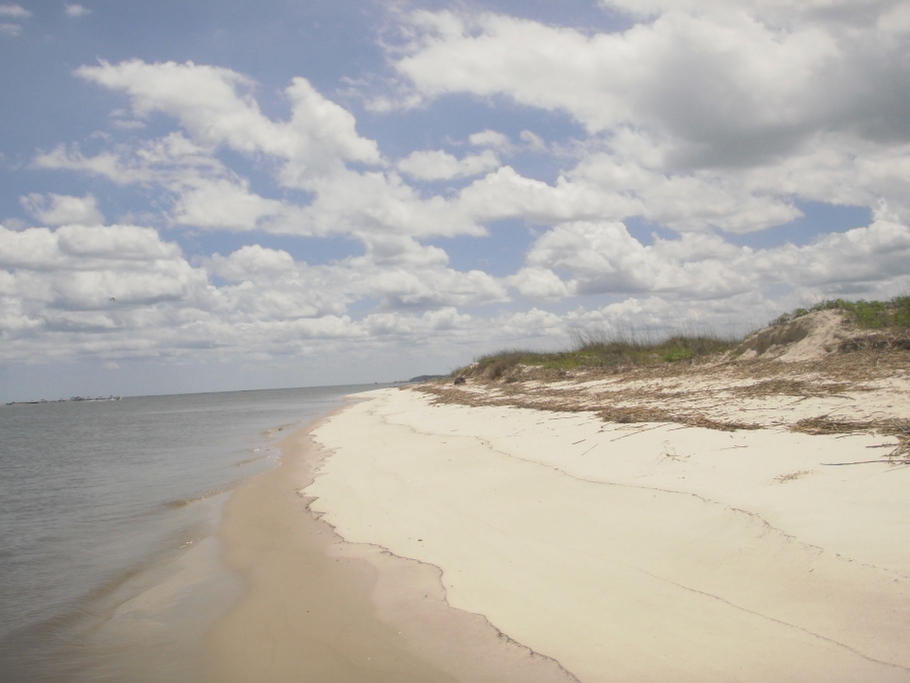
Want to go to an uninhabited barrier island? A boat or kayak will get you there.
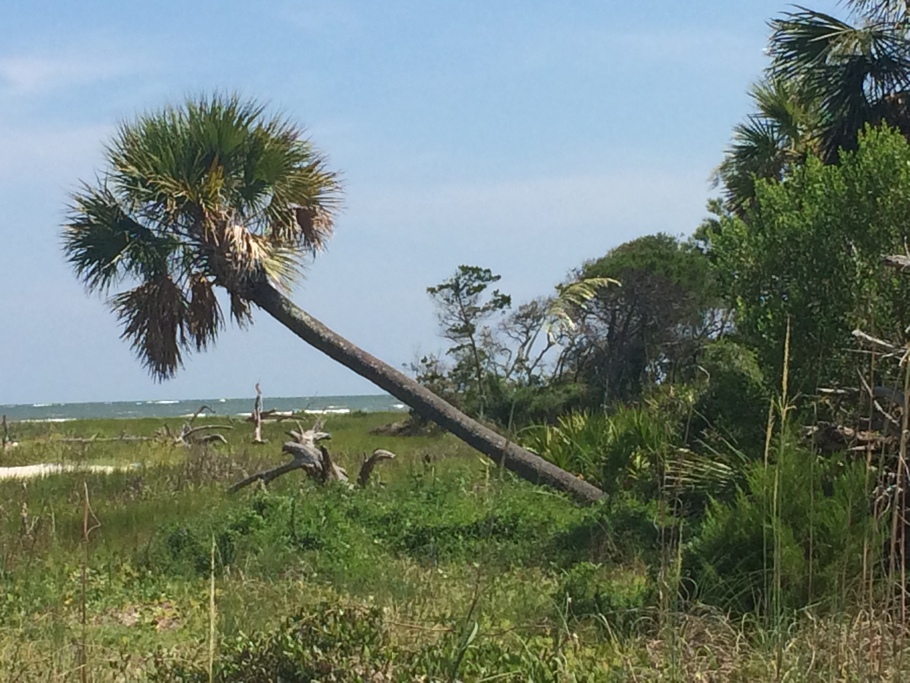
Boat ride on one of the many creeksUninhabited Georgia Barrier IslandWe often are the only people on one of the uninhabited barrier islands
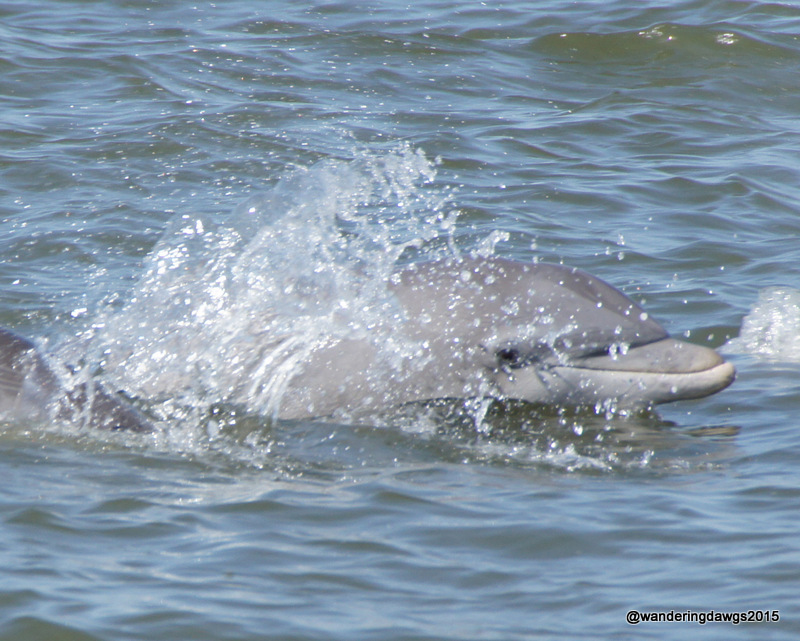
Atlantic Bottlenose Dolphins are a common sight in the waters.
Atlantic Bottlenose Dolphin near Tybee Island, Georgia
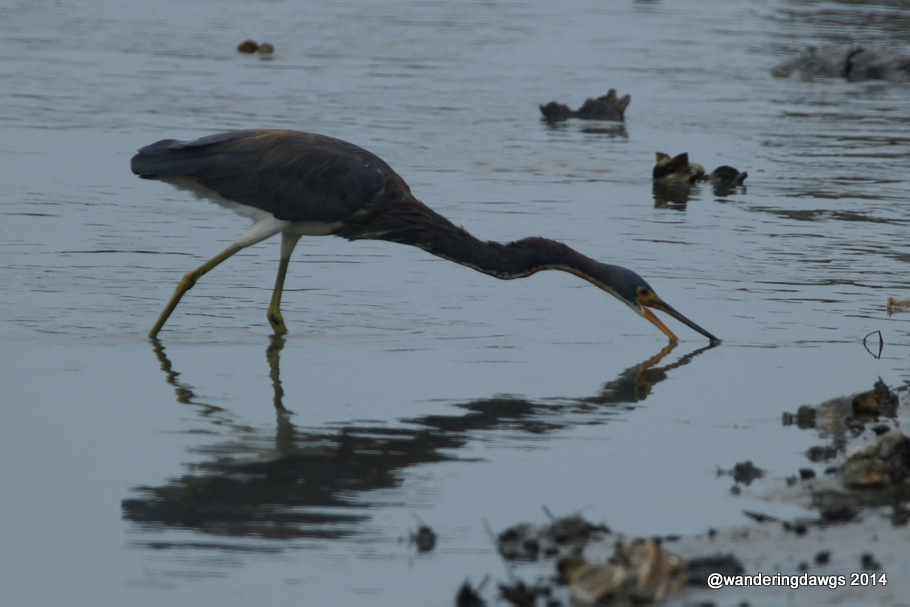
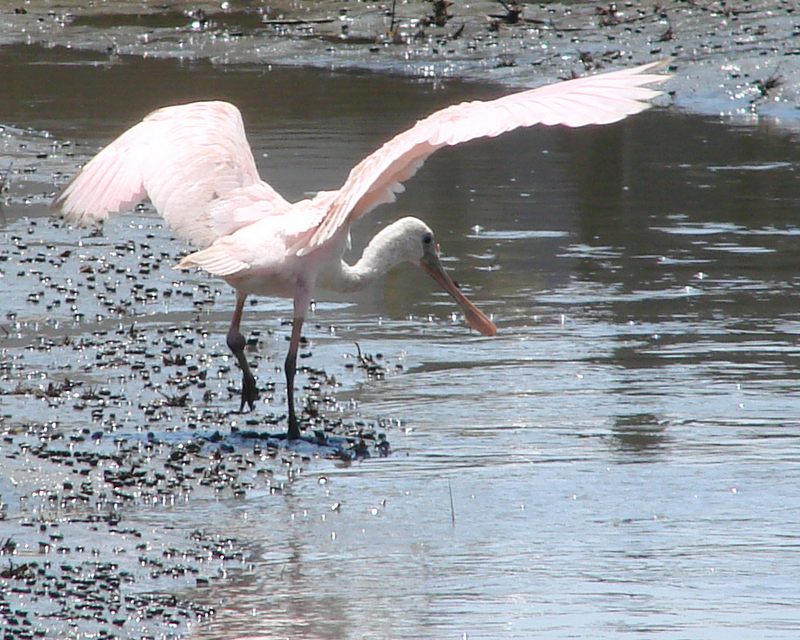
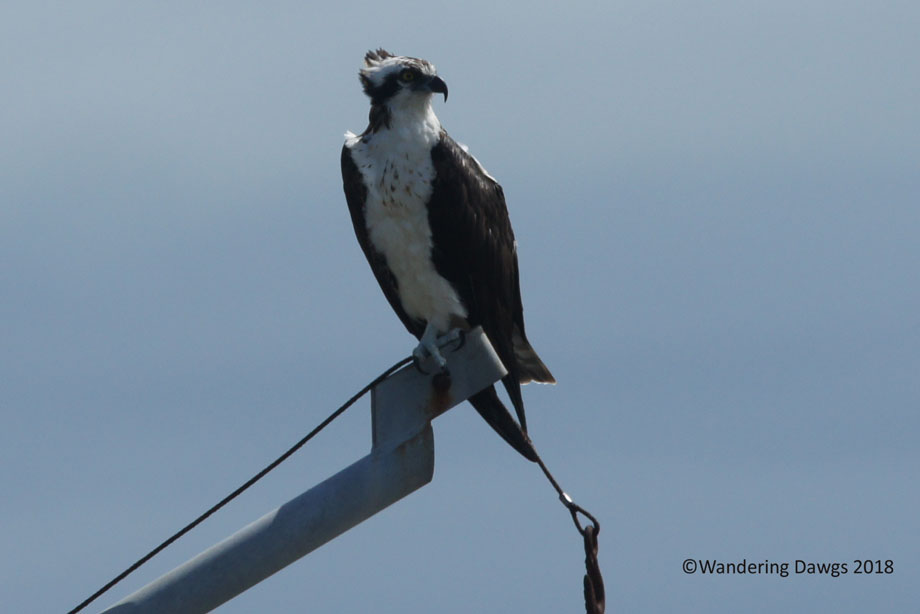
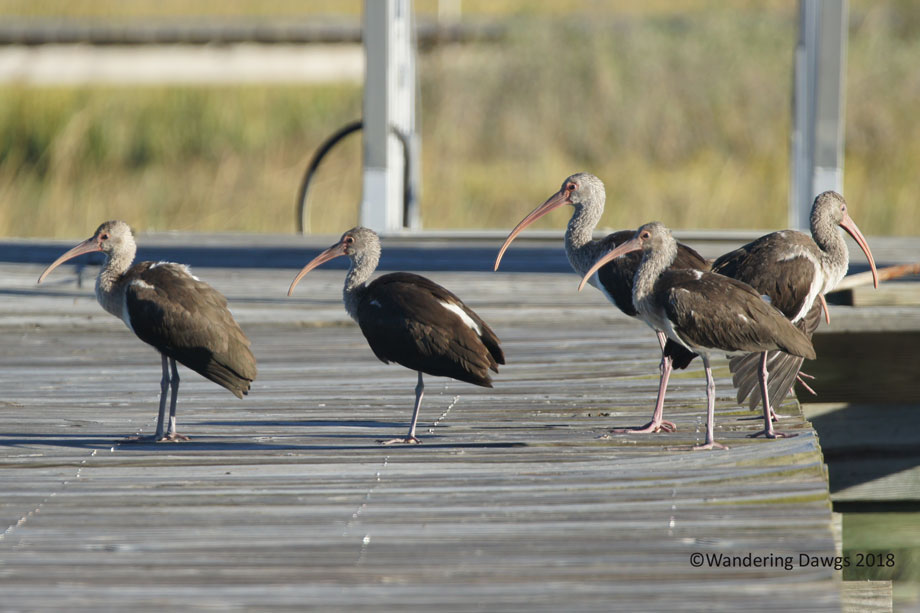
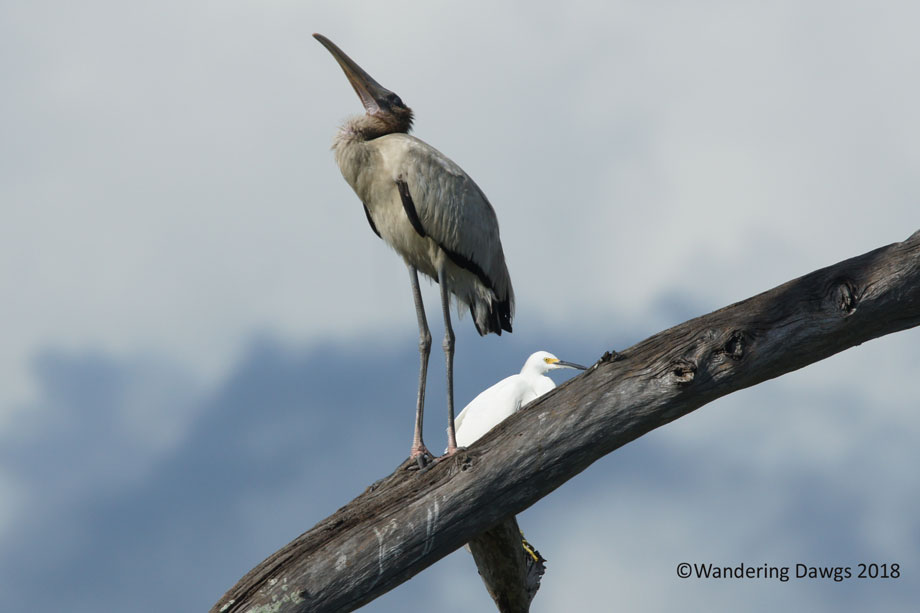
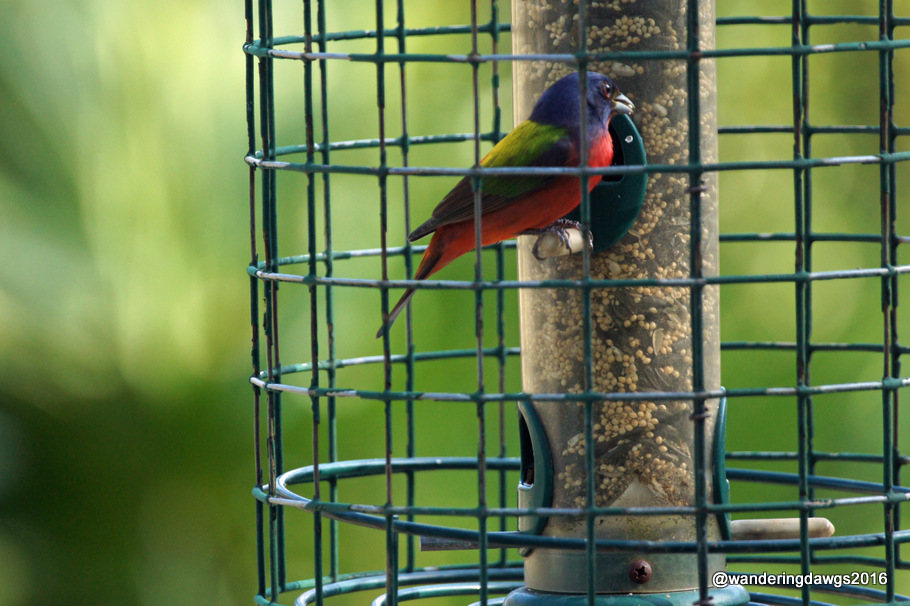
Let’s not forget the birds.
Roseate Spoonbill fishing in Georgia tidal creekOspreyGreat EgretJuvenile IbisWood Stork and EgretMale Painted Bunting
Whether you cook it at home or eat out at one of the many great restaurants nearby, there’s nothing better than eating fresh caught seafood.
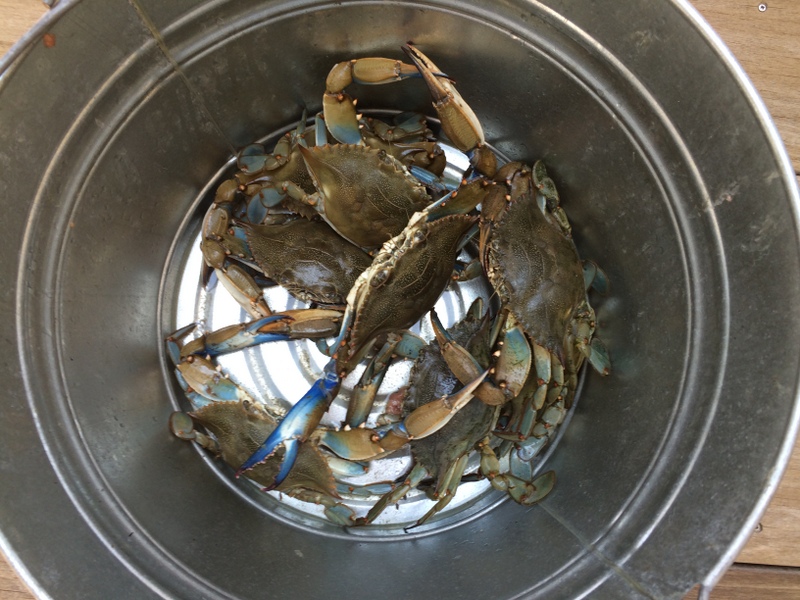
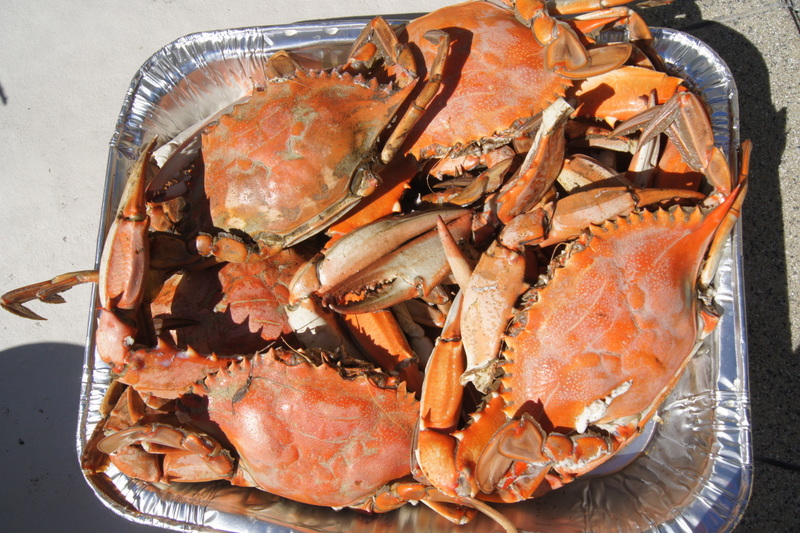
Fresh Georgia Blue Crabs straight from the creek to the pot.
I love to travel and always enjoy our wanderings. Every trip ends the same way. I know I am almost home when I start smelling the salt marsh and seeing the creeks and marsh as we drive the last few miles.
No matter where you may roam, the best part is coming home – anonymous
What better way to begin our winter southern adventure than a stop in one of our favorite state parks, Stephen C. Foster State Park in the Okefenokee National Wildlife Refuge.
Much of the swamp is covered with thick peat deposits. The early Native Americans named the area Okefenokee which means “land of trembling earth” because they felt the movement of the peat beneath their feet as they walked.
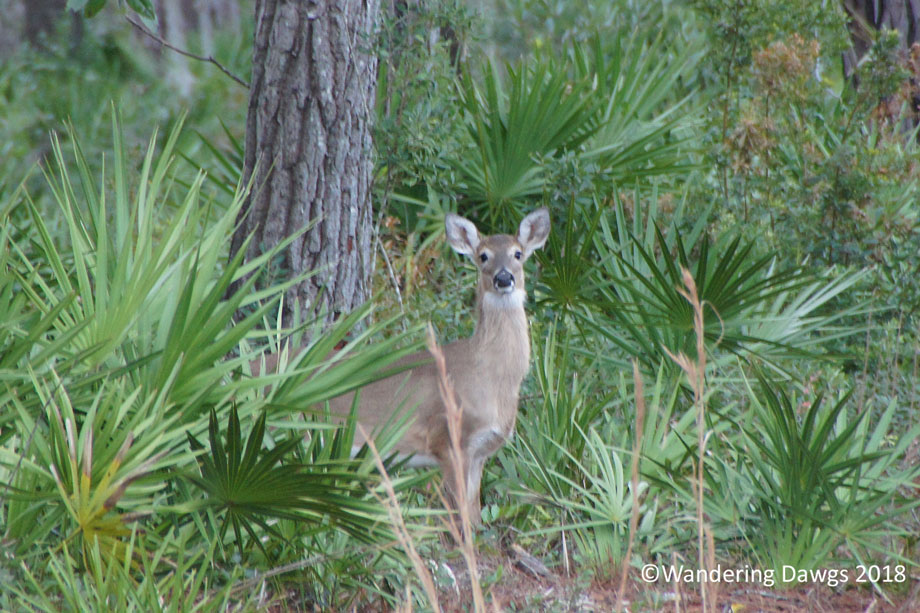
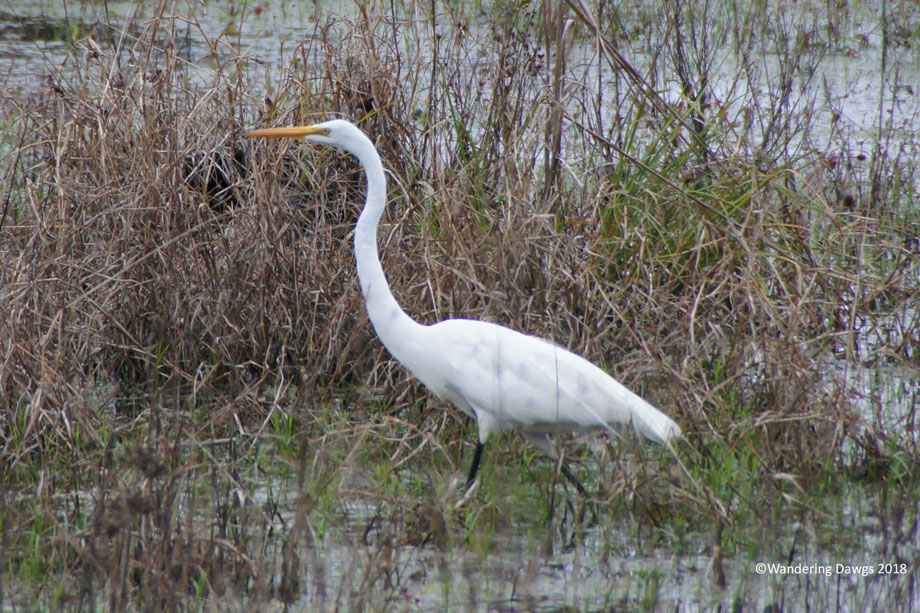
There were deer in the campground every day. One day we took a walk on the boardwalk nature trail near the marina and watched an egret searching for food.
White Tailed Deer in the OkefenokeeEgret in the Okefenokee
The Okefenokee Swamp is one of North America’s most unspoiled natural wilderness areas. According to the U. S. Fish and Wildlife Service Okefenokee National Wildlife Refuge web page, “the Okefenokee National Wildlife Refuge has 353,981 acres of National Wilderness Area within the refuge boundaries.
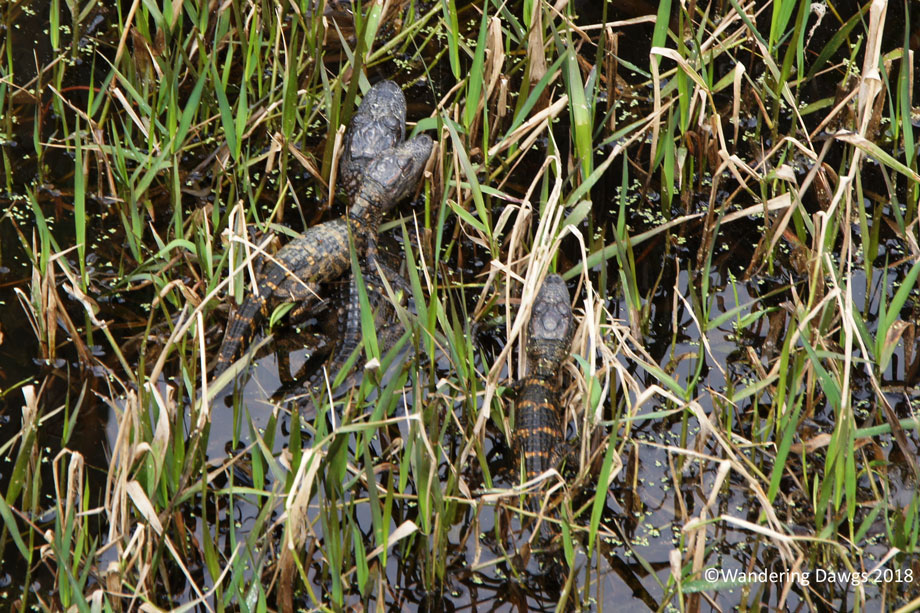
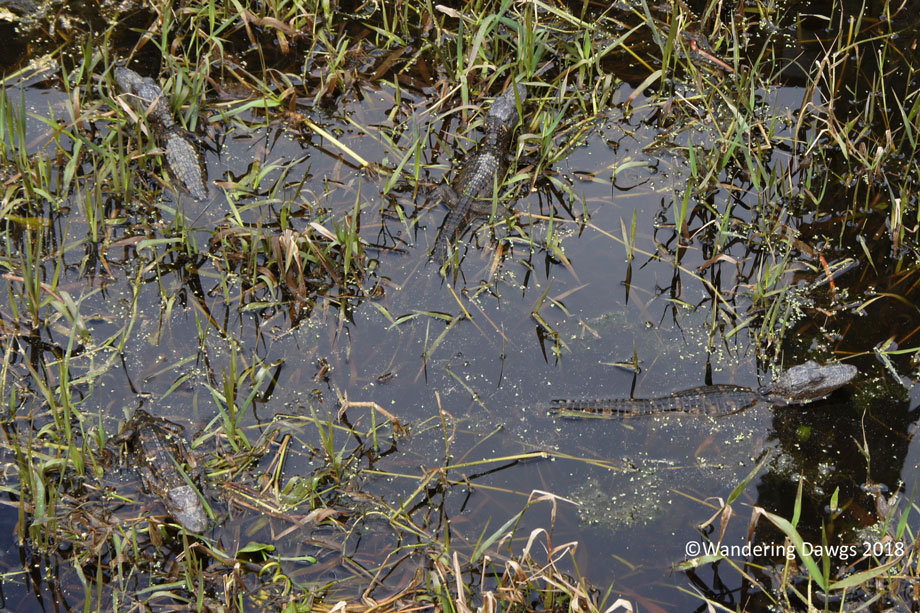
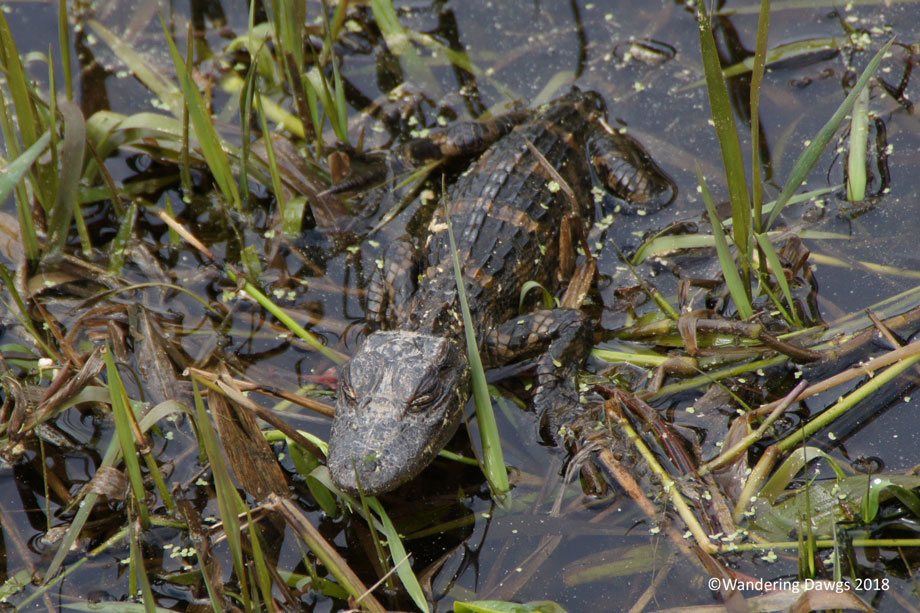
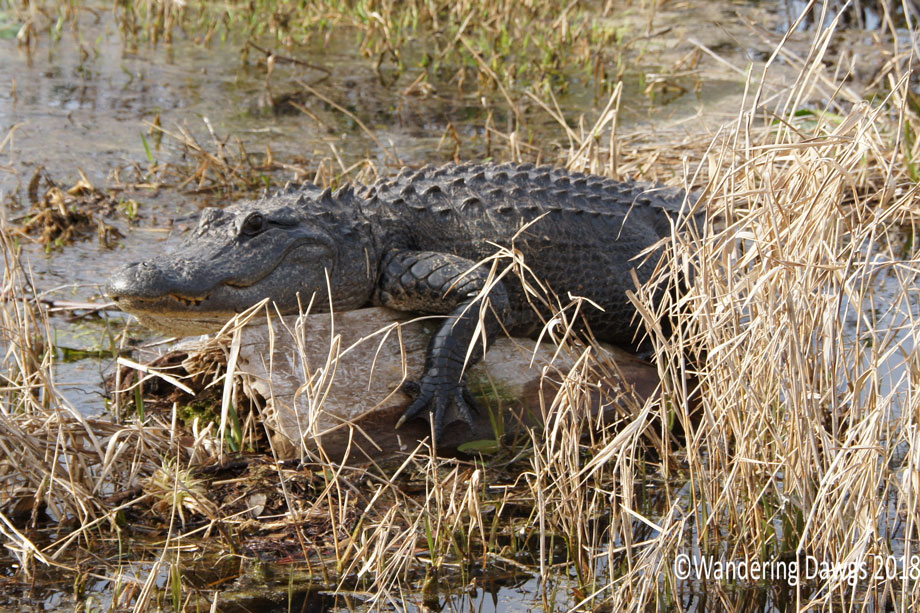
We always enjoy going out in a boat to explore the swamp. On our last visit we enjoyed our ranger guided boat tour so much we decided to go on another tour. While waiting for the tour to begin we wandered around the boat ramp and discovered Mama gator Sophie lounging by the ramp with some of her babies hanging out nearby.
Mama Sophie by the boat ramp with her babies nearbyYoung alligatorsYoung alligatorsYoung alligator
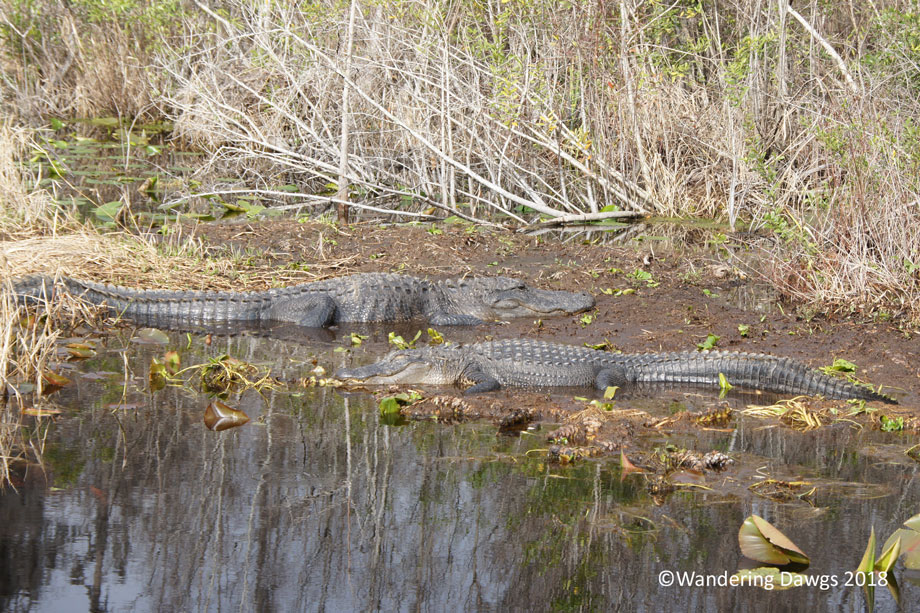
As we rode through the man made canal into the swamp we spied more young gators on the bank enjoying the warm day.
Young alligators on the bank
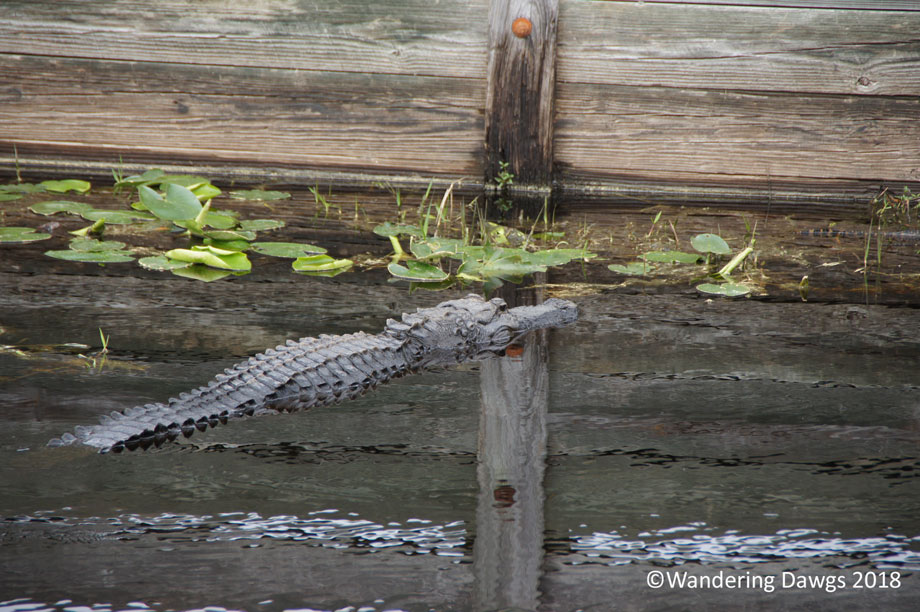
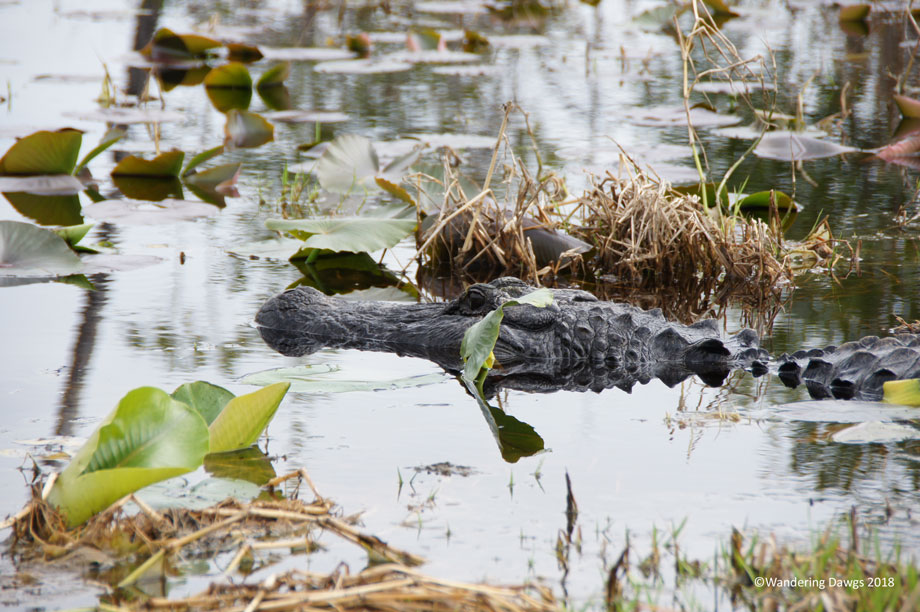
A large gator checked us out as we exited the canal into the swamp.
Alligator in the Okefenokee
After a few days of cloudy skies and chilly days the sun was starting to warm things up. The warmer weather brought out plenty of wildlife.
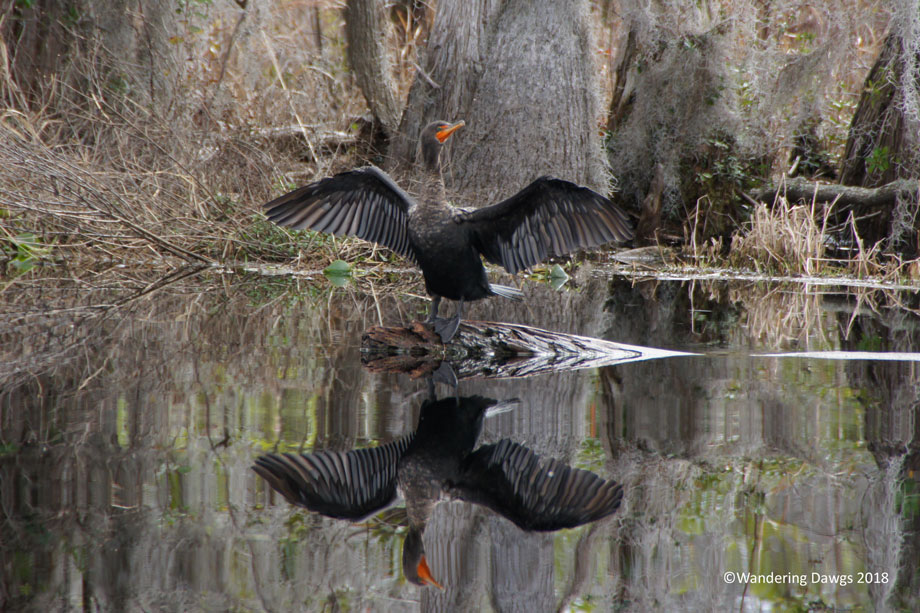
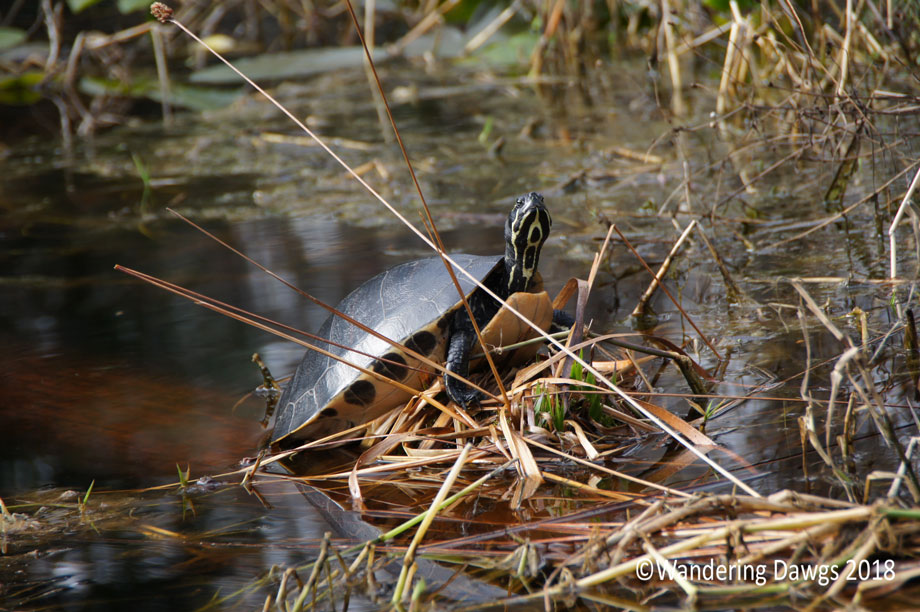
Okefenokee SwampCormorant in the OkefenokeeAlligator in the OkefenokeeAlligators enjoying some warm weatherTurtle in the swampHanging out in the Okefenokee
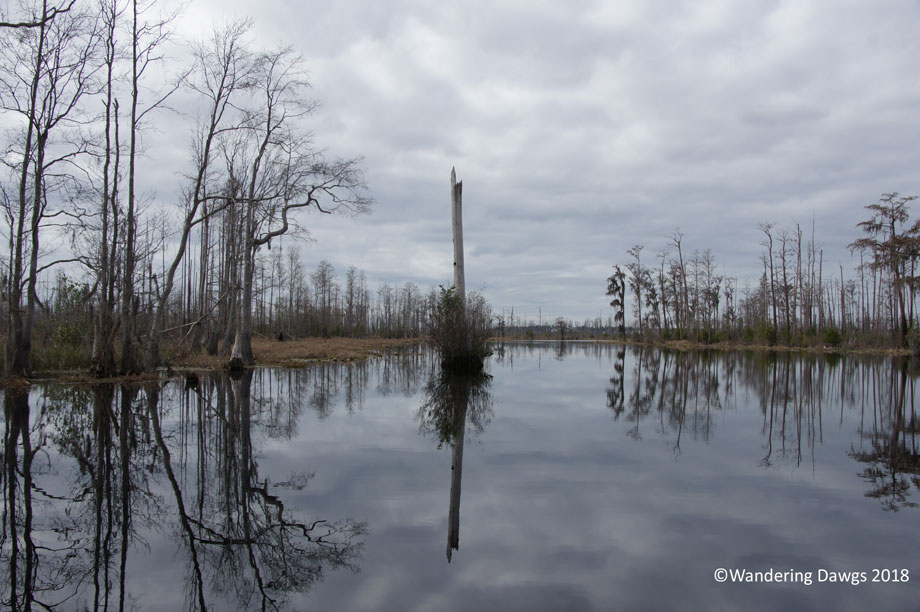
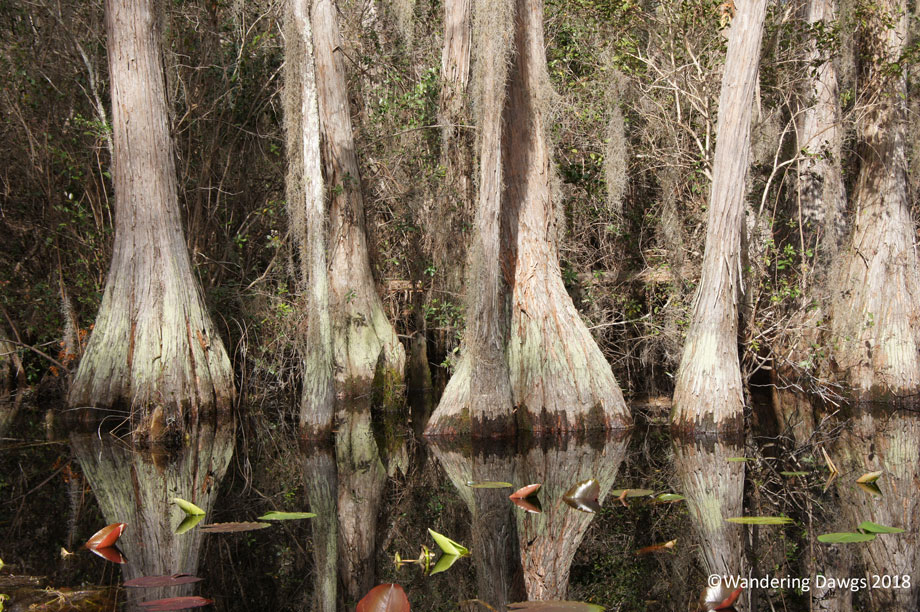
The water winds through ancient cypress trees and water lilies.
Beautiful day in the OkefenokeeCypress Trees in the Okefenokee
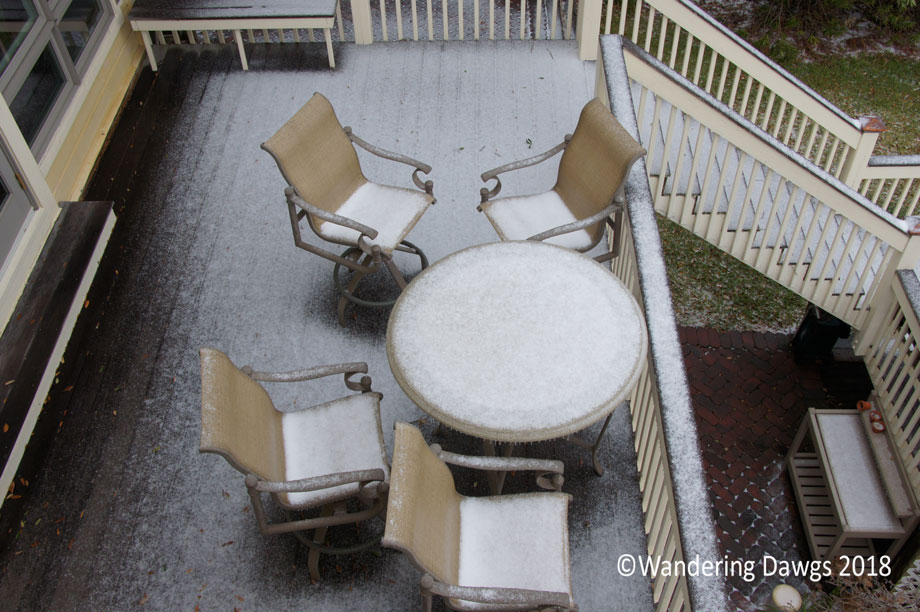
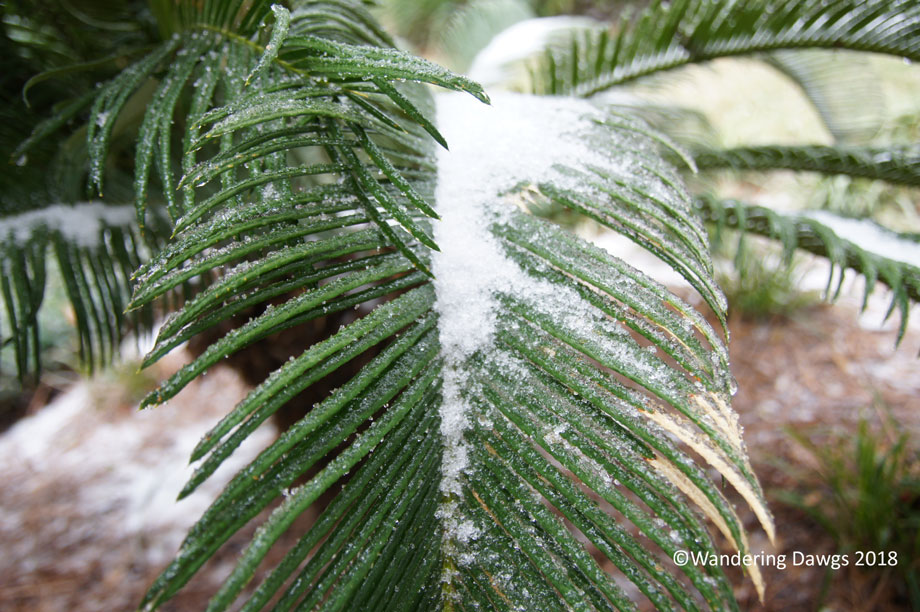
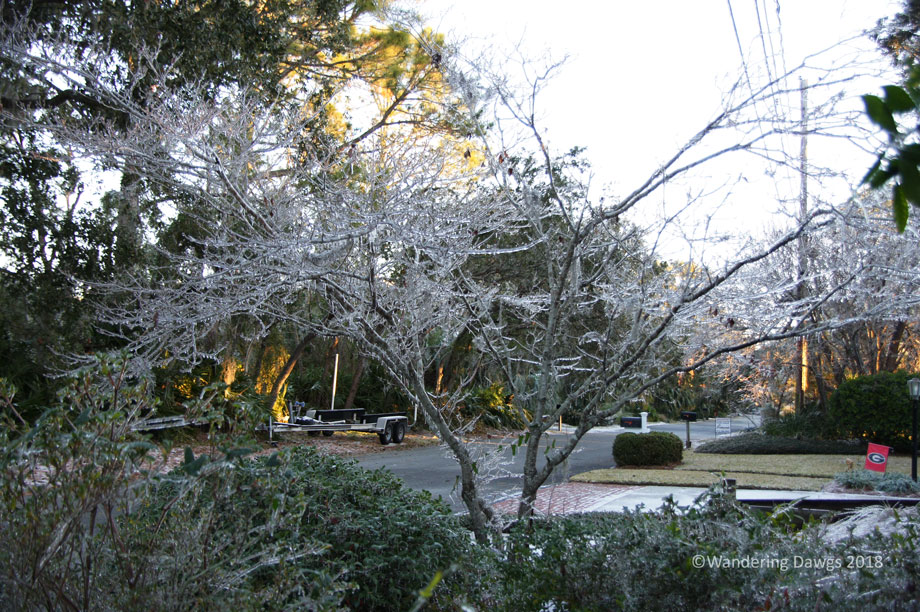
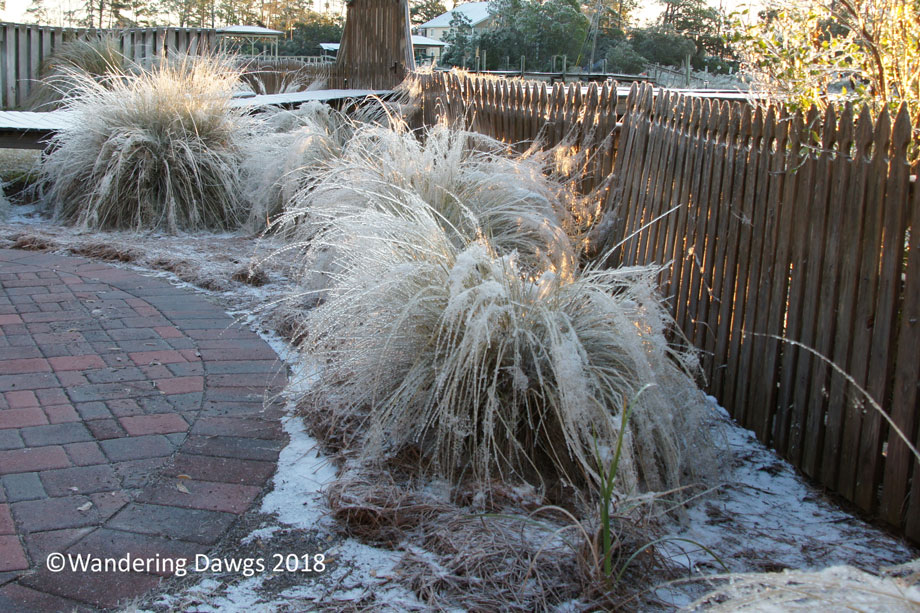
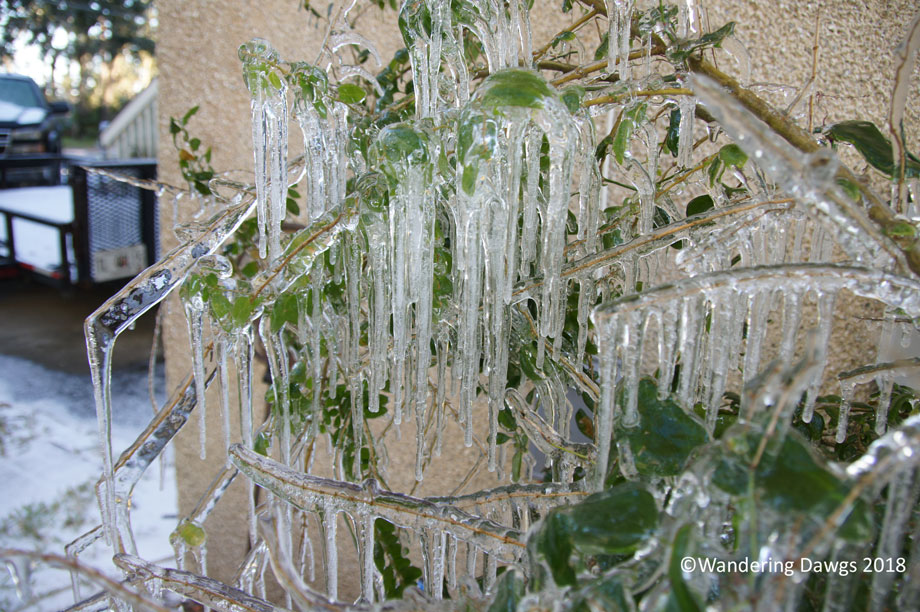
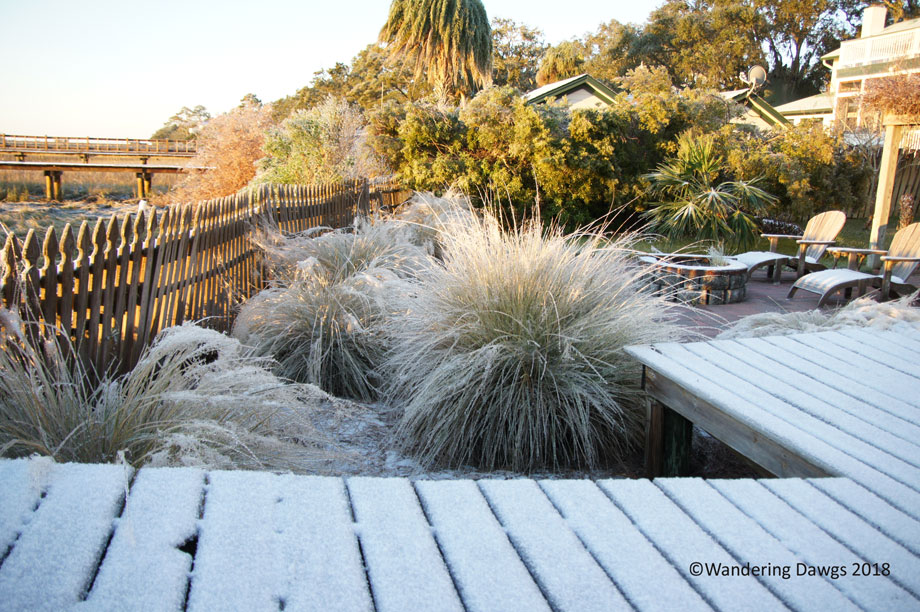
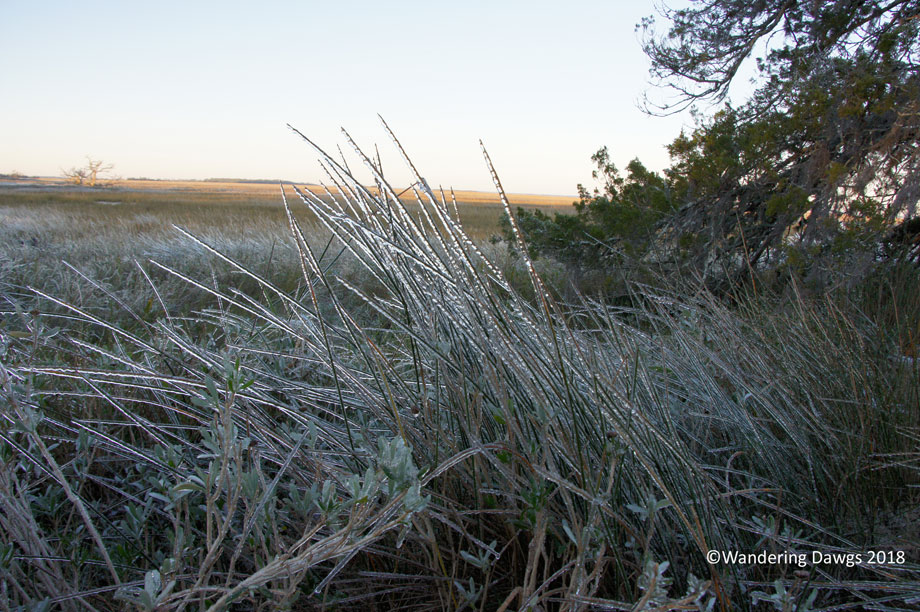
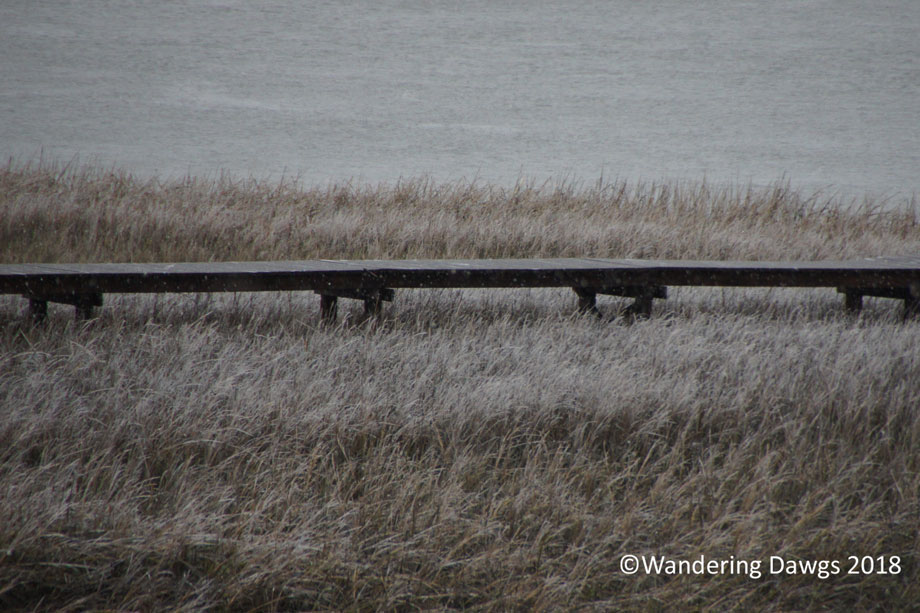
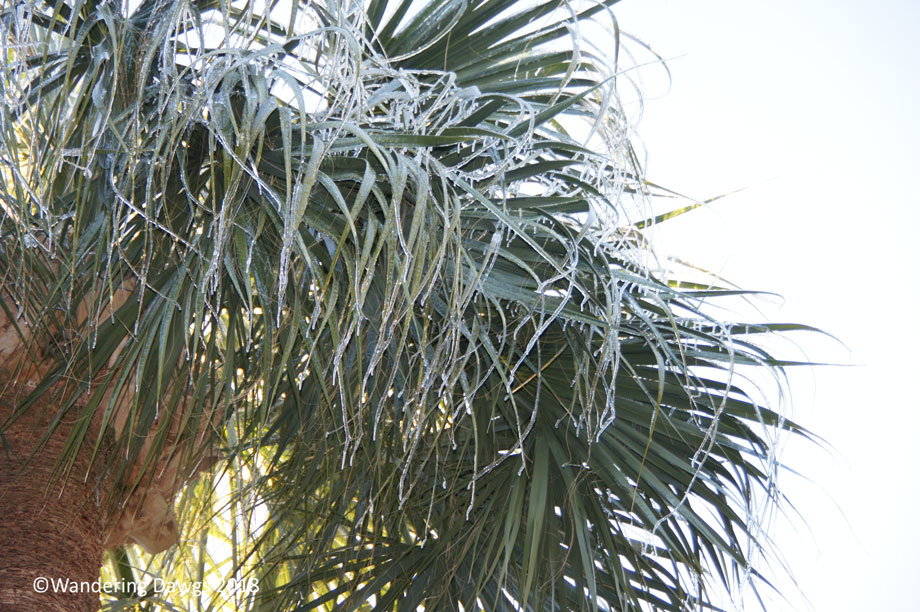
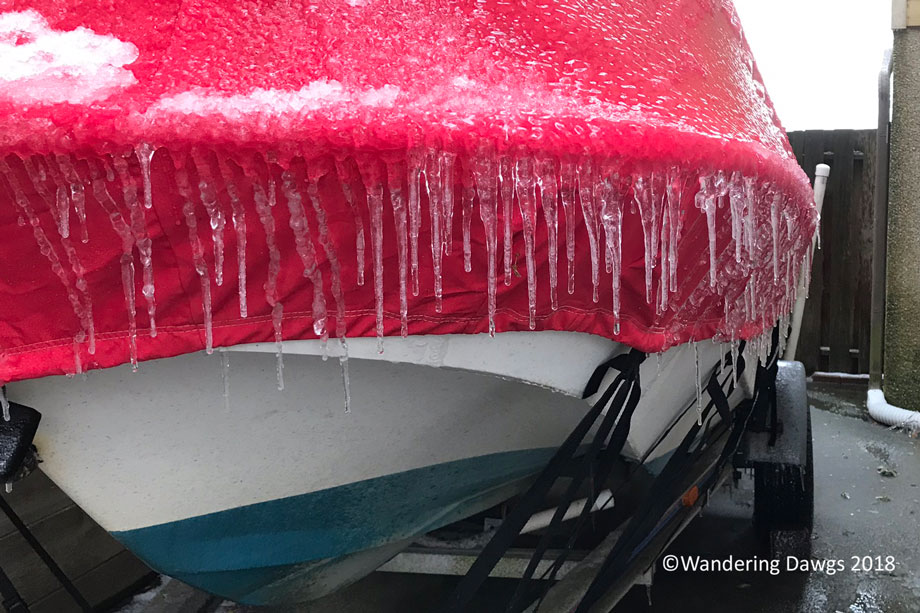
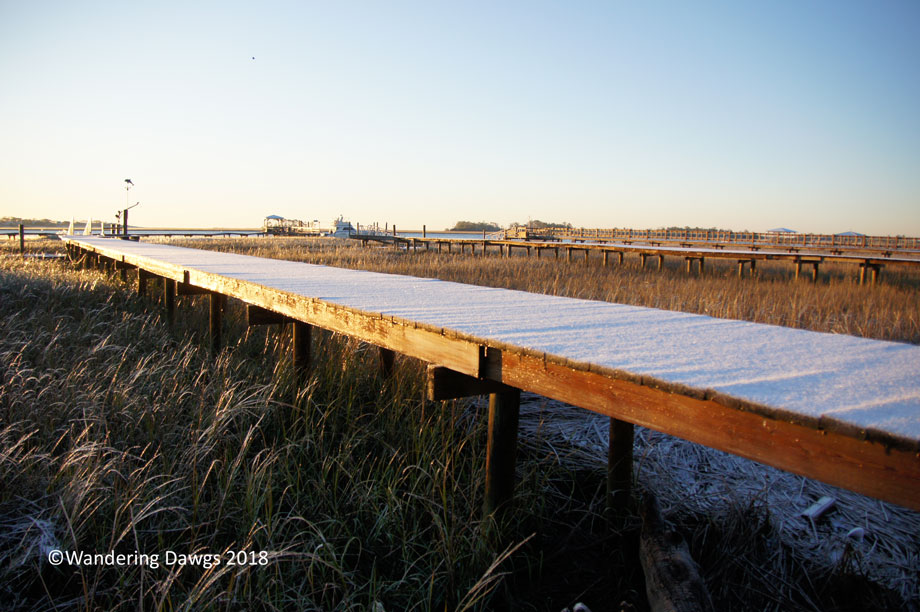
Snow and ice storms are rare in coastal Georgia. The last time we had snow that stuck was a few days before Christmas in 1989.
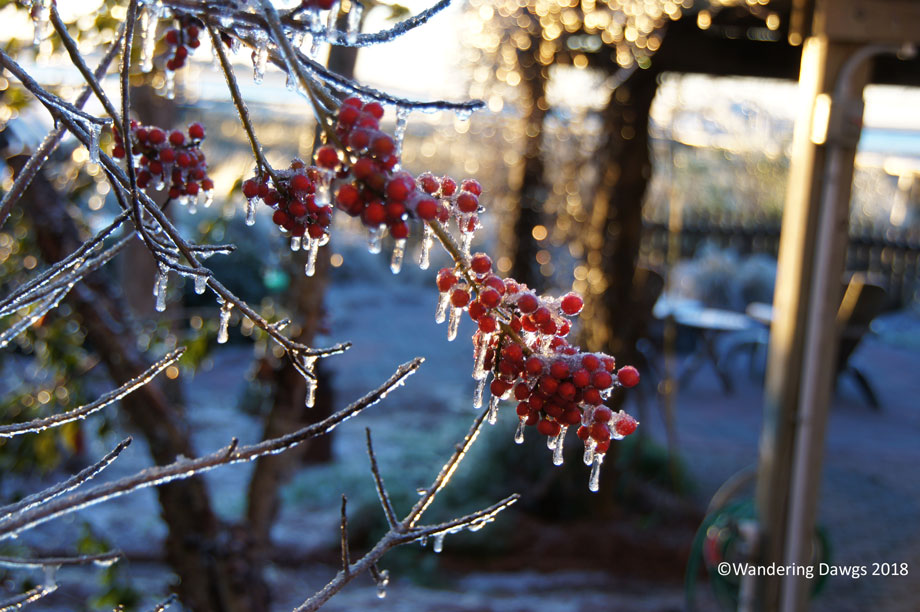
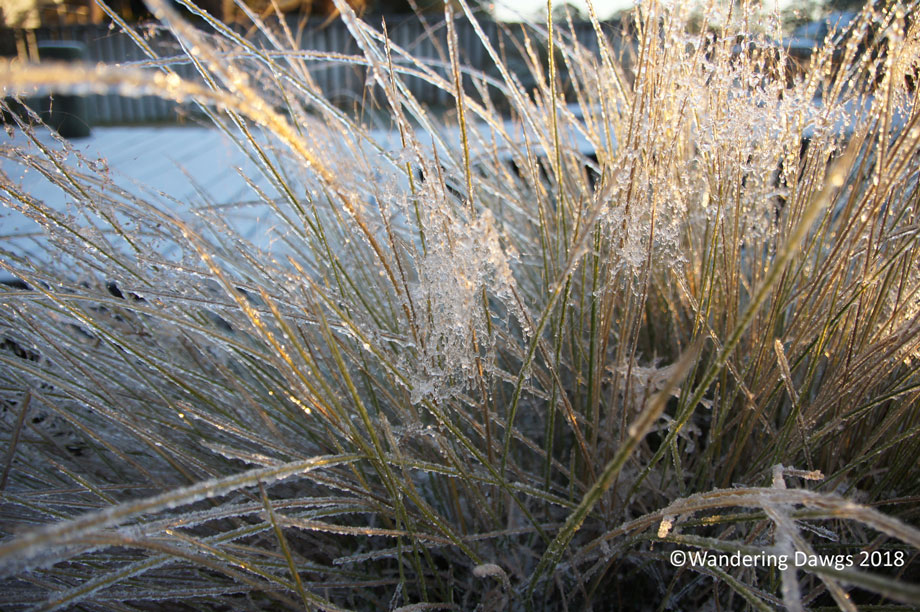
The freezing rain and snow that came through on January 3, 2018 caused road and bridge closures. Schools were out and government offices were closed. Coastal Georgia was transformed into a winter wonderland.
Marsh GrassSnow on the deckSnow covered palm frondsIcy Dogwood TreeIcy Muhly GrassIcicles in JanuarySnow and ice in JanuaryMarsh GrassIce covered salt marshPalm FrondsEven the boat cover was covered with iciclesSnow covered walkway over the marsh