Lens-Artists Photo Challenge #203 – Local Vistas

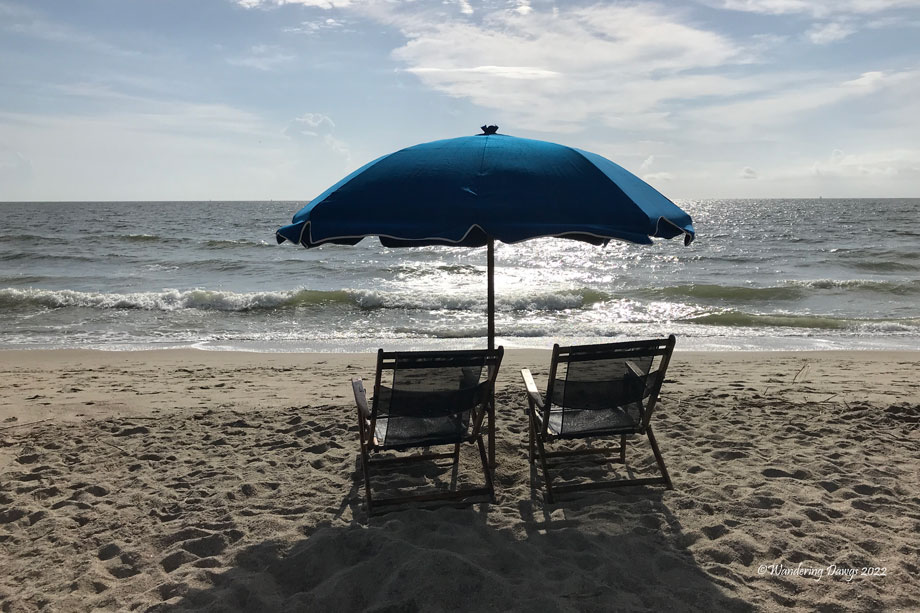
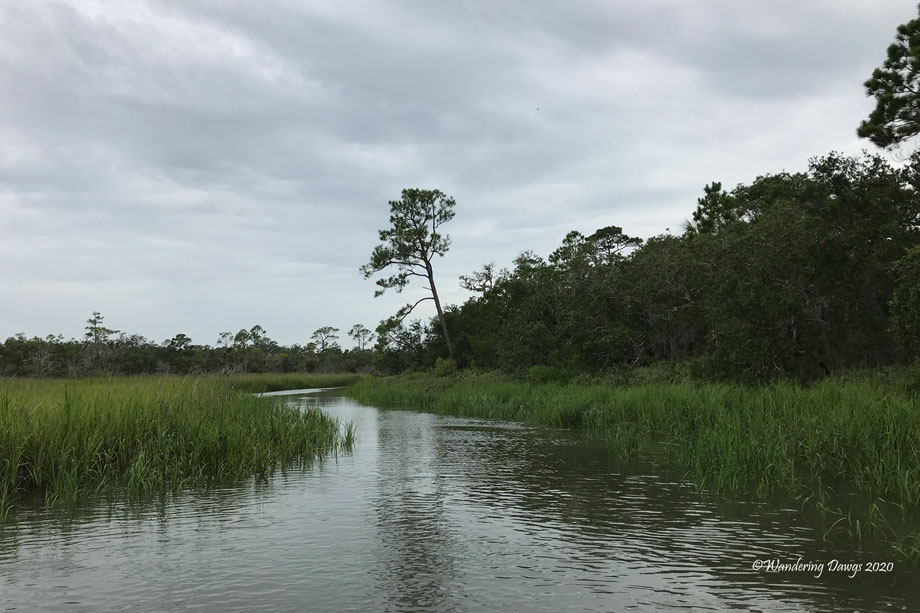
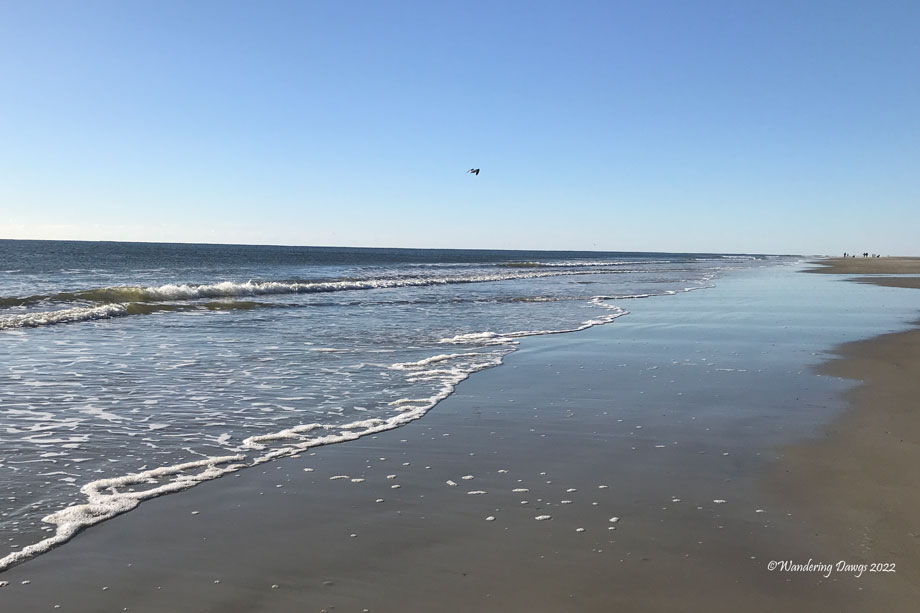
The Georgia coast is about 110 miles long and includes 15 barrier islands, miles of salt marsh, the city of Savannah, historic towns, and beautiful beaches. Jekyll, St. Simons, Sea and Tybee are the only islands accessible by car. The rest of Georgia’s islands can only be reached by boat. Cumberland Island National Seashore and Sapelo Island can each be reached by ferry.

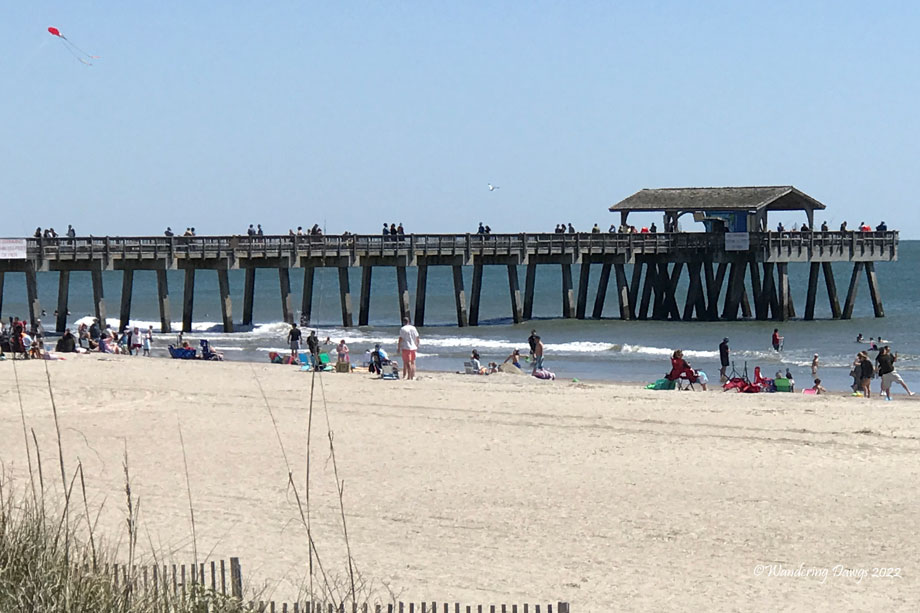
Tybee Island is Georgia’s northernmost barrier island. Just 20 minutes east of downtown Savannah, Tybee is a popular tourist destination with miles of beach, many fun restaurants, the tallest lighthouse in Georgia, and Fort Pulaski National Monument and Cockspur Island Lighthouse nearby.

South of Savannah, St. Simons and Sea Island are the next islands that can be reached by road. With miles of beach, a village area by the fishing pier, Ft. Frederica National Monument, and golf courses, St. Simons is a popular beach destination.
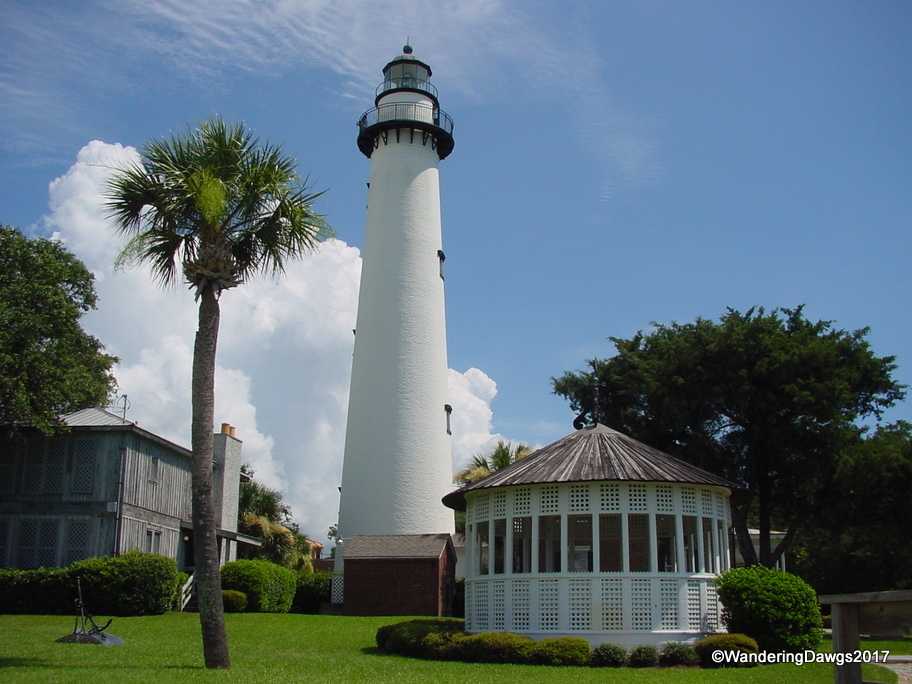
The southernmost island that can be reached by road is Jekyll Island. Jekyll Island was once the winter home for many of America’s wealthiest families. Visitors to Jekyll can see many of these historic homes, ride bikes on its many bike trails, and enjoy its beautiful driftwood beach. Jekyll Island is owned by the state of Georgia.

Most of Sapelo Island is owned by the state of Georgia and is one of the barrier Islands that can only be reached by boat. A ferry runs from near the town of Darien.
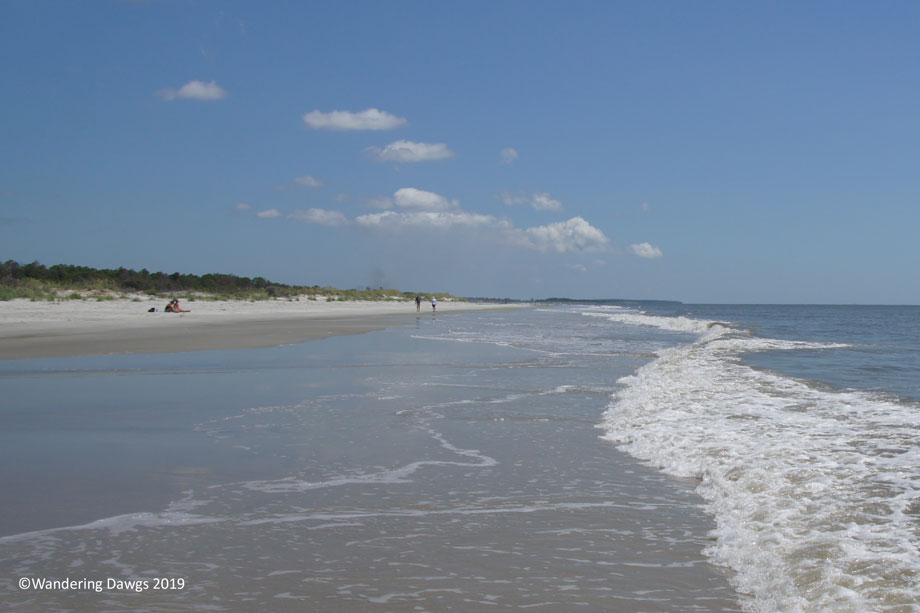
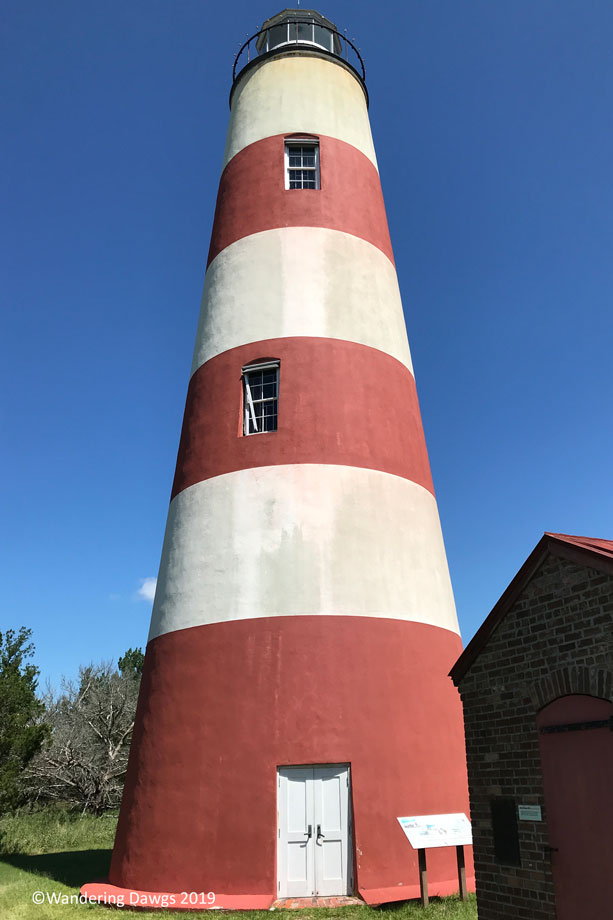
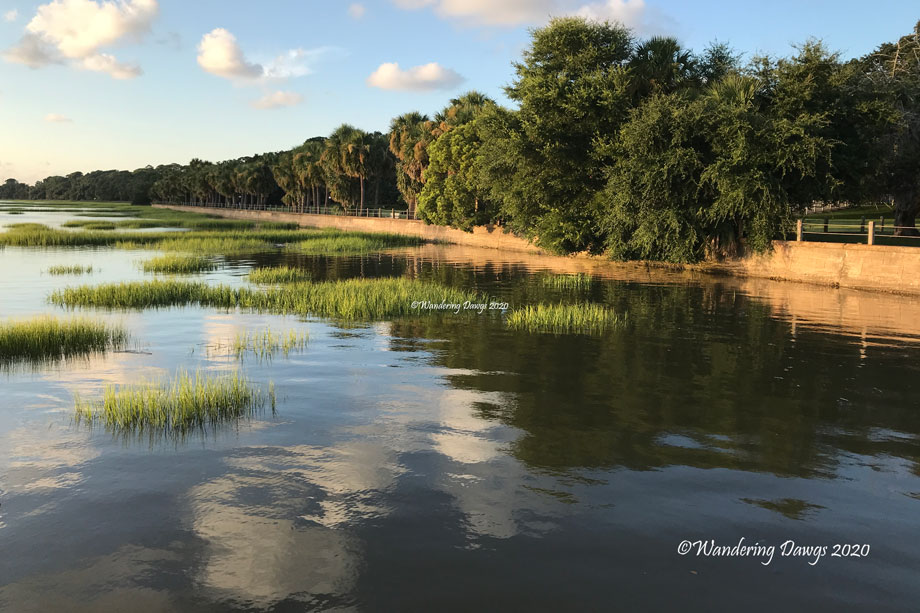
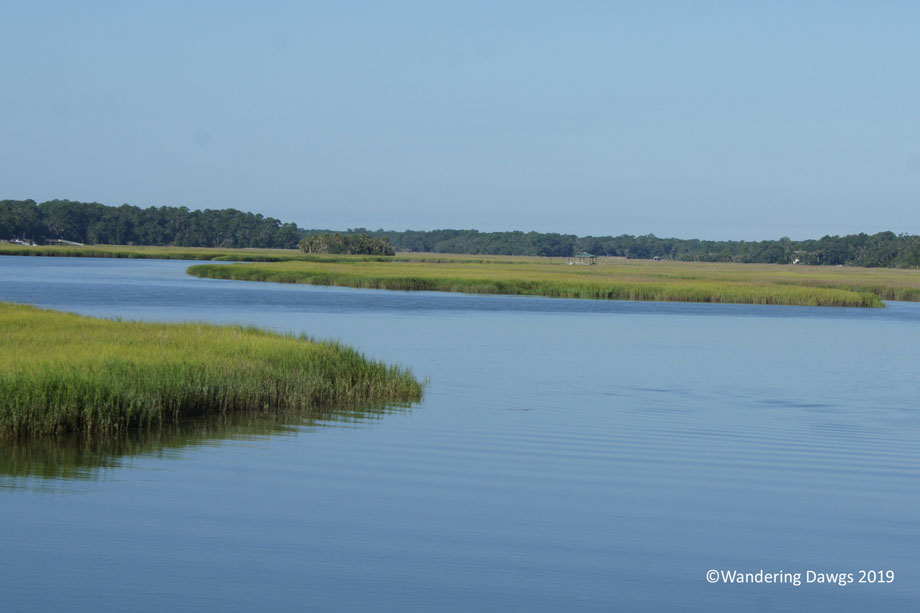
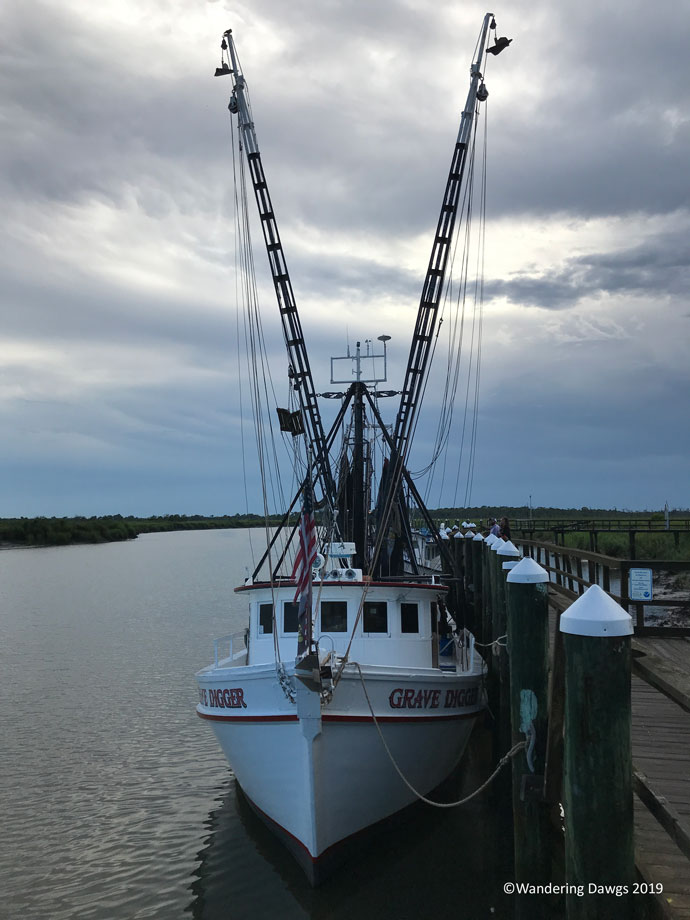
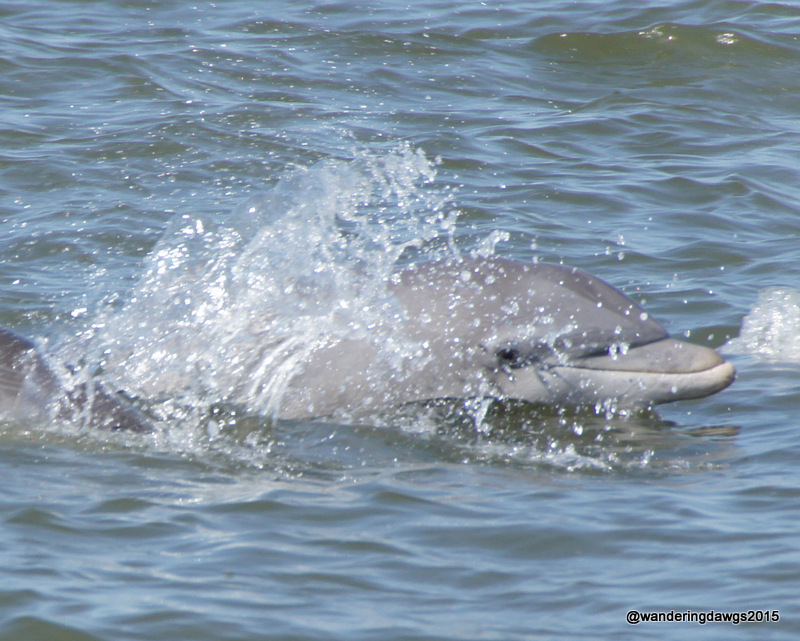
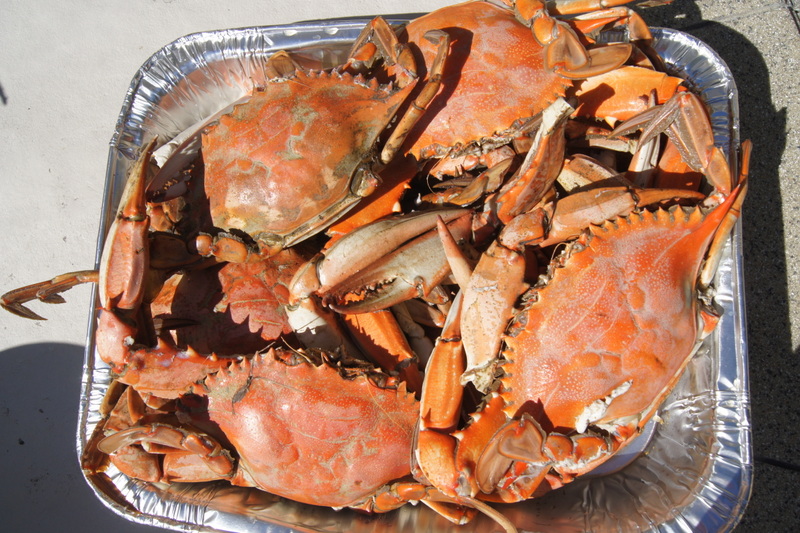
Ancient Live Oaks dripping in Spanish Moss, spring Azaleas, salt marsh, waterways, shrimp boats, fresh seafood, and wild life are all part of what makes coastal Georgia so special.

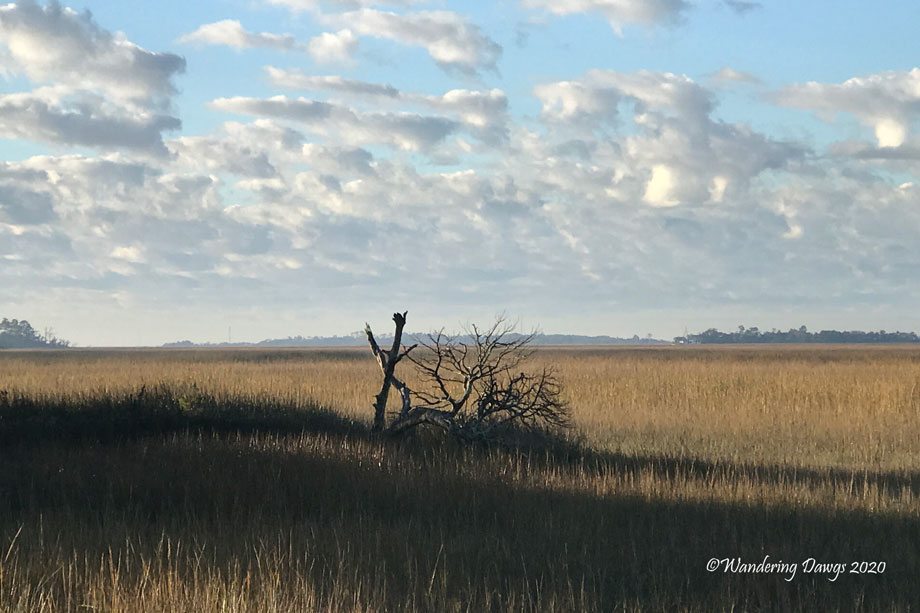
Many thanks to guest host Anne of Slow Shutter Speed for this week’s Lens Artists photo challenge #203:Local Vistas.

Lens-Artists Photo Challenge #199 – Mechanical/Industrial

For this challenge, John asks us to feature mechanical and/or industrial images.

The discovery of gold is an important part of Alaska’s history. Several year ago, as we traveled around Alaska, old abandoned dredges and rusty machinery gave us a glimpse of some of the old machines that were once used to mine for gold.

Dredge 8 in Fairbanks is a popular tourist attraction. Other mining equipment is on display and at the end of the tour visitors can pan for gold.

The Pedro Dredge in Chicken shown below is a National Historic Site. The rusty machinery in the header image is on display at the Chicken Post Office. We drove by an active mining operation near there.

Many thanks to John for the challenge Lens’Artists #199: Mechanical/Industrial

Lens-Artists Photo Challenge #184 – Travel Has Taught Me

“To Travel is to Live” – Hans Christian Andersen

Travel has taught me that there is beauty everywhere you go if you just take the time to look around. When we were traveling by RV, we always had several major destinations for each trip. At first we just drove between destinations without taking much time to enjoy the places in between.

The more trips we took, the more we enjoyed the out of way places that are often overlooked by travelers. Lake Bistineau State Park, Louisiana was one of those places.

Cypress Trees in Lake Bistineau State Park

I’ve learned that traveling opens up opportunities to try new things, even things that terrify me. Our hike to Delicate Arch at Arches National Park is a perfect example of this. I’m scared of heights and almost didn’t make the hike when I read I would have to walk along a narrow ledge with a shear drop off. With Henry’s help and encouragement, I made it. The payoff was this fantastic view.

Delicate Arch in Arches National Park, Utah

I learned that asking a local is the best way to find out about the area, the history, and the out of the way places to visit that don’t show up in tour guides. One year we spent about two months wandering around Texas when the bluebonnets were blooming. A ranger I met in one of the state parks gave us directions to a scenic drive on a dirt road that we would have never discovered if we hadn’t asked.

Texas Bluebonnets

“If you reject the food, ignore the customs, fear the religion and avoid the people, you might better stay home.” -James Michener

Travel has taught me I can learn more about a lot about a place by having conversations with people who live there. At the beautiful Russian Orthodox Church in Ninilchik, Alaska we met two women who manage the gift shop and maintain all the graves. They grew up in Ninilchik together and lived with relatives in Anchorage to attend high school because at the time there was no high school in Ninilchik (there is one today). They graduated together in 1950.

Gift Shop for the Russian Orthadox Church in Ninilchik, Alaska

Travel has taught me to try the local foods. We have enjoyed barbecue beef brisket in Texas, pasties in Michigan, Indian Tacos in South Dakota and Arizona, New Mexico cuisine, local seafood in Florida, Washington and Oregon, pork tenderloin sandwiches in Missouri, Dungeness Crab straight off the boat in Alaska, and so many other delicious things we can’t get at home.

Dungeness Crab, Haines, Alaska

“Twenty years from now you will be more disappointed by the things that you didn’t do than by the ones you did do. So throw off the bowlines. Sail away from the safe harbor. Catch the trade winds in your sails. Explore. Dream. Discover.”― Mark Twain

Mark Twain’s quote describes exactly why Henry and I chose to go on our cruise in January. I’ve learned that every day is a gift. None of us know what tomorrow will bring. A single phone call, doctor’s visit, or an unexpected event can change your life in an instant.

St. Kitts

“Life is either a great adventure or nothing: – Helen Keller

Many thanks for Amy’s challenge Lens’Artists #184: Travel has taught me

Weekend in the Country

We recently spent a weekend at a super secret hideaway we go to several times a year. I can’t tell you exactly where it is because then it wouldn’t be a secret!

During my quiet morning walks I wandered along the edge of the woods and beside a creek I felt like I was miles away from civilization. I was constantly on the lookout for bunnies, white tailed deer, wild turkeys, and other wildlife. There were a few deer and wild turkey sightings but sadly I didn’t have my camera handy when I spotted them.

One of the things we we like to do when we are there is to go four wheeling through the woods. One afternoon a friend came by on his four wheeler to take us on some new to us trails. Our adventure was all on beautiful, undeveloped private property. Our friend started off the tour by crossing a creek into land we had never seen before. For most of the ride we were surrounded by a dense pine and hardwood forest with many old trees.

We came out of the woods and passed by fields of corn before stopping for an up close look at a sunflower field.

On our return trip we parked the Ranger in the middle of the creek, turned off the engine, and enjoyed the peaceful sound of the water running over the rocks.

Another day we took a drive to Milledgeville to explore the abandoned buildings of Central State Hospital. Founded in 1842, the hospital was originally known as the Georgia State Lunatic, Idiot, and Epileptic Asylum. At one time there were over 12,000 patients in the facility making it the largest mental institution in the United States and possibly in the world. They were housed in numerous buildings spread out over about 2,000 acres. Today, most of the buildings are abandoned and neglected.

We took a self guided driving tour around the grounds. Our first stop was the Powell Building which once housed some of the patients and later was an administrative building. The buildings are all closed to the public but visitors can walk around for a closer look. A security guard was patrolling the property and advised us to stay away from dangerous areas which are in need of repairs.

Vines creep up the front of the building. I could just imagine the patients in those rooms, peering out their windows at the outside world. I noticed that some windows had curtains while some had blinds. I wondered if the patients were allowed to decorate their own rooms.

We followed behind the security guard’s car to the Cedar Grove Cemetery where there are over 25,000 graves.

Today part of the hospital is a maximum secure Forensics facility which provides care for around 300 people who are referred by Georgia State Corrections.

We explored on our own on a Sunday afternoon. On certain days trolley tours of the hospital campus are offered.