We’re not traveling as much in our fifth wheel anymore so I thought it would be fun to relive some of our most memorable days from previous RV trips.
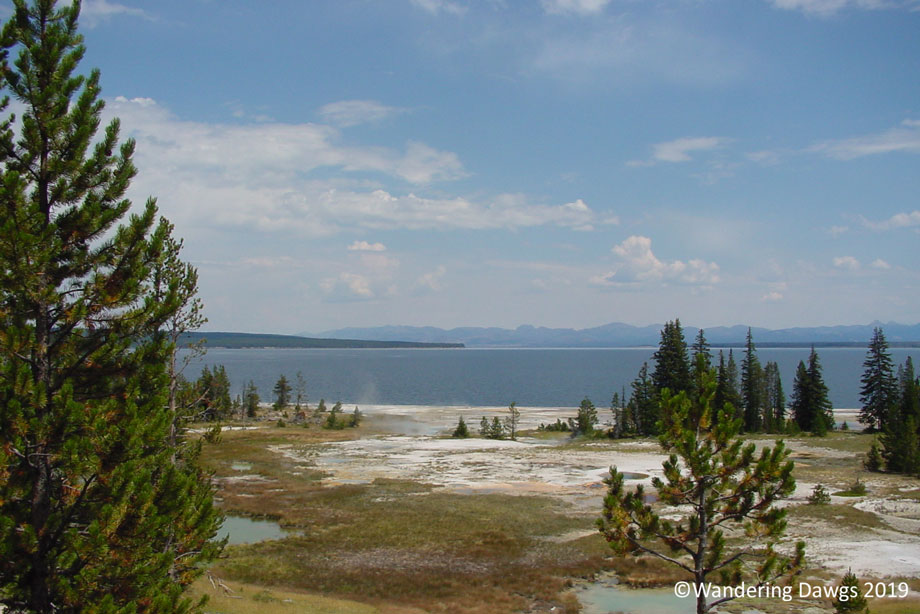
Flashback to our first RV trip in the summer of 2006. On this day 13 years ago, August 8, 2006, the Wandering Dawgs were enjoying the wonders of Yellowstone National Park, America’s first national park.
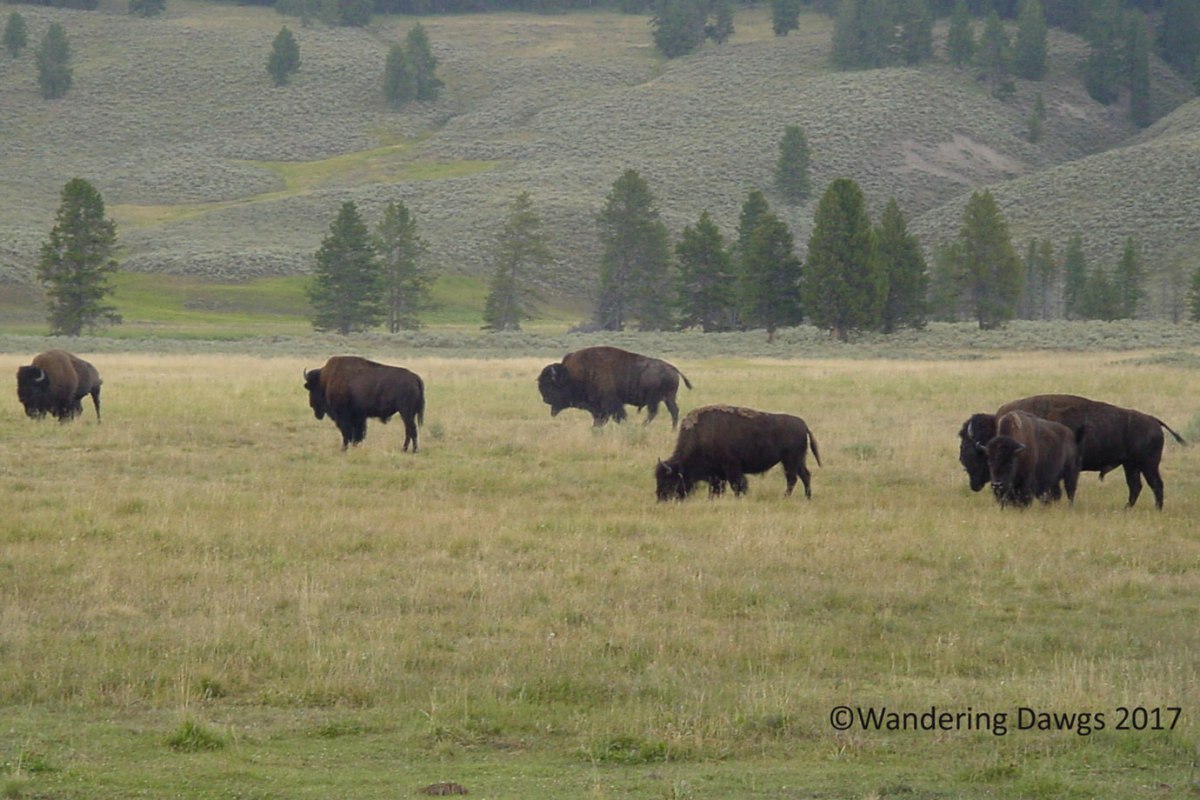
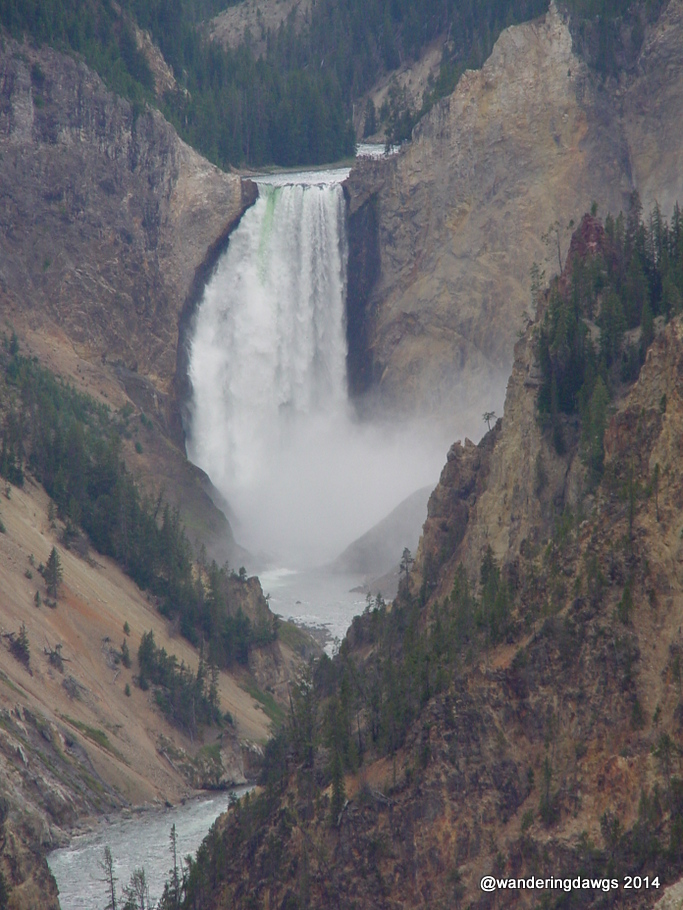
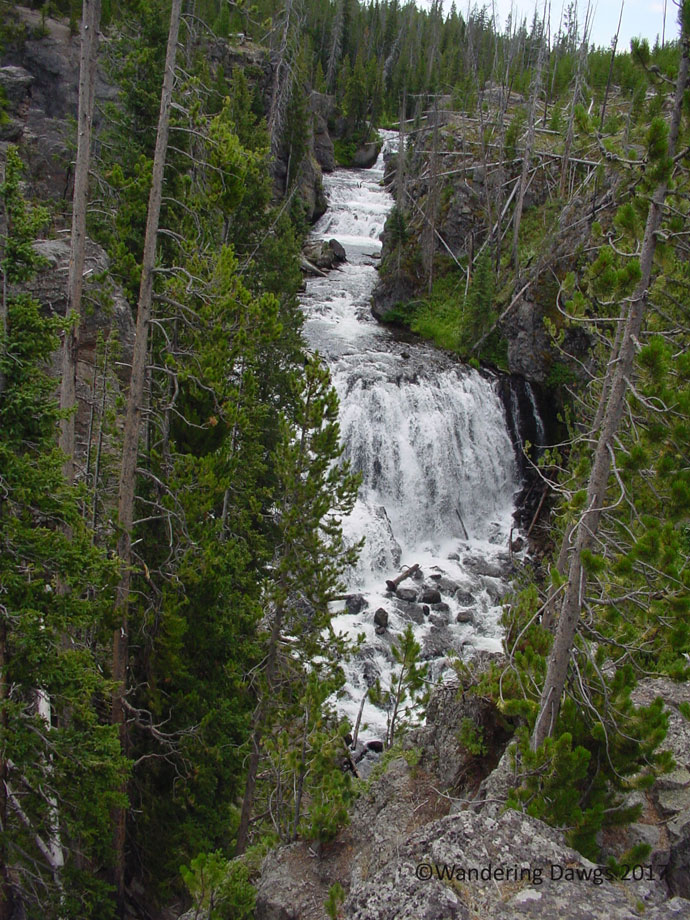
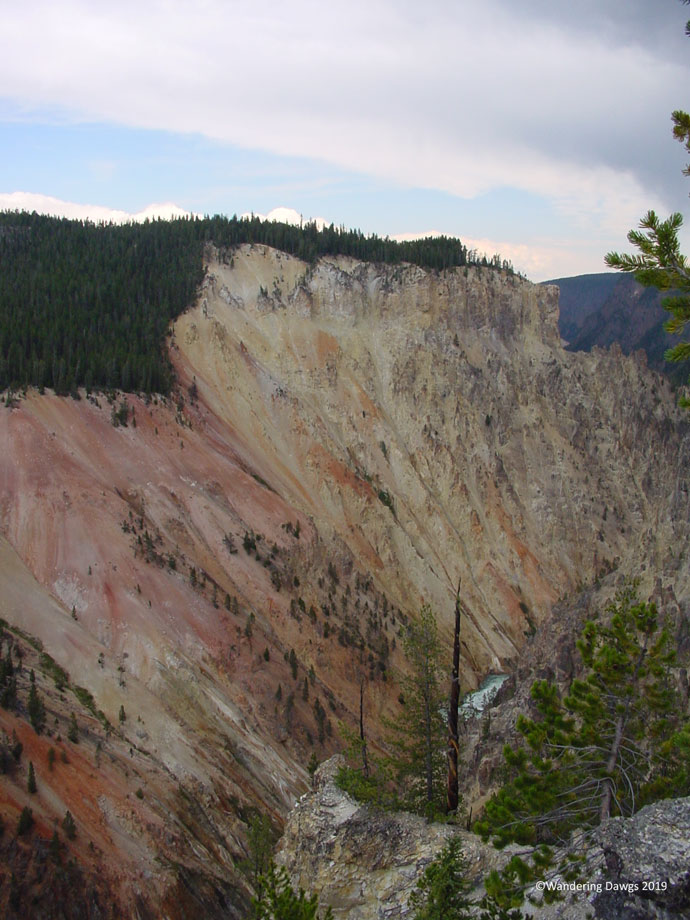
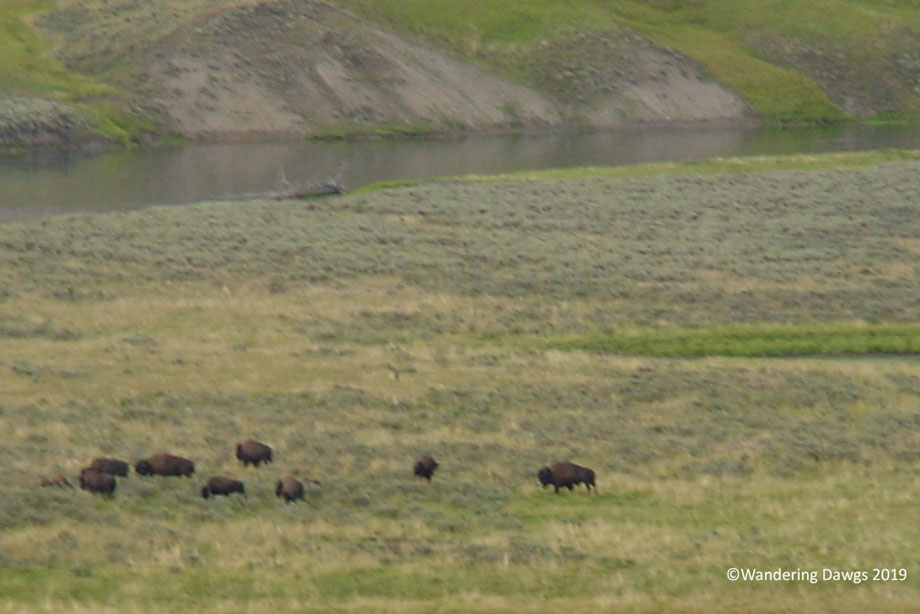
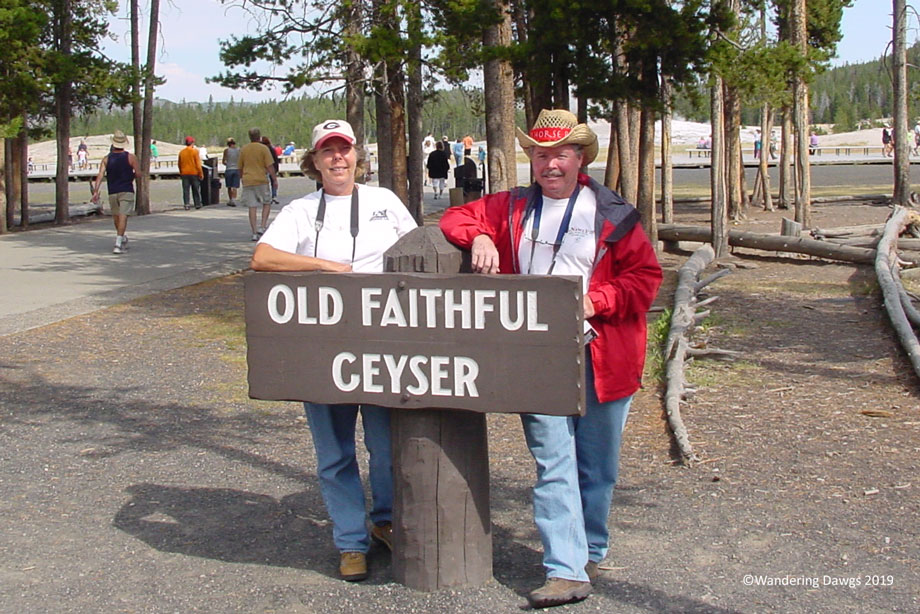
That day we watched Old Faithful erupt and drove the Lower Loop Road where we saw Bison herds (American Buffalo), waterfalls, and spectacular scenery. It was one of our most memorable days from all of our RV travels.
Old Faithful (Wyoming)Bison in Yellowstone National Park (Wyoming)Lower Yellowstone Falls in Yellowstone National Park (Wyoming)Waterfall along Yellowstone Lower Loop RoadView on Lower Loop Road, Yellowstone National ParkYellowstone National Park, WyomingBison at Yellowstone National Park, WyomingWandering Dawgs at Old Faithful Geyser in Yellowstone National Park in 2006
We spent about a week camping outside of Yellowstone National Park and spent most of those days exploring the park.
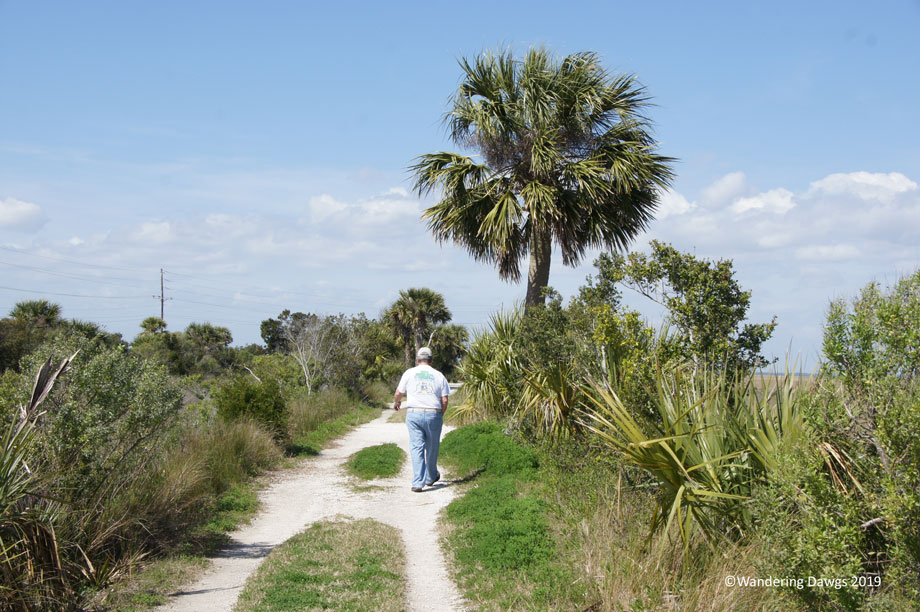
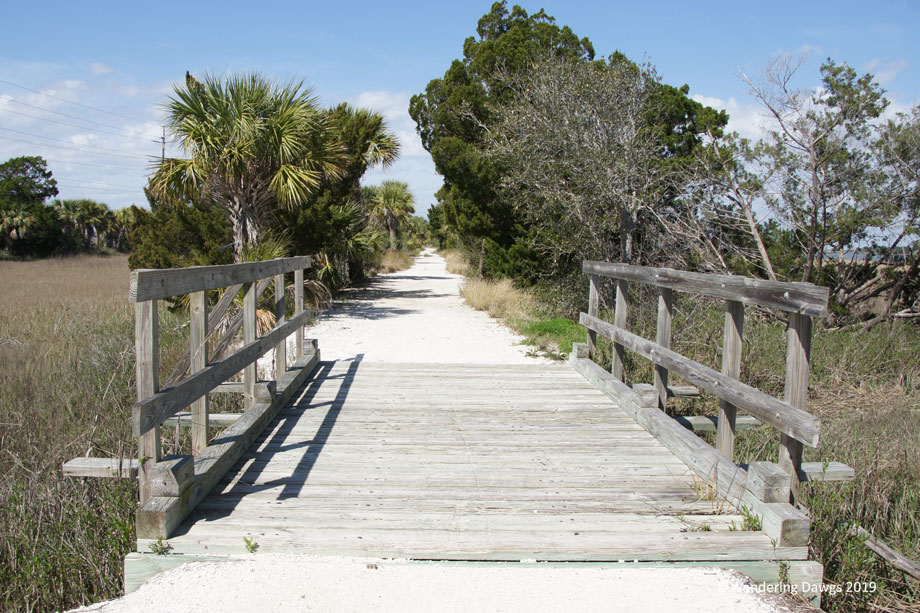
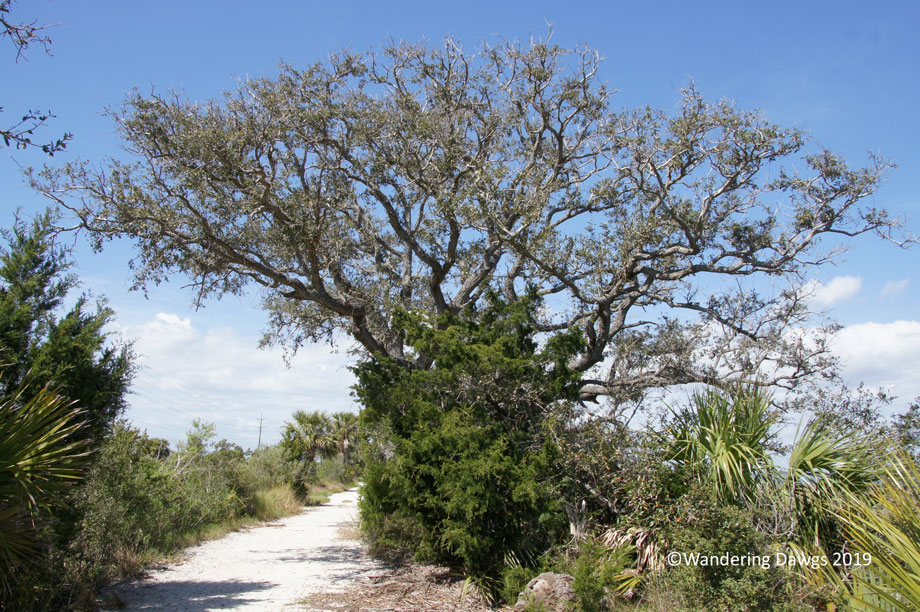
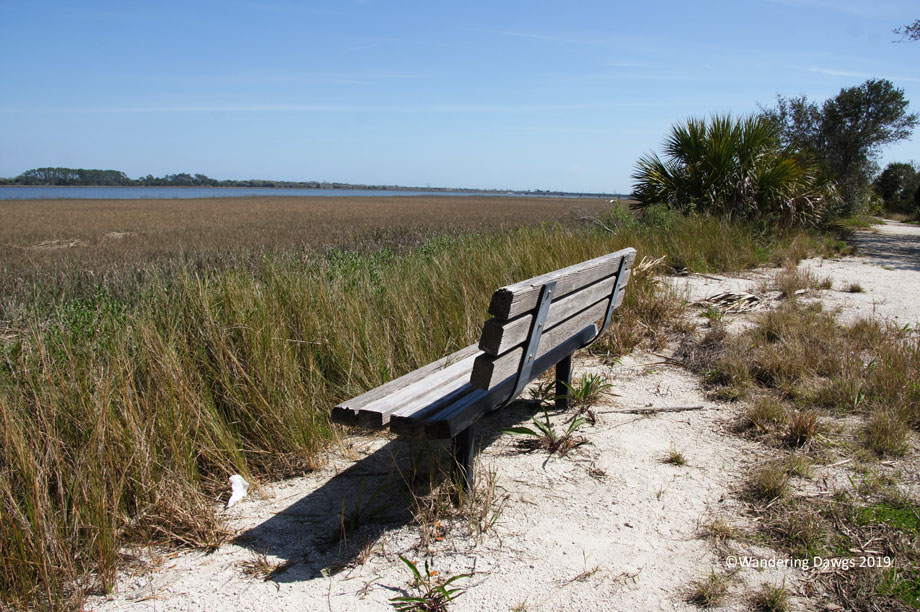
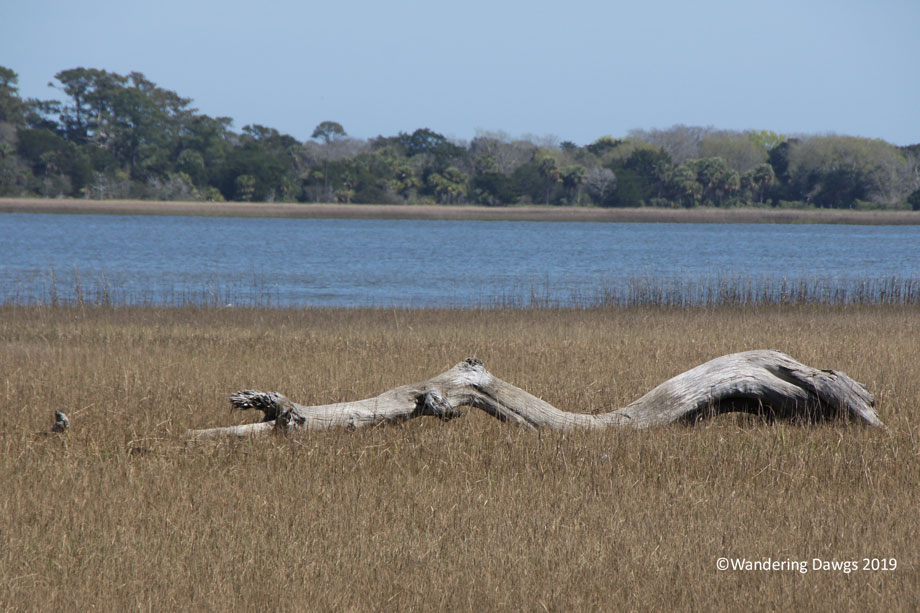
The Rails-to-Trails Conservancy nonprofit organization has created a nationwide network of trails from former rail lines. The McQueen’s – Tybee Island Trail near Savannah, Georgia is one of the those trails. The gravel trail is a popular place for walking, biking and jogging.
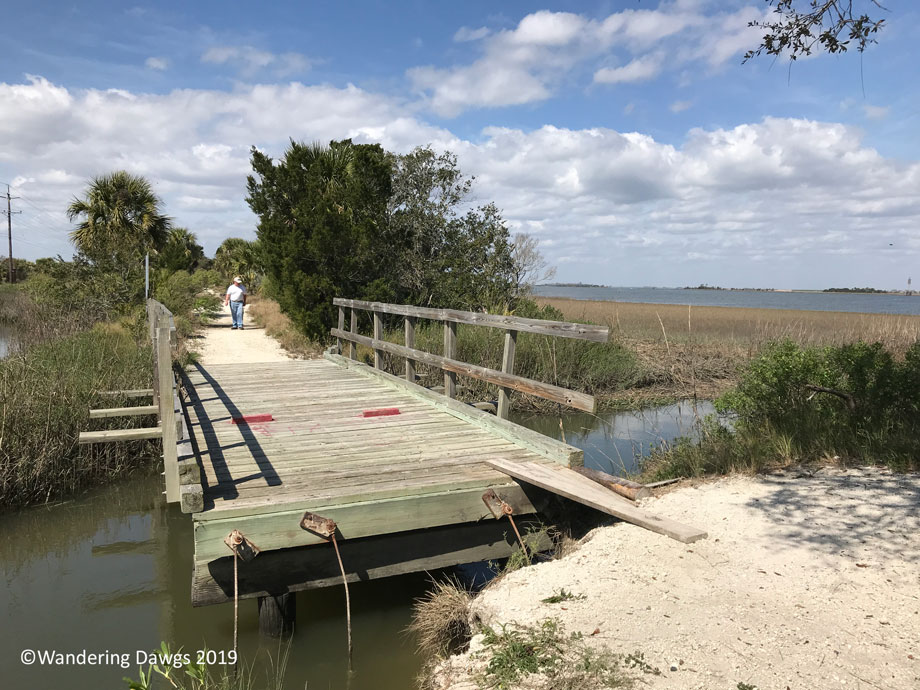
The trail suffered extensive damage in 2016 when Hurricane Matthew came through the area in October. Less that a year later, Hurricane Irma caused more damage. The work to repair the damage is still not complete and parts of trail are closed.
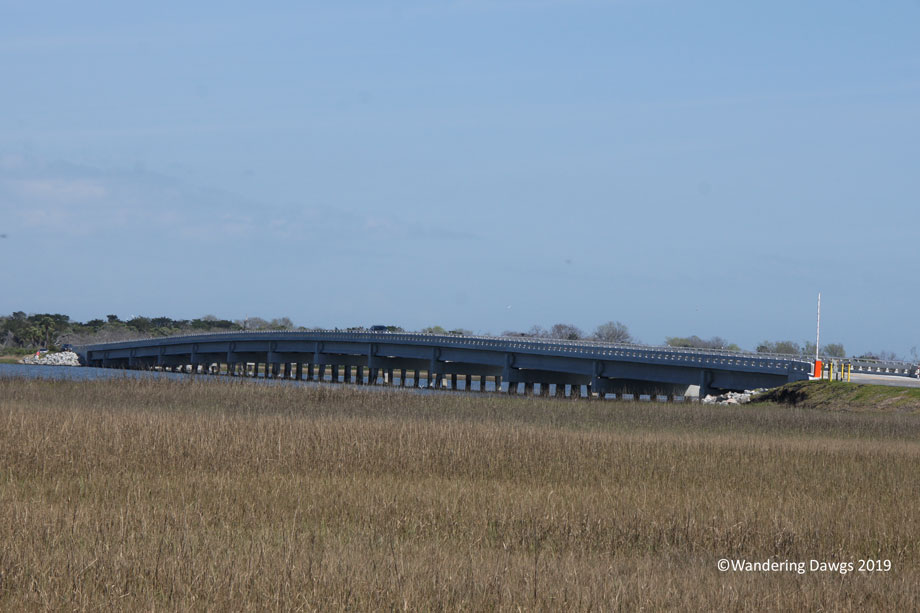
As of now, the only access to the trail is a parking area at the trailhead near the entrance to Fort Pulaski National Monument. Starting at the trailhead, we walked until we came to a damaged bridge that still can be crossed safely. In all we went about about a mile and a half round trip.
The bridge to Fort Pulaski National Monument as seen from McQueens – Tybee Island Rails To Trails, Savannah, GAMcQueens – Tybee Island Rails To Trails, Savannah, GAMcQueens – Tybee Island Rails To Trails, Savannah, GAMcQueens – Tybee Island Rails To Trails, Savannah, GAThis bridge was damaged during one of the storms that went through the areaA great place to sit and enjoy the viewDriftwood in the salt marsh beside the trail
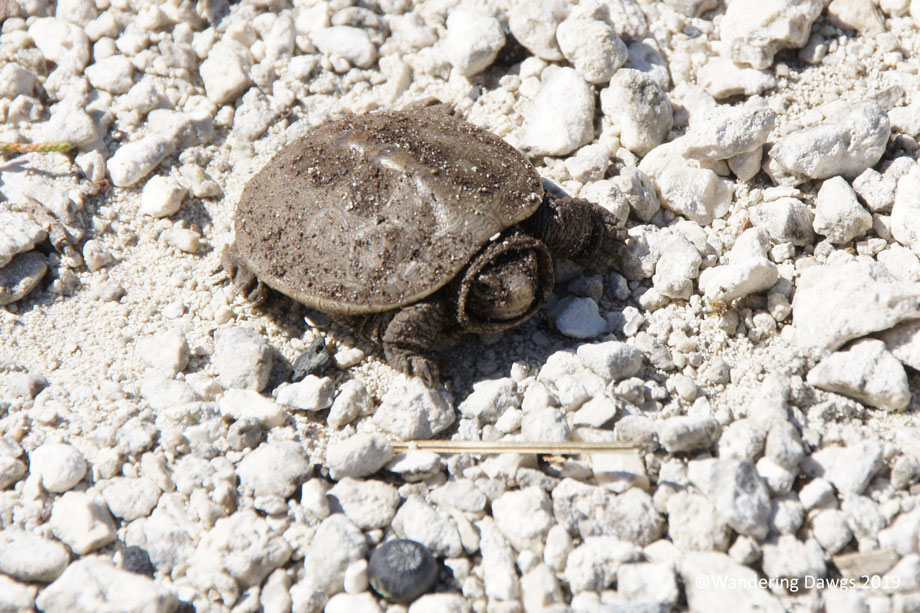
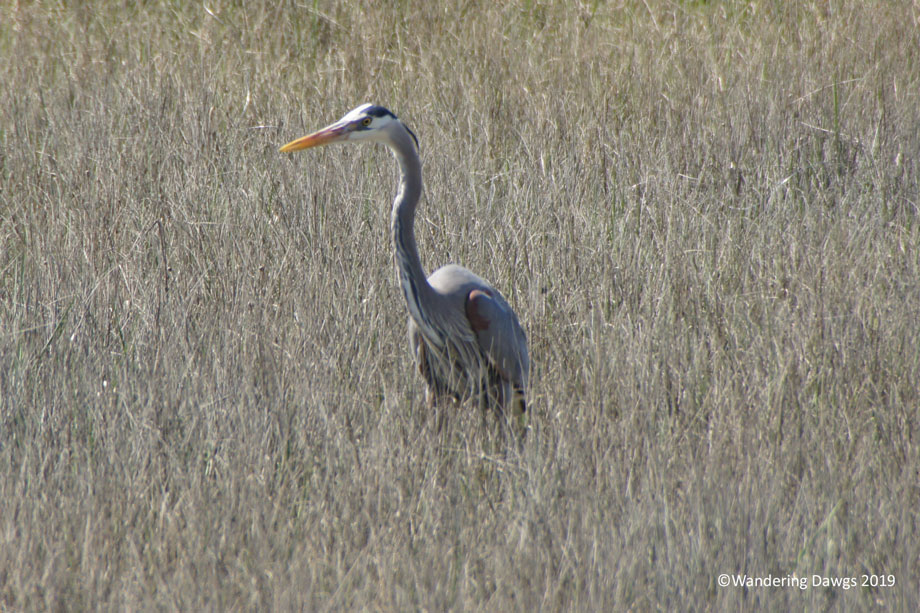
We spied some wildlife along the trail.
This little diamond back terrapin was crossing the trail in front of usGreat blue heron in the salt marsh beside the trail
It was a gorgeous March day to get out and explore close to home.
It’s been over 40 years since we last camped in Anastasia State Park. We were camping in a tent with our kids and back then you could drive on the beach.
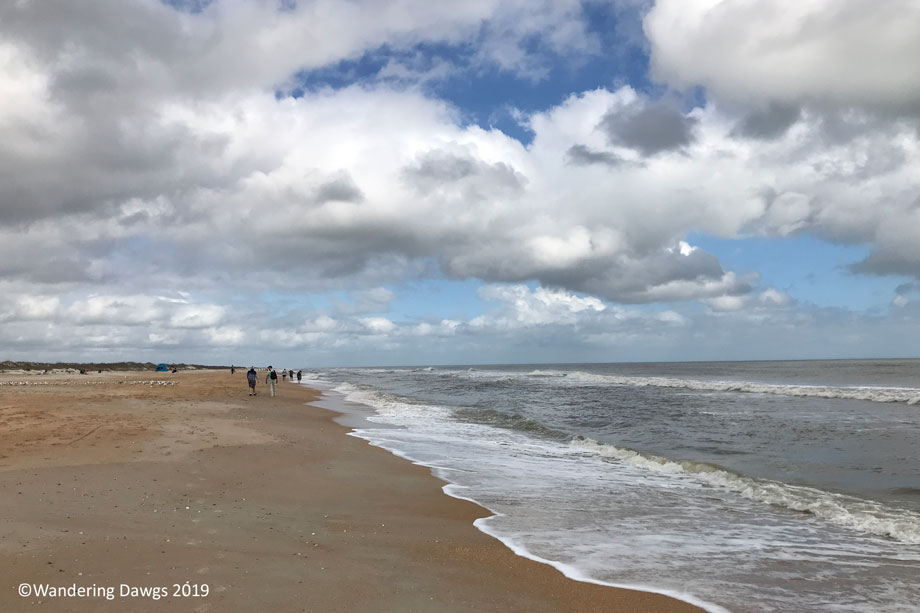
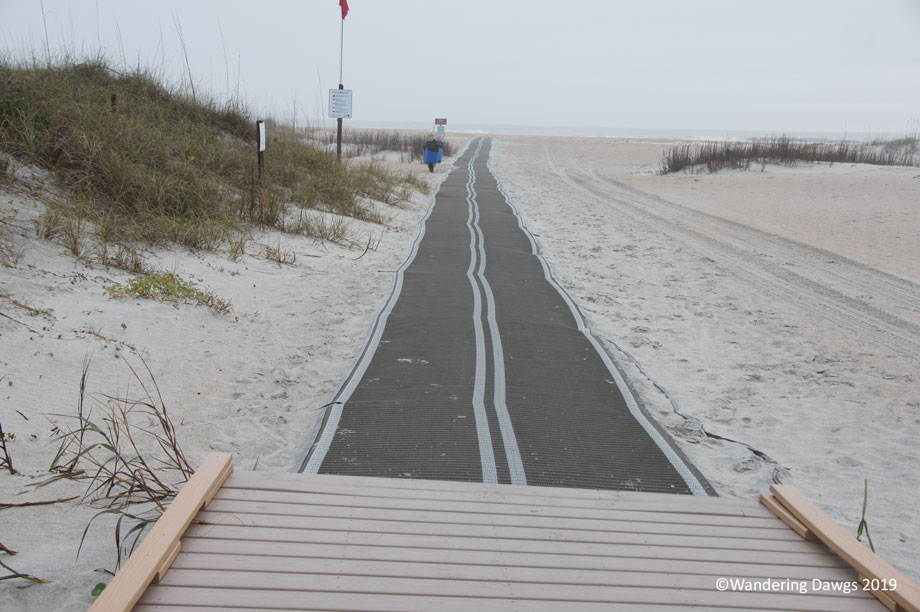
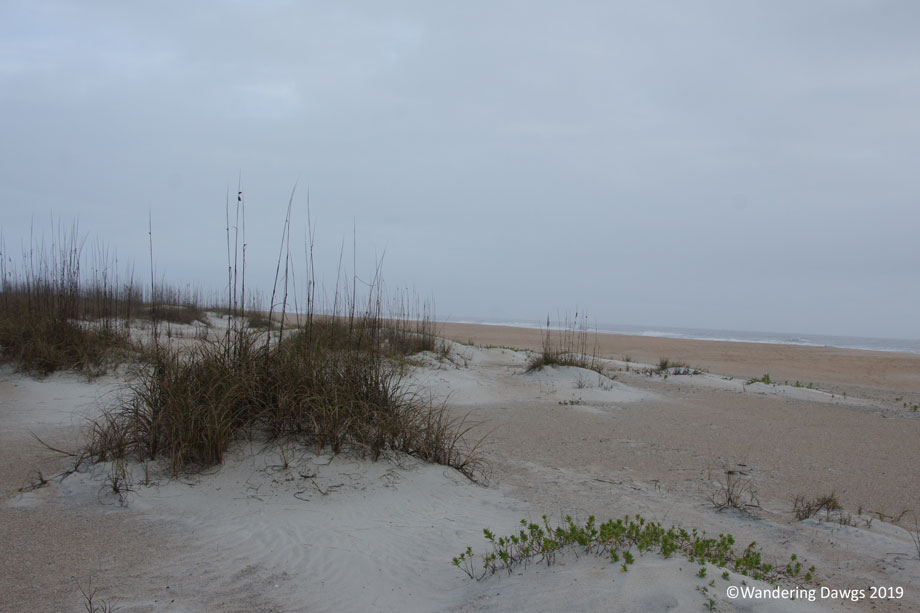
Today there is no more driving on the beach in the state park. Instead, there is a huge parking area with walkways over the dunes and a wheelchair accessible beach mat to the beach.
It was chilly, foggy and raining during most of our stay. On the first sunny day we went exploring. After a drive south on famous highway A1A, we headed to the Saint Augustine Alligator Farm Zoological Park.
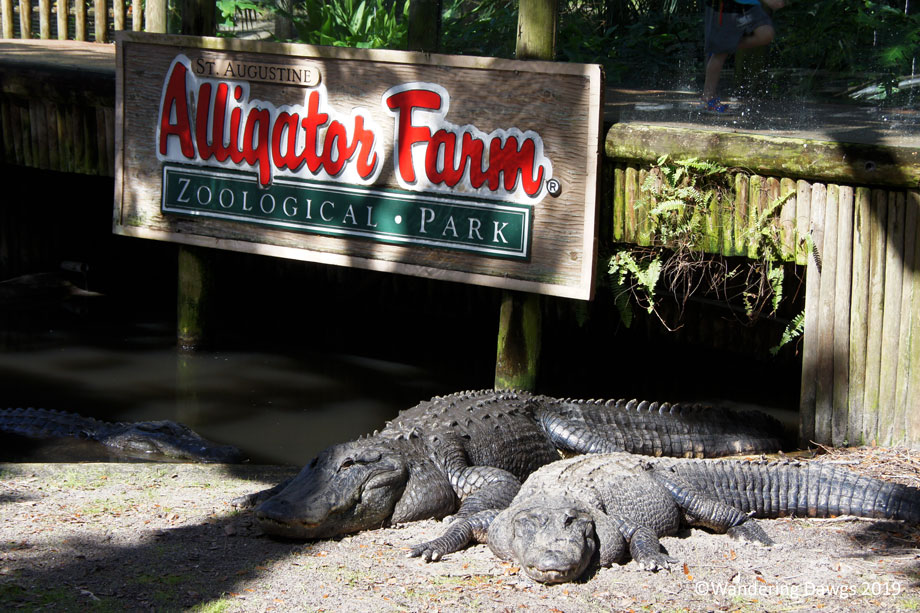
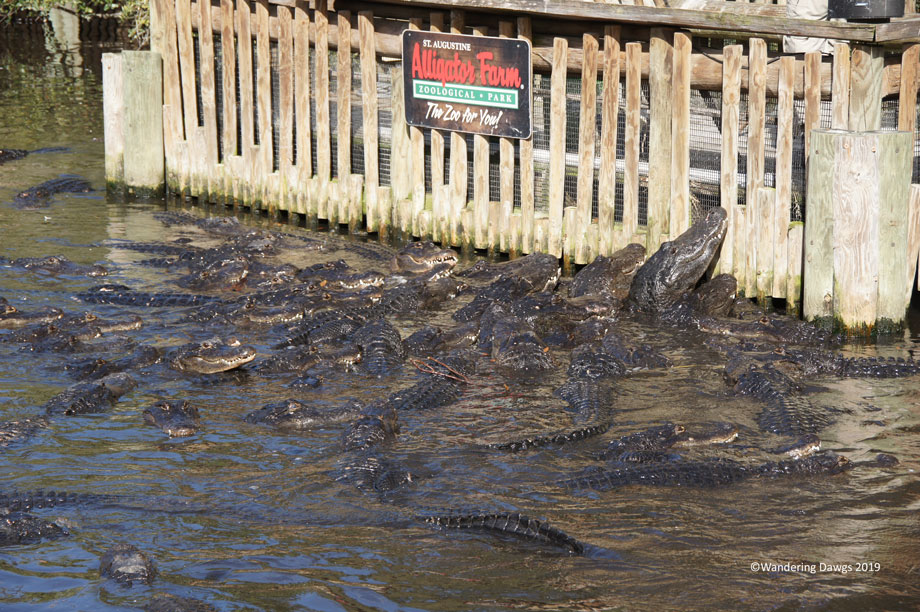
Founded in 1893, the Alligator Farm started out with just a few exhibits of Florida reptiles. It has expanded over the years to include not only reptiles but also birds and mammals from all around the world. Today, in addition to the educational shows and exhibits, it is also used for research.
As we wandered through the zoo toward the Native Swamp and Rookery to see the nesting birds (I posted about them here) we stopped to observe the many varieties of animal life.
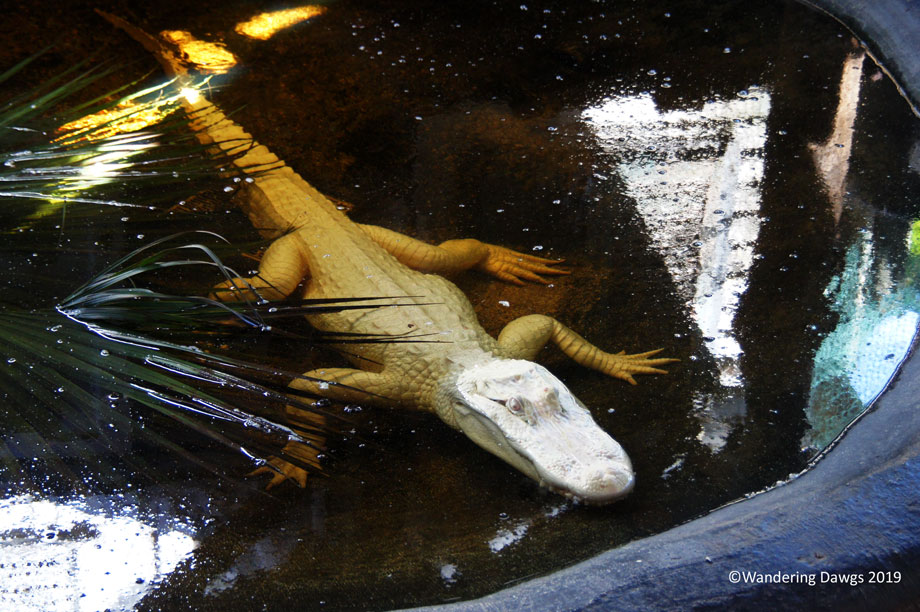
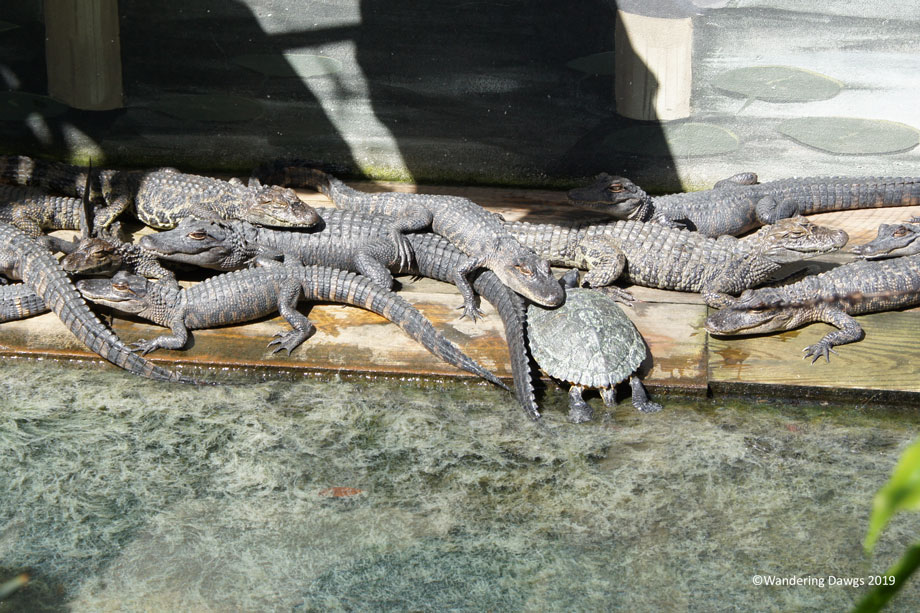
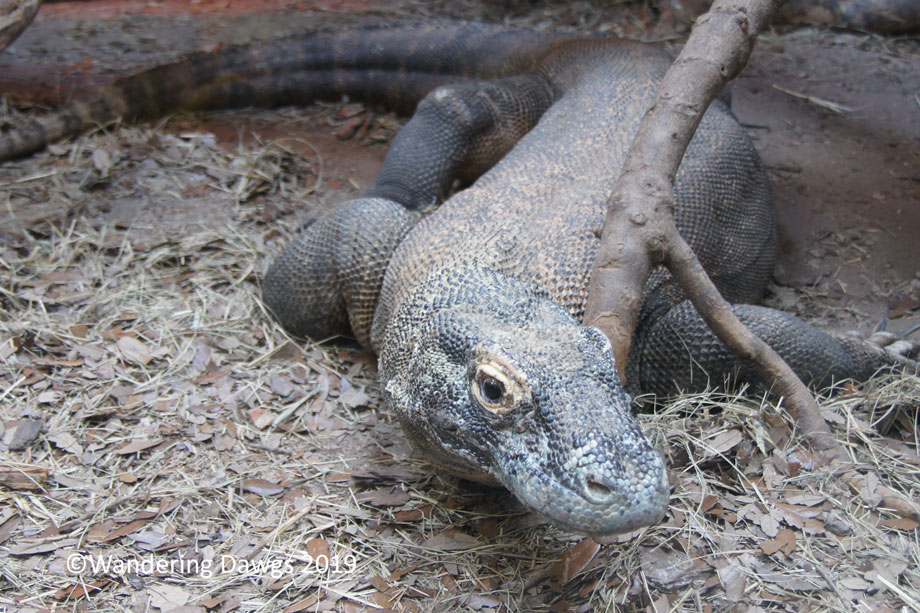
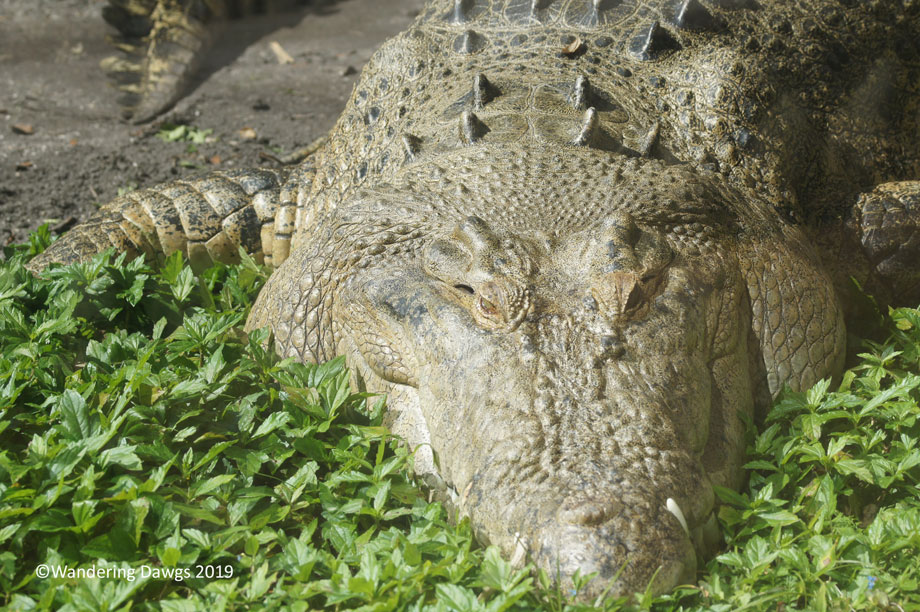
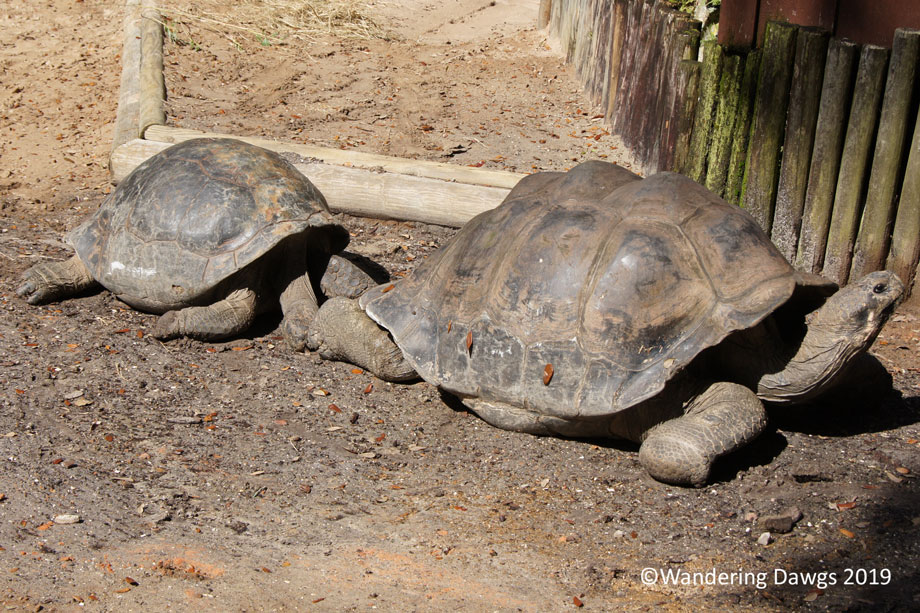
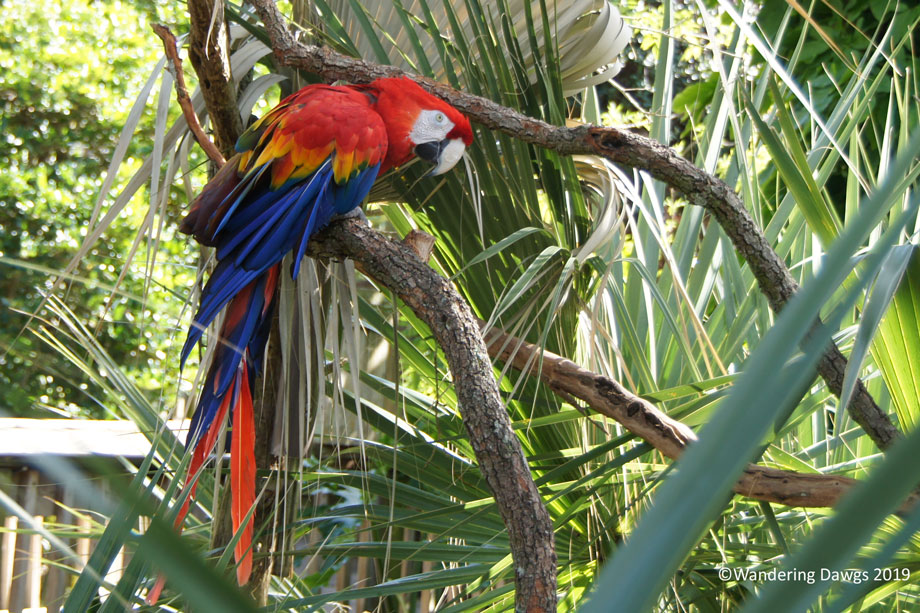
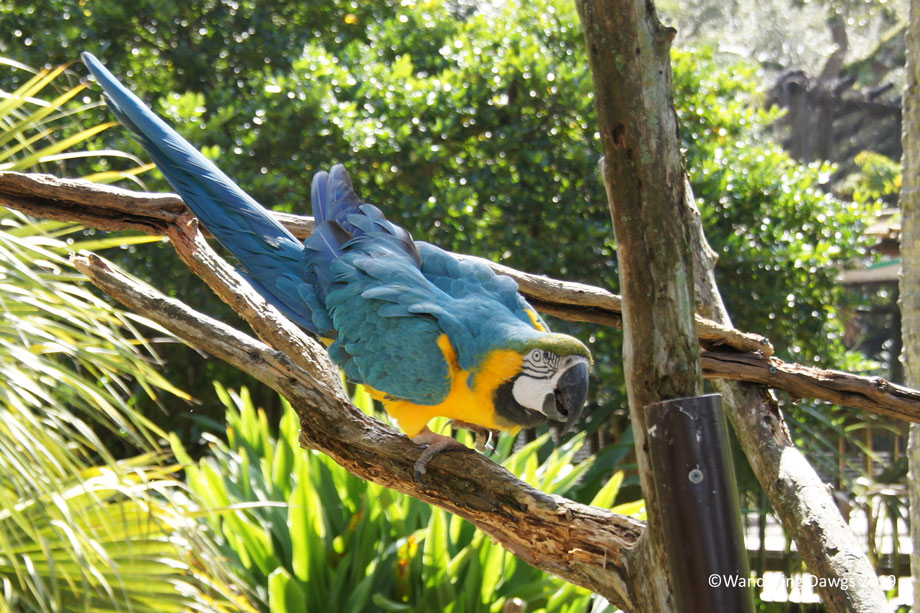
Saint Augustine Alligator Farm Zoological ParkAlbino alligator from LouisianaBaby alligators and turtles at the Saint Augustine Alligator FarmKomodo DragonMaximo, a saltwater crocodile, is largest animal at the St. Augustine Alligator FarmGalapagos tortoiseParrotParrot
We took a break for lunch and drove to the nearby Conch House Marina and Guesthouse to eat outside on their waterfront deck.
Lunch with a view at Conch House Restaurant
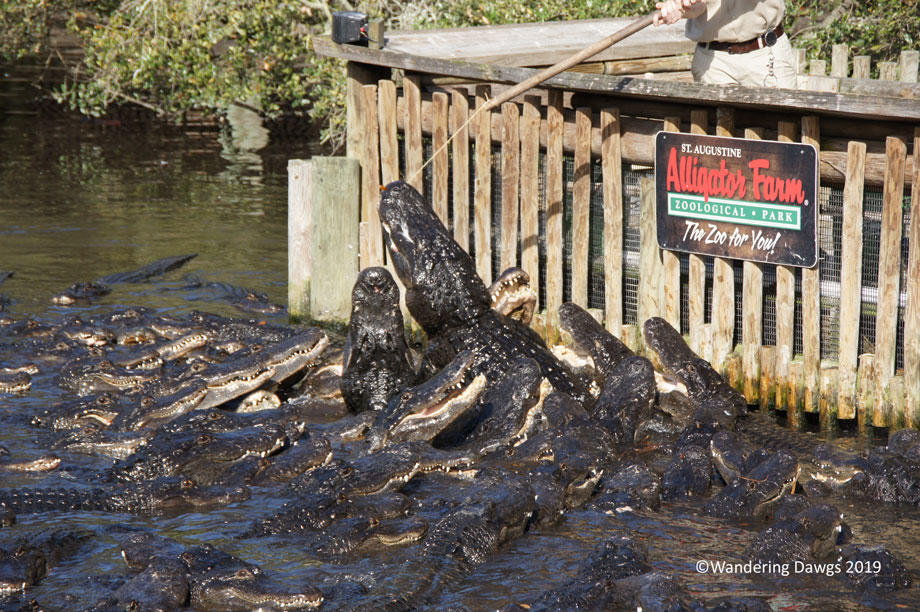
After lunch it was back to the Alligator Farm to watch the 3:00 alligator feeding. Can you say feeding frenzy?
Feeding frenzy at the St. Augustine Alligator FarmThe alligators go after a tasty rodent on the end of a fishing rod
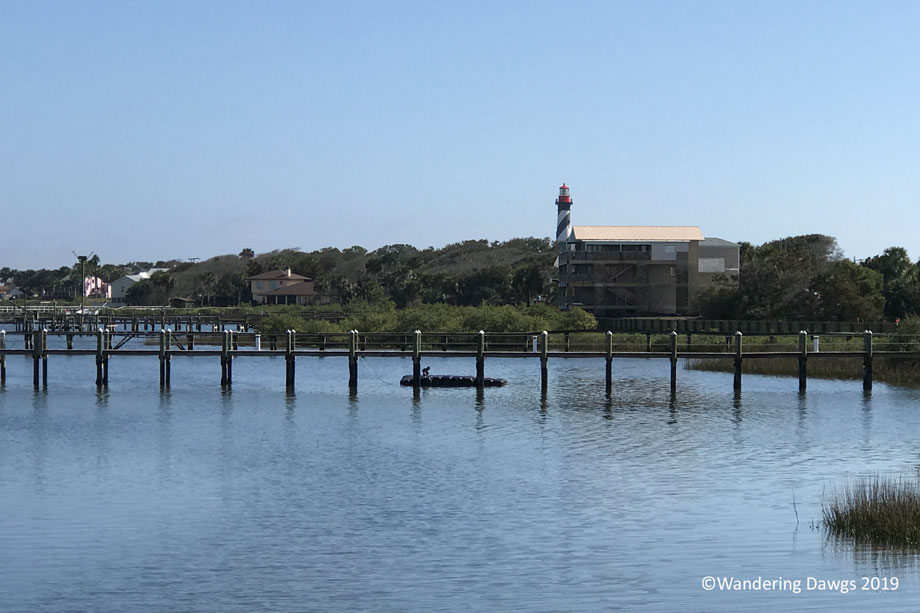
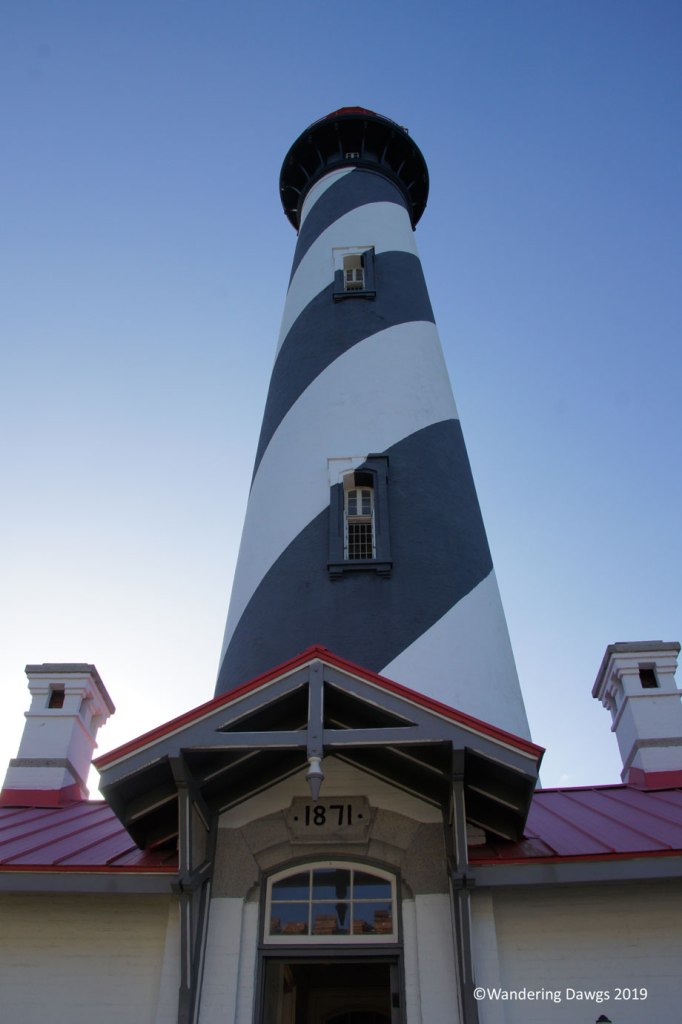
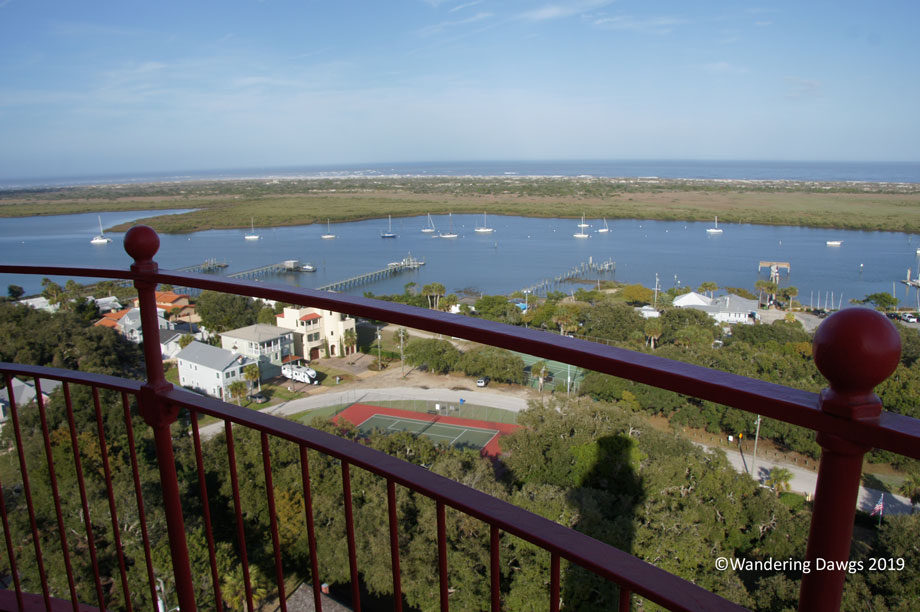
Our next stop was the Saint Augustine Lighthouse. Gorgeous views were our reward for climbing all the steps to the top.
St. Augustine LighthouseSt. Augustine Lighthouse Fresnel lensView from the top of the St. Augustine Lighthouse
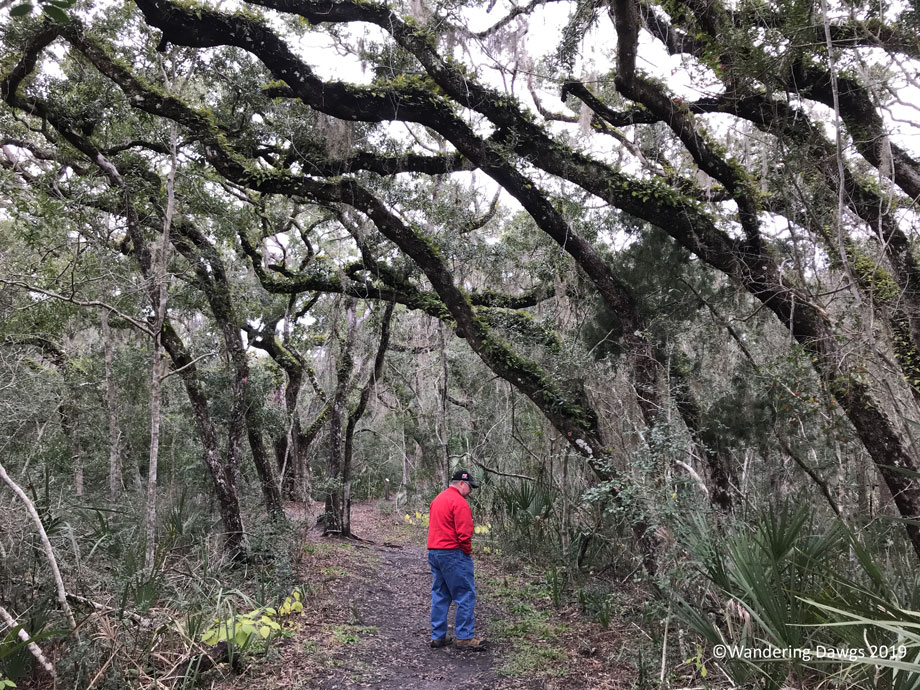
When we weren’t exploring St. Augustine we enjoyed being in Anastasia State Park. Our campsite was surrounded on three sides by natural vegetation and the beach was only a 10 minute walk from our campsite. One afternoon we explored the nature trail near the campground.
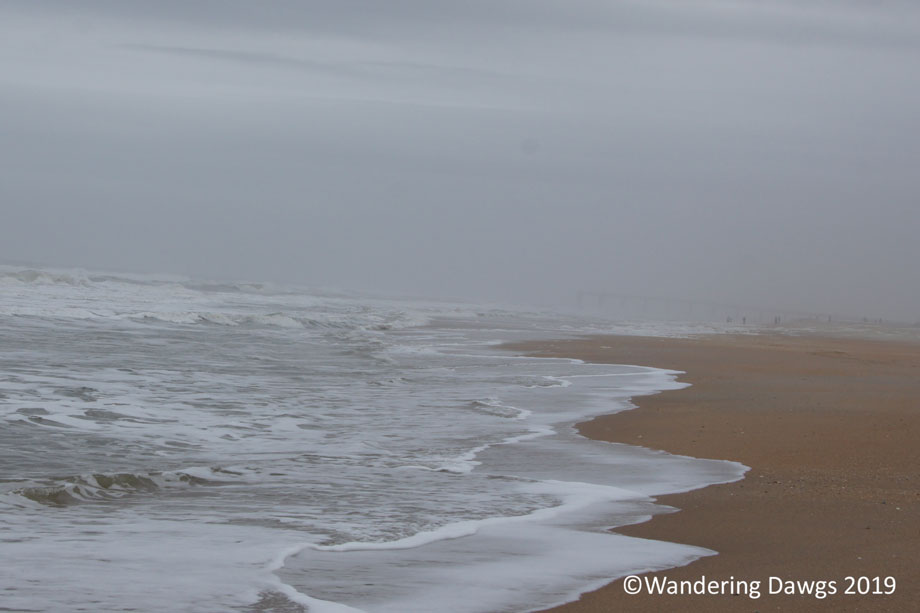
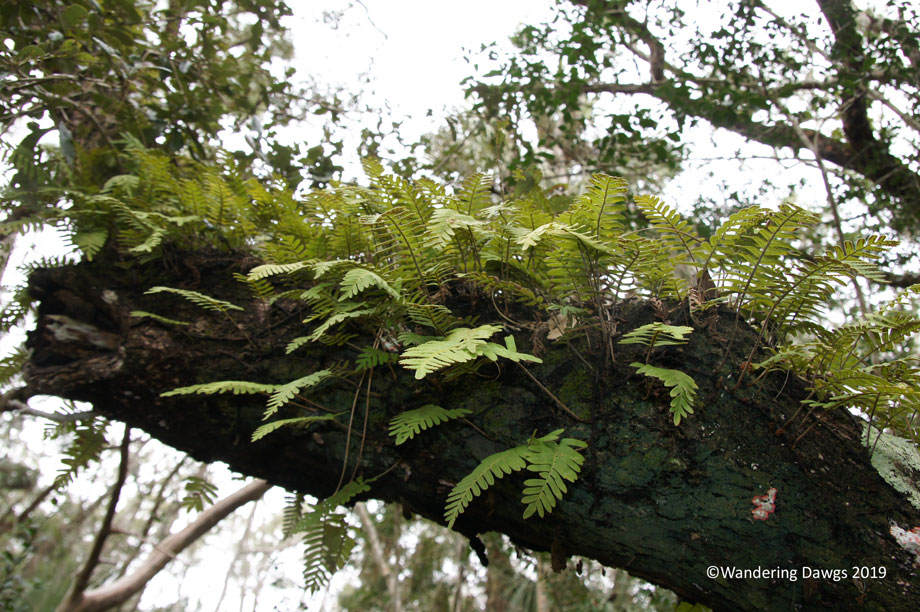
Beach at Anastasia State Park, St. Augustine, FLBeach at Anastasia State ParkBeach at Anastasia State ParkResurrection Ferns on old oak treeNature Trail at Anastasia State Park
The next stop on our winter RV journey was Saint Augustine, Florida. We had a beautiful campsite in Anastasia State Park to call home for a few days. The weather was lousy most of the time but we picked a perfect sunny day to do some sightseeing.
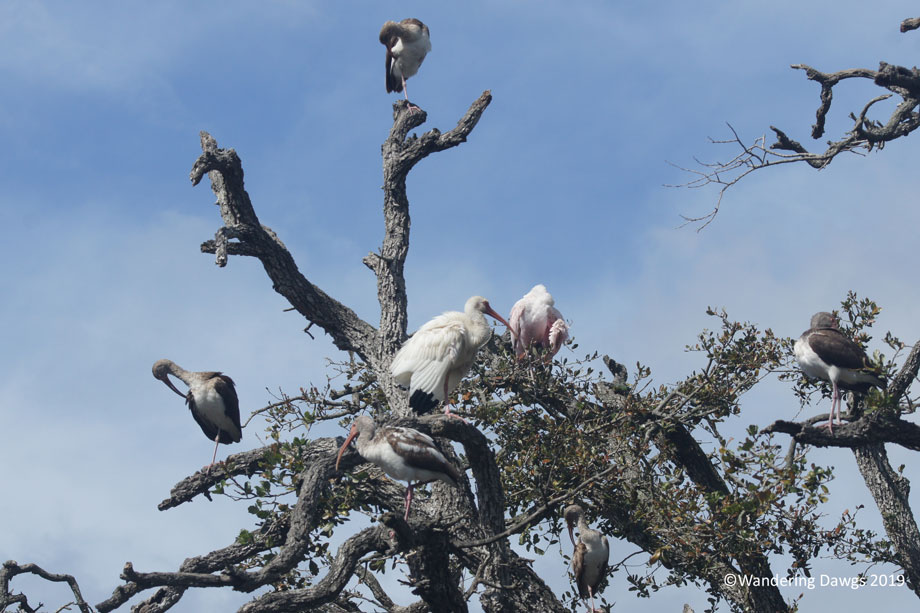
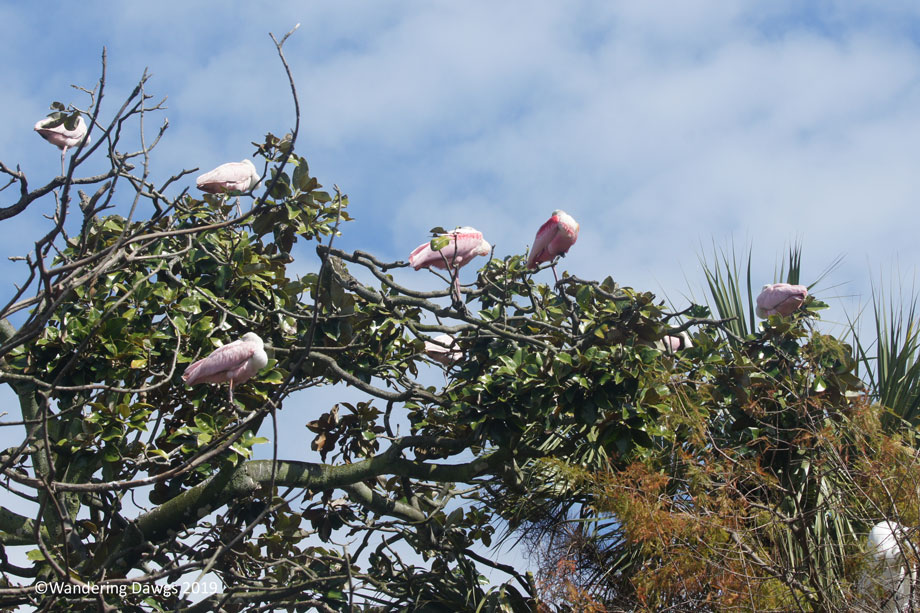
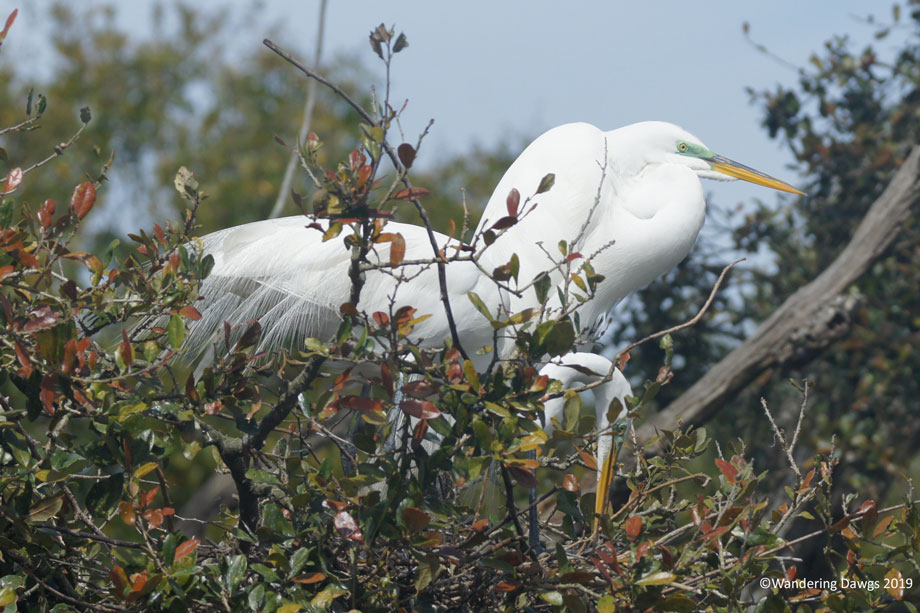
At the top of my to do list was visit the Saint Augustine Alligator Farm Wading Bird Rookery. During nesting season wading birds come to nest in the trees in the Native Swamp at the Alligator Farm. The birds who nest here are wild and can come and go as they please. Although it was a little early in the nesting season there were a lot of great egrets and roseate spoonbills wearing their breeding plumage and some pairs were starting to build their nests.
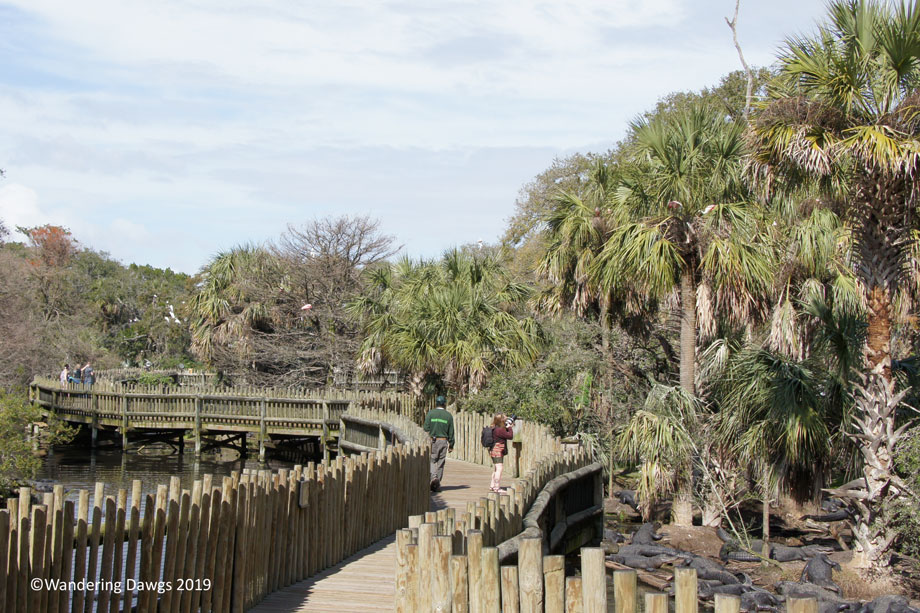
The trees surround a swamp area filled with alligators. A boardwalk winds around the swamp giving visitors close up views of the alligators in the water and the birds in the trees.
A bird gathering at the St. Augustine Alligator Farm RookeryRoseate SpoonbillsBoardwalk through the Saint Augustine Alligator Farm Native Swam and Rookery
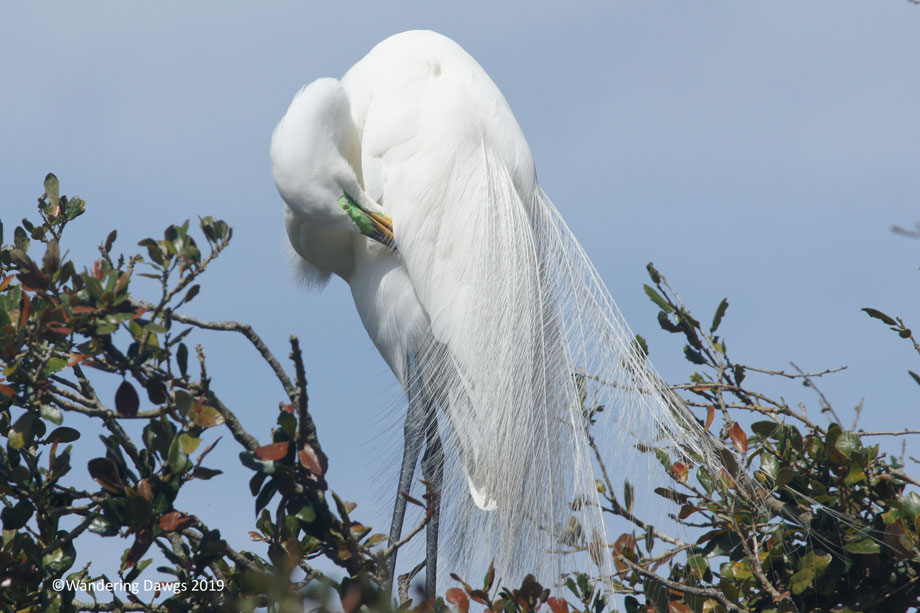
The Great Egrets showed off their breeding plumage and pairs worked on their nests.
Great Egret with breeding plumage at St. Augustine Alligator Farm RookeryPair of egrets working on their nestPair of great egrets at St. Augustine Alligator Farm RookeryEgrets at the St. Augustine Alligator Farm RookeryYou can take my picture nowGreat Egret Breeding Plumage
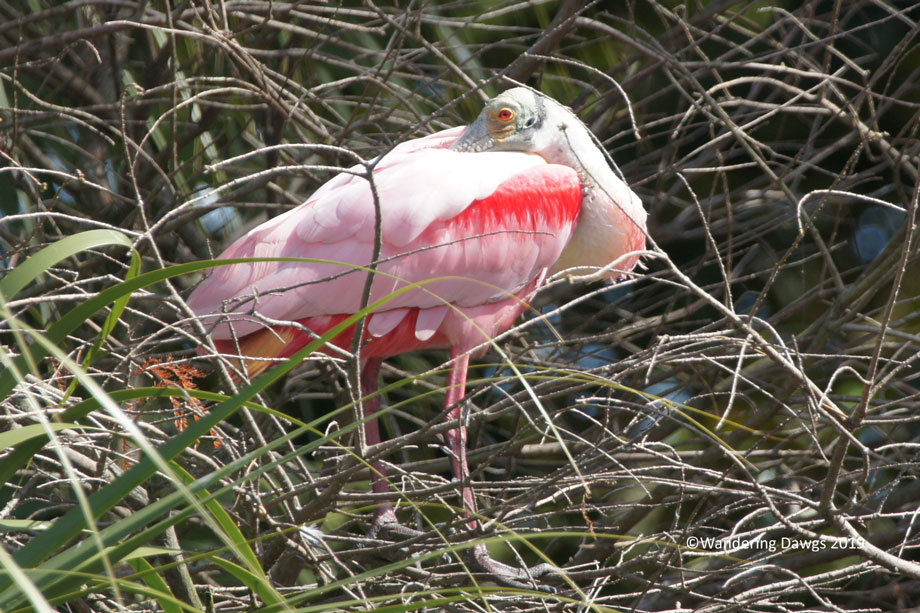
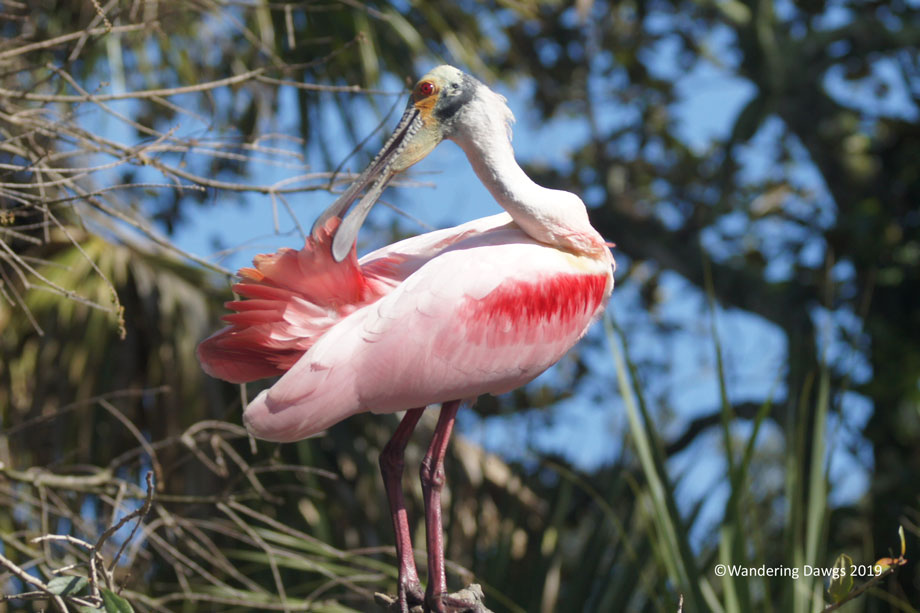
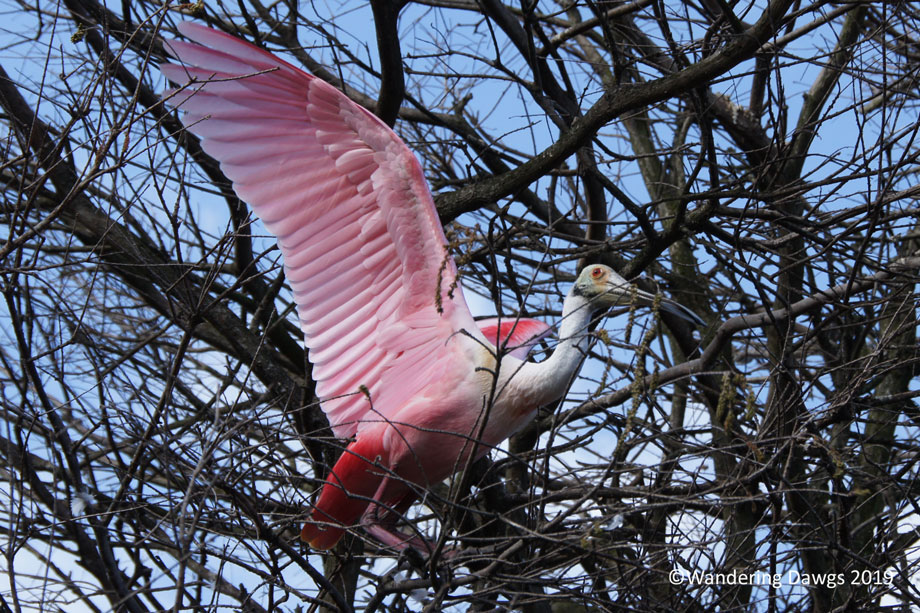
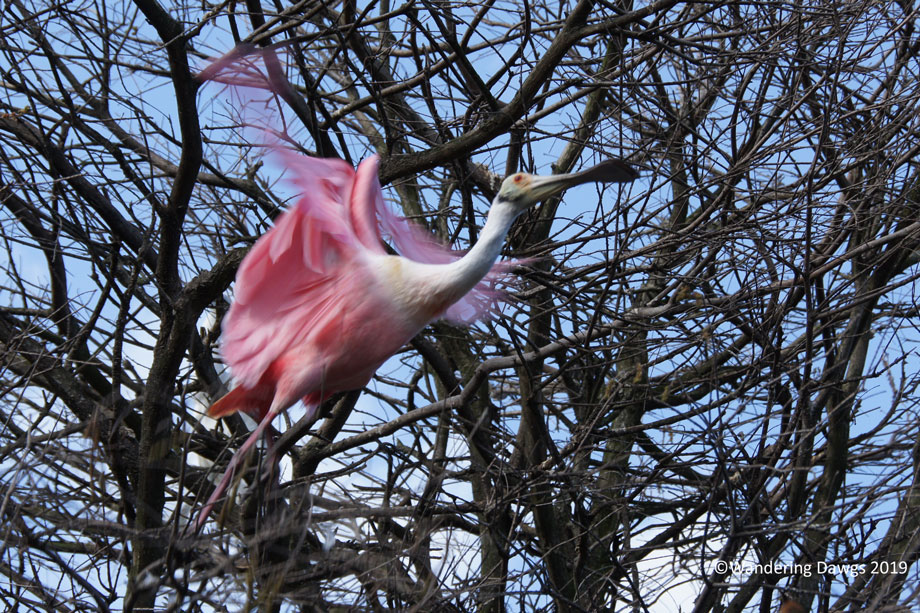
The Roseate Spoonbills were my favorite.
Roseate Spoonbill at Alligator FarmRoseate Spoonbill at Alligator Farm RookeryRoseate Spoonbill at Alligator Farm RookeryRoseate Spoonbill at Alligator Farm RookeryRoseate Spoonbill at Alligator Farm RookeryRoseate Spoonbill at Alligator Farm RookeryRoseate Spoonbill at Alligator Farm RookeryRoseate Spoonbill at Alligator Farm Rookery
Coming up next, more about our St. Augustine adventure including other critters at the Alligator Farm.
We are off again on our first RV trip of 2019. Our first stop was Laura S. Walker State Park in Hoboken, Georgia. We were there during the weekend and the park was full of families enjoying their days off. The park was a perfect home base to explore the Okefenokee Swamp Park which is a short drive away.
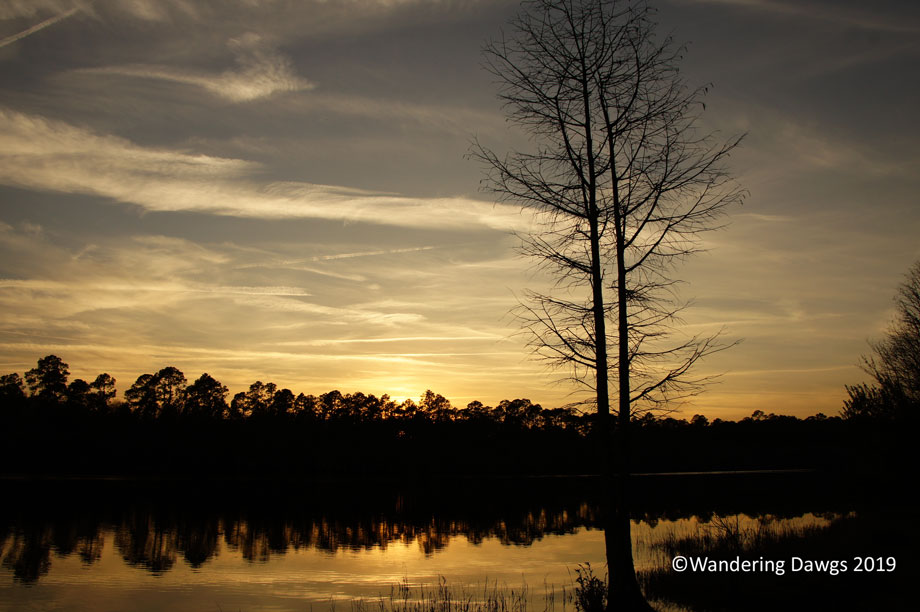
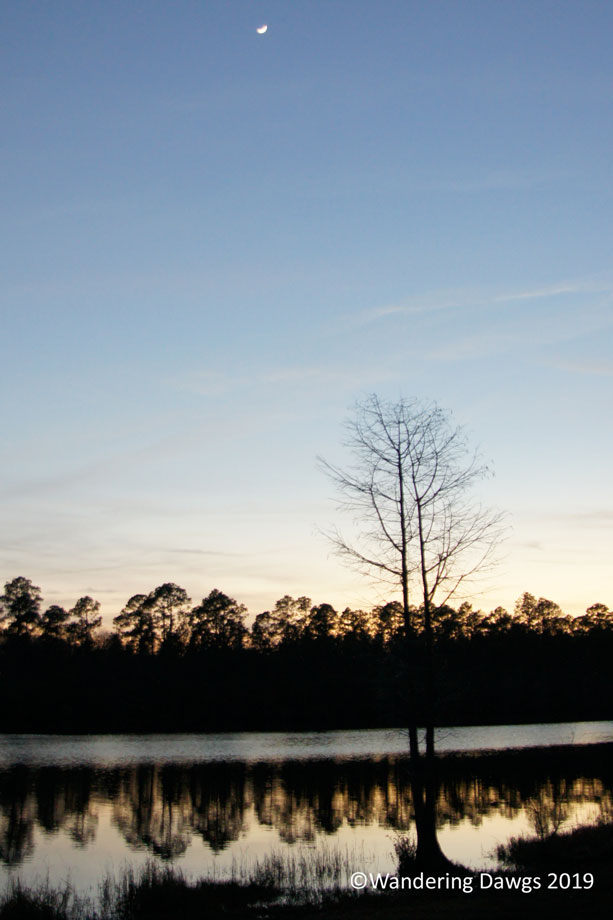
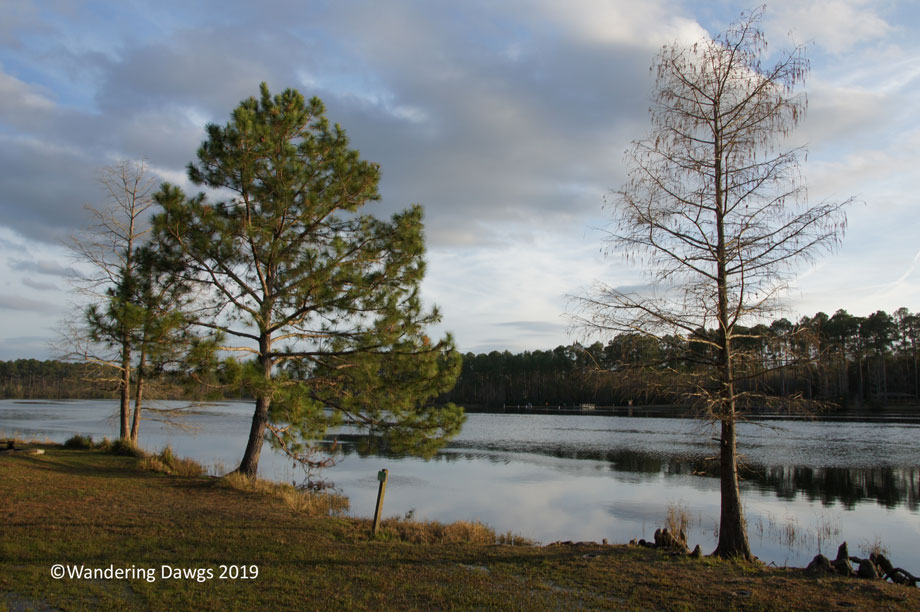
Sunset at Laura S Walker State Park, Hoboken, GACrescent Moon over Laura S Walker State Park, Hoboken, GAView from our campsite at Laura S Walker State Park, Hoboken, GA
During the last 12 years we have visited the Okefenokee Swamp several times from the southern end in Fargo. I posted about our last visit there at The Land of Trembling Earth It’s been over 40 years since we visited the Okefenokee Swamp Park in Waycross. Our two young children were with us back then. Oh, the memories!
This well run and well maintained private park has been attracting visitors to the swamp since 1946. There are boardwalks with views of the swamp, a train ride, educational exhibits, and wildlife presentations which are all included in the entrance fee. For an additional fee, visitors can take a guided boat tour through the swamp.
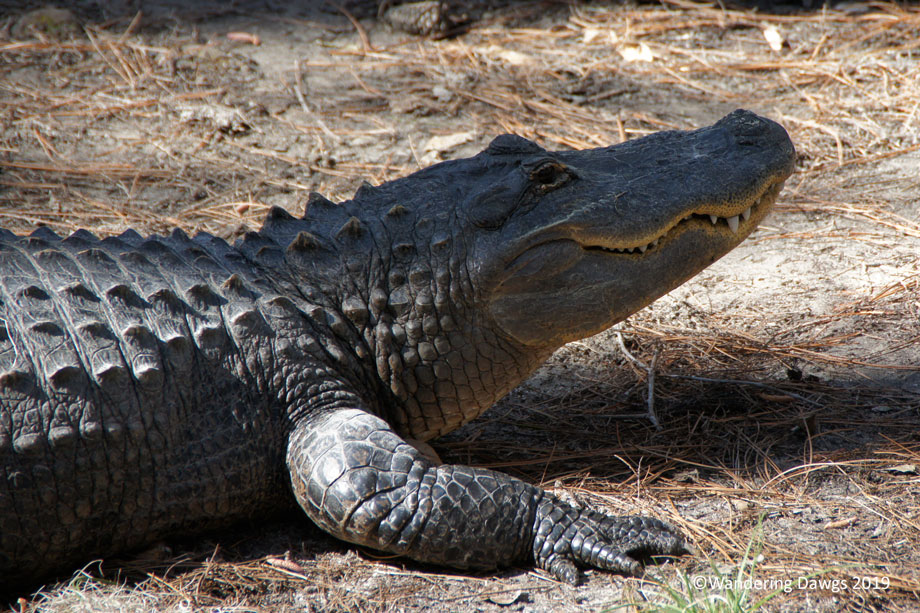
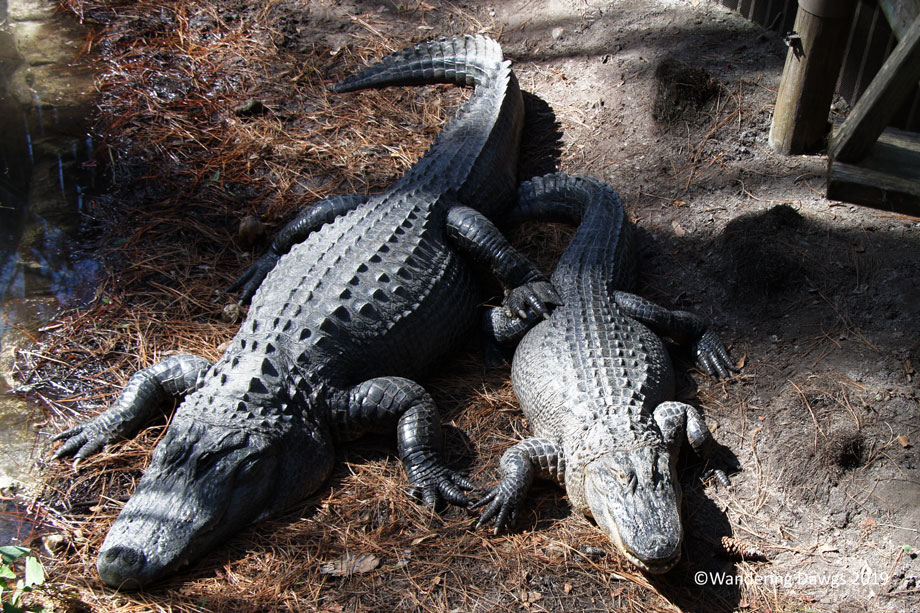
Not all of the boardwalks were open when we were there. Some are closed due to the high water level caused by heavy rainfall in December and January. One of the boardwalks that is open took us by several American alligators in their native habitat.
American Alligators at Okefenokee Swamp ParkAmerican Alligators at Okefenokee Swamp Park
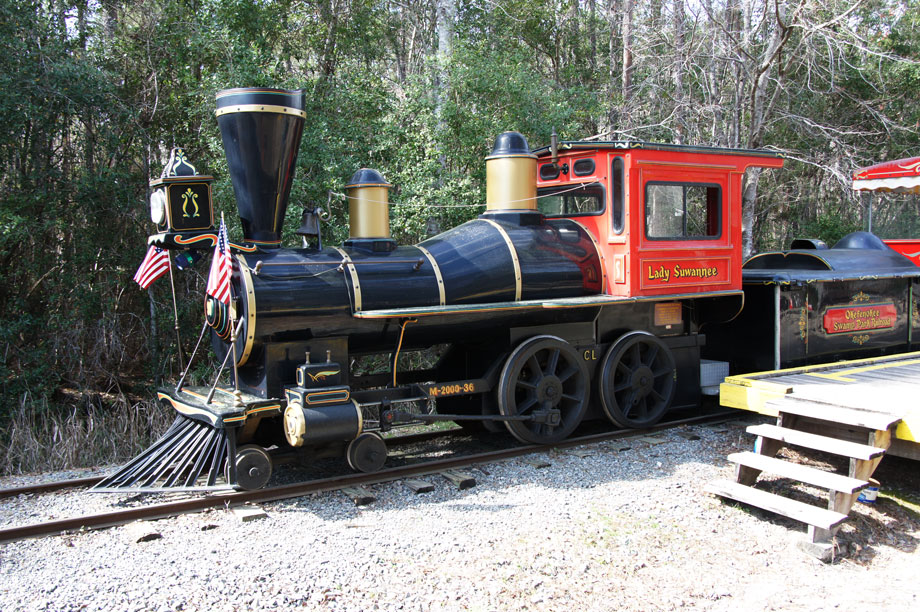
After seeing an interesting presentation on native reptiles of the Okefenokee we took the train ride through the swamp.
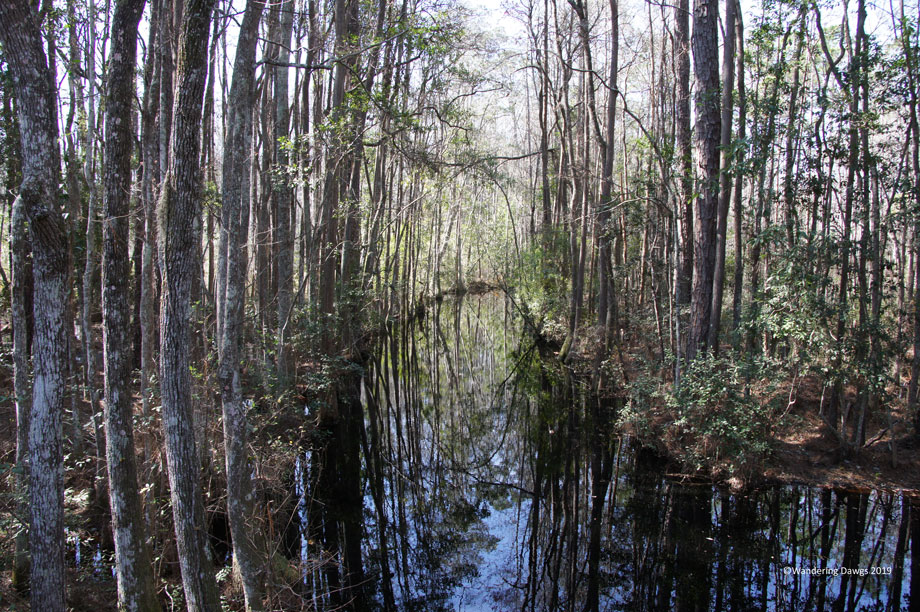
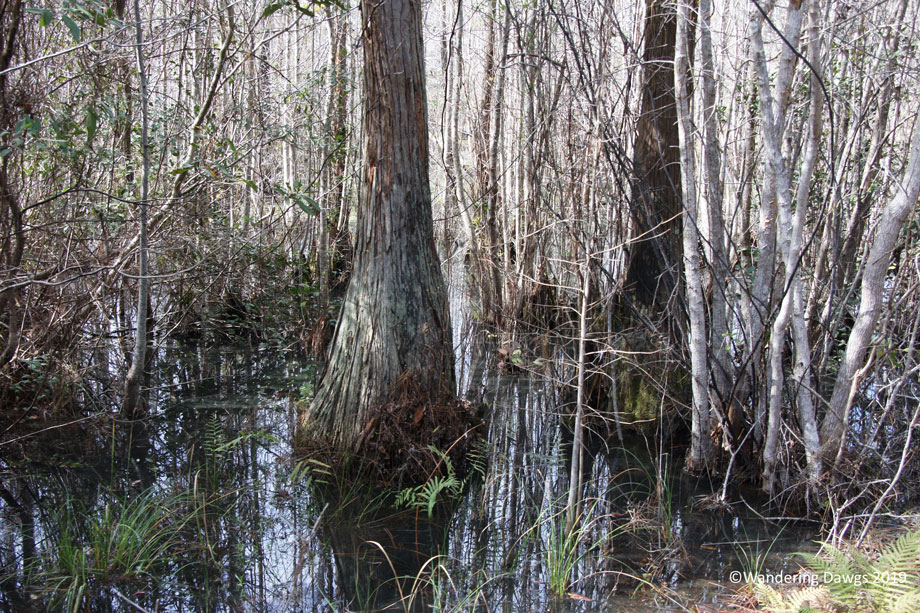
Okefenokee Swamp Park, Waycross, GAOkefenokee Swamp Park, Waycross, GAOkefenokee Swamp Park, Waycross, GACypress trees in the Okefenokee Swamp Park, Waycross, GATrees are starting to bloom early
After so many visits to the Okefenokee Swamp in Fargo, it was fun to see it from a different location.