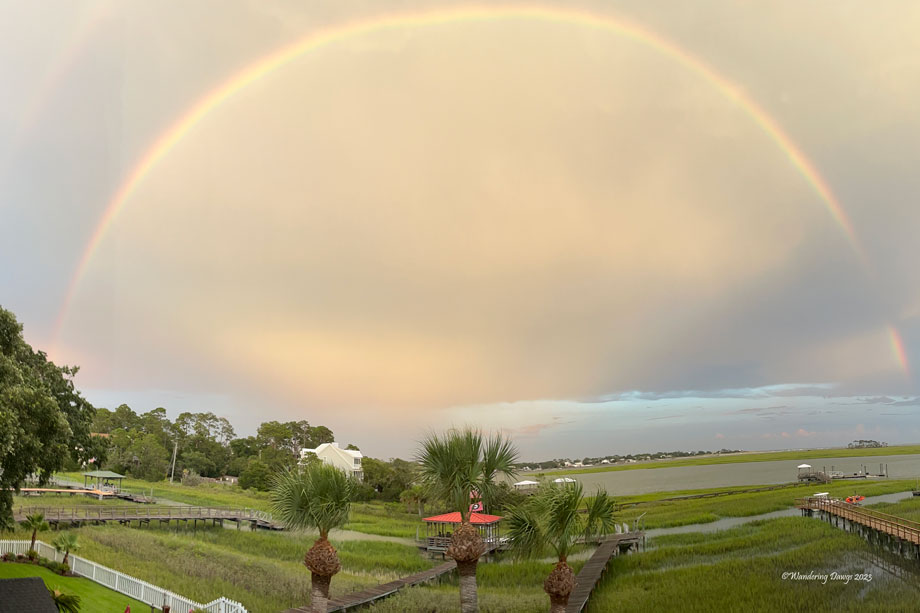
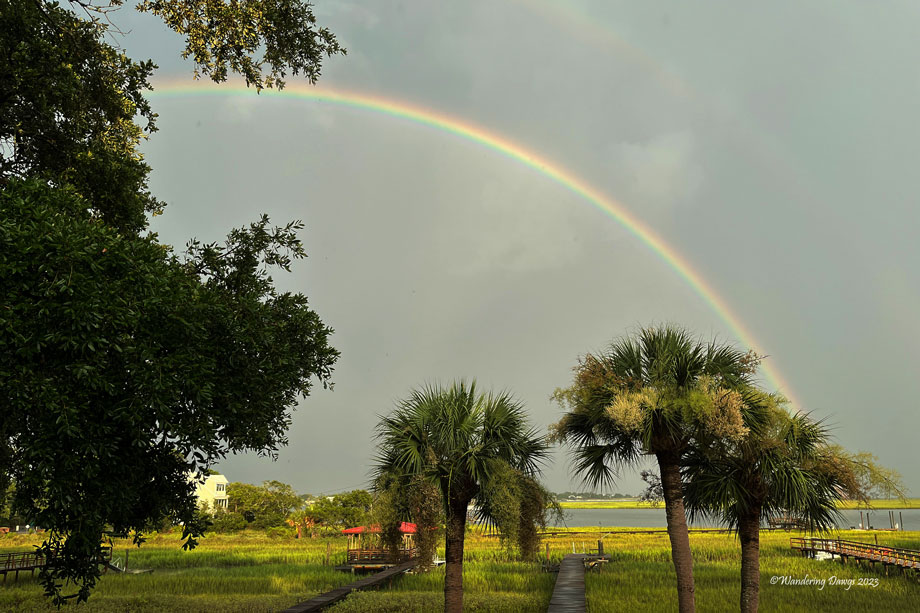
July and August in coastal Georgia are always hot, humid and stormy. It’s too hot to sit outside on my porch or go out to take photos. With heat indexes over 100 degrees Fahrenheit it’s easy to be lazy and stay inside to cool off in the air conditioning. Many afternoons have found me inside reading or watching the storms as they roll in. The rainbows after the storm have been spectacular.
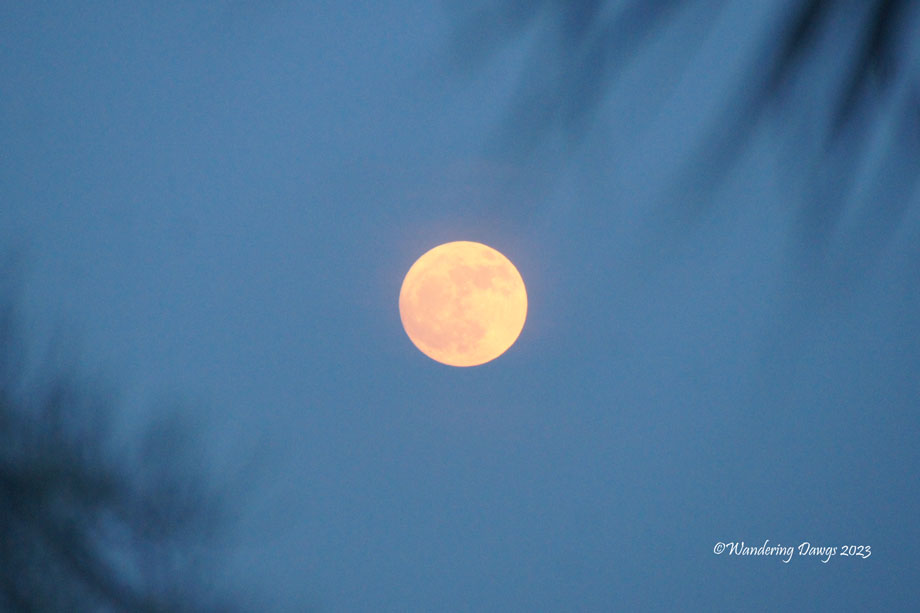
The full moons have been spectacular, too.
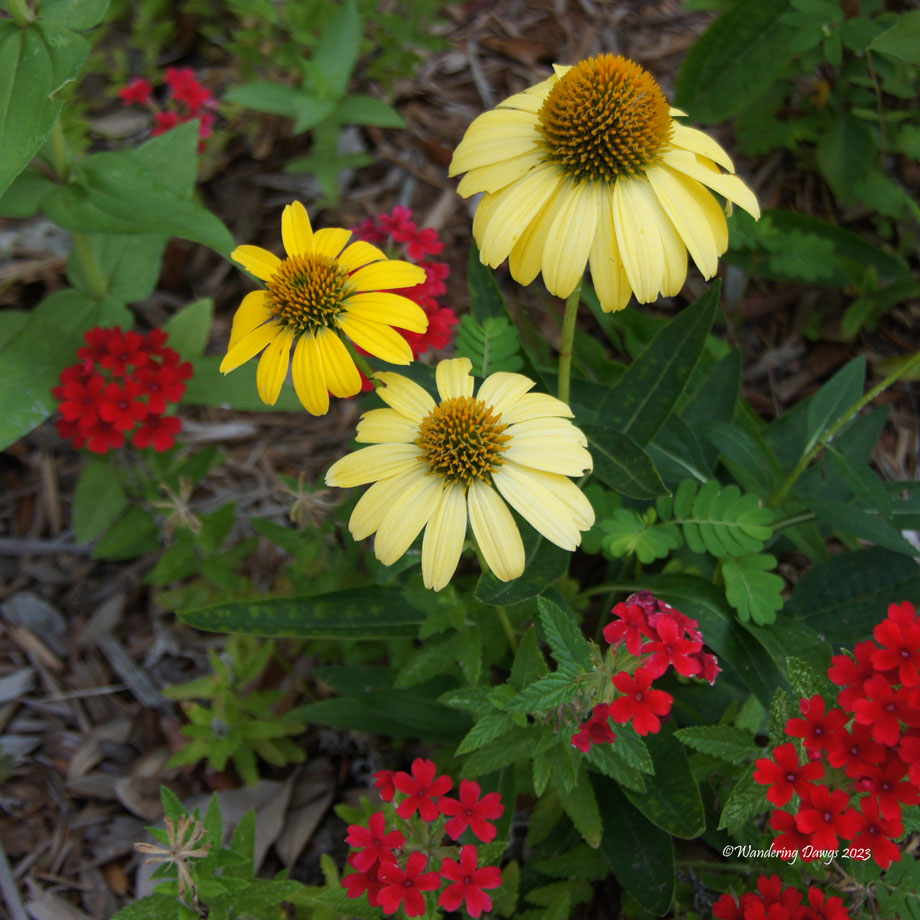
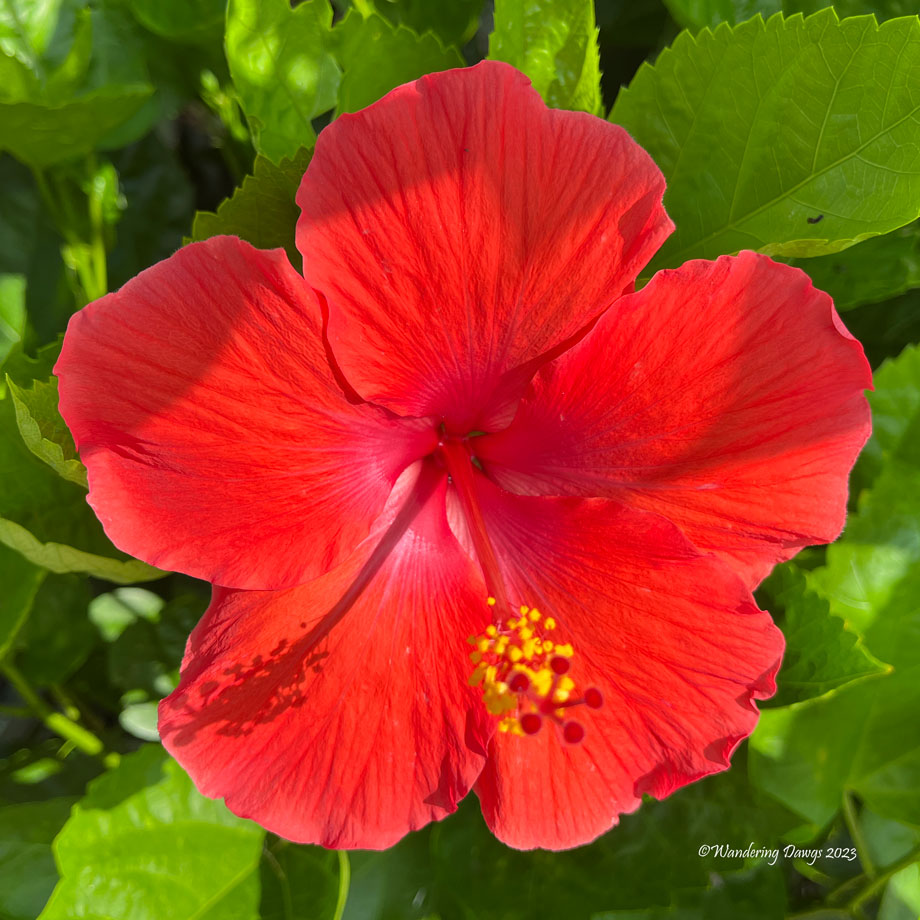
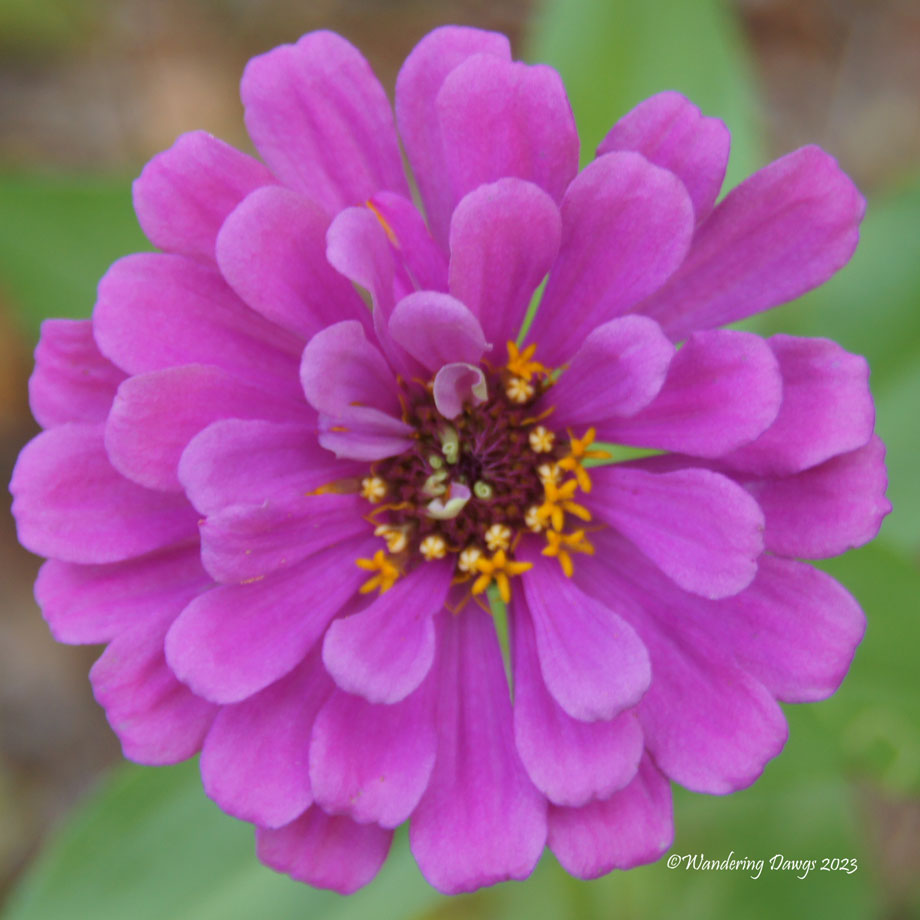
It’s much too hot to go out and tend to my garden. This year I got lazy and put off pulling weeds in my flower beds because of the heat. I finally found that if I got started pulling weeds about 8:00 a.m. I could get a little work done before the heat got too much for me. Despite my lack of attention, some of the flowers are thriving.
Here in coastal Georgia we usually don’t start getting cooler weather until October. Until then, if you need me, I’ll be inside where it’s cool.
If I had a visitor from another country who wanted to see my home country in a week or a month, where would I take them? This is the challenge Tina has given us.
I live in the United States. Many visitors from other countries are surprised by how huge it is. It would take more than a lifetime to see it all.
Instead, I will take the time we have to see the many beautiful sites in my home state of Georgia. There are mountains, farmland, friendly small towns, the Okefenokee Swamp, historic cities, barrier islands, salt marsh, beaches, lakes, and the city of Atlanta.
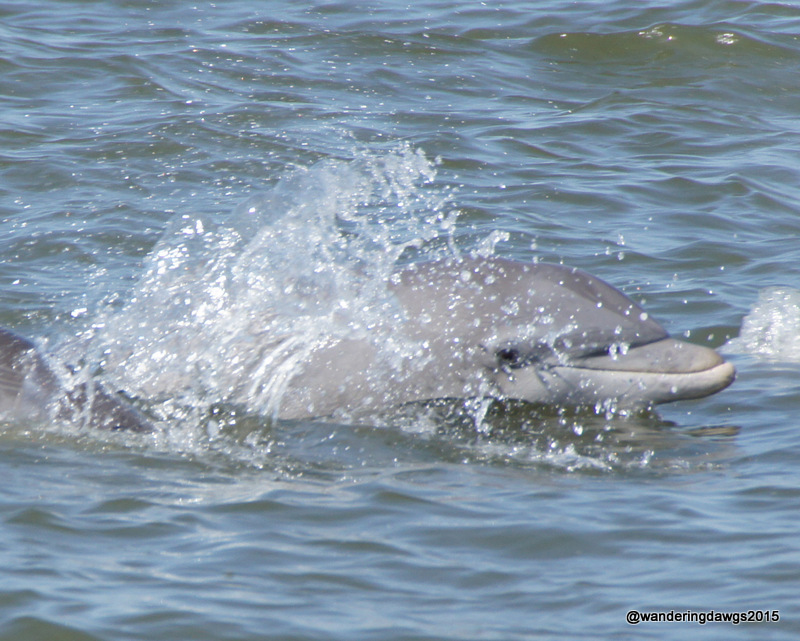
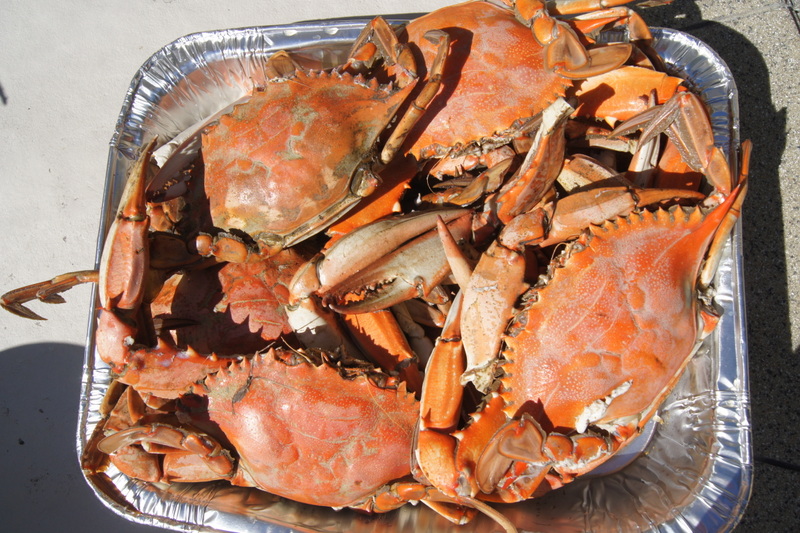
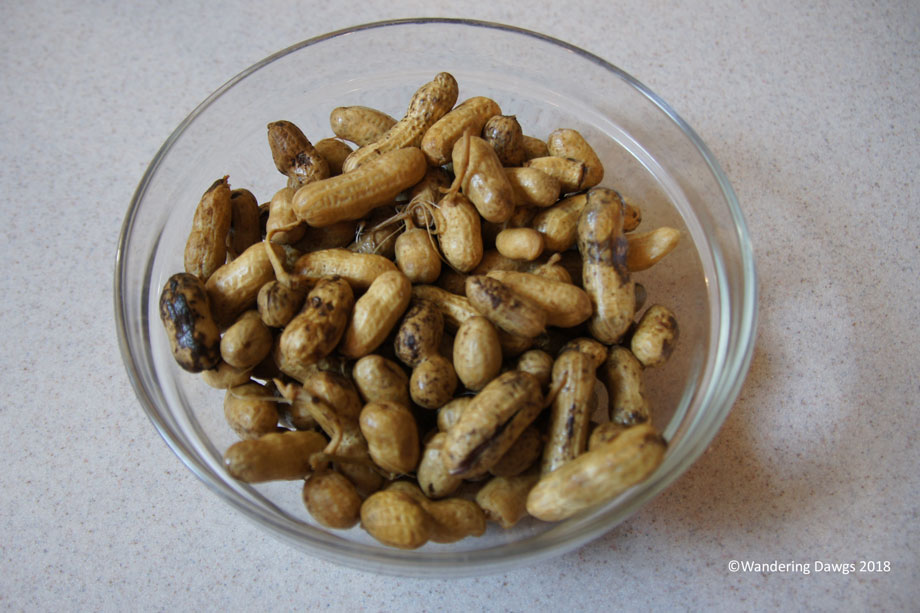
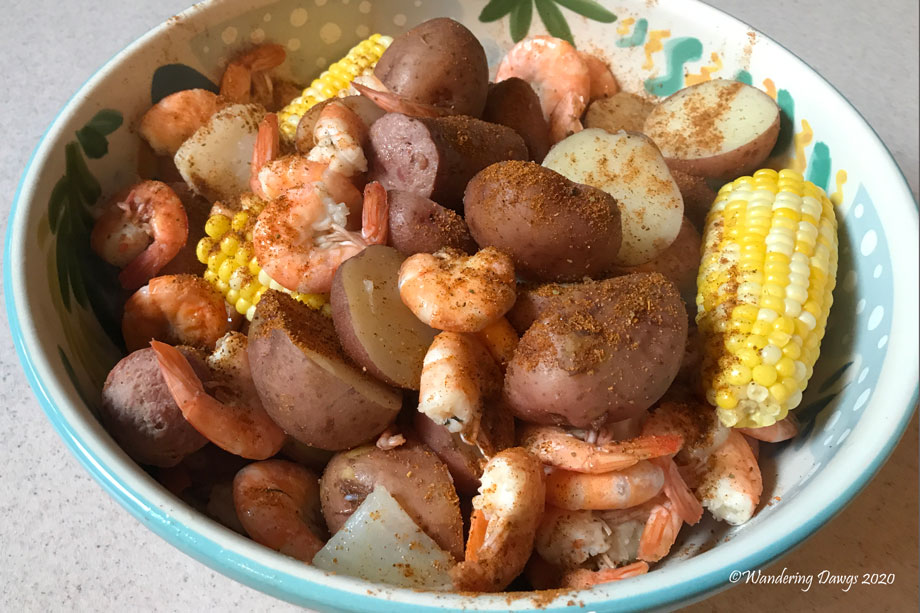
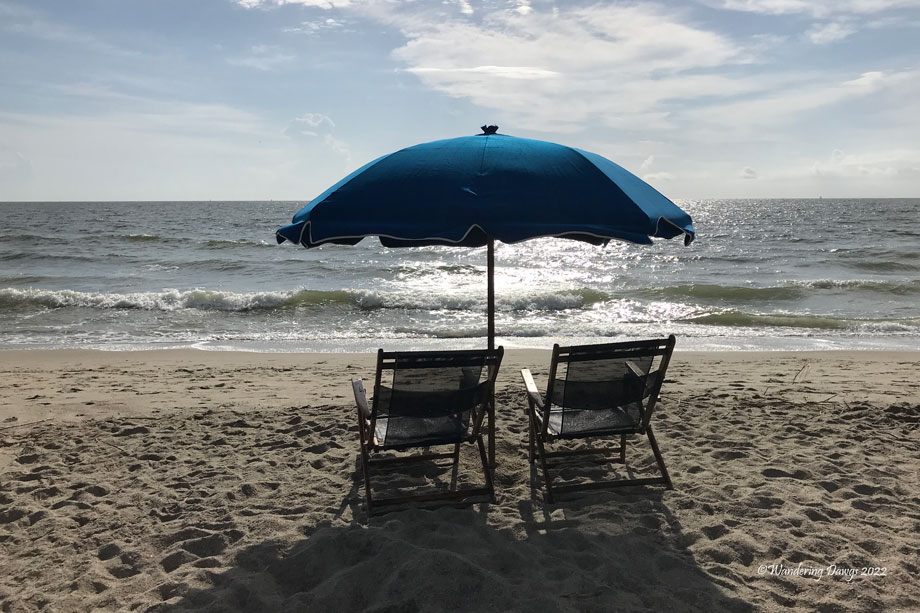
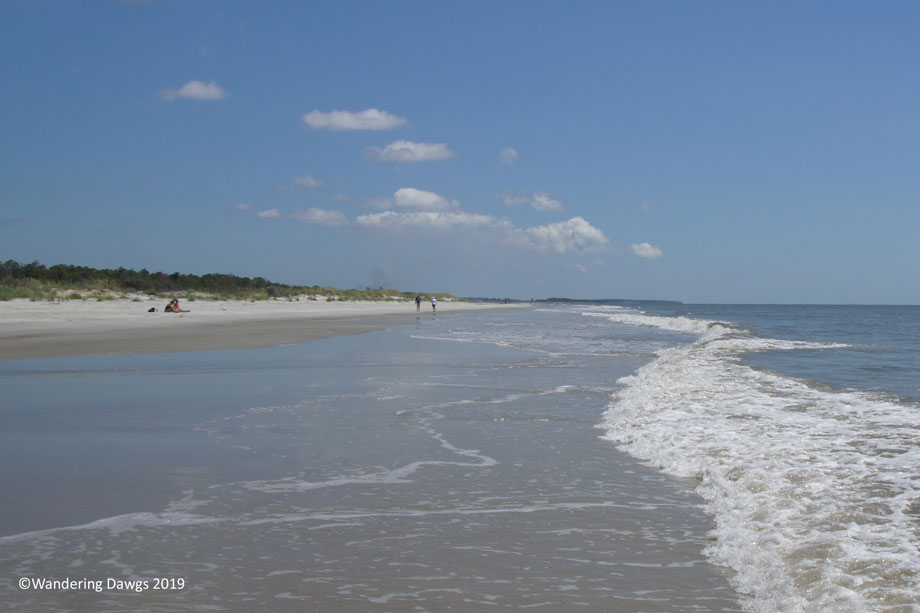
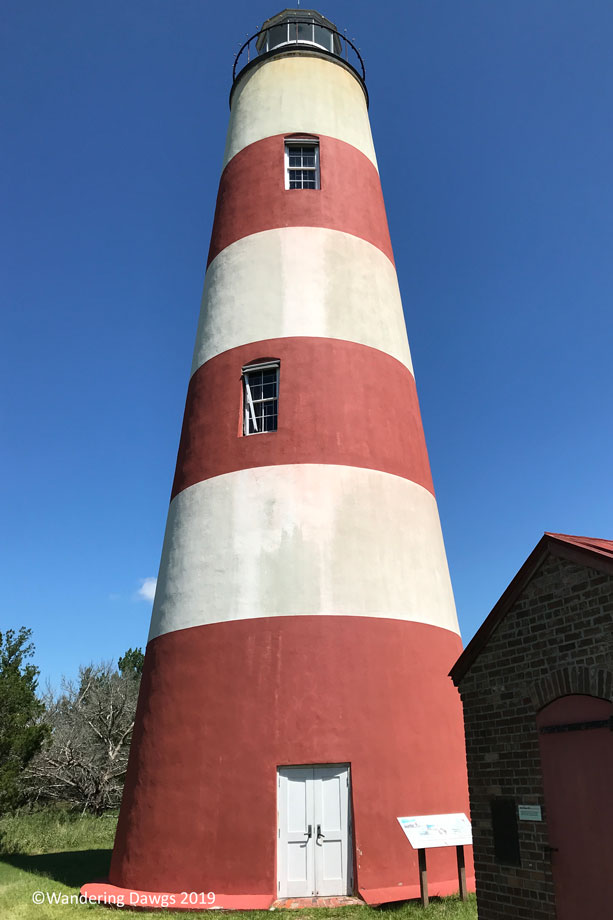
I’m not sure we could even cover the entire state in one month but we could give it a good try. We’ll start our tour in coastal Georgia where I live. We would visit at least one of the three inhabited barrier islands that can be reached by road, go on a dolphin tour to look for Atlantic Bottlenose dolphins, walk on an uninhabited island that can only be reached by boat, and take a ferry ride to explore Sapelo Island or Cumberland Island National Seashore. We would catch blue crabs from the local waters and steam them for a delicious meal, snack on boiled peanuts, and feast on low country boil with shrimp fresh from the sea.
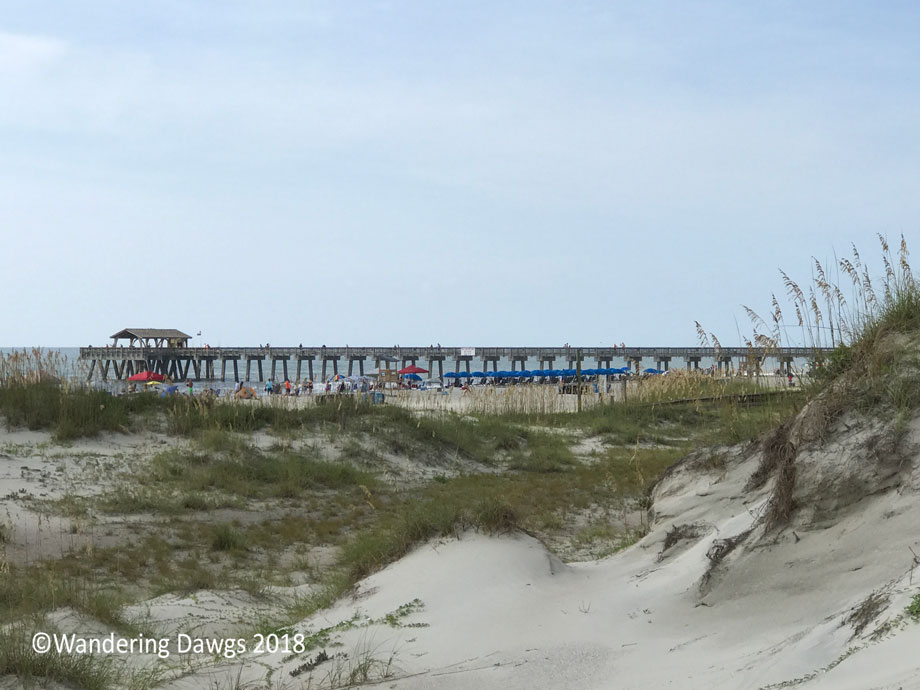
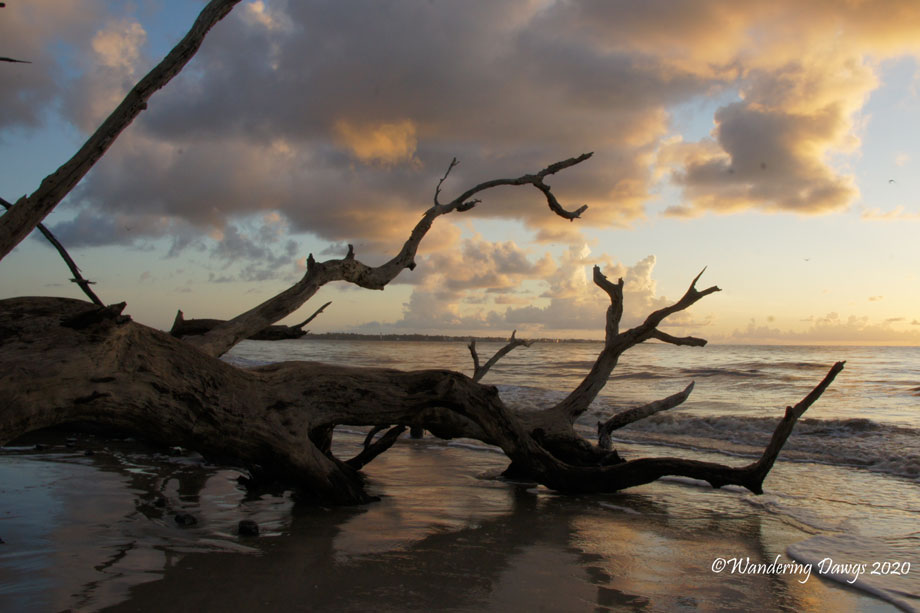
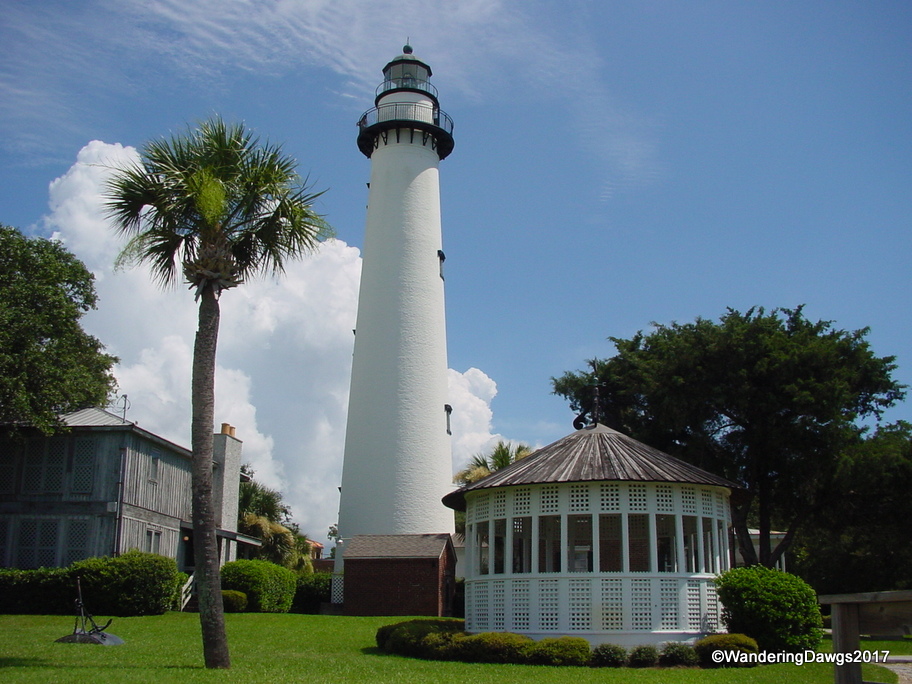
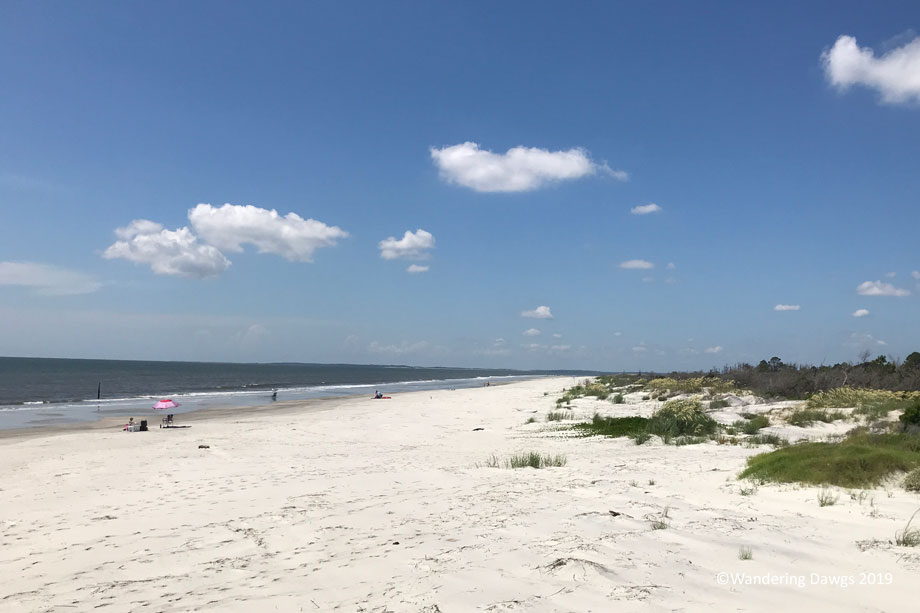
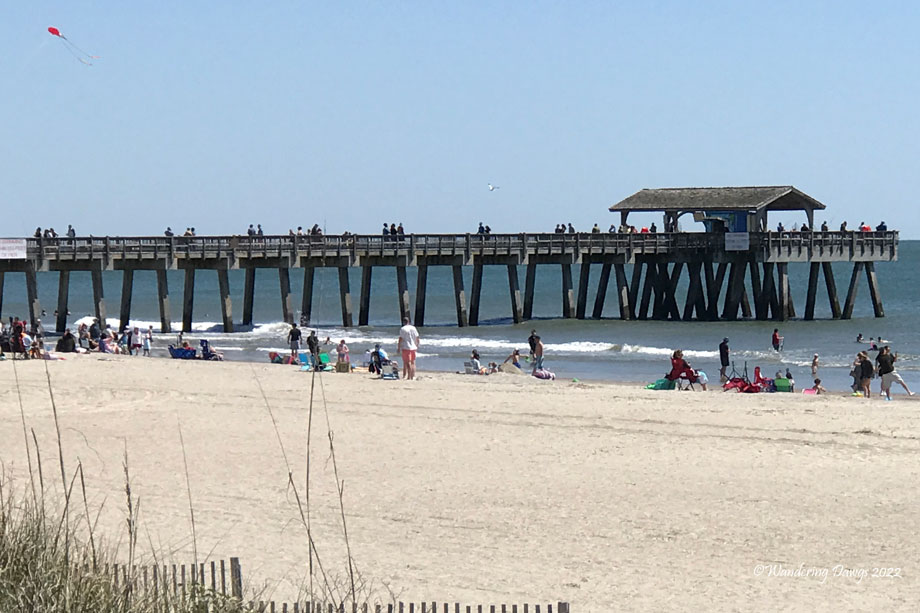
Dunes and pier on Tybee Island, GeorgiaSunrise at Driftwood Beach, Jekyll Island, GASt. Simons Lighthouse, GAAtlantic Bottlenose Dolphin near Tybee Island, GeorgiaWe often are the only people on one of the uninhabited barrier islandsNanny Goat Beach, Sapelo Island, GeorgiaFresh Georgia Blue Crabs straight from the creek to the pot.Boiled PeanutsLow Country BoilExploring coastal Georgia
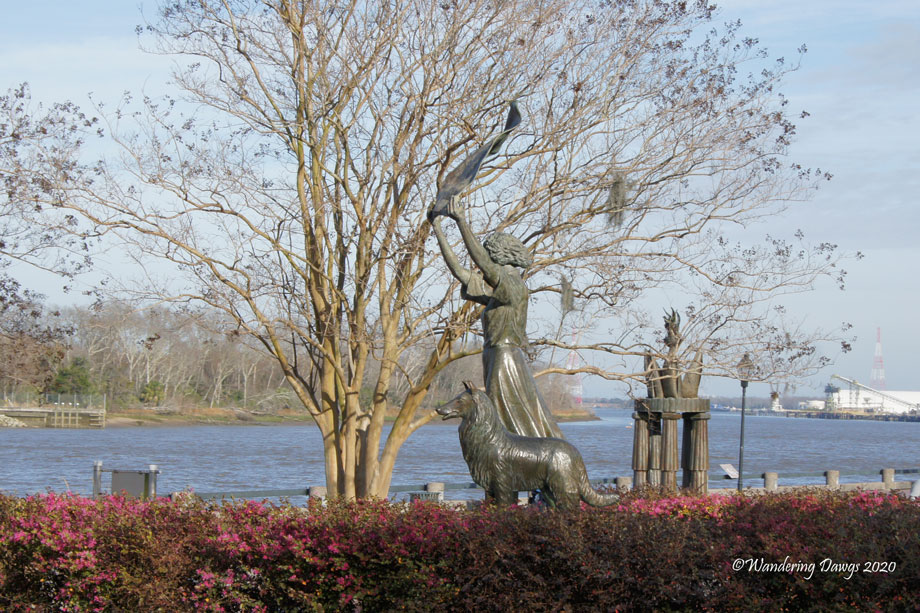
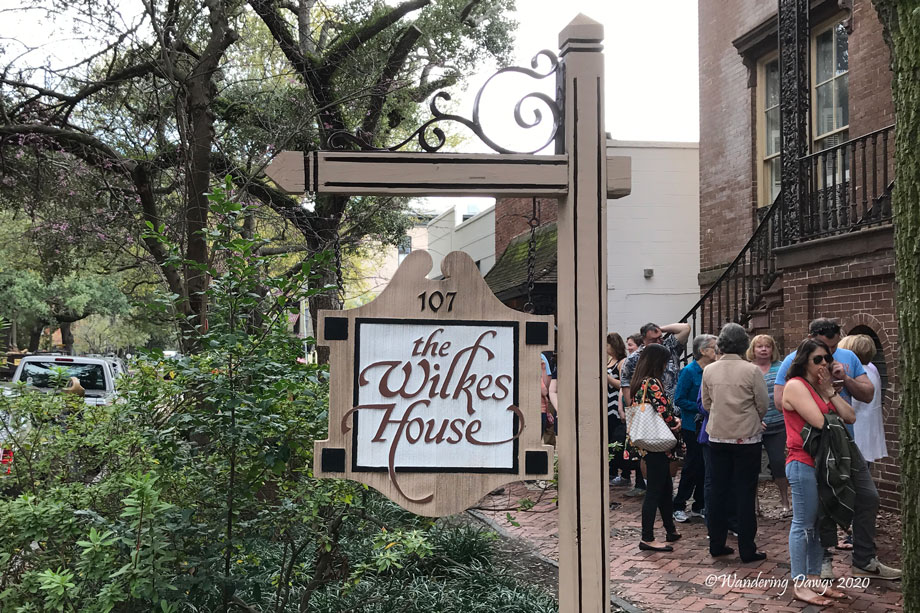
We would visit historic Savannah and enjoy a family style lunch at Mrs. Wilkes Dining Room.
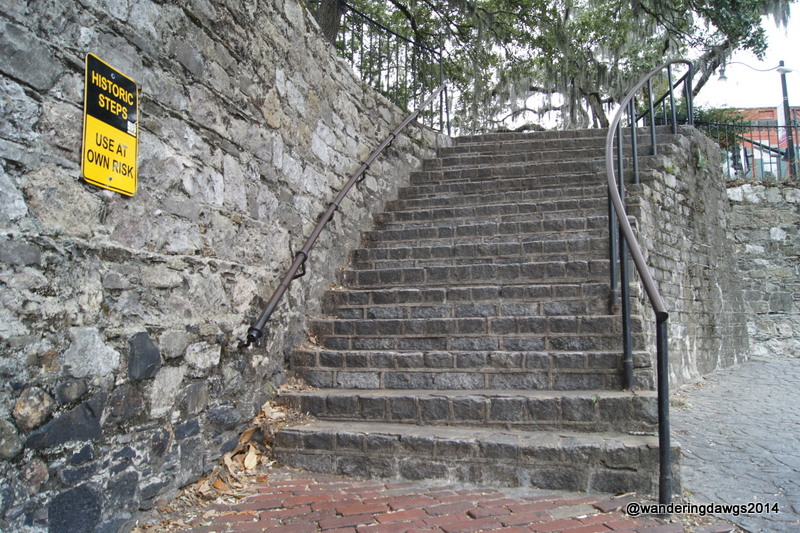
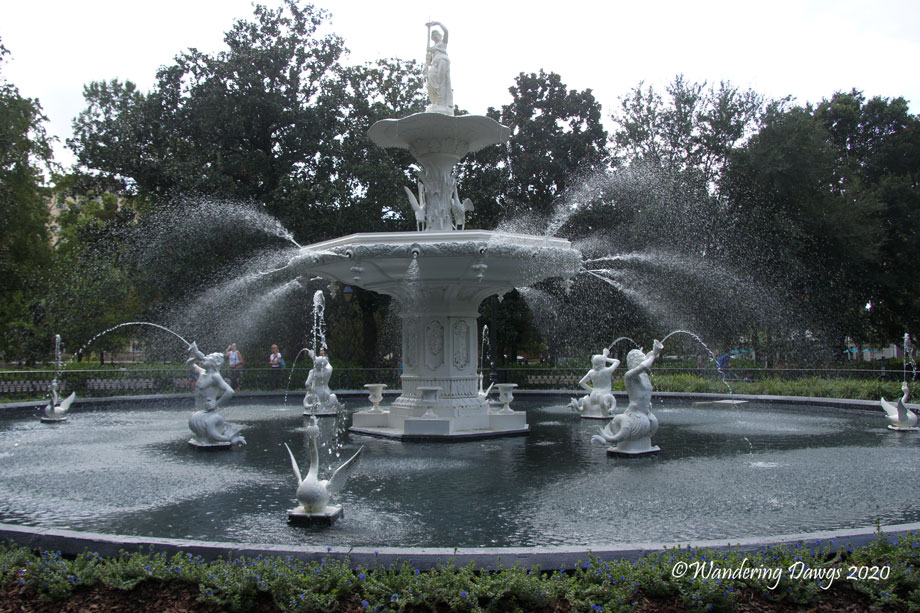
Mercer House, Savannah, GeorgiaWaving Girl Statue and Olympic Cauldron on River Street on the Savannah RiverHistoric stone steps leading to River StreetForsyth Park Fountain, SavannahMrs Wilkes Dining Room
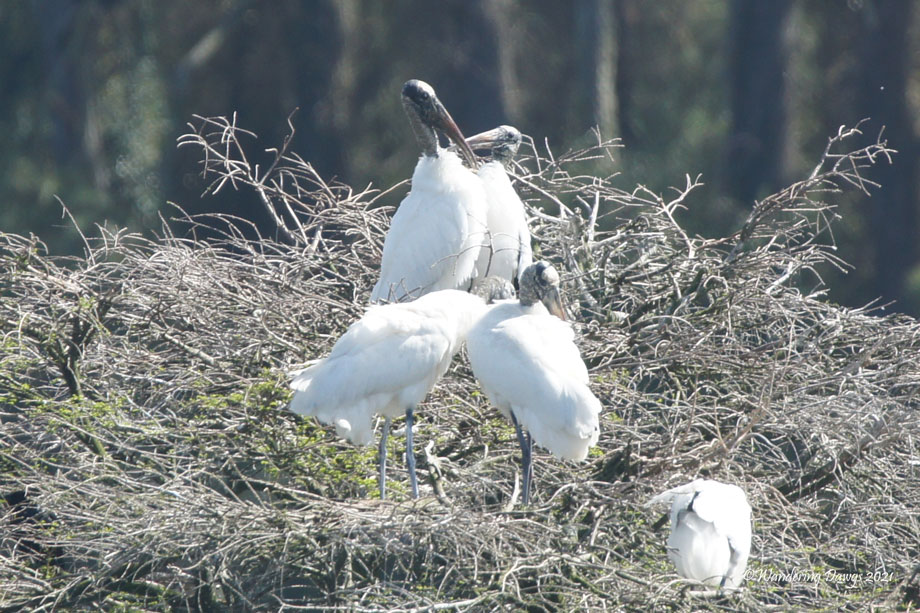
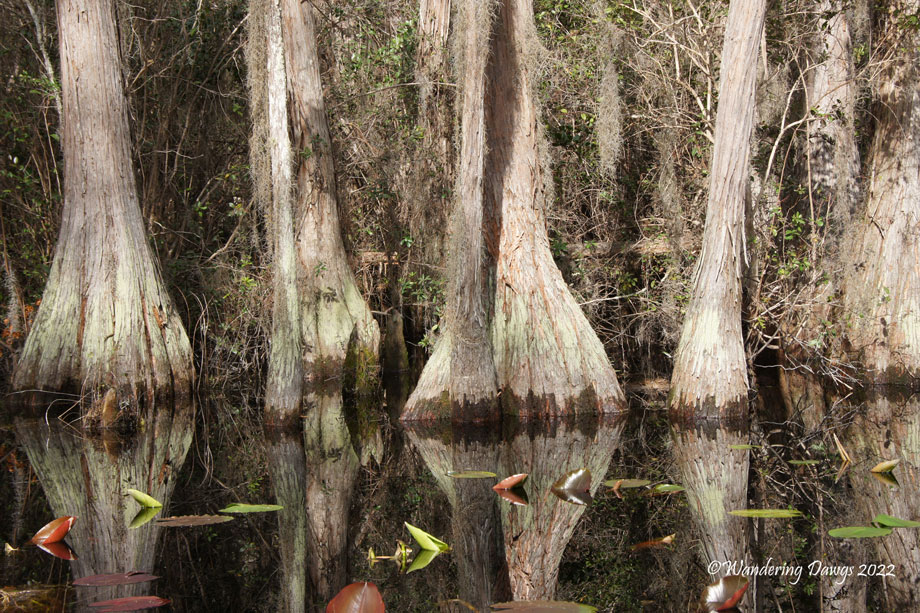
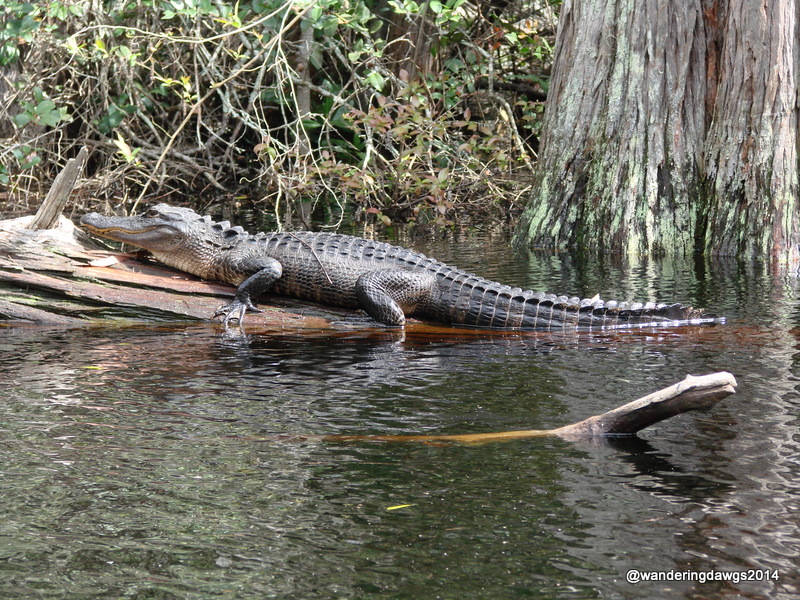
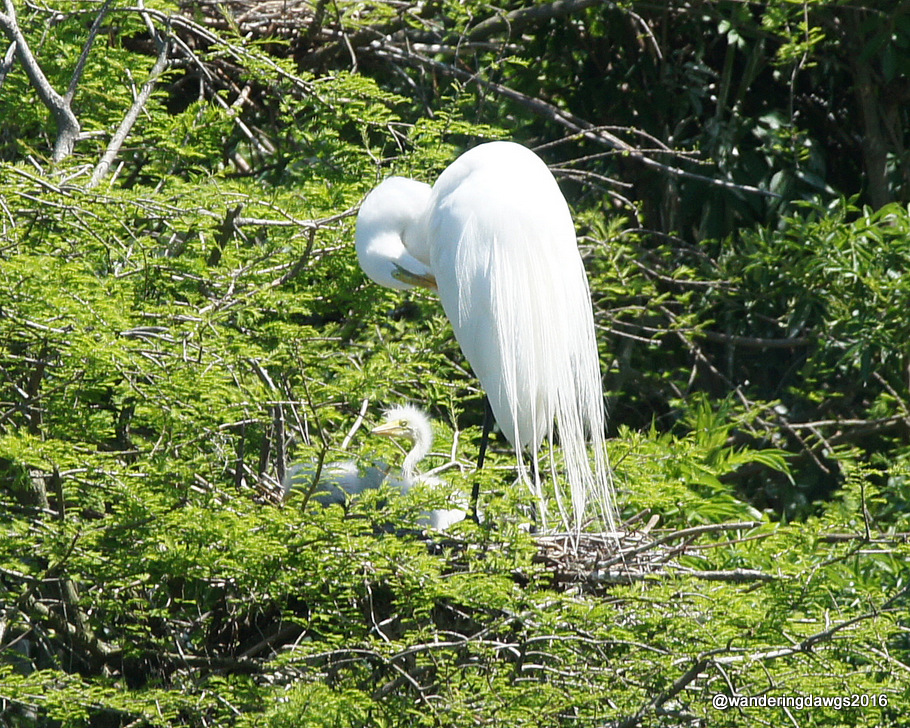
We could take a ride to Harris Neck National Wildlife Refuge to see nesting egrets, herons, and woodstorks in the spring. We could continue farther south for a boat ride through the Okefenoke National Wildlife Refuge.
Nesting Wood StorksCypress Trees in the Okefenokee Swamp, GeorgiaAlligator in the Okefenokee SwampGreat Egret with chicks, Harris Neck National Wildlife Refuge
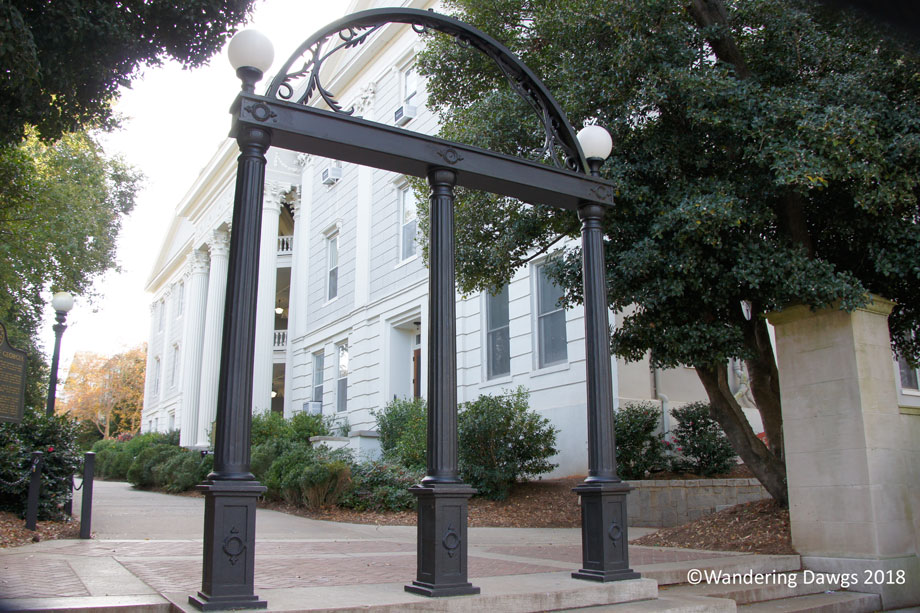
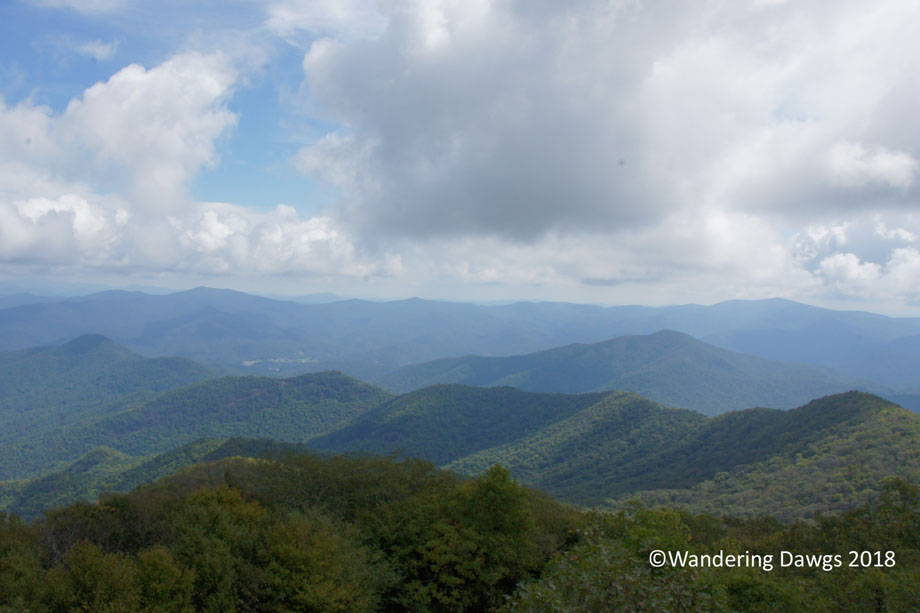
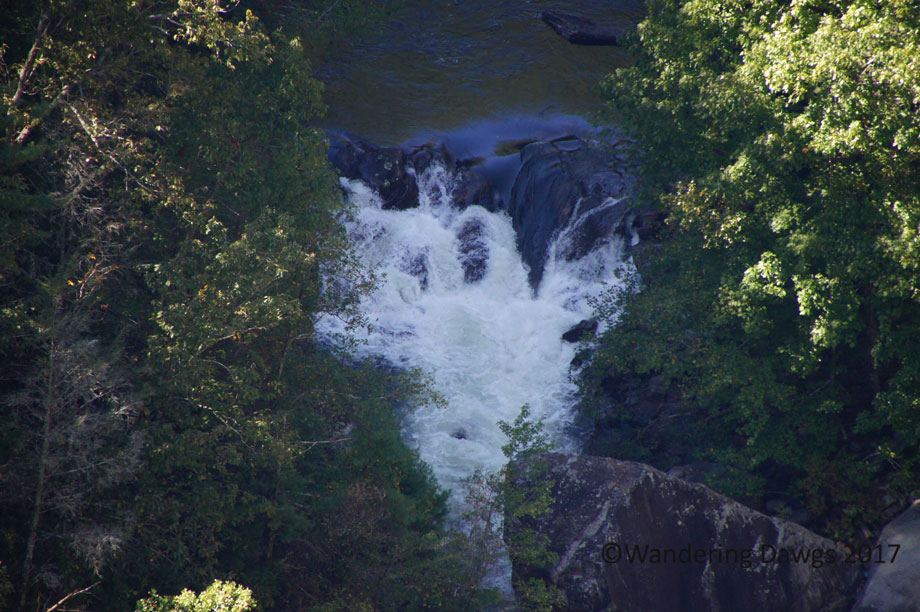
We would take a road trip on back country roads to north Georgia. We would stop to explore Athens, the home of the University of Georgia, go to the top of Brasstown Bald, and look for waterfalls. We would pass by fields of cotton, corn, and pecan orchards along the way.
University of Georgia Arch, AthensView from top of Brasstown Bald, the highest point in GeorgiaOne of the waterfalls of Tallulah Gorge
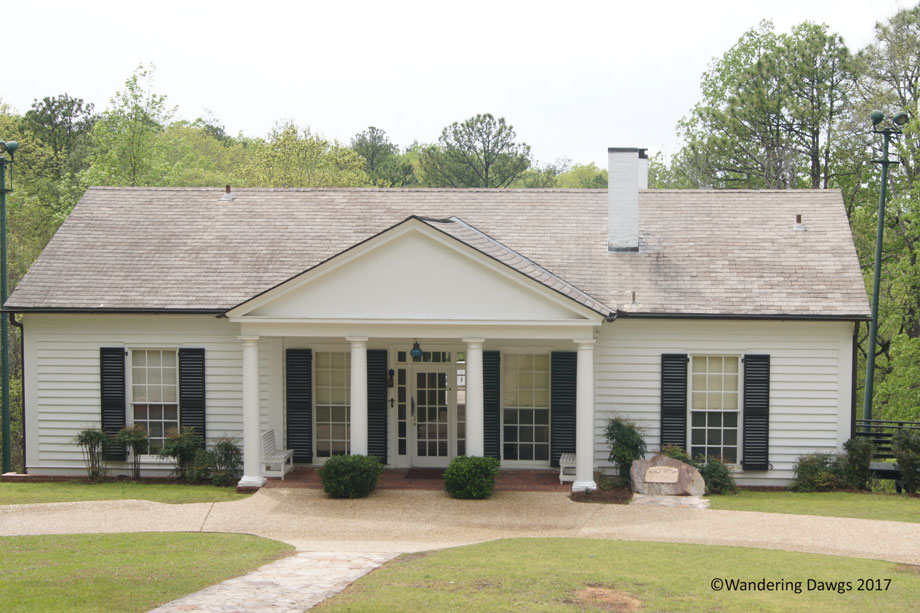
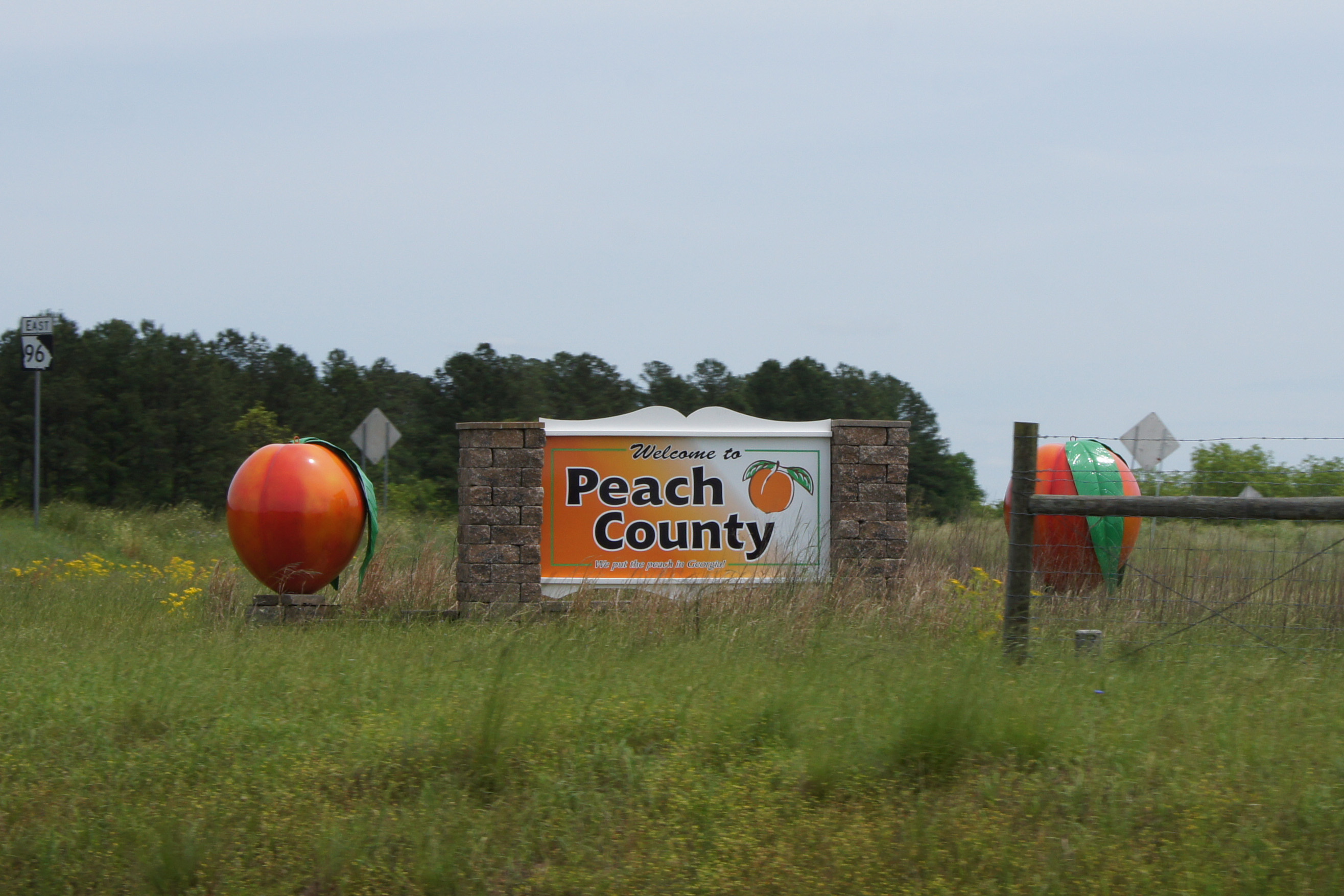
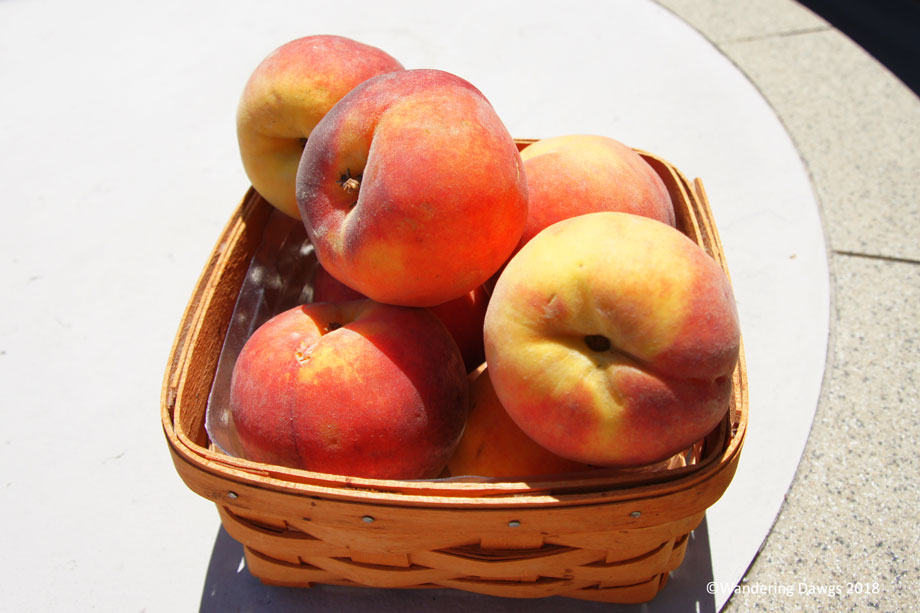
We would take another road trip to see the western part of the state and stop to explore Callaway Gardens in Pine Mountain and President F. D. Roosevelt’s Little White House in Warm Springs. We would drive by peach orchards and watch the sunset at one of the many lakes in Georgia.
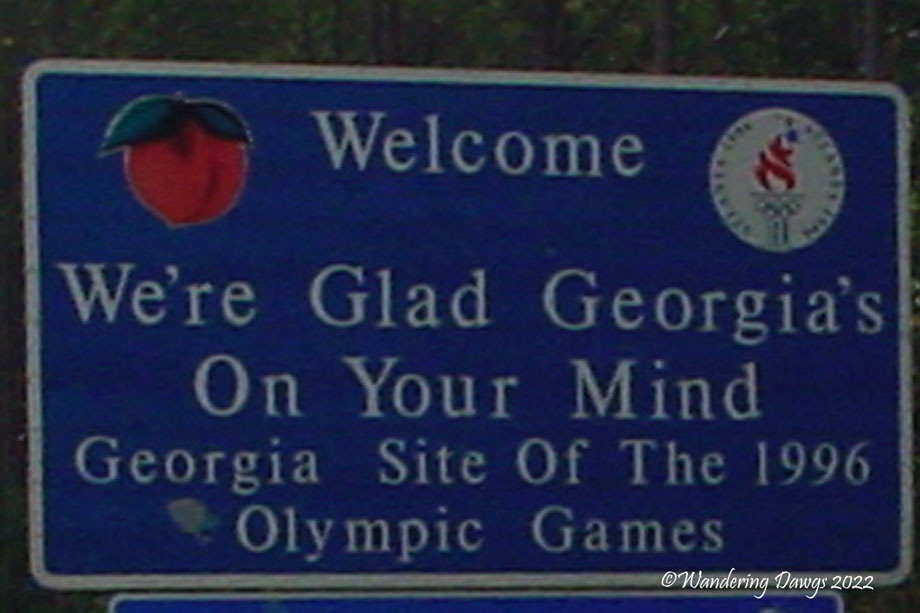
Callaway Gardens Azalea TrailFDR’s Little White House in Warm Springs, GAPeach County, GeorgiaGeorgia PeachesSunset over Lake Seminole at Eastbank Campground
There is so much more to see in Georgia. Sadly, I don’t have photos of some them. In Atlanta we could see the World of Coca-Cola, the Georgia Aquarium, Centennial Olympic Park, Stone Mountain, the President Jimmy Carter Presidential Library and Museum and the Martin Luther King, Jr. National Historic Site. We could visit the Providence Canyon, also called the grand canyon of Georgia in Lumpkin and beautiful Rome in northwest Georgia, and too many more places to name.
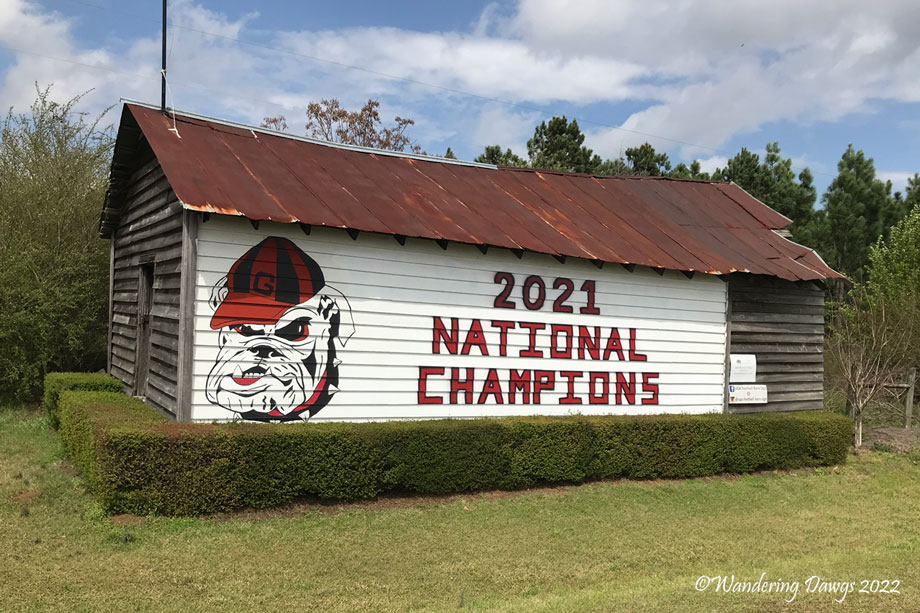
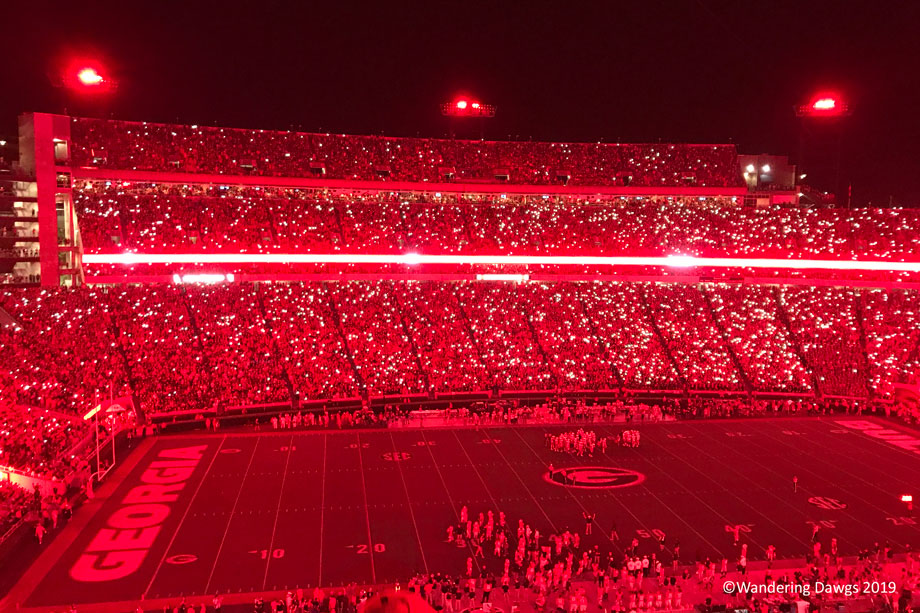
I can’t end a post about Georgia without including the University of Georgia Bulldogs football team. Go Dawgs!
Georgia Football Barn Sign, Tennille, GA Dooley Field at Sandford Stadium
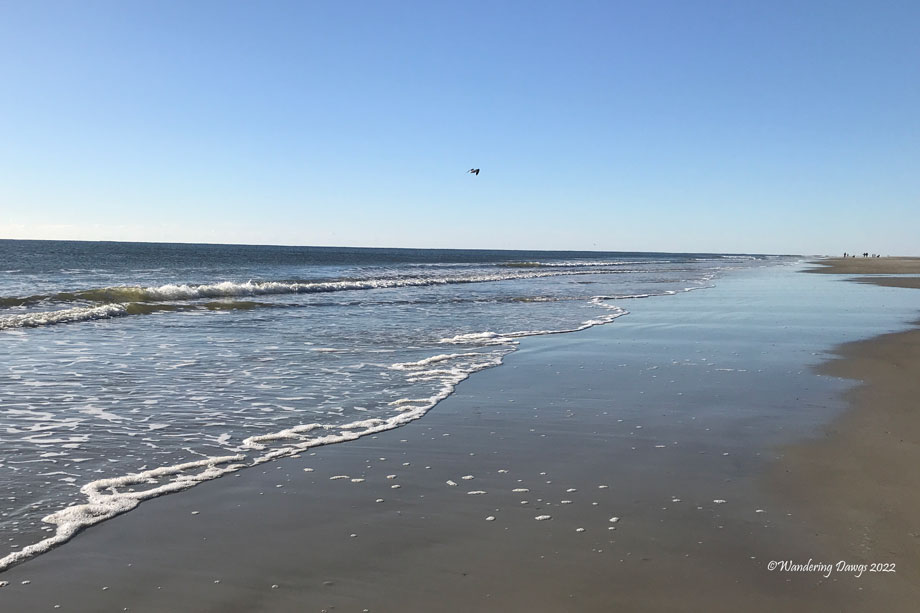
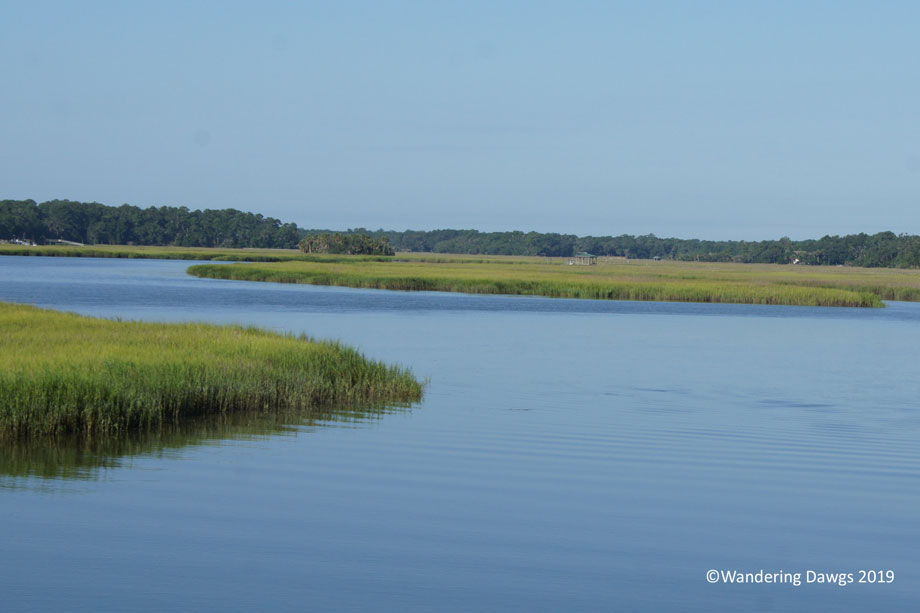
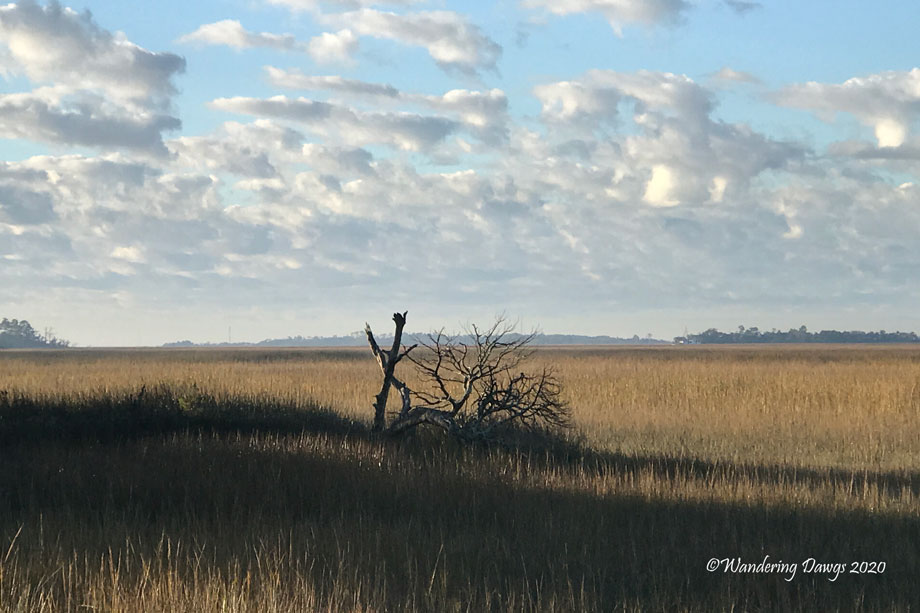
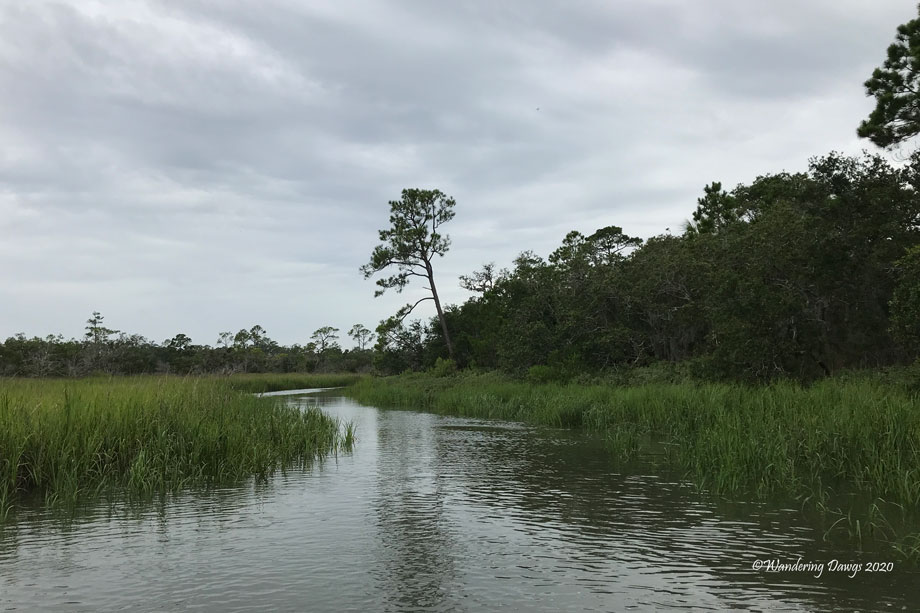
The Georgia coast is about 110 miles long and includes 15 barrier islands, miles of salt marsh, the city of Savannah, historic towns, and beautiful beaches. Jekyll, St. Simons, Sea and Tybee are the only islands accessible by car. The rest of Georgia’s islands can only be reached by boat. Cumberland Island National Seashore and Sapelo Island can each be reached by ferry.
Tybee Island is Georgia’s northernmost barrier island. Just 20 minutes east of downtown Savannah, Tybee is a popular tourist destination with miles of beach, many fun restaurants, the tallest lighthouse in Georgia, and Fort Pulaski National Monument and Cockspur Island Lighthouse nearby.
South of Savannah, St. Simons and Sea Island are the next islands that can be reached by road. With miles of beach, a village area by the fishing pier, Ft. Frederica National Monument, and golf courses, St. Simons is a popular beach destination.
The southernmost island that can be reached by road is Jekyll Island. Jekyll Island was once the winter home for many of America’s wealthiest families. Visitors to Jekyll can see many of these historic homes, ride bikes on its many bike trails, and enjoy its beautiful driftwood beach. Jekyll Island is owned by the state of Georgia.
Most of Sapelo Island is owned by the state of Georgia and is one of the barrier Islands that can only be reached by boat. A ferry runs from near the town of Darien.
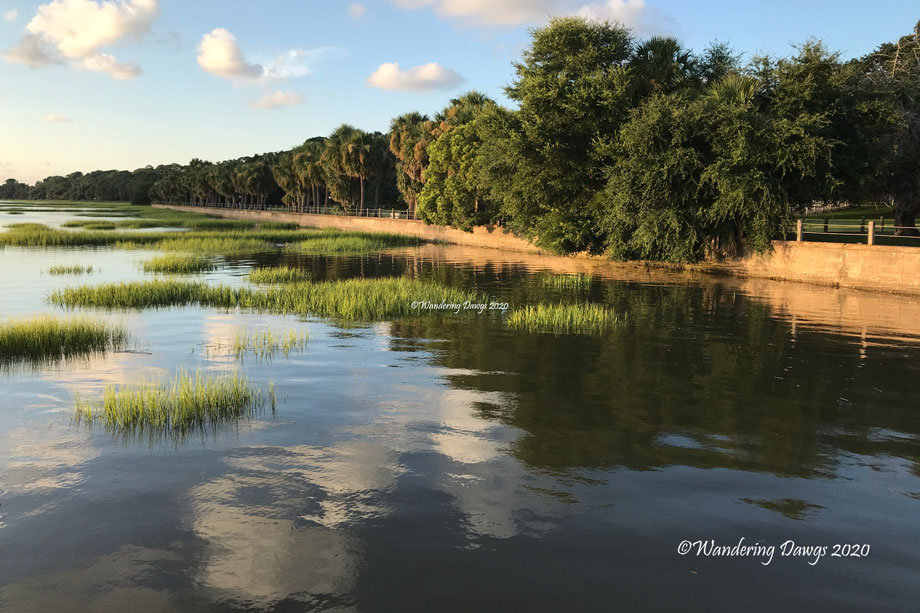
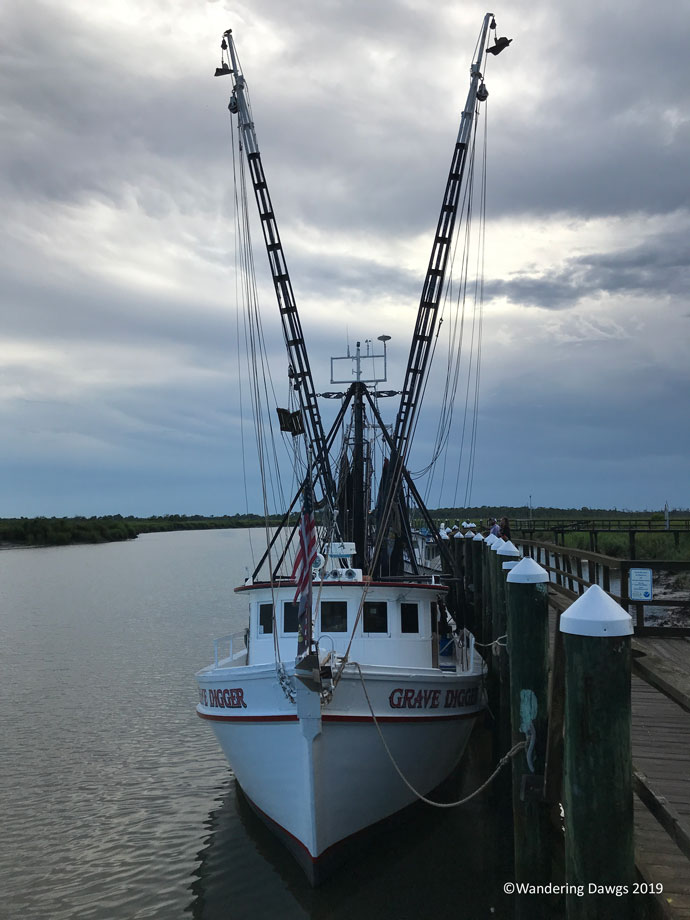
Ancient Live Oaks dripping in Spanish Moss, spring Azaleas, salt marsh, waterways, shrimp boats, fresh seafood, and wild life are all part of what makes coastal Georgia so special.
For this challenge Tina asked us to choose our own topic. December has been super busy with holiday events but I made sure I took the time to get out to take a few photos. For Tina’s challenge I chose a few images from the first two weeks of December here in coastal Georgia.
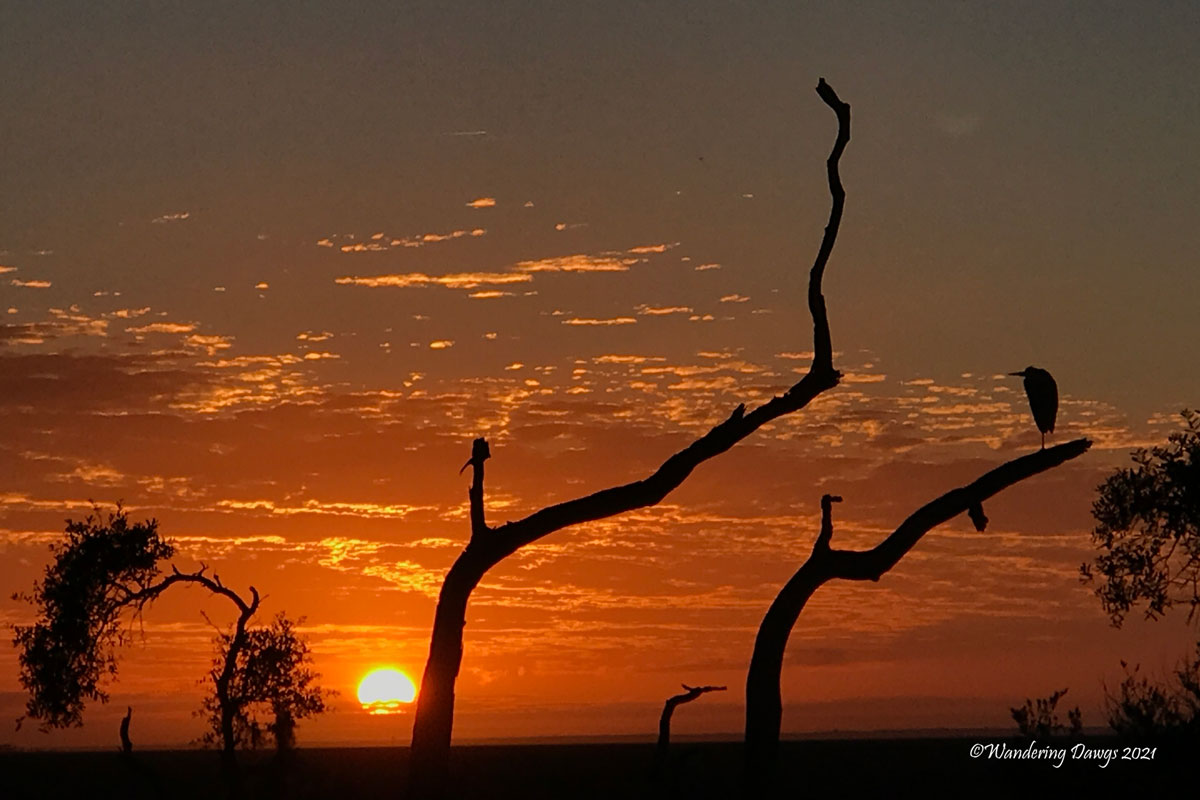
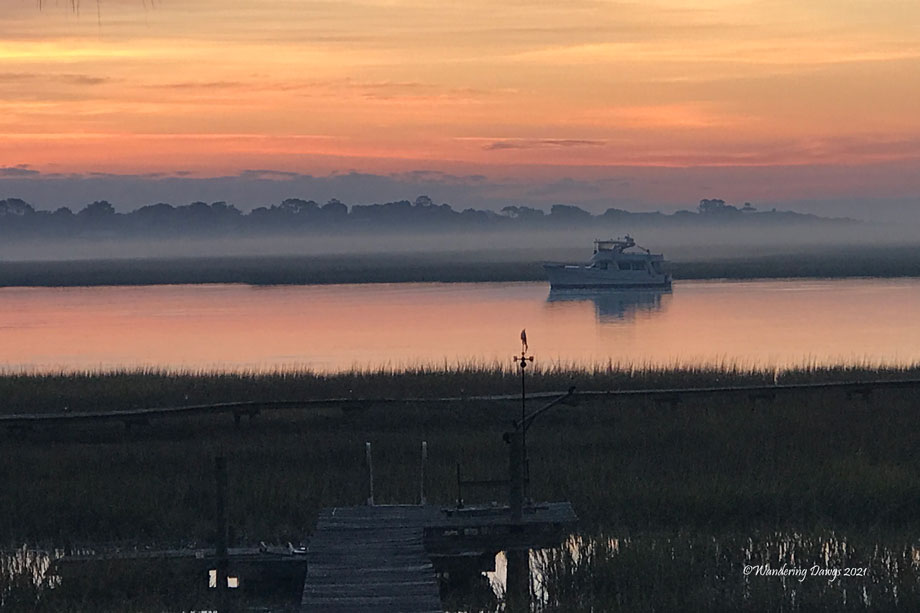
The weather has been beautiful with gorgeous evening and morning skies. The image above is from my favorite place to watch the sunset. The below image is a recent coastal sunrise.
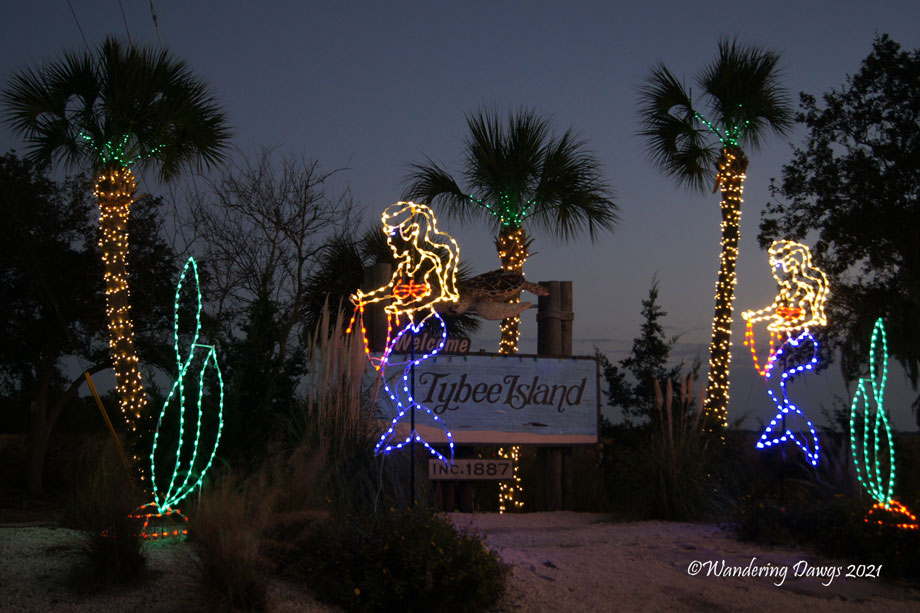
There are some wonderful Christmas light displays this year.
The Christmas baking has begun.
I hope you are enjoying your December wherever you are!
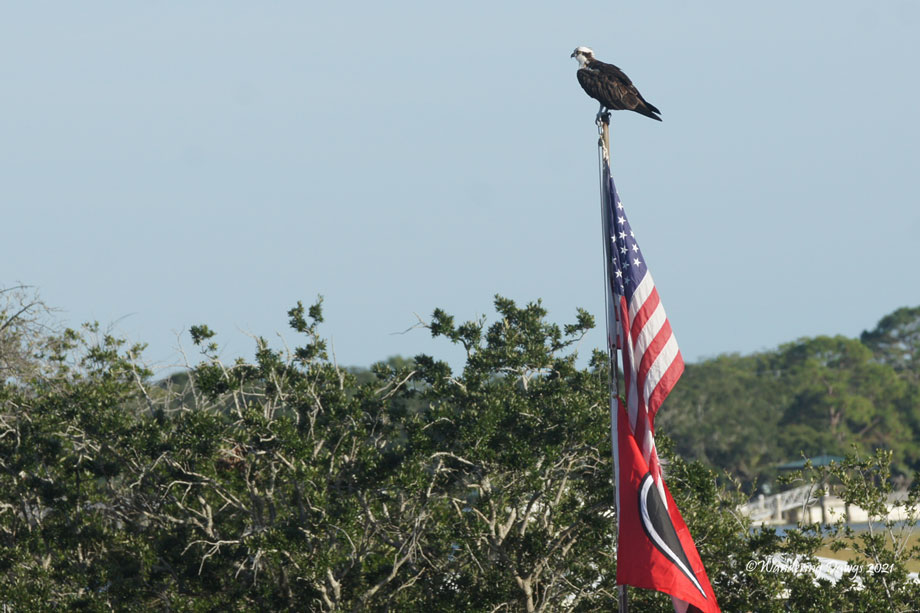
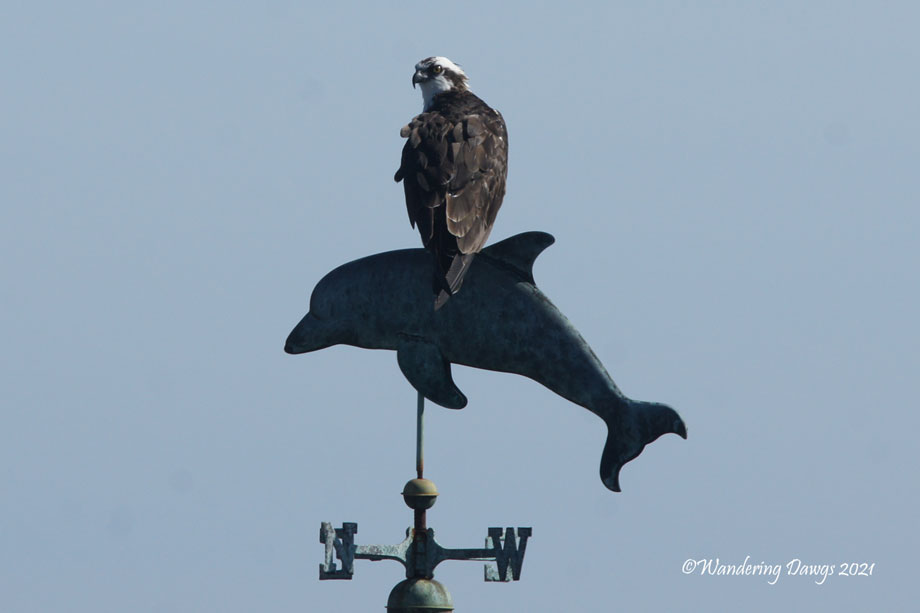
Ospreys are commonly seen where I live along the Georgia Coast. They have been entertaining us this week by perching on a flagpole and on our weather vane.
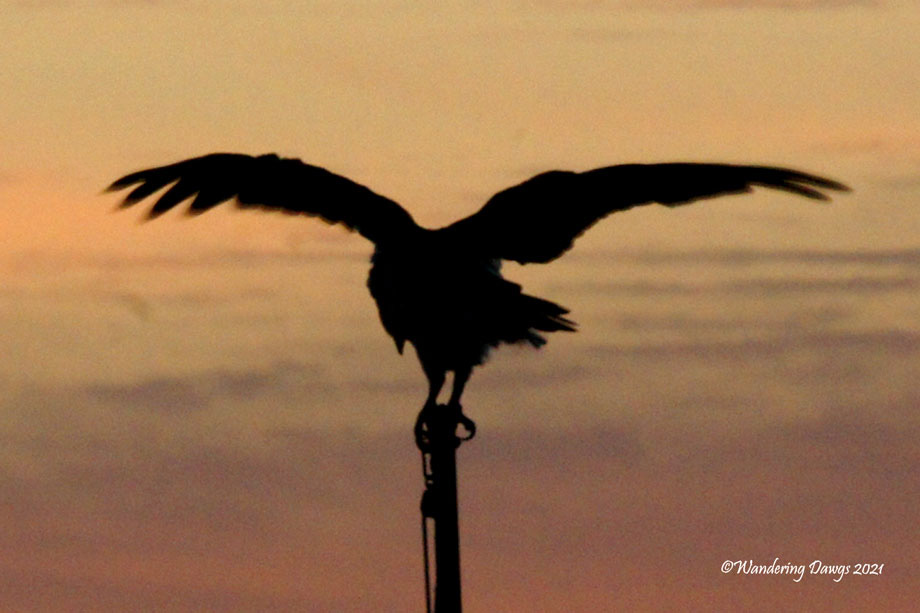
One morning I woke up to witness one of our spectacular autumn sunrises. To my delight an osprey was perched on top of the flagpole.