Lens Artists Photo Challenge #307 – Tourist Attractions Near and Far

Our guest host Leanne of Leanne Cole asks us to feature tourist attractions. She says”What the normal tourist wants to see is not always what we want.” For this challenge I chose some often overlooked quirky and fun tourist attractions from around the United States and Canada. To see a larger image just click on the image.

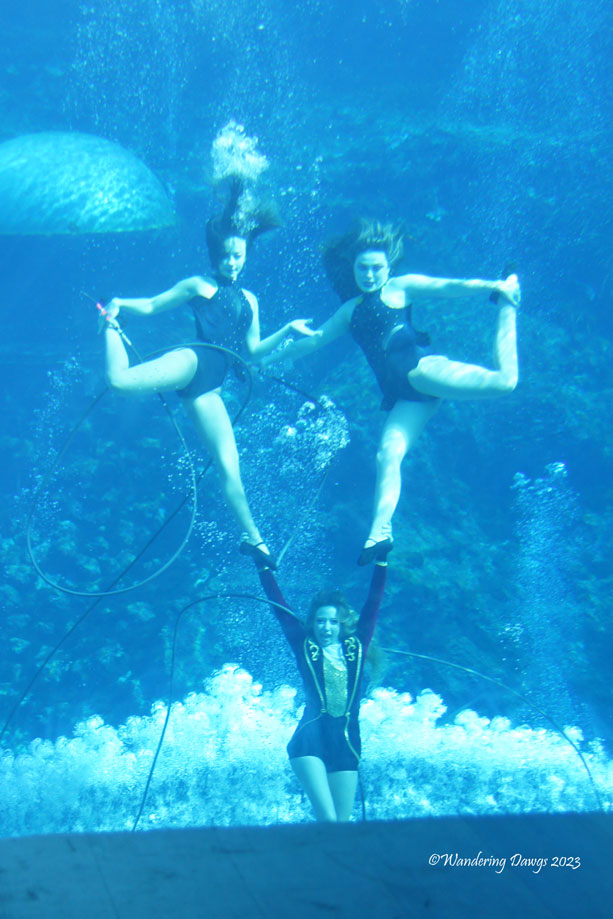
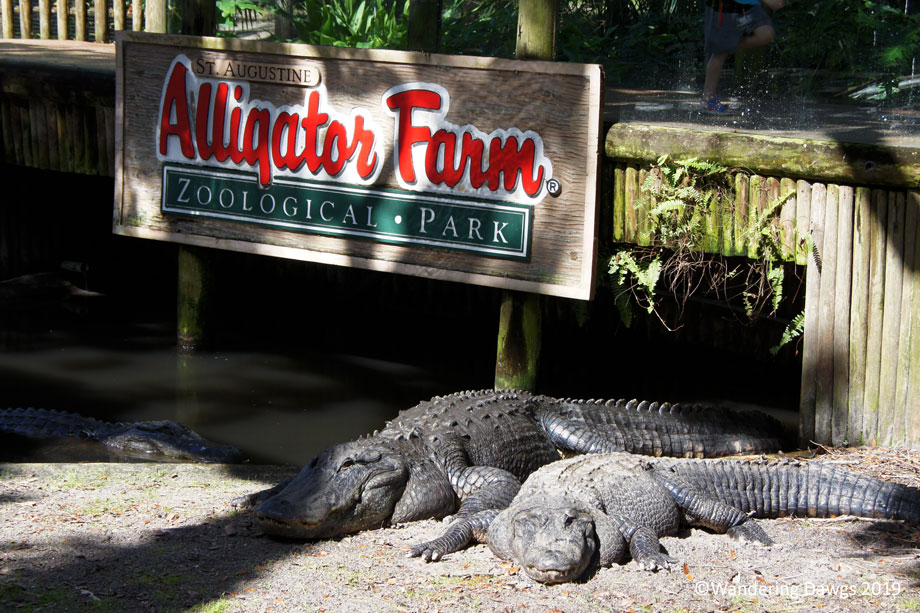
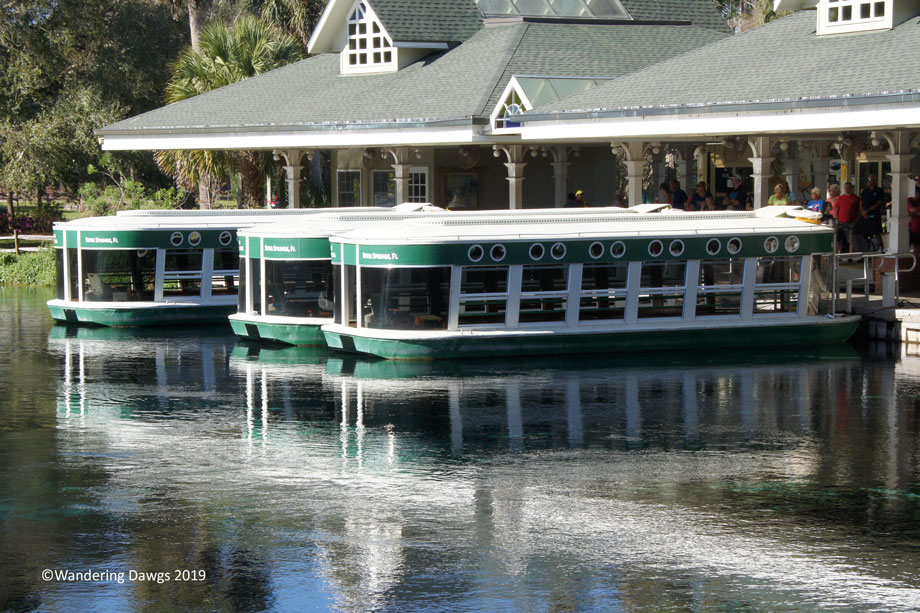
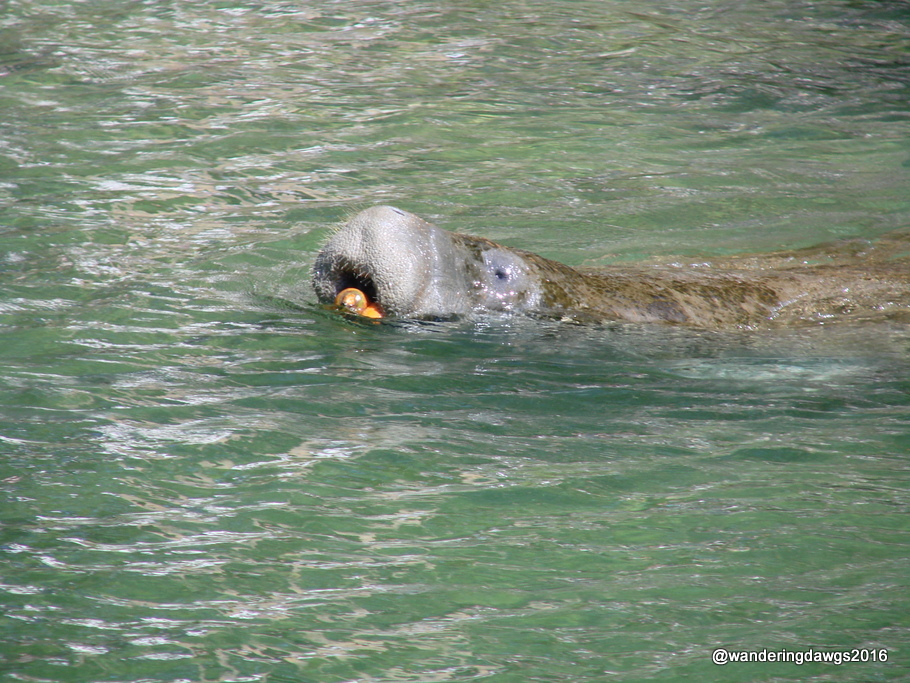
These days, Florida’s beaches and Orlando area theme parks are the main tourist attractions that bring people to the Sunshine State. Long before Walt Disney began planning Walt Disney World there were other attractions for tourists. The header image is from the St. Augustine Alligator farm which was founded in 1893. The following gallery features the glass bottom boats in Silver Springs which have been operating since the 1870s, mermaids at Weeki Wachee Springs which have been entertaining visitors since 1947, and Homosassa Springs State Wildlife Park which has been around since the early 1900’s.
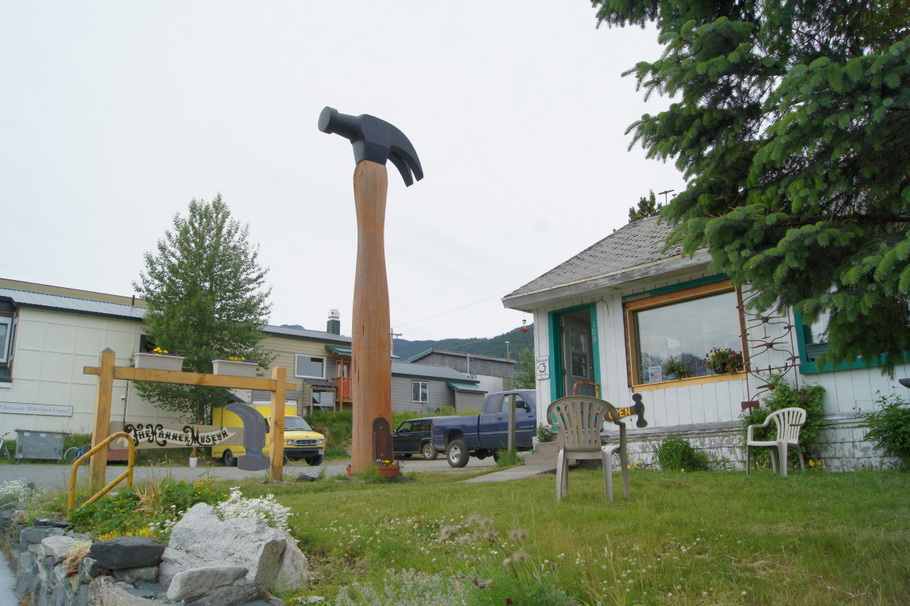
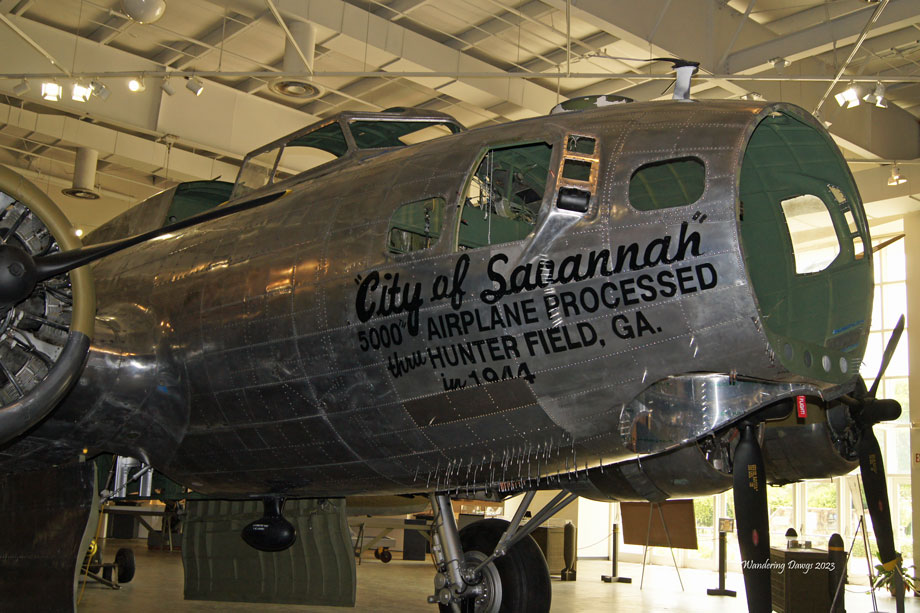
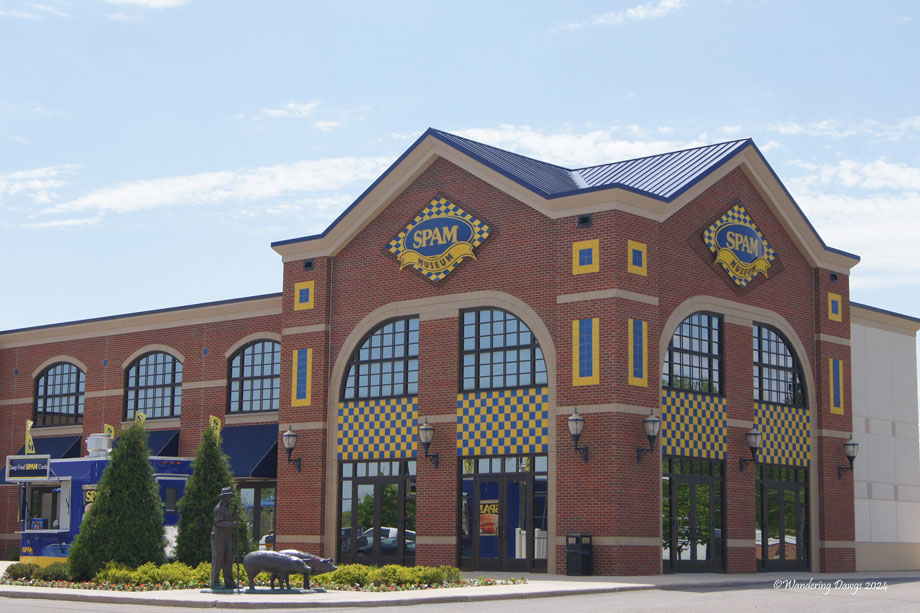
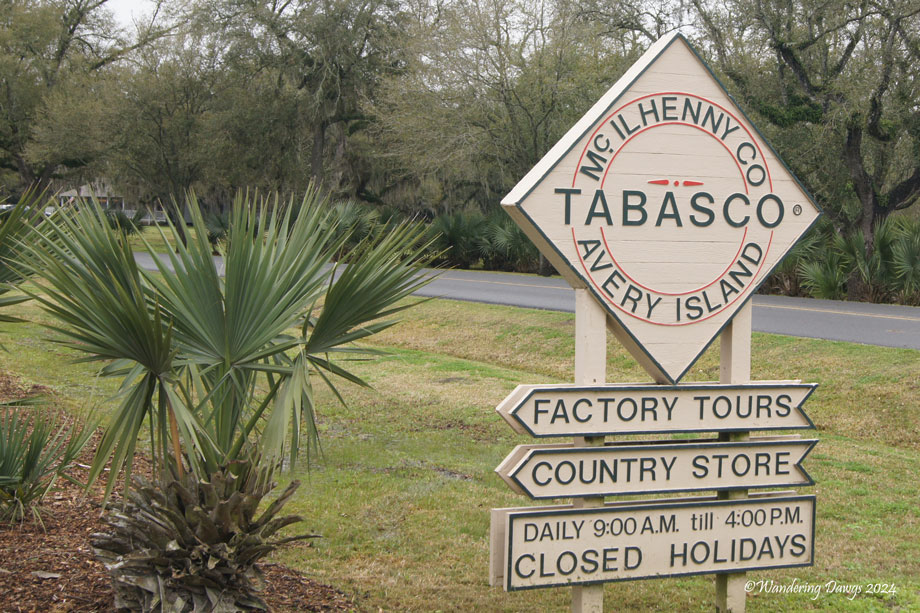
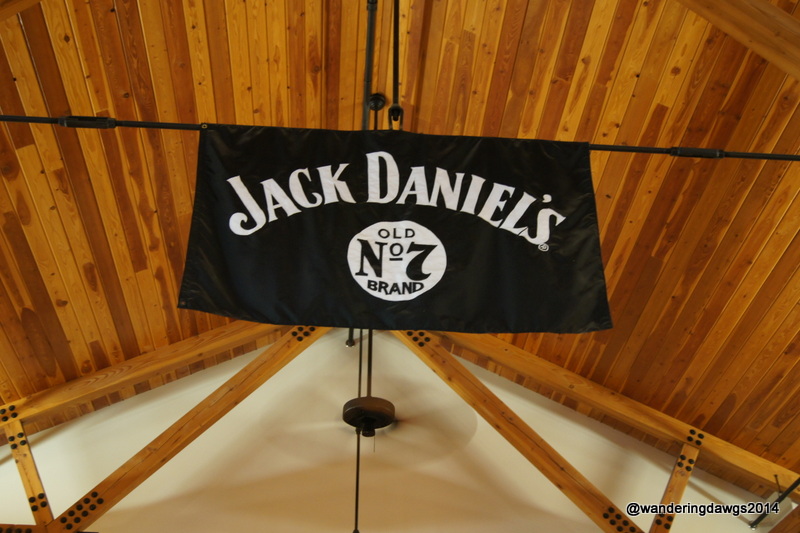
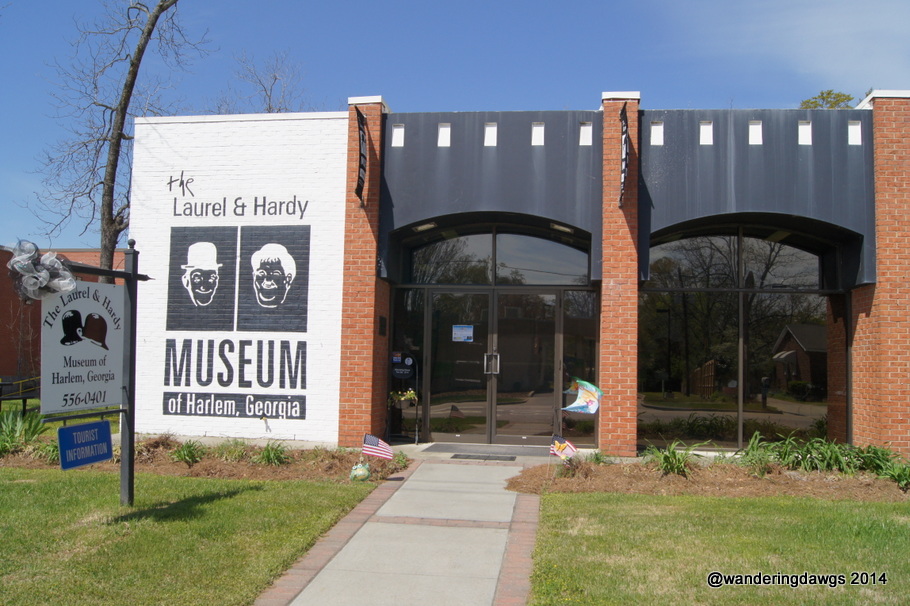
There are museums, factories and distilleries to explore all around the United States. The following gallery features, in clockwise order starting with the upper left image: The Brer Rabbit Museum in Eatonton, Georgia; the Laurel and Hardy Museum in Harlem, Georgia; The Hammer Museum in Haines, Alaska; the Spam Museum in Austin, Minnesota; the UFO museum in Roswell, New Mexico; the Mighty Eighth Air Force Museum in Savannah, Georgia; the Tabasco Factory in Avery Island, Louisiana; the Jack Daniels Distillery in Lynchburg, Tennessee.

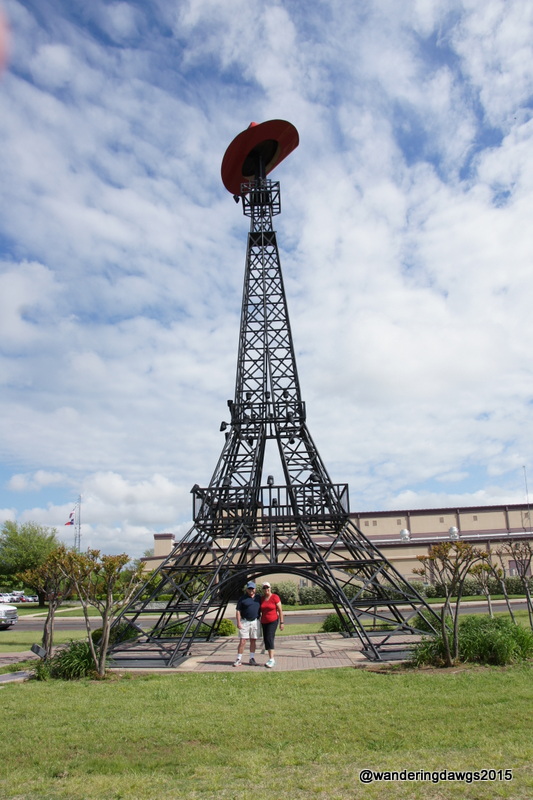
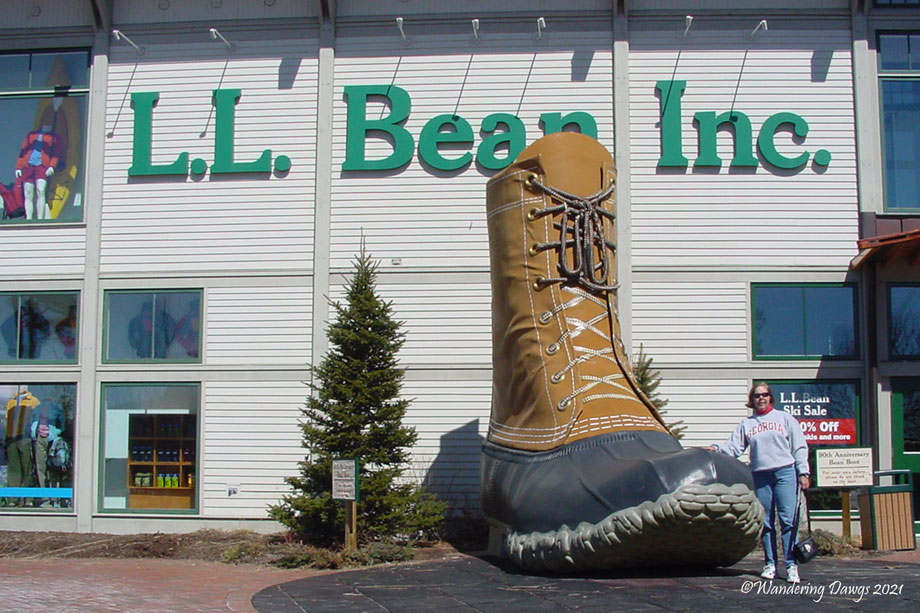
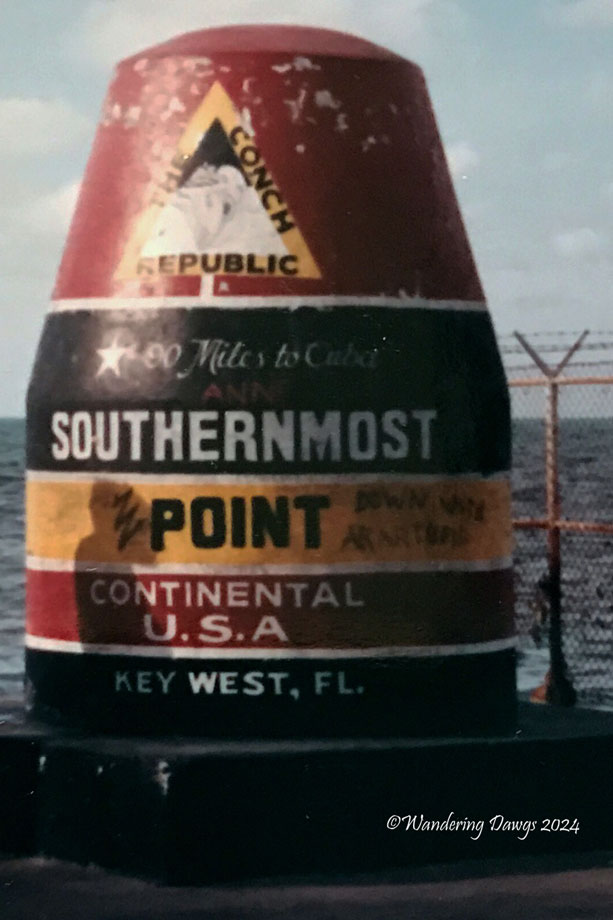
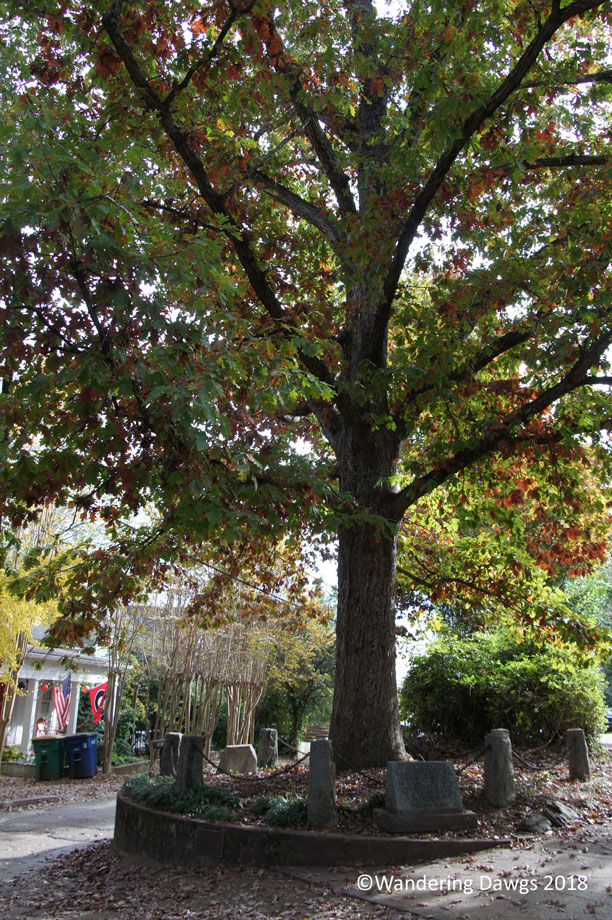
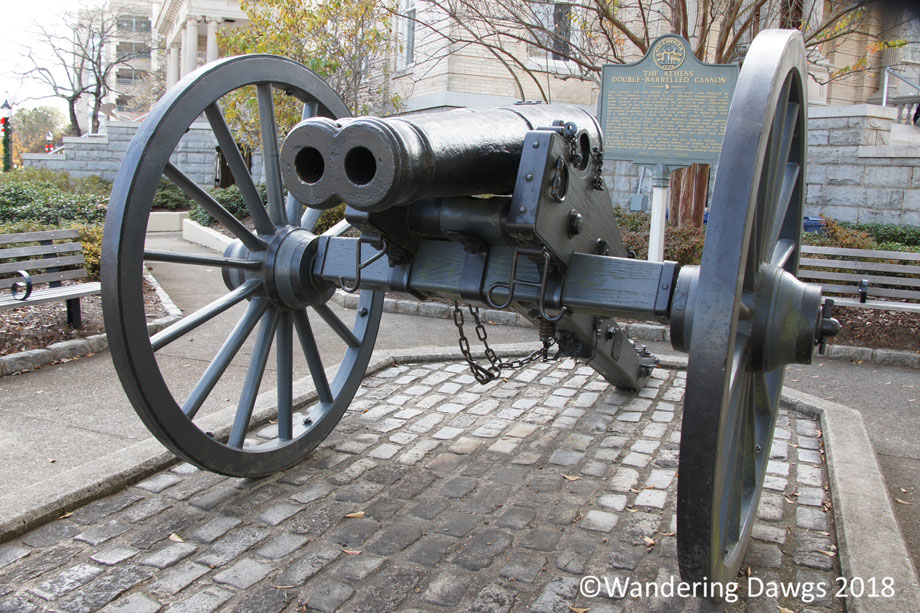
You can find unusual attractions if you take the time to look around. Shown below are the tree that owns itself in Athens, Georgia; a double-barreled cannon in Athens, Georgia; the eiffel tower with a red cowboy hat in Paris, Texas; the giant duck boot at the L. L. Bean store in Maine; and the southern most point in the continental United States in Key West, Florida.
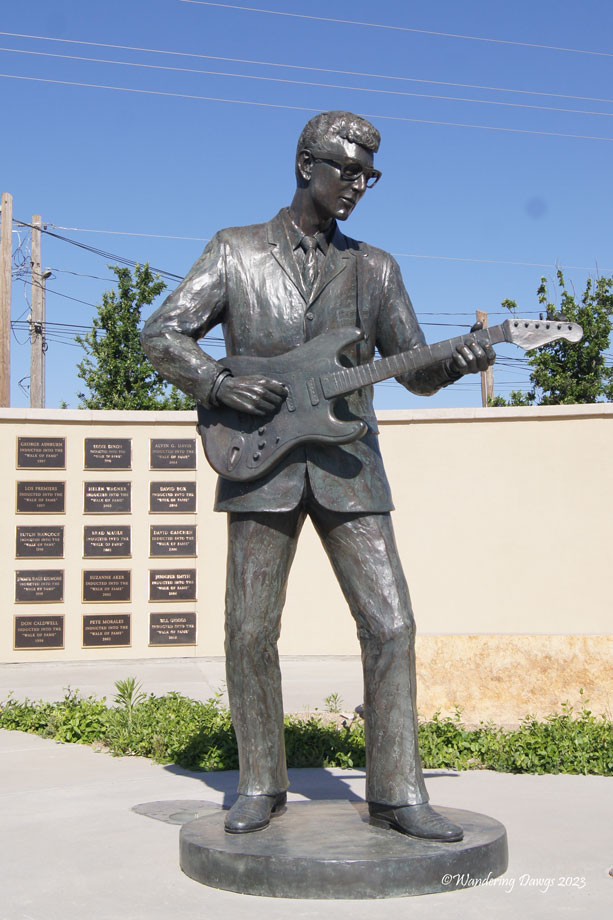
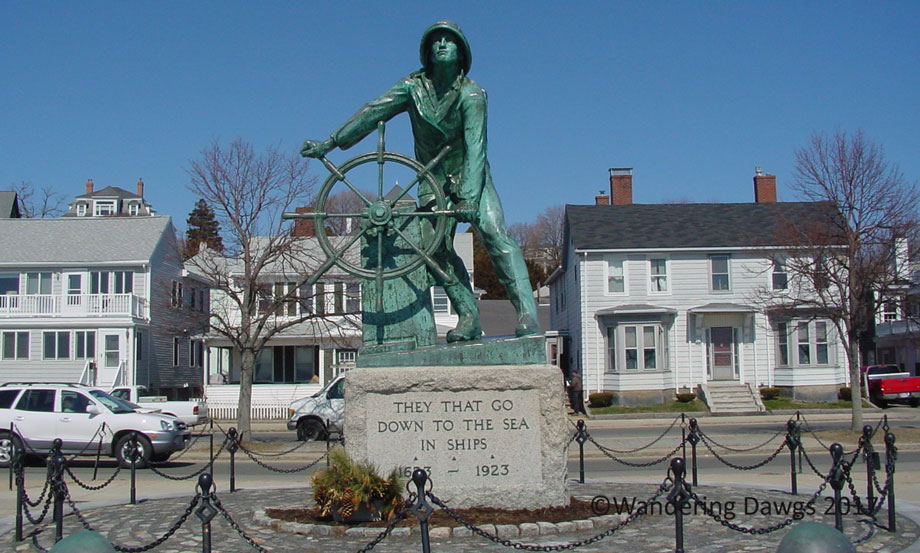
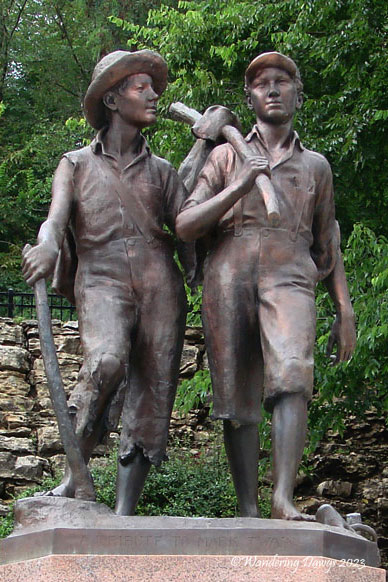
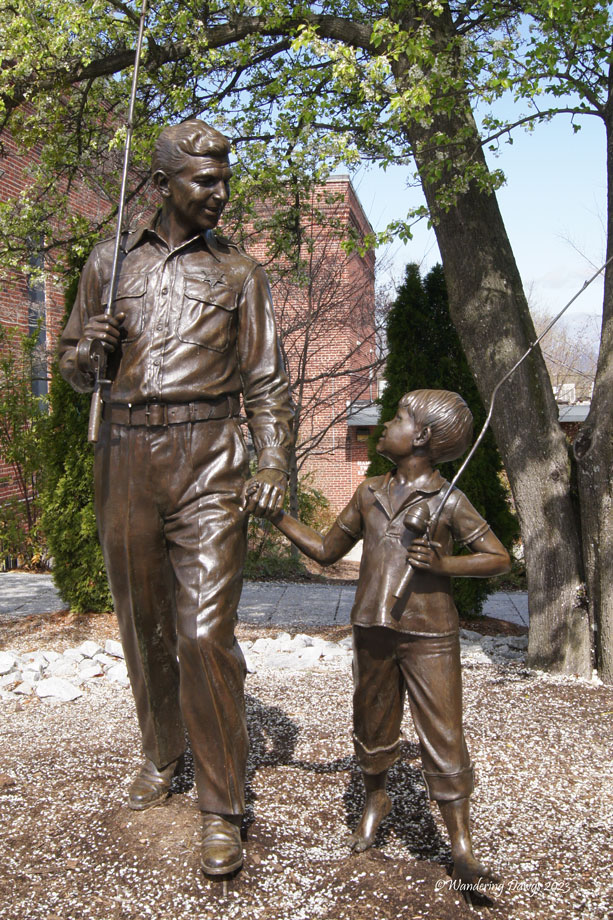
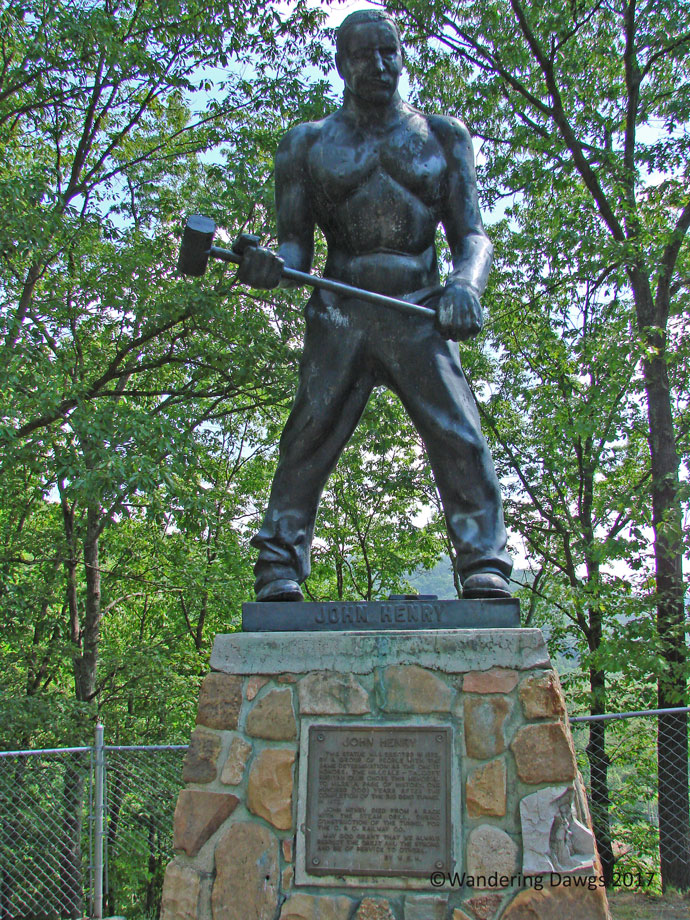
The following statues are: Andy and Opie in Mt. Airy, North Carolina; John Henry in Talcott, West Virginia; Buddy Holly in Lubbock, Texas; Fisherman’s Memorial in Glouchester, Massachusetts; Tom Sawyer and Huckleberry Finn in Hannibal, Missouri.
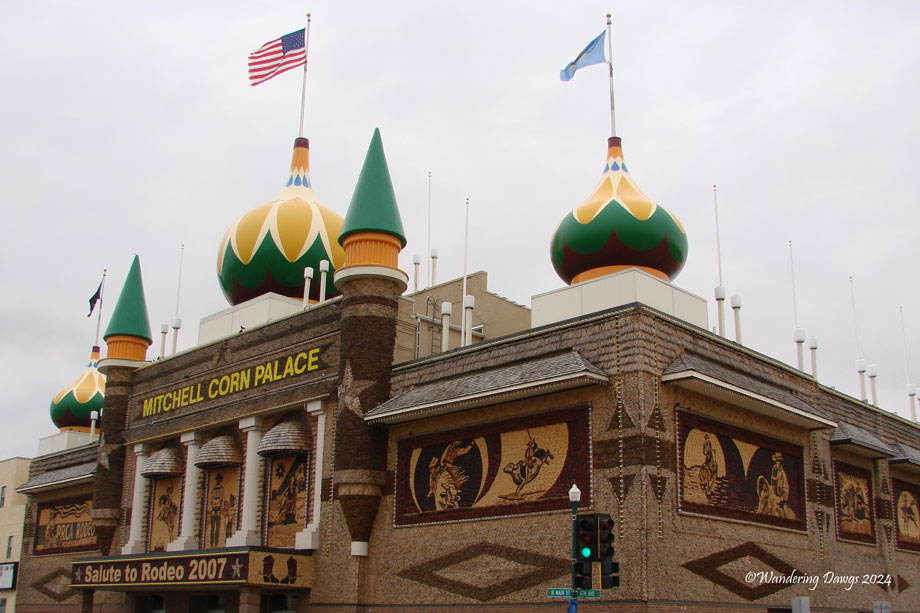
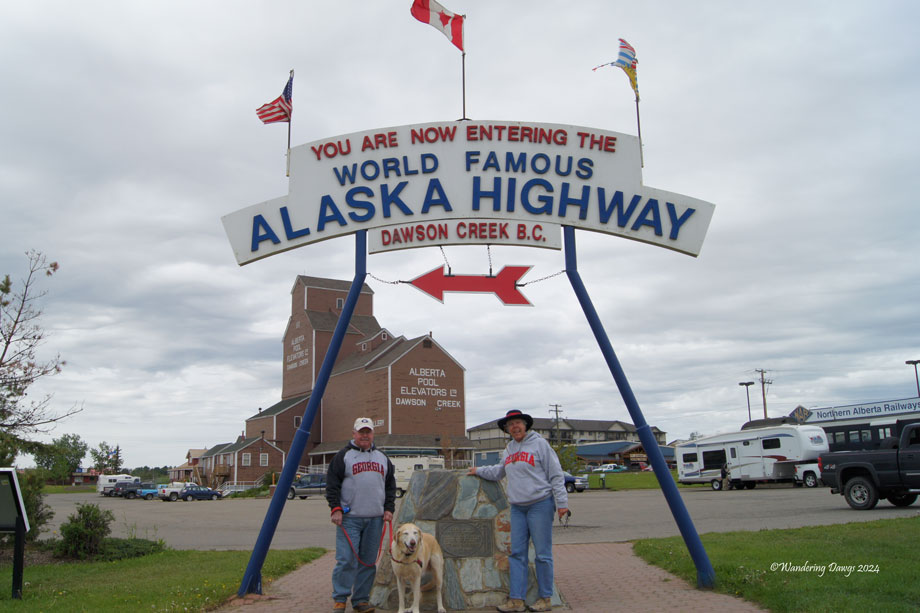
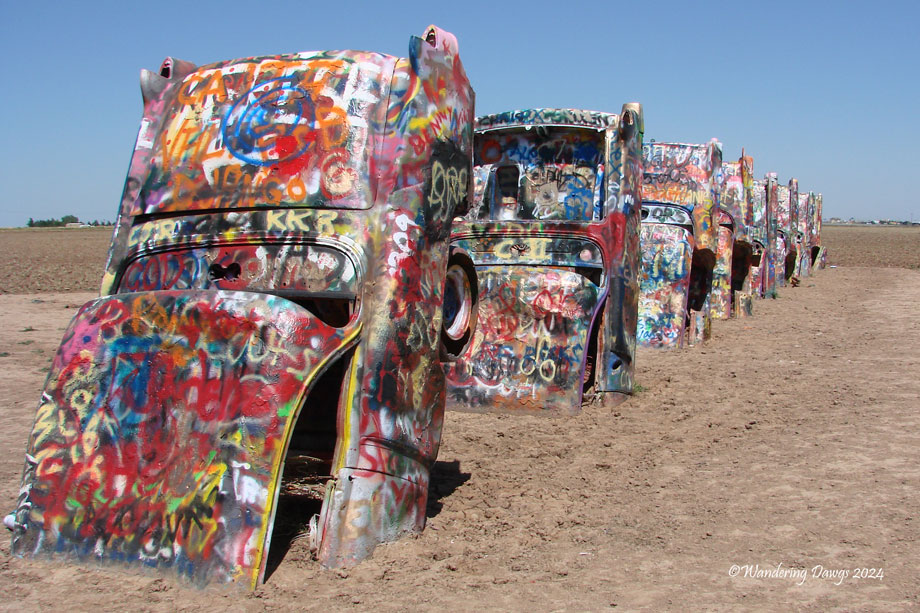
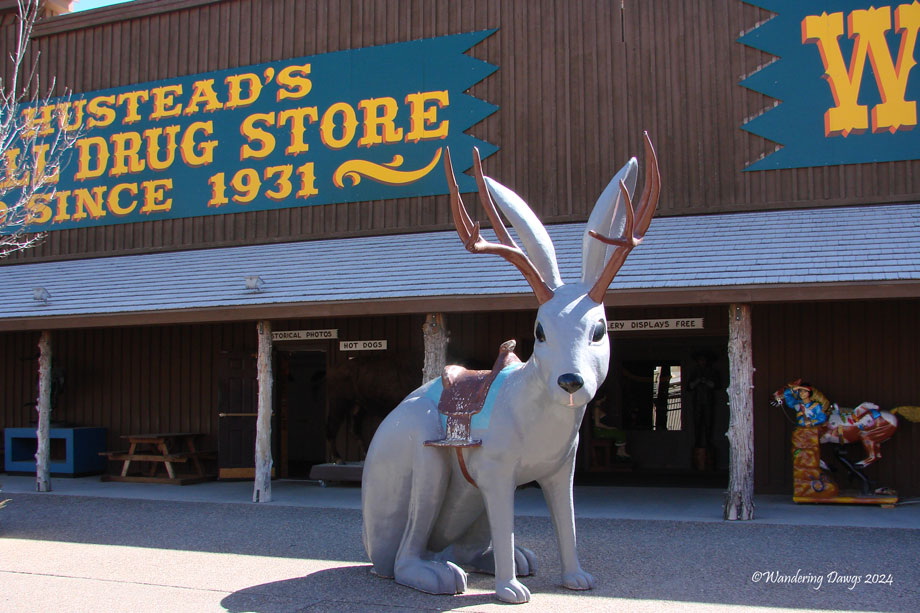
There are many fun things to see on the way to somewhere else. Here are: Cadillac Ranch near Amarillo, Texas; Wall Drug Store in Wall, South Dakota; the Corn Palace in Mitchell, South Dakota; the start of the Alaska Highway in Dawson Creek, British Columbia.
If you enjoy road trips in the United States and are interested in finding other fun roadside attractions, take a look at Roadside America for some ideas.

Many thanks to our guest host for this challenge Lens-Artists #307 – Tourist Attractions
Lens Artists Photo Challenge #306 – Habitat

Tina’s challenge is to examine the habitats of both humans/and or animals.

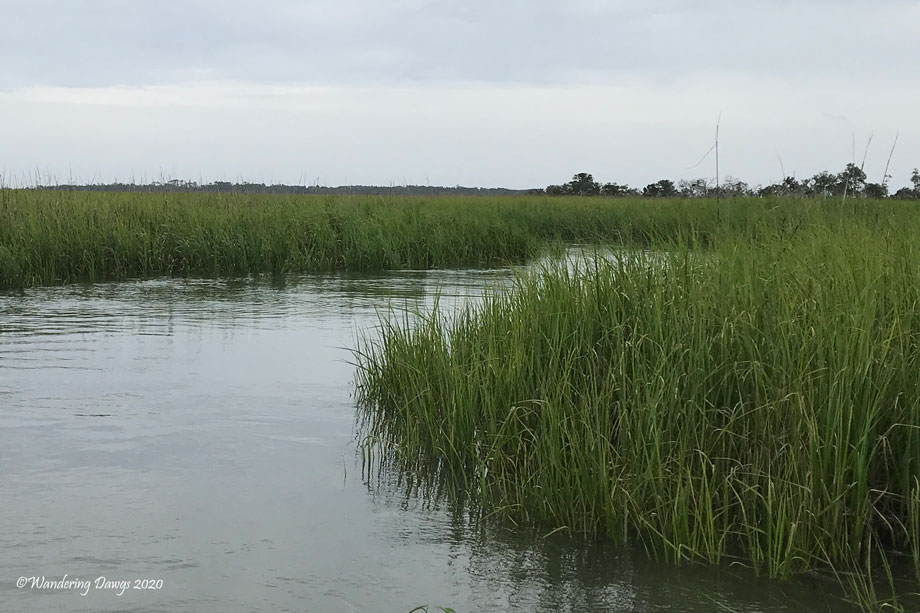
A quote from the Georgia Department of Natural Resources tells us that “Georgia’s coastal marshlands encompass approximately 368,000 acres in a four to six mile band behind the barrier islands. Thriving in the waters of the estuaries, these marshes have been identified as one of the most extensive and productive marshland systems in the United States. There are nearly 400,000 acres of coastal marshlands in Georgia which represent a considerable portion of all remaining marshlands along the entire eastern coast of the United States.”

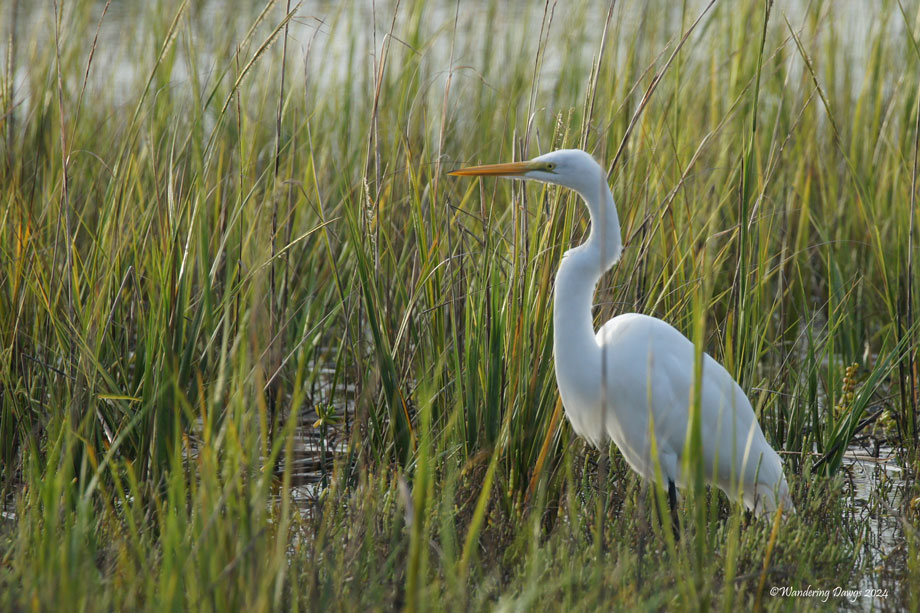
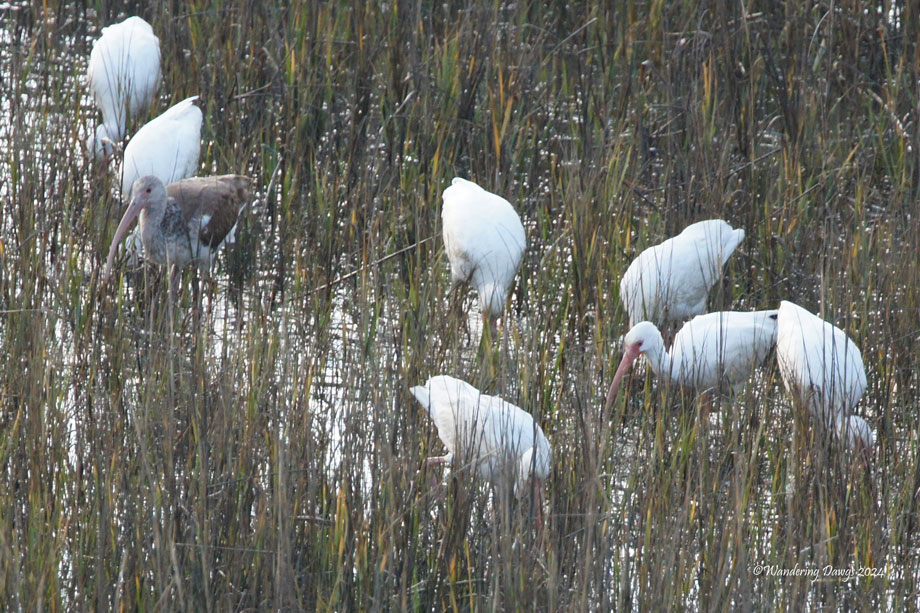
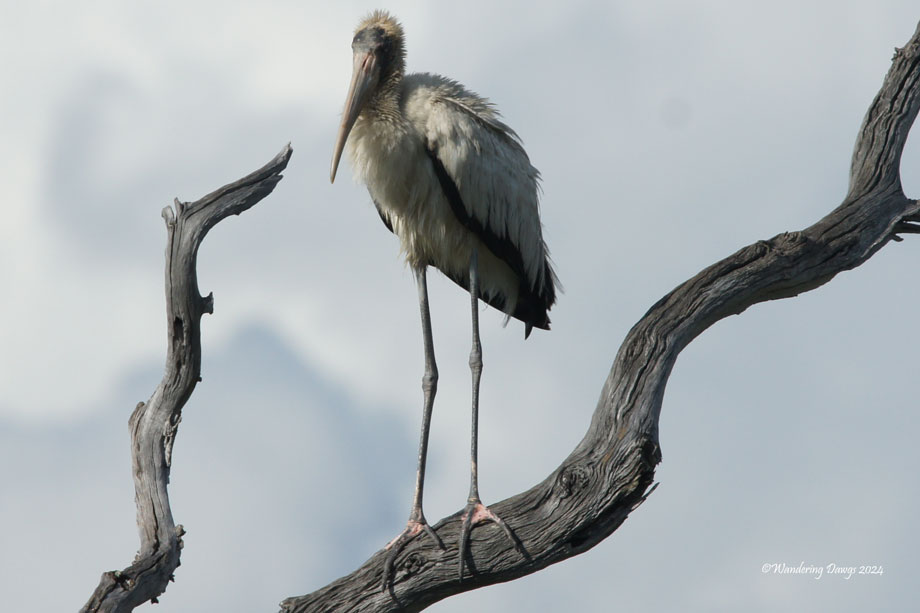
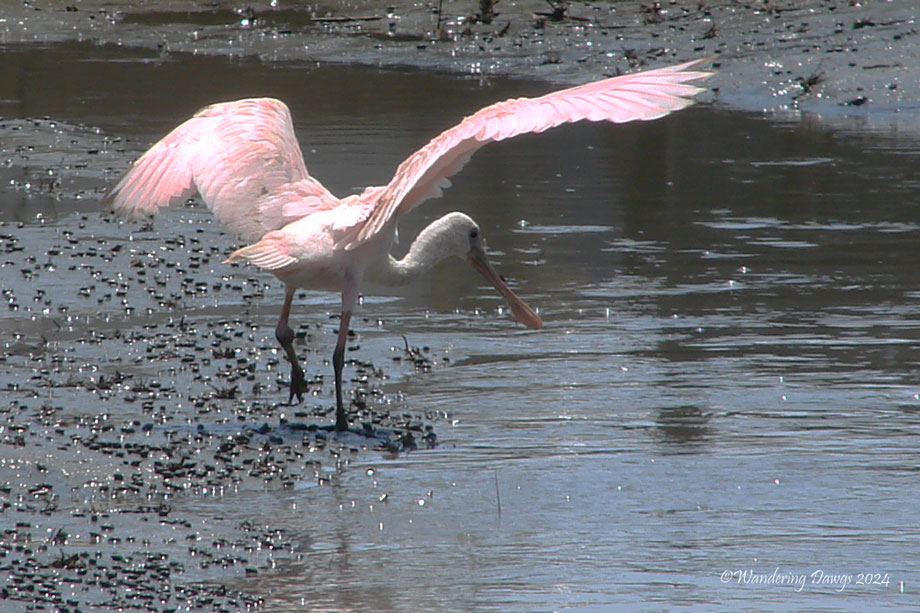
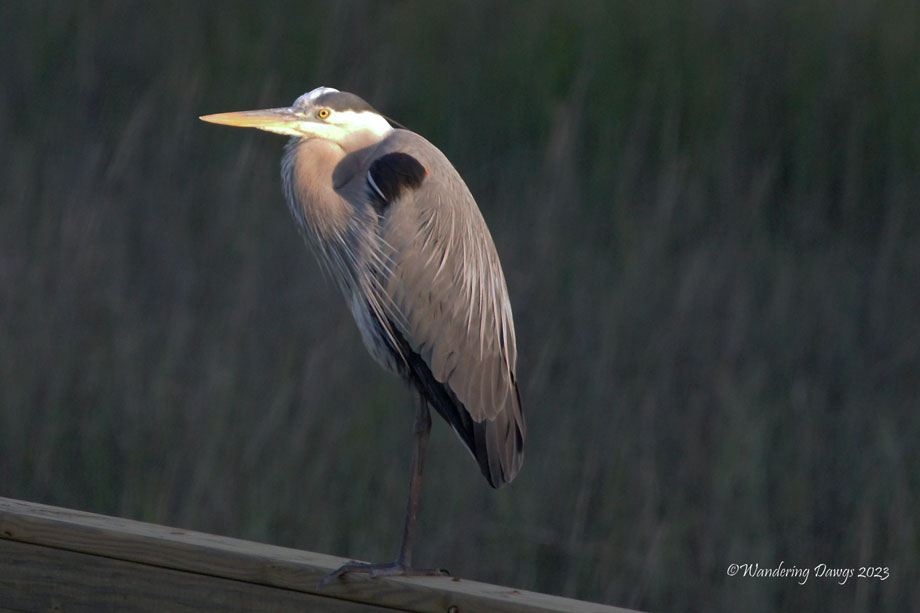
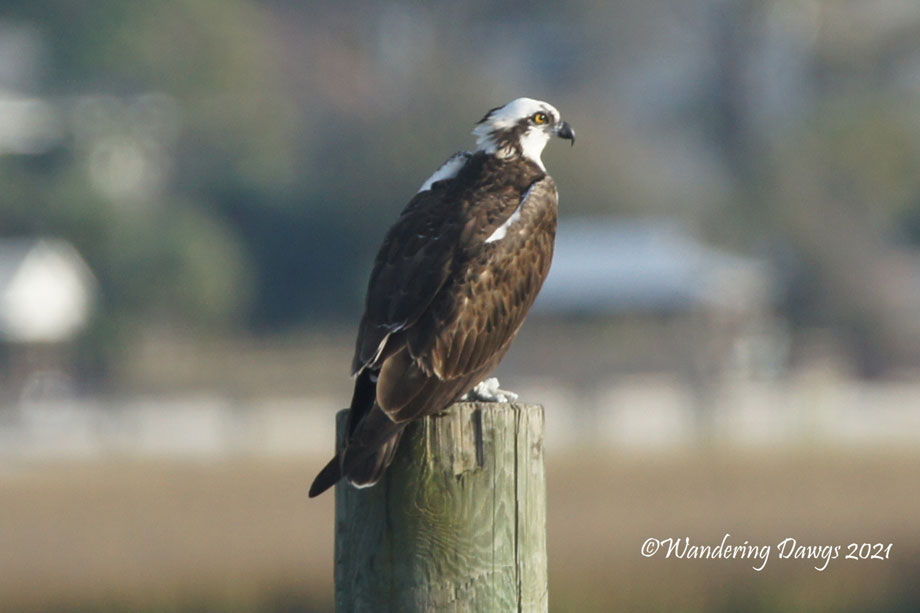
I chose to feature images of some of the birds that feed on the fish, shrimp, snails, and other small creatures that live in the salt marsh. Sometimes I see the birds perched in a tree or on a dock above the marsh as they search for food. It’s fun to watch them wade through the marsh or a creek as they feed.

Great egret wades through the salt marsh searching for food
Ibis feeding in the salt marsh
Wood Stork
Roseate Spoonbills and Great Egrets share a tree
Roseate Spoonbill fishing in a tidal creek
Great Blue Heron perched on a rail above the marsh
Osprey searching for fish

Many thanks to our host Tina for this challenge Lens-Artists #306 – Habitat

Lens Artists Photo Challenge #305 – Two Rectangles

Edigio’s challenge is to feature images that show two rectangles. He explains “By two rectangles, I mean you have two dominant rectangular areas in your image. For many people, this is one of those compositional tools we use without thinking about it. These rectangles give balance, harmony, and unity to a composition.”

I had never heard of the idea of using two rectangles as a technique in photography before reading Edigio’s post. I was surprised to find many images in my archives that met his description.

Eleven years ago we were traveling around Alaska in our RV. All of the images in this post are from that trip.

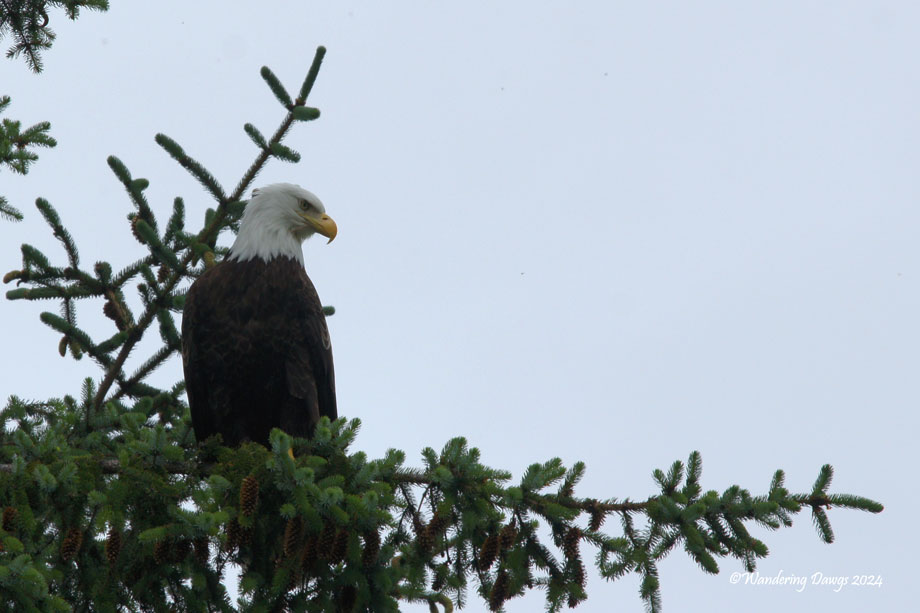
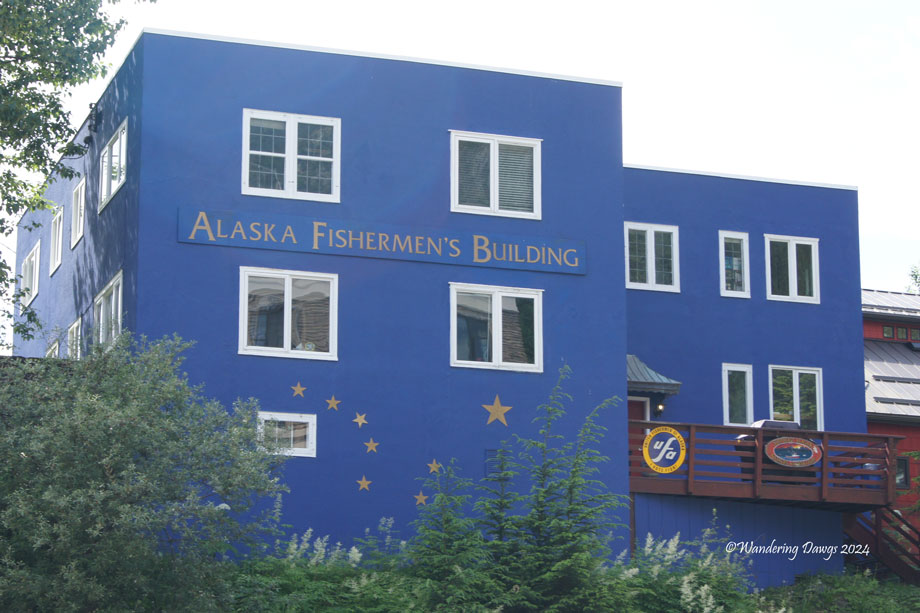
The header image of the Eagle on a branch uses negative space to create the two rectangles. This next image shows how architecture can be used to define the rectangles in an image. This blue building is a good example of rectangles within rectangles.

Juneau, Alaska

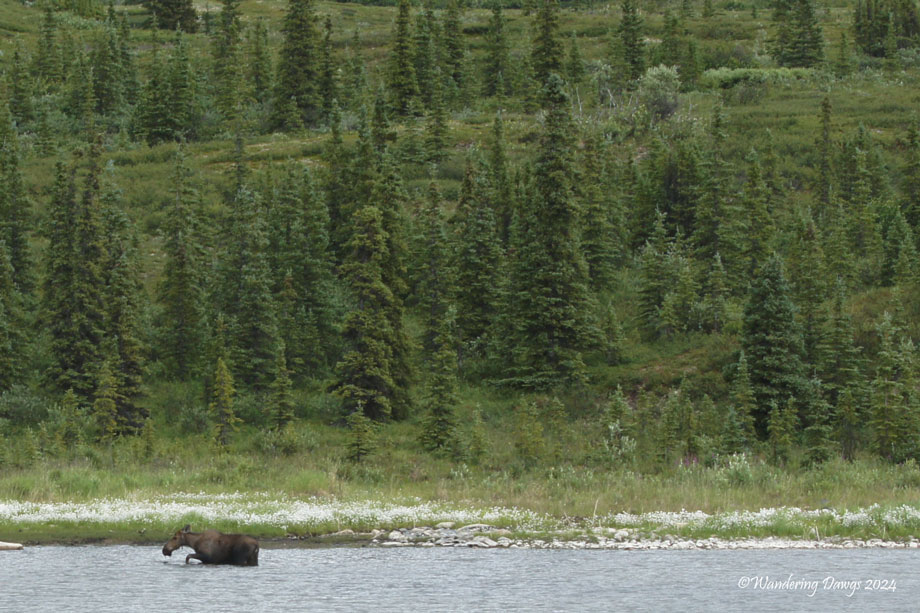
For the next image the horizontal line at the edge of the water defines the two rectangles.

Moose in Denali National Park, Alaska

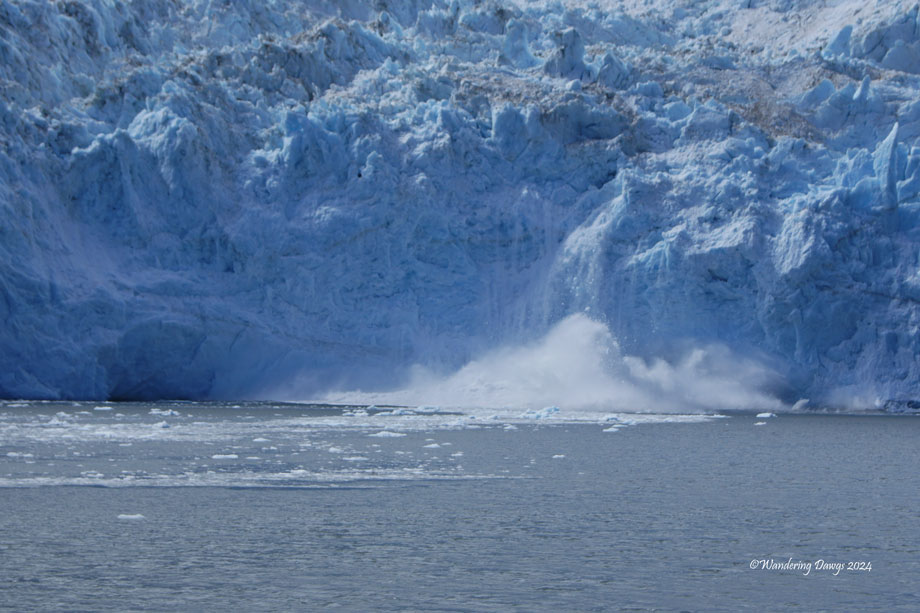
In the next image the two rectangles are defined by the horizontal line which divides the glacier in the upper rectangle and the water in the lower rectangle.

Calving on Aialik Glacier, Alaska

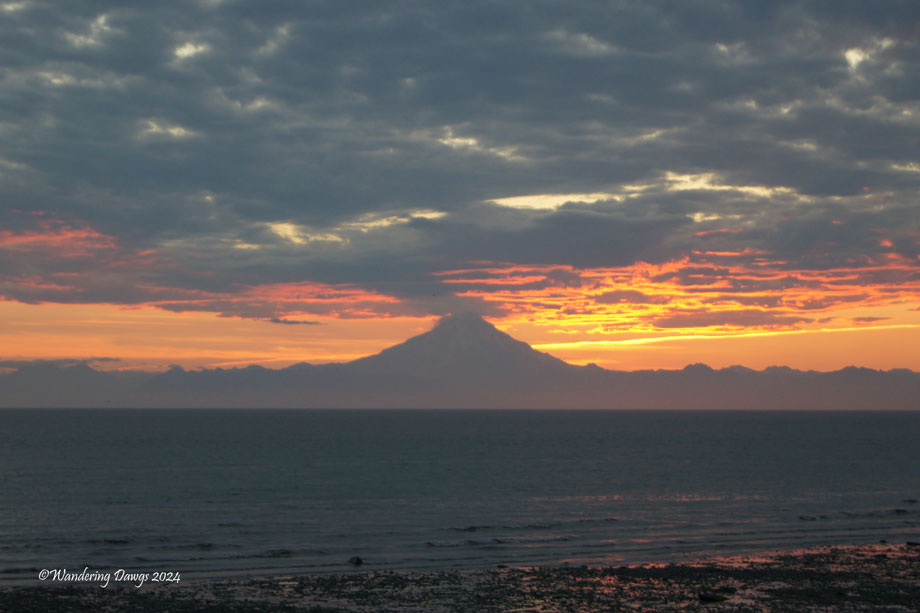
This sunset image is divided into two rectangles, the sky with the volcano in the upper rectangle and the water in the lower.

Mount Redoubt sunset, Ninilchik, Alaska

Many thanks to our host Edigio for this challenge Lens-Artists #305 – Two Rectangles

Lens Artists Photo Challenge #304 – Behind

Ritva’s challenge is to pay attention to the background behind our subject.

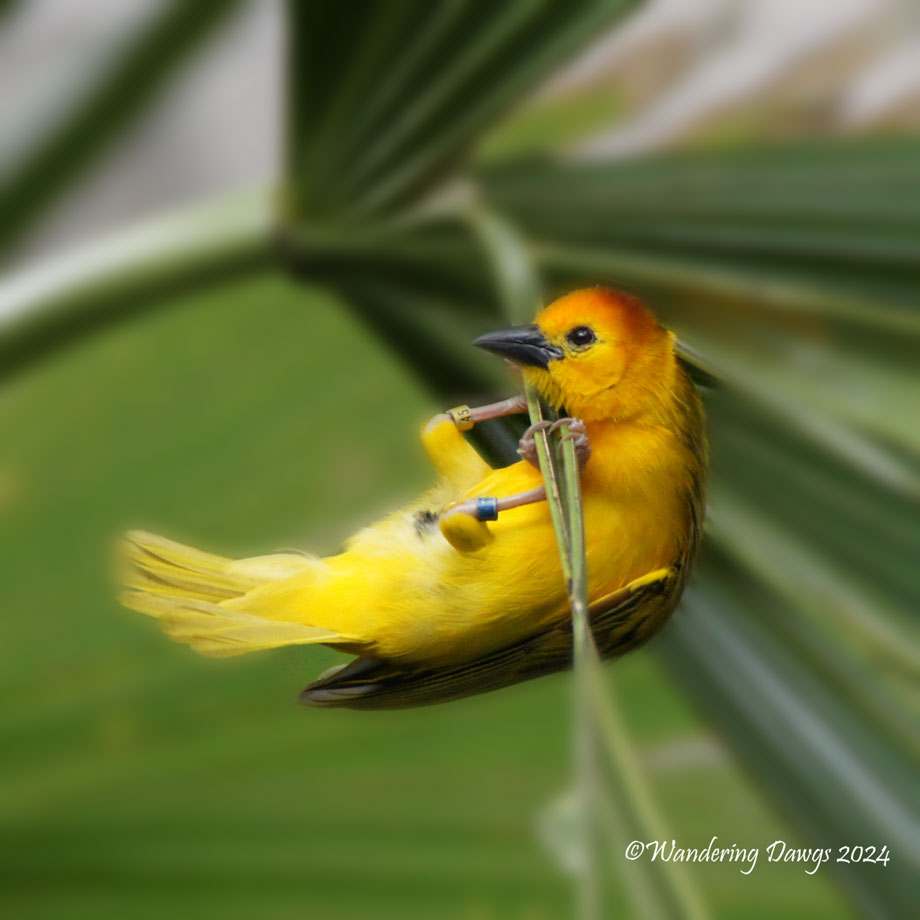
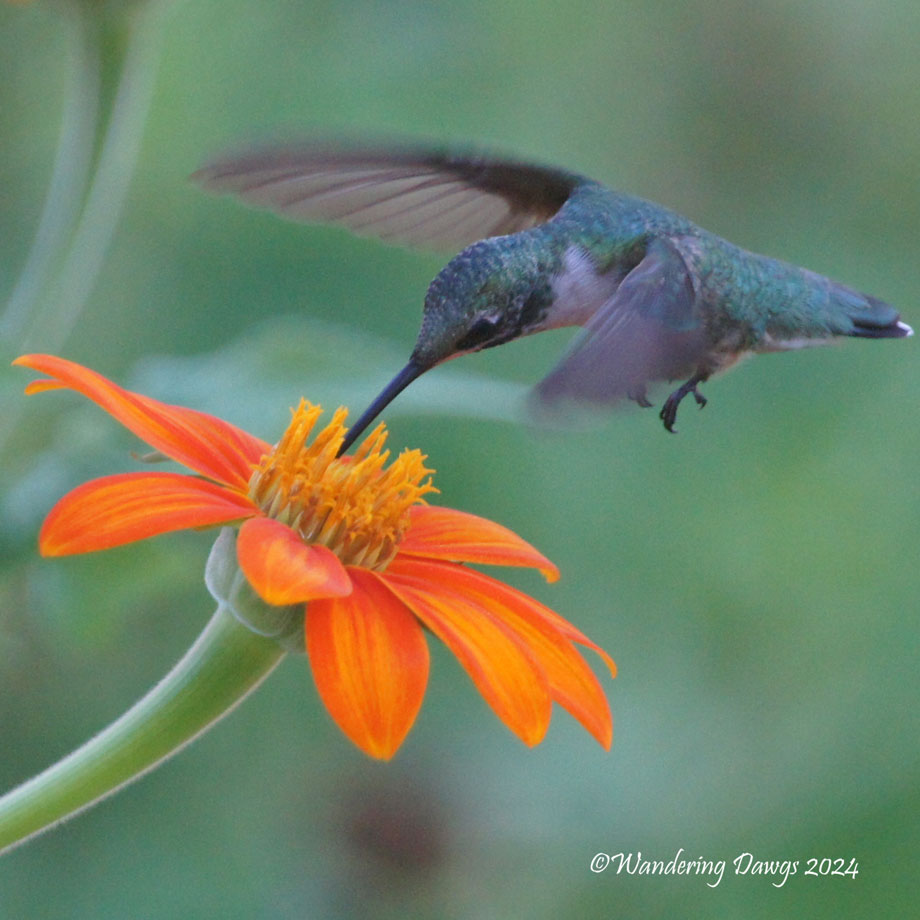
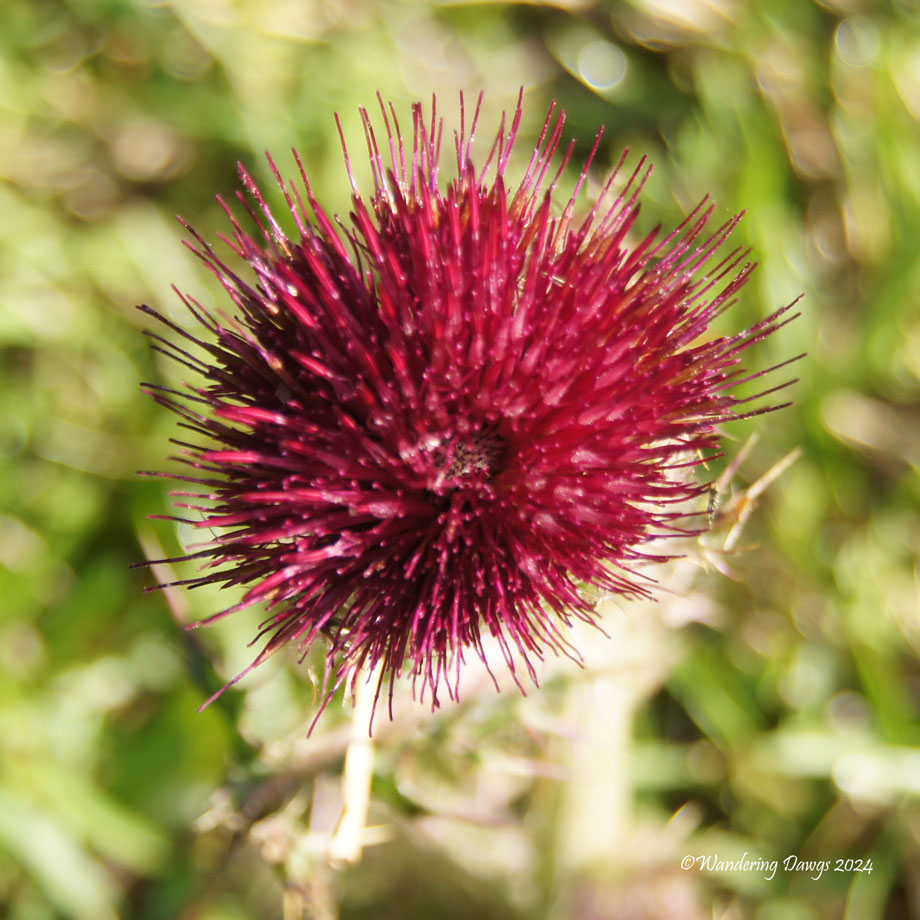
I chose a few images from nature for this challenge. I used depth of field to blur the background to keep the focus on the main subject.

Many thanks to our host Ritva for this challenge Lens-Artists #304 – Behind

Lens Artists Photo Challenge #302 – Artificial Intelligence and Photography

For this challenge JohnBo has asked us to “share your thoughts and images on a controversial subject – the use of Artificial Intelligence (AI) in your photographs.”

My photo editing software doesn’t include AI so I wasn’t sure how I was going to respond to this challenge. I got the idea to try using the AI Assistant available in WordPress after reading Donna’s post at Wind Kisses.

All of the images in this post were created using the WordPress AI Assistant. The first images are based on special days in May – Henry’s birthday, Mother’s Day, a road trip to Virginia to celebrate our oldest Granddaughter’s high school graduation, and Memorial Day. I captioned each photo with the prompt I gave AI.

The header image was automatically created based on the content of this post.

Chocolate birthday cake
Mother’s Day Breakfast
High School Graduation blue gown gold tassel
Lighthouse with American Flag Memorial Day

I experimented with a lot of different prompts before finding images that I liked. I wouldn’t call them photographs. This egret image was the most realistic one.

Egret on dock over salt marsh

For several of the images I had to try several prompts before I got an image that worked. The following are two images that made me laugh out loud. The captions show the prompt I gave AI.

Beach with bottlenose dolphin
Atlantic ocean beach with dolphin

I am seeing AI images more and more as I browse the internet. My hope is that actual photographers will never be replaced by Artificial Intelligence and that anyone posting AI images will let their readers know how the image was created.

I had fun playing with AI but I think I’ll stick with my own photographs from now on.

Many thanks to our host Johnbo for his challenge Lens-Artists #302 – Artificial Intelligence and Photography