Patti has challenged us to focus on telling a story with our images.
My story is the life cycle of a Monarch butterfly. I haven’t been able to capture Monarch’s in my garden this year so these images are all from my archives.
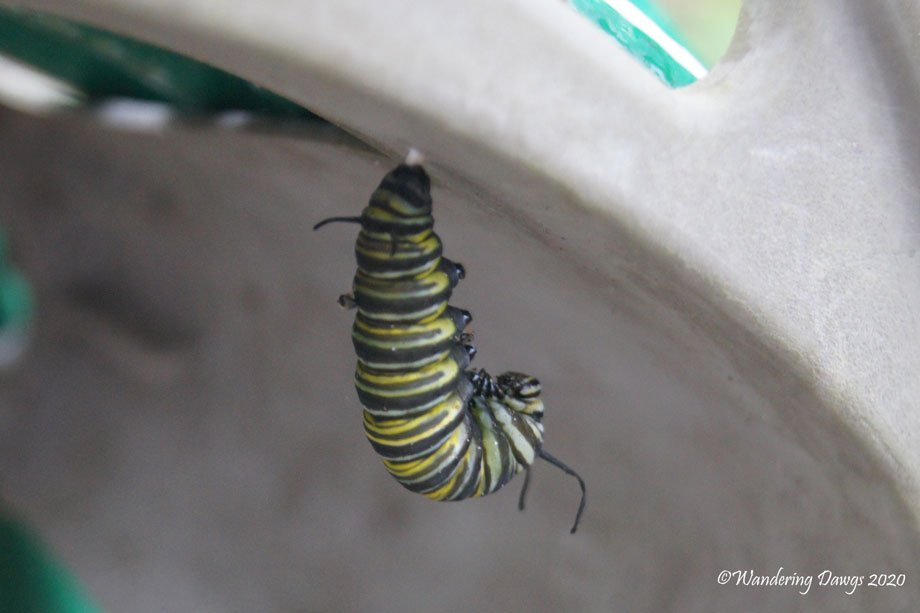
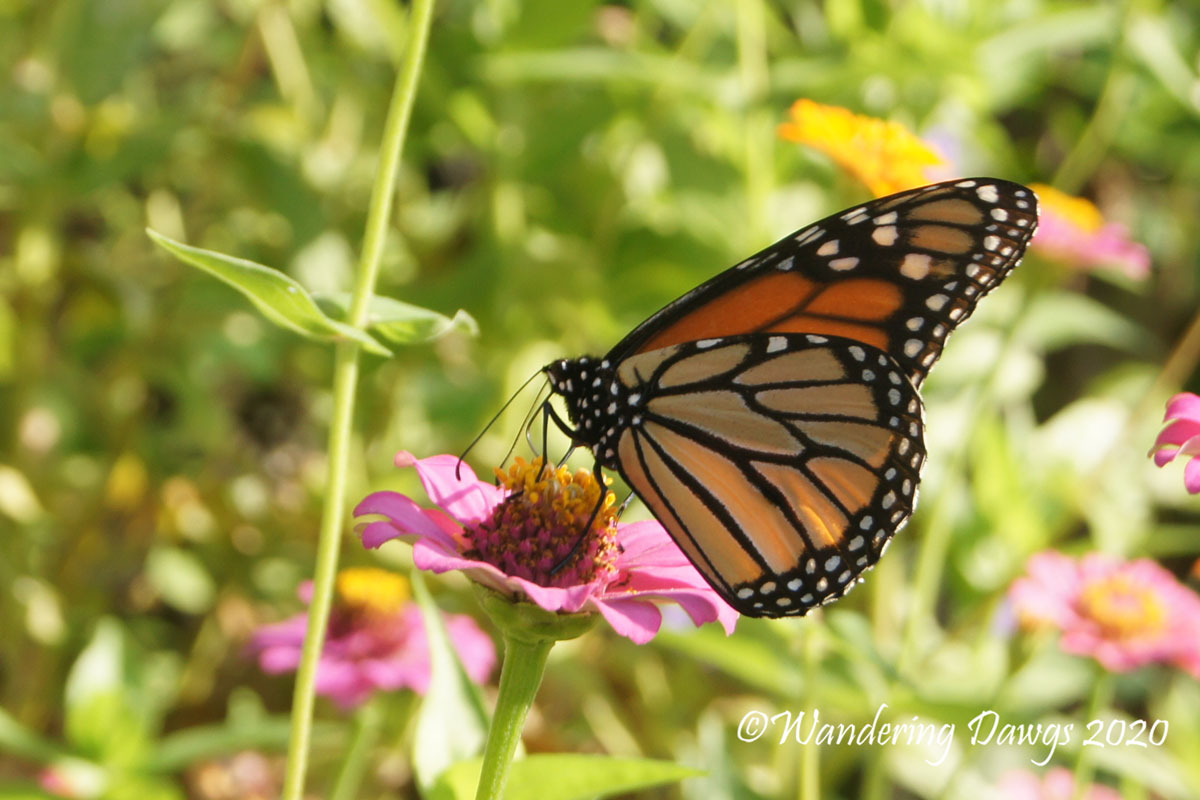
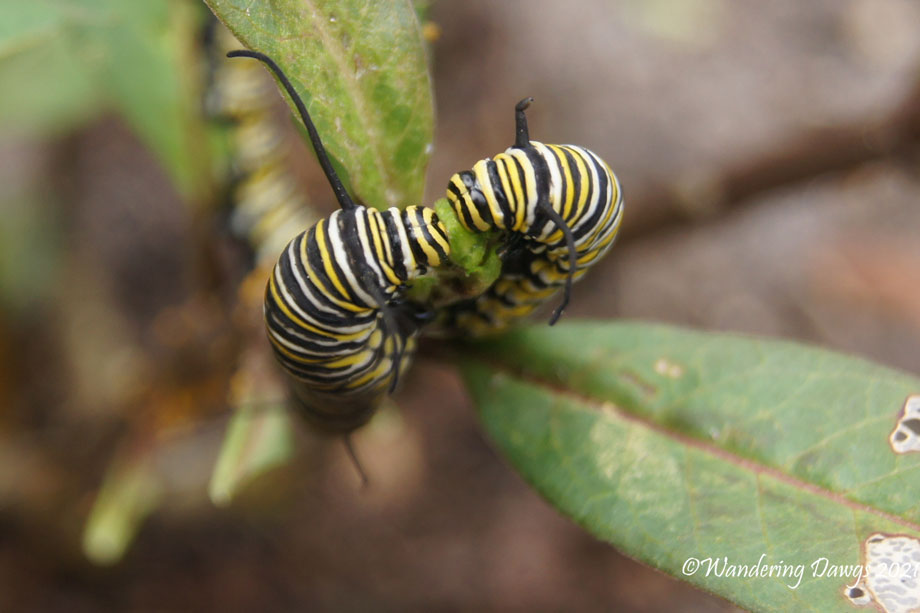
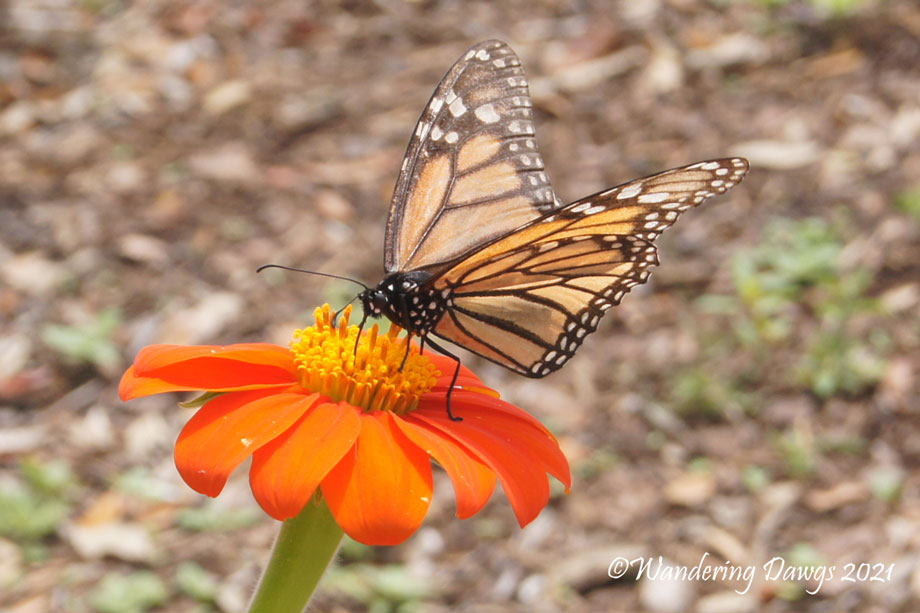
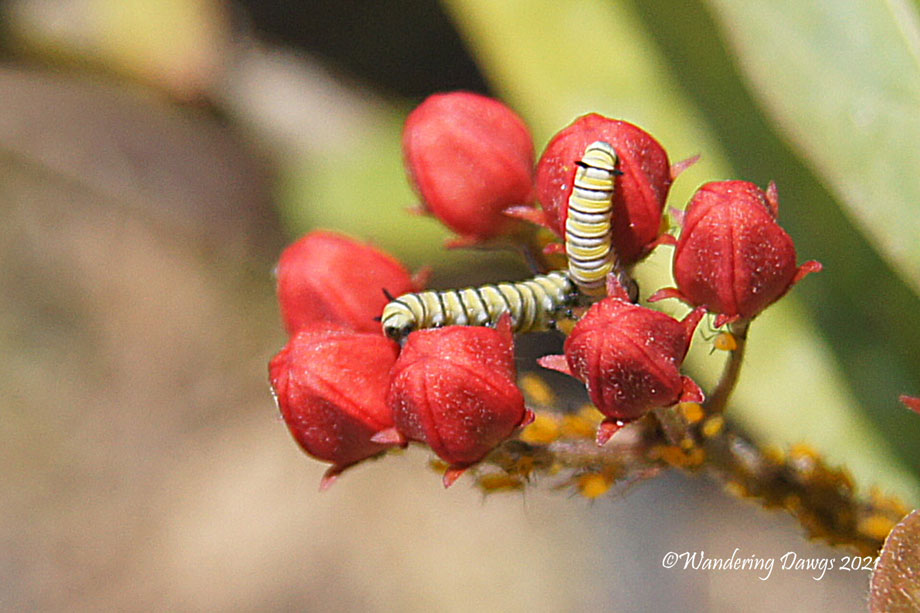
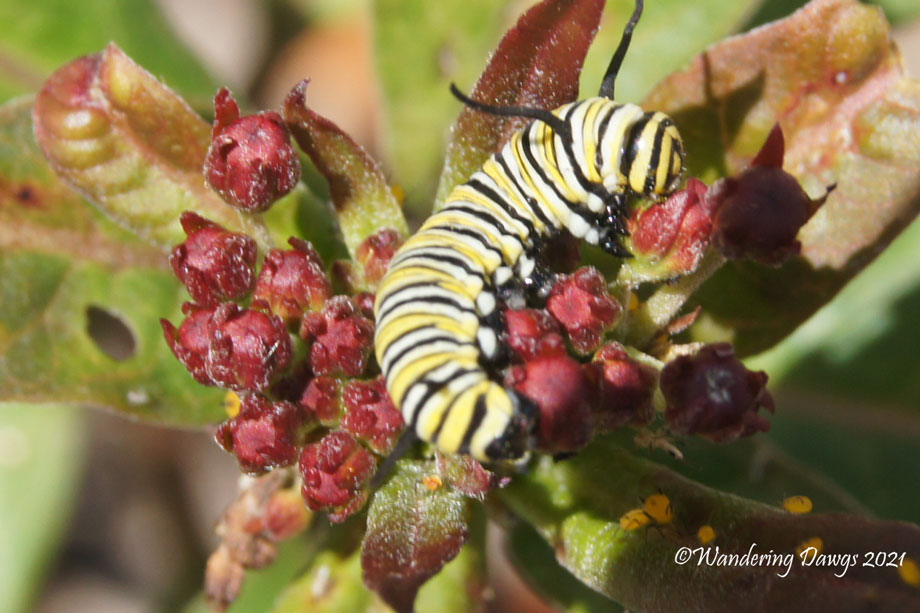
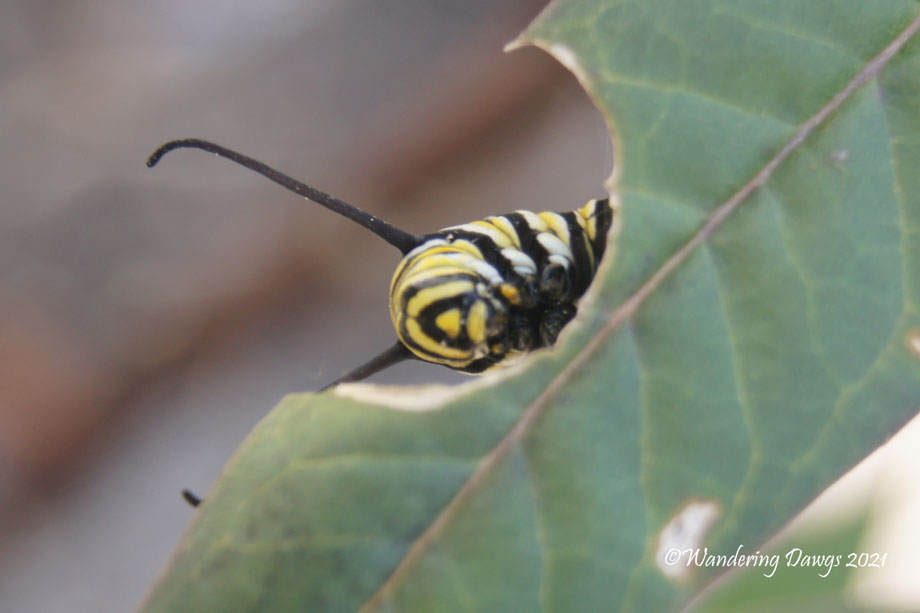
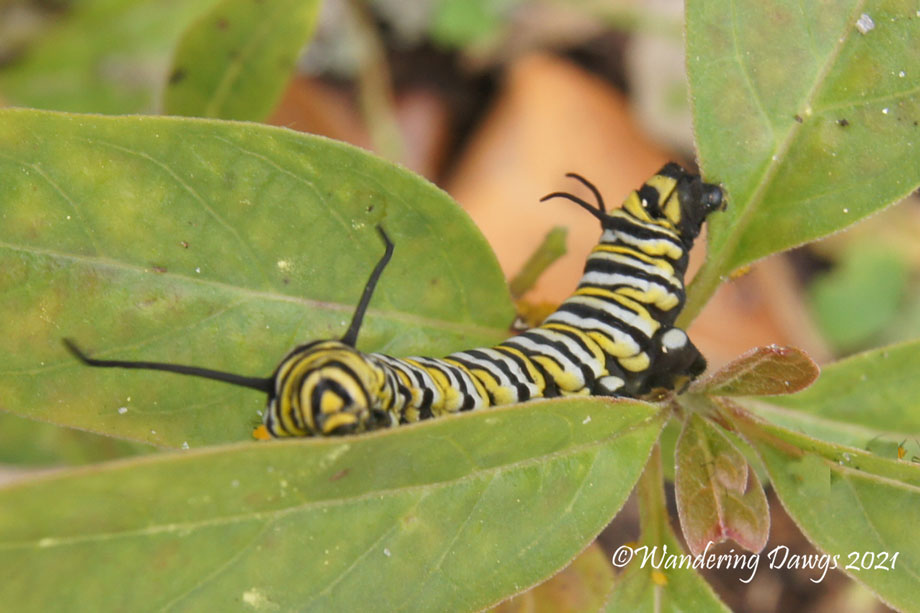
Female Monarchs lay their eggs on MilkweedCaterpillars emerge from the hatched eggs and eat the leaves of a milkweed plant. Milkweed is all they eat.The Monarch Caterpillar crawls to a place to form a chrysalis.The caterpillar changes into a butterfly while inside the chrysalis.A new adult Monarch emerges from the chrysalis
Our Lens-Artists challenge from guest host Priscilla at Scillagrace is to “present a “Getting To Know You” post showing your relationship with a subject you’ve photographed. The subject could be a Person, a Place, a Culture, an Object…anything that has captured your attention, won your affection and taught you a thing or two.”
I’ve always enjoyed watching butterflies as they fly from one flower to another so I planted a butterfly garden several years ago. The more I watched them the more I wanted to learn about them. Monarchs frequently fly through the area to feed and lay their eggs on milkweed plants.
Monarch butterflies will feed on many different nectar plants. I have found Mexican Sunflowers to be a favorite for them and many other varieties of butterflies. By summer the garden will be covered with zinnias, Mexican Sunflowers, coneflowers, and other nectar plants.
Right now my garden is in it’s early stages with very few blooms. I’m afraid the few Monarch butterflies that have come by my garden have been disappointed in the slim pickings. The only nectar plant blooming right now is a single Mexican sunflower with multiple blooms. I’ve been watching the butterflies drink their fill.
Monarch butterfly on Mexican Sunflower
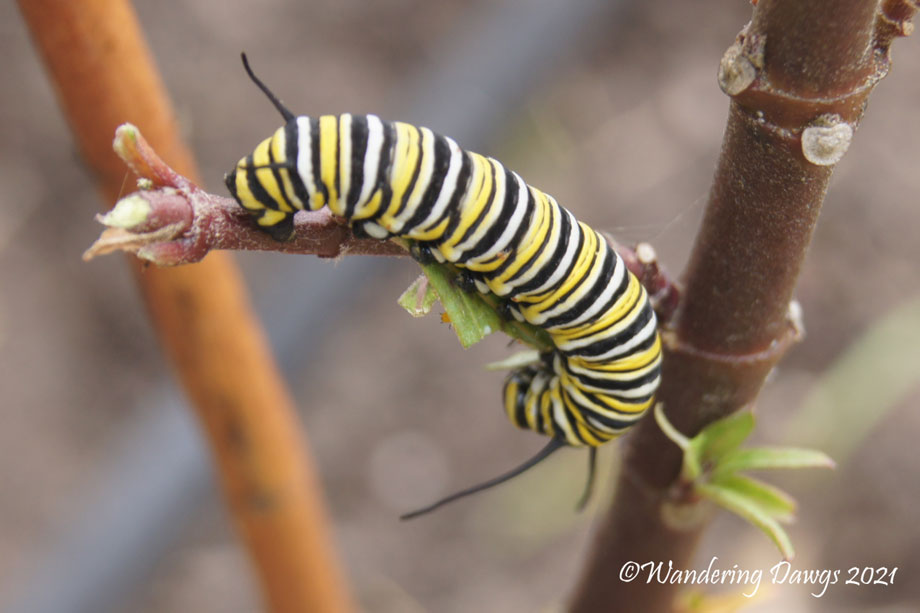
Every year I enjoy getting to know the caterpillars before they move on to become butterflies. I’ve learned their job is to eat so they have the strength to transform into a chrysalis.
The only plant that Monarch caterpillars feed on is milkweed (Asclepias). This year the female Monarchs laid their eggs on just about every available milkweed leaf they could find. The eggs hatched into tiny caterpillars and for the second year in a row they have devoured every leaf on every milkweed plant.
I observed the first group of caterpillars for several days and observed how quickly they grew before crawling off to make their chrysalis.
The caterpillars like to spin their chrysalis in a safe place and I very rarely can find them. Hopefully all the these caterpillars will emerge as beautiful Monarchs.
This week’s photo challenge comes from guest host Rusha Sams of Oh, The Places we See… We are asked to show images that represent a Labor of Love.
Planting my butterfly garden and maintaining it is a labor of love for me. By planting seeds and plants that attract pollinators such as butterflies and bees I am providing a place for them to feast on the nectar. At the same time I have a space in my backyard to relax and enjoy nature.
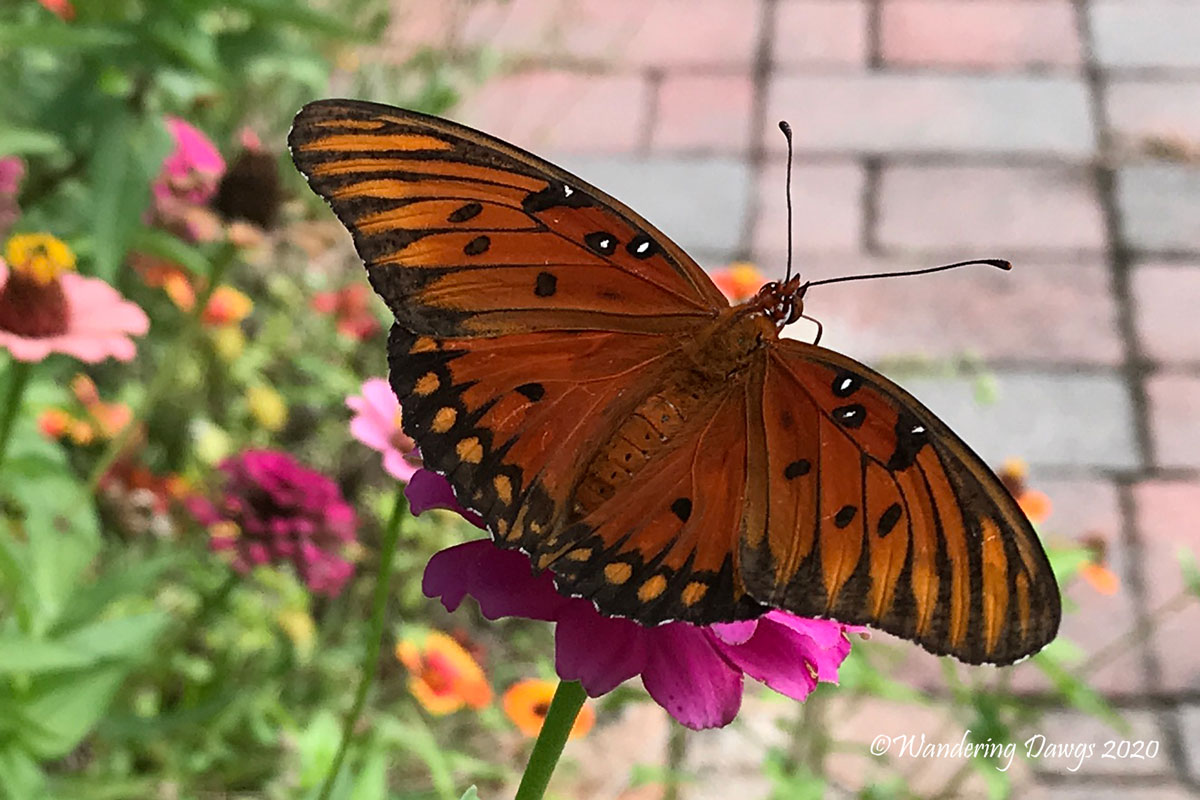
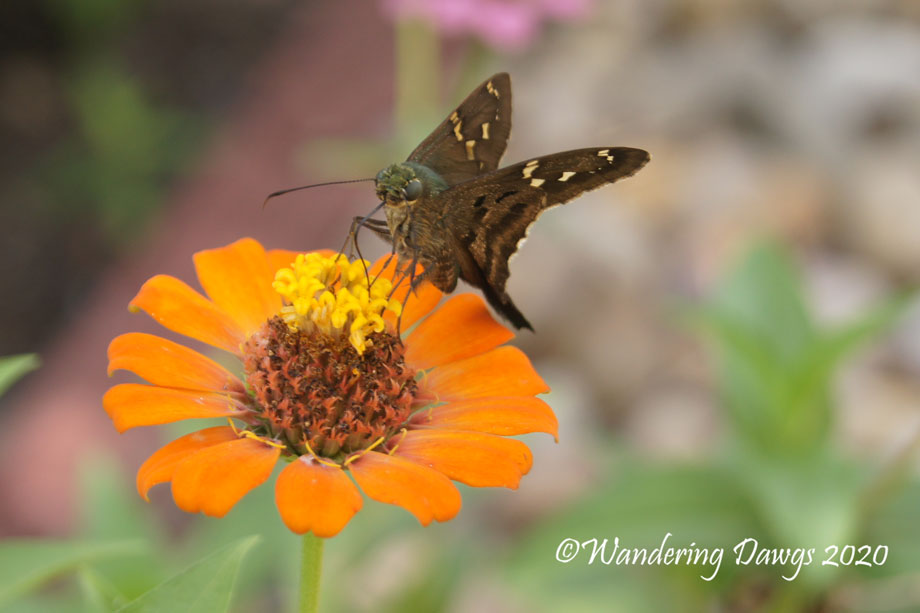
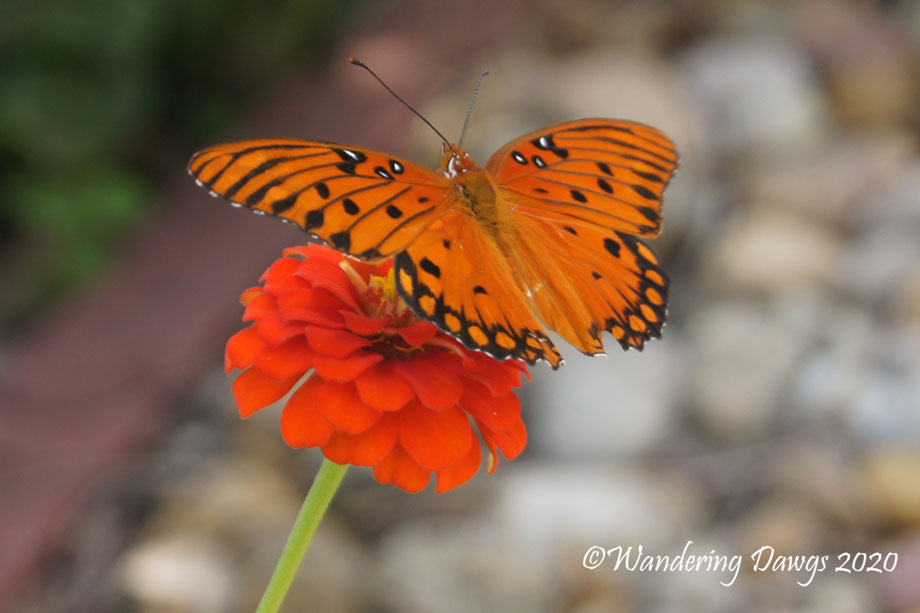
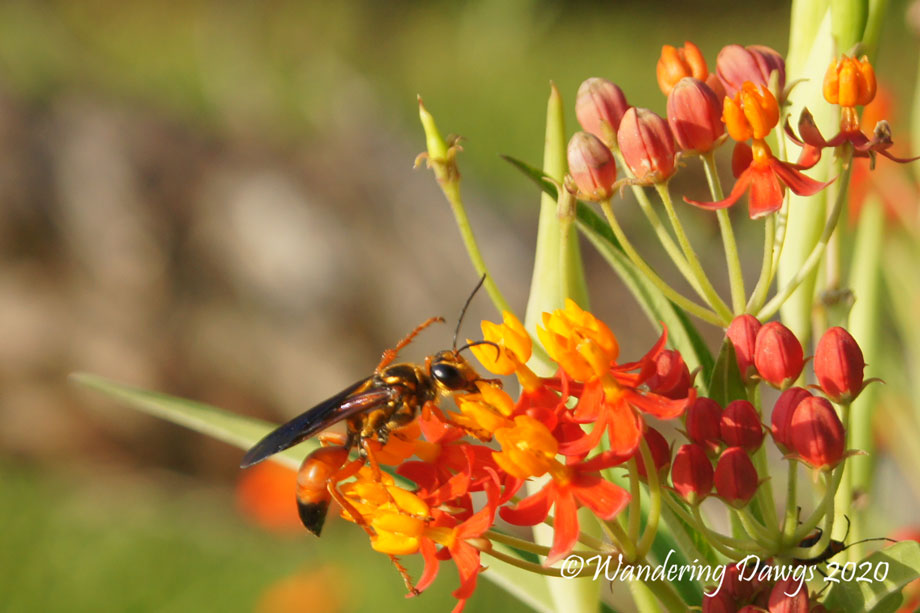
Here’s a few of the late summer critters that visited the garden recently. You can click on a picture to enlarge it.
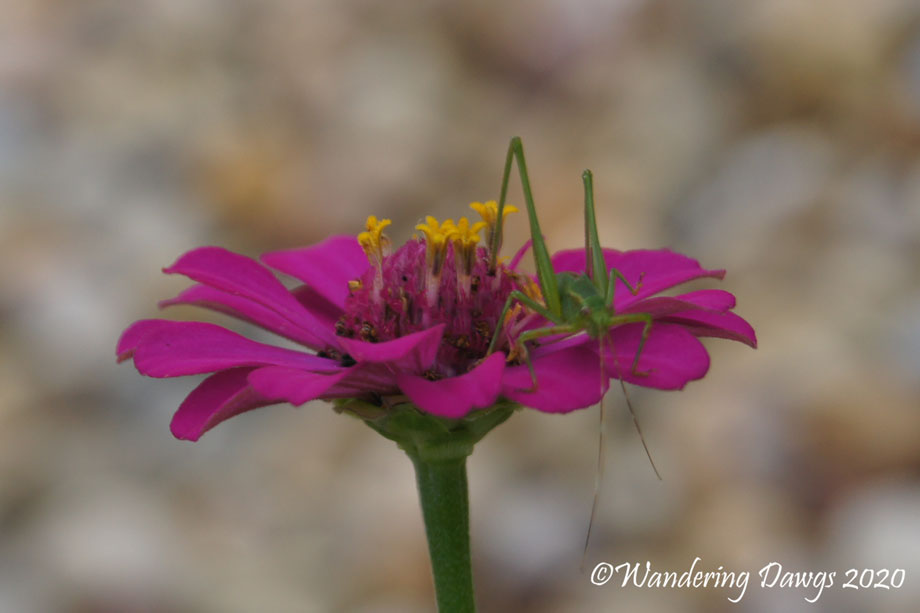
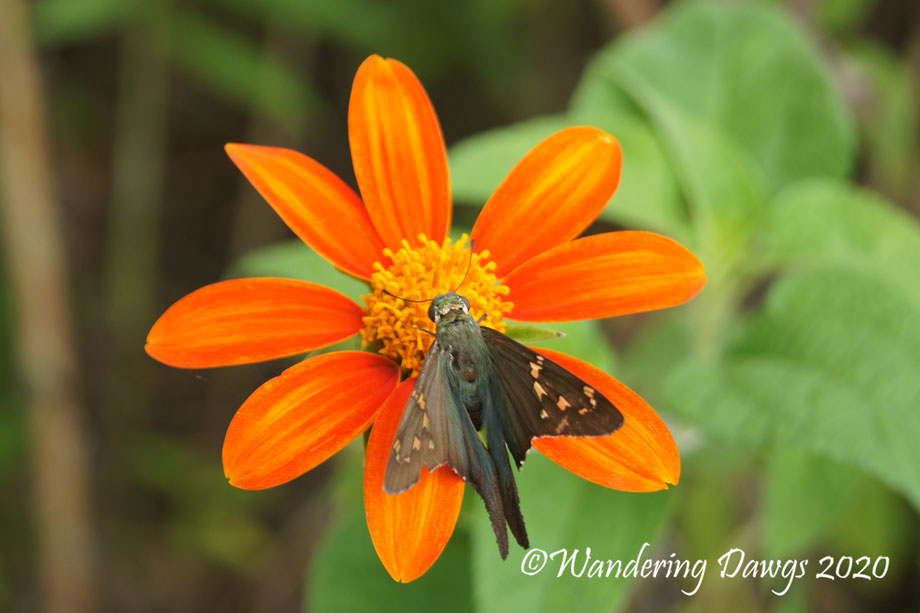
Monarchs, Gulf Fritillaries, and Skipper butterflies have been all over the zinnias and Mexican Sunflower drinking up the nectar. Wasps, bees, and even a tiny grasshopper enjoyed the flowers, too.
It’s been a long, hot, dry summer and hopefully the flowers will continue to attract the butterflies and other critters for a little while longer.
I smile whenever I see these beautiful visitors to the garden. What made you smile this week?
I’ve been digging in the dirt a lot lately trying to get my butterfly garden in shape after flooding from Hurricane Irma killed most of the plants last fall.
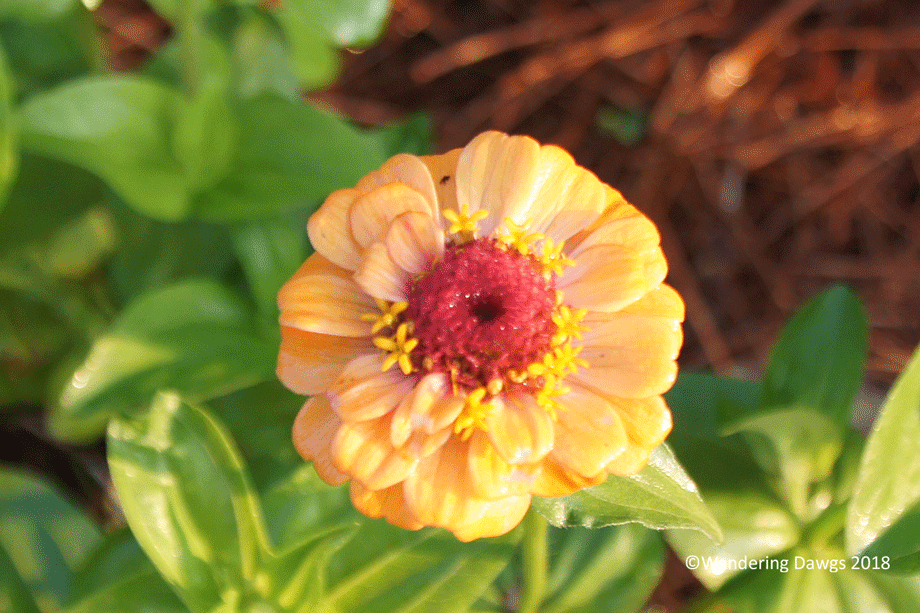
A few of the new plants are starting to bloom. The zinnias I planted from seed this winter are bursting with color.
Zinnia
Zinnias
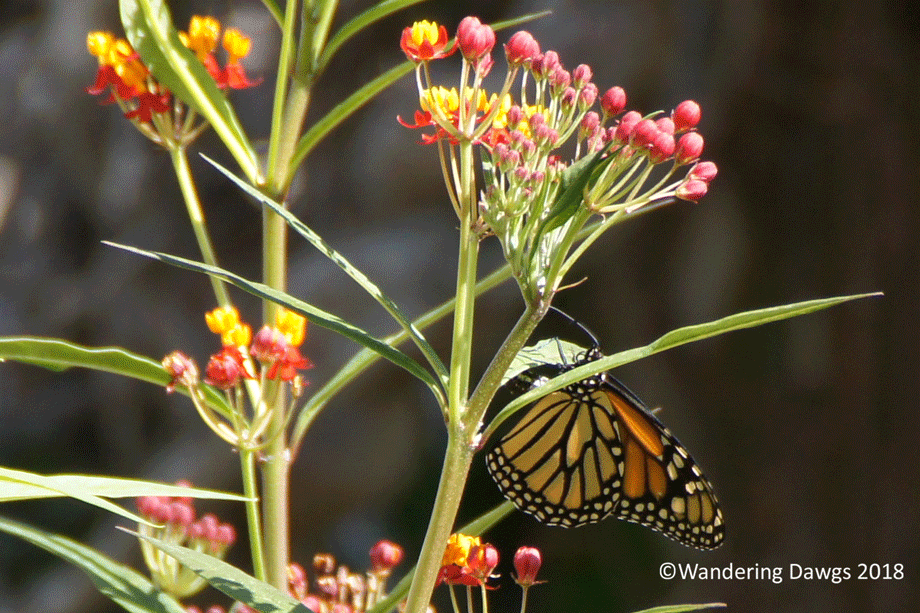
The new milkweed plants attracted their first Monarch of the season this week.
First Monarch sighting of 2018
The hummingbirds and Painted Buntings have been stopping by the feeders.
Painted Bunting
This lizard was trying to drink the hummingbird nectar.
Lizard looking for a snack on one of my hummingbird feeders





 Wandering Dawgs