Sofia has challenged us to show anything that has been in existence for many years. This can include things that humans have created, natural landscapes, or whatever we think of that is ancient.
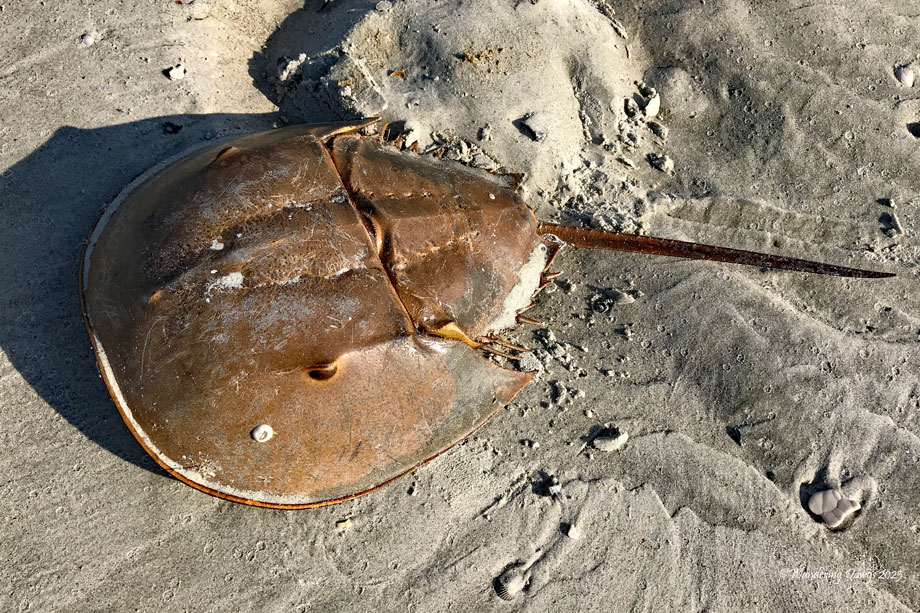
My featured image is of a Horseshoe Crab found on an Atlantic Ocean beach in Georgia. Horseshoe Crabs are living fossils that have been in existence since before there were dinosaurs.
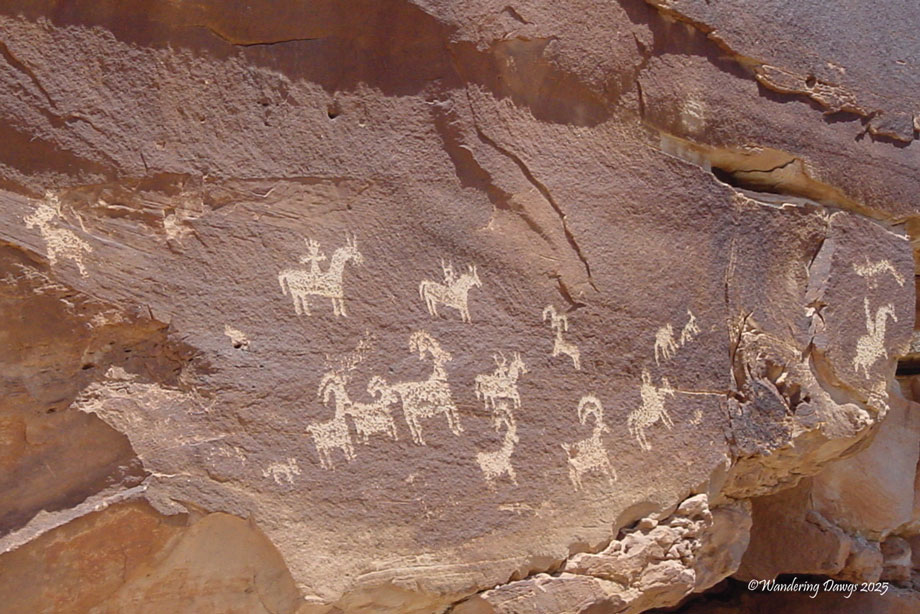
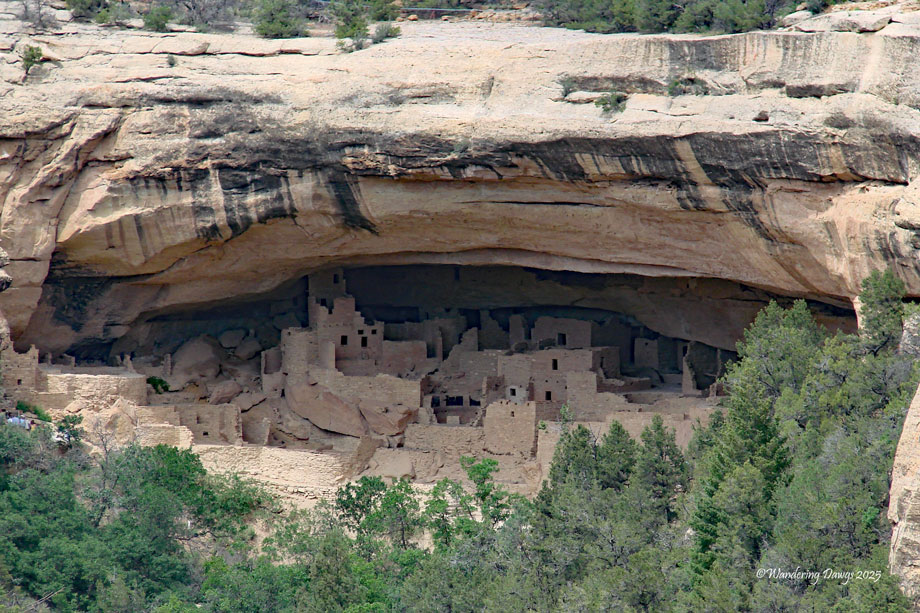
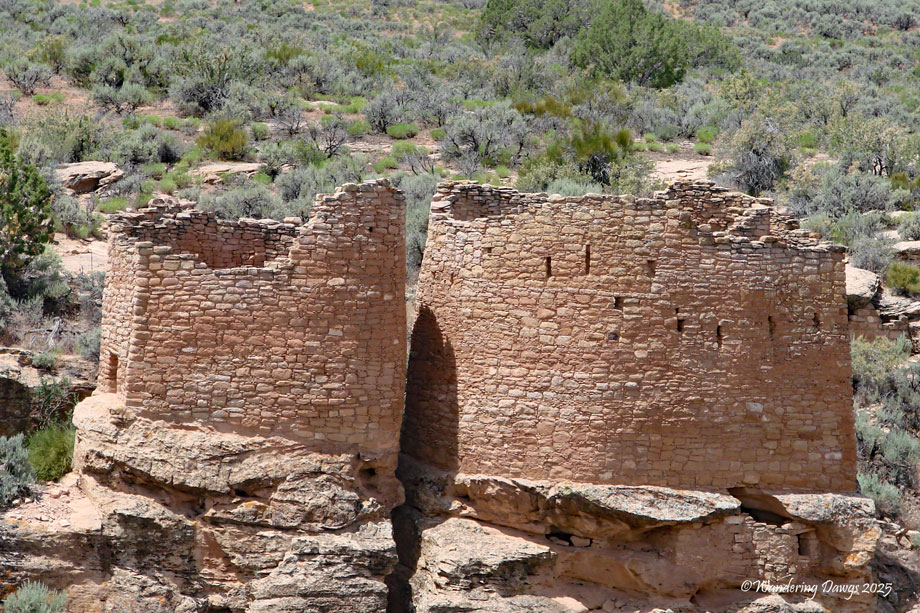
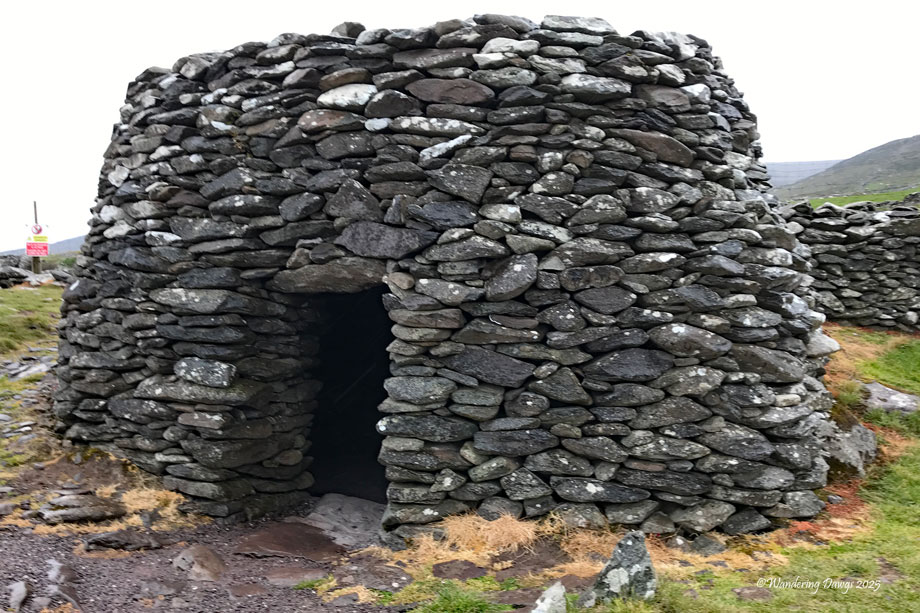
The rest of my images feature things that were created by humans in ancient times
Last week you gave us some amazing responses to Ann-Christine’s Dreamy challenge.
I hope you will join in for this week’s challenge. Be sure to tag your post with Lens-Artists and include a link back to Sophia’s post Lens-Artists #370 – Ancient.
Be sure to check back on Saturday, October 25 at noon eastern time for Ritva’s challenge.
For information on how to join the Len-Artists challenge please click here.
Every Day is a Gift

 Wandering Dawgs
Wow! I had never heard of a horseshoe crab. Great post and photos, Beth.
LikeLiked by 2 people
Thanks Egidio! They only come ashore to mate. It is interesting to see them move across the sand.
LikeLike
This week is constant learning, I am amazed by the clarity of the Petroglyphs in Arches National Park . Great photos Beth.
LikeLiked by 1 person
Thanks Ritva. The Petroglyphs are fascinating to see.
LikeLiked by 1 person
Terrific choices Beth! I never thought about the horseshoe crabs, we see them wash up on the beach all the time. I’ve read and seen so much about how they are “bled” for their valuable blood. Great examples also of early human habitats.
LikeLiked by 1 person
Thanks Tina. The horseshoe crabs are a common sight here, too. The ancient ruins in the American west are fascinating.
LikeLike
I haven’t stepped on one of those in 55 years ❗️
LikeLiked by 1 person
‘Many years’ is a bit of an understatement for your examples. 🙂
LikeLike
I love the horseshoe crab Beth, what a great thing to put in for this challenge. I love it. I like the others as well, the rock art is incredible too.
LikeLiked by 1 person
Thanks Leeanne. There are often horseshoe crabs on the beaches here. I’m glad you liked it. The patroglyphs are really interesting to see.
LikeLike
Great post – neat stuff!
LikeLiked by 1 person
Thanks Pam! Glad you liked my ancient images.
LikeLike
Love your photos. The crab is great and the ancient homes. Whether the horses are pre or post 1600 depends on if we believe the Spanish told the truth about the horses being extinct in this continent. Evidence is mounting (yes, on purpose) that they were always here.
LikeLiked by 1 person
Thanks Rebecca. I got the information about the horses from the National Park Service website. I didn’t know that they might have been here all along. Thanks for that information.
LikeLiked by 1 person
As we would say in Maine, wowsah! Terrific examples.
LikeLiked by 1 person
Thanks Laurie! So glad you like them.
LikeLiked by 1 person
lovely….
LikeLiked by 1 person
Many thanks!
LikeLike
We saw horseshoe crabs in Cape May years ago but I hadn’t realised they were such an ancient species – amazing!
LikeLiked by 1 person
Sarah, I’m glad you’ve seen horseshoe crabs in person. It is amazing that their species has been around for so long.
LikeLiked by 1 person
I love the concept of living fossils, as if nature got it right early on and no evolution was needed, and I never heard of horseshow crabs before, so thank you, Beth! I imagine they’re big?
LikeLiked by 1 person
Thanks Sofia. The horseshoe crabs can get up to 30 inches (76 cm) in length. They are interesting to see them when they are moving across the sand.
LikeLiked by 1 person
I can imagine!
LikeLiked by 1 person
Oh horseshoe crabs! Such a reminder of my childhood in New England. We would see them by the 100s come into our bay, lay their eggs and then we would check in few weeks for the babies. So yes we always wore sneakers in that water. To think they are living fossils is interesting.
Great captures from your “ancient” travels too.
LikeLiked by 1 person
Donna, I’m happy I was able to bring back memories of your childhood in New England. I’ve seen large groups of horseshoe crabs when they come ashore to lay their eggs on uninhabited barrier islands. I’ve never seen any of the babies. What a fun thing to see.
LikeLiked by 1 person
You did it again, girlfriend! You accepted the challenge and did a fabulous job! Loved every single photo.
LikeLiked by 1 person
Thanks Nancy. It was fun exploring these ancient places. I’m glad you enjoyed the photos.
LikeLiked by 1 person
Each one of these photos was a lovely tribute to an ancient relic, WD. I especially like the horseshoe crab. I saw them on the beaches of Cumberland Isl. down in your area and they’re so big! Also really liked the petroglyphs.
LikeLiked by 1 person
Thanks Jet! I’m glad you saw some horseshoe crabs in person. The ancient structures and petroglyphs in the American West are fascinating to explore.
LikeLiked by 1 person
How interesting, Beth! I didn’t know that there used to be special huts for beekeeping 🙂. The cliff dwellings are quite intriguing.
LikeLiked by 1 person
Thanks PR! It’s hard to imagine what a hard life it was for the people who lived in the cliff dwellings.
LikeLike
Great choices for the challenge, Beth.
LikeLiked by 1 person
Thanks Teresa!
LikeLike
Living fossils – I love that! Ginkgos are too. Amazing world we live in. Let’s keep it amazing. ♥
LikeLiked by 1 person
Thanks Ann-Christine! These horseshoe crabs look like fossils, too. Yes, we live in an wonderful, amazing world.
LikeLike
♥ We do. Let’s take good care of it.
LikeLiked by 1 person
Wonderful variety of nature to man made
LikeLiked by 1 person
Alice, thank you so much!
LikeLiked by 1 person