Happily married 55 years, retired baby boomer, mother of 2, grandmother of 4, traveler, Georgia Bulldog fan, Air Force Brat, avid reader, amateur photographer, gardener, ovarian cancer survivor, blogger. Every day is a gift!
Terri wraps up her Great Outdoors Sunday Stills photo challenges with the challenge of Landscapes.
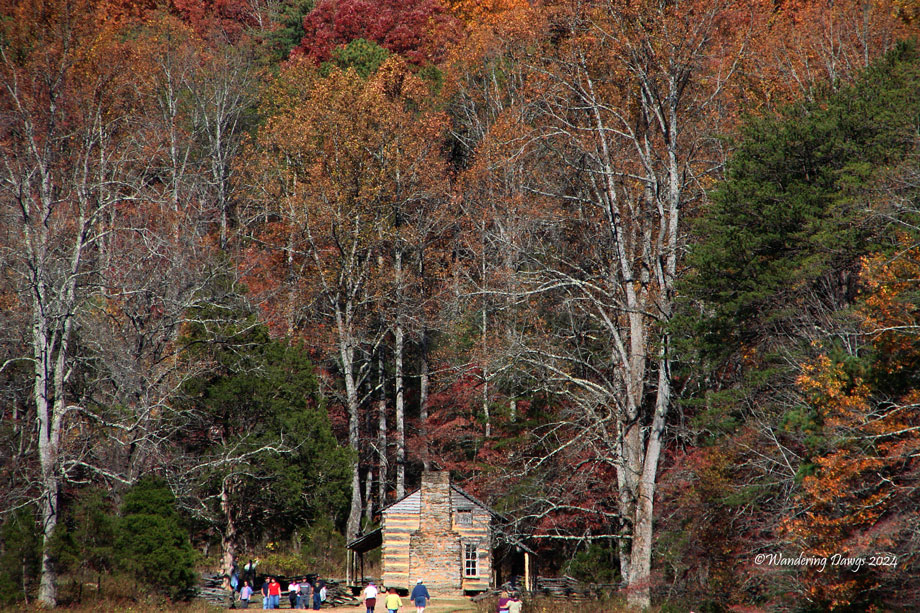
America’s National Parks are some of our greatest treasures. Our national parks, monuments and preserves feature many different types of landscapes. The header image is from Great Smoky Mountains National Park, America’s most visited national park. I’ve included a few different landscapes from around the United States.
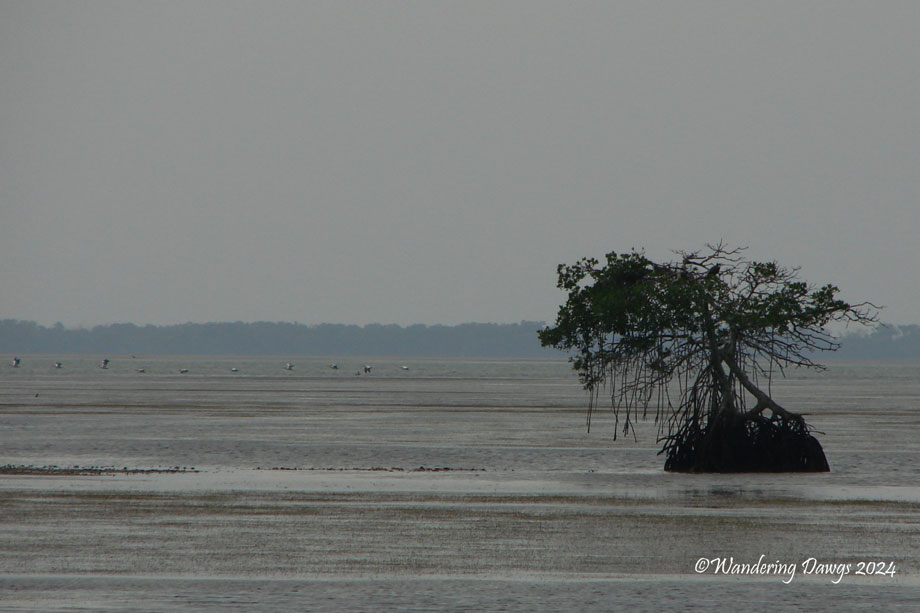
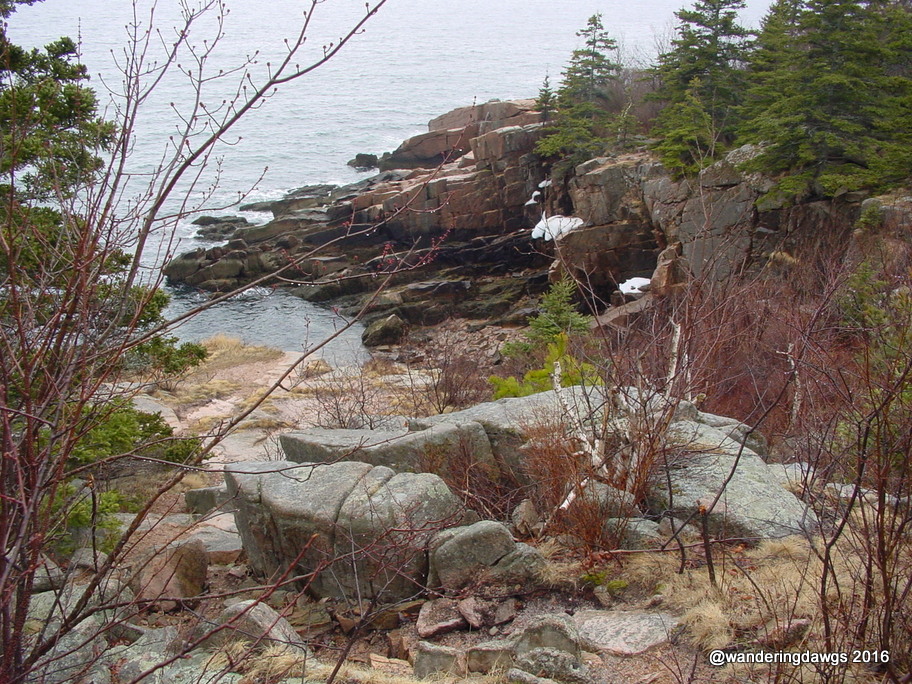
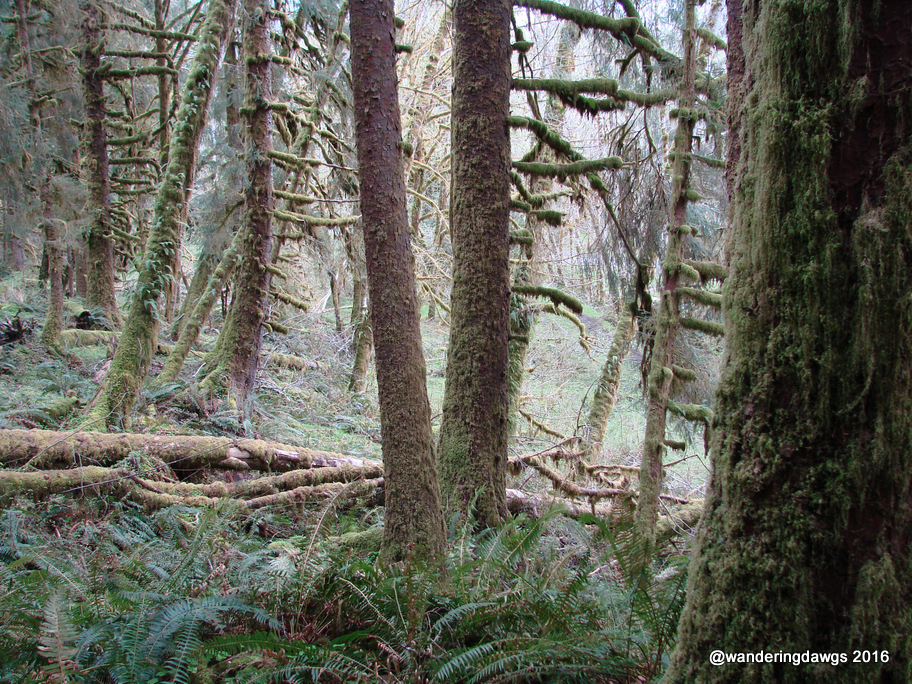
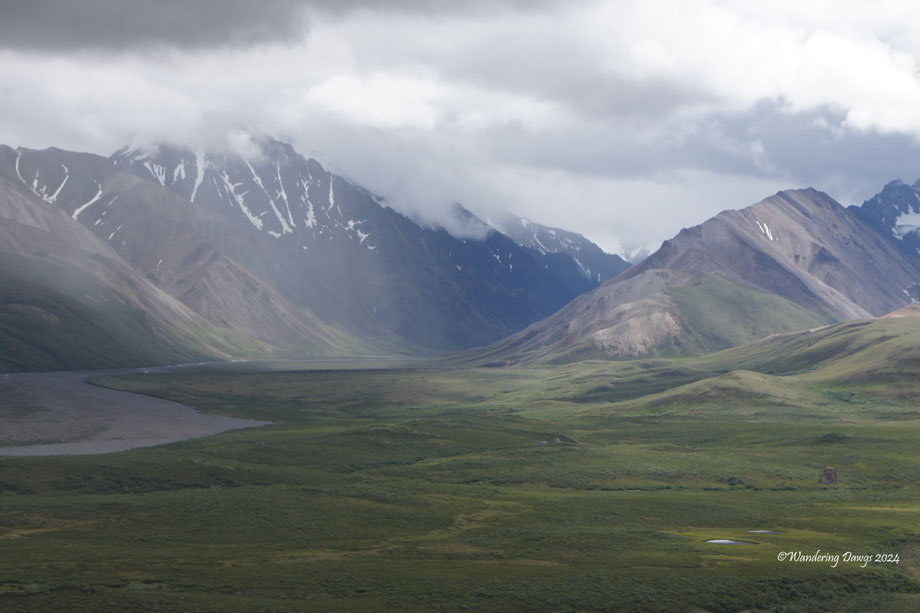
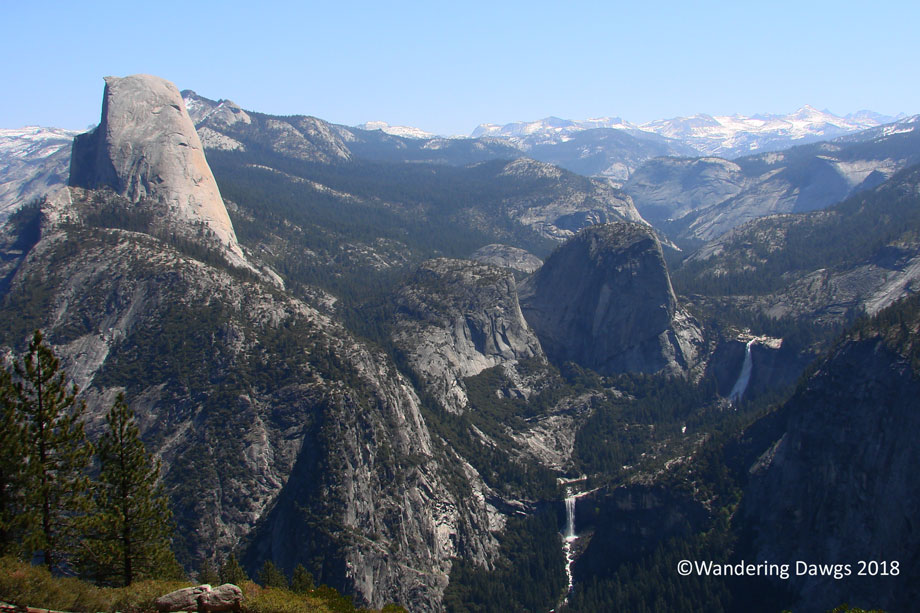
Everglades National Park, FloridaAcadia National Park, MaineHoh Rain Forest, Olympic National Park, WashingtonPolychrome Overlook, Denali National Park, AlaskaView from Glacier Point Road in Yosemite National Park, America’s first national park
Tina’s challenge is to examine the habitats of both humans/and or animals.
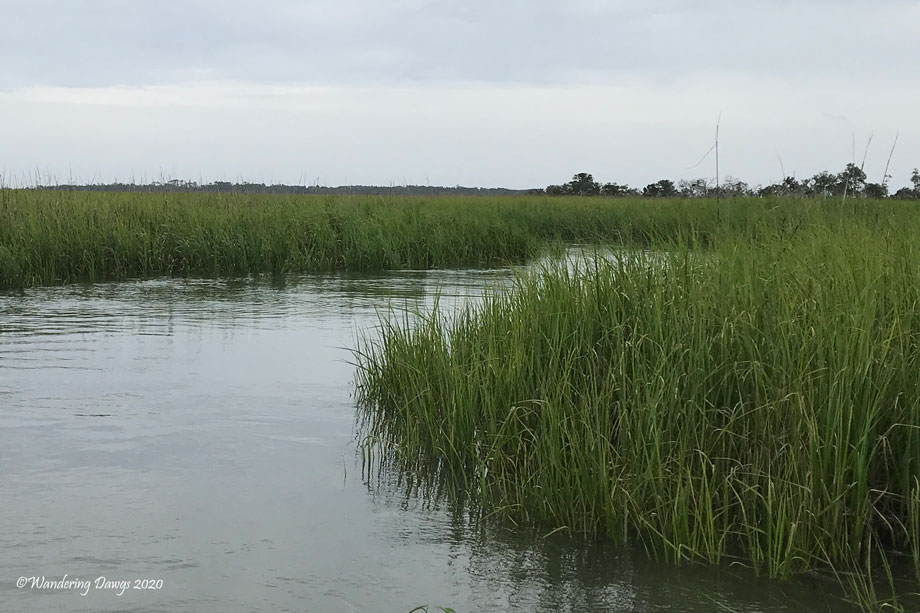
A quote from the Georgia Department of Natural Resources tells us that “Georgia’s coastal marshlands encompass approximately 368,000 acres in a four to six mile band behind the barrier islands. Thriving in the waters of the estuaries, these marshes have been identified as one of the most extensive and productive marshland systems in the United States. There are nearly 400,000 acres of coastal marshlands in Georgia which represent a considerable portion of all remaining marshlands along the entire eastern coast of the United States.”
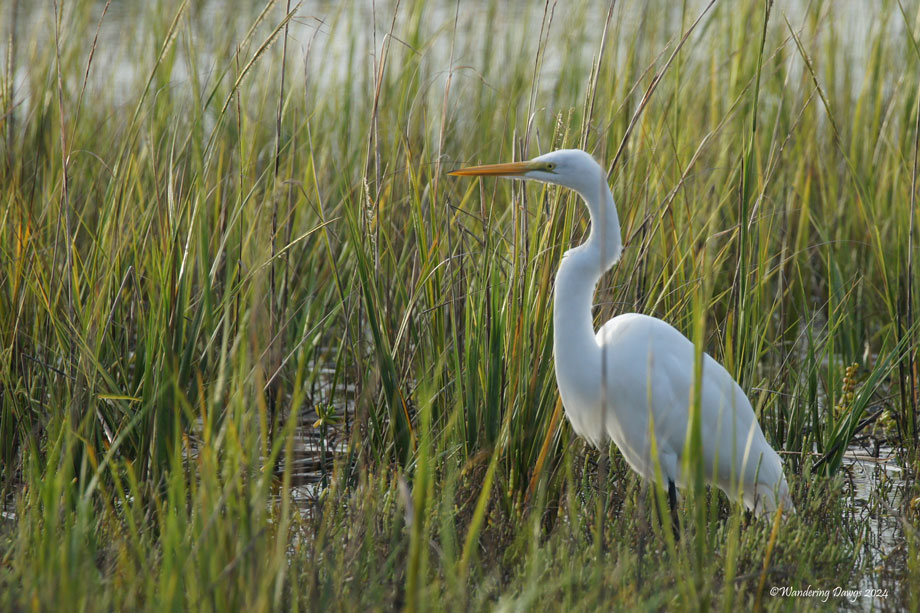
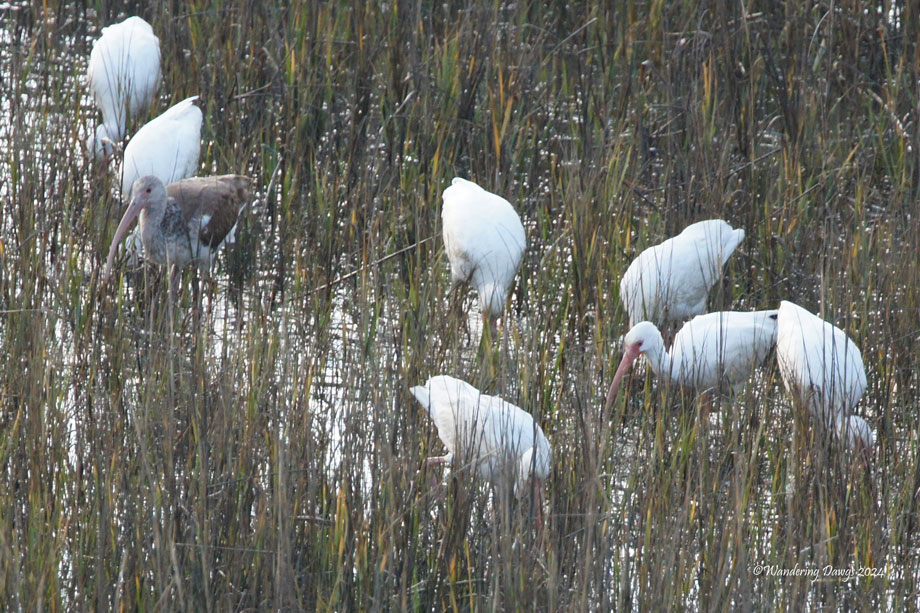
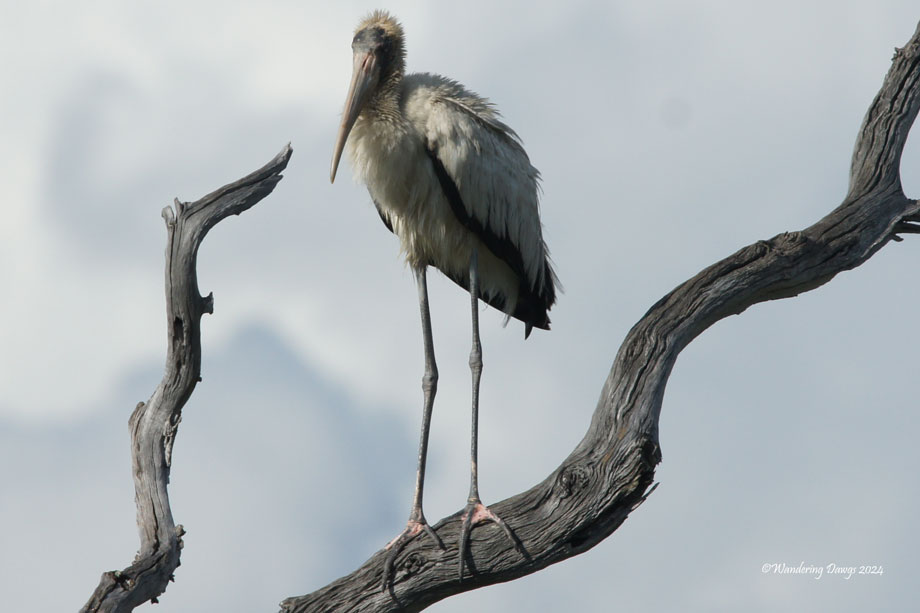
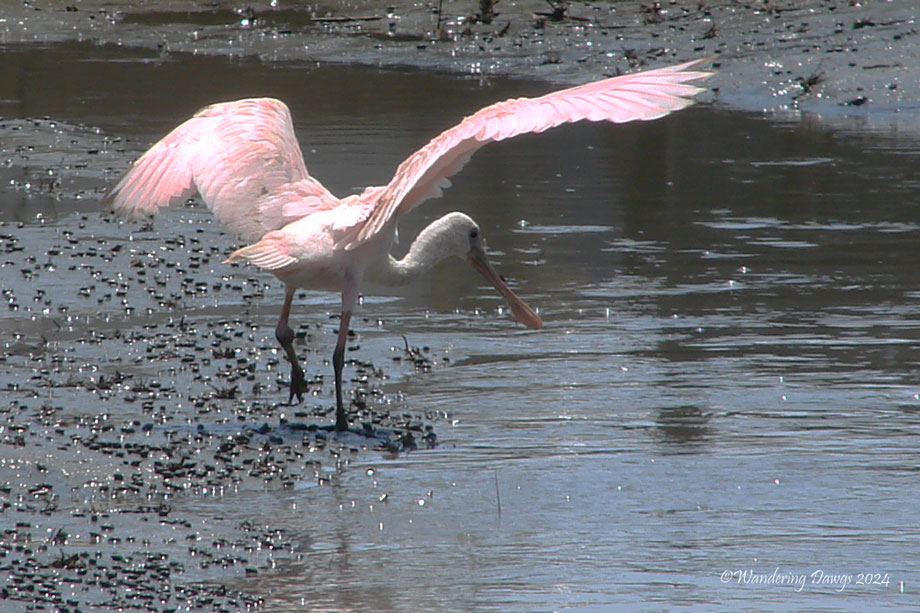
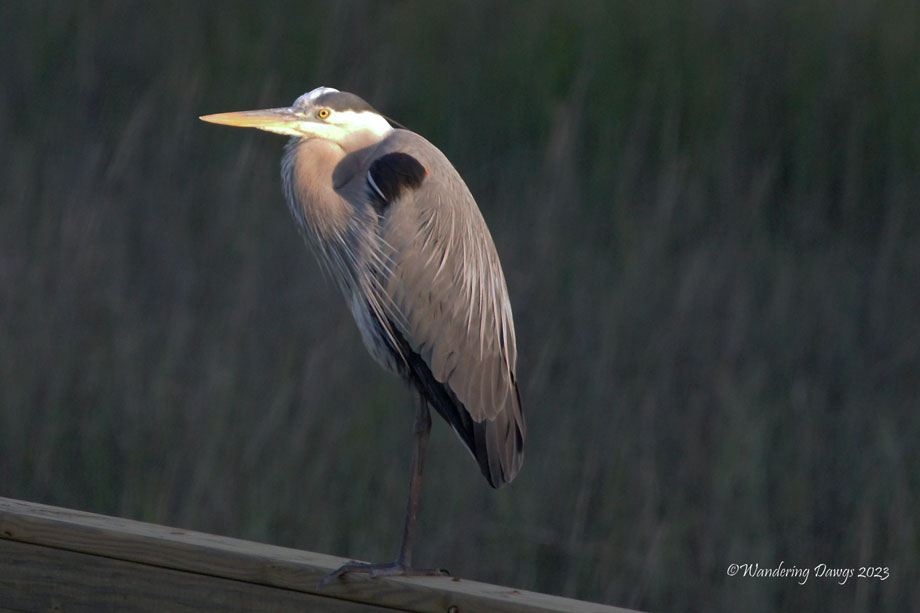
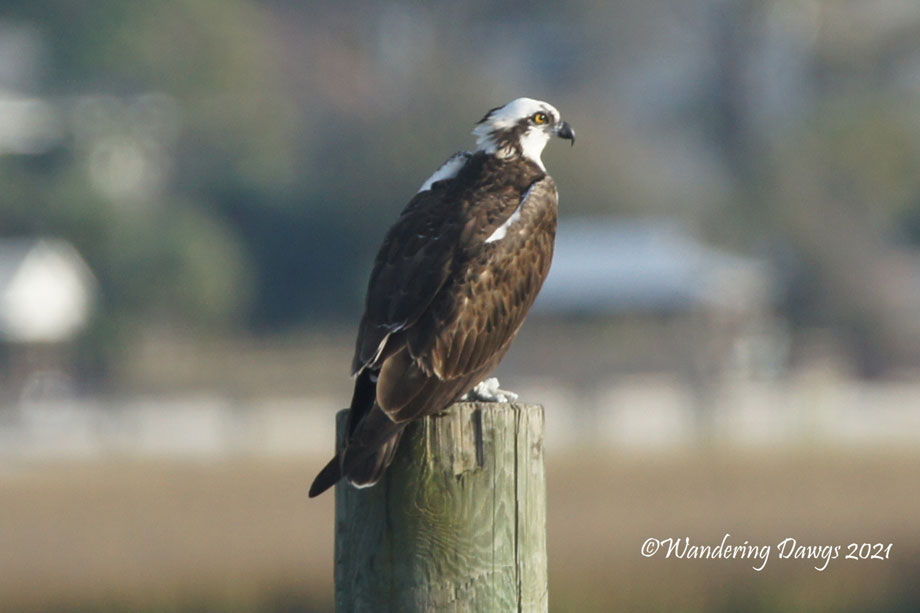
I chose to feature images of some of the birds that feed on the fish, shrimp, snails, and other small creatures that live in the salt marsh. Sometimes I see the birds perched in a tree or on a dock above the marsh as they search for food. It’s fun to watch them wade through the marsh or a creek as they feed.
Great egret wades through the salt marsh searching for foodIbis feeding in the salt marshWood StorkRoseate Spoonbills and Great Egrets share a tree Roseate Spoonbill fishing in a tidal creekGreat Blue Heron perched on a rail above the marshOsprey searching for fish
Edigio’s challenge is to feature images that show two rectangles. He explains “By two rectangles, I mean you have two dominant rectangular areas in your image. For many people, this is one of those compositional tools we use without thinking about it. These rectangles give balance, harmony, and unity to a composition.”
I had never heard of the idea of using two rectangles as a technique in photography before reading Edigio’s post. I was surprised to find many images in my archives that met his description.
Eleven years ago we were traveling around Alaska in our RV. All of the images in this post are from that trip.
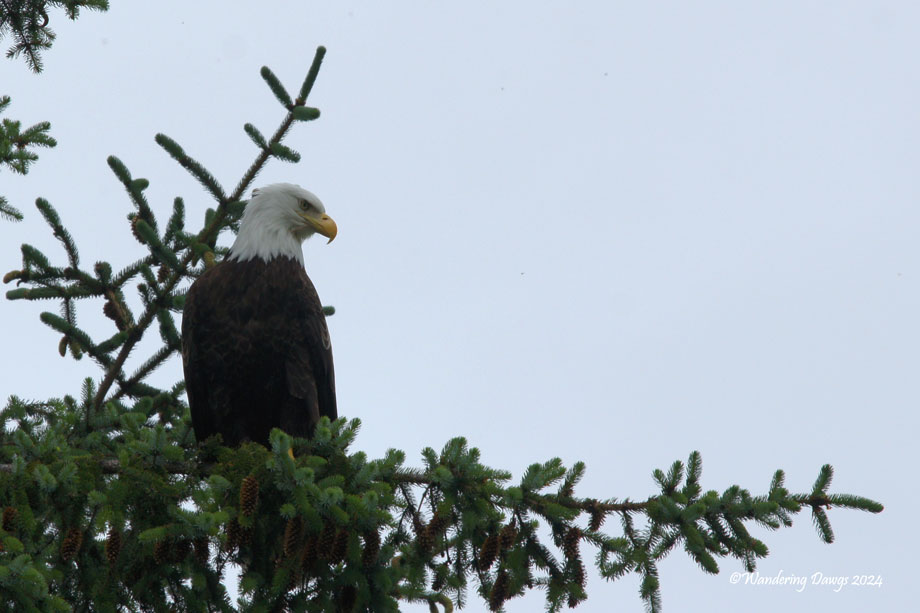
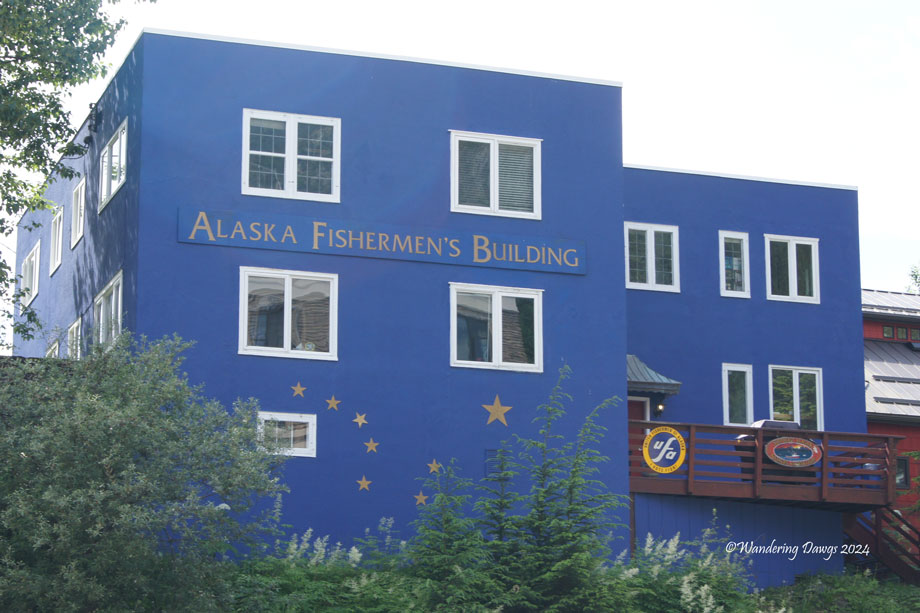
The header image of the Eagle on a branch uses negative space to create the two rectangles. This next image shows how architecture can be used to define the rectangles in an image. This blue building is a good example of rectangles within rectangles.
Juneau, Alaska
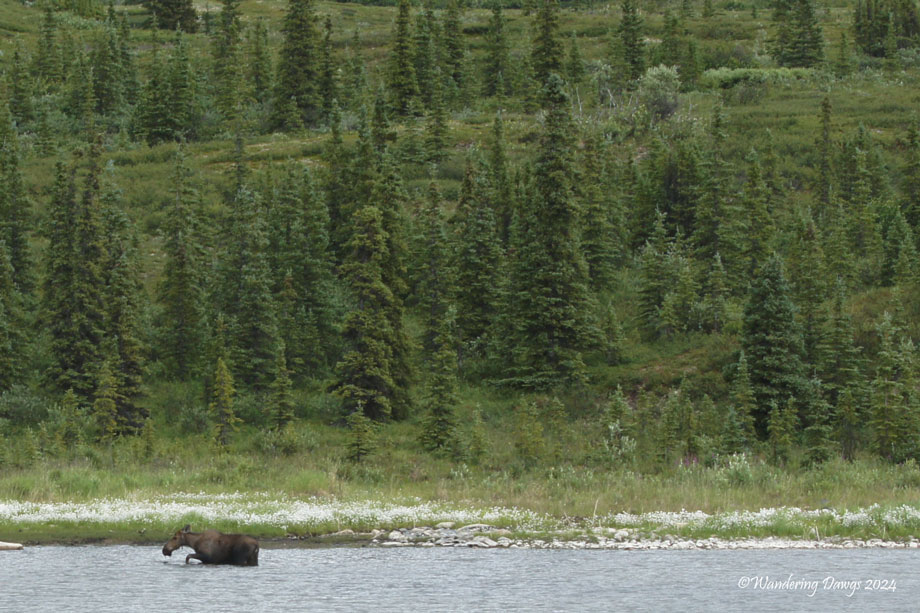
For the next image the horizontal line at the edge of the water defines the two rectangles.
Moose in Denali National Park, Alaska
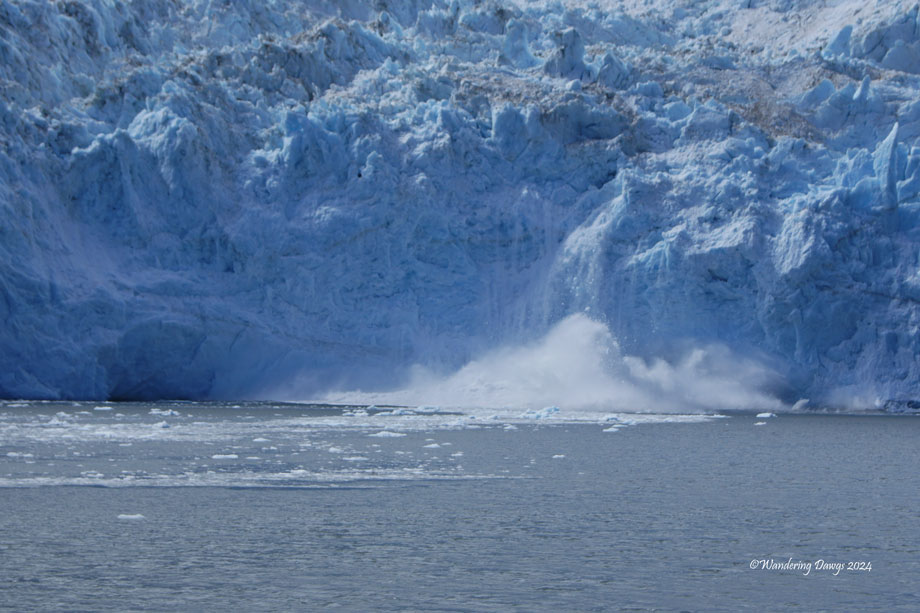
In the next image the two rectangles are defined by the horizontal line which divides the glacier in the upper rectangle and the water in the lower rectangle.
Calving on Aialik Glacier, Alaska
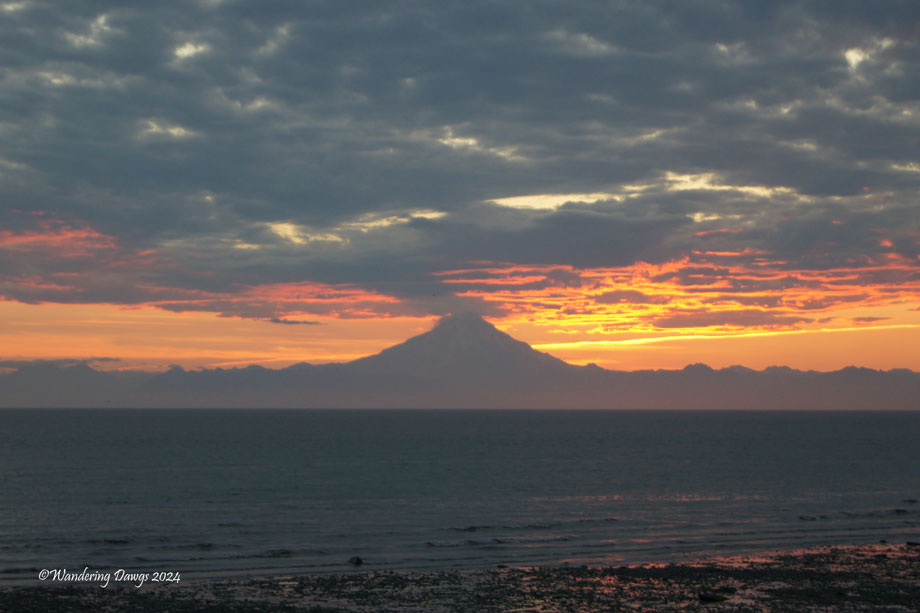
This sunset image is divided into two rectangles, the sky with the volcano in the upper rectangle and the water in the lower.




 Wandering Dawgs