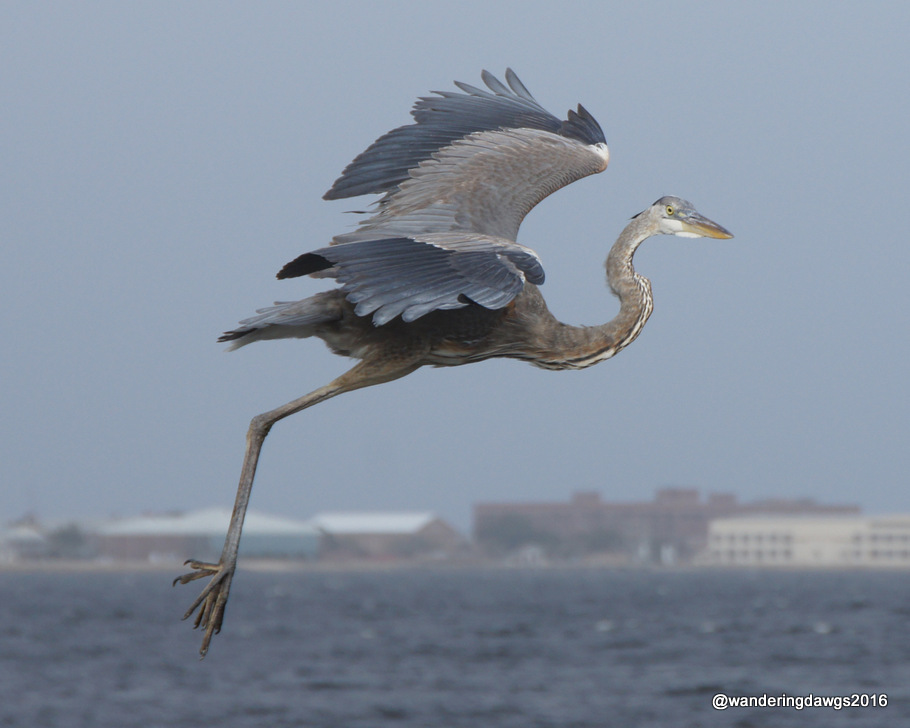
The image at the top of the page is a Great Egret. The letter G also appears as the first letter in part of the title of Great Blue Heron, Goose, and Gull.


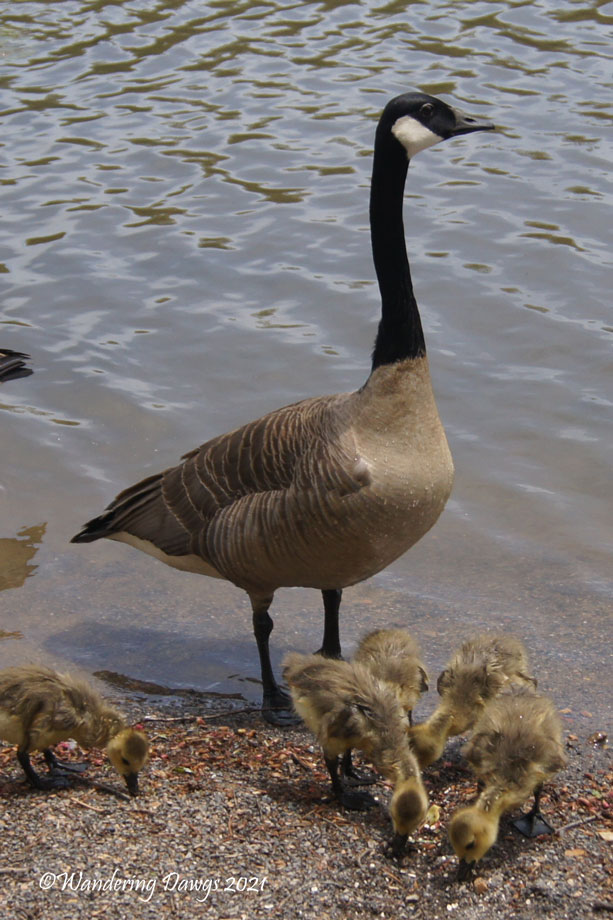
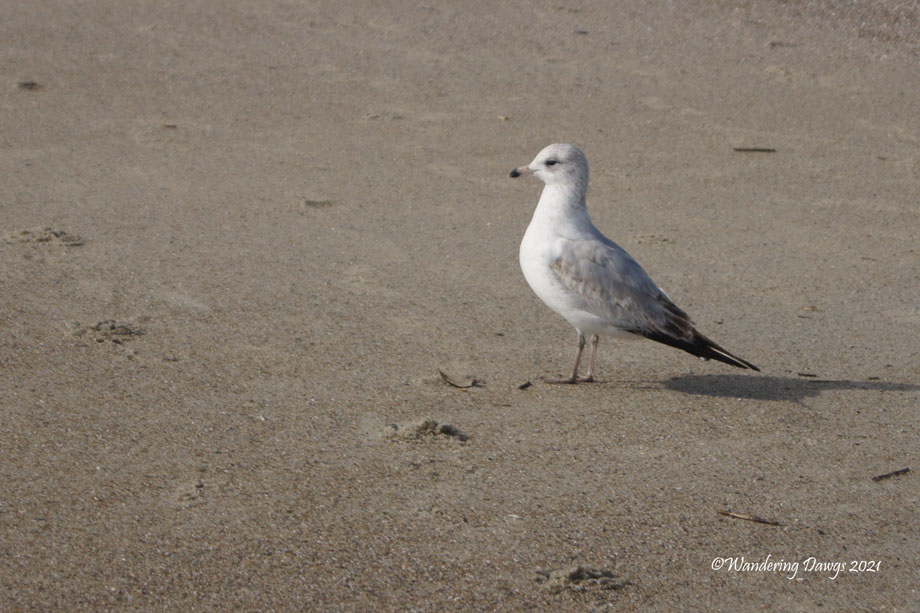
Thanks to Lisa for her Bird Weekly Challenge: Birds beginning with a “G” in the Title
Every Day is a Gift!
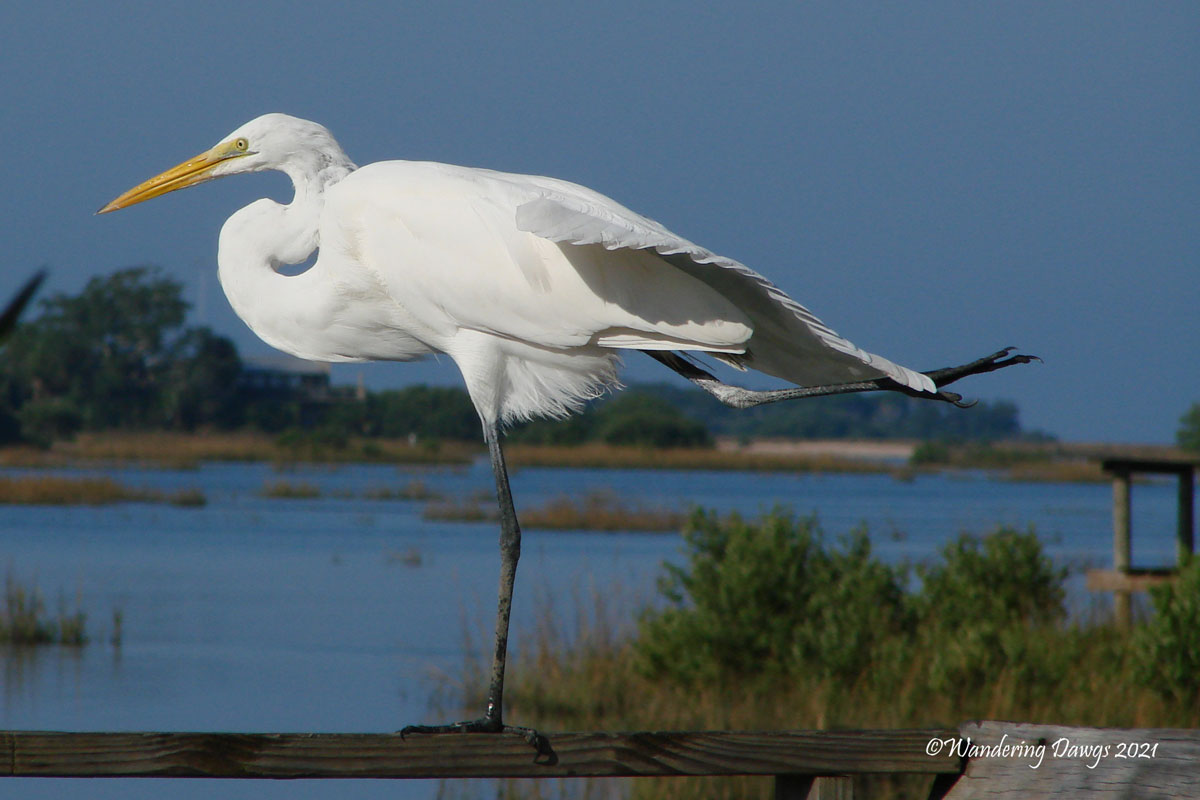
The image at the top of the page is a Great Egret. The letter G also appears as the first letter in part of the title of Great Blue Heron, Goose, and Gull.
Thanks to Lisa for her Bird Weekly Challenge: Birds beginning with a “G” in the Title

Here are a few colorful birds with colorful names.
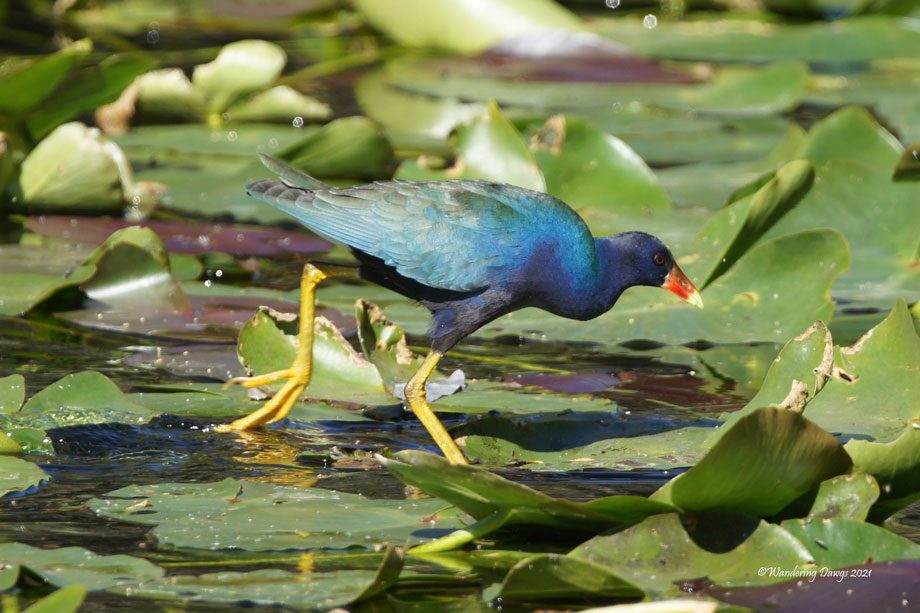

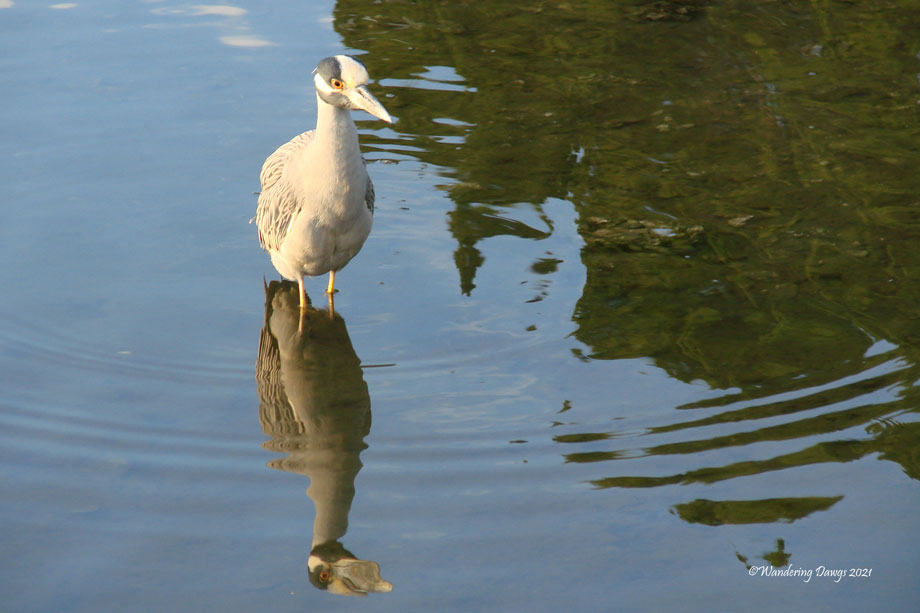
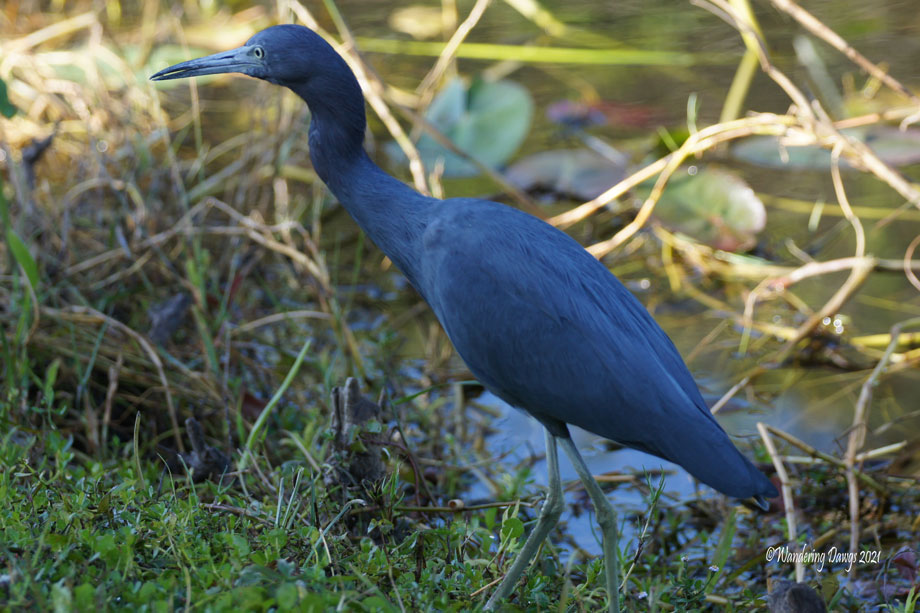
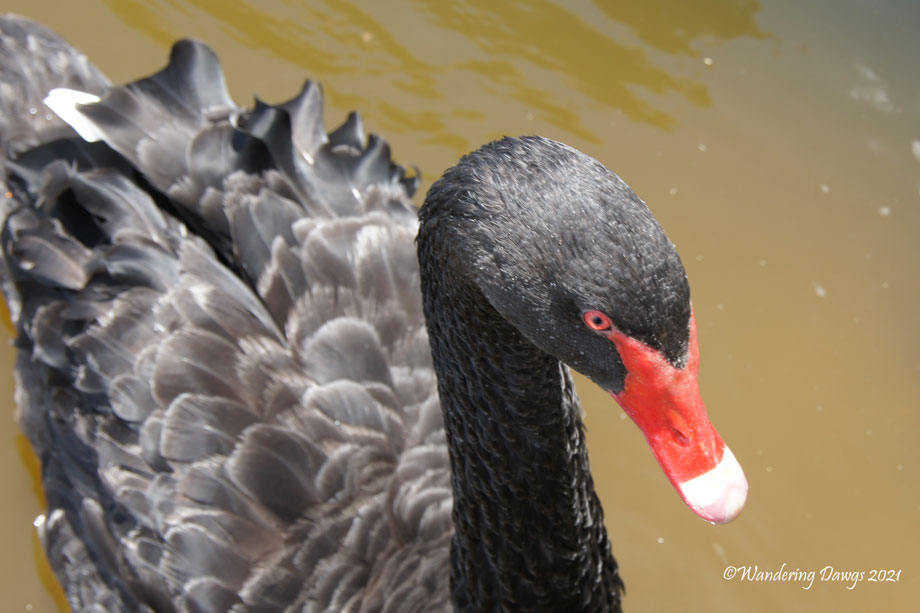
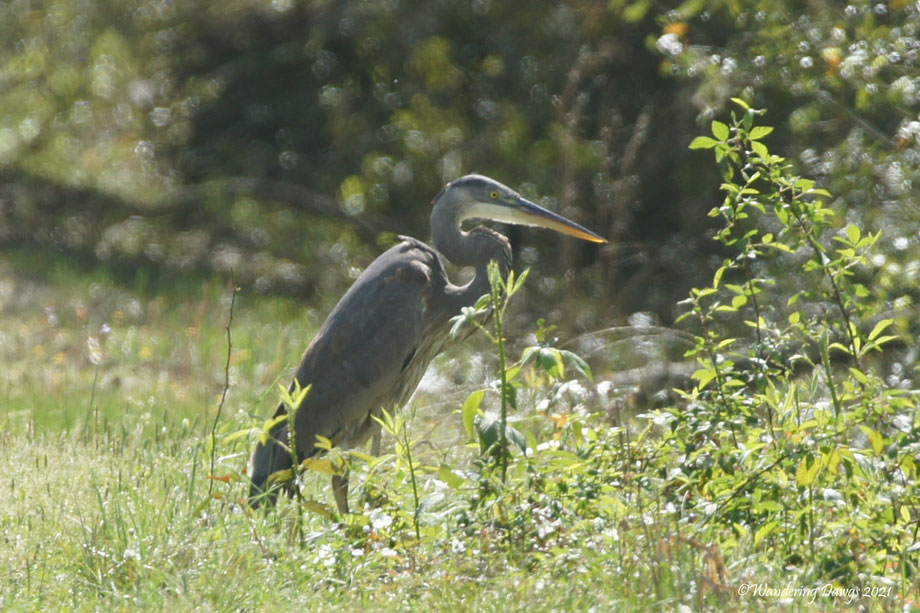
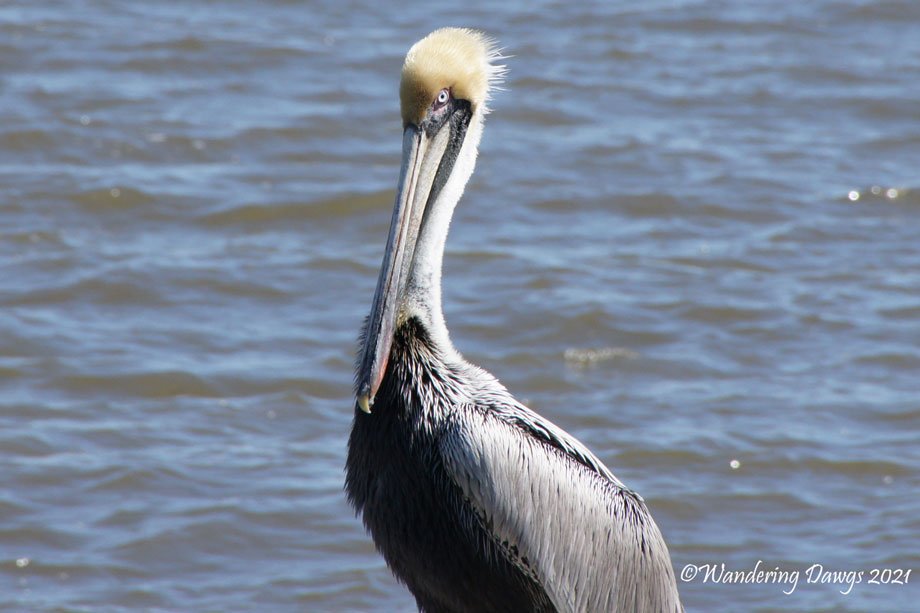

Thanks to Lisa for her Bird Weekly Challenge: Birds with color in their name
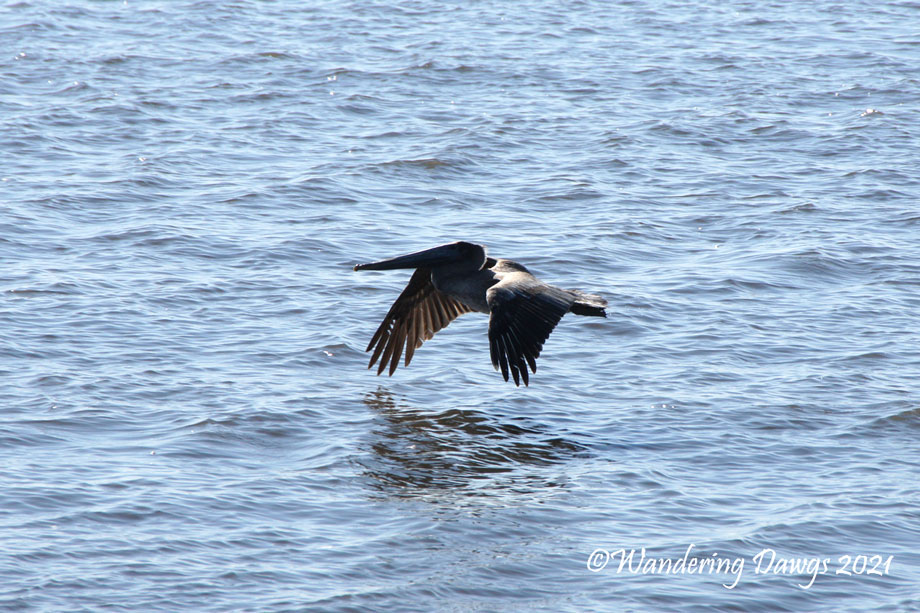
After I chose a few images of birds in flight for Lisa’s Bird Weekly Challenge I realized they were all flying over water. Then I remembered that Terri’s Sunday Stills Challenge: Water in the Details. Thank you both for the inspiration for this post.
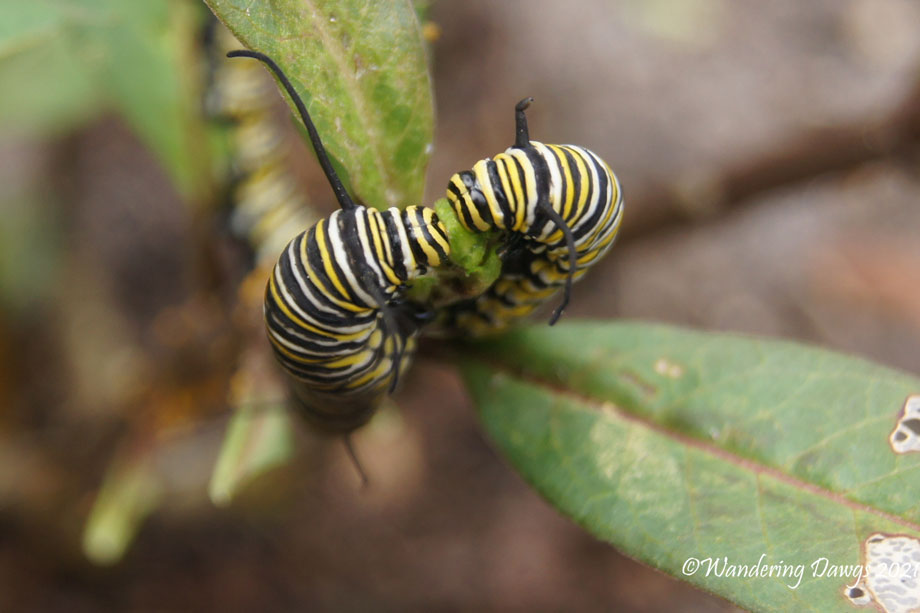
Our Lens-Artists challenge from guest host Priscilla at Scillagrace is to “present a “Getting To Know You” post showing your relationship with a subject you’ve photographed. The subject could be a Person, a Place, a Culture, an Object…anything that has captured your attention, won your affection and taught you a thing or two.”
I’ve always enjoyed watching butterflies as they fly from one flower to another so I planted a butterfly garden several years ago. The more I watched them the more I wanted to learn about them. Monarchs frequently fly through the area to feed and lay their eggs on milkweed plants.
Monarch butterflies will feed on many different nectar plants. I have found Mexican Sunflowers to be a favorite for them and many other varieties of butterflies. By summer the garden will be covered with zinnias, Mexican Sunflowers, coneflowers, and other nectar plants.
Right now my garden is in it’s early stages with very few blooms. I’m afraid the few Monarch butterflies that have come by my garden have been disappointed in the slim pickings. The only nectar plant blooming right now is a single Mexican sunflower with multiple blooms. I’ve been watching the butterflies drink their fill.
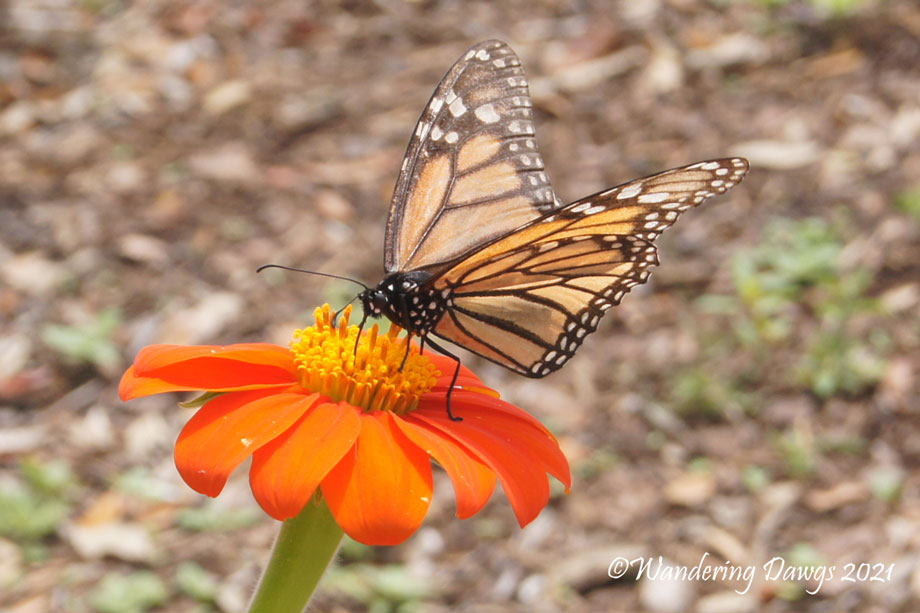
Every year I enjoy getting to know the caterpillars before they move on to become butterflies. I’ve learned their job is to eat so they have the strength to transform into a chrysalis.
The only plant that Monarch caterpillars feed on is milkweed (Asclepias). This year the female Monarchs laid their eggs on just about every available milkweed leaf they could find. The eggs hatched into tiny caterpillars and for the second year in a row they have devoured every leaf on every milkweed plant.
I observed the first group of caterpillars for several days and observed how quickly they grew before crawling off to make their chrysalis.
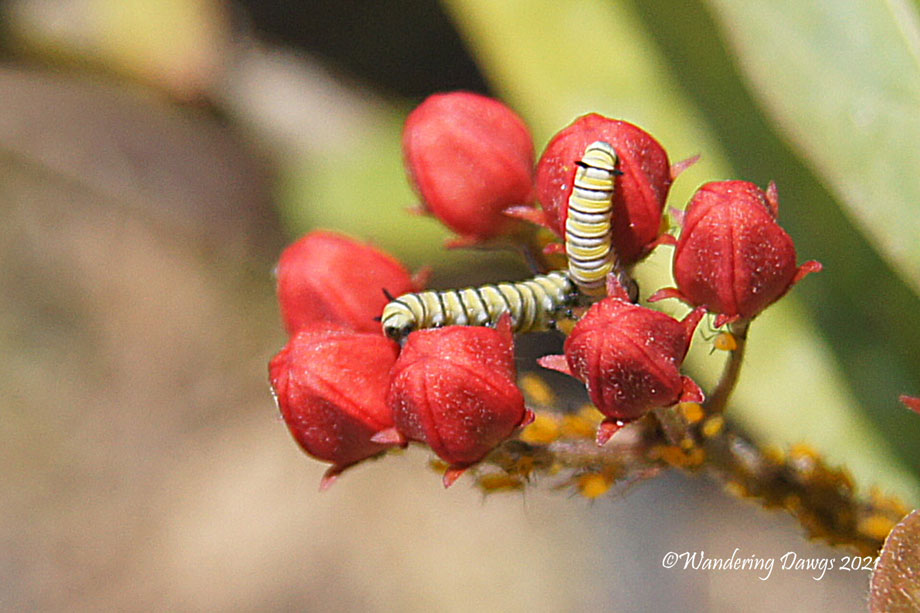
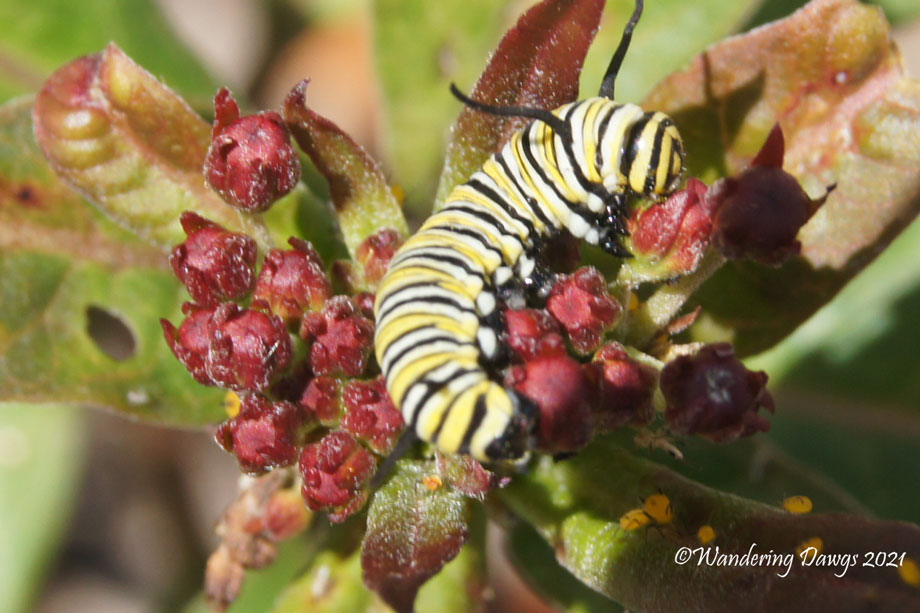
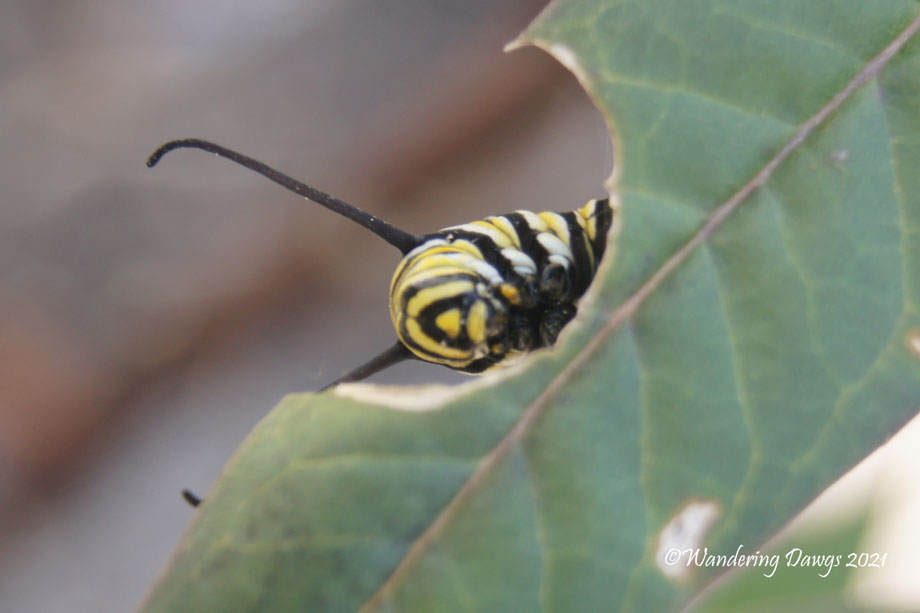
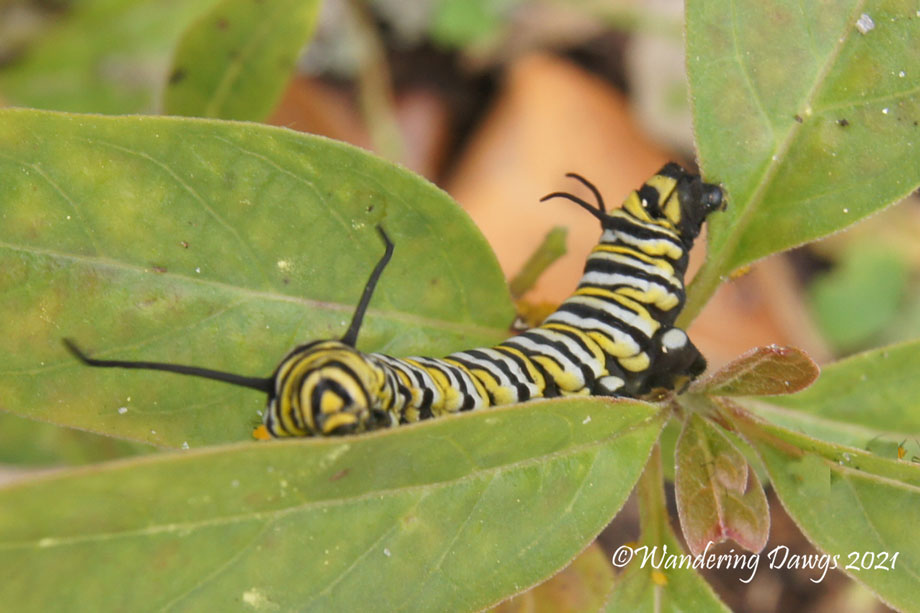
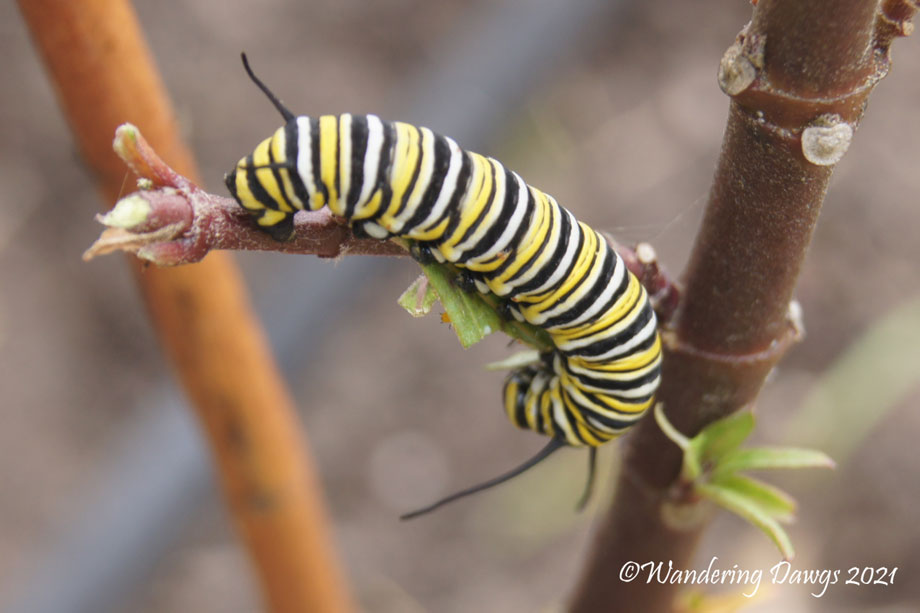
The caterpillars like to spin their chrysalis in a safe place and I very rarely can find them. Hopefully all the these caterpillars will emerge as beautiful Monarchs.
Many thanks to Priscilla at Scillagrace.com for this Photo Challenge. Please be sure to visit her original post at Lens-Artists Challenge #145: Getting to Know You

Lisa has challenged us to show birds we’ve seen in the past two weeks. All of the ones here are from this week.
I’ve been enjoying the variety of birds that have been coming to the feeder in my back yard this week. They are eating the seeds as fast as I can fill the feeder. Some days I just sit and enjoy seeing them without running to get my camera. In addition to the birds featured here there were also Carolina Chickadees, Cardinals, Doves, and a male Painted Bunting in my yard. One day I spotted a Great Egret pruning in the marsh.
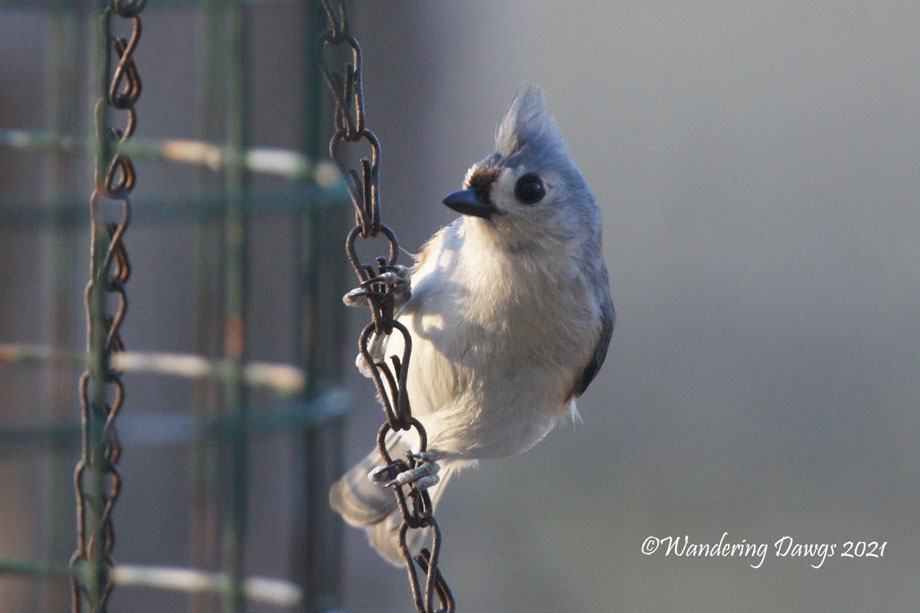
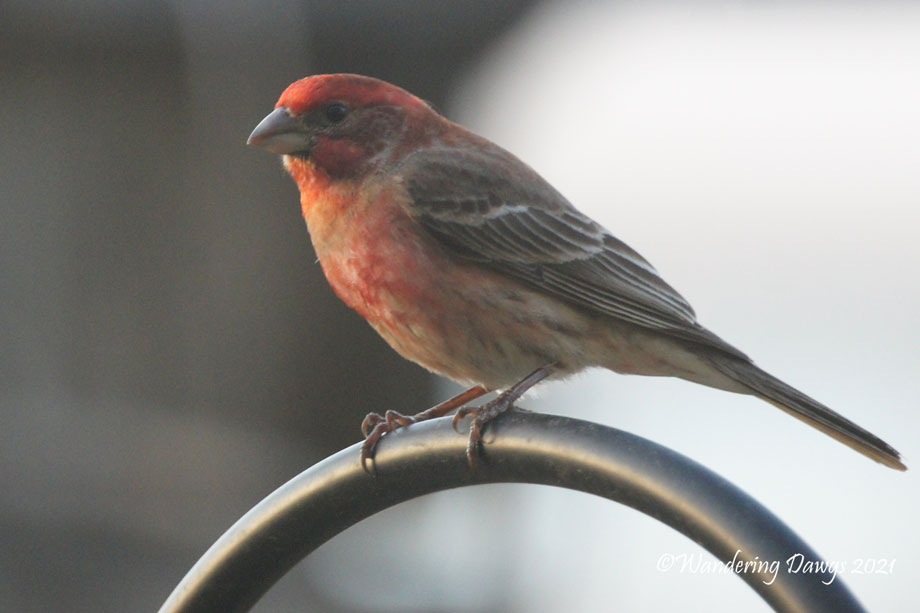
Shared with Lisa’s Bird Weekly Challenge Birds seen in the past two weeks.
 Wandering Dawgs