What have you seen or experienced that has astonished you? The challenge is to include photos about things that astonish you and tell us why you are astonished.
I got the inspiration for this challenge from these words by Mary Oliver from her poem “Sometimes”:
“Instructions for living a life:
Pay attention
Be astonished
Tell about it”
According to the Merrriam-Webster Dictionary the definition of astonished is “feeling or showing great surprise or wonder”.
There are so many astonishing places and things to experience in our world if we just take the time to pay attention to what is around us. Sometimes we can be surprised by something in our own backyard or neighborhood. It may be something in nature or it could be something created by humans like a piece of art or interesting architecture. We may want to travel to see astonishing wonders of nature or things created by humans. The challenge is to show us what astonishes you. What makes you go “WOW”?
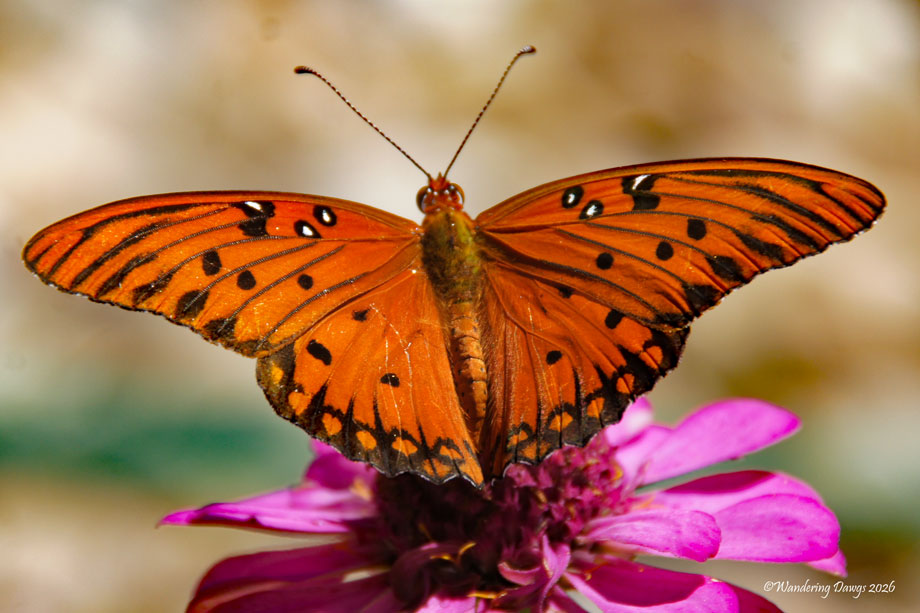
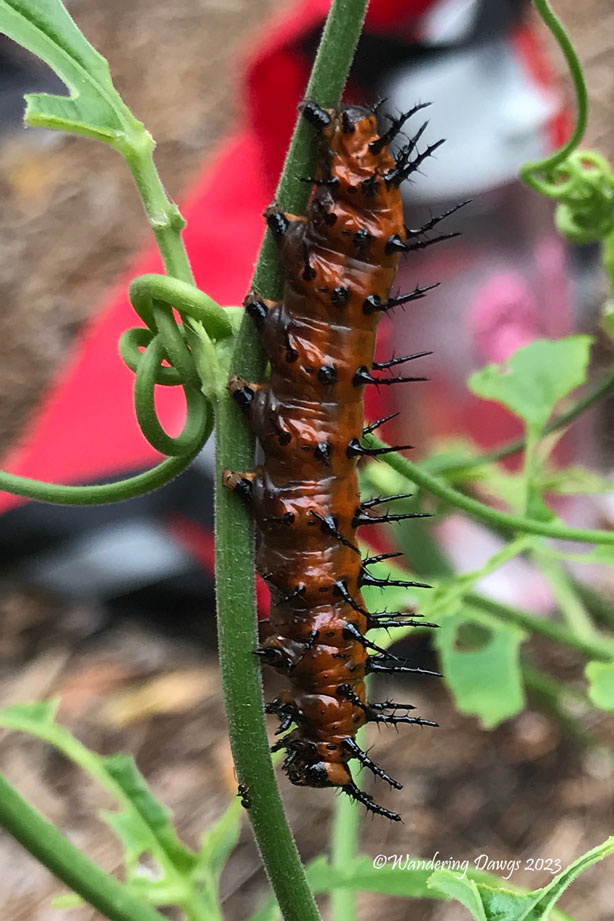
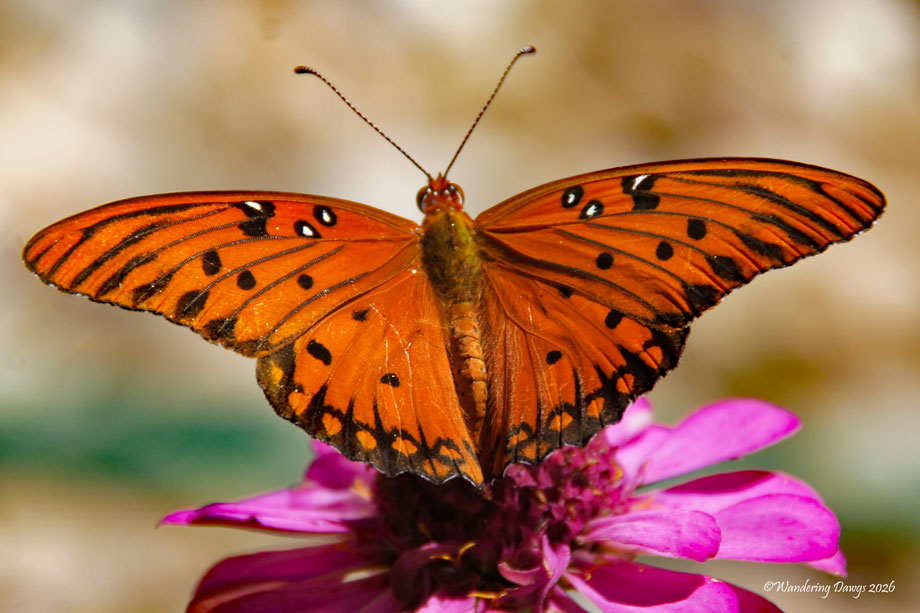
I can find wonders all around my neighborhood and my own back yard when I slow down and look around me. It’s the little things like these that bring me joy. I’m astonished that this weird looking caterpillar on the left will become a beautiful Gulf Fritillary like the one on the right.
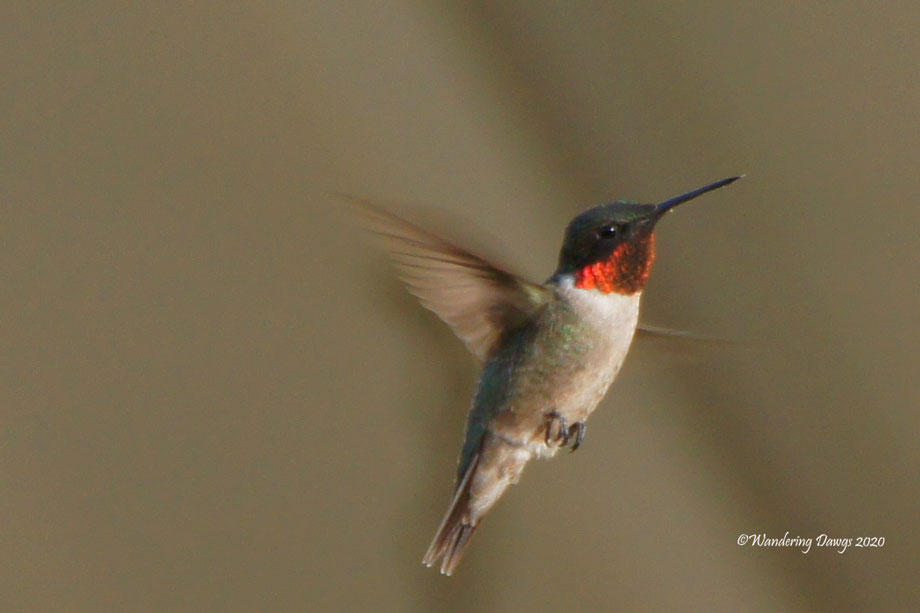
I plant flowers in my garden to attract hummingbirds, butterflies and other pollinators. During the warm months I keep my hummingbird feeder filled with fresh nectar. No matter how many times I have witnessed it I am always astonished when I see one of the huumers hovering in mid air.
I am always astonished at the vastness and power of the ocean. These waves were crashing on the beach as a tropical storm was approaching Tybee Island, Georgia.
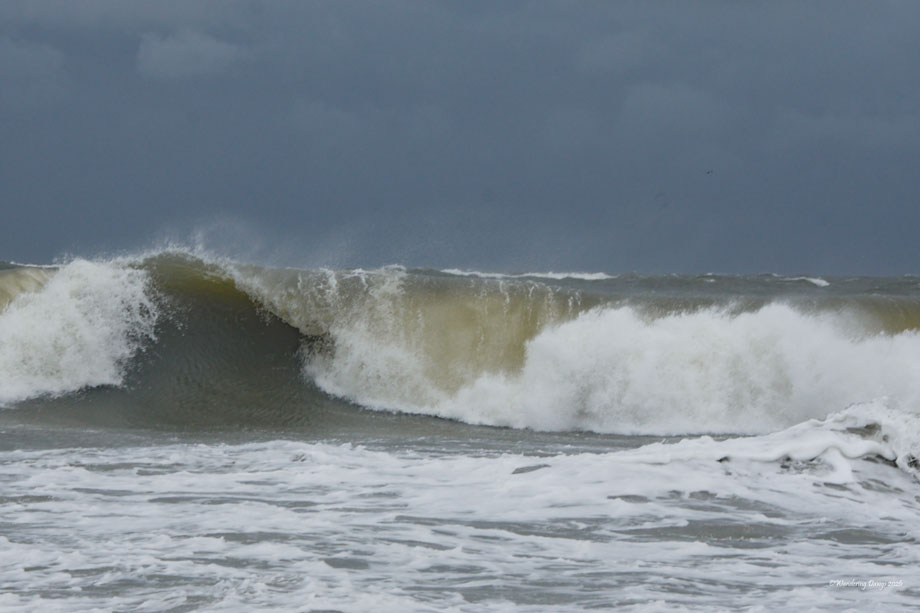
Sometimes my husband and I travel long distances to see astonishing sights. When I pay attention I often find astonishing things I wasn’t expecting to see.
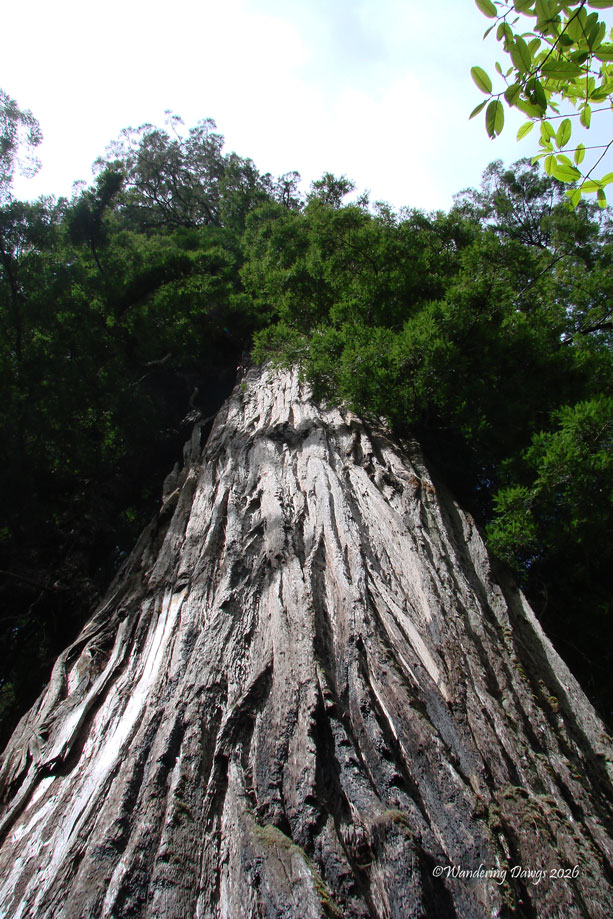
I was in awe of the ancient giant Redwoods in Redwoods National Park in California. I spent most of my time looking up, taking in their enormous size.
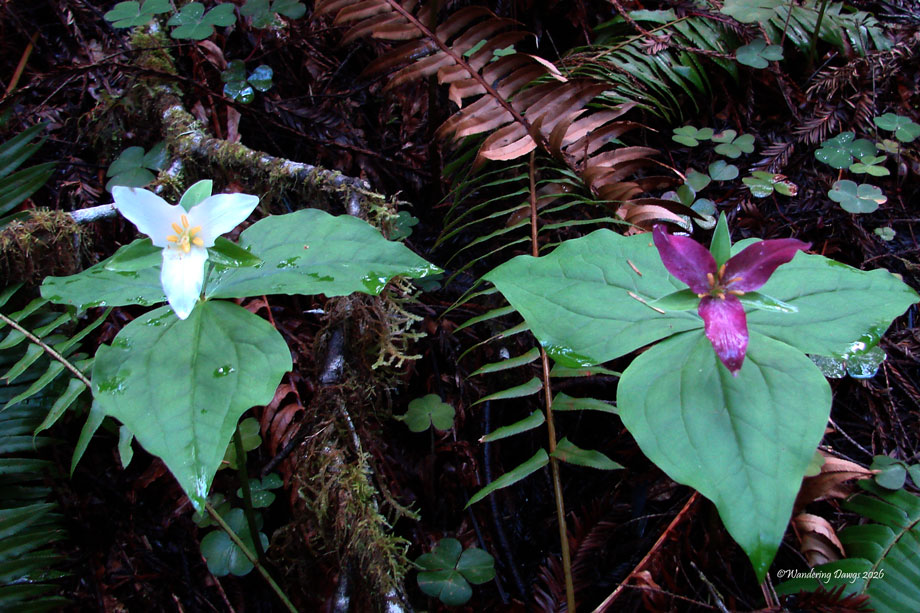
And then I looked down at the forest floor and was astonished to discover the beautiful trillium flowers were blooming.
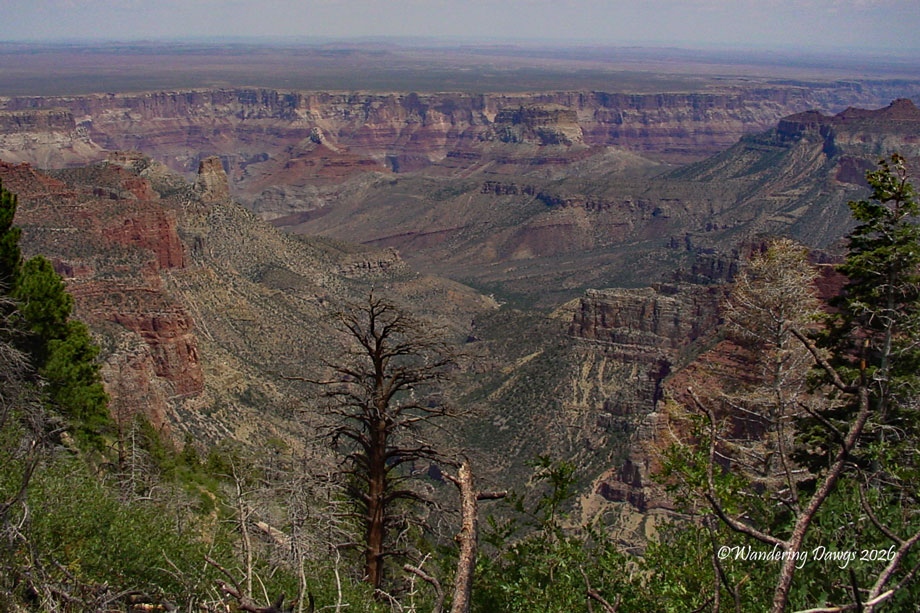
My husband and I have traveled to Arizona twice to visit the Grand Canyon. The canyon is awe-inspiring and makes me feel how truly small I am in the grand scheme of things.
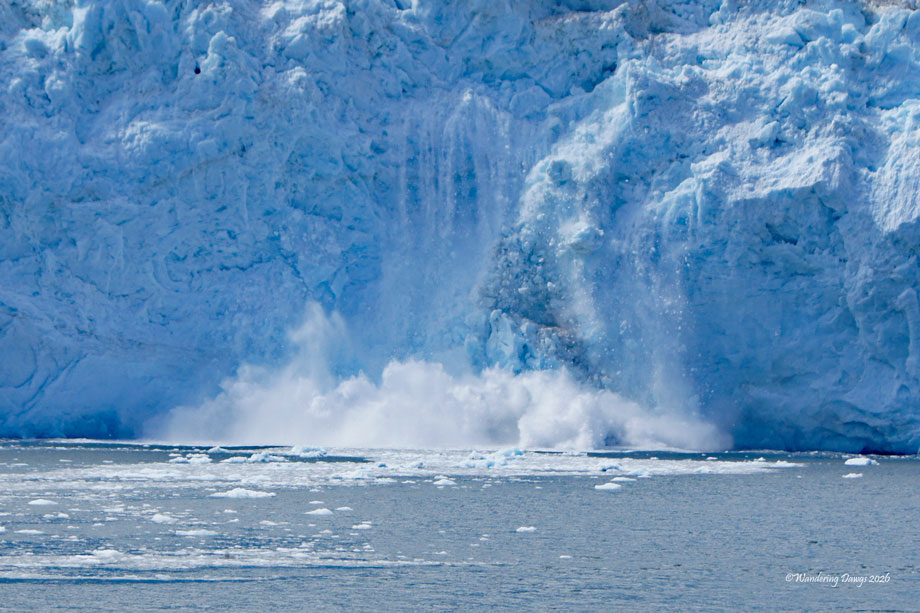
We spent two months in Alaska in 2013 and every day brought new things that astonished me. Seeing and hearing a glacier calving was one of those events that has always stayed with me.
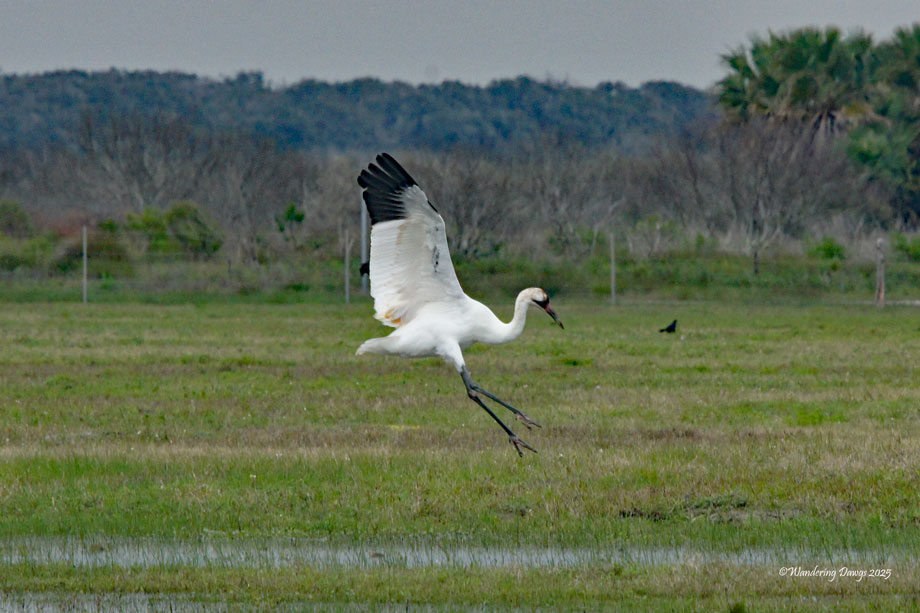
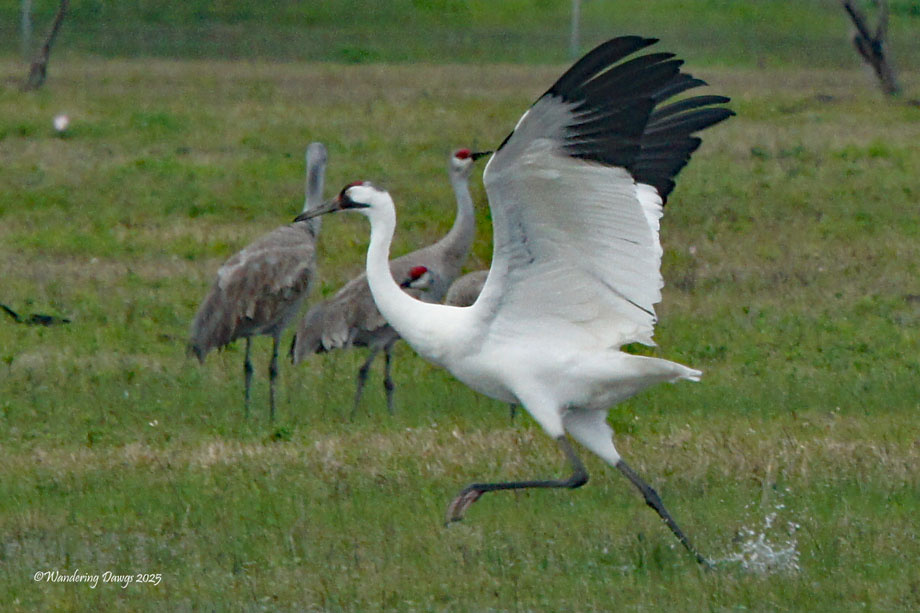
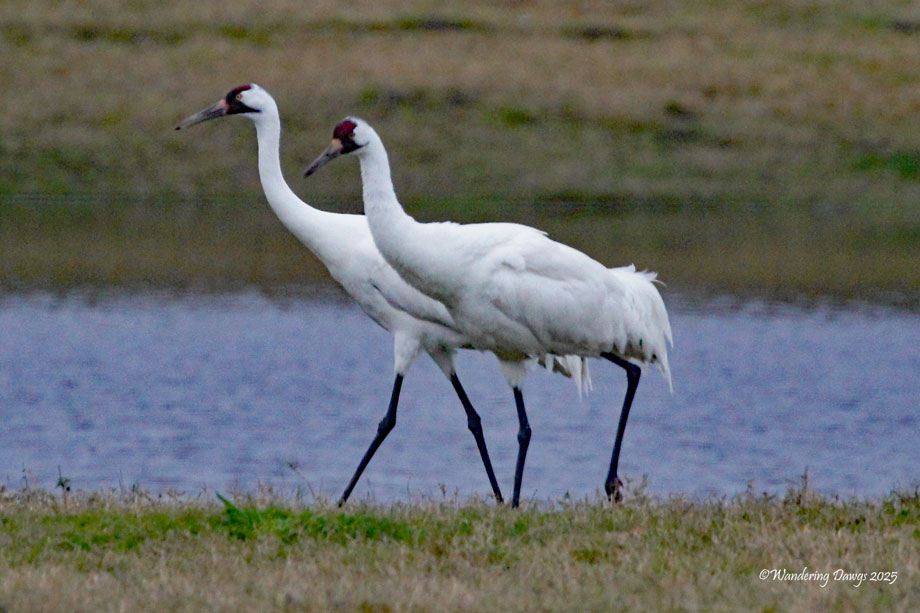
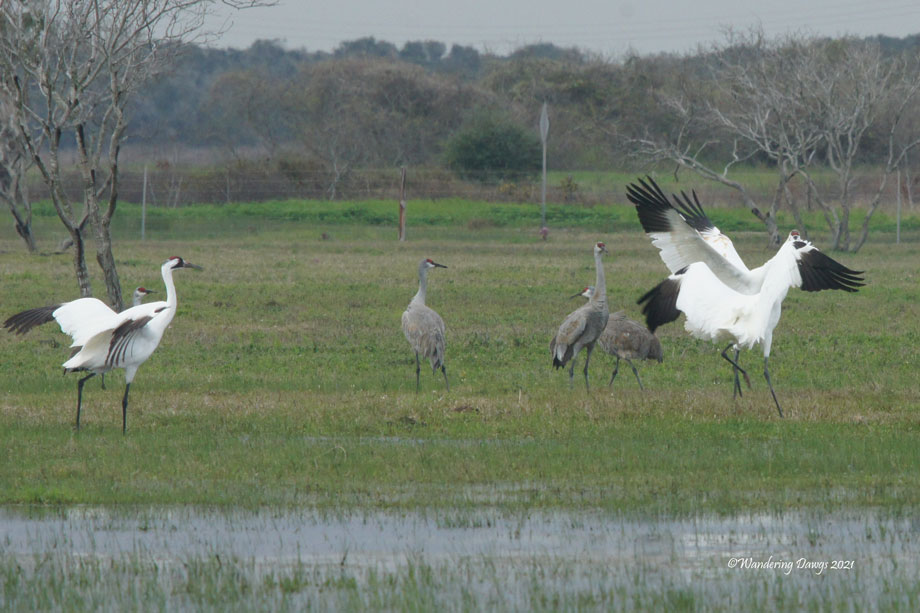
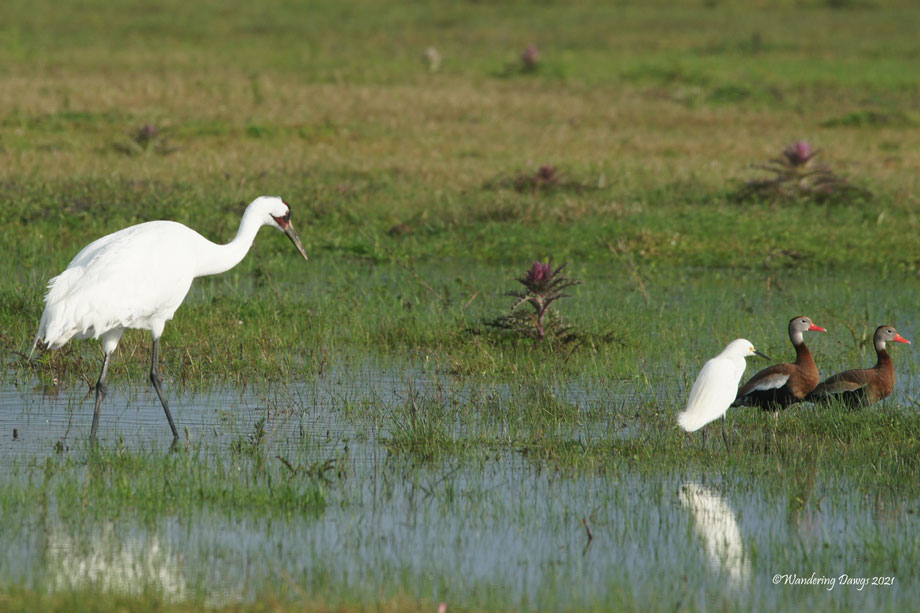
Not only was observing Whooping Cranes in the wild an astonishing experience, knowing that they migrate 2,500 miles from Wood Buffalo National Park in Canada to Aransas National Wildlife Refuge every fall was even more astonishing. After wintering in Texas, they begin their migration back north to Canada about mid March each year. We made a special trip to Texas to see these magnificent birds who once were on the brink of extinction.
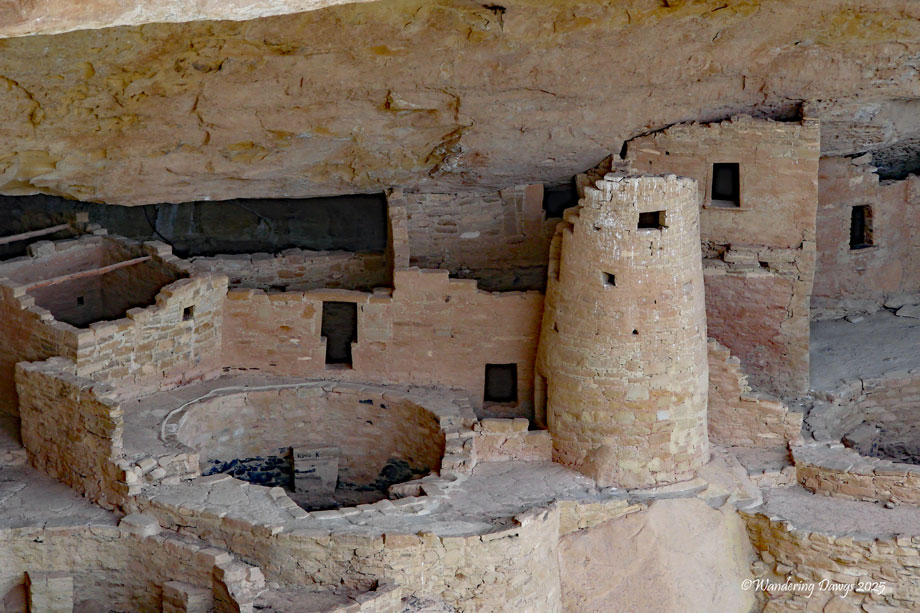
I am always astonished when I see ancient structures built by humans that have survived for thousands of years. I’ve never seen the Pyramids or the Great Wall of China but I have seen the Cliff Dwellings of Mesa Verde National Park. How did they build these structures and how did the people survive in the harsh environment?
Last week I enjoyed all of your wonderful shapes and designs in response to Tina’s challenge. Thank you to everyone who joined the challenge..
I hope you will join in for this week’s challenge. I can’t wait to see what astonishes you. Be sure to tag your post with Lens-Artists and include a link back to this post.
Be sure to check back on Saturday, February 14 at noon eastern time when Ritva will be hosting the challenge.
For information on how to join the Len-Artists challenge please click here.
Every Day is a Gift




 Wandering Dawgs