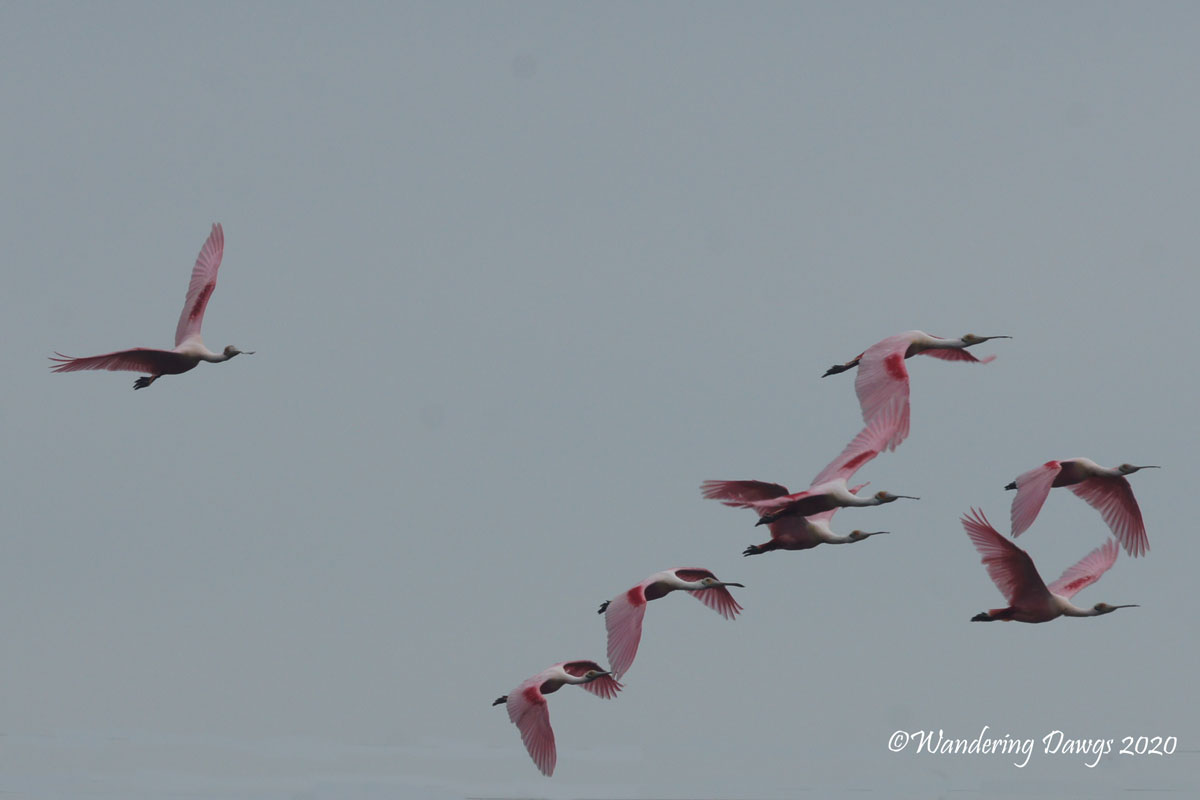
For this week’s Bird Weekly Challenge Lisa has asked us to show flocks of birds. The above image is of a flock of Roseate Spoonbills on the Texas Gulf Coast.
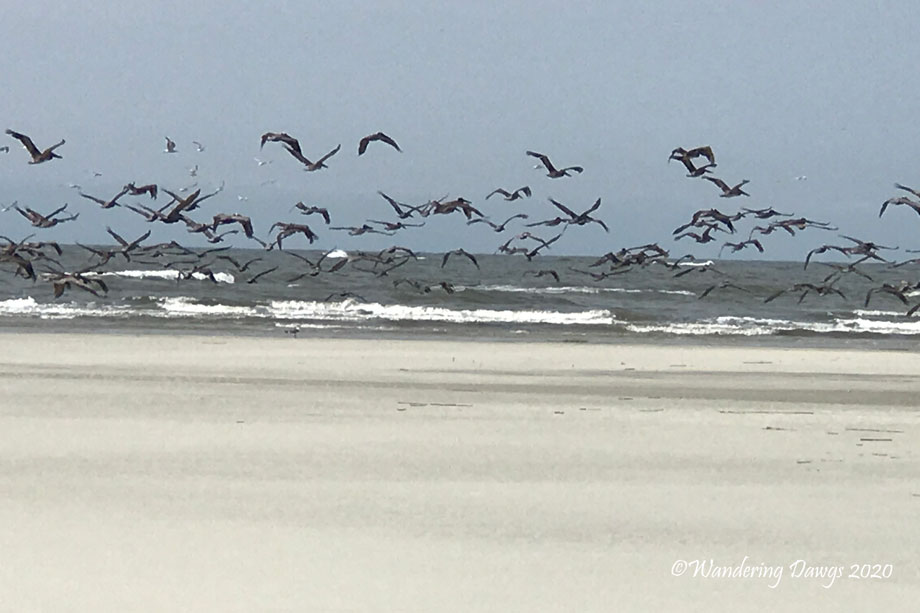
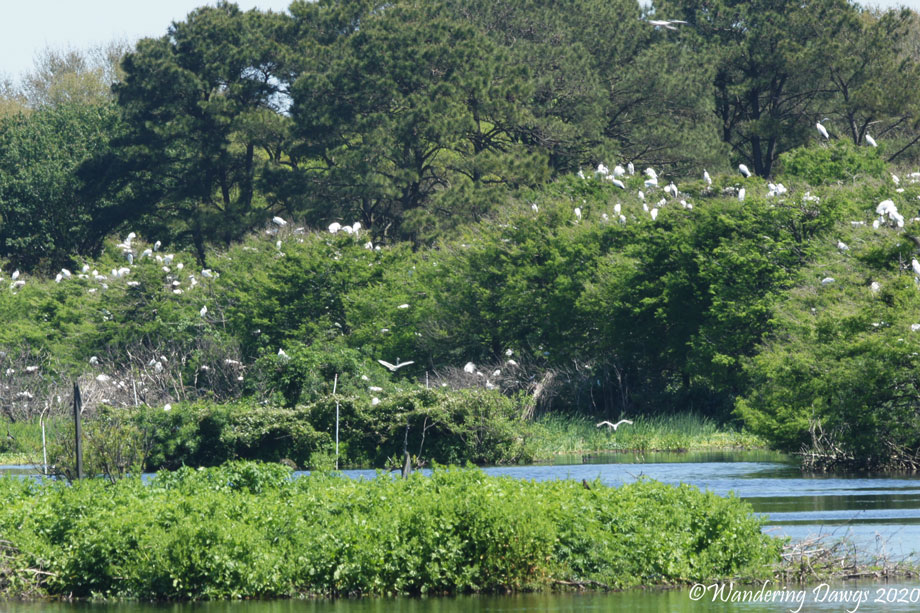
Flock of Great Egrets with two Spoonbills in Everglades National ParkFlock of Brown Pelicans in Coastal GeorgiaFlocks of nesting Egrets and Wood Storks at Harris Neck National Wildlife Refuge, Georgia
Ovarian Cancer is sometimes called “the silent killer” because the symptoms are vague and many women aren’t diagnosed with ovarian cancer until it has spread. A woman’s chance of survival is much higher if the cancer is caught at an early stage.
To learn more about Ovarian Cancer I have included a few links:
This week’s photo challenge comes from guest host Rusha Sams of Oh, The Places we See… We are asked to show images that represent a Labor of Love.
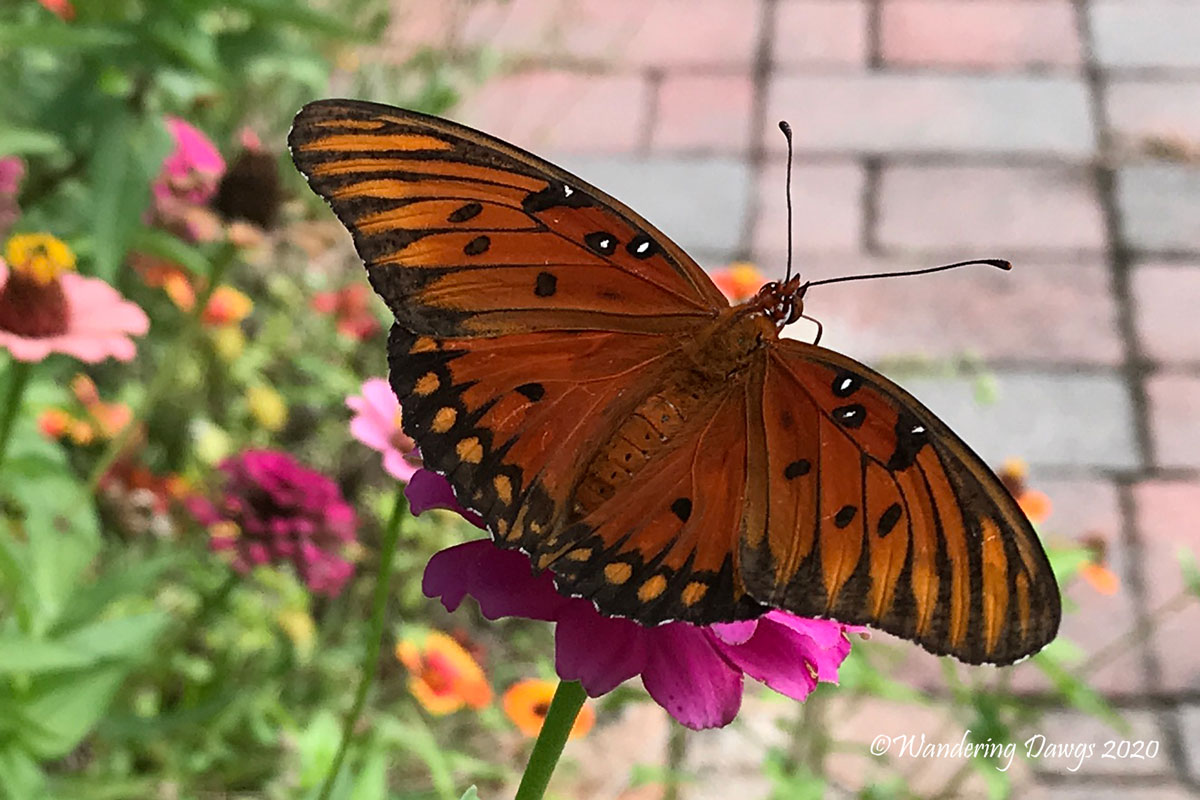
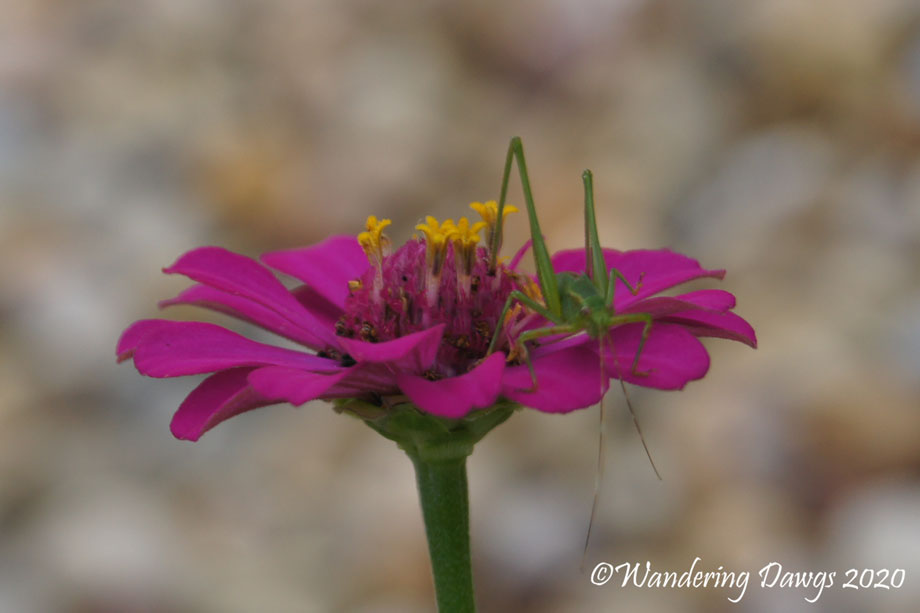
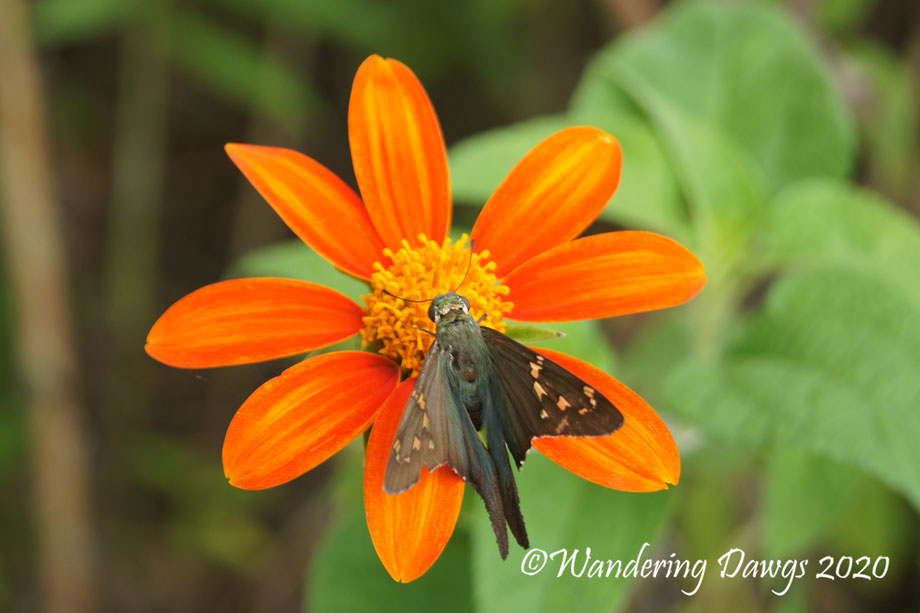
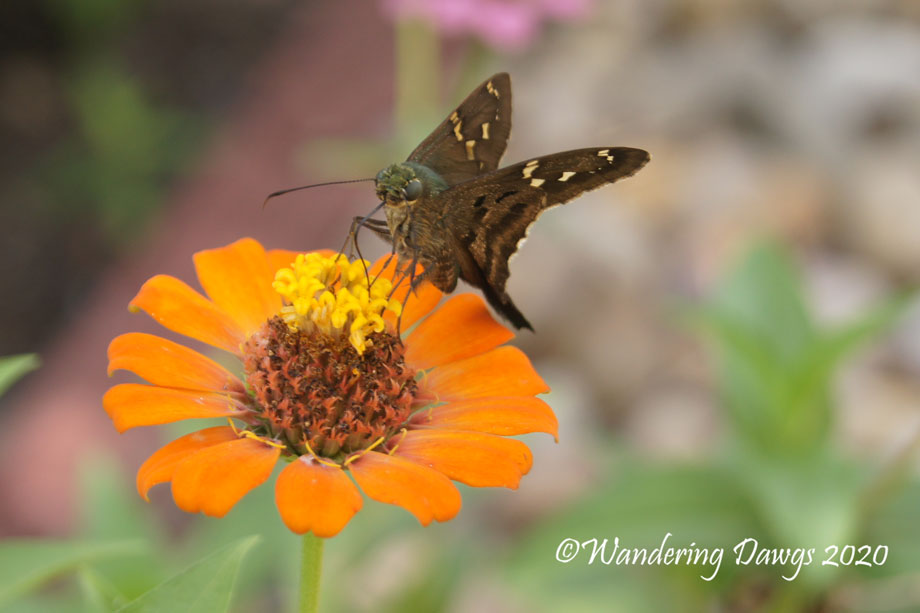
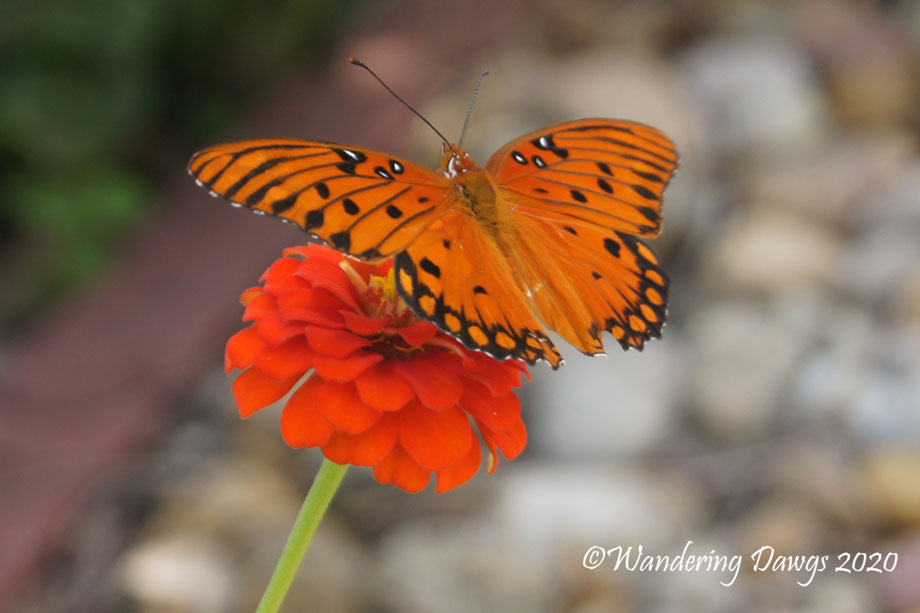
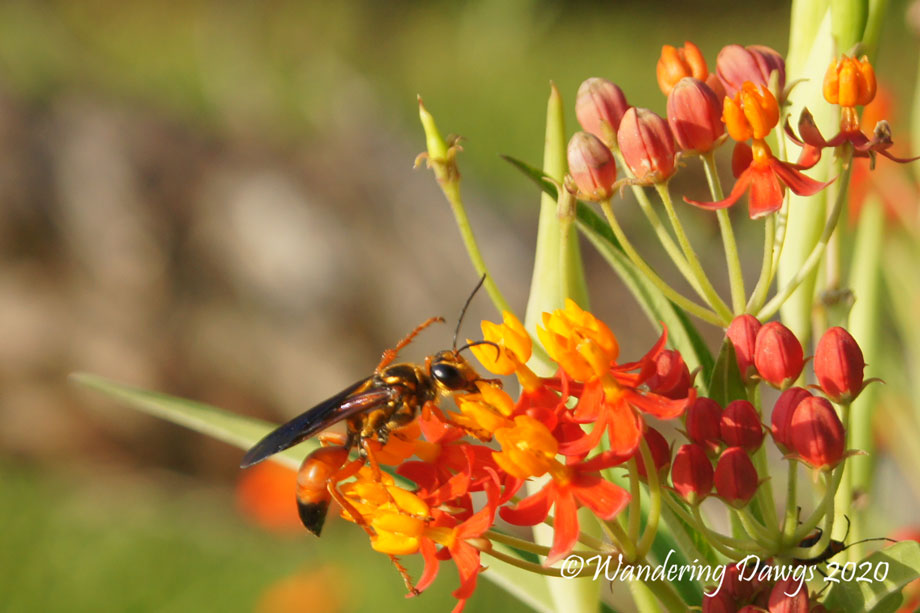
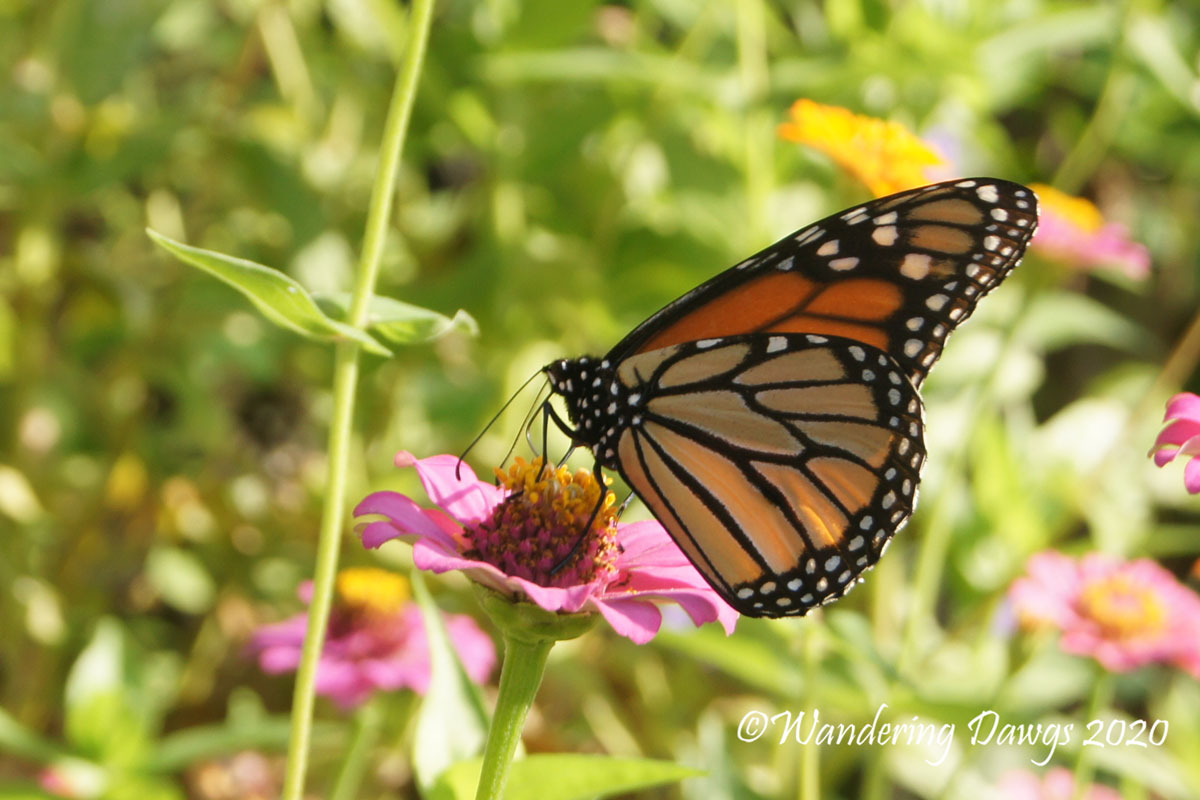
Planting my butterfly garden and maintaining it is a labor of love for me. By planting seeds and plants that attract pollinators such as butterflies and bees I am providing a place for them to feast on the nectar. At the same time I have a space in my backyard to relax and enjoy nature.
Here’s a few of the late summer critters that visited the garden recently. You can click on a picture to enlarge it.
Monarchs, Gulf Fritillaries, and Skipper butterflies have been all over the zinnias and Mexican Sunflower drinking up the nectar. Wasps, bees, and even a tiny grasshopper enjoyed the flowers, too.
It’s been a long, hot, dry summer and hopefully the flowers will continue to attract the butterflies and other critters for a little while longer.
I smile whenever I see these beautiful visitors to the garden. What made you smile this week?
It is important that women know some of the factors that may increase their risk of developing ovarian cancer. If a woman has any of these risks, it doesn’t necessarily mean she will get it. It just means she is at higher risk than the general population.
Ovarian Cancer Risks
If there is a known history of ovarian, breast, or colon cancer in a family, it may be a good idea to ask your doctor about genetic testing. After her mother died of ovarian cancer, Angelina Jolie brought the BRACA gene into the news when she tested positive for one of the mutations and had preventative surgery.
Ten years ago I was a newly diagnosed ovarian cancer patient just beginning my treatments. The only risk factors that increased my chance of getting it were my age (59 at the time of diagnosis) and being post-menopausal. The only person in my family that I knew of who had cancer before me was my maternal aunt who had breast cancer.
A few years after my treatments were finished, I saw a genetic counselor and was tested for the BRACA1 and BRACA2 genetic mutation. My test was negative. A later genetic test found I was positive for Lynch Syndrome which can make a person at higher risk for colon, ovarian, and some other cancers.
So why did I get ovarian cancer? I will probably never know the answer to that.
I just know that every morning I am grateful to wake up above ground. Every day is a gift!
This year I am dedicating the month of September to ovarian cancer awareness. Look for more Teal Tuesday posts.
Seagulls are common here on the Georgia coast. Whether I’m at the beach, riding in the boat, or sitting on my back deck I am likely to see some seagulls. They are so common I hardly even notice them and rarely photograph them. The gull at the top of the page is a ring-billed gull I spotted on the beach one winter.
When the shrimpers clean their nets, seagulls come by for an easy mealLaughing Gulls are frequently seen where I live in Georgia, but I captured these on the Mississippi Gulf Coast





 Wandering Dawgs