It seems like we’ve been going non stop since we returned from our trip to Ireland and Scotland on May 23. Once I got caught up on laundry and got over the jet lag, I’ve been able to enjoy the summer.
With very little rain while we were on our trip, my garden was suffering when we got home. After a few days of digging in the dirt and a little watering, it is now thriving.
Zinnia
Daylily
Fiddler Crab on milkweed
Zinnias in the butterfly garden
Zinnia
Some days are perfect for a boat ride.
High tide in the Georgia Salt MarshDriftwood on a Georgia sandbar
The hummingbirds come by each day and a painted bunting bunting pair and other small birds come by the feeder regularly. Wading birds are frequent visitors in the neighborhood.
Although most of the plants in my butterfly garden are finished blooming for the winter, some of flowering plants continued to bloom in late December and early January.
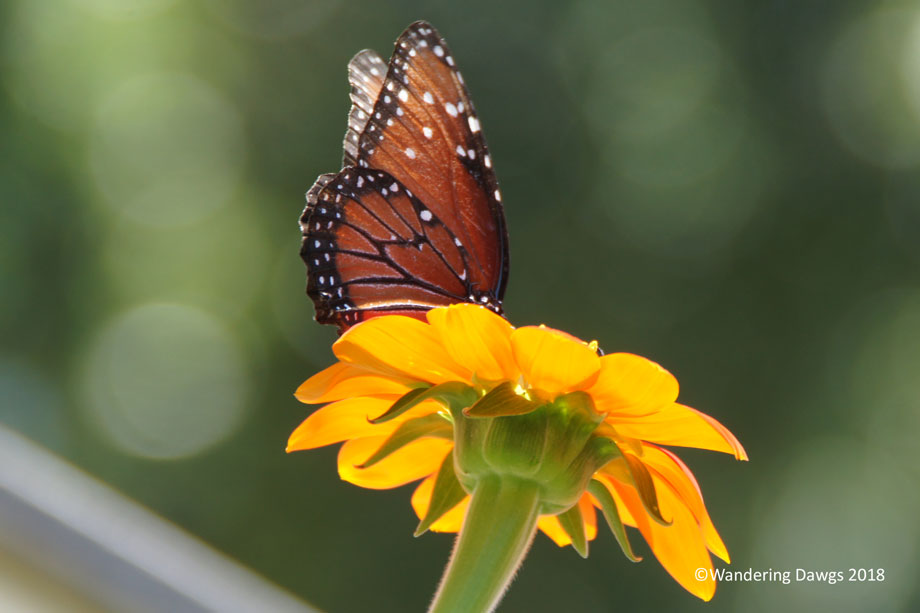
Mexican Sunflower in December
Hibiscus in December
Sunflower under bird feeder in January
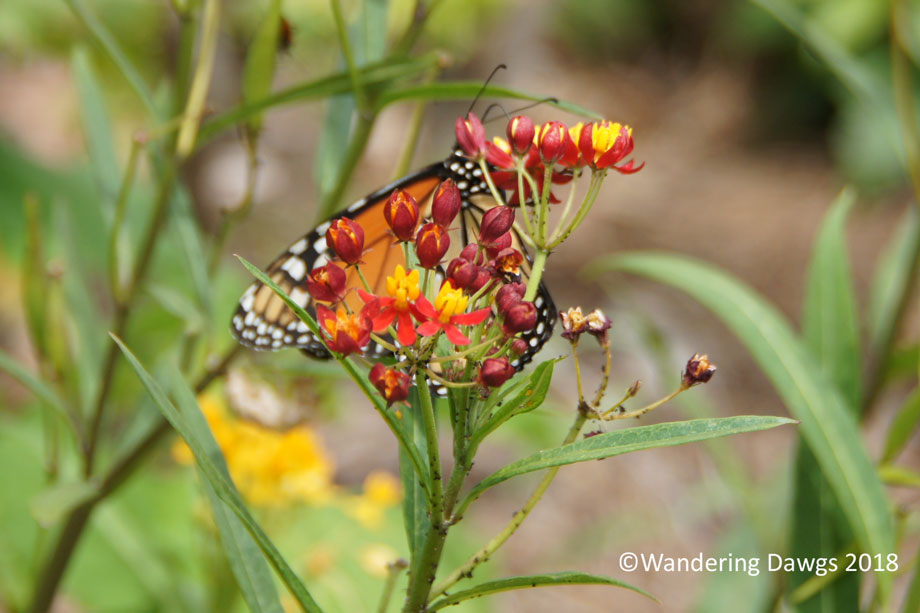
The milkweed is blooming and attracting Monarch butterflies. Because Hurricane Irma destroyed my butterfly garden in 2017 there were no butterflies or caterpillars last winter. I replanted the garden in the spring of 2018 and in December, 2018 I was thrilled to find monarchs and caterpillars on the milkweed once again.
Monarch on milkweed in JanuaryMonarch Caterpillar
Two days later, this caterpillar had changed into a chrysalis.
Monarch Chrysalis December 24, 2018
I checked on the chrysalis every day. A week later, on New Year’s Eve, it was starting to change.
Week old monarch chrysalis after rain December 31, 2018
I continued checking on it daily and I could see subtle changes each day. Just when I knew it wouldn’t be long before a butterfly emerged, I found it lying on the ground the morning of January 5. We did some research on the internet to find out if there was anything we could do to save it. We tied it to a branch with piece of thread and let it hang in a jar. It’s been over a week since then and still there is no change.
We rescued the Chrysalis after it fell on the ground on January 5, 2019
I wish there had been a happier ending to this post. I’m sad to say that our butterfly didn’t make it.
Most of the flower beds around our house are planted with drought tolerant plants that can survive the summer heat here in coastal Georgia. On the summers we take off on an RV trip I don’t have to worry too much about these established plants back home.
When we are home for the summer, I like to plant a butterfly garden. This year I added new milkweed, a butterfly bush, zinnias, black eyed susans, purple coneflower, and Mexican Sunflower to attract the hummingbirds and butterflies. With all these blooms I enjoy having cut flowers from the garden.
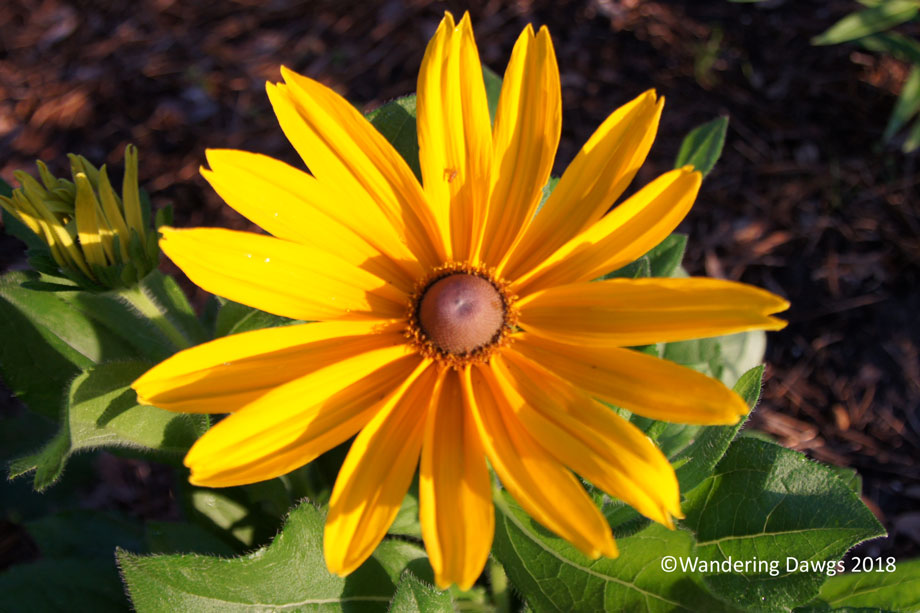
Black Eyed SusansCut Flowers from the garden
In addition to my flowers I had a small crop of basil, jalapeño peppers and cherry tomatoes. The peppers are still producing but the tomatoes and basil are gone.
Bounty from my little garden
Earlier in the summer we weren’t getting very many butterflies but lately the Gulf Fritillarys and Swallowtails have been visiting the garden regularly.
I’ve been digging in the dirt a lot lately trying to get my butterfly garden in shape after flooding from Hurricane Irma killed most of the plants last fall.
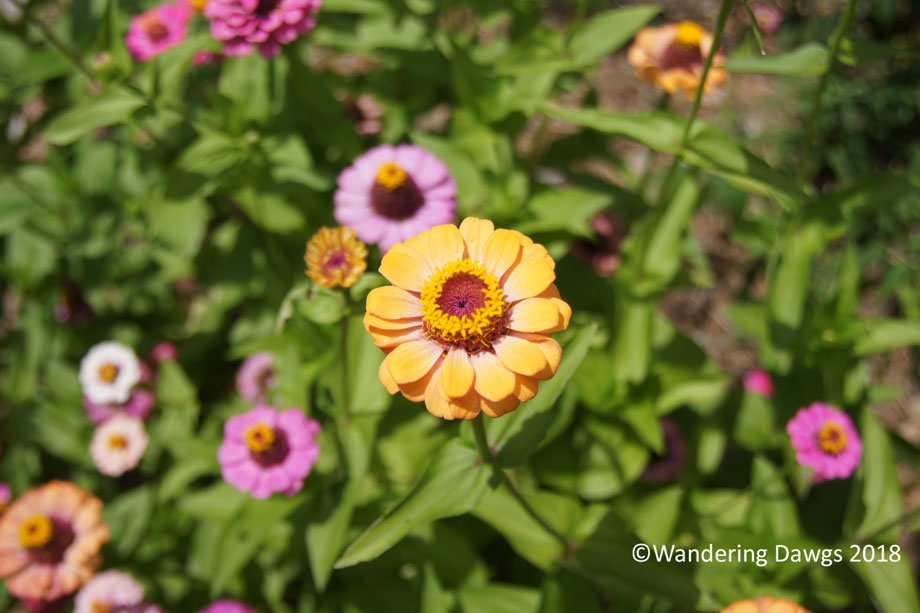
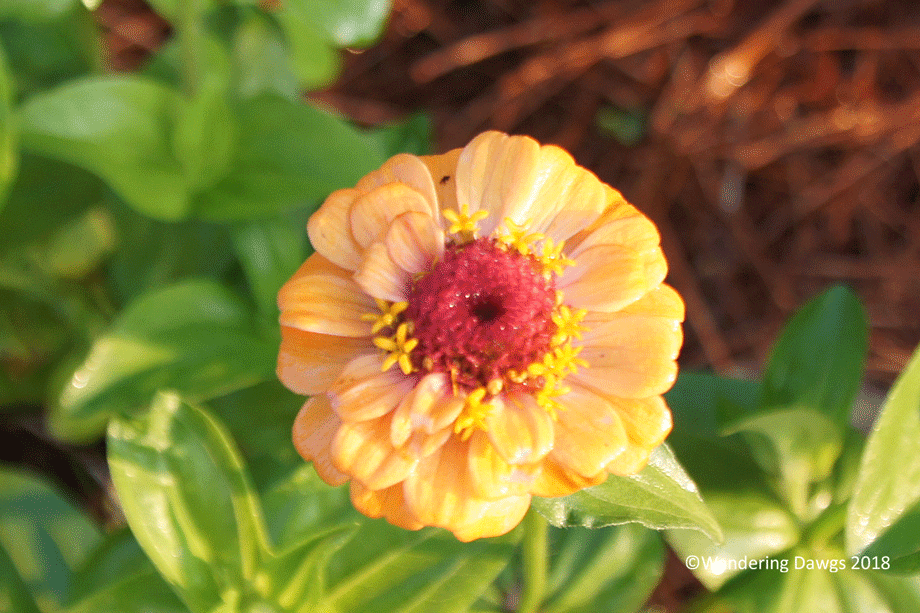
A few of the new plants are starting to bloom. The zinnias I planted from seed this winter are bursting with color.
ZinniaZinnias
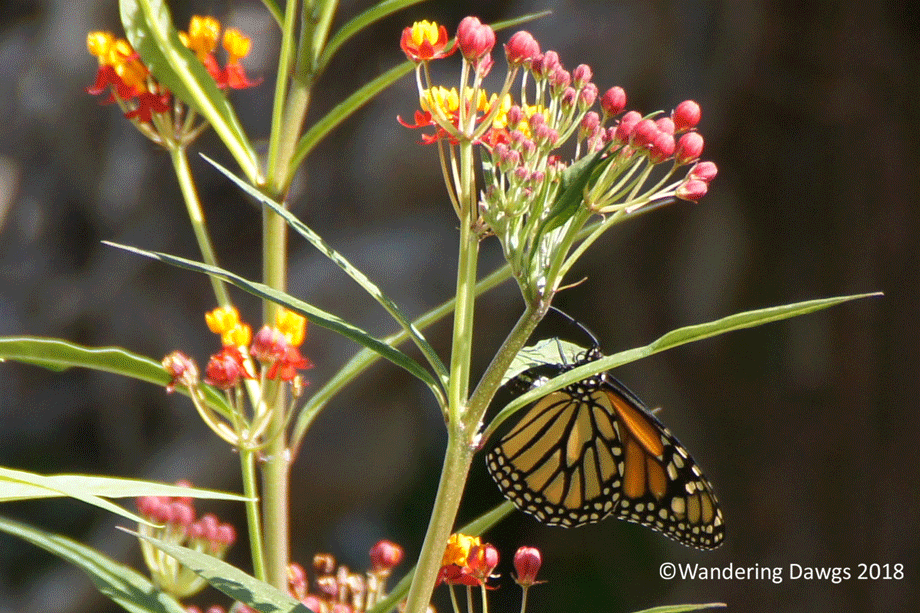
The new milkweed plants attracted their first Monarch of the season this week.
First Monarch sighting of 2018
The hummingbirds and Painted Buntings have been stopping by the feeders.
Painted Bunting
This lizard was trying to drink the hummingbird nectar.
Lizard looking for a snack on one of my hummingbird feeders








 Wandering Dawgs