Lens-Artists #119: Hideaway

For this challenge Ann-Christine has asked us “where or what is our hideaway”. Her description of hideaway says “A Hideaway, is a place to which a person can retreat for safety, privacy, relaxation, to seek seclusion or refuge.”

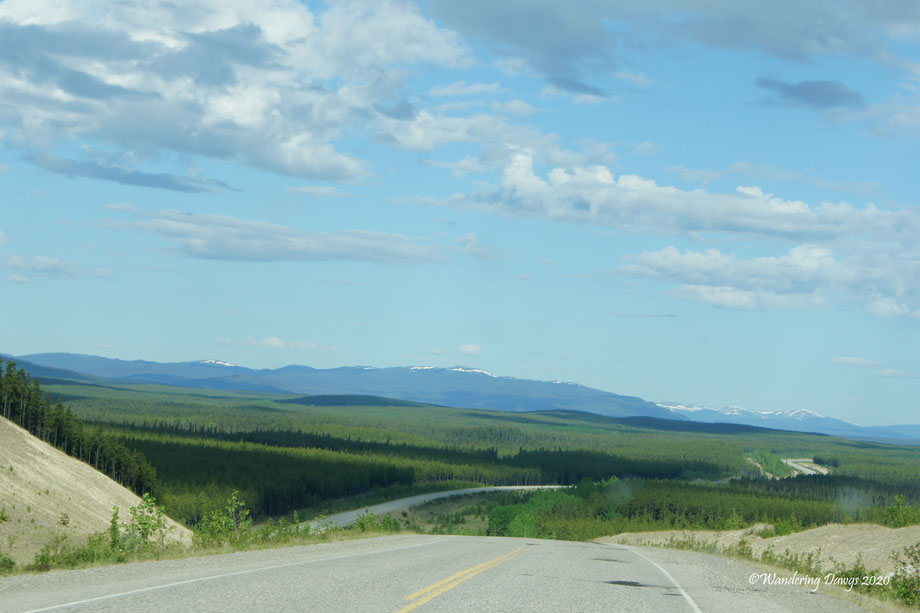
When I am at home I can hideaway for a few moments by getting out in nature or by reading a book. But for me, a true hideaway is a wilderness area far away from civilization, somewhere with no robo calls, internet, or other interruptions.

Three of my favorite destinations immediately came to mind – the Okefenokee National Wildlife Refuge in south Georgia, Denali National Park in Alaska, and Everglades National Park in Florida. Although these are three unique protected wilderness areas, what they have in common is that they are miles away from civilization and the wildlife is free to roam.
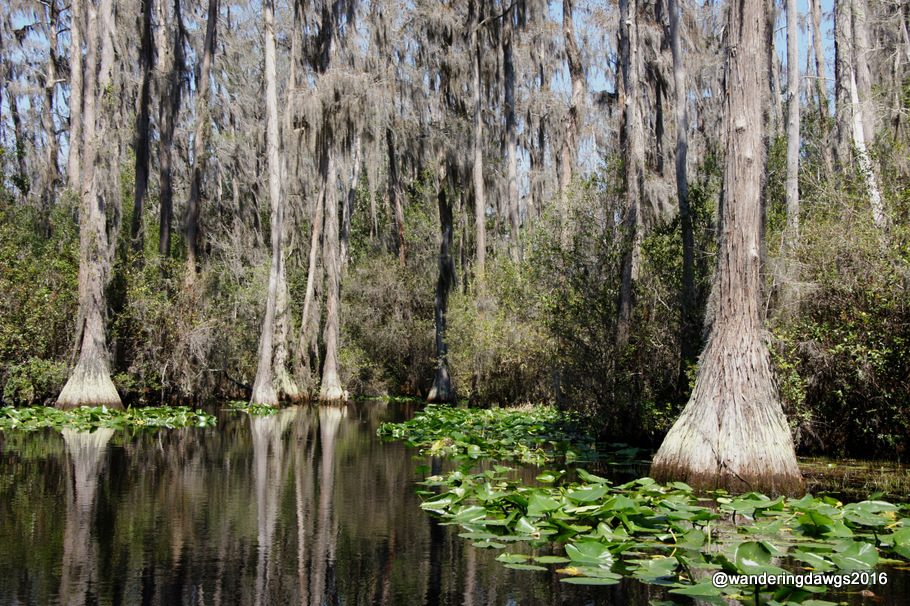
Okefenokee Landscape

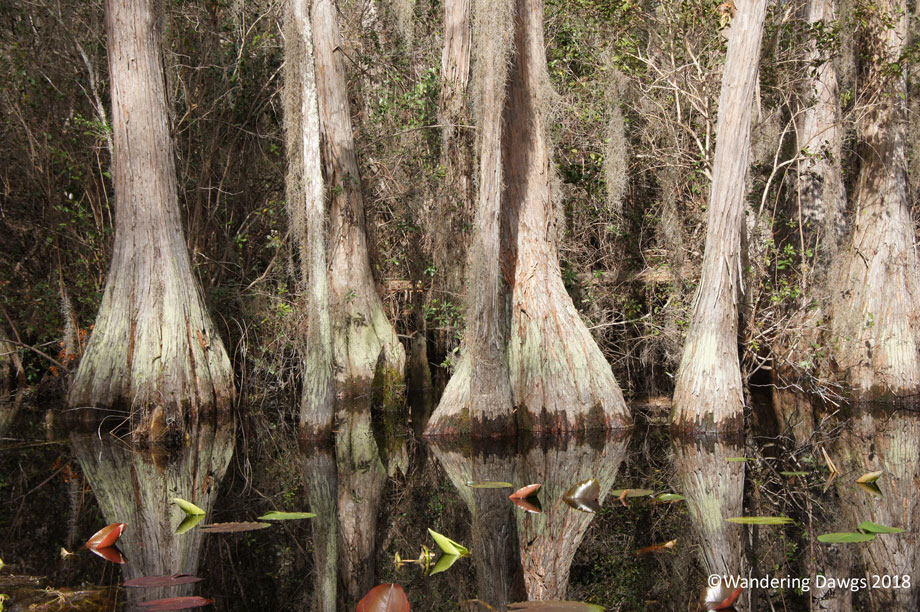
Of these three areas, the closest to my home is the Okefenokee Swamp. When we get to the end of the 17 mile road from the main highway and arrive at Stephen C. Foster State Park I feel like I am in another world. This image and the one at the top were both taken in the Okefenokee National Wildlife Refuge near Fargo, Georgia.
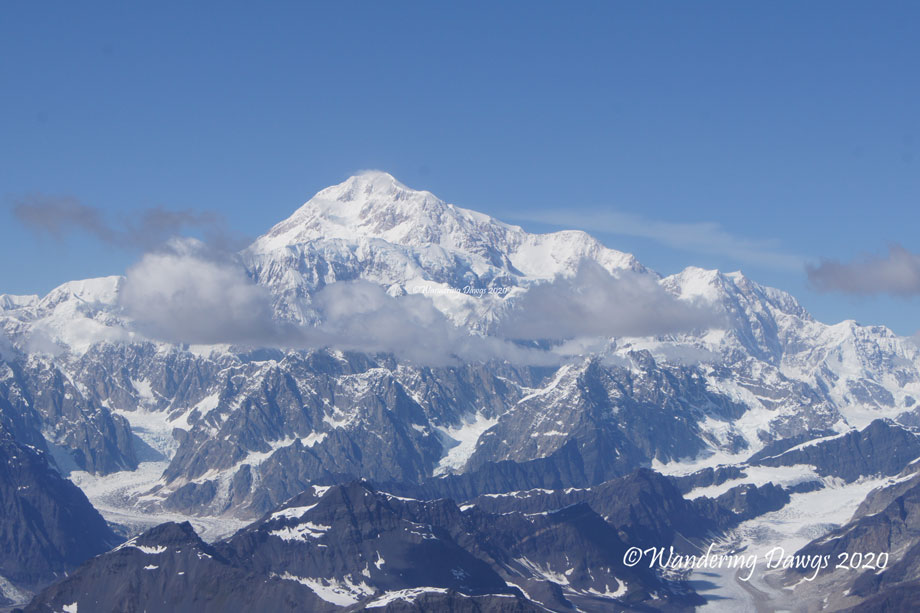
Mount Denali in Denali National Park, Alaska

To the lover of wilderness, Alaska is one of the most wonderful countries in the world.

John Muir
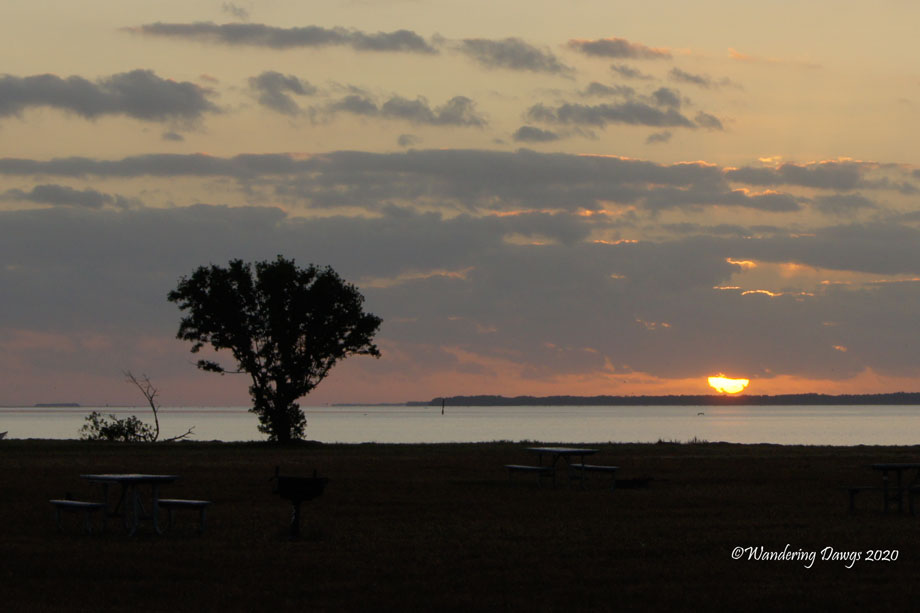
Sunrise in Everglades National Park in Flamingo, Florida

There are no other Everglades in the world. They are, they have always been, one of the unique regions of the earth; remote, never wholly known. Nothing anywhere else is like them.

Marjory Stoneman Douglas

Thanks to Ann-Christine for this week’s Lens-Artists Photo Challenge #119: Hideaway.

Lens-Artists #117: A Photo Walk

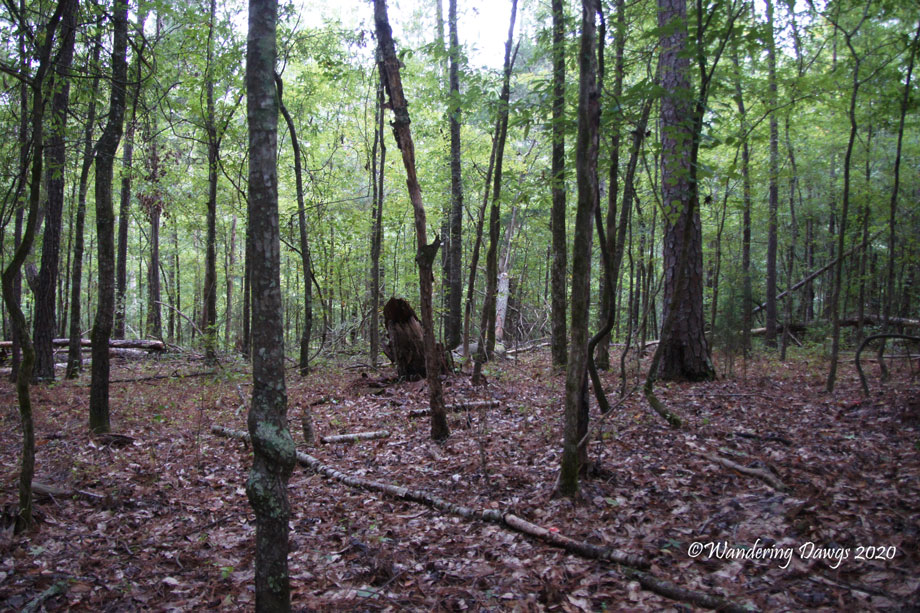
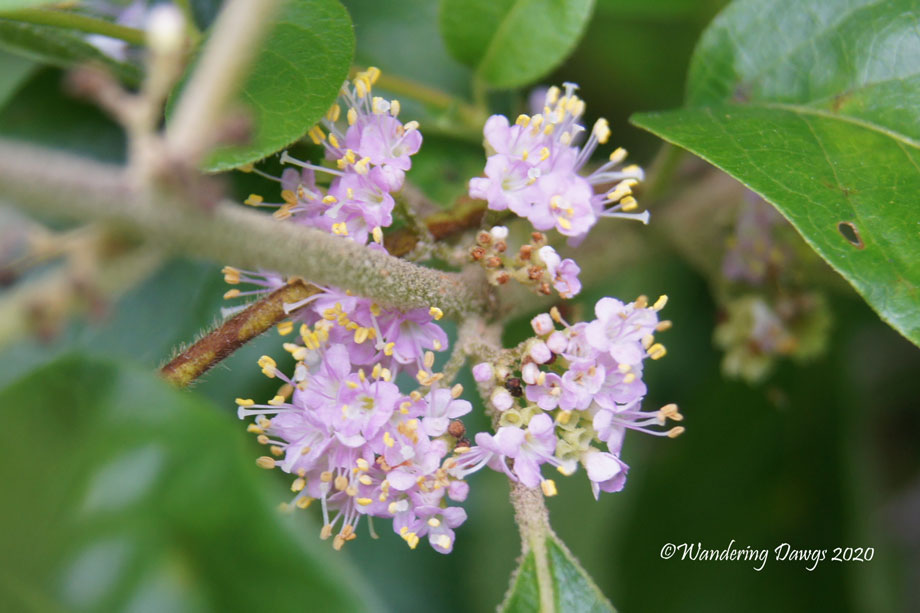
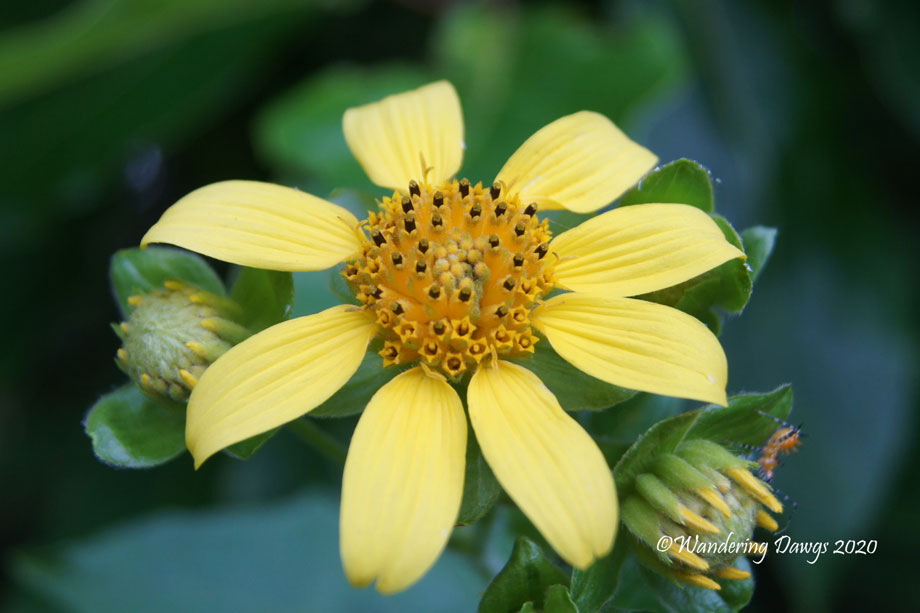
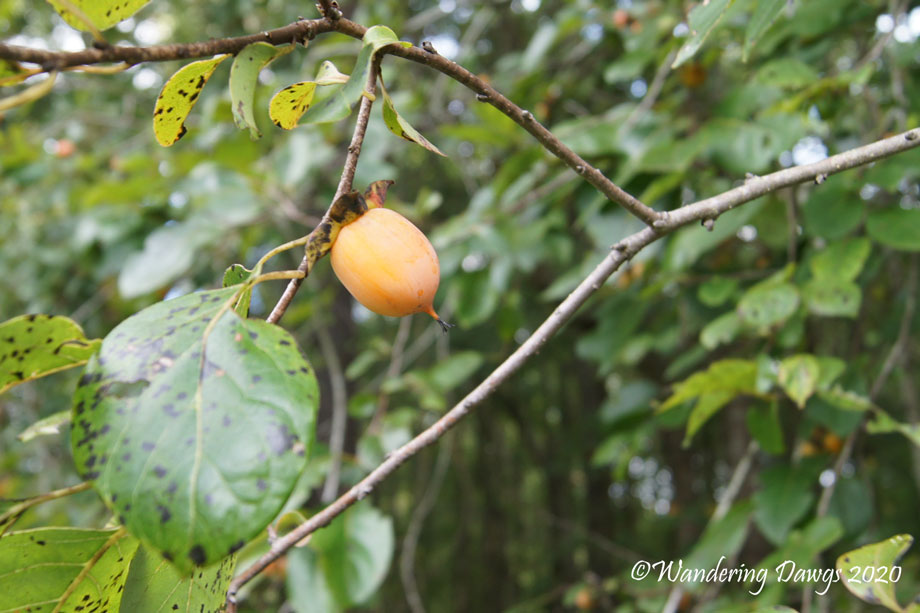
For this photo challenge Amy has asked us to share a photo walk. I chose a selection of images from three walks made in the same place.

We made a few trips to middle Georgia this spring and summer. We like to spend time on the land where my grandfather had a dairy farm almost 100 years ago.

I always enjoy walking around the property and love to see how the landscape changes with the seasons.

The above images were on a walk in early spring when the bunnies were out and the honeysuckle was blooming.

Many wildflowers bloom in the summer and the wild blackberries are ripe enough to pick.

In early September the fruit of the sour oranges (not good to eat), persimmons, and winged sumac were ripe and wildflowers were blooming around the edges of the woods.

Thanks to Amy for this week’s Lens-Artists Photo Challenge #117: Photo Walk.

Lens-Artists #116: Symmetry

For this photo challenge Patti has asked us to explore symmetry in our images.

The image above is an example of vertical symmetry. The road divides the image vertically so the branches appear to meet above the middle of the road and the trees appear to be exactly the same on both sides.

These images show how vertical symmetry can be used in architecture. The designers of St. Giles Cathedral in Edinburgh, Scotland used symmetry both inside (left photo) and outside (right photo.

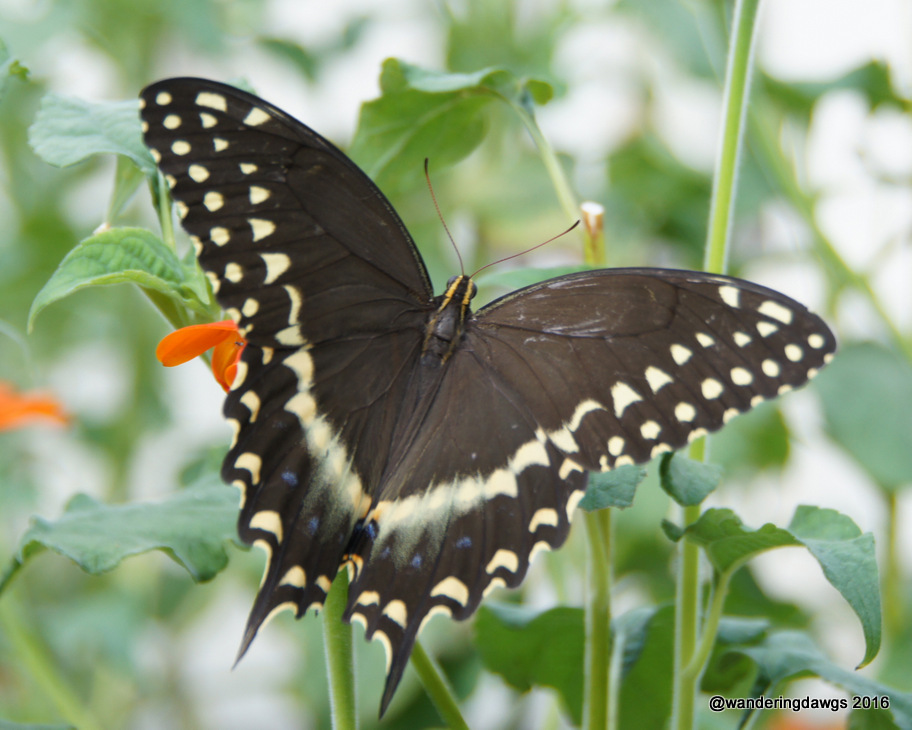
Black Swallowtail Butterfly

The butterfly is an example of vertical symmetry found in nature. The left and right wings seem to be mirror images of each other.

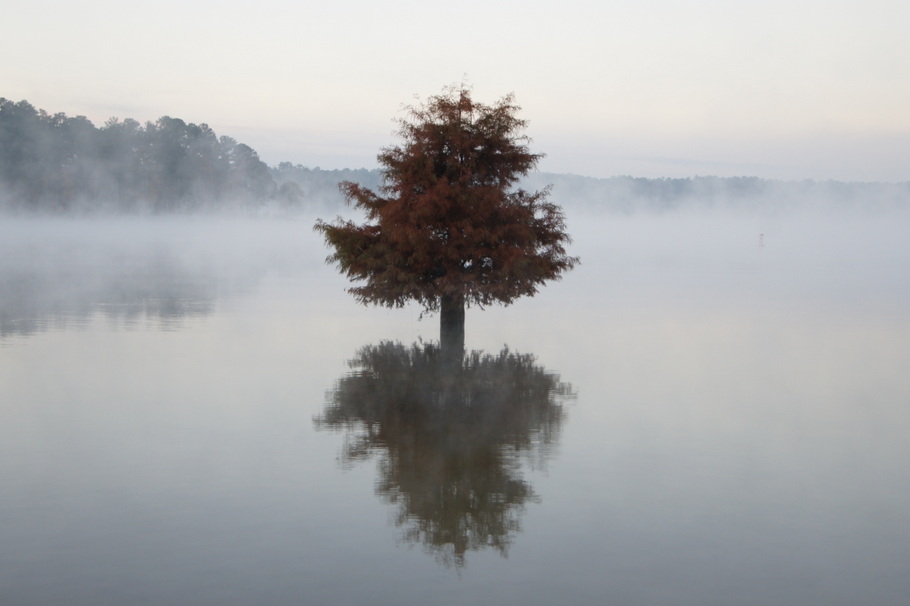
Horizontal symmetry is illustrated in this image of a tree and it’s reflection in a foggy lake.

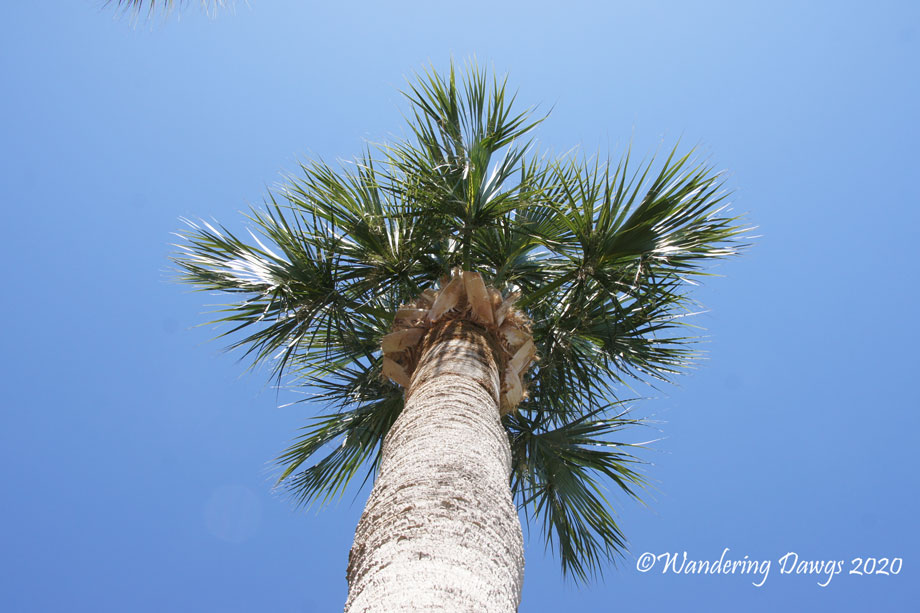
Cabbage Palm
Seashell symmetry

I often see radial symmetry in nature. Palm fronds on a palm tree and seashells are both good examples

Thanks to Patti for this week’s Lens-Artists Photo Challenge #116: Symmetry.

Lens-Artists #115: Inspiration

I believe the world is incomprehensibly beautiful – an endless prospect of magic and wonder.

Ansel Adams

Whether it’s a butterfly in my garden, a tiny spider on a colorful flower, a walk on the beach, visiting a National Park, or seeing a sunset, I find inspiration in the natural world.

Green Lynx Spider on pink zinnia
Tybee Island North Beach at low tide
Yosemite Valley in Yellowstone National Park
Sunset over the Georgia Salt Marsh

Thanks to Tina for this week’s Lens-Artists Photo Challenge #115: Inspiration.

Lens-Artists #114: Negative Space

This week’s photo challenge from Amy asks us to show negative space. The negative space in a photo is the space surrounding the main subject in an image. This negative space can add a sense of emptiness, calm, peacefulness, or isolation.

In the photo above, the little dachshund is the main subject of this image. Our eye is drawn beyond the dog where we see he is running towards a flock of brown pelicans on a deserted beach.

In the next two photos, I felt the isolation of some very remote areas in the United States.

Driving through the Big Sky country of Montana toward the Bighorn Mountains
On this remote section of the Alaska Highway we were the only vehicle for miles

I like to use negative space to surround the main subject when taking closeup photos in the garden.

Monarch butterfly on milkweed

Thanks to Amy for this week’s Lens-Artists Photo Challenge #114 – Negative Space.