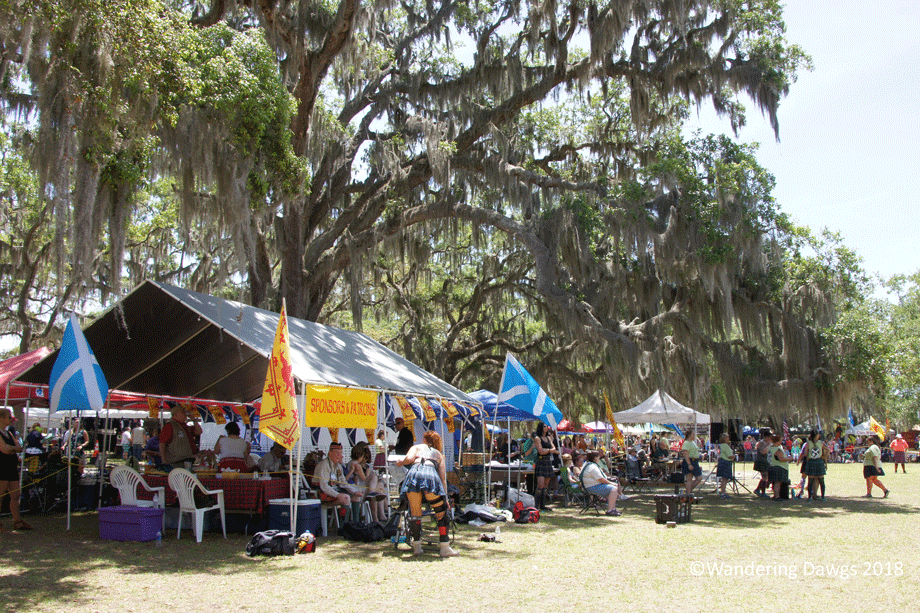
The festival was held on the beautiful grounds of historic Bethesda Academy. Ancient live oak trees dripping with Spanish Moss surrounded the event field. The salt marsh was a perfect backdrop for Highland Dancers. Scottish clans, societies and organizations had their tents set up under the trees. And of course there were food trucks and vendors.
Beautiful location for the Savannah Games
With so many events going on at the same time, we had plenty to keep us entertained. Pipes and Drums music, Border Collie demonstrations, Highland Dancing competition, and Celtic music performances were all taking place at the same time as the Heavy Athletics. In addition, there were tents with information about genealogy and many different Clans.
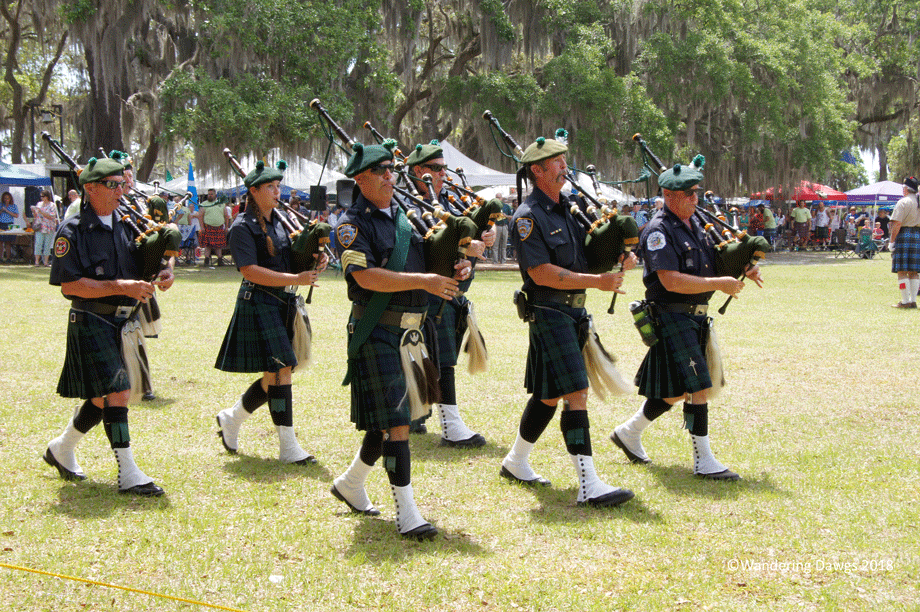
Border Collie DemonstrationBorder Collie DemonstrationHighland DancersHighland DancersOpening CeremonyPipes and Drums
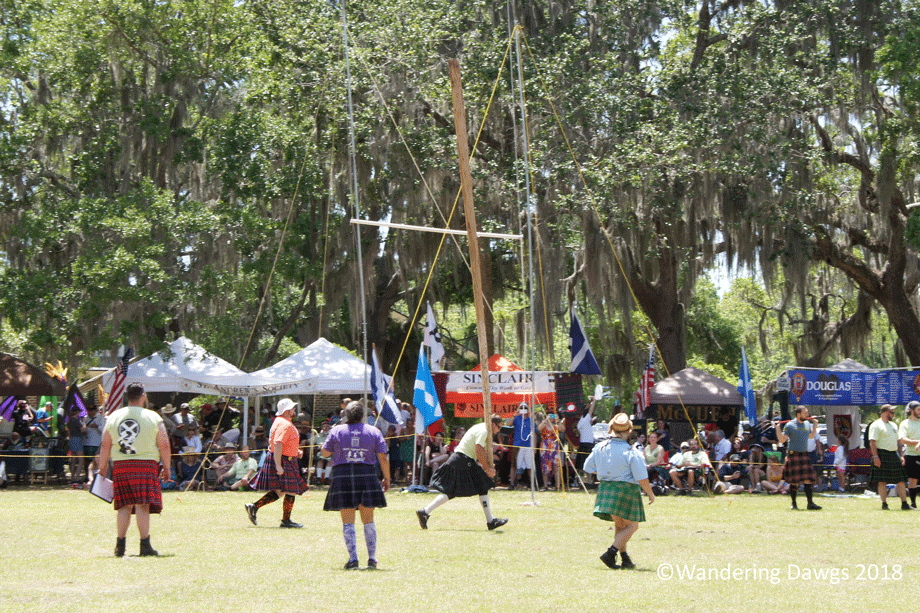
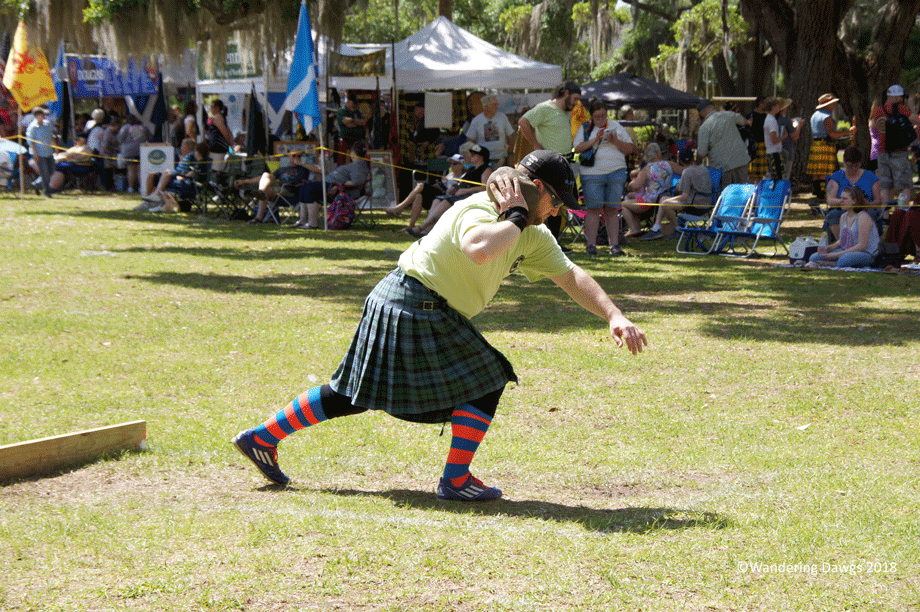
The Heavy Athletics competition included several fun events to watch. The Caber Toss is a fan favorite. In this event the athlete lifts a twenty foot caber weighing over one hundred pounds, runs a few steps holding it upright, and then tosses it. The object is to have the caber flip once and land straight in front of the athlete at the 12 o’clock position. We also enjoyed watching the Clachneart (Stone Put) and the Sheaf Toss. We didn’t get to see the Throwing of the Weights or the Hammer Throw.
Stone PutStone PutSheaf TossWomen’s Caber TossCaber TossCaber TossCaber Toss
The Pipes and Drums were beautiful to hear.
I have Scottish ancestors on both sides of my family. I enjoyed stopping at a couple of tents to see if I could learn anything about my families. I found out a little about my father’s side of the family but didn’t discover anything new about my Scottish roots on my mothers side. And I still don’t know what our Tartan is. A little more research is in my future.
After the games we stopped to check out the roses at the Savannah Botanical Gardens. Stay tuned for more coming up about that in my next post.
Tourists have been traveling to Silver Springs to see the crystal clear water since the early 1800’s. One of Florida’s first tourist attractions, the first glass bottom boat tours began in the late 1870’s. During the 1900’s the attraction grew to include a jungle cruise and animal exhibits.
Silver Springs was a popular filming location for Hollywood during the 1900’s. Some of the films shot there include several Tarzan movies with Johnny Weissmuller, the 1954 version of Creature from the Black Lagoon, and Moonraker (a James Bond movie). It was also a location for the TV series Sea Hunt. Some of the sets still exist around the property.
In 1971, Silver Springs was named a National Natural Landmark. Today, Silver Springs State Park is owned and operated by the state of Florida. The state operates the famous glass bottom boats now but there are no more jungle cruises. Visitors can walk beside the springs or sit in one of the rocking chairs to enjoy the view. There are boardwalks and trails as well as a boat launch area with canoe and kayak rentals.
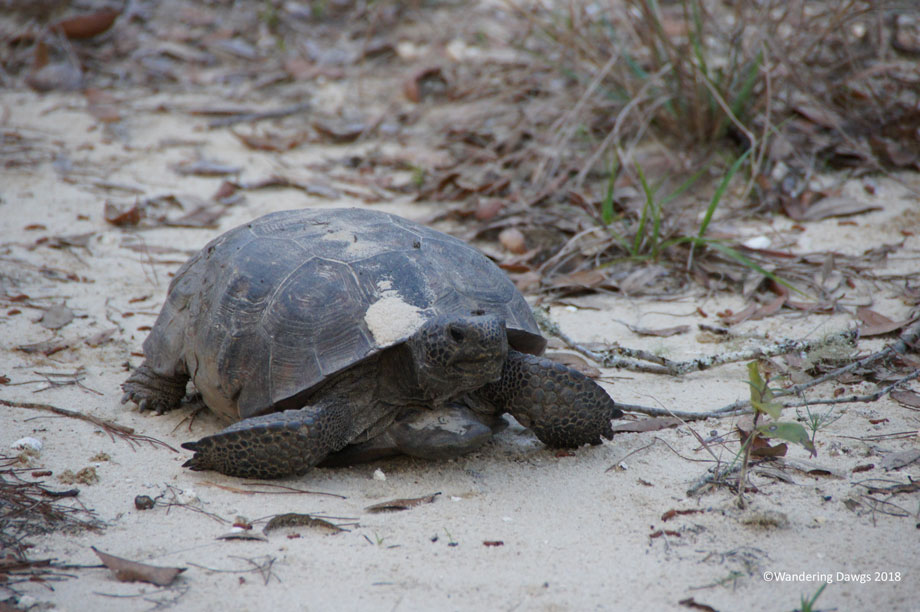
This is one of our favorite Florida state parks and we wanted to spend a few days there to unwind after the excitement of the Daytona 500. We were able to reserve our favorite campsite and I was glad to see it hadn’t change much. There was gopher tortoise hole right next to the campsite just like I remembered and the resident tortoise paid us a visit our first night.
Gopher Tortoise by our campsite at Silver Springs State Park
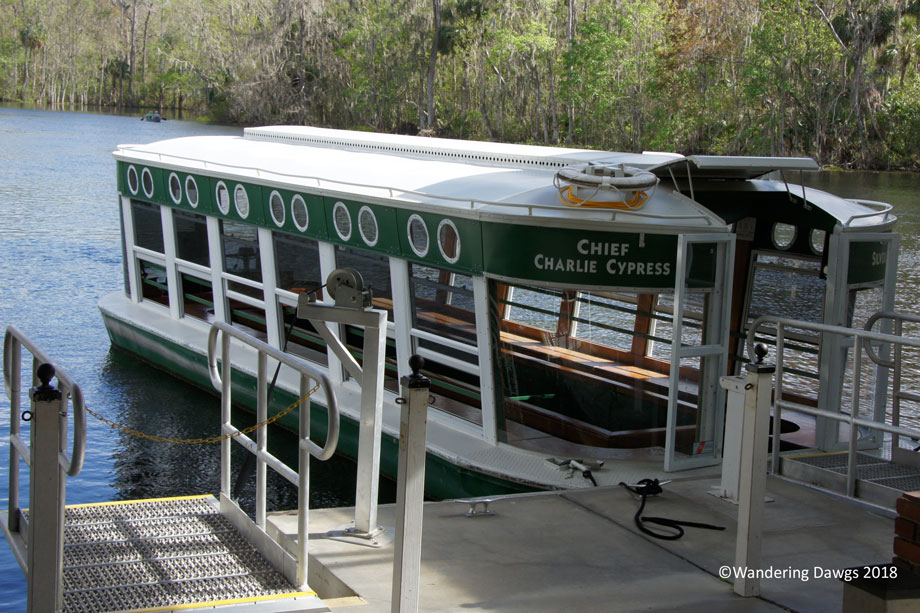
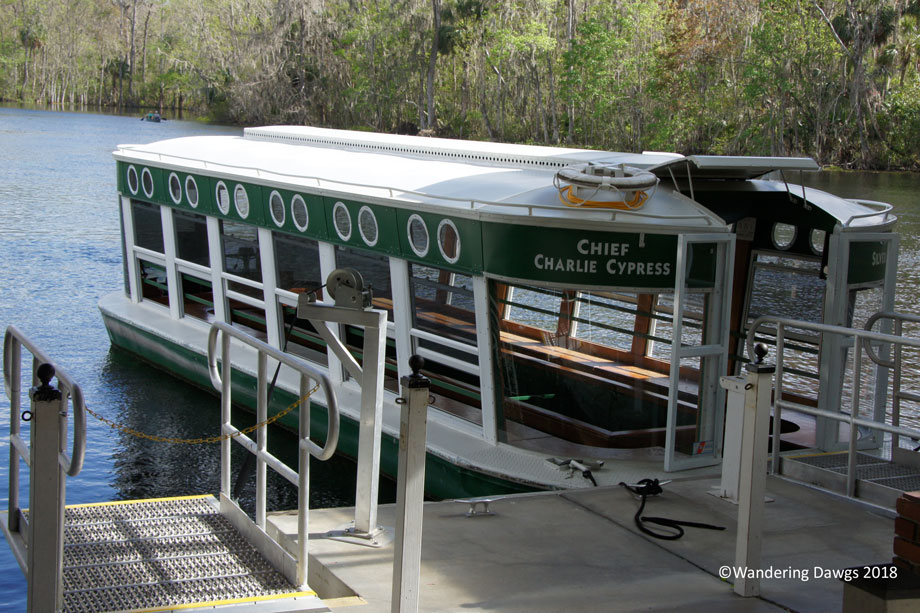
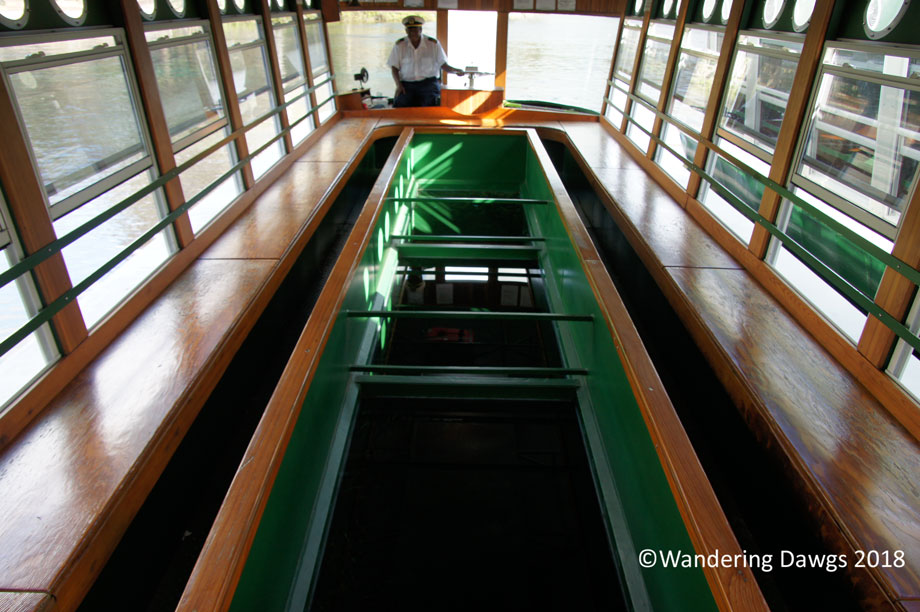
One day we drove over to the main entrance of the park for a ride on one of the famous glass bottom boats. Captain Oscar has been working at Silver Springs since the early 1960’s and had lots of interesting stories about the park.
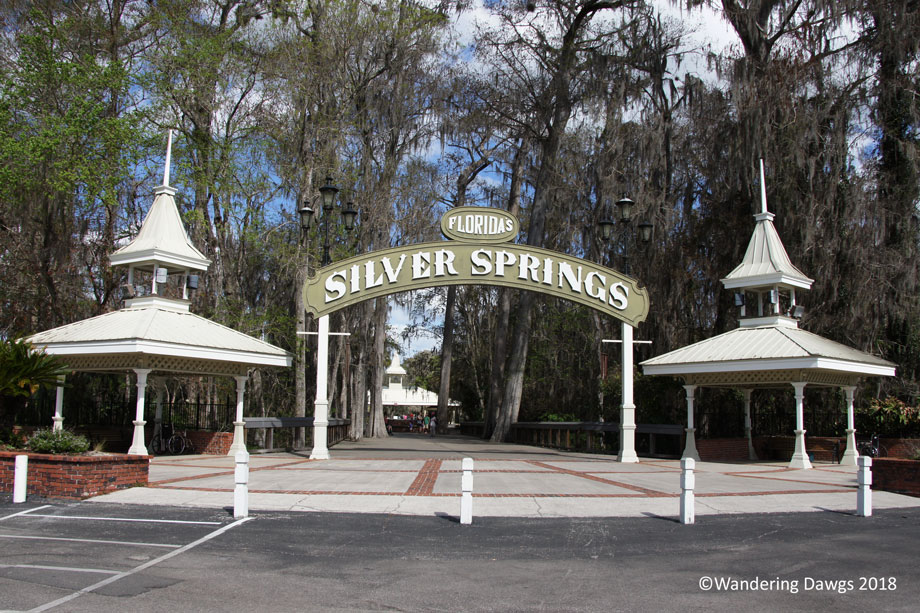
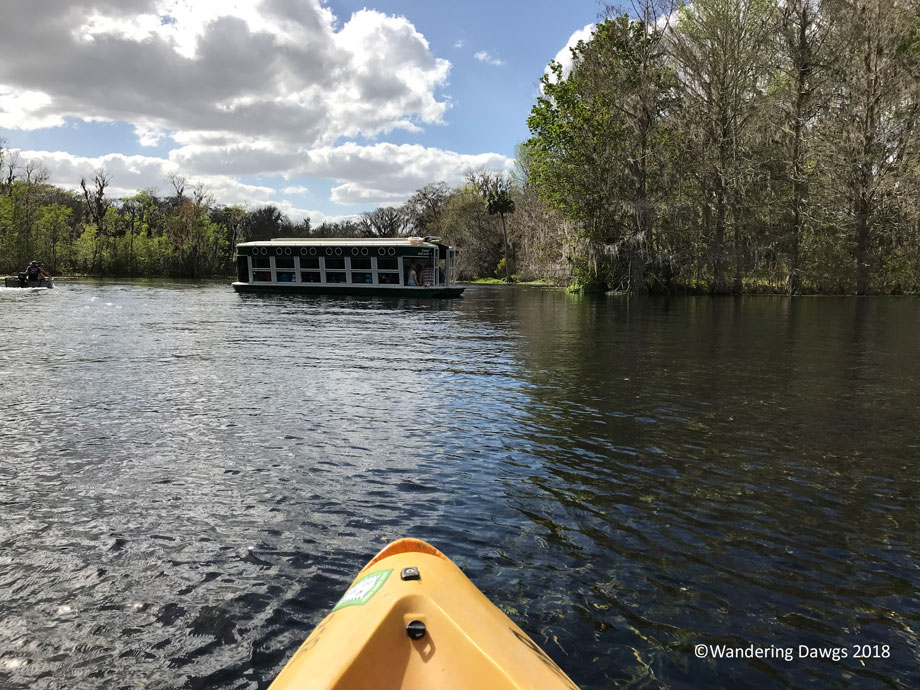
Entering Florida’s Silver Springs parkGlass bottom boat at Silver SpringsCaptain Oscar has been working at Silver Springs since the early 1960’s
A look through the glass bottom boat
These statues were featured in a tv show and a movie
After the boat tour we wandered around the path next to the springs before taking a walk on the boardwalk trail.
Boardwalk trail at Silver Spriings
The trunk of this palm tree looks like a corkscrew
An unusual looking palm tree in the Silver River
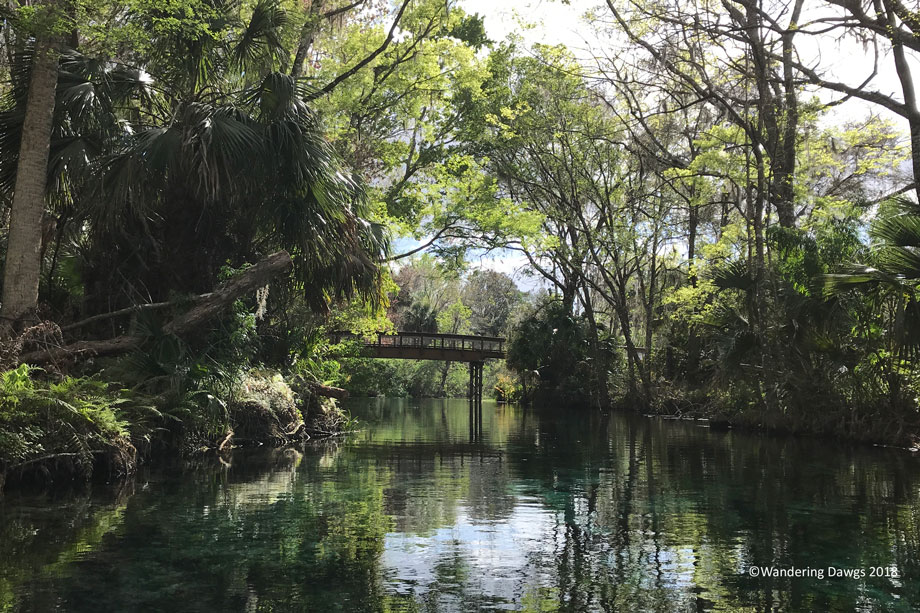
Another day we rented a kayak for a beautiful paddle on the Silver River.
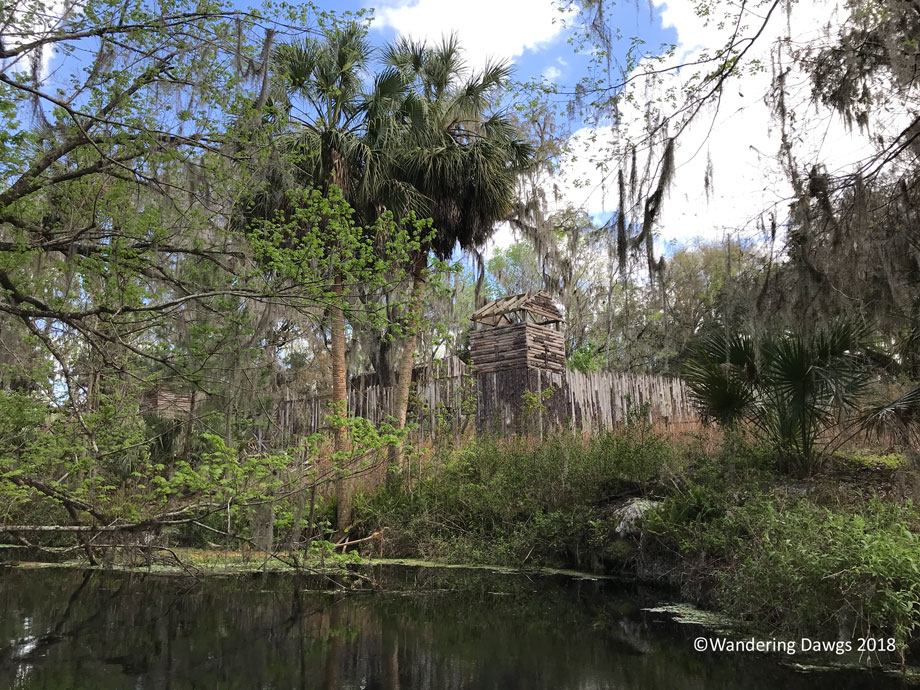
Kayaking the Silver River at Silver SpringsAlthough there are no more jungle cruises, this fort built for the attraction is still standingQuiet and peaceful along the Silver River
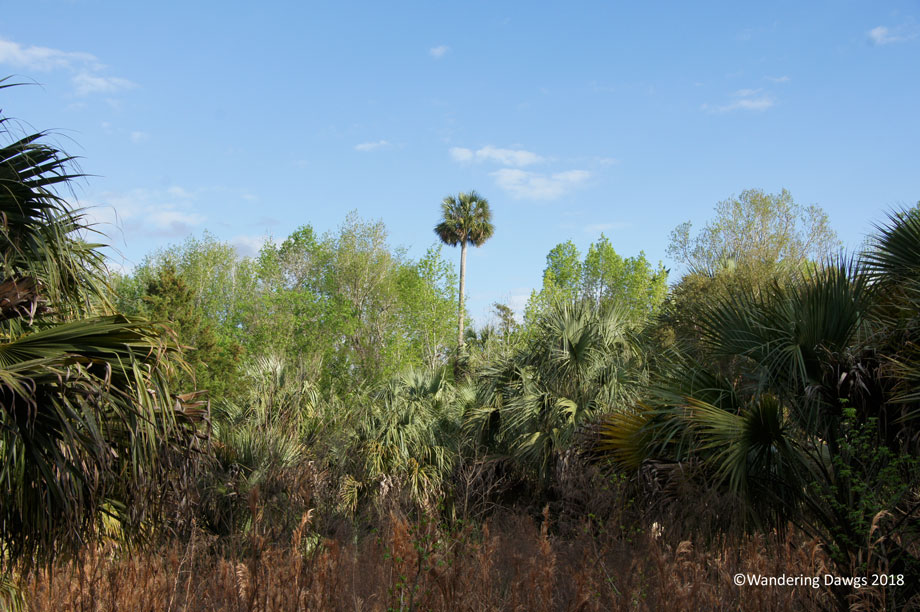
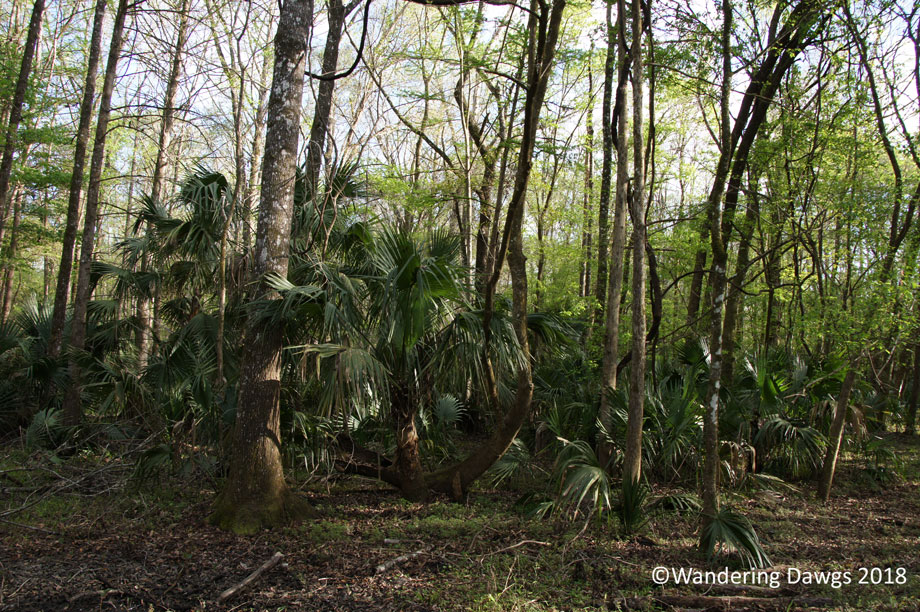
I felt like I was in one of the old Tarzan movies as I walked along the river trail near the campground.
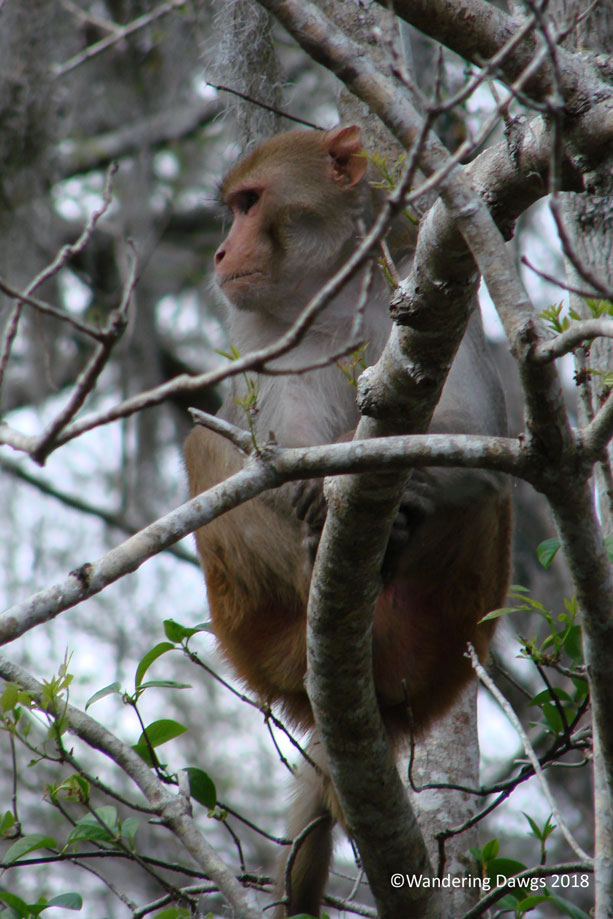
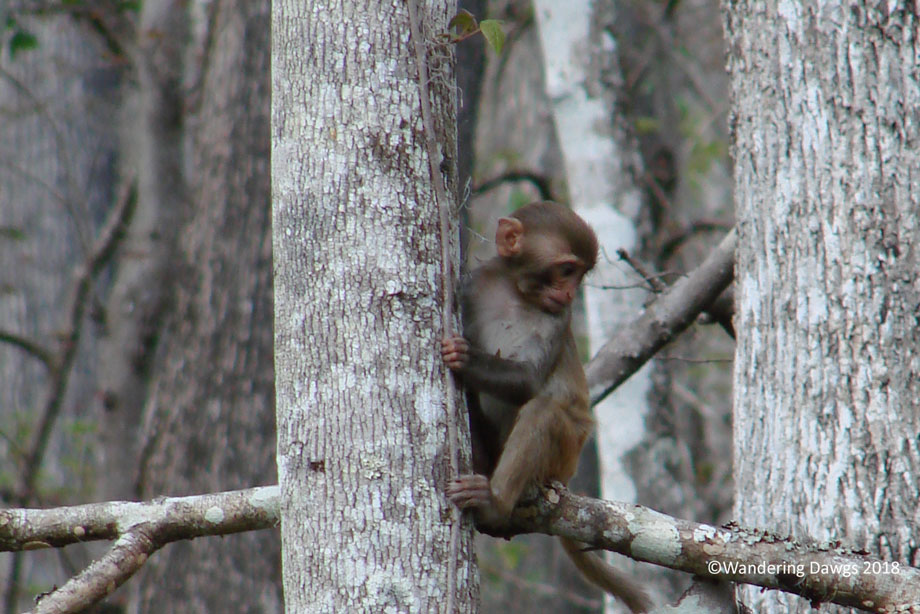
Back in the 1930s during the day of the Jungle Cruise boat ride, the operator of the ride brought in a group of wild rhesus monkeys to use as part of the attraction. Not knowing they could swim, he left them on one of the islands beside the Silver River. When he later returned to the island he was surprised to see they were gone. The monkeys are still living in the area and are often seen by visitors.
Although we didn’t see any of the monkeys on this visit, we saw many of them when we kayaked down the Silver River in 2009.
Wild Rhesus Monkey along the Silver River in 2009We spotted this baby Rhesus Monkey beside the river in 2009. He must be all grown up now.
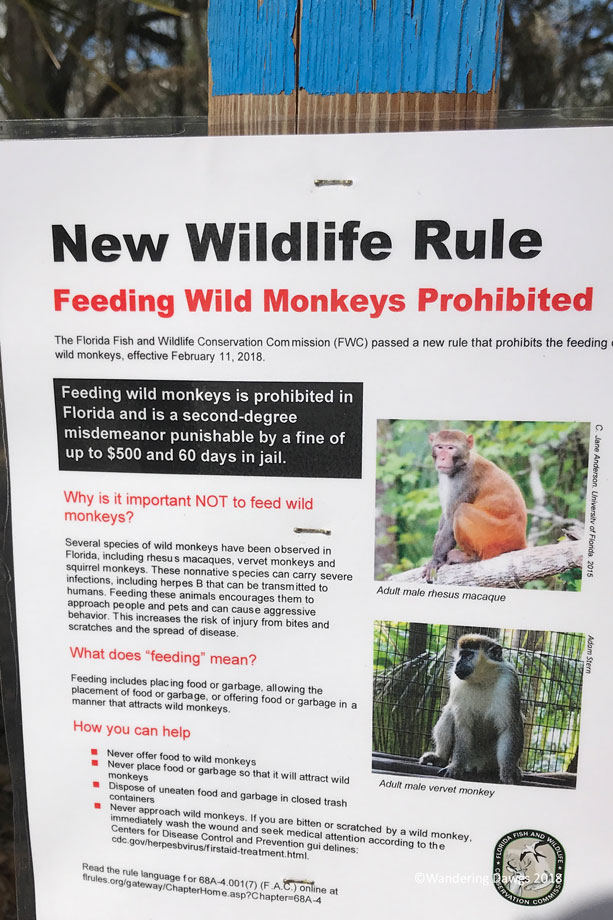
The monkeys can be very aggressive at times. All around the park are signs warning about the danger of feeding the monkeys. Now where else in the United States would you see a sign like this?
Welcome to the next post in my series highlighting states we have visited throughout the years. I hope you will enjoy coming along for the ride!
I will be featuring the states alphabetically. The next state in my series is
West Virginia
West Virginia became the 35th state on June 20, 1863. The Capital is Charleston.
Almost heaven, West Virginia, Blue ridge mountain, Shenandoah river, Life is old there, older than the trees, Younger than the mountains, blowing like a breeze
– from “Country Roads, Take Me Home” by John Denver
West Virginia is in my blood. My father grew up in a farm house high up in the southern part of the West Virginia Appalachian Mountains during the depression. Way back in the 1700’s my ancestors settled in the part of Virginia that later became West Virginia. Every year of my childhood my brothers and I climbed in the back seat of our family station wagon to travel up the narrow, winding roads up the mountain to spend a week at my grandparent’s house where my father grew up.
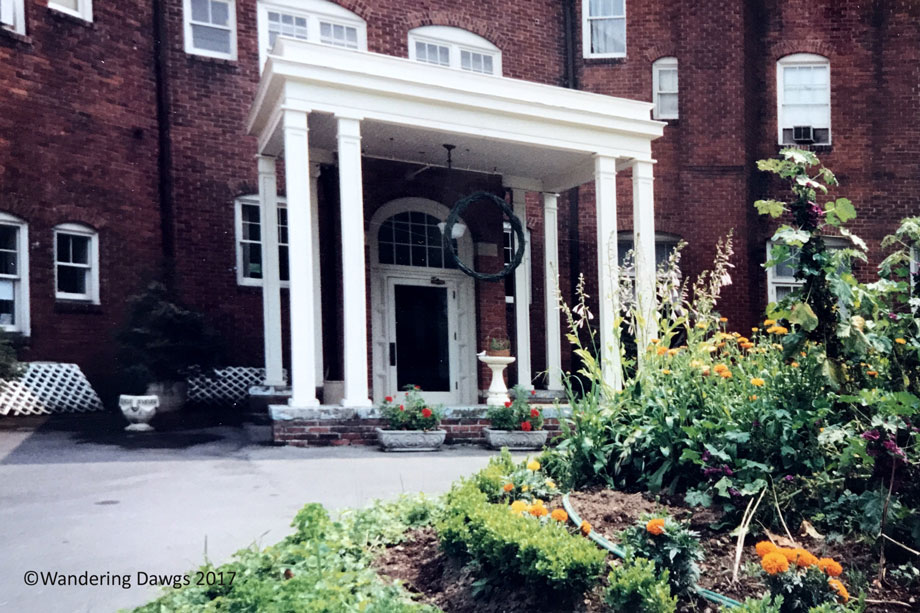
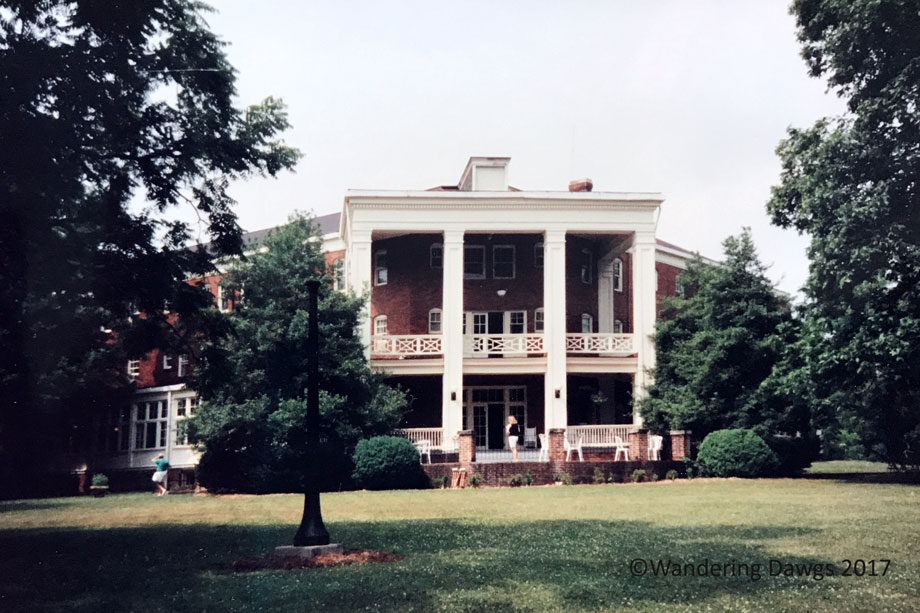
I’ve only traveled to West Virginia a few times in my adult life. Over 20 years ago Henry and I traveled to Pence Springs to attend a family reunion. The beautiful old Pence Springs Grand Hotel was our home for the reunion. Through the years the building has been a girl’s school, a resort, and a women’s prison. Since our stay there it has reverted back to a girl’s school.
Pence Springs Grand HotelPence Springs Grand Hotel
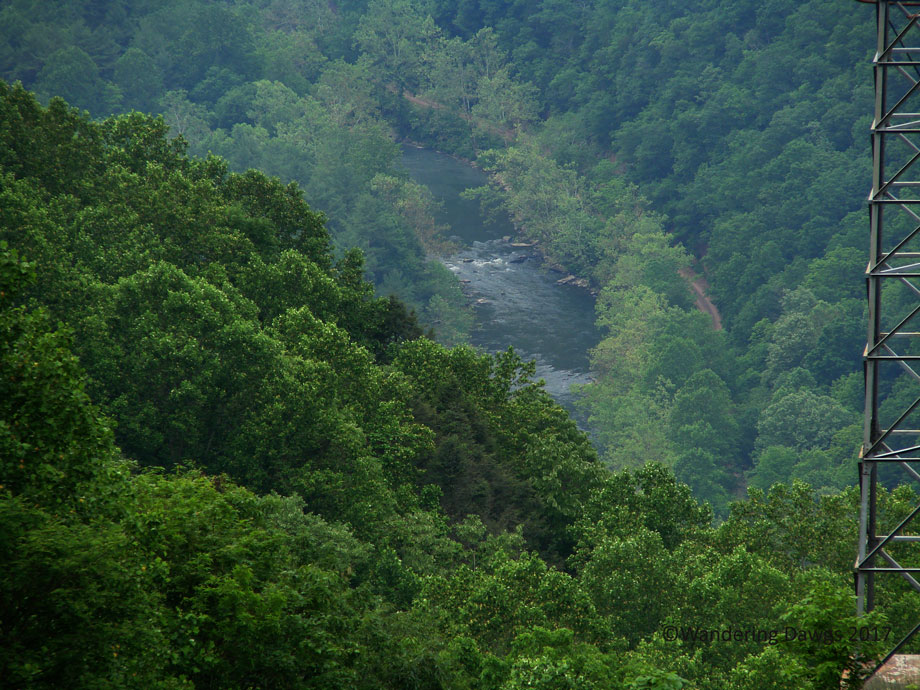
The campground at Pipestem Resort State Park was our home for several days of exploring southern West Virginia. Located on the east rim of the Bluestone River Gorge, this scenic park was perfectly located for day trips all around the area.
An aerial tramway takes visitors to the bottom of the 1,200 foot Bluestone Gorge in Pipestem State ParkIt’s a long way down to the Bluestone River
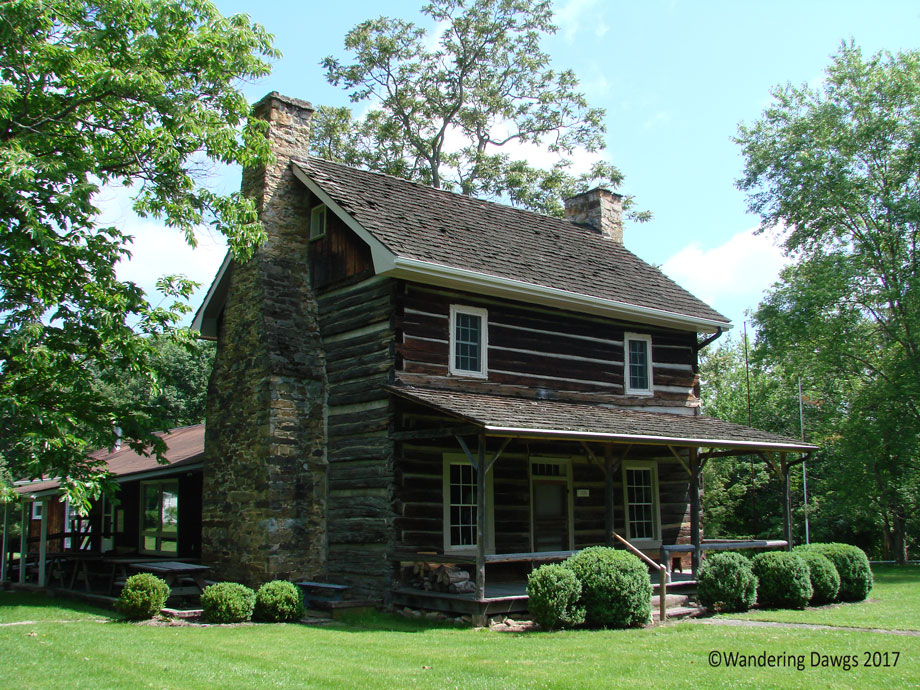
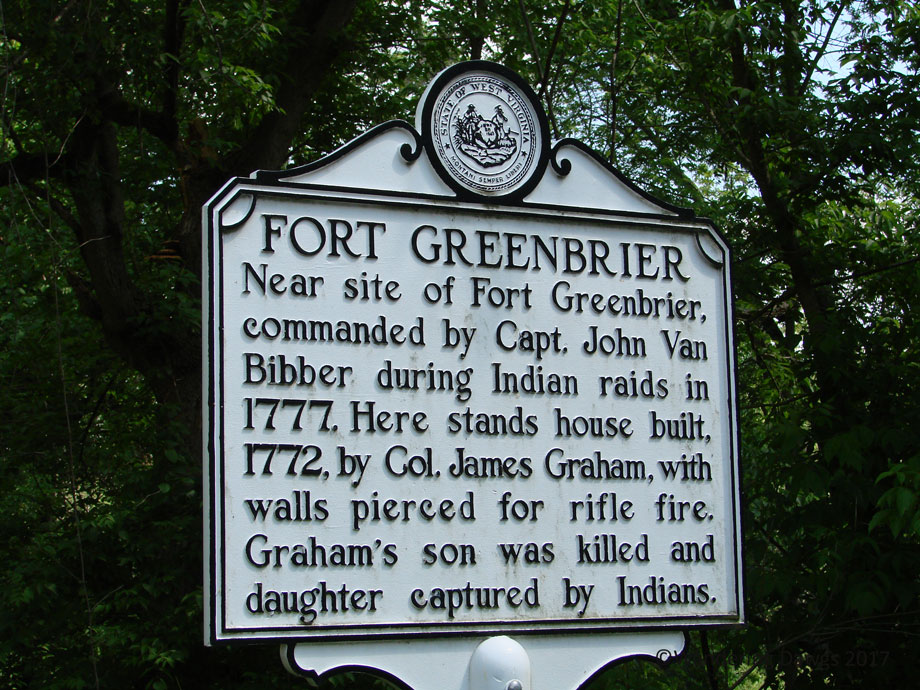
One of my ancestors, Col. James Graham built this home in 1772. One of the oldest and most historic homes in West Virginia, The Graham House Preservation Society maintains the house and tours are available.
Graham House, Summers CountyGraham House, Summers County
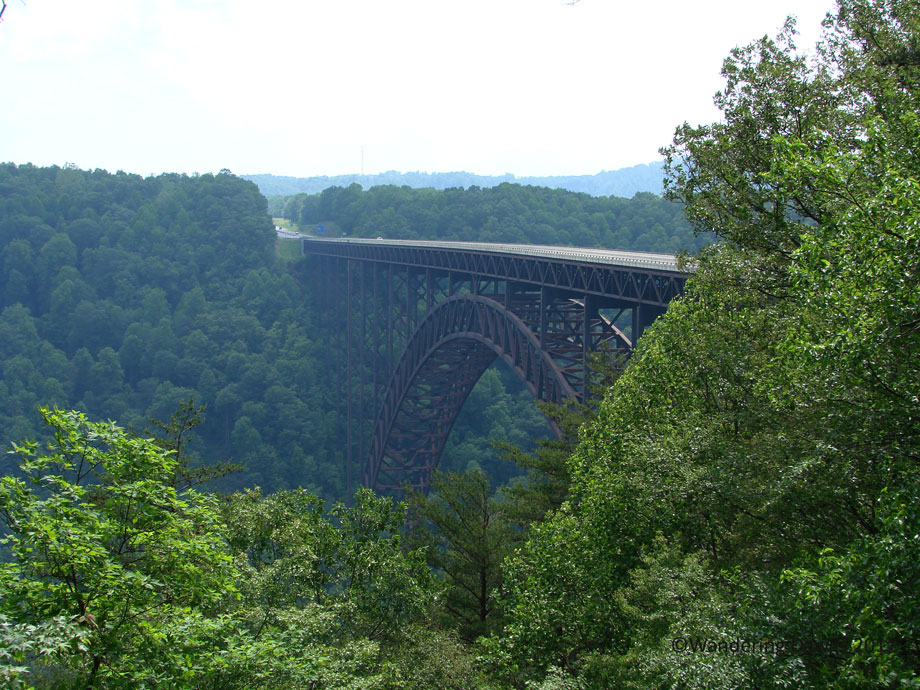
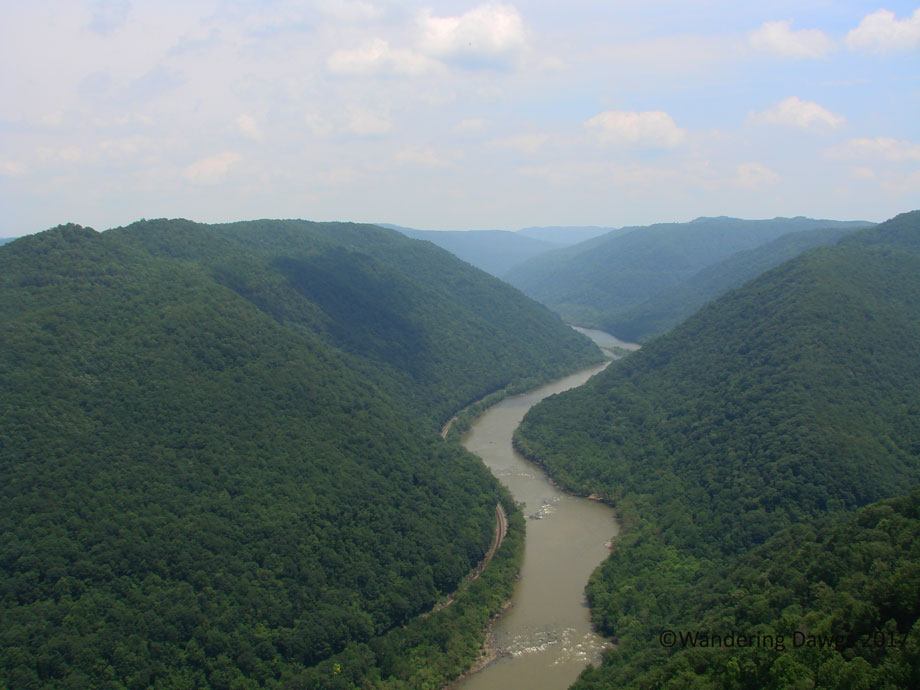
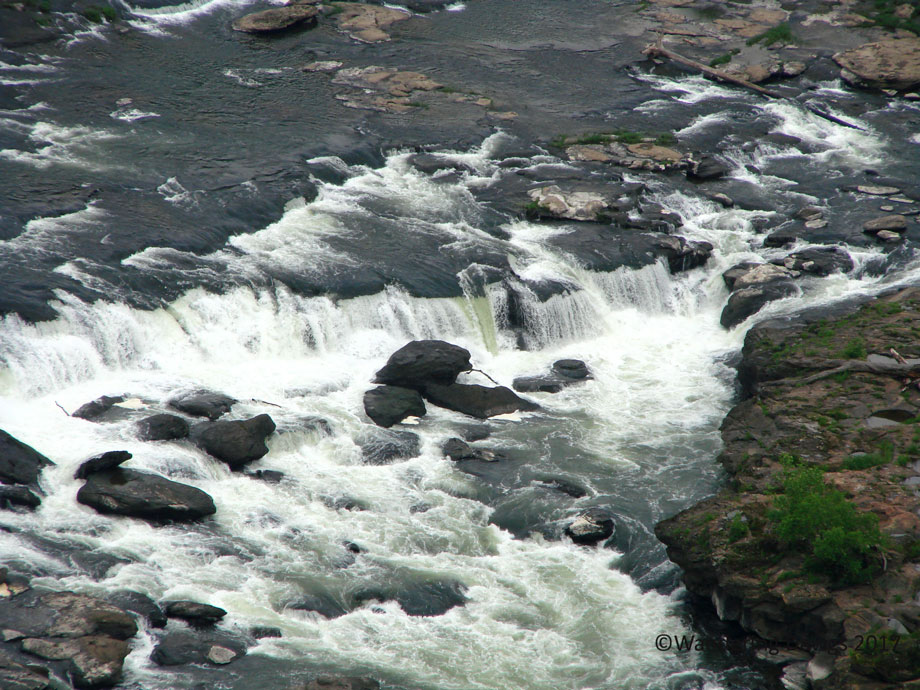
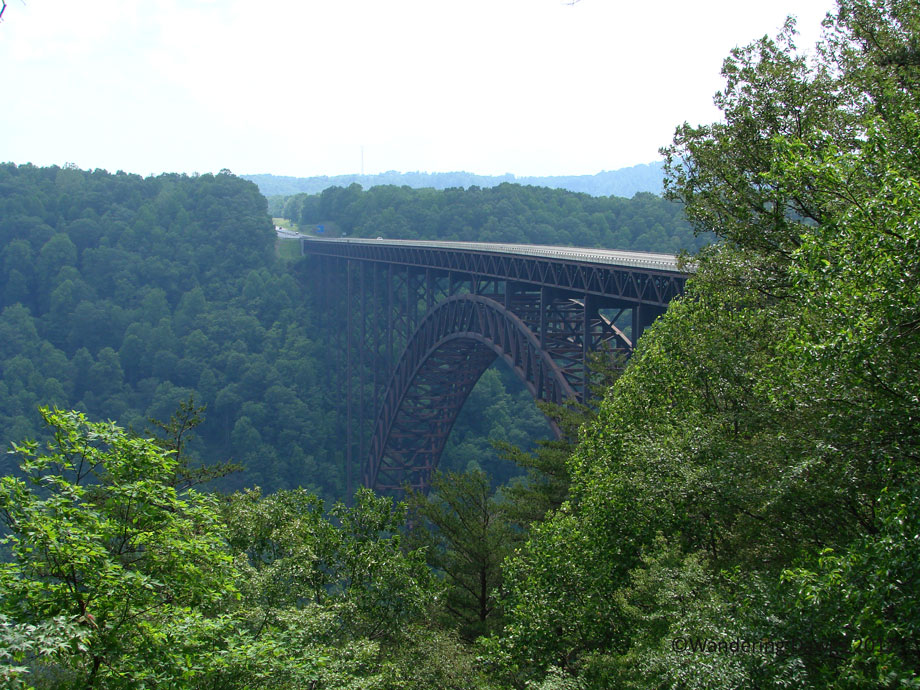
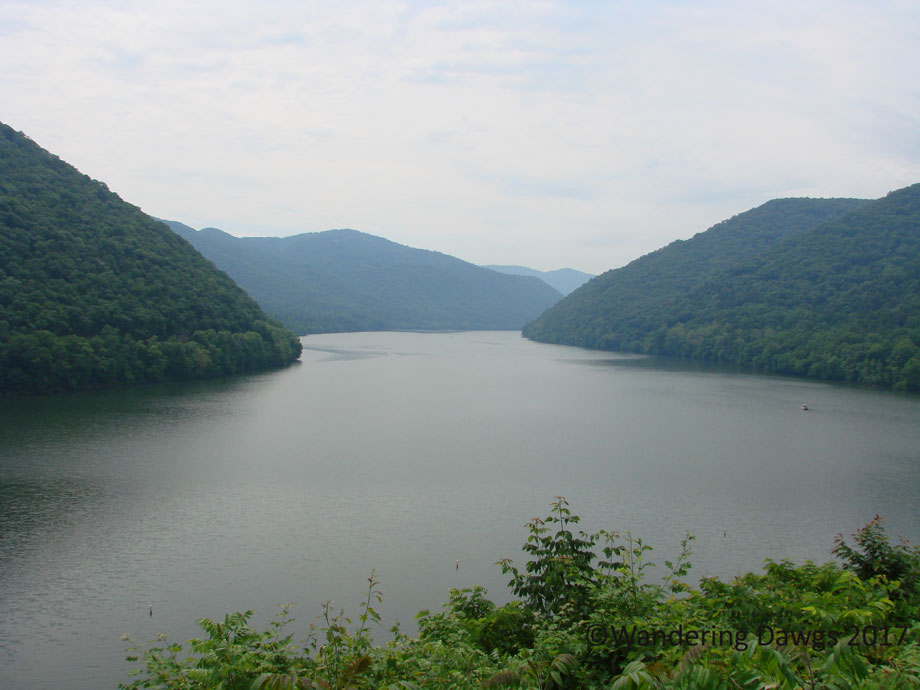
The New River is one of the oldest rivers on the continent and is one of the few that flows north. Biking trails, hiking trails, and white water rafting are popular activities in The New River Gorge National River. The New River Gorge Bridge is the longest single-span steel arch bridge in the world. We stopped at a few of the overlooks in the park for spectacular views of the river.
The New River flows northBridges over the New RiverSandstone Falls on the New RiverNew River Gorge Bridge is the longest single-span steel arch bridge in the world
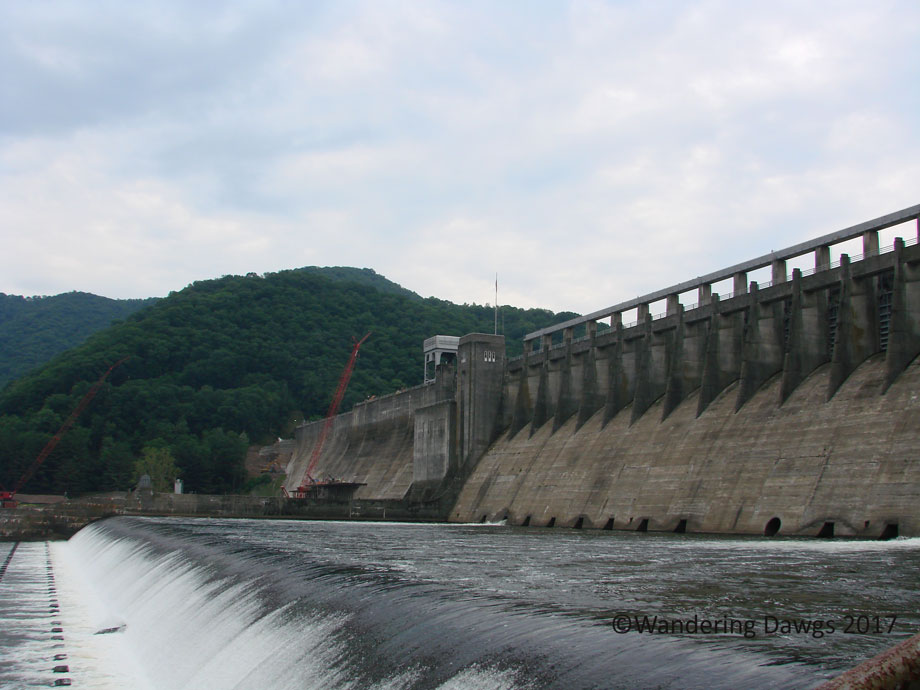
We enjoyed walking around historic Hinton and took a drive to the Bluestone Dam.
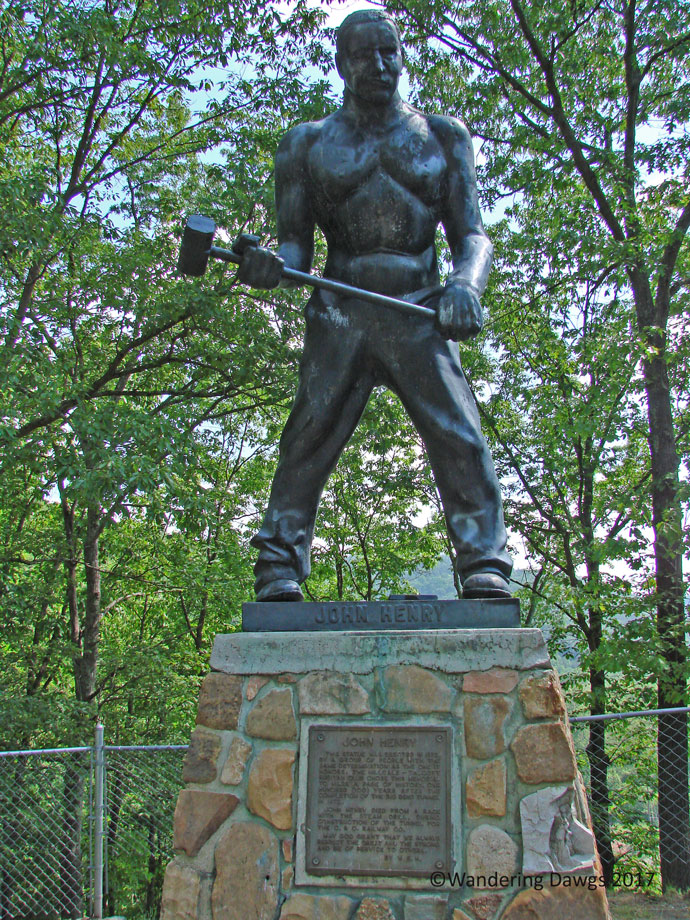
Bluestone DamBluestone DamHinton, WV CourthouseJohn Henry Statue, Talcott, West Virginia
After leaving Pipestem State Park our travels took us through Charleston where we passed by the state capitol on the way through the city.
State capital in Charleston, West Virginia
In another part of West Virginia we toured parts of Harpers Ferry National Historic Park. We were camped at the Harpers Ferry / Civil War Battlefields KOA and took a ranger guided tour of the battlefield at Murphy Farm where Confederate Soldiers captured over 12,000 Union soldiers in September, 1862.
Confederate soldiers climbed up this bank with cannons of the Shenandoah River at the Murphy Farm
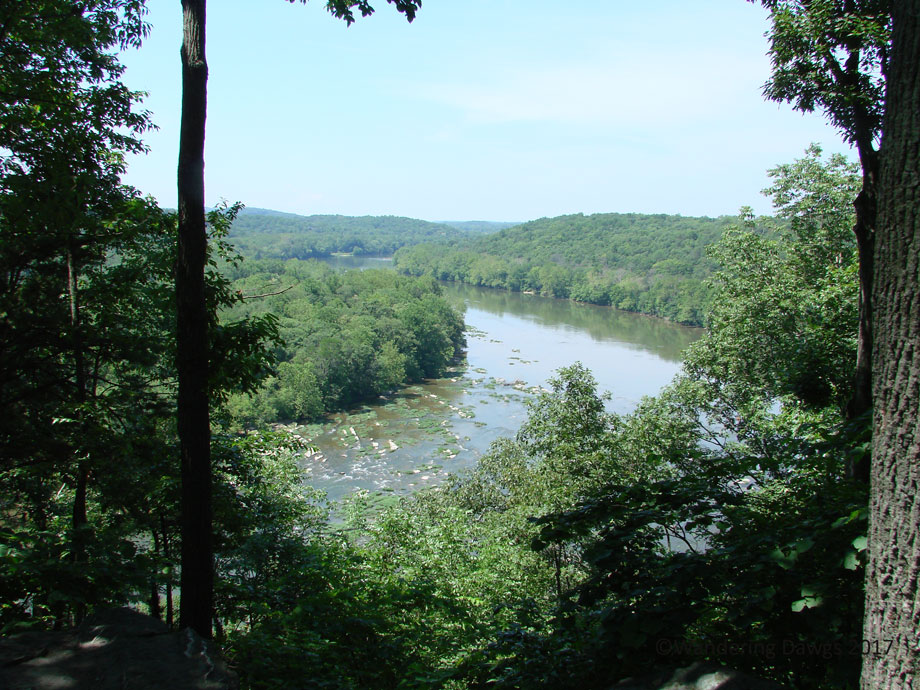
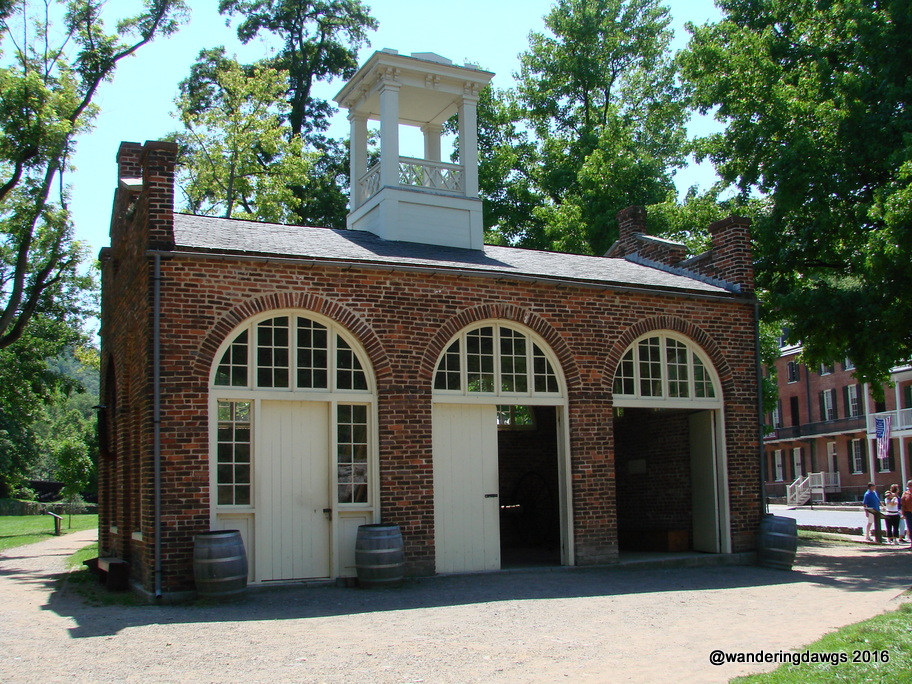
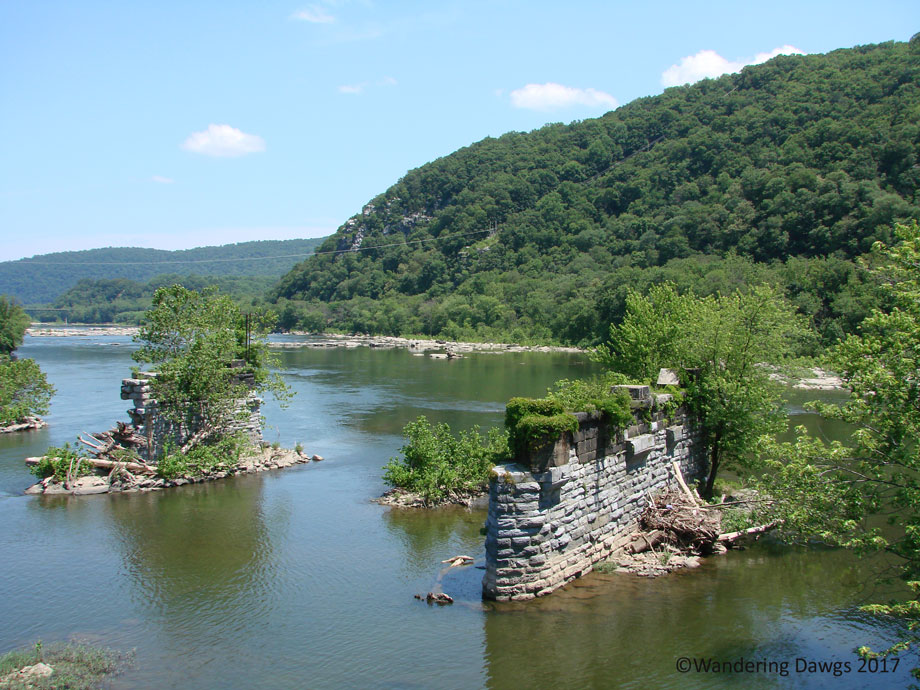
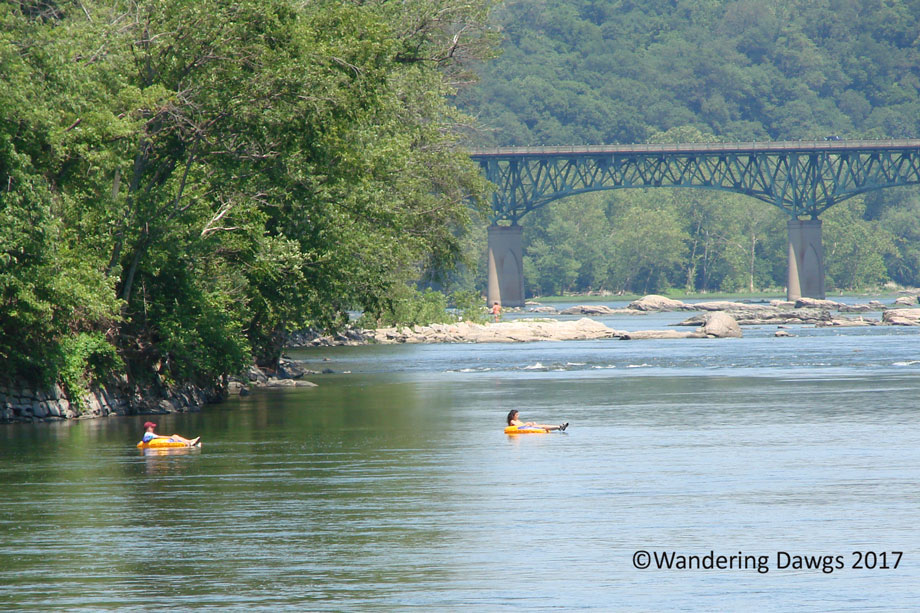
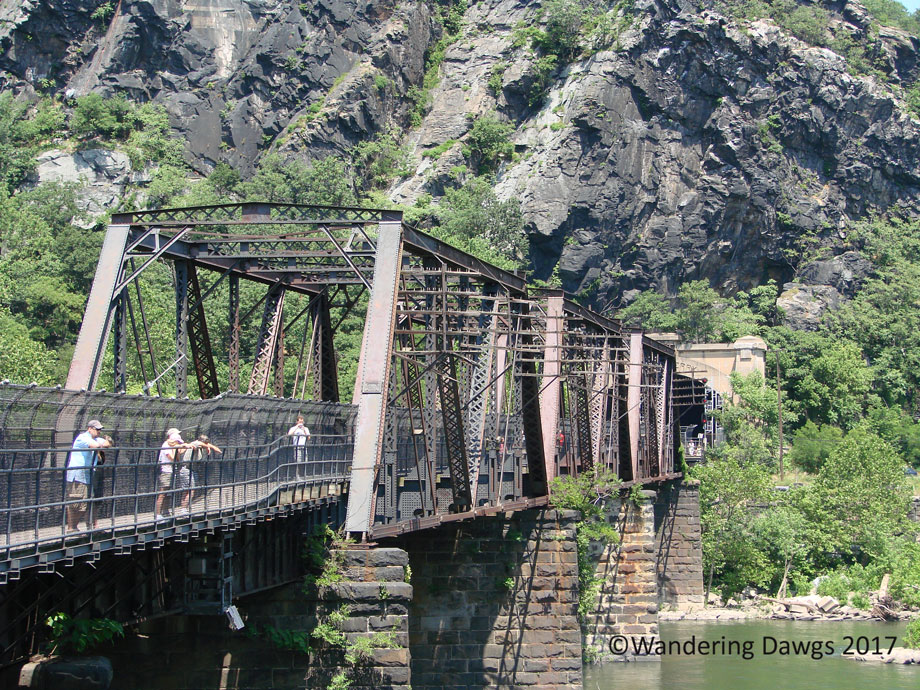
Next we strolled around the historic buildings in the town of Harpers Ferry. John Brown’s raid took place here in 1859 and the town changed hands about 8 times during the Civil War. The town is located at the confluence of the Potomac and Shenandoah rivers. These days it is a popular place for tubing, kayaking and fishing.
John Brown’s Fort at Harpers Ferry National Historic Park, West VirginiaHarpers FerryThe Shenandoah River at Harpers Ferry is a popular place for tubing an kayakingHarpers Ferry
Welcome to the next post in my series highlighting states we have visited throughout the years. I hope you will enjoy coming along for the ride!
I will be featuring the states alphabetically. The next state in my series is
Washington
Washington became the 42nd state on November 11, 1889. The Capital is Olympia.
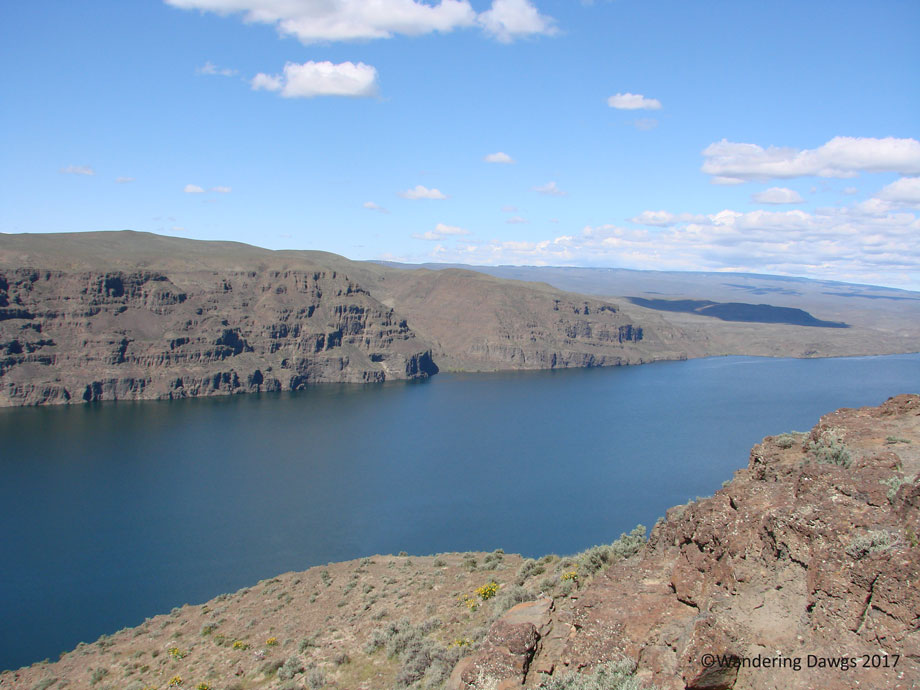
Our first journey through the state of Washington began when we crossed the state line from Idaho heading west. After a quick night in Spokane we drove across the plains of south east and central Washington. On both sides of the highway were fields of sweet corn, alfalfa, potatoes and spearmint. Later in the day the flat land changed to rolling hills. We stopped at the Columbia River Gorge for a look before crossing the river.
Columbia River GorgeColumbia River Gorge
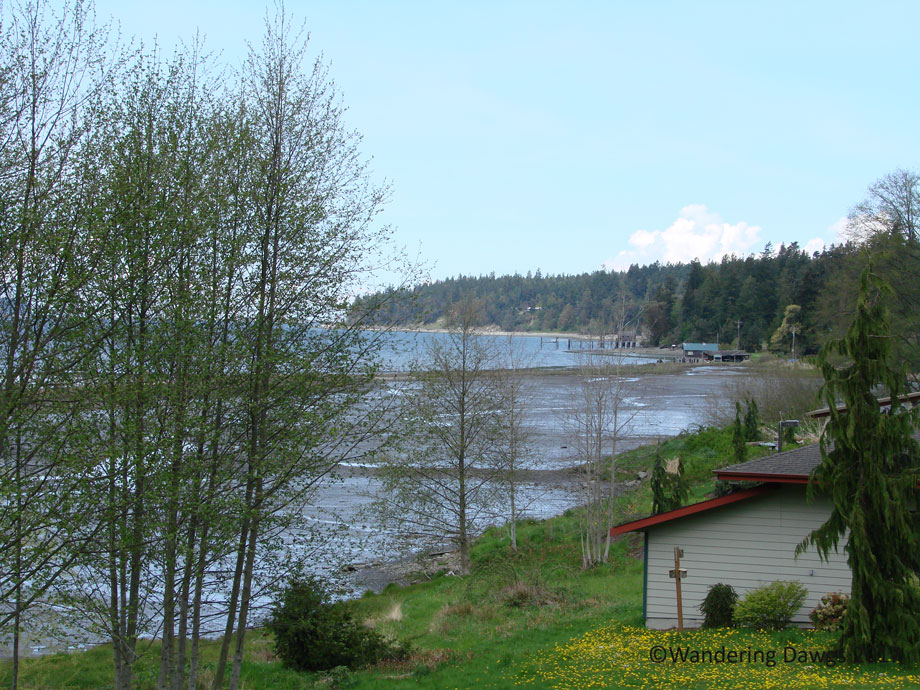
After another quick stay at a campground outside of Seattle, we drove through Olympia and began our journey on Hwy 101 to the Olympic Peninsula. For many miles we traveled along the Hood Canal before arriving in Port Angeles to explore Olympic National Park.
Hood Canal beside Hwy 101
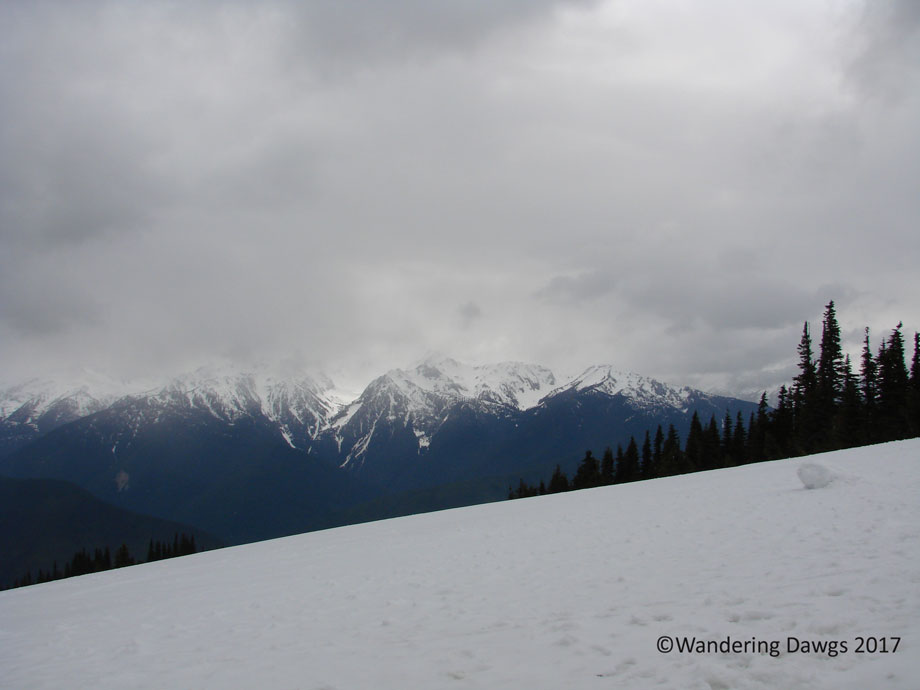
A drive to the top of Hurricane Ridge was the first thing on our agenda. It was sunny when we started the ascent up the winding road but it wasn’t long before the snow started coming down. When we arrived at the top the snow was deep and there were snow boarders and cross country skiiers enjoying the snow. The view of the mountains was spectacular.
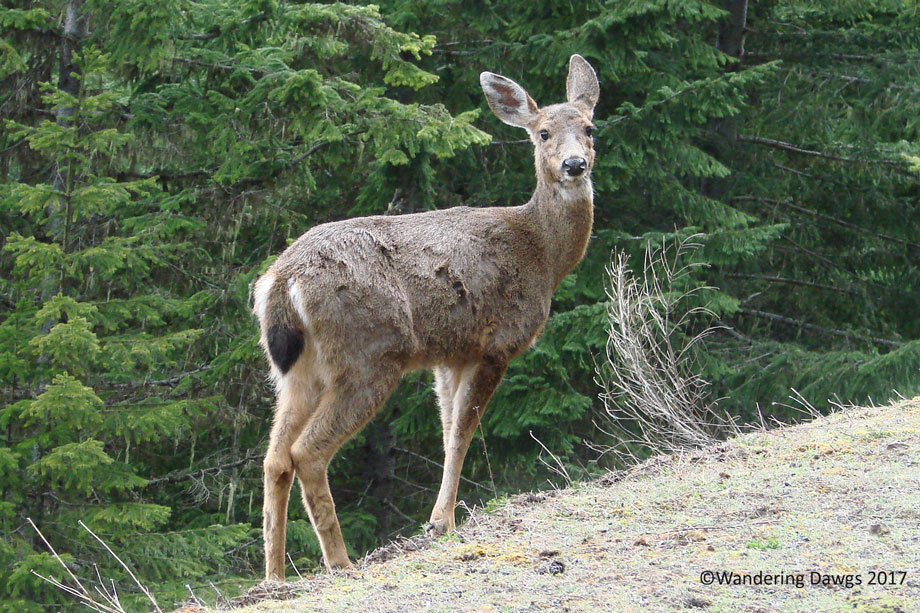
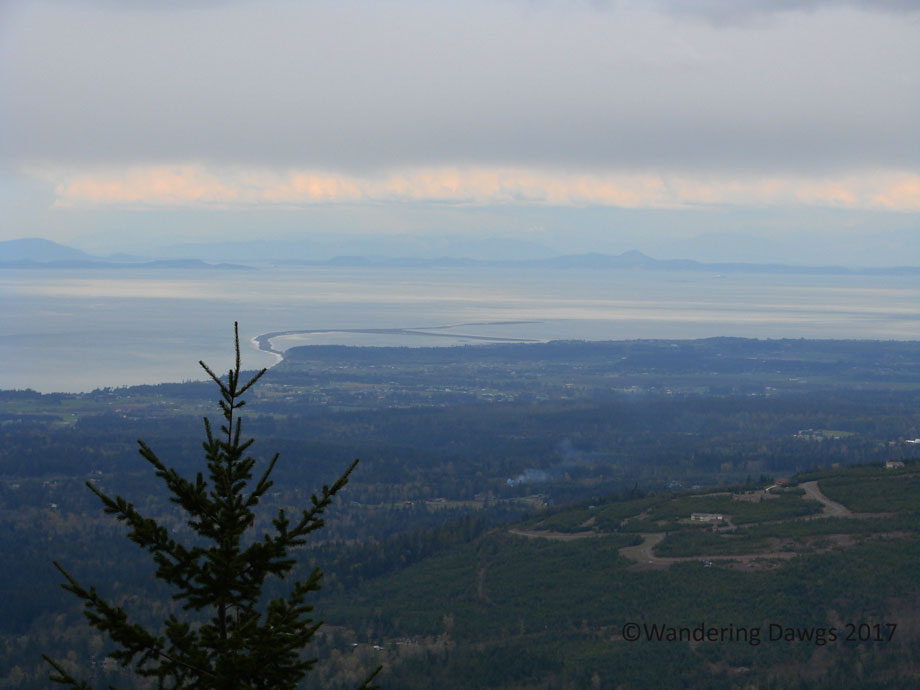
Driving through snow on the road to Hurricane Ridge in Olympic National ParkHurricane Ridge in Olympic National ParkDeer beside the road on the way to Hurricane RidgeOn the way back down we stopped for a view of the Strait of Juan de Fuca with Canada on the other side
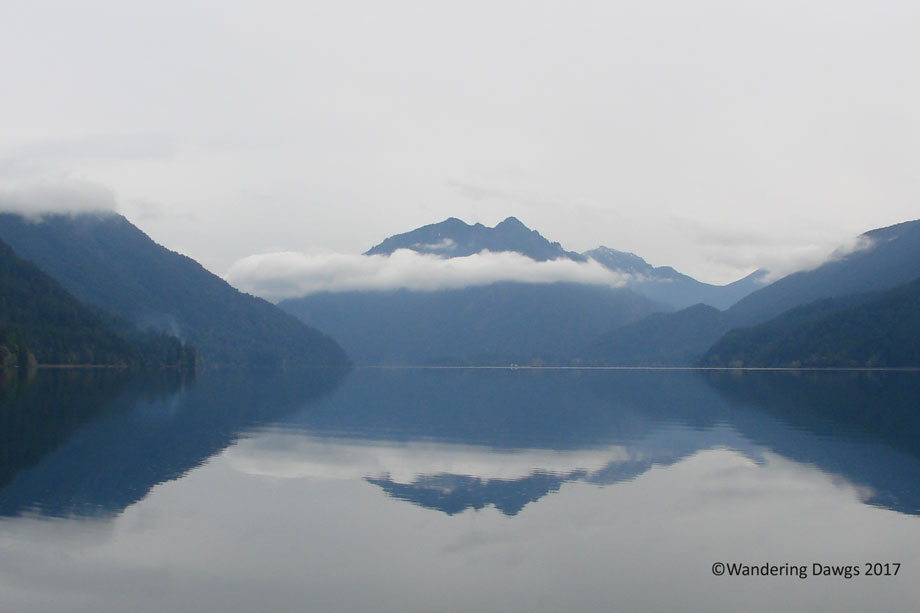
Another day we drove by Crescent Lake on the way to the Hoh Rain Forest. When we arrived at the National Park entrance we were disappointed to find it closed. After making a few purchases at a small store a few miles from the entrance we found out there was a trail head just outside the park so off we went to explore the trail. There had been a big storm the previous year and there were many trees down.
Crescent LakeHiking in the Hoh Rainforest in Olympic National ParkHoh Rain Forest, Olympic National Park, Washington
After our hike, we passed by a field with Roosevelt Elk on the drive back to the campground.
Roosevelt Elk in Olympic National ParkRoosevelt Elk in Olympic National Park
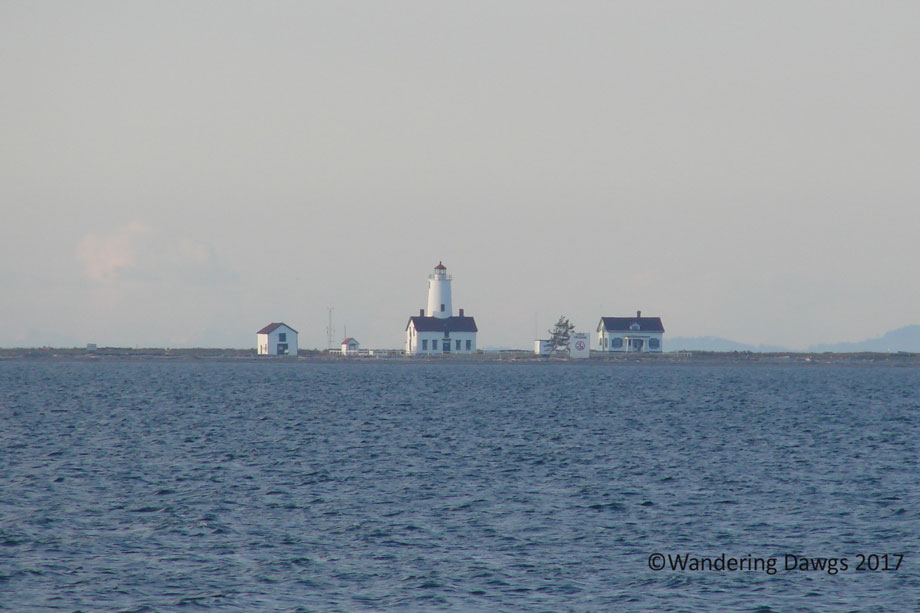
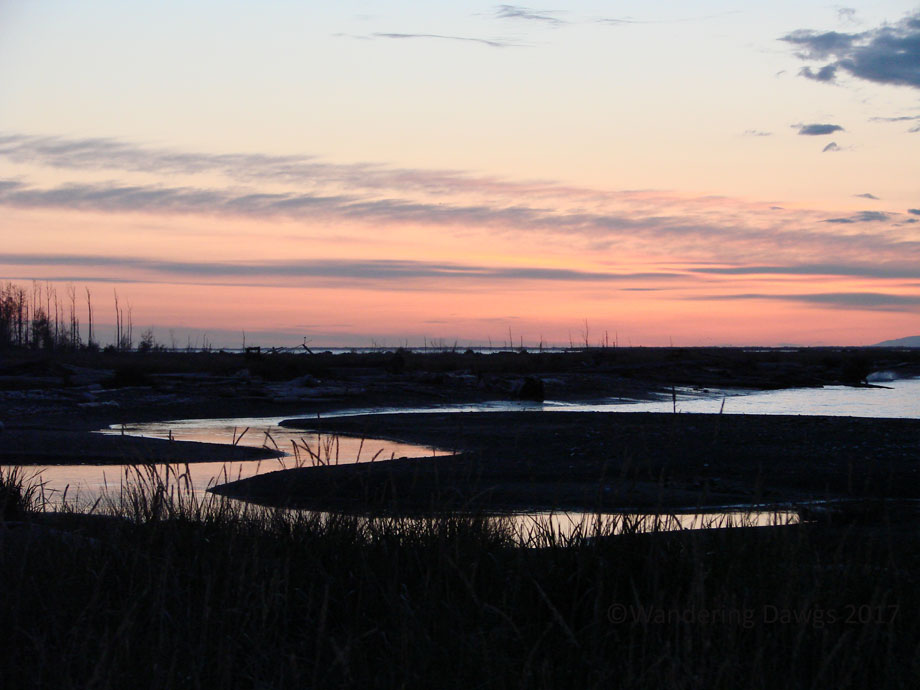
Dungeness Harbor was nearby so one night we went for dinner at the Three Crabs (the restaurant is now closed). There was a great view of the New Dungeness Lighthouse and were able to watch the sun go down.
New Dungeness LighthouseSunset at Dungeness Harbor
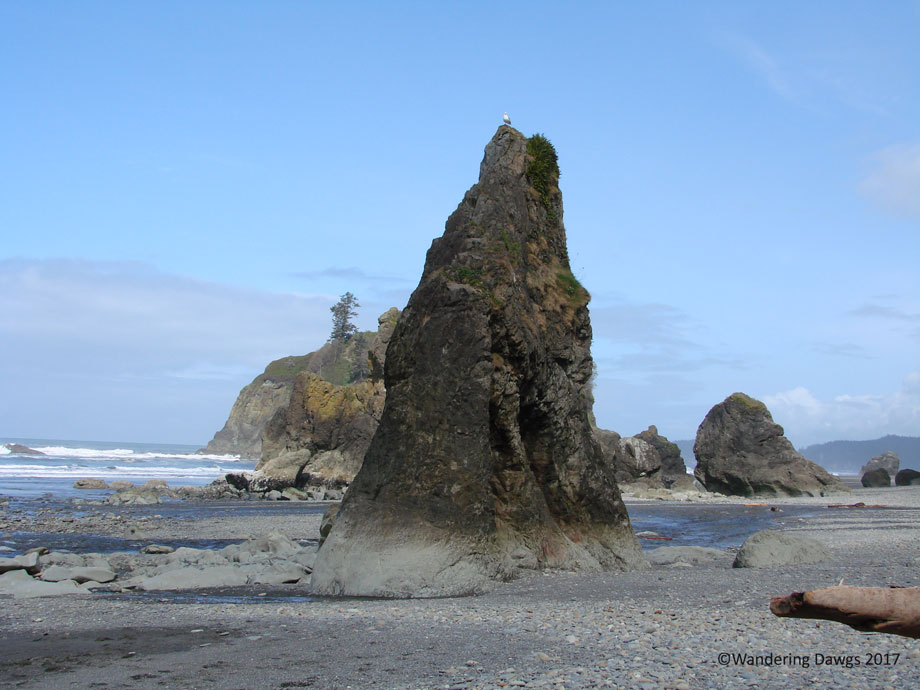
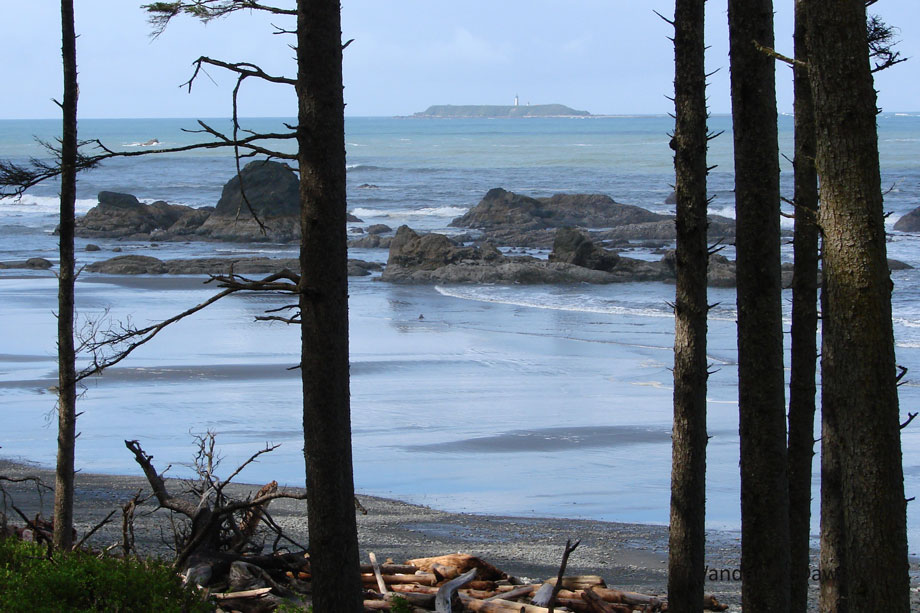
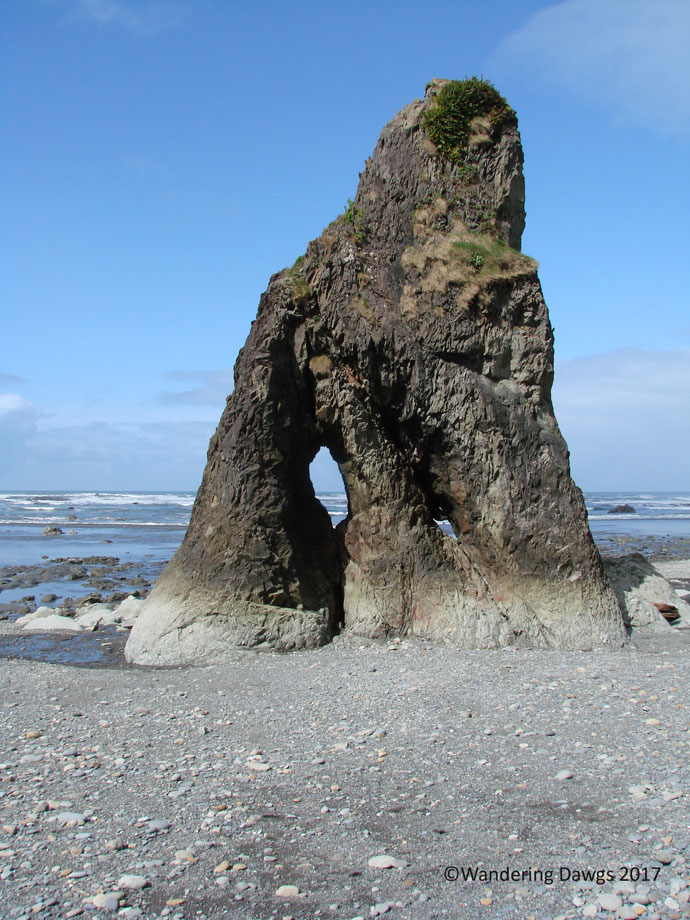
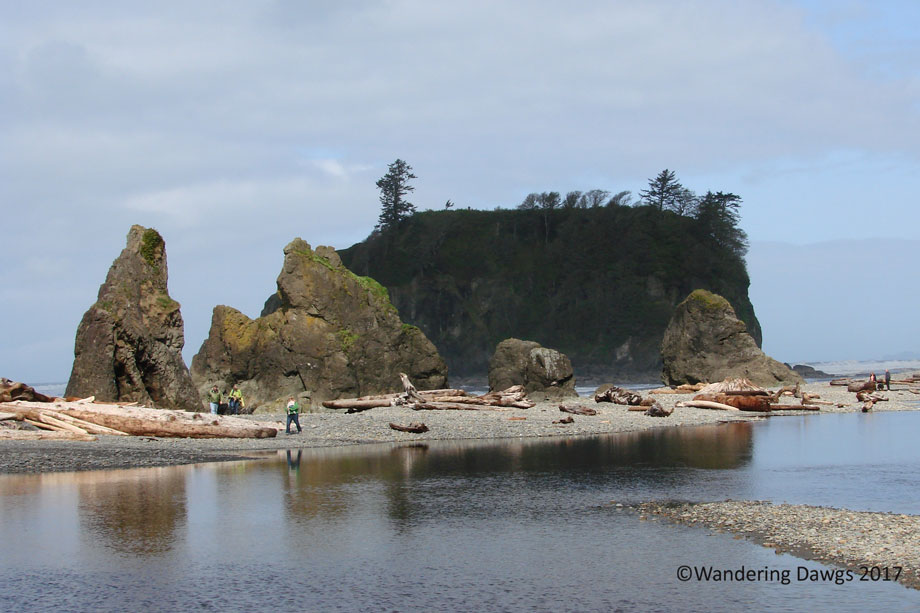
Leaving Port Angeles in our rear view mirror we continued our journey through Washington on Hwy 101. As we drove south along the coast we caught our first glimpses of the Pacific Ocean. Hoping to find a parking space big enough for our truck and fifth wheel, we turned off the highway into a parking area at Ruby Beach in Olympic National Park. Success! It was a little tight but there was space to park and turn around to get back to the highway. After going down a short path to the beach we enjoyed our first walk beside the Pacific Ocean.
Our first view of the Pacific Ocean was Ruby BeachRuby BeachRuby Beach
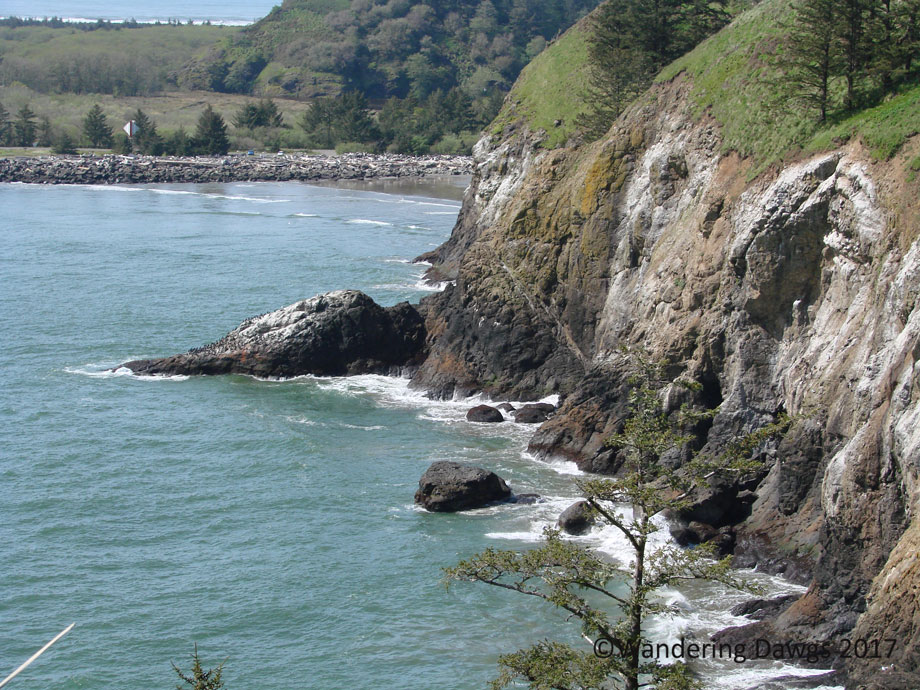
We continued down the coast to our next stop, Cape Disappointment Sate Park on the Long Beach Peninsula. It quickly became one of our all time favorite state park campgrounds. Our site was spacious with with a path behind the site. Inside the state park there were trails to explore, beautiful beaches, two lighthouses, magnificent views of the Pacific Ocean from high atop cliffs, and a Lewis and Clark Interpretive Center. The first order of business to walk down the path and we were thrilled to step out onto a beautiful beach with a view of the North Head Lighthouse.
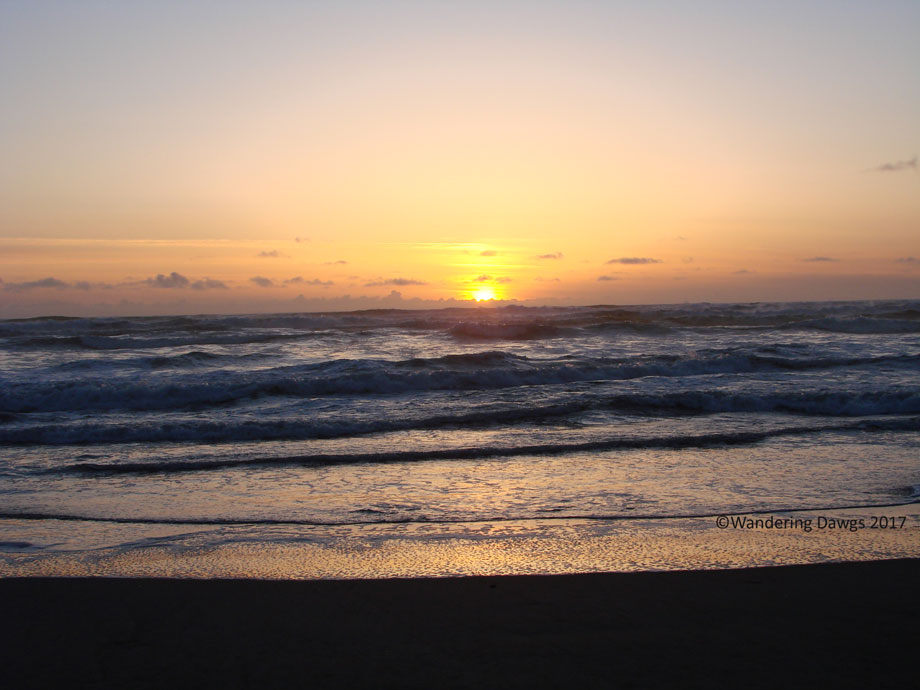
I loved this view of the North Head Lighthouse as we walked out on the beach from the trail behind our campsiteA short trail behind our campsite at Cape Disappointment State Park led us to this beautiful beachSunset at Cape Disappointment State ParkHigh above the Pacific Ocean at Cape Disappointment State ParkBoat washed up on the beach at Cape Disappointment State Park
Lewis and Clark first spotted the Pacific Ocean while in the area and there is evidence of the their presence in and around the state park. We learned a lot about their journey at the excellent Interpretive Center in the state park.
Lewis and Clark monument on the McKenzie Trail
Lewis and Clark first sighted the Pacific Ocean near here and camped in the area
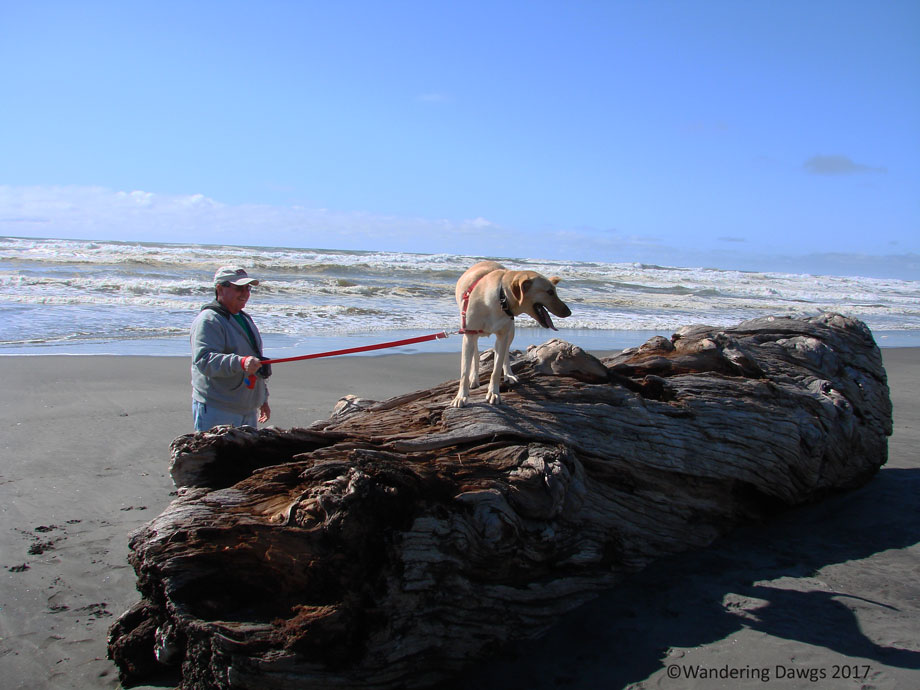
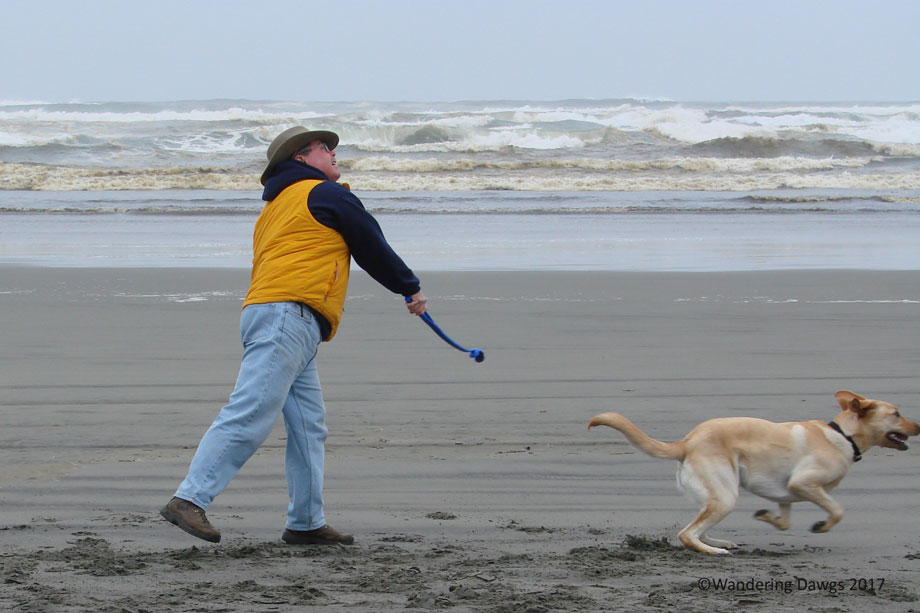
We explored some of the nearby towns and beaches on the Long Beach Peninsula. We ate our fill of local seafood at some of the restaurants in the area. Blondie loved running on the dog friendly beaches.
Blondie loved the dog friendly beach at Long Beach
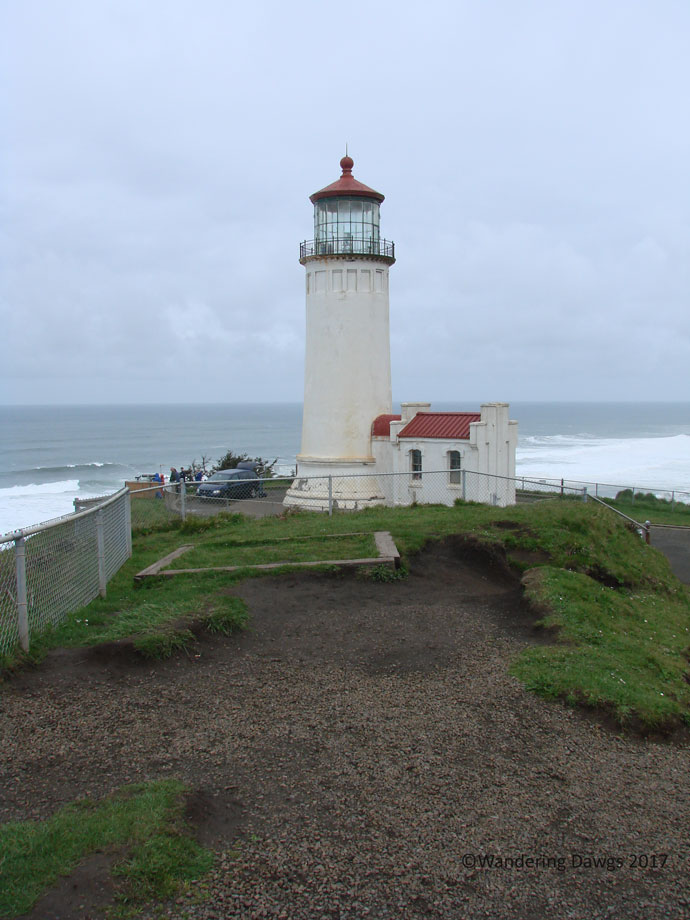
We loved the two lighthouses at Cape Disappointment State Park.
North Head LightCape Disappointment LighthouseCape Disappointment Lighthouse
Our first Washington adventure ended when we crossed the Columbia River into Oregon. Several years later we returned to Washington on our return trip from Alaska. After a couple of nights in Orroville just south of the border from British Columbia our route took us past more beautiful scenery and the Grand Coulee Dam.
Driving along in northern Washington after our trip to Alaska in 2013Near the Grand Coulee DamGrand Coulee Dam
Welcome to the next post in my series highlighting states we have visited throughout the years. I hope you will enjoy coming along for the ride!
I will be featuring the states alphabetically. The next state in my series is
Pennsylvania
Pennsylvania became the 2nd state on December 12, 1787. The capital is Harrisburg.
When I was a teenager, my family made a trip to Philadelphia to see the historic sites. All I remember is seeing the Liberty Bell (it was more years ago than I want to admit and I was a teenager after all). About 40 years ago my husband and I took our kids tent camping to Pennsylvania and toured the Hershey factory and the Gettysburg National Military Park. We made some wonderful memories with our children who were two and six at the time. Unfortunately I don’t have photos from those trips.
Just a few years ago Henry and I traveled through Pennsylvania on an RV trip with our fifth wheel. Always looking for a waterfront campsite, we found a great one at Ferryboat Campsites in Liverpool, right on the banks of the Susquehanna River.
View of the Susquehanna River from the campgroundView of the Susquehanna River from the campground
The Millersburg Ferry is the last operating ferry on the Susquehanna River. The ferry landing is located in the campground so of course we took a ride across the river.
Millersburg Ferry in Liverpool, PennsylvaniaMillersburg Ferry on the Susquehanna RiverMillersburg Ferry is the last operating ferry on the Susquehanna RiverMillersburg FerryEach mark on the building represents the year and the height of a flood



















 Wandering Dawgs